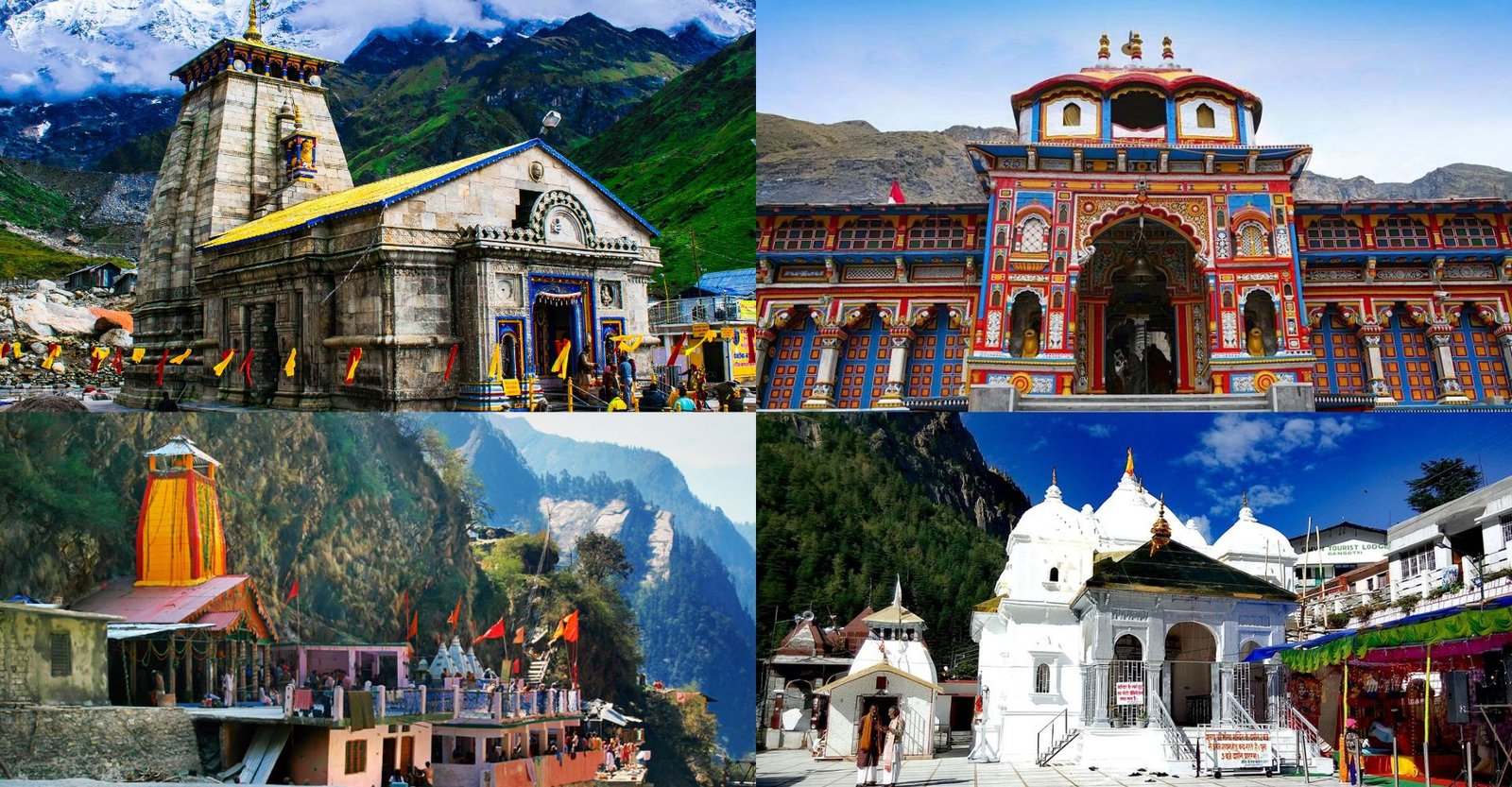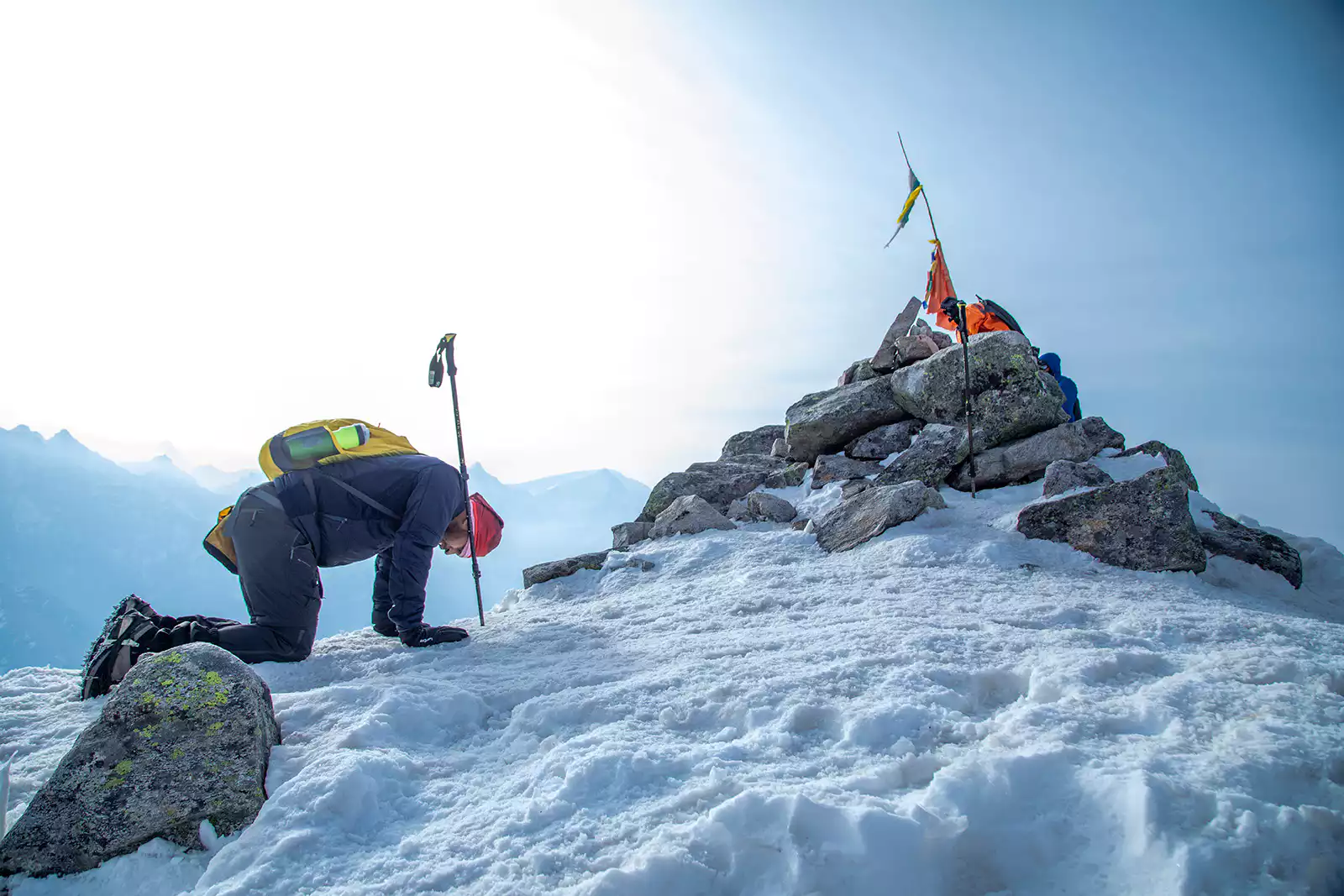
Overview: The Sacred Five
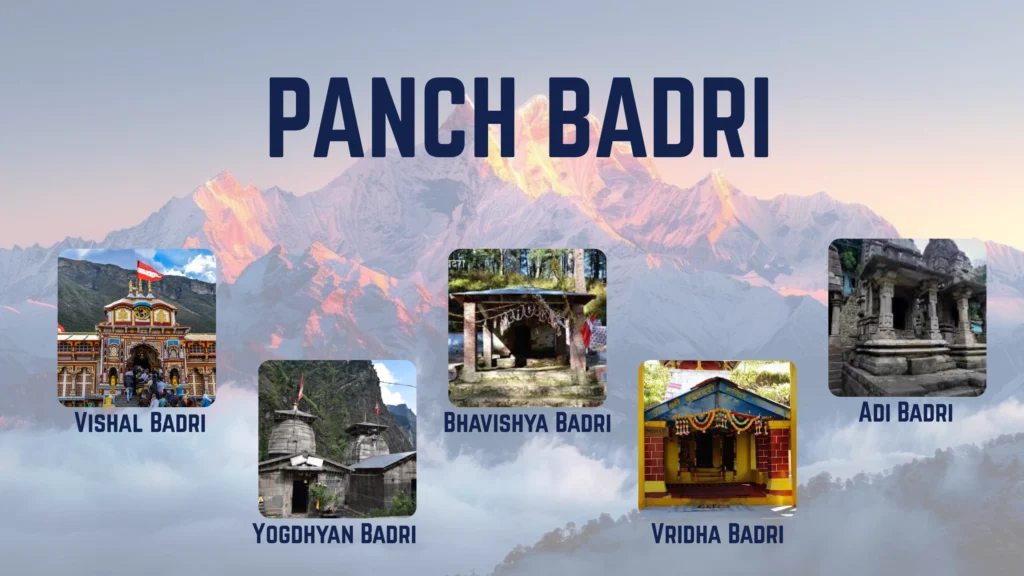
Hidden within the upper reaches of the Garhwal Himalayas in Uttarakhand lies one of Hinduism’s most spiritually layered pilgrimage circuits: Panch Badri. The term means “Five Badris” and refers to five sacred temples dedicated to Lord Vishnu, each representing a different manifestation of the divine across time, mythology, and geography.
While most pilgrims visit Badrinath Temple as part of the Char Dham Yatra, fewer undertake the complete Panch Badri pilgrimage circuit. Those who do often describe it as a deeper, quieter, and more immersive Himalayan spiritual journey. Unlike a single temple visit, Panch Badri unfolds gradually, from lower-altitude river valleys to high Himalayan sanctuaries above 3,000 metres. It is both a spiritual ascent and a physical one.
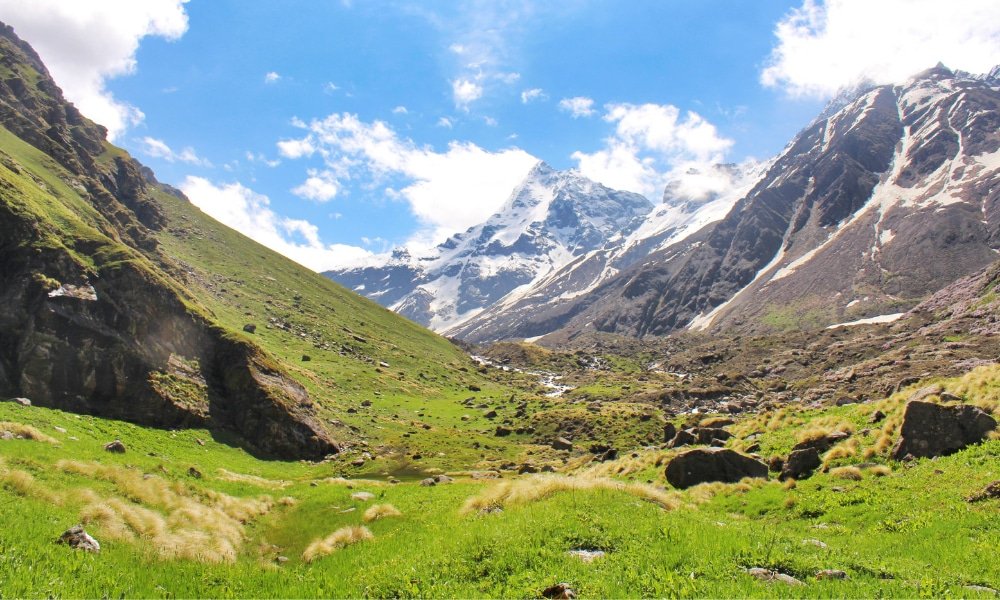
These five sacred shrines are spread across the Chamoli district of Uttarakhand, threading through alpine meadows, dense cedar forests, deep gorges, and ancient villages that have barely changed in centuries. Together, they form a pilgrimage circuit that is both spiritually profound and scenically extraordinary.
Key Information at a Glance
The Five Sacred Shrines of Panch Badri
1. Vishal Badri (Badrinath) – The Supreme Shrine
Significance: Standing sentinel against the snowy peaks of Neelkanth mountain at 6,596 metres, the Badrinath Temple is one of the four sacred Char Dhams of Hinduism and the most important Vaishnava pilgrimage site in North India. The presiding deity is depicted in a black stone form seated in padmasana (lotus posture), a posture so rare that this temple is among the very few in India where the deity is shown in a meditative stance rather than a standing or reclining form.
History: The temple’s origins are attributed to the 8th-century philosopher-saint Adi Shankaracharya, who is said to have retrieved the idol of Badrinarayan from the Alaknanda River and reinstalled it in its present location. The current structure, with its striking multi-coloured facade, ornate shikhara tower, and golden roof dome, reflects centuries of renovation by the Garhwal royal family and the Archaeological Survey of India.
The Legend: The deity is believed to meditate under the Badri tree (Indian jujube), hence the name Badrinath – Lord of the Badri forest. According to legend, Lord Vishnu was meditating here when his wife Lakshmi turned into a Badri (berry) tree to offer him shade.
Key Rituals: Pilgrims traditionally bathe in the sacred Tapt Kund (natural sulphur hot springs, 45°C) before entering the temple. The Brahma Kapal ghat is the sole sanctioned place on the Alaknanda banks where Hindus perform pitru tarpan (ancestral rites).
2. Yogadhyan Badri – The Meditating Vishnu
Significance: Yogadhyan Badri depicts Lord Vishnu in deep meditation. According to the Mahabharata, the Pandavas are believed to have meditated here. The idol’s yogic posture distinguishes this shrine from the others. It is often included in Panch Badri tour itineraries as a peaceful and less crowded stop.
Special Features: The most significant factor of the idol is that it is completely made of bronze. The meditative posture adds to the peaceful vibe of the area. Further, it is special due to the fact that the festival deity (Utsav Murti) is placed here in winters.
Pandukeshwar: The village is named after King Pandu, father of the Pandavas, who installed the bronze statue of the deity Vishnu. The temple complex consisting of four temples – the Yogadhyani, Vasudeva, Lakshmi-Narayana and Ganesha shrines – has been protected by the Archaeological Survey of India (ASI) since 1942.
3. Bhavishya Badri – The Shrine of the Future
The Legend: The name itself depicts an image in the minds of the devotees as the Future Badrinath. It is believed that when, in the future, at some point, the Nar and Narayan mountains will meet each other and block the path of reaching the present Badrinath temple, this Bhavishya Badri temple will turn into the main sanctum.
The Trek: The journey to Bhavishya Badri involves a moderate 6 km trek from Saldhar through captivating pine forests. The trek is moderately challenging, suitable for beginners who have a basic level of fitness, and takes around 3–4 hours from Subhain village. The initial trekking path from Saldhar to Subhain village (3 km) is steep and takes approximately one hour.
4. Vridha Badri – The Aged Vishnu
| Detail | Information |
|---|---|
| Location | Animath village, 7 km from Joshimath |
| Altitude | 1,380 m (4,530 ft) |
| Deity | Lord Vishnu in the form of an old sage |
| Significance | Dates back to the Gupta Dynasty |
| Open | Year-round |
The Legend: Vridha Badri is derived from the form of an old man that Lord Vishnu had taken. According to legend, Lord Vishnu appeared before Narad Muni as an old man. It is said that when mankind entered the age of Kali, Vishnu chose to remove himself from the temple.
Significance: This revered pilgrimage site dates back to the times of the Gupta Dynasty and is one of the oldest temples dedicated to Lord Vishnu. Among all of the Panch Badri, this is the only temple that stays available for offering worship throughout the year.
5. Adi Badri – The Original Abode
Significance: Adi Badri is considered the original abode of Lord Vishnu. Amongst all five shrines of Lord Vishnu, this comes as the First and foremost temple. It is said that when the main temple, Badrinath Dham, becomes unapproachable in winter, the devotees come here to present their devotions to the deity.
Architecture: Adi Badri is a group of 16 temples spread over a small area, with 14 remaining temples that were originally believed to number 16. The prominent Adi Guru Shankaracharya is believed to be the creator of the said complex. Among them is the Narayan temple, where a black stone idol of Vishnu, three feet high, is enshrined.
History of Panch Badri
The Gupta Period Origins
The existence of the Panch Badri dates back to the Gupta period. The temples are a part of Vaishnava sacred geography in the Himalayas. The Indian subcontinent is known for its rich heritage in terms of temples, mostly dedicated to the Trimurti (Brahma, Vishnu, and Mahesh).
The Adi Shankaracharya Connection
The prominent Adi Guru Shankaracharya is believed to be the creator of the Adi Badri temple complex. The Badrinath Temple’s origins are attributed to Shankaracharya, who retrieved the idol of Badrinarayan from the Alaknanda River and reinstalled it in its present location in the 8th century.
The Mahabharata Connection
According to the Mahabharata, the Pandavas are believed to have meditated at Yogadhyan Badri. King Pandu, father of the Pandavas, installed the bronze statue of the deity Vishnu at Yogadhyan Badri. Pandukeshwar village is named after him.
The Legend of the Badri Forest
Earlier, the area was known as Badarikavana, that is, the forest of berries. The story is related to Lord Vishnu meditating here when his wife saw his state and decided to protect him. To save her husband, Goddess Lakshmi turned into “Badri”, that is, a berry tree in order to offer shade to her meditating husband. While common belief might make you think that it is named after Lord Vishnu, legend holds that it is more about his wife.
Geography of Panch Badri
Location and Extent
The Panch Badri temples are located in the Badri Kshetra region of Uttarakhand, starting from Satopanth, about 24 kilometres north of Badrinath, to Nandprayag in the south.
The Five Locations
The Alaknanda River Valley
The temples are spread across the serene valleys of the Alaknanda River in Chamoli district. Badrinath Temple sits between the Nar and Narayan mountain ranges on the banks of the Alaknanda River. The temple complex sits at the confluence of the Alaknanda and its tributaries.
Flora and Fauna of the Panch Badri Region
Flora — Sacred and Medicinal Plants
The Panch Badri region is rich in unique flora, including species associated with Lord Badrinath.
Sacred Plants:
- Badri Tulsi — a sacred variety of tulsi associated with Badrinath
- Badri Ber — the Indian jujube, associated with the Badri tree
- Badri Vriksha (Badri Tree) — the tree under which Lord Vishnu is believed to have meditated
- Bhojpatra (Himalayan Birch) — the sacred tree whose bark was used for writing ancient scriptures
Medicinal Plants:
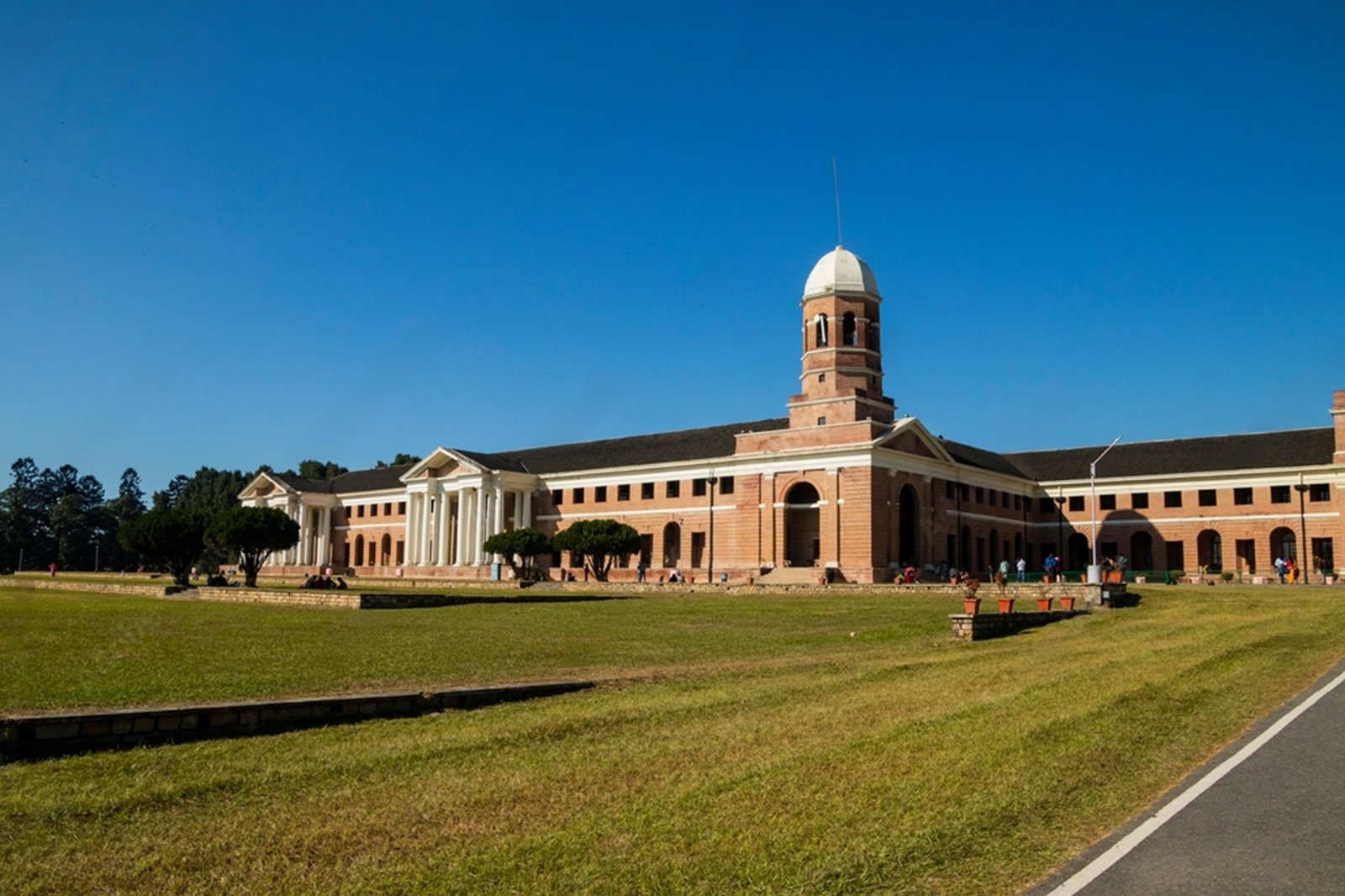
The region is home to the Ashtavarga species, a group of eight herbs found in the Himalayan region. A high-altitude herbal park near Badrinath contains 40 species that are usually found in high-altitude alpine areas in the Indian Himalayan region. The Uttarakhand Forest Research Institute has documented 1,943 plant species in the region, out of which about 56 are sensitive and in a state of extinction.
Badri Van: The Uttarakhand Forest Department has developed ‘Badri Van’ near the famous Badrinath Temple, where native species like Badri Tulsi, Badri Phal, Badri Vriksha, and Bhojpatra have been planted.
Fauna — Wildlife in the Himalayas
The Panch Badri region is home to rare flora and fauna species, including the snow leopard and Brahma Kamal. The state’s Valley of Flowers National Park, which is a UNESCO World Heritage Site, is home to more than 500 species of flora.
Religious Beliefs and Significance
The Badri Kshetra
The Panch Badri Yatra is considered one of the most meaningful pilgrimages after the Char Dham Yatra of Uttarakhand. Hindu scripture holds that Vishnu resided in the entire Badrinath valley in five different forms.
The Concept of the Five Forms
Each of the five Badris represents a different manifestation of Lord Vishnu across time, mythology, and geography:
The Spiritual Significance
The tour is referred to as the most meaningful after the Char Dham Yatra of Uttarakhand. It is based on the life stages, and after completion of the Panch Badri Yatra, devotees have expressed that they felt an elevated sense of consciousness.
The Badrinath Connection
Badrinath is not merely a destination — it is a calling for Moksha. For over a thousand years, pilgrims have crossed raging rivers and ancient mountain passes to bow before Lord Vishnu’s most sacred abode.
How to Reach the Panch Badri Circuit
Reaching the Panch Badri temples requires a combination of road travel and trekking.
Step 1: Reach Joshimath (The Transit Point)
Joshimath is considered the transit point for the Panch Badri Yatra.
By Air — Nearest Airports
| Airport | Distance | Details |
|---|---|---|
| Jolly Grant Airport, Dehradun | ~300 km | Connected to Delhi |
| Indira Gandhi International Airport, Delhi | ~526 km | Major international hub |
From Dehradun Airport:
- Hire a taxi to Joshimath (approx. 9–10 hours)
By Train — Nearest Railway Stations
| Station | Distance | Details |
|---|---|---|
| Rishikesh Railway Station | 301 km | Well-connected to Delhi |
| Haridwar Railway Station | ~310 km | Alternative station |
From Rishikesh to Joshimath:
- Hire a taxi or take a bus to Joshimath (approx. 8–9 hours)
Step 2: Reach the Individual Temples
| Temple | Route | Distance | Travel Time |
|---|---|---|---|
| Badrinath | Joshimath → Badrinath | 46 km | 1–2 hours |
| Yogadhyan Badri | Joshimath → Pandukeshwar | 24 km | 1 hour |
| Bhavishya Badri | Joshimath → Saldhar (17 km) + Trek (6 km) | 23 km total | 4–5 hours |
| Vridha Badri | Joshimath → Animath | 7 km | 30 minutes |
| Adi Badri | Karnaprayag → Adi Badri | 17 km | 1 hour |
The Complete Circuit Route
Route: Delhi → Haridwar → Rishikesh → Devprayag → Rudraprayag → Pipalkoti → Joshimath → Badrinath → Panch Badri
Transport Options
- Private Taxi: Most convenient and flexible
- State Transport Buses: Available from ISBT Kashmiri Gate, New Delhi to Badrinath
- Self-Drive: Scenic but challenging mountain roads
- Shared Taxis: Available from Joshimath to various destinations
Distance from Major Cities
| City | Distance to Badrinath | Travel Time |
|---|---|---|
| Delhi | 526 km | 12–14 hours |
| Rishikesh | 301 km | 8–9 hours |
| Haridwar | ~310 km | 9–10 hours |
| Rudraprayag | 165 km | 4–5 hours |
| Joshimath | 46 km | 1–2 hours |
| Pithoragarh | ~93 km | 3–4 hours |
Weather and Best Time to Visit
Climate Overview
The Panch Badri region experiences a temperate to alpine climate with extreme conditions. The temples are located at varying altitudes, from 1,380 metres to 3,133 metres.
Seasonal Breakdown
| Season | Months | Temperature | Conditions | Suitability |
|---|---|---|---|---|
| Summer (Peak) | May–June | 15°C – 25°C | Pleasant, clear skies, ideal for yatra | ⭐ Best |
| Monsoon | July–August | Variable | Heavy rainfall, landslide risk | ❌ Avoid |
| Autumn | September–October | 10°C – 20°C | Clear skies, scenic Himalayan views | ⭐ Best |
| Winter | November–April | -10°C to 10°C | Heavy snowfall, temples closed | ❌ Avoid |
Temple Opening Dates
Best Time to Visit by Temple
| Temple | Best Months | Reason |
|---|---|---|
| Badrinath | May–June, September–October | Pleasant weather, temple open |
| Yogadhyan Badri | Any time | Year-round access |
| Bhavishya Badri | May–October | Trek accessible, weather favourable |
| Vridha Badri | Any time | Year-round access |
| Adi Badri | Any time | 11 months open |
Why Avoid Monsoon (July–August)
- Heavy rainfall makes the roads slippery and dangerous
- High risk of landslides
- Trekking paths become treacherous
Why Avoid Winter (November–April)
- Badrinath and Bhavishya Badri temples remain closed
- Heavy snowfall blocks roads
- Extreme cold temperatures
Packing Guide
| Category | Items |
|---|---|
| Clothing | Heavy woollens, thermal wear, insulated jacket, raincoat, comfortable trekking shoes |
| Essentials | Sunscreen, sunglasses, hat, power bank, personal medication |
| Documents | Valid ID proof, registration slips |
| Trekking Gear | Sturdy shoes, trekking pole (for Bhavishya Badri), backpack |
| Other | Water bottle, snacks, cash |
Nearby Places to Visit
Things to Do on the Panch Badri Yatra
1. Seek Blessings at All Five Badris
The primary purpose of the Panch Badri Yatra is to visit all five sacred shrines and seek the blessings of Lord Vishnu in his five different forms.
2. Trek to Bhavishya Badri
The 6 km trek from Saldhar to Bhavishya Badri is a rewarding experience through pine forests and scenic mountain views.
3. Witness the Sunrise at Badrinath
Set your alarm for 5:15 AM. Look at the Neelkanth Peak, where for a window of exactly 10 minutes at sunrise, the snowy peak turns a vivid, translucent pink — a sight that locals call the “First Offering of Surya to Vishnu”.
4. Take a Dip in Tapt Kund
Take a holy dip in the Tapt Kund (natural sulphur hot springs at 45°C) before entering the Badrinath Temple. The ritual significance is purification, but the tactical benefit is that the sulphur-rich water acts as a natural muscle relaxant.
5. Explore the Ancient Architecture
Marvel at the Gupta period architecture of Adi Badri and the Nagara style of Yogadhyan Badri.
6. Photography
From the pink hues of Neelkanth Peak at sunrise to the ancient temples and dense forests, the Panch Badri circuit offers endless photography opportunities.
7. Attend the Festivals
Experience the vibrant celebrations during the opening and closing ceremonies of Badrinath Temple, and other festivals throughout the year.
Accommodation Options
| Type | Location | Features | Price Range |
|---|---|---|---|
| GMVN Guest Houses | Badrinath, Joshimath | Government-run, basic amenities | ₹800 – ₹2,500 |
| Hotels | Badrinath, Joshimath | Wide range from budget to luxury | ₹1,500 – ₹8,000+ |
| Dharamshalas | Badrinath | Simple pilgrim accommodation | ₹300 – ₹800 |
| Guesthouses | Pandukeshwar, Animath | Basic amenities | ₹500 – ₹1,500 |
| Homestays | Subhain (trek route) | Authentic local experience | ₹800 – ₹2,000 |
Travel Tip: Book accommodation well in advance, especially during peak season (May–June and September–October). Badrinath has limited accommodation options, so early booking is essential.
Local Cuisine — A Taste of Garhwal
The Panch Badri region offers simple, authentic Garhwali cuisine.
Must-Try Garhwali Dishes
| Dish | Description |
|---|---|
| Kafuli | Traditional spinach and fenugreek curry |
| Phanu | Lentil-based dish, a Garhwali speciality |
| Gahat ka Shorba | Nutritious soup made from horse gram |
| Mandua Roti | Finger millet flatbread |
| Jhangora Kheer | Sweet pudding made from barnyard millet |
| Aloo Ke Gutke | Spiced fried potatoes, a Kumaoni speciality |
Where to Eat
- Hotels and Guesthouses: Simple meals available
- Local Dhabas: Authentic Garhwali food
- Badrinath: Limited restaurant options; most hotels offer meals
Frequently Asked Questions (FAQs)
General Questions
Q1: What is Panch Badri?
A: Panch Badri refers to the group of five sacred shrines dedicated to Lord Vishnu in the Chamoli district of Uttarakhand. The five temples are Badrinath (Vishal Badri), Yogadhyan Badri, Bhavishya Badri, Vridha Badri, and Adi Badri.
Q2: What are the names of the five Panch Badri temples?
A: The five Panch Badri temples are:
- Vishal Badri (Badrinath)
- Yogadhyan Badri (Pandukeshwar)
- Bhavishya Badri (Subhain)
- Vridha Badri (Animath)
- Adi Badri (Near Karnaprayag)
Q3: What is the altitude of Badrinath?
A: Badrinath is situated at an elevation of approximately 3,133 metres (10,279 feet) above sea level.
Q4: What is the best time to visit Panch Badri?
A: The best time to visit is from May to June and September to October. The temples are open from late April to early November.
Q5: Is trekking required for Panch Badri Yatra?
A: Yes, trekking is required for Bhavishya Badri — a 6 km trek from Saldhar. The other temples are accessible by motorable roads.
Q6: How many days are required for Panch Badri Yatra?
A: The ideal duration is 7 to 10 days.
Q7: What is the distance between Delhi and Badrinath?
A: The distance from Delhi to Badrinath is approximately 526 km.
Q8: What is the nearest railway station to the Panch Badri circuit?
A: The nearest railway station is Rishikesh Railway Station, approximately 301 km from Badrinath.
Q9: What is the nearest airport to the Panch Badri circuit?
A: The nearest airport is Jolly Grant Airport, Dehradun, approximately 300 km from Badrinath.
Q10: Which Panch Badri temples are open year-round?
A: Yogadhyan Badri, Vridha Badri, and Adi Badri are open year-round. Badrinath and Bhavishya Badri are closed during winter.
Q11: What is the significance of Yogadhyan Badri?
A: Yogadhyan Badri is where Lord Vishnu is depicted in a deep meditative posture. It is associated with King Pandu and the Pandavas.
Q12: What is the significance of Bhavishya Badri?
A: Bhavishya Badri is believed to be the future abode of Lord Vishnu when Badrinath becomes inaccessible due to geological changes. It is also known as the “Future Badrinath”.
Q13: What is the significance of Vridha Badri?
A: Vridha Badri is where Lord Vishnu is worshipped in the form of an old sage. It dates back to the Gupta Dynasty.
Q14: What is the significance of Adi Badri?
A: Adi Badri is considered the original abode of Lord Vishnu, dating back to the Gupta period. It is the first and foremost temple among the five.
Q15: Is there an entry fee for the Panch Badri temples?
A: Entry to the temples is free. Donations are welcome.
Q16: What should I wear when visiting the Panch Badri temples?
A: Visitors are expected to dress modestly as a mark of respect. Cover shoulders and knees when entering temple premises. Remove footwear before entering the sanctum sanctorum.
Q17: Are there accommodation options available?
A: Yes, accommodation options include GMVN guest houses, hotels, dharamshalas, and homestays in Badrinath, Joshimath, and other locations.
Q18: What is the Tapt Kund?
A: Tapt Kund is a natural sulphur hot spring at Badrinath where water maintains a constant 45°C despite sub-zero air temperatures. Pilgrims traditionally bathe here before entering the temple.
Q19: What is the best route for Panch Badri Yatra?
A: The route is: Delhi → Haridwar → Rishikesh → Devprayag → Rudraprayag → Joshimath → Badrinath → Panch Badri.
Q20: How can I book a Panch Badri Yatra tour?
A: Tours can be booked through:
- Local tour operators in Haridwar, Rishikesh, and Joshimath
- Discover Uttarakhand for customised pilgrimage packages
Plan Your Panch Badri Yatra with Discover Uttarakhand
At Discover Uttarakhand, we’ve been organising unforgettable pilgrimage journeys since 1997. As a trusted local operator with deep knowledge of the Garhwal region and its sacred sites, we offer:
✅ Customised Panch Badri Yatra packages (7 to 10 days)
✅ Combined itineraries with Char Dham, Panch Kedar, and Panch Prayag
✅ Comfortable transport with experienced hill drivers
✅ Verified accommodations in Badrinath, Joshimath, and other locations
✅ Local guides for temple visits and treks
✅ 24/7 customer support throughout your journey
Recommended Panch Badri Packages
| Package | Duration | Starting Point | Highlights |
|---|---|---|---|
| Panch Badri Darshan | 7 Nights / 8 Days | Haridwar | All five Badri temples, Badrinath, Joshimath |
| Panch Badri & Char Dham | 10 Nights / 11 Days | Haridwar | Panch Badri, Yamunotri, Gangotri, Kedarnath, Badrinath |
| Garhwal Pilgrimage Circuit | 9 Nights / 10 Days | Haridwar | Panch Badri, Panch Kedar, Panch Prayag |
📞 Call / WhatsApp: +91-9997187178, 9760222178, 8171977178
📍 Visit Our Office: Himalayan Colony, opposite DSVV, Haripur Kalan, Haridwar, Motichur Range, Uttarakhand 249411
🌐 Website: www.discover-uttarakhand.com
📧 Email: info@discover-uttarakhand.com
Discover Uttarakhand – Your Local Partner for Unforgettable Pilgrimage Journeys Since 1997 🏔️