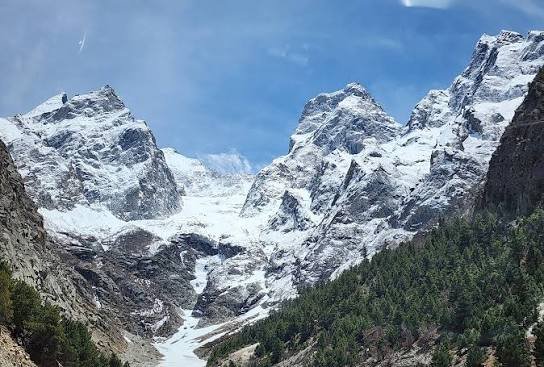
Harsil Valley and Nelong Valley in winter offer a completely different side of Uttarakhand—quiet mountain villages, snow-covered landscapes, frozen streams, dramatic Himalayan peaks and the raw beauty of the high-altitude Garhwal region. For travellers looking beyond crowded hill stations, a winter journey to Harsil and the newly expanding winter-access opportunities in Nelong Valley can be an unforgettable Himalayan experience.
Harsil, located in Uttarkashi district along the Bhagirathi River, is known for its spectacular natural surroundings, deodar forests, traditional villages and winter snowfall. The Uttarakhand Tourism Department specifically notes that Harsil receives heavy snowfall during winter.
Nelong Valley, meanwhile, is famous for its stark, high-altitude landscape and is often compared with the cold-desert scenery of Ladakh. In 2026, winter tourism access to Nelong Valley was expanded under regulated conditions, with reported daily limits on tourists and vehicles, making planning and local assistance particularly important.
If you are planning a Harsil Valley winter tour, Nelong Valley winter trip or Harsil–Nelong Valley adventure, Discover Uttarakhand can help you plan the journey with transportation, accommodation, local coordination and permit assistance.
Why Visit Harsil in Winter?
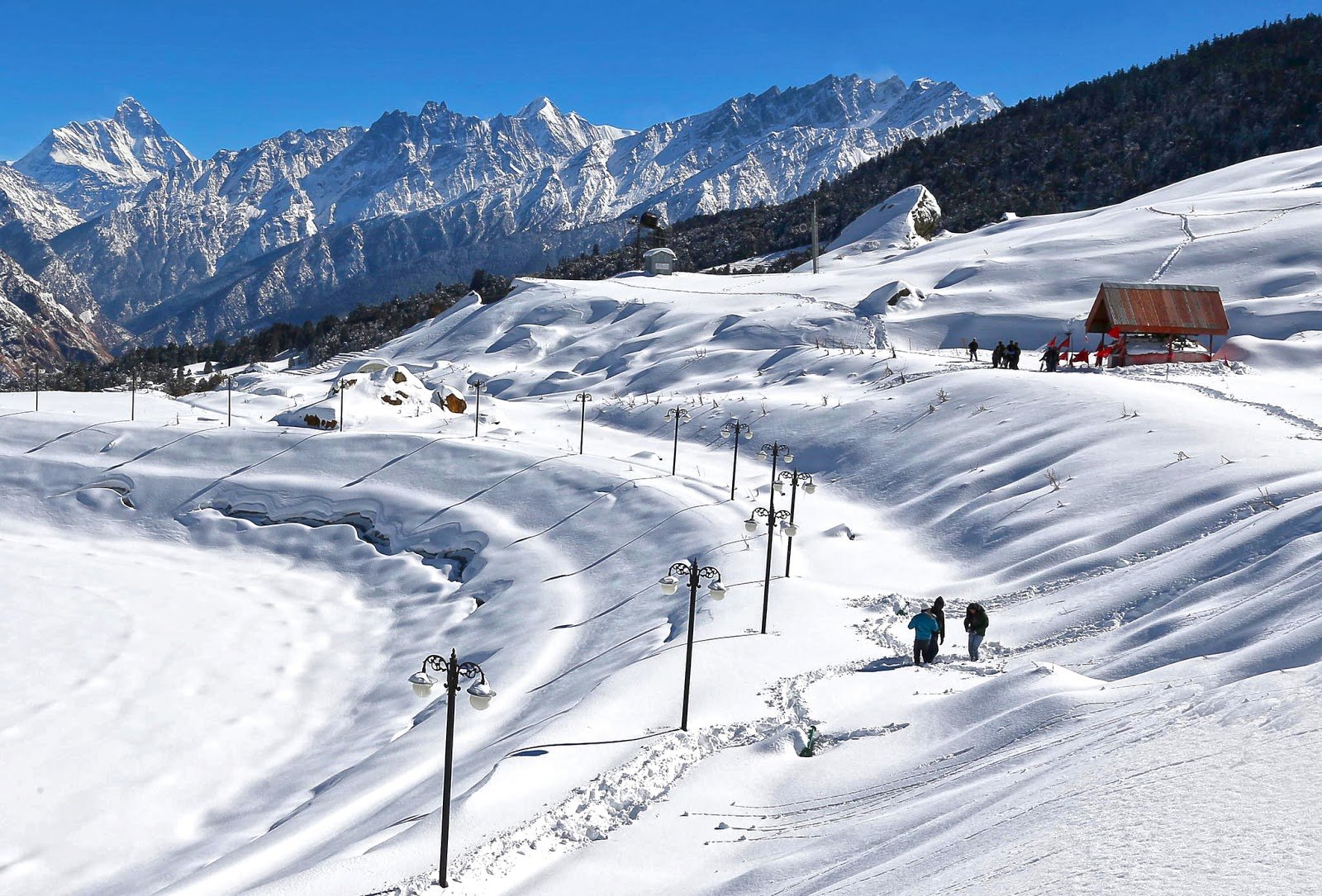
Harsil becomes a snow-covered Himalayan paradise when temperatures drop. The green landscapes of summer gradually transform into shades of white, while the surrounding mountains become even more dramatic.
Situated at around 2,660 metres, Harsil experiences significantly colder winter conditions, and snowfall can cover roads, forests and village surroundings.
1. Experience Snowfall in Harsil
For travellers who want to experience authentic Himalayan snowfall without visiting extremely commercialised destinations, Harsil is an excellent choice.
Depending on weather conditions, winter visitors may experience:
- Fresh snowfall
- Snow-covered deodar forests
- Frozen streams and waterfalls
- Snow-covered village paths
- Clear Himalayan views after snowfall
- Peaceful mountain surroundings
Winter conditions can change quickly, so road accessibility should always be confirmed before departure.
2. Explore Mukhba Village
Mukhba is one of the most culturally significant villages near Harsil. It is particularly important during winter because it becomes the winter abode of Goddess Gangotri when the high-altitude Gangotri region receives heavy snowfall.
A visit to Mukhba gives travellers an opportunity to experience the spiritual traditions and mountain culture of the region while enjoying beautiful Himalayan scenery.
3. Discover Bagori Village
Bagori, located close to Harsil, offers a glimpse into the traditional lifestyle of the local Bhotiya community.
Visitors can explore traditional houses, mountain surroundings and local culture while enjoying the peaceful atmosphere of the valley.
For photographers and cultural travellers, Bagori and the surrounding villages provide excellent opportunities for capturing authentic Himalayan life.
4. Enjoy the Peaceful Side of Harsil
One of the biggest advantages of travelling to Harsil in winter is the peaceful atmosphere.
Unlike popular hill stations such as Mussoorie and Nainital, Harsil offers a more remote and intimate Himalayan experience. The valley’s combination of mountains, forests, villages and the Bhagirathi River creates a perfect setting for travellers looking for tranquillity.
Why Include Nelong Valley in Your Winter Adventure?
Nelong Valley is one of the most fascinating destinations in Uttarakhand.
Located in the high-altitude border region of Uttarkashi district, the valley features rugged mountains, barren slopes, dramatic cliffs and a landscape that looks very different from the lush valleys usually associated with Uttarakhand.
Its unique terrain has earned it the popular nickname “Ladakh of Uttarakhand.”
Historically, harsh winter conditions restricted access to Nelong Valley during the colder months. However, a 2026 policy change opened the possibility of regulated winter tourism, with reported limits of 100 tourists and 20 vehicles per day during winter. Travellers should therefore verify current permissions, weather conditions and access restrictions before travelling.
Nelong Valley Winter Experience
A winter visit to Nelong Valley can offer an entirely different Himalayan landscape.
Expect:
- Snow-covered high-altitude mountains
- Dramatic rocky landscapes
- Frozen streams and water bodies
- Deep valleys and narrow mountain roads
- Remote Himalayan scenery
- Exceptional photography opportunities
- A feeling of true wilderness
Because Nelong Valley is located in a sensitive border region, visitors must follow government regulations and local instructions. Access may require permits and may be subject to weather, road and security conditions.
Harsil vs Nelong Valley in Winter
Although Harsil and Nelong Valley are located in the same broader Himalayan region, they offer very different travel experiences.
| Harsil Valley | Nelong Valley |
|---|---|
| Snow-covered mountain valley | High-altitude cold-desert landscape |
| Forests and rivers | Rugged mountains and barren terrain |
| Traditional Himalayan villages | Remote border-region landscape |
| Mukhba and Bagori villages | Jadh Ganga and high-altitude scenery |
| Better suited for relaxed stays | Better suited for adventure and exploration |
| Hotels and homestays available around Harsil | Access is regulated |
| Ideal for families, couples and photographers | Ideal for adventure travellers and photographers |
Combining both destinations creates an excellent Harsil & Nelong Valley winter tour package.
Best Time to Visit Harsil & Nelong Valley in Winter
November – Early Winter
November can be an excellent period for travellers who want cold weather, clear mountain views and relatively fewer tourists.
Snow conditions can vary from year to year, so travellers looking specifically for snowfall should check the latest local weather and road conditions.
December – February – Peak Winter
These months offer the strongest winter atmosphere.
Harsil can receive substantial snowfall, while temperatures can fall below freezing. The valley can look spectacular under a blanket of snow.
Nelong Valley access during winter is regulated, and actual entry depends on prevailing government rules, weather, road conditions and permits.
March – End of Winter
March brings gradual changes in weather, although snow can remain at higher elevations. It can be an interesting transition period for travellers looking for a combination of winter scenery and improving road conditions.
Places to Explore Around Harsil
A Harsil winter holiday can include several interesting places.
Harsil Village
Spend time walking around the village, enjoying mountain views and experiencing the peaceful atmosphere beside the Bhagirathi River.
Mukhba Village
Visit the winter abode associated with Goddess Gangotri and experience the spiritual and cultural heritage of the region.
Bagori Village
Explore traditional architecture, local culture and the beautiful mountain surroundings.
Dharali
Dharali is another scenic settlement near Harsil and is surrounded by beautiful Himalayan landscapes.
Sattal, Harsil
Sattal near Harsil is known for its cluster of lakes and the Vishwanath Temple.
Gangotri
A visit to the Gangotri region can be included depending on seasonal accessibility, weather and official conditions.
Things to Do on a Harsil & Nelong Valley Winter Trip
A winter journey isn’t just about sightseeing. It is about experiencing the Himalayas.
Snow Photography
Harsil provides excellent opportunities for landscape photography, especially after fresh snowfall.
Village Walks
Explore Mukhba, Bagori and nearby villages to experience local architecture and Himalayan culture.
Himalayan Landscape Photography
Nelong Valley is particularly attractive to photographers because of its dramatic combination of rocky mountains, deep valleys and high-altitude terrain.
Local Food Experience
Try traditional Garhwali and Himalayan food during your stay, depending on availability at your accommodation.
Stargazing
With relatively low light pollution compared with major tourist destinations, clear winter nights can provide beautiful views of the Himalayan sky.
How to Reach Harsil Valley
Harsil is connected by road with Uttarkashi and the major gateways of Uttarakhand.
The district administration states that Harsil is approximately 75 km from Uttarkashi and is located along National Highway 108. Rishikesh, Haridwar and Dehradun can be used as major rail/road gateways for the journey.
From Dehradun
Dehradun → Mussoorie/route toward Chamba → Dharasu Bend → Uttarkashi → Harsil
From Haridwar
Haridwar → Rishikesh → Chamba → Dharasu Bend → Uttarkashi → Harsil
From Delhi
Travellers from Delhi can travel towards Haridwar/Dehradun and continue through Uttarkashi to Harsil.
Because winter weather can affect Himalayan roads, we recommend travelling with an experienced hill driver and checking road conditions before departure.
How to Visit Nelong Valley
Nelong Valley is not an ordinary tourist destination. It lies in a regulated border region, so visitors should not treat it like a normal self-drive sightseeing location.
Permit requirements, vehicle restrictions, daily visitor limits, security regulations and road conditions can change. The 2026 winter-access policy has introduced regulated tourism during the colder months, but travellers should obtain confirmation of the applicable rules before departure.
Discover Uttarakhand can assist travellers with trip planning, local transportation and permit-related coordination for eligible visitors.
Why Choose Discover Uttarakhand for Harsil & Nelong Valley?
Planning a remote Himalayan trip requires more than simply booking a vehicle and hotel.
At Discover Uttarakhand, our local experience helps travellers plan journeys according to seasonal conditions, road accessibility and destination requirements.
We can assist with:
- Harsil Valley winter tour packages
- Harsil & Nelong Valley combined tours
- Uttarkashi–Harsil transportation
- Comfortable local vehicles
- Experienced hill drivers
- Hotels and homestays
- Permit-related coordination for restricted areas
- Local sightseeing
- Customized itineraries
- Family and group tours
- Photography and adventure trips
Our objective is to make your Himalayan journey comfortable, safe and memorable while allowing you to experience destinations beyond the usual tourist circuit.
Suggested Harsil & Nelong Valley Winter Itinerary
Day 1: Dehradun/Haridwar → Uttarkashi
Begin your Himalayan journey and drive towards Uttarkashi. Enjoy scenic views of the Garhwal Himalayas along the way.
Overnight: Uttarkashi
Day 2: Uttarkashi → Harsil
Continue towards Harsil through the beautiful mountain roads. Reach Harsil and check into your hotel or homestay.
Spend the evening exploring the local surroundings.
Overnight: Harsil
Day 3: Harsil Valley Sightseeing
Explore Harsil, Mukhba, Bagori and nearby attractions. Enjoy the snowy landscape and local Himalayan culture.
Overnight: Harsil
Day 4: Nelong Valley Excursion
Start early for Nelong Valley, subject to current winter access, permits, weather and road conditions.
Explore the dramatic landscape and return to Harsil/Uttarkashi as permitted.
Overnight: Harsil/Uttarkashi
Day 5: Harsil → Uttarkashi → Dehradun/Haridwar
Enjoy the final Himalayan drive and return towards your drop-off destination.
The itinerary can be modified according to snowfall, road conditions, permit availability and government regulations.
Essential Tips for a Harsil & Nelong Valley Winter Trip
Before travelling, keep these points in mind:
- Carry proper winter clothing. Thermal wear, insulated jackets, gloves, woollen socks and waterproof shoes are highly recommended.
- Check road conditions before departure. Heavy snowfall can affect Himalayan roads.
- Start drives early. Winter daylight hours are shorter and mountain weather can change quickly.
- Keep emergency supplies. Carry medicines, snacks, water and essential personal items.
- Carry sufficient cash. Banking and ATM facilities become limited as you travel deeper into the mountains.
- Do not travel into restricted areas without permission.
- Follow instructions from local authorities and security personnel.
- Keep the itinerary flexible. Himalayan weather can change travel plans.
- Choose an experienced local driver. Winter mountain driving requires experience.
- Respect local culture and the environment. Avoid littering and follow responsible tourism practices.
Harsil & Nelong Valley: A Winter Journey Beyond the Ordinary
If your idea of a holiday is more than cafés, crowded markets and conventional hill stations, Harsil and Nelong Valley should be on your Uttarakhand travel list.
Harsil offers the charm of snowy villages, forests, rivers and Himalayan spirituality. Nelong Valley offers rugged landscapes, adventure and a rare glimpse into the high-altitude border region.
Together, they create one of the most unique winter travel experiences in Uttarakhand.
Whether you are planning a family holiday, a photography expedition, a group adventure or a customised Himalayan road trip, Discover Uttarakhand can help you design an itinerary around your preferred dates and travel style.
Book Your Harsil & Nelong Valley Winter Tour with Discover Uttarakhand
Plan your winter escape to the Himalayas with Discover Uttarakhand.
Website: discover-uttarakhand.com
Call / WhatsApp: 8171977178 | 9760222178 | 9997187178
Email: discoveruttarakhand.mail@gmail.com
Discover Uttarakhand – Your Local Travel Partner for Harsil, Nelong Valley, Uttarkashi and the Himalayan region.
Leave a Reply