Overview: The Lost Capital of Kumaon
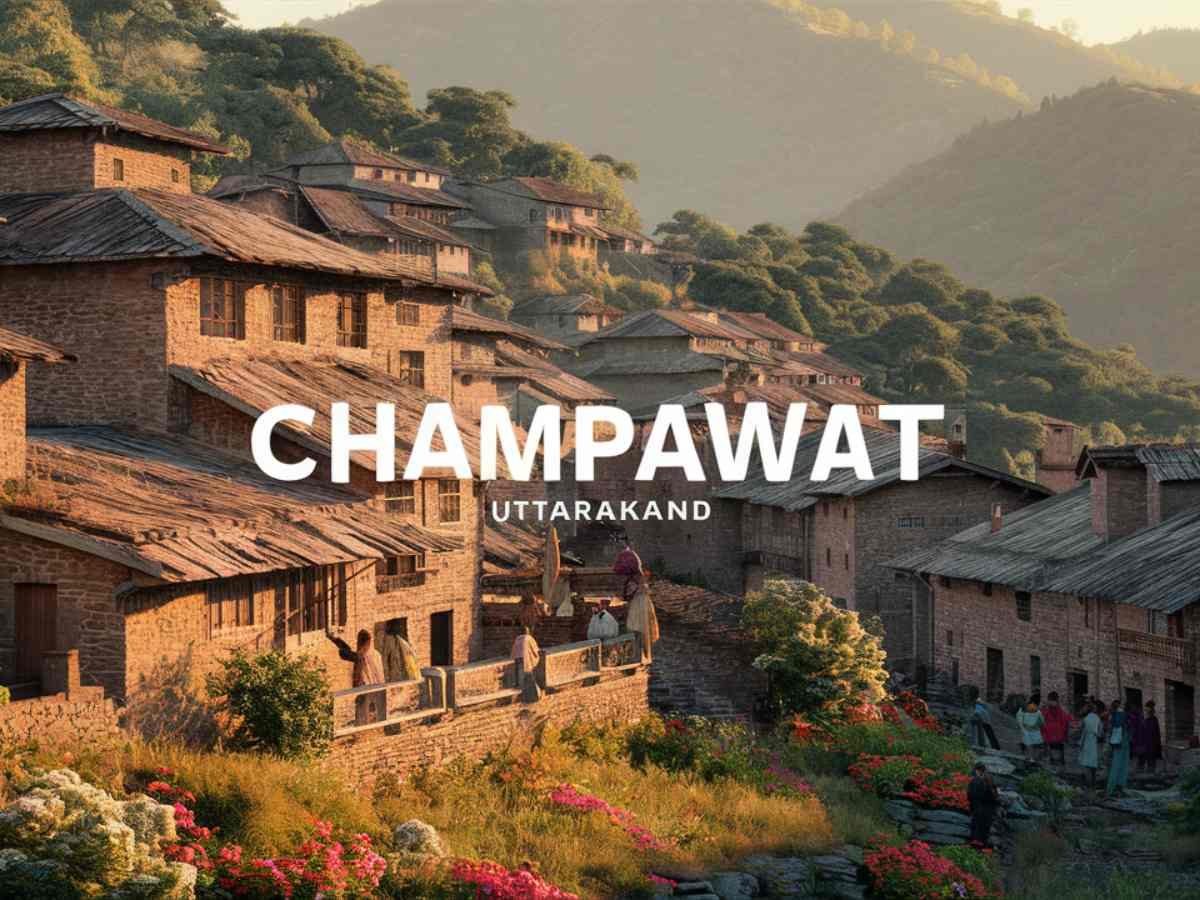
Champawat is not just a town; it is a living chronicle of Kumaon’s glorious past. Nestled in the eastern part of Uttarakhand at an elevation of 1,615 metres (5,299 feet), this picturesque district was once the capital of the powerful Chand dynasty, which ruled over Kumaon from the 10th to the 16th century.
Surrounded by lush green hills, dense forests, and the majestic Himalayan foothills, Champawat remains one of Uttarakhand’s best-kept secrets. Unlike the crowded tourist hubs of Nainital or Mussoorie, Champawat offers an offbeat and peaceful retreat for nature lovers, trekkers, history enthusiasts, and spiritual seekers alike.
The town derives its name from Princess Champawati, the daughter of King Arjun Deo, who ruled the region in ancient times. Today, it is the administrative headquarters of Champawat district, which was carved out from Pithoragarh on 15 September 1997.
Whether you are a history buff exploring 10th-century stone temples, a pilgrim seeking blessings at ancient shrines, or a traveller looking for solitude amidst pristine nature, Champawat welcomes you with open arms and a quiet smile.
Key Information at a Glance
History of Champawat
The Glorious Chand Dynasty
Champawat was once the capital of the powerful Chand dynasty, which ruled over Kumaon from the 10th to the 16th century. As the administrative and cultural centre of the dynasty, Champawat saw the construction of several important temples and monuments that stand as a testament to this era.
The Legend of Princess Champawati
The town is named after Princess Champawati, the daughter of King Arjun Deo, who ruled the region. The original name of Champawat is said to be Champavati, derived from its location on the banks of the Champavati stream.
The Champawat Tiger and Jim Corbett
In 1907, the legendary hunter-conservationist Jim Corbett tracked and killed the infamous Champawat Tiger here—a man-eating Bengal tigress responsible for an estimated 436 human deaths across Nepal and India. This incident launched Corbett’s legend and is documented in his famous book, “The Man-Eaters of Kumaon”. A memorial marks the spot where the tigress was finally shot, though it remains modest and easy to miss.
The Birth of a District
Recognising its historical and cultural importance, the government carved out Champawat as a separate district from Pithoragarh on 15 September 1997.
Geography of Champawat
Location and Topography
Champawat is located in the eastern part of Uttarakhand, in the Kumaon region. It shares its borders with Nepal in the east, Pithoragarh and Almora districts in the west, and Nainital and Udham Singh Nagar districts in the south.
| Feature | Details |
|---|---|
| Coordinates | 29°20′N 80°06′E |
| Elevation | 1,615 m (5,299 ft) |
| Total Forest Cover | ~67% of the district |
| Major Rivers | Kali, Saryu, Lohawati |
The Landscape
Champawat is blessed with lush forests, flowing rivers, high ridges, and panoramic views of the Himalayas. Unlike the crowded tourist hubs, Champawat offers an offbeat and peaceful retreat for nature lovers and trekkers.
Flora and Fauna of Champawat
Flora
Champawat district is rich in biodiversity, with a total forest cover of about 67%. The forests include species such as tejpat, amla, reetha, lemon, gulmohar, and kachnar. The region also features Upper or Himalayan Chir Pine Forests at elevations ranging from 750 to 2,000 metres.
The district has important cultural significance in terms of sacred groves and rich biodiversity.
Fauna
The relatively less-explored district of Champawat is home to a modest but engaging range of wildlife.
Wildlife Species:
- Hill partridges
- Himalayan shrike-babblers
- Over 450 species of birds have been identified in the region.
Protected Areas:
- Nandhaur Wildlife Sanctuary: A beautiful sanctuary located near Champawat, offering wildlife discovery amidst the area spread from Uttarakhand to parts of Nepal.
Religious Beliefs and Sacred Sites
Champawat is a land of deep spirituality, home to several ancient temples and pilgrimage sites.
🛕 Major Temples
1. Baleshwar Temple
The Baleshwar Temple is the most famous attraction in Champawat. Built during the reign of the Chand dynasty in the 10th–12th century, this exquisite stone temple is dedicated to Lord Shiva.
Key Features:
- Intricate stone carvings that rival anything in Khajuraho or Konark
- Part of a group of seven ancient temples in the Champavati stream valley
- Located in the heart of Champawat city
- Serene atmosphere for meditation and prayer
2. Kranteshwar Mahadev Temple
Located 6 km from Champawat main market, this sacred shrine is dedicated to Lord Shiva. It is also called Kurmapad or Kandev and is situated on a hilltop in the east of Champawat.
3. Nagnath Temple
One of the finest examples of Kumaon architecture, this temple is famous for the worship of Lord Shiva.
4. Purnagiri Temple
Located approximately 92 km from Champawat, this is an important hilltop shrine and a major pilgrimage site. The festival season at Purnagiri begins in March–April during Navratri.
5. Aditya Temple
A beautiful temple of God Sun and Shiva located in Ramak village, about 75 km from the district headquarters. Nearby are two other equally renowned temples of God ‘Adi’ and God ‘Bhumia’.
🕊️ Other Sacred Sites
⚡ Mythological Significance
Champawat is believed to be the place where the Kurmavtar (the turtle incarnation of Lord Vishnu) took place. It is also believed that the head of Ghatotkacha (son of Bhima and the Rakshasi Hidimbi) fell here after he died in the battle of Mahabharata. The Ghatku Mandir is the temple dedicated to Ghatotkacha.
How to Reach Champawat
By Air — Nearest Airports
| Airport | Distance | Details |
|---|---|---|
| Pantnagar Airport | 160 km | Nearest domestic airport |
| Naini Saini Airport (Pithoragarh) | 80 km | Smaller airstrip |
From Pantnagar Airport:
- Hire a taxi to Champawat (approx. 5–6 hours)
By Train — Nearest Railway Stations
| Station | Distance | Details |
|---|---|---|
| Tanakpur Railway Station | 75 km | Nearest railhead; regular trains from Delhi |
| Kathgodam Railway Station | ~160 km | Well-connected to Delhi |
From Tanakpur:
By Road (Most Popular)
| Route | Distance | Travel Time |
|---|---|---|
| Delhi → Champawat | 430 km | 8–10 hours |
| Almora → Champawat | 145 km | 3–4 hours |
| Pithoragarh → Champawat | ~80 km | 2–3 hours |
Route from Delhi:
Delhi → Moradabad → Bareilly → Pilibhit → Tanakpur → Champawat
Alternative Route:
Delhi → Moradabad → Rampur → Kathgodam → Almora → Champawat
Transport Options:
- Private Taxi: Most convenient and flexible
- State Transport Buses: Available from Delhi, Haldwani, and Almora
- Self-Drive: Well-maintained roads; drive cautiously on hilly stretches
Travel Tip: Local transport within Champawat is limited to shared jeeps and auto-rickshaws. Having your own vehicle (hired car with driver) makes exploring the surrounding area much easier.
Distance from Major Cities
| City | Distance | Travel Time |
|---|---|---|
| Delhi | 430 km | 8–10 hours |
| Almora | 145 km | 3–4 hours |
| Nainital | 162 km | 4–5 hours |
| Haldwani | 170 km | 4–5 hours |
| Pithoragarh | ~80 km | 2–3 hours |
| Tanakpur | 75 km | 2.5–3 hours |
Weather and Best Time to Visit
Climate Overview
Champawat experiences a pleasant mountain climate with mild summers, a monsoon season, and cool winters.
Seasonal Breakdown
Monthly Weather Snapshot
Best Time to Visit by Season
| Season | Months | Suitability | Best For |
|---|---|---|---|
| Summer | April–June | ⭐ Best | Pleasant weather, temple visits, heritage walks |
| Autumn | October–November | ⭐ Best | Clear skies, photography, peaceful retreats |
| Winter | December–February | ⭐ Good | Quiet atmosphere, crisp air, fewer crowds |
| Spring | March–April | ⭐ Good | Blooming landscapes, comfortable temperatures |
| Monsoon | July–September | ❌ Avoid | Landslides, road closures, slippery trails |
Travel Tip: The Purnagiri Temple festival takes place during March–April (Navratri) , making it a spiritually vibrant time to visit.
Packing Guide
Top Places to Visit in and Around Champawat
Within Champawat Town
1. Baleshwar Temple
The most famous attraction in Champawat, this 12th-century stone temple dedicated to Lord Shiva features intricate carvings that rival Khajuraho in craftsmanship.
2. Kranteshwar Mahadev Temple
A sacred shrine located 6 km from the main market, dedicated to Lord Shiva.
3. Champawat Fort
Ruins and historic hilltop vantage points offering panoramic views of the surrounding area.
4. Ek Hathiya Ka Naula
A unique stone carving located about 5 km from Champawat, crafted by a one-handed artisan in a single night.
5. Nagnath Temple
One of the finest examples of Kumaon architecture, dedicated to Lord Shiva.
Nearby Destinations
Things to Do in Champawat
1. Explore the Baleshwar Temple Complex
Walk through the temple grounds, study the intricate stone carvings, and soak in the spiritual atmosphere.
2. Heritage Walks
Take a heritage walk around Champawat town and explore the fort ruins.
3. Trek to Abbott Mount
Trek through forest trails to the colonial settlement of Abbott Mount to spot wildflowers and enjoy old-world charm.
4. Visit the Mayawati Ashram
Experience the peaceful atmosphere of Swami Vivekananda’s ashram, where he decided to shift his publication office in 1901.
5. Birdwatching
Champawat is home to over 450 species of birds, making it a paradise for birdwatchers.
6. Photography
Capture the panoramic Himalayan views, ancient temples, and scenic valleys.
7. Attend Local Festivals
Experience the Bagwal tradition at Devidhura on Raksha Bandhan and the Purnagiri Temple festival during Navratri.
8. Camping
Enjoy camping with friends in the scenic outdoors.
9. Trekking
Popular treks from Champawat include routes to Lohaghat and other hill towns.
Accommodation Options
| Type | Location | Features | Price Range |
|---|---|---|---|
| Hotels | Champawat town | Basic amenities, comfortable stay | ₹1,000 – ₹3,000 |
| Guesthouses | Champawat, Lohaghat | Budget-friendly, basic amenities | ₹500 – ₹1,500 |
| Homestays | Champawat, Lohaghat | Authentic local experience | ₹800 – ₹2,000 |
| Resorts | Abbott Mount, Lohaghat | Heritage stays, scenic views | ₹2,500 – ₹6,000+ |
Travel Tip: Rooms in Champawat remain ₹500–1,200/night in winter, making it an affordable offbeat destination.
Local Cuisine — A Taste of Kumaon
Champawat offers authentic Kumaoni cuisine, reflecting the rich culinary traditions of the region.
Must-Try Kumaoni Dishes
Where to Eat
- Local dhabas: Simple, authentic Kumaoni meals
- Hotels and guesthouses: Home-cooked food
- Lohaghat: Wider range of restaurants (14 km away)
Shopping in Champawat
| What to Buy | Where |
|---|---|
| Woollen Shawls | Local markets |
| Handloom Textiles | Village markets |
| Traditional Handicrafts | Local bazaars |
| Herbal & Forest Products | Village markets |
Frequently Asked Questions (FAQs)
General Questions
Q1: Where is Champawat located?
A: Champawat is located in the eastern part of Uttarakhand, in the Kumaon region. It is the administrative headquarters of Champawat district and was once the capital of the Chand dynasty.
Q2: What is the altitude of Champawat?
A: Champawat is situated at an elevation of approximately 1,615 metres (5,299 feet) above sea level.
Q3: What is the best time to visit Champawat?
A: The best time to visit is from October to June. The ideal months are April–June (summer) and October–November (autumn).
Q4: What is Champawat famous for?
A: Champawat is famous for its ancient Baleshwar Temple (10th–12th century), its history as the capital of the Chand dynasty, the legendary Champawat Tiger shot by Jim Corbett in 1907, and its offbeat, peaceful atmosphere.
Q5: How far is Champawat from Delhi?
A: The distance from Delhi to Champawat is approximately 430 km, taking about 8–10 hours by road.
Q6: What is the nearest railway station to Champawat?
A: The nearest railway station is Tanakpur Railway Station, approximately 75 km away.
Q7: What is the nearest airport to Champawat?
A: The nearest airport is Pantnagar Airport, approximately 160 km away.
Q8: Is Champawat safe for tourists?
A: Yes, Champawat is a safe and peaceful destination. It remains off the radar of mass tourism, offering a calm and immersive experience.
Q9: What are the must-visit temples in Champawat?
A: The must-visit temples include Baleshwar Temple, Kranteshwar Mahadev Temple, Nagnath Temple, and Purnagiri Temple (92 km away).
Q10: How much time is needed to explore Champawat?
A: 1–3 days for Champawat town, temples, and nearby Purnagiri. Extend to 4–7 days if combining with treks or visits to neighbouring districts like Almora and Pithoragarh.
Travel Logistics
Q11: Is there accommodation available in Champawat?
A: Yes, there are hotels, guesthouses, and homestays in Champawat. More options are available in nearby Lohaghat (14 km) and Abbott Mount (22 km).
Q12: Are there ATMs in Champawat?
A: Yes, ATMs are available in Champawat town. It is advisable to carry sufficient cash for remote areas.
Q13: What is the local language spoken in Champawat?
A: The official languages are Hindi and Kumaoni. English is understood in tourist areas.
Q14: What is the PIN code of Champawat?
A: The PIN code of Champawat is 262523
Q15: Is Champawat connected by bus from Delhi?
A: Yes, state transport buses are available from Delhi ISBT to Champawat via Tanakpur or Haldwani.
Practical Information
Q16: What should I pack for a visit to Champawat?
A: Pack comfortable walking shoes, layered clothing, sunscreen, a hat, and a camera. In winter, bring a warm jacket. In monsoon, carry a raincoat.
Q17: Is Champawat suitable for families?
A: Yes, Champawat is an ideal destination for families seeking peace, nature, and cultural exploration away from crowded tourist spots.
Q18: What is the Champawat Tiger?
A: The Champawat Tiger was a man-eating Bengal tigress shot by Jim Corbett in 1907, responsible for an estimated 436 human deaths across Nepal and India.
Q19: Are there trekking options near Champawat?
A: Yes, popular treks include the route from Champawat to Lohaghat and other hill towns, as well as treks to Abbott Mount.
Q20: How can I book a tour to Champawat?
A: Tours can be booked through:
- Local tour operators in Uttarakhand
- Discover Uttarakhand for customised travel packages
Plan Your Champawat Journey with Discover Uttarakhand
At Discover Uttarakhand, we’ve been organising unforgettable Himalayan journeys since 1997. As a trusted local operator with deep knowledge of the Kumaon region and its hidden gems, we offer:
✅ Customised Champawat and Kumaon tour packages (2 to 5 days)
✅ Combined itineraries covering Champawat, Lohaghat, Abbott Mount, and Pithoragarh
✅ Comfortable transport with experienced hill drivers
✅ Verified accommodations in Champawat and nearby towns
✅ Local guides for temple visits and heritage walks
✅ 24/7 customer support throughout your journey
Recommended Kumaon Packages
| Package | Duration | Starting Point | Highlights |
|---|---|---|---|
| Champawat Heritage Tour | 2 Nights / 3 Days | Tanakpur | Baleshwar Temple, Kranteshwar Mahadev, Lohaghat |
| Kumaon Hidden Gems | 3 Nights / 4 Days | Kathgodam | Champawat, Lohaghat, Abbott Mount, Mayawati Ashram |
| Champawat & Purnagiri Pilgrimage | 3 Nights / 4 Days | Tanakpur | Baleshwar Temple, Purnagiri Temple, Pancheshwar |
| Complete Kumaon Explorer | 5 Nights / 6 Days | Delhi | Champawat, Pithoragarh, Munsiyari, Chaukori |
📞 Call / WhatsApp: +91-9997187178, 9760222178, 8171977178
📍 Visit Our Office: Himalayan Colony, opposite DSVV, Haripur Kalan, Haridwar, Motichur Range, Uttarakhand 249411
🌐 Website: www.discover-uttarakhand.com
📧 Email: discoveruttarakhand.mail@gmail.com
Discover Uttarakhand – Your Local Partner for Unforgettable Himalayan Journeys Since 1997 🏔️