Overview: The Moon Rock That Touches the Sky
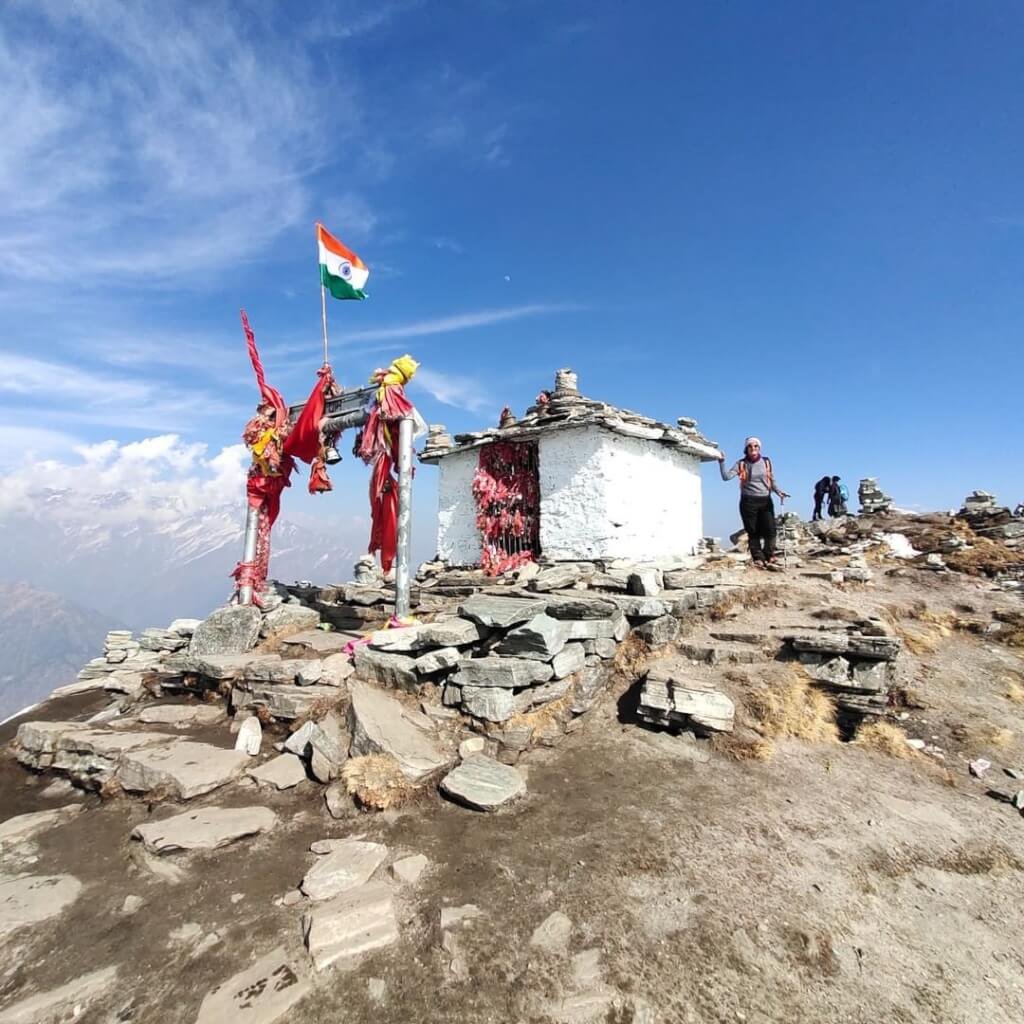
Chandrashila, literally translated as “Moon Rock,” is a breathtaking summit in the Garhwal Himalayas that offers one of the most spectacular yet accessible high-altitude experiences in India. Perched at an elevation of approximately 4,000 metres (13,000 feet), this majestic peak is the crowning glory above the world-famous Tungnath Temple — the highest Shiva temple in the world.
The trek to Chandrashila is a perfect blend of adventure, spirituality, and natural beauty. Beginning from the picturesque meadows of Chopta — often called the “Mini Switzerland of India” — the trail winds through dense rhododendron and conifer forests, rolling alpine meadows, and rocky terrain before culminating in a breathtaking 360-degree panorama of the Garhwal Himalayas.
From the summit, on a clear day, you can witness some of India’s most iconic peaks — Nanda Devi, Trishul, Chaukhamba, Kedarnath, and Bandarpunch — standing like ancient guardians around you. Whether you are a pilgrim seeking spiritual solace, a beginner trekker looking for your first Himalayan summit, or a nature lover chasing the perfect sunrise, Chandrashila promises an experience that stays with you forever.
Key Information at a Glance
History and Mythology of Chandrashila
The Moon Rock Legend
The name “Chandrashila” translates to “Moon Rock” in Sanskrit. According to Hindu mythology, this is the sacred spot where Lord Rama meditated after his victory over the demon-king Ravana. It is also believed that the moon-god Chandra spent time here in penance, giving the peak its celestial name.
The Pandava Connection
The Chandrashila summit is intrinsically linked to the Tungnath Temple, one of the five Panch Kedar temples dedicated to Lord Shiva. According to legend, the Pandavas, heroes of the Mahabharata, were advised by Sage Vyasa that their sins from the Kurukshetra war could only be forgiven if they worshipped Lord Shiva. It is believed that the Pandavas built these sacred shrines, and Tungnath stands as the highest of them all.
Ravana’s Penance
Another fascinating legend associated with Chandrashila states that the demon-king Ravana worshipped Lord Shiva at this very spot. This adds another layer of spiritual significance to this already sacred peak.
Geography of Chandrashila
Location and Topography
Chandrashila is located in the Rudraprayag district of Uttarakhand, in the heart of the Garhwal Himalayas. The summit sits atop the Tungnath mountain range at coordinates 30°29′17″N, 79°13′17″E.
| Feature | Details |
|---|---|
| Parent Range | Garhwal Himalaya |
| Highest Point | ~4,000 m (13,000 ft) |
| Nearest Base | Chopta (2,680 m / 8,800 ft) |
| Prominent Peaks Visible | Nanda Devi, Trishul, Chaukhamba, Kedarnath, Bandarpunch |
The Tungnath-Chandrashila Ridge
The trek to Chandrashila follows a well-defined ridge that first ascends to the Tungnath Temple at 3,680 metres, then continues steeply for another 1.5 kilometres to the Chandrashila summit. The final section is steeper than the previous one, but the reward at the top is unparalleled.
Flora and Fauna of Chandrashila
Flora — A Botanical Wonderland
The Chandrashila trek is renowned for its rich biodiversity, particularly in the Chopta region, which is a birdwatchers’ paradise.
Dominant Tree Species:
- Rhododendron — vibrant red and pink blooms in spring (March–April)
- Oak and Conifers — dense forests along the lower trail
- Alpine Meadows — rolling grasslands with wildflowers in summer
Seasonal Highlights:
- Spring (March–April): Rhododendrons in full bloom, painting the hillsides red
- Summer (May–June): Lush greenery and colourful wildflowers
- Autumn (September–November): Golden meadows and crisp air
Fauna — Wildlife in the Wilderness
The region is home to a variety of Himalayan wildlife:
Birds:
- Himalayan Monal — the colourful state bird of Uttarakhand
- Various pheasant species
- Over 2 dozen species of rare birds
Mammals:
- Himalayan wildlife typical of the Garhwal region
The Chopta forest region is particularly known as a birdwatchers’ paradise.
Religious Beliefs and Significance
Tungnath Temple — The Highest Shiva Shrine
Just below the Chandrashila summit lies the Tungnath Temple, the highest Shiva temple in the world at 3,680 metres (12,073 feet). Believed to be over 5,000 years old, it is one of the five Panch Kedar temples. The temple is a major pilgrimage destination, especially during the summer months when the temple is open for devotees.
Lord Rama’s Meditation Ground
According to legend, Lord Rama meditated at the Chandrashila summit after defeating Ravana. This makes Chandrashila a place of profound spiritual significance for Hindus. Many pilgrims visit the summit for meditation and prayer.
Ravana’s Worship
Another legend states that Ravana worshipped Lord Shiva at this spot. The combination of these mythological connections makes Chandrashila a unique spiritual destination where the epic tales of the Ramayana and Mahabharata converge.
How to Reach Chandrashila
Step 1: Reach Chopta (The Base Camp)
Chopta is the primary base camp for the Chandrashila trek, located at approximately 2,680 metres (8,800 feet).
By Air — Nearest Airports
| Airport | Distance | Details |
|---|---|---|
| Jolly Grant Airport, Dehradun | ~220 km | Nearest airport; connected to Delhi |
| Indira Gandhi International Airport, Delhi | ~450 km | Major international hub |
From Dehradun Airport:
- Hire a taxi to Chopta (approx. 8–9 hours via Ukhimath)
By Train — Nearest Railway Stations
| Station | Distance | Details |
|---|---|---|
| Rishikesh Railway Station | 209 km | Well-connected to Delhi |
| Haridwar Railway Station | 225 km | Alternative station |
From Rishikesh/Haridwar:
- Hire a taxi or take a bus to Chopta (approx. 8–9 hours)
By Road (Most Popular)
| Route | Distance | Travel Time |
|---|---|---|
| Delhi → Chopta | ~450 km | 10–12 hours |
| Rishikesh → Chopta | ~200 km | 8–9 hours |
| Ukhimath → Chopta | 34 km | 1–1.5 hours |
Route from Delhi:
Delhi → Meerut → Rishikesh → Devprayag → Rudraprayag → Ukhimath → Chopta
Transport Options:
- Private Taxi: Most convenient and flexible
- State Transport Buses: Available from Rishikesh and Haridwar
- Self-Drive: Well-maintained roads; drive cautiously on hilly stretches
⚠️ Important: In winter, a 4×4 vehicle may be needed, and some roads may close due to snow.
Step 2: The Trek from Chopta to Chandrashila
The Chandrashila Trek: A Step-by-Step Guide
Trek Overview
| Detail | Information |
|---|---|
| Total Distance | ~5 km one way, ~10 km round trip |
| Duration | 2–3 Days |
| Difficulty | Easy to Moderate |
| Max Altitude | 4,000 m (13,000 ft) |
Day-by-Day Itinerary (3 Days / 2 Nights)
Day 1: Rishikesh → Chopta (Drive – 200 km / 8–9 hrs)
- Drive through Devprayag, Rudraprayag, and Ukhimath
- Arrive at Chopta, the “Mini Switzerland of India”
- Evening acclimatisation walk
- Overnight stay in camps or guesthouses
Day 2: Chopta → Tungnath Temple → Chandrashila Summit → Chopta (Trek – 10 km round trip)
- Early morning start (pre-dawn) to catch the sunrise at the summit
- Trek to Tungnath Temple: 3.5 km, 2–3 hours
- Trek to Chandrashila Summit: 1.5 km, 45 min – 1 hour
- Sunrise at the summit: Witness the golden light on the Himalayan peaks
- Return to Chopta via the same route
- Overnight stay in Chopta
Day 3: Chopta → Rishikesh (Drive – 200 km / 8–9 hrs)
Alternative Route: Via Sari Village and Deoria Tal
For those seeking a longer, more immersive experience, the alternative route starts from Sari Village:
| Segment | Distance |
|---|---|
| Sari Village → Deoria Tal | 3 km |
| Deoria Tal → Chopta | Drive or trek (depending on snow) |
| Chopta → Tungnath → Chandrashila | 5 km |
This route adds the stunning Deoria Tal — a high-altitude lake reflecting the Chaukhamba range — to your experience.
Weather and Best Time to Visit
Climate Overview
Chandrashila experiences an alpine climate with distinct seasons. Summer daytime temperatures range roughly from 5°C to 20°C, while nights are cooler. Winters often drop below freezing with heavy snowfall.
Seasonal Breakdown
Best Time to Visit by Season
| Season | Months | Suitability | Highlights |
|---|---|---|---|
| Spring | March–April | ⭐ Best | Rhododendron blooms, pleasant temperatures |
| Summer | May–June | ⭐ Best | Clear skies, comfortable trekking |
| Autumn | September–November | ⭐ Best | Crystal clear views, golden meadows |
| Winter | December–February | ⭐ Good | Snow-covered trails, fewer crowds |
| Monsoon | July–August | ❌ Avoid | Landslides, slippery trails, limited visibility |
Why Visit in Spring (March–April)
- Rhododendrons in full bloom, painting the hillsides red
- Pleasant temperatures
- Clear skies and excellent visibility
- Ideal for photography
Why Visit in Summer (May–June)
- Most popular time for the trek
- Clear skies and comfortable temperatures
- Dry trails
- Perfect for beginners and families
Why Visit in Autumn (September–November)
- Crystal-clear skies with unobstructed views of the Himalayan peaks
- Golden meadows at the base
- Post-monsoon freshness
- Fewer crowds
Why Visit in Winter (December–February)
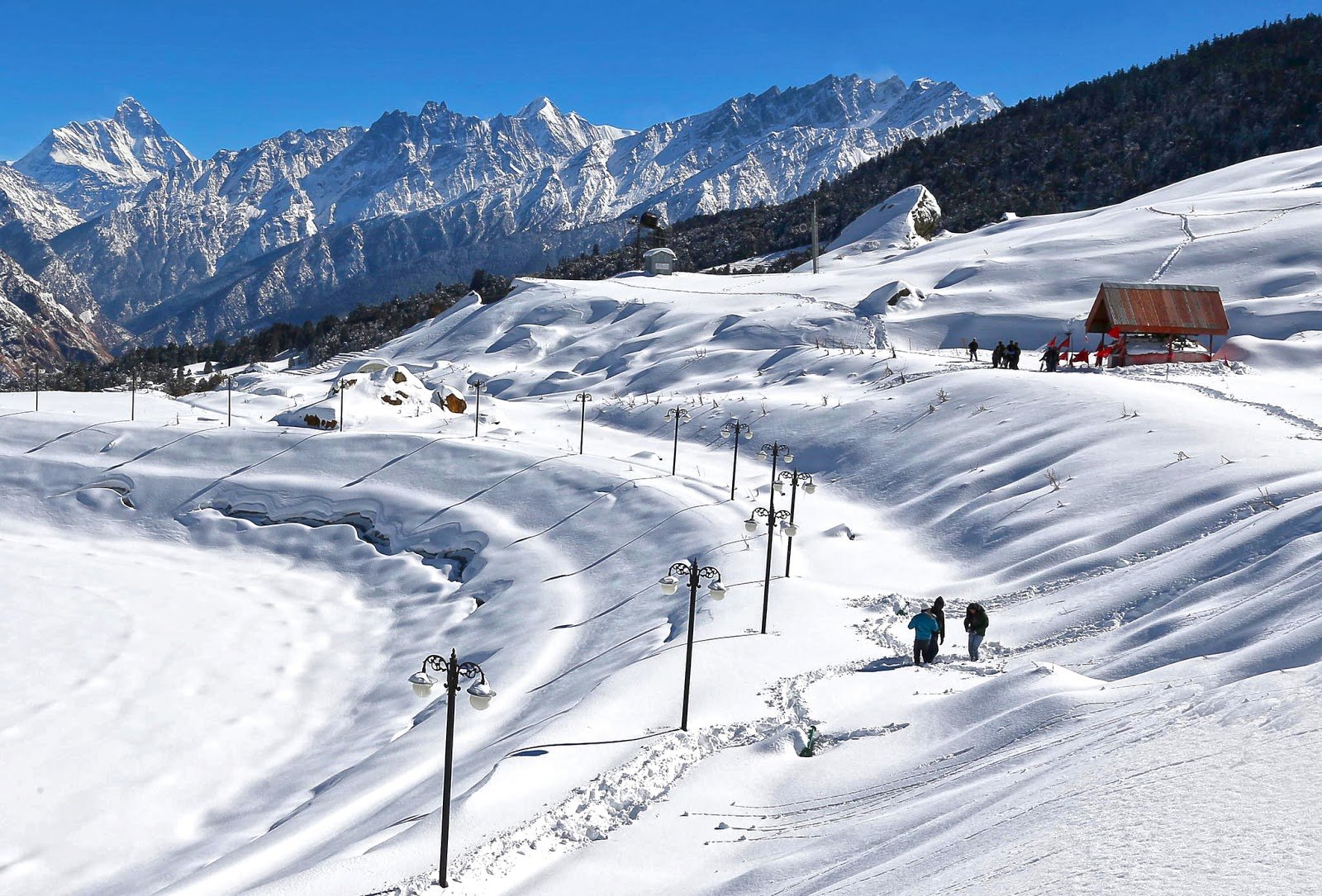
- Snow-covered landscapes creating a magical winter wonderland
- The trek becomes more challenging but rewarding
- Fewer crowds
- Winter photography opportunities
Why Avoid Monsoon (July–August)
Packing Guide
Nearby Places to Visit
Distance from Major Cities
| City | Distance to Chopta | Travel Time |
|---|---|---|
| Delhi | ~450 km | 10–12 hours |
| Rishikesh | ~200 km | 8–9 hours |
| Haridwar | ~225 km | 8–9 hours |
| Dehradun | ~220 km | 8–9 hours |
| Ukhimath | 34 km | 1–1.5 hours |
Things to Do at Chandrashila
1. Witness the Sunrise at the Summit
The sunrise from Chandrashila is an unforgettable experience. As the first rays of sunlight hit the snow-capped peaks, the entire panorama comes alive in shades of gold and pink.
2. Visit Tungnath Temple
Pay your respects at the highest Shiva temple in the world.
3. Explore Chopta Meadows
Spend time in the “Mini Switzerland of India” — a serene alpine meadow with stunning views.
4. Photography
From the rhododendron blooms in spring to the golden meadows in autumn and the snow-covered landscapes in winter, Chandrashila offers endless photography opportunities.
5. Birdwatching
The Chopta forest region is a birdwatchers’ paradise with numerous Himalayan bird species.
6. Trekking
The 5 km trek is a perfect introduction to high-altitude trekking for beginners.
7. Camping
Enjoy overnight camping in Chopta under the starry Himalayan skies.
8. Stargazing
With minimal light pollution, the night skies over Chopta offer spectacular stargazing opportunities.
Accommodation Options
Travel Tip: Accommodation in Chopta is limited. It is advisable to book in advance, especially during peak season (April–June and September–November).
Local Cuisine — A Taste of Garhwal
The food on the Chandrashila trek is simple, nutritious, and mostly vegetarian.
What to Expect
| Meal | Description |
|---|---|
| Breakfast | Porridge, eggs, bread, tea/coffee |
| Lunch | Packed lunch (sandwiches, fruits, snacks) |
| Dinner | Dal, rice, roti, sabzi, soup |
| Snacks | Maggi, biscuits, energy bars |
Garhwali Specialities
Where to Eat
- Trek Packages: Most packages include all meals during the trek
- Chopta: Simple meals at local guesthouses and camps
- Local eateries: Available in Ukhimath and Rudraprayag
Frequently Asked Questions (FAQs)
General Questions
Q1: What is Chandrashila famous for?
A: Chandrashila is famous for its 360-degree panoramic views of the Garhwal Himalayas, its proximity to the highest Shiva temple in the world (Tungnath), and its mythological significance as the meditation ground of Lord Rama.
Q2: What is the altitude of Chandrashila?
A: Chandrashila is situated at approximately 4,000 metres (13,000 feet) above sea level. The Tungnath Temple below is at 3,680 metres (12,073 feet).
Q3: What is the best time to visit Chandrashila?
A: The best time to visit is from March to June and September to November.
Q4: How long is the Chandrashila trek?
A: The trek from Chopta to Chandrashila is approximately 5 kilometres one way, making it a 10-kilometre round trip.
Q5: Is the Chandrashila trek difficult?
A: The trek is rated easy to moderate and is suitable for beginners, families, and even senior citizens.
Q6: Do I need a permit for the Chandrashila trek?
A: No special permit is required for the Chandrashila trek.
Q7: What is the distance between Delhi and Chandrashila?
A: The distance from Delhi to Chopta (the base camp) is approximately 450 km, taking about 10–12 hours by road.
Q8: What is the nearest railway station to Chandrashila?
A: The nearest railway stations are Rishikesh (209 km) and Haridwar (225 km).
Q9: What is the nearest airport to Chandrashila?
A: The nearest airport is Jolly Grant Airport, Dehradun, approximately 220 km from Chopta.
Q10: Is the Chandrashila trek suitable for beginners?
A: Yes, the trek is one of the best beginner-friendly treks in Uttarakhand. No technical skills, special equipment, or climbing experience are required.
Q11: Can I visit Chandrashila in winter?
A: Yes, the trek is accessible in winter (December–February) with snow-covered trails. However, roads may be closed, and a 4×4 vehicle may be needed.
Q12: What peaks can I see from Chandrashila?
A: From the summit, you can see Nanda Devi, Trishul, Chaukhamba, Kedarnath, Bandarpunch, and many other Himalayan peaks.
Q13: What is the Tungnath Temple?
A: Tungnath Temple is the highest Shiva temple in the world at 3,680 metres, located on the route to Chandrashila.
Q14: Is mobile connectivity available at Chandrashila?
A: Mobile connectivity is limited in the region. It is advisable to inform your family of your itinerary.
Q15: Are ATMs available near Chandrashila?
A: ATMs are available in Ukhimath and Rudraprayag. It is advisable to carry sufficient cash.
Q16: What should I pack for the Chandrashila trek?
A: Pack thermal wear, a fleece jacket, an insulated jacket, waterproof trekking shoes, warm socks, gloves, a woollen cap, sunscreen, sunglasses, a headlamp, and personal medication.
Q17: Is camping allowed at Chopta?
A: Yes, camping is allowed at designated sites in Chopta. Most trek packages include tented accommodation.
Q18: What is the local language spoken in the region?
A: The official language is Hindi. The regional language is Garhwali. English is understood in tourist areas.
Q19: How can I book a Chandrashila trek?
A: Trek packages can be booked through:
- Local tour operators in Rishikesh, Haridwar, and Dehradun
- Trekking agencies specialising in Himalayan treks
- Discover Uttarakhand for customised trekking packages
Q20: What is the cost of the Chandrashila trek?
A: The average cost for a 2-night/3-day package is approximately ₹5,499 per person, including accommodation, meals, and guide.
Plan Your Chandrashila Adventure with Discover Uttarakhand
At Discover Uttarakhand, we’ve been organising unforgettable Himalayan journeys since 1997. As a trusted local operator with deep knowledge of the Garhwal region and its iconic treks, we offer:
✅ Customised Chandrashila trek packages (2 to 4 days)
✅ Combined itineraries with Tungnath, Deoria Tal, and Kedarnath
✅ Experienced local guides and support staff
✅ Comfortable transport with experienced hill drivers
✅ Quality camping equipment and nutritious meals
✅ 24/7 customer support throughout your journey
Recommended Chandrashila Packages
| Package | Duration | Starting Point | Highlights |
|---|---|---|---|
| Chandrashila Sunrise Trek | 2 Nights / 3 Days | Rishikesh | Chopta, Tungnath Temple, Chandrashila Summit |
| Chandrashila & Deoria Tal | 3 Nights / 4 Days | Rishikesh | Deoria Tal, Chopta, Tungnath, Chandrashila |
| Chopta Chandrashila Weekend | 2 Nights / 3 Days | Delhi | All-inclusive, private transport, guided trek |
📞 Call / WhatsApp: +91-9997187178, 9760222178, 8171977178
📍 Visit Our Office: Himalayan Colony, opposite DSVV, Haripur Kalan, Haridwar, Motichur Range, Uttarakhand 249411
🌐 Website: www.discover-uttarakhand.com
📧 Email: discoveruttarakhand.mail@gmail.com
Discover Uttarakhand – Your Local Partner for Unforgettable Himalayan Journeys Since 1997 🏔️