Overview: The Hidden Gem of Kumaon
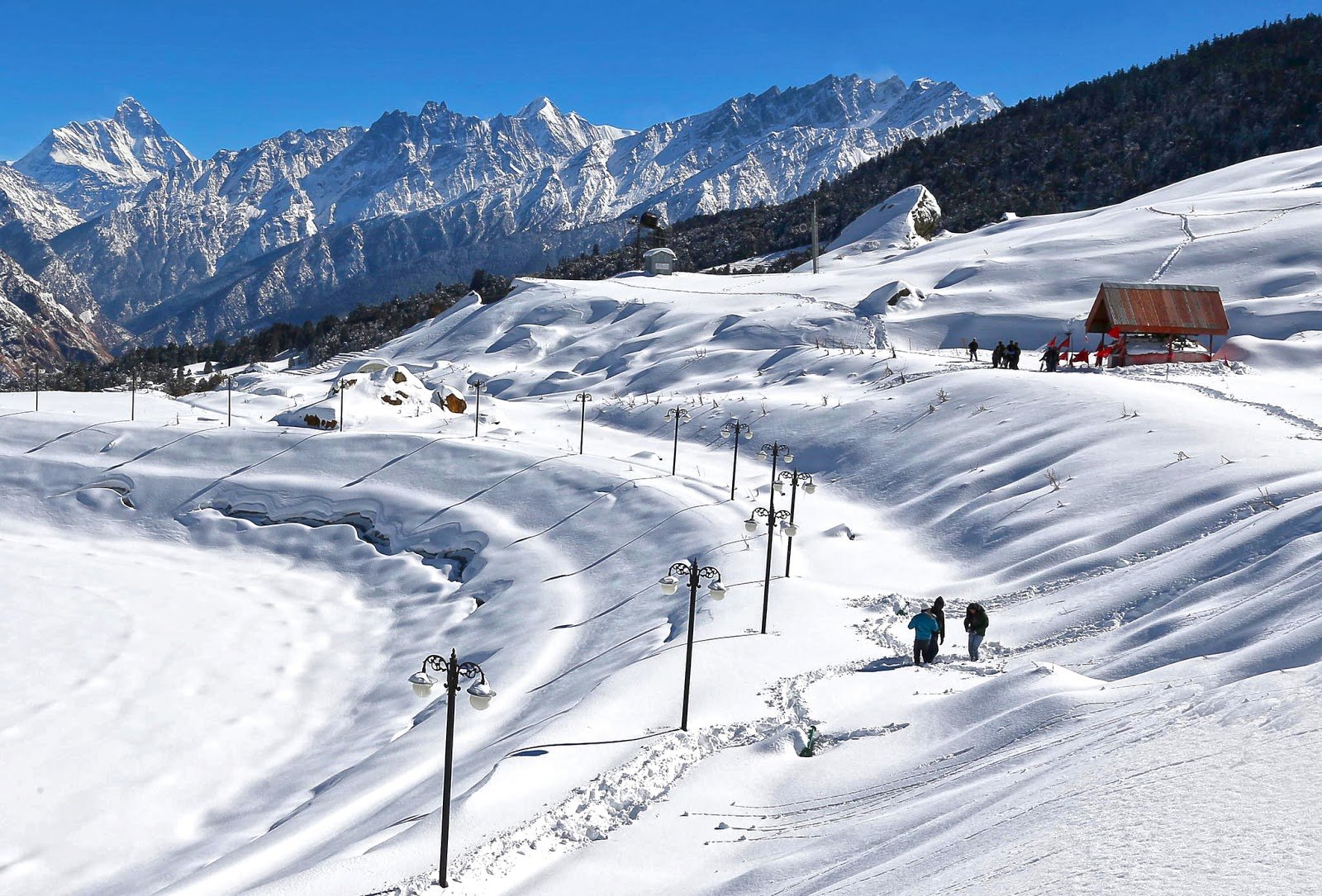
Tucked away in the serene upper reaches of the Kumaon Himalayas, Kafni Glacier is not just a destination; it is a journey into the soul of the mountains.
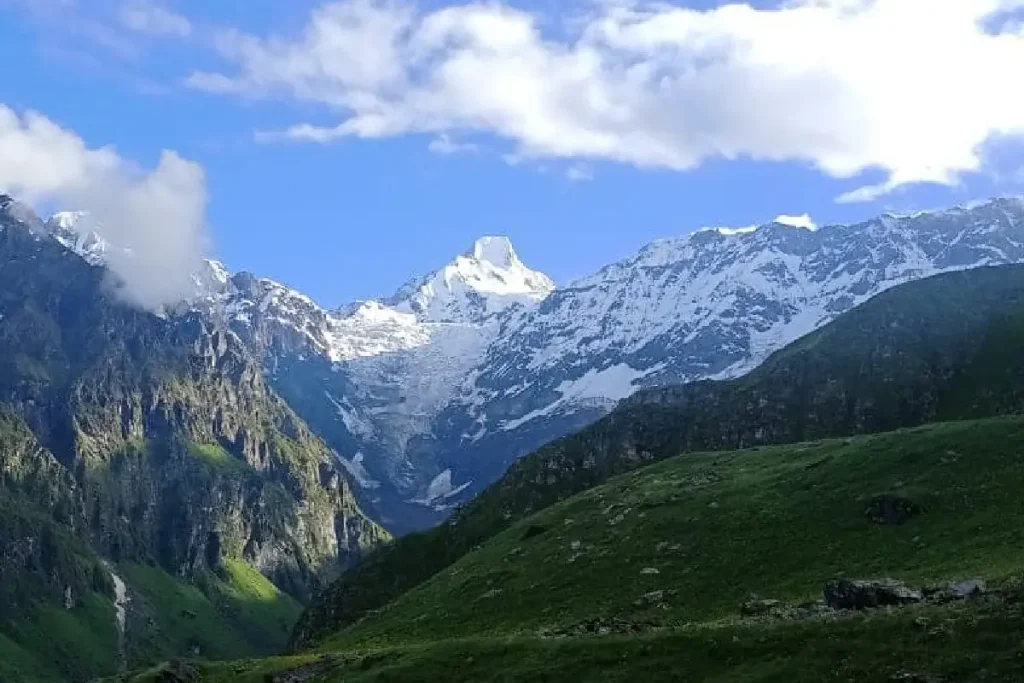
Often described as a “hidden gem” of the Himalayas, this pristine glacier is located in the Bageshwar district of Uttarakhand. Situated to the southeast of the majestic Nanda Devi peak and to the left of the Pindar Valley, it rests below the prominent Nandakot peak at an altitude of approximately 3,860 metres (12,664 feet).
What makes Kafni Glacier truly special is its serene, untouched beauty and its position as a less-crowded alternative to the more famous Pindari Glacier. The glacier serves as the source of the Kafni River, a tributary of the Pindar River, which eventually merges with the Alaknanda River, a major headstream of the Ganges.
The trek to Kafni Glacier was once a favourite among trekkers and environmental researchers. However, it’s important to note that the trekking route has remained largely abandoned and unsafe since the devastating 2013 flash floods, which washed away key infrastructure like wooden bridges. While the glacier itself remains a beautiful destination, access is now extremely challenging and recommended only for highly experienced trekkers with local guidance.
Key Information at a Glance
History of Kafni Glacier
A Once-Popular Trekking Destination
Kafni Glacier was once the pride of Kumaon, a favourite trekking destination for adventurers and a site of interest for environmental researchers. Its trail offered a journey through dense rhododendron forests, alpine meadows, and traditional Kumaoni villages, attracting those who sought peace and untouched beauty.
The 2013 Flash Floods and Their Aftermath
The history of the Kafni Glacier as a trekking destination was dramatically altered by the devastating flash floods of June 2013 that struck Uttarakhand.
- The trekking route to Kafni Glacier was heavily damaged.
- Wooden bridges and other key infrastructure were washed away.
- The trail has remained abandoned and unsafe for more than a decade.
- Access to the glacier has been nearly impossible for trekkers since the floods.
Scientific Interest
The glacier and its surrounding area have been the subject of scientific study. It is noted as a valley-type glacier in the Pindar basin of the Kumaon Himalayas, with documented lengths of up to 4.21 km and a surface area of 3.35 km². Studies have also used remote sensing to monitor the glacier. It has been observed that the region, including the Kafni Glacier, experienced significant snowfall, with 158 centimetres recorded in April in one year.
Geography of Kafni Glacier
Location and Topography
Kafni Glacier is located in the Bageshwar district of Uttarakhand, within the Kumaon Himalayas. It sits on the east side of the Pindar valley and south of the Nandakot peak.
The Kafni River System
Kafni Glacier serves as the primary source of the Kafni River. The river flows through the Kumaon region and joins the Pindar River. The Pindar River is a major tributary of the Alaknanda River, which is one of the two headstreams of the Ganges.
Surrounding Peaks
From the Kafni Glacier region, trekkers can witness some of the most iconic Himalayan peaks:
| Peak | Elevation |
|---|---|
| Nanda Devi | 7,816 m |
| Sunanda Devi | 7,434 m |
| Maiktoli | 6,803 m |
| Nandakot | 6,861 m |
| Changuch | 6,322 m |
| Nandabhnar | 6,236 m |
| Panwali Dwar | 6,663 m |
| Nanda Khat | 6,611 m |
| Mrigthuni | 6,855 m |
Flora and Fauna
Flora
The region surrounding Kafni Glacier is blessed with rich Himalayan biodiversity.
Forests:
- Dense forests of rhododendrons along the trekking route
- Pine, cedar, and deodar trees at lower elevations
Alpine Meadows:
- Vast alpine meadows that are adorned with wildflowers during the summer months
- The meadows offer a spectacular display of colour, creating a picturesque landscape
Fauna
The Kumaon Himalayas are home to diverse high-altitude wildlife:
Mammals:
Birds:
- Himalayan Monal (State Bird of Uttarakhand)
- Various pheasant species
Conservation Status
The region is ecologically sensitive. Trekkers are expected to follow Leave No Trace principles and respect the fragile Himalayan ecosystem. The Uttarakhand Forest Department regulates access to the area.
Religious Beliefs and Significance
The Land of the Gods
The Kumaon Himalayas are deeply revered in Hindu mythology and are often referred to as “Devbhoomi” (Land of the Gods). The peaks visible from the Kafni Glacier region—Nanda Devi, Nandakot, and others—are considered sacred.
Nanda Devi: The Goddess’s Abode
Nanda Devi, the second-highest peak in India, is considered the sacred abode of the goddess Nanda Devi, an incarnation of Parvati. According to legend, the goddess Nanda Devi fled to this mountain to escape from a demon, and the area is still regarded as her sanctuary. The presence of this sacred peak adds a spiritual dimension to the Kafni Glacier region.
The Kumaoni Culture
The Kumaon region has a rich cultural and spiritual heritage deeply connected to the mountains. The villages along the trek route, like Khati—the last inhabited village—offer a glimpse into the traditional way of life of the Kumaoni people.
The Spiritual Experience
For those who undertake the challenging journey, the Kafni Glacier offers not just a physical adventure but also a spiritual pilgrimage. The silence, openness, and majestic beauty of the Himalayan landscape offer a space for reflection and inner peace.
How to Reach Kafni Glacier
⚠️ Important Advisory: The trekking route to Kafni Glacier has been largely abandoned and unsafe since the 2013 flash floods. The trail and key infrastructure remain damaged, making access nearly impossible for more than a decade. This information is provided for historical reference and is not a recommendation to attempt the trek.
By Air
The nearest airport is Pantnagar Airport. From Pantnagar, you can hire a taxi or take a bus to reach Bageshwar.
By Train
The nearest railway station is Kathgodam, which is well-connected to Delhi and other major cities. From Kathgodam, you can take a taxi or bus to Bageshwar.
By Road
| Route | Distance | Travel Time |
|---|---|---|
| Delhi → Kathgodam | ~280 km | 5–6 hours |
| Kathgodam → Almora → Bageshwar | ~120 km | 4–5 hours |
| Bageshwar → Loharkhet | ~20 km | Drive |
The road journey from Kathgodam to Bageshwar passes through scenic towns like Almora.
The Trek Route (Historical)
⚠️ Important:
- Khati is the largest and last inhabited village on the Kafni and Pindari Glacier trek
- The total trek distance is approximately 60–90 km round trip
- The trek typically takes 7–8 days to complete
- The route until Loharkhet is motorable
Permits Required
- A forest entry permit is required for trekking in the region
- Permits can be obtained from the forest department office in Bageshwar
Weather and Best Time to Visit
Climate Overview
Kafni Glacier experiences a high-altitude alpine climate. Days are cool and pleasant, but nights can drop below freezing. Sudden weather changes are common.
Seasonal Breakdown
Best Time to Visit
| Season | Months | Highlights |
|---|---|---|
| Summer | May–June | Pleasant weather, clear trails, blooming wildflowers |
| Autumn | September–November | Post-monsoon clarity, crisp air, golden landscapes |
Note: The trek to Kafni Glacier was historically open from mid-April to the end of November. However, given the current unsafe conditions, trekking is not recommended at any time of year.
Nearby Places
Distance from Major Cities
| City | Distance (Approx.) | Travel Time |
|---|---|---|
| Delhi | ~350 km | 8–9 hours |
| Dehradun | ~380 km | 10–11 hours |
| Rishikesh | ~350 km | 9–10 hours |
| Haridwar | ~330 km | 8–9 hours |
| Nainital | ~130 km | 4–5 hours |
| Almora | ~70 km | 2–3 hours |
| Bageshwar | Base town | |
| Kathgodam | ~120 km | 4–5 hours |
Frequently Asked Questions (FAQs)
General Questions
Q1: What is Kafni Glacier?
A: Kafni Glacier is a Himalayan glacier located in the Bageshwar district of Uttarakhand, in the Kumaon Himalayas. It is the source of the Kafni River.
Q2: Where is Kafni Glacier located?
A: It is located in the upper reaches of the Kumaon Himalayas, southeast of Nanda Devi, in the Bageshwar district of Uttarakhand.
Q3: What is the altitude of Kafni Glacier?
A: Kafni Glacier is situated at an altitude of approximately 3,860 metres (12,664 feet) above sea level.
Q4: What river originates from Kafni Glacier?
A: Kafni Glacier is the primary source of the Kafni River.
Q5: What is the best time to visit Kafni Glacier?
A: The best time is May to June (summer) and September to November (autumn).
Q6: How long is the trek to Kafni Glacier?
A: The trek is approximately 60–90 km round trip, taking 7–8 days to complete.
Q7: Is the Kafni Glacier trek difficult?
A: The trek is considered moderate.
Q8: Is the Kafni Glacier trek currently open?
A: No. The trekking route has been abandoned and unsafe since the 2013 flash floods, with key infrastructure like bridges washed away.
Q9: What peaks can I see from Kafni Glacier?
A: From Kafni Glacier, you can see Nandakot, Nandabhnar, Changuch, Maiktoli, and Nanda Devi, among others.
Q10: What wildlife can be found in the area?
A: The region is very rich in wildlife and is home to various Himalayan species.
Q11: What is the nearest town to Kafni Glacier?
A: Bageshwar is the nearest town.
Q12: What is the last inhabited village on the trek?
A: Khati is the largest and last village on the Kafni and Pindari Glacier trek.
Q13: What is the distance from Delhi to Bageshwar?
A: The distance is approximately 350 km by road.
Q14: What should I pack for the Kafni Glacier trek?
A: Pack thermal wear, fleece, a down jacket, waterproof trekking shoes, warm socks, gloves, a woollen cap, sunscreen, sunglasses, a headlamp, and a sleeping bag.
Q15: How many days are required for the Kafni Glacier trek?
A: The trek typically takes 7 to 8 days to complete.
Q16: Why is the Kafni Glacier trek abandoned?
A: The trail was heavily damaged by the 2013 floods, and bridges and other infrastructure remain broken.
Q17: Is the Kafni Glacier retreating?
A: Like many Himalayan glaciers, Kafni Glacier has been the subject of scientific study regarding its retreat and changes.
Q18: What is the Kafni River’s connection to the Ganges?
A: The Kafni River joins the Pindar River, which merges with the Alaknanda River, one of the two headstreams of the Ganges.
Q19: Can I camp at Kafni Glacier?
A: Camping was historically permitted at designated sites like Khatiya.
Q20: Is the trek suitable for beginners?
A: Historically, the trek was considered moderate. However, given the current unsafe conditions, it is not recommended for anyone.
Essential Tips for Trekkers
⚠️ Critical Safety Advisory: The Kafni Glacier trekking route has been largely abandoned and unsafe since the 2013 flash floods. The following tips are provided for historical context and general high-altitude trekking awareness. Attempting this trek is strongly discouraged without confirmed information about trail restoration.
- Check Current Conditions: Before considering any trek, verify the current status of the trail with local authorities in Bageshwar.
- Hire a Guide: If the trail is ever reopened, hire an experienced local guide familiar with the terrain.
- Physical Fitness: The trek requires good physical fitness and stamina.
- Permits: Obtain all necessary permits from the forest department well in advance.
- Gear: Carry proper high-altitude trekking gear including warm clothing, sturdy boots, and camping equipment.
- Weather: Check weather forecasts before starting the trek.
- Hydration: Stay well-hydrated; carry water purification tablets.
- Leave No Trace: Respect the fragile Himalayan ecosystem.
- Insurance: Consider travel insurance covering high-altitude trekking.
- Inform Family: Let someone know your trek itinerary as there is limited or no mobile signal on the trail.
Plan Your Kumaon Adventure with Discover Uttarakhand
At Discover Uttarakhand, we’ve been organising unforgettable Himalayan journeys since 1997. As a trusted local operator with deep knowledge of the Kumaon region, we offer:
✅ Customised trekking packages in the Kumaon region
✅ Combined itineraries with Pindari Glacier and other nearby attractions
✅ Experienced local guides and porters
✅ Comfortable transport with experienced hill drivers
✅ All necessary permits and arrangements
✅ Quality camping equipment and nutritious meals
✅ 24/7 customer support throughout your journey
Recommended Alternatives to Kafni Glacier
Given the current unsafe conditions of the Kafni Glacier trek, we recommend the following alternative treks in the Kumaon region:
| Package | Duration | Starting Point | Highlights |
|---|---|---|---|
| Pindari Glacier Trek | 7 Days / 6 Nights | Kathgodam | Most popular glacier trek of Kumaon |
| Kumaon Himalayan Trek | 5 Days / 4 Nights | Kathgodam | Scenic villages, alpine meadows |
| Munsiyari Adventure | 4 Days / 3 Nights | Kathgodam | Panchachuli views, local culture |
📞 Call / WhatsApp: +91-9997187178, 9760222178, 8171977178
📍 Visit Our Office: Himalayan Colony, opposite DSVV, Haripur Kalan, Haridwar, Motichur Range, Uttarakhand 249411
🌐 Website: www.discover-uttarakhand.com
📧 Email: discoveruttarakhand.mail@gmail.com
While the Kafni Glacier trek remains closed, the Kumaon Himalayas offer many other breathtaking journeys. Plan your expedition with proper preparation and respect for the magnificent Himalayan wilderness.
Discover Uttarakhand – Your Local Partner for Unforgettable Himalayan Journeys Since 1997 🏔️