

Plan your Char Dham Yatra 2027 with Discover Uttarakhand
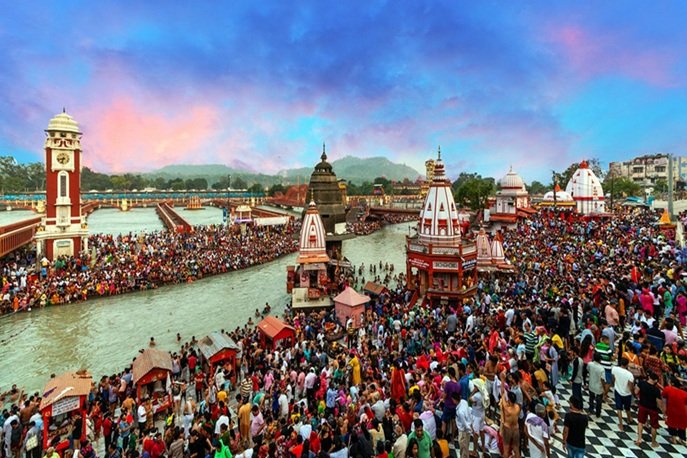
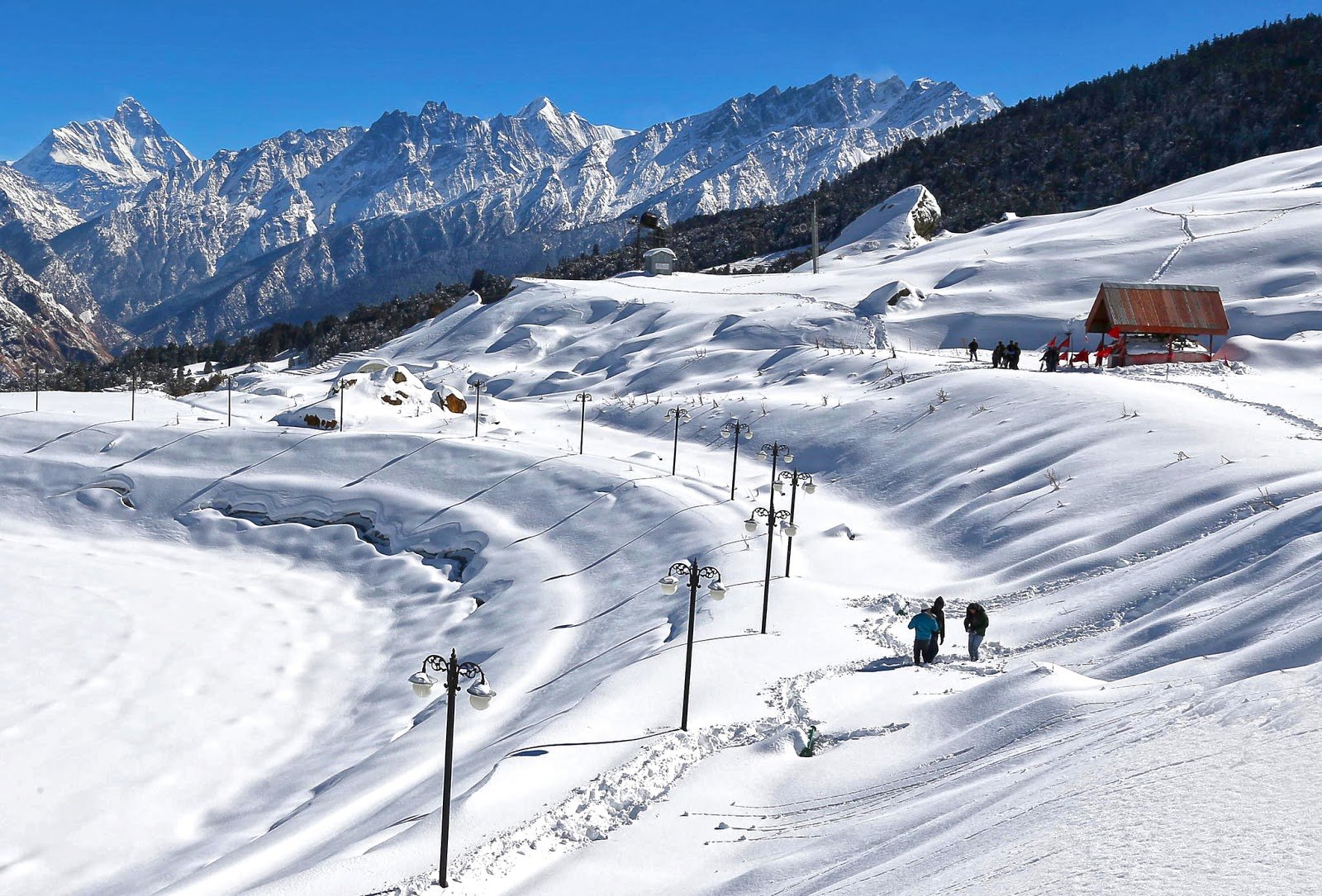
The Char Dham Yatra is one of India’s most revered Hindu pilgrimages, taking devotees through the sacred Himalayan temples of Yamunotri, Gangotri, Kedarnath and Badrinath in Uttarakhand. Surrounded by snow-covered peaks, mountain rivers, forests and traditional pilgrimage towns, the journey combines spiritual devotion with a remarkable Himalayan travel experience.
Planning a successful Char Dham Yatra requires more than booking hotels and transport. Travellers should understand temple opening schedules, road conditions, trekking requirements, high-altitude weather, registration procedures and the best month to visit.
This complete Char Dham Yatra 2027 travel guide explains the pilgrimage route, expected seasonal weather from January to December, recommended itinerary, travel preparations and essential safety tips to help you plan your journey.
Planning your pilgrimage? Contact Discover Uttarakhand for assistance with Char Dham Yatra packages, accommodation, transport and customised travel arrangements.
Char Dham Yatra 2027: Quick Overview
- Destinations: Yamunotri, Gangotri, Kedarnath and Badrinath
- State: Uttarakhand, India
- Recommended duration: Approximately 10–12 days for a conventional road-based itinerary, depending on the starting point, pace and road conditions
- Common starting points: Haridwar, Rishikesh and Dehradun
- Main pilgrimage season: Generally May to October, subject to temple opening and closing announcements
- Best periods to consider: May–June and September–October, with weather and crowd conditions varying by date
- Registration: Check the official Uttarakhand Tourist Care portal for current registration and verification requirements
- Travel options: Private vehicle, shared transport and eligible helicopter services, subject to availability and operating conditions
The four shrines are located at different elevations, so weather can change significantly during the same journey. Uttarakhand Tourism notes that the high-altitude shrines generally remain closed for around six months in winter and reopen during spring. Official Uttarakhand Tourism guide
Char Dham Yatra Opening Dates 2027
Temple opening dates are announced through the relevant religious and temple authorities. Travellers should verify the final schedule before making non-refundable bookings.
The dates currently circulated for planning on Discover Uttarakhand’s 2027 guide are:
| Temple | Planning date for 2027 |
|---|---|
| Yamunotri Dham | 9 May 2027 |
| Gangotri Dham | 9 May 2027 |
| Kedarnath Dham | 11 May 2027 |
| Badrinath Dham | 12 May 2027 |
Important: Treat these as provisional planning dates until confirmed by the respective temple authorities and official government channels. Do not rely solely on dates published by travel websites or social media. Check Uttarakhand Tourism and the official Tourist Care registration portal for the latest announcements.
Why do opening dates matter?
The opening schedule determines when pilgrims can visit the main temples. Accommodation demand, transport availability and crowd levels can rise sharply around opening days and other major religious occasions. If you plan to travel during the first week of the pilgrimage season, reserve flexible arrangements and allow additional time for road journeys.
What Are the Four Dhams of Uttarakhand?
1. Yamunotri Dham
Yamunotri is dedicated to Goddess Yamuna and is traditionally the first shrine on the clockwise Char Dham circuit. The road journey generally reaches the Janki Chatti area, from where pilgrims trek to the temple.
Travel tips:
- Allow sufficient time for the uphill trek.
- Wear supportive walking shoes and carry rain protection.
- Start early to reduce the risk of finishing the trek late in the day.
- Check local weather and route conditions before departing.
2. Gangotri Dham
Gangotri is dedicated to Goddess Ganga and is situated in the upper Bhagirathi valley. The drive passes through mountain landscapes, river valleys and settlements in the Uttarkashi region.
Travel tips:
- Carry warm layers even during summer.
- Keep time for breaks on the mountain road.
- Check road access and weather advisories before leaving Uttarkashi.
- Do not assume that clear weather in the plains means clear conditions at the shrine.
3. Kedarnath Dham
Kedarnath, dedicated to Lord Shiva, is one of the most challenging parts of the pilgrimage because the main shrine is reached by a substantial uphill trek from the road-accessible base area. Trekking distances and access arrangements should be checked against current official guidance.
Travel tips:
- Prepare for sustained uphill walking if trekking.
- Consider your fitness, health and acclimatisation needs before departure.
- Start the trek early and follow official instructions.
- Helicopter services, when operating, remain subject to ticket availability, weather, safety decisions and operational restrictions.
4. Badrinath Dham
Badrinath is dedicated to Lord Vishnu and is generally accessible by road during the operating pilgrimage season, subject to route conditions. The temple is set in a high Himalayan valley and can experience cold mornings and evenings even during warmer months.
Travel tips:
- Carry warm clothing and waterproof outerwear.
- Allow time for traffic, road restrictions and local darshan arrangements.
- Check the latest temple timings and local advisories.
- Avoid overloading the final days of your itinerary with long drives and multiple stops.
Char Dham Yatra 2027 Month-by-Month Weather Forecast
Please note: A reliable daily weather forecast for the 2027 pilgrimage season is not available this far in advance. The following is a month-by-month seasonal planning outlook based on typical conditions in the Uttarakhand Himalayas. It is not a prediction of exact temperatures, rainfall or snowfall on specific travel dates.
Actual conditions vary by altitude, valley, year and weather system. Always check the India Meteorological Department (IMD) pilgrimage forecast and local road advisories before and during the trip.
| Month | Typical seasonal conditions | Travel recommendation |
|---|---|---|
| January | Winter conditions, severe cold at high elevations and widespread snow or ice in higher areas; the main shrines are normally closed | Not suitable for the conventional Char Dham temple circuit |
| February | Cold winter weather continues; snow and difficult access can affect high mountain routes | Avoid planning the standard pilgrimage |
| March | Transition toward spring in lower areas, but high-altitude locations can remain snowy and cold | Wait for official opening announcements and access updates |
| April | Conditions gradually warm at lower elevations; high-altitude areas can still have snow, cold nights and changing access | Plan flexibly and confirm each temple’s opening date |
| May | Early pilgrimage season; daytime conditions can be pleasant in some locations, while mornings and nights remain cold at altitude | A popular time to travel; book early and carry layered clothing |
| June | Generally suitable for pilgrimage before the main monsoon period, but crowds and pre-monsoon showers are possible | A popular travel window; allow extra time for traffic and darshan |
| July | Monsoon conditions become a major consideration, with rain, landslides and road disruption possible | Travel cautiously; monitor IMD warnings and be prepared to change plans |
| August | Often among the wettest parts of the season; heavy rainfall can cause landslides, delays and temporary road closures | Not the preferred month for travellers with fixed schedules |
| September | Monsoon conditions may begin to ease, but rain and local disruptions can continue; conditions vary year to year | A useful period to consider if forecasts and roads are favourable |
| October | Autumn often brings clearer skies and crisp air, but nights become colder and the season approaches closure | A good period to consider, subject to temple dates and cold-weather preparation |
| November | Winter sets in at higher elevations and the main shrines generally close according to their announced schedules | Check closure dates; do not assume all temples remain open |
| December | Very cold conditions and snow or ice can affect high-altitude access; the main shrines are generally closed | Not suitable for the conventional Char Dham temple circuit |
The India Meteorological Department publishes a dedicated Char Dham pilgrimage weather forecast, including sector-specific forecasts and advisories when available.
Best Month for Char Dham Yatra 2027
May and June: These are popular months for pilgrims who want to travel soon after the shrines open. Expect strong demand around opening dates and holiday periods. High-altitude mornings and evenings can still be very cold.
July and August: These months require extra caution because of the southwest monsoon. Heavy rain can cause landslides, road closures, travel delays and changes to trekking or helicopter operations. Consider postponing if official warnings indicate unsafe conditions.
September and October: These months can offer attractive post-monsoon scenery and more comfortable daytime conditions on some days. However, rainfall may continue, nights become colder and the temple season approaches its end.
There is no universally best month for every traveller. The right period depends on the officially announced temple dates, weather warnings, fitness, crowd tolerance and the flexibility of your itinerary.
Char Dham Yatra 2027 Route: Suggested Travel Sequence
The conventional pilgrimage is usually planned in a clockwise sequence:
Haridwar / Rishikesh → Barkot → Yamunotri → Uttarkashi → Gangotri → Guptkashi or Sonprayag → Kedarnath → Badrinath → Rudraprayag → Rishikesh / Haridwar
The exact overnight stops depend on road conditions, hotel availability, trekking arrangements and the pace of the group. This is a route framework, not a promise of fixed daily driving times.
Suggested 10–12 Day Char Dham Yatra Itinerary
Day 1: Arrival in Haridwar or Rishikesh
Arrive, check in to your hotel and prepare for the mountain journey. Keep this day relaxed if you have travelled a long distance.
Day 2: Haridwar / Rishikesh to Barkot
Drive toward Barkot through the Himalayan foothills. Take breaks as required and rest overnight.
Day 3: Barkot – Yamunotri Darshan – Barkot
Travel to Janki Chatti and undertake the trek to Yamunotri, subject to access and weather. Return to Barkot for the night.
Day 4: Barkot to Uttarkashi
Drive to Uttarkashi and rest. Use the evening to prepare for the next day’s journey.
Day 5: Uttarkashi – Gangotri Darshan – Uttarkashi
Travel to Gangotri, complete darshan and return, subject to road conditions and local arrangements.
Day 6: Uttarkashi to Guptkashi / Sonprayag
Make the mountain drive toward the Kedarnath base area. The overnight stop will depend on road access and the confirmed itinerary.
Day 7: Kedarnath Trek or Approved Helicopter Arrangement
Proceed according to your confirmed trekking or helicopter plan. Trekking travellers should start early, follow official instructions and avoid rushing. Overnight arrangements depend on the selected plan and availability.
Day 8: Kedarnath Return and Transfer
Return to the base area if trekking, then continue toward the next overnight stop as road and access conditions permit. Build in flexibility for delays.
Day 9: Travel Toward Badrinath
Drive toward Badrinath, with the route and overnight stop confirmed in advance.
Day 10: Badrinath Darshan
Complete darshan and explore nearby permitted attractions if time and conditions allow. Rest overnight or begin the return journey depending on the package design.
Day 11: Badrinath / Rudraprayag to Rishikesh or Haridwar
Travel back through the mountain route. Do not schedule a tight onward flight or train connection after a long road journey.
Day 12: Buffer Day / Departure
Use this day as a buffer for weather-related delays, road restrictions or a relaxed return. Travellers with a shorter itinerary should not remove essential rest and safety margins without reviewing feasibility.
Itinerary note: This is a planning example. A 10–12 day trip may need adjustments for the chosen Kedarnath accommodation, trek schedule, helicopter slot, road closures, group pace and temple timings. A longer itinerary is preferable for families, senior citizens and travellers who want less rushed travel.
Char Dham Yatra Registration 2027
Pilgrims should check the official registration system before departure. Uttarakhand’s Tourist Care portal provides online registration options for individuals, families and tour operators, along with registration verification information. Vehicle registration and other requirements may also apply.
Official portal: Register for Char Dham Yatra
Before travelling:
- Check when 2027 registration opens and follow the latest official instructions.
- Complete the required pilgrim registration.
- Keep your registration confirmation and identification details accessible.
- Verify any vehicle registration or verification requirements.
- Check the latest advisories for the specific route and shrine you plan to visit.
Do not rely on old screenshots, unofficial registration links or assumptions that last year’s procedure is unchanged.
How to Reach Char Dham Yatra Starting Points
By Air
Jolly Grant Airport near Dehradun is a common air gateway for travellers heading toward Rishikesh and other parts of Uttarakhand. Transfer times vary with traffic, road conditions and the chosen route.
By Train
Haridwar and Dehradun are commonly used railway arrival points. Choose your arrival station according to your tour’s confirmed pickup and route plan.
By Road
Haridwar, Rishikesh and Dehradun connect with the main pilgrimage routes. Mountain driving times are highly dependent on weather, road works, traffic and local restrictions, so avoid planning the journey solely by map distance.
Char Dham Yatra 2027 Packing List
Weather can change quickly between the plains and high-altitude shrines. Pack for rain, cold, walking and possible delays.
- Warm layers, including thermal wear and a fleece or insulated jacket
- Waterproof jacket and rain trousers or a suitable rain cover
- Comfortable trekking or walking shoes with good grip
- Extra socks and quick-drying clothing
- Sun protection, sunglasses and a hat
- Personal medicines and any prescribed medication
- Personal identification and registration confirmation
- Reusable water bottle and simple snacks
- Power bank, charging cables and a small torch
- Small daypack for trekking essentials
- Cash for locations where digital connectivity may be unreliable
- Any personal medical supplies recommended by your doctor
Avoid carrying unnecessary luggage on trekking days. Keep essential items in a small bag that you can carry comfortably.
Health and Safety Tips for Char Dham Yatra
The pilgrimage involves high altitude, strenuous walking in some sections, winding mountain roads and changing weather. Plan according to your own ability.
- Build in rest: Do not schedule long drives, demanding treks and early departures every day without recovery time.
- Prepare for altitude: Allow time to acclimatise where appropriate and pay attention to how you feel.
- Consult your doctor: Travellers with existing medical concerns, older adults and anyone unsure about the physical demands should seek medical advice before departure.
- Respect weather warnings: Follow official instructions during heavy rain, thunderstorms, snowfall or road closures.
- Avoid rushing the Kedarnath trek: Start early, follow route guidance and return according to local instructions.
- Keep a buffer day: Weather and traffic can disrupt the schedule.
- Use authorised services: Confirm helicopter tickets and transport arrangements through official or authorised channels.
- Keep emergency contacts handy: Share your itinerary with family and your tour coordinator.
If you experience severe breathlessness, confusion, chest pain or other serious symptoms at altitude, seek urgent medical assistance rather than continuing the journey.
Char Dham Yatra 2027 Package: What Should It Include?
When comparing Char Dham Yatra packages, check the inclusions rather than choosing on price alone.
A suitable package may include:
- Hotel or guesthouse accommodation according to the selected category
- Transport from the agreed pickup point
- Route planning and overnight-stop coordination
- Breakfast and dinner, if specified in the package
- Assistance with registration information
- Coordination for trekking logistics
- Guidance on approved helicopter booking procedures, if requested
- Clearly stated exclusions, cancellation conditions and extra costs
Confirm whether the quote includes GST, meals, parking charges, local transfers, pony or palki arrangements, helicopter tickets and any accommodation near Kedarnath. These items can differ significantly between packages.
Plan Your Char Dham Yatra with Discover Uttarakhand
Discover Uttarakhand helps travellers plan pilgrimage journeys with transport, accommodation and itinerary coordination based on their requirements. Whether you are travelling as a couple, family, group or senior-citizen party, the itinerary should be designed around the confirmed temple schedule, travel pace and current conditions.
For Char Dham Yatra 2027 enquiries:
- Phone: +91-9760222178
- Phone: +91-9997187178
- Phone: +91-8171977178
- Website: Discover Uttarakhand – Best Travel agency in Uttarakhand
Contact the team to discuss your travel dates, pickup location, group size, preferred hotel category and package requirements.
Frequently Asked Questions
1. When will Char Dham Yatra 2027 start?
The pilgrimage season generally begins in April or May, depending on the dates announced by the respective temple authorities. Confirm the 2027 opening schedule through official channels before booking.
2. What are the Char Dham Yatra 2027 opening dates?
The planning dates currently listed in this guide are 9 May for Yamunotri and Gangotri, 11 May for Kedarnath and 12 May for Badrinath. Verify them with the temple authorities before finalising travel.
3. Which month is best for Char Dham Yatra 2027?
May, June, September and October are commonly considered for pilgrimage travel. May and June can be busy, while September and October may offer post-monsoon conditions but colder nights. Always check the forecast and route status.
4. Is Char Dham Yatra safe during the monsoon?
Monsoon travel can be affected by heavy rain, landslides, road closures and delays. Safety depends on the current conditions and official advisories. Avoid travelling through closed or restricted routes.
5. How many days are required for Char Dham Yatra?
Many road-based itineraries allow around 10–12 days, although the duration varies with the starting point, overnight stops, trekking arrangements and weather. A buffer day is advisable.
6. Is registration required for Char Dham Yatra?
Pilgrims should check and complete the current official registration requirements before travel. Use the Uttarakhand Tourist Care portal for the latest instructions.
7. Can senior citizens undertake Char Dham Yatra?
Some senior citizens complete the pilgrimage, but the journey includes high-altitude locations, mountain roads and strenuous walking, especially for Kedarnath and Yamunotri. Seek medical advice, allow extra time and choose arrangements appropriate to individual mobility and health.
8. Can Kedarnath be visited by helicopter?
Helicopter services may operate during the pilgrimage season, subject to official ticketing, weather, safety decisions and availability. Check authorised booking channels and do not treat a reservation as a guarantee of flight operation.
9. What should I pack for Char Dham Yatra?
Carry warm clothing, waterproof layers, walking shoes, prescribed medicines, identification, registration confirmation, sun protection and a small daypack. Check the weather immediately before departure.
10. Where can I book a Char Dham Yatra 2027 package?
You can contact Discover Uttarakhand through discover-uttarakhand.com or call +91-9760222178, +91-9997187178 or +91-8171977178 to discuss an itinerary and package quotation.
Final Travel Advice
The Char Dham Yatra is a spiritually meaningful journey, but Himalayan conditions require realistic planning. Confirm temple dates, complete official registration, monitor weather advisories, prepare for cold and rain, and allow enough time for rest and unexpected delays.
For the most reliable trip, plan early—but keep your itinerary flexible enough to respond to the mountains.
Begin planning your Char Dham Yatra 2027 with Discover Uttarakhand and prepare for a well-organised pilgrimage through Yamunotri, Gangotri, Kedarnath and Badrinath.



Leave a Reply