Discover the Elusive Ghost of the Himalayas in the Remote Kumaon Himalayas
Deep in the high mountains of Kumaon, Uttarakhand, Darma Valley offers a remarkable landscape of rugged Himalayan terrain, snow-covered peaks, remote villages, and rare wildlife. Located in Pithoragarh district near the India–Tibet border region, this beautiful valley is becoming an exciting destination for wildlife enthusiasts, nature photographers, and adventure travellers seeking experiences beyond conventional tourist routes.
Snow Leopard Tours & Expeditions in Darma Valley, Uttarakhand, are designed for travellers interested in exploring high-altitude Himalayan habitats, learning about wildlife conservation, photographing dramatic mountain landscapes, and experiencing the culture of remote Himalayan communities.
Organised by Discover Uttarakhand, these expeditions can combine carefully planned wildlife observation, local expertise, nature walks, photography opportunities, and authentic village experiences, subject to local conditions and the permissions required for the selected route.
A snow leopard sighting can never be guaranteed. The true value of a responsible expedition lies in exploring the animal’s natural habitat while protecting the fragile ecosystem it depends on.
Why Choose Darma Valley for a Snow Leopard Expedition?
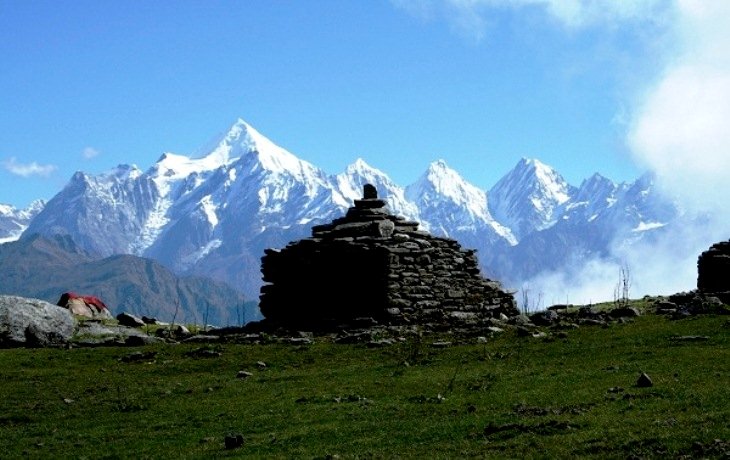
Darma Valley is one of the distinctive high-altitude destinations of Uttarakhand. The valley is known for its spectacular views of the Panchachuli peaks, traditional villages, trekking routes, and remote Himalayan landscapes.
In February 2026, a snow leopard was photographed in the upper Darma Valley, following an earlier reported sighting in 2022. These records have brought renewed attention to the valley’s high-altitude wildlife and conservation importance.
For wildlife lovers, Darma Valley offers an opportunity to explore a less-commercialised Himalayan region while understanding the challenges of observing elusive animals in their natural environment.
Highlights of a Darma Valley Wildlife Expedition
- Opportunities to explore potential snow leopard habitat, subject to local wildlife information and access permissions.
- Panoramic views of the majestic Panchachuli mountain range.
- High-altitude landscapes, rocky slopes, river valleys, and alpine surroundings.
- Nature photography and wildlife observation with appropriate local guidance.
- Opportunities to learn about Himalayan biodiversity and conservation.
- Village visits and local homestay experiences, where available.
- A personalised travel experience for wildlife enthusiasts, photographers, and small groups.
Snow Leopard in Darma Valley: What Makes This Experience Special?
The snow leopard (Panthera uncia) is among the most elusive wild cats in the world. Adapted to cold, mountainous environments, it is known for its thick fur, long tail, powerful build, and ability to move across steep rocky terrain.
Often called the “Ghost of the Mountains,” this remarkable animal is difficult to observe because of its camouflage, solitary behaviour, and vast natural habitat.
Darma Valley’s high-altitude terrain forms part of the wider Himalayan landscape in which snow leopards and other specialised mountain wildlife occur. However, the presence of suitable terrain does not mean an animal will be visible during a particular visit.
A well-planned snow leopard expedition focuses on patience, responsible observation, landscape interpretation, and respect for wildlife rather than promising a close encounter.
Wildlife You May Learn About in Darma Valley
Depending on the location, season, and current wildlife information, an expedition may focus on understanding the wider high-Himalayan ecosystem, including:
- Snow leopard and its habitat.
- Blue sheep, an important prey species in parts of the snow leopard’s range.
- Himalayan tahr and other mountain mammals.
- High-altitude birds, potentially including snowcock and other Himalayan species.
- Alpine vegetation and the ecological relationships that sustain mountain wildlife.
The animals actually encountered will depend on field conditions. Wildlife sightings, tracks, and other signs should only be reported when verified by the expedition team.
Best Time for Snow Leopard Tours in Darma Valley
The best travel period depends on the expedition objective, road conditions, weather, wildlife information, and permissions available at the time of travel.
Winter: December to February
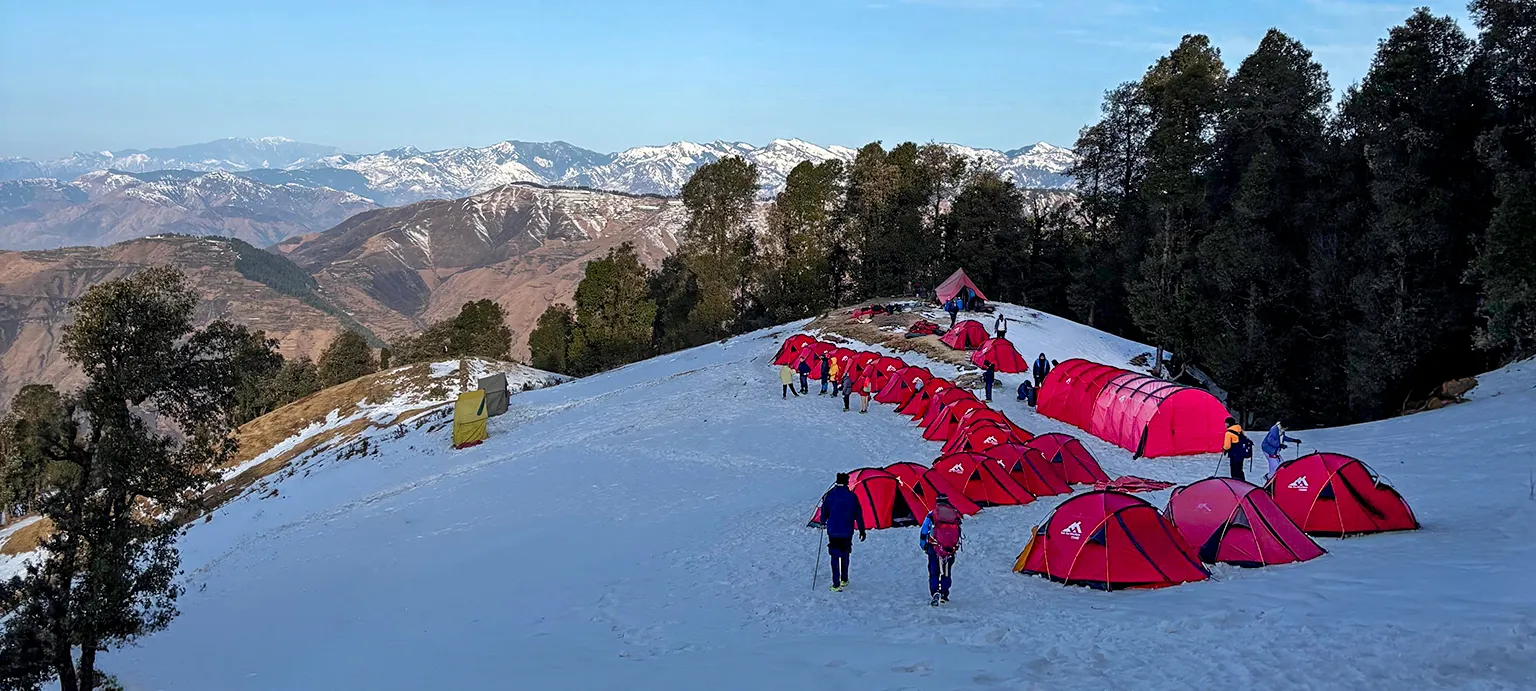
Winter brings a dramatic atmosphere to the upper Himalayan landscape. Snowfall, freezing temperatures, and changing wildlife movements can make the region particularly interesting for experienced wildlife enthusiasts.
However, winter travel can also involve road closures, severe cold, limited accommodation, and difficult access. An expedition should only proceed after checking current conditions and obtaining the necessary clearances.
Spring: March to April
Spring can offer changing mountain scenery and opportunities to explore the region’s natural and cultural landscape. Snow conditions and access at higher elevations vary considerably, so itineraries must be planned according to current local advice.
Summer: May to June
Summer is often more suitable for exploring Darma Valley’s villages, mountain scenery, and trekking routes, subject to road access and local restrictions. This period can be attractive for travellers who want to combine nature exploration with cultural experiences.
Autumn: September to October
After the monsoon, clear mountain views may provide excellent landscape photography opportunities when weather conditions cooperate. Autumn travel is particularly appealing for visitors interested in village life, mountain scenery, and nature walks.
Important: There is no guaranteed snow leopard sighting season for every traveller or every location in Darma Valley. Confirm the latest wildlife information, route accessibility, weather, and permissions before booking.
How to Reach Darma Valley, Uttarakhand
Darma Valley is located in Pithoragarh district in the Kumaon region of Uttarakhand. Dharchula is an important access town for journeys into the valley.
By Road
Travellers generally reach Dharchula by road from Pithoragarh or other connected towns in Kumaon. The onward journey towards Darma Valley follows mountain roads through remote settlements, with the exact accessible roadhead depending on current conditions.
Sobla and the villages farther into the valley are commonly associated with access to the Darma Valley trekking region. Road conditions can change due to landslides, rainfall, snowfall, and maintenance work.
By Train
Tanakpur is a railhead used by travellers heading towards the Kumaon region. From there, onward road travel is required to reach Dharchula and Darma Valley.
By Air
Travellers can evaluate flight options to airports serving the wider Kumaon region, followed by a road journey. Airport schedules, operating status, and actual travel times should be confirmed before finalising the itinerary.
Suggested Route
Kathgodam or Tanakpur → Pithoragarh → Dharchula → Darma Valley
The most suitable starting point depends on the arrival schedule, road conditions, available transport, and expedition duration.
Suggested Snow Leopard Expedition Itinerary in Darma Valley
The following is a sample planning framework for a wildlife-focused trip. It is not a confirmed snow leopard tracking route. The final programme should be designed around current wildlife guidance, legal access, weather, and accommodation availability.
Day 1: Arrival in Pithoragarh
Arrive in Pithoragarh and transfer to the hotel. Meet the local travel coordinator to review the proposed expedition, travel arrangements, equipment requirements, and safety considerations.
If time permits, explore selected local viewpoints or cultural attractions.
Overnight: Pithoragarh.
Day 2: Drive to Dharchula
Travel towards Dharchula through the mountain landscapes of Kumaon. The journey offers opportunities to appreciate the changing terrain, river valleys, and settlements of the eastern Himalayas.
On arrival, review the next day’s travel plan with the local coordinator. Complete any required documentation and confirm that the proposed onward route is accessible.
Overnight: Dharchula.
Day 3: Journey into Darma Valley
Continue towards the accessible villages of Darma Valley, subject to road conditions and permissions.
Enjoy views of the surrounding Himalayan landscape and learn about the region’s distinctive village culture. The day should allow sufficient time for acclimatisation, rest, and a briefing on wildlife observation ethics.
Overnight: An available and pre-confirmed local homestay or accommodation.
Day 4: Guided Nature and Wildlife Observation
Undertake a locally approved nature excursion or wildlife observation activity with an experienced guide, where permitted.
The focus may include understanding snow leopard habitat, observing mountain terrain, learning to recognise wildlife signs, and photographing the surrounding landscape from suitable vantage points.
The itinerary must not involve chasing wildlife, disturbing animals, entering closed areas, or approaching dens and resting sites.
Overnight: Darma Valley, subject to accommodation and access availability.
Day 5: Nature Exploration and Village Experience
Depending on local advice and weather, spend the day exploring approved nature trails, village surroundings, or scenic viewpoints.
Interact respectfully with local residents, learn about traditional livelihoods, and understand how communities coexist with high-altitude wildlife. Wildlife photography remains dependent on natural animal movements and cannot be promised.
Overnight: Darma Valley or Dharchula, depending on the approved itinerary.
Day 6: Return Journey
Begin the return journey towards Dharchula and continue to Pithoragarh or the agreed departure point, allowing sufficient time for mountain-road travel.
The programme can be extended if the traveller requires additional acclimatisation, photography time, or a more relaxed schedule. Additional days do not guarantee a snow leopard sighting.
Who Should Book a Snow Leopard Tour in Darma Valley?
A Darma Valley wildlife expedition may be suitable for:
Wildlife photographers: Those who enjoy observing mountain ecosystems and are prepared to wait patiently for wildlife.
Nature enthusiasts: Travellers interested in Himalayan biodiversity, geology, landscapes, and conservation.
Adventure travellers: Visitors comfortable with remote destinations, changing weather, basic facilities, and mountain-road journeys.
Birdwatchers: Those interested in high-altitude birdlife and the broader Himalayan ecosystem.
Small private groups: Travellers who prefer flexible schedules and a more personalised experience, subject to local capacity and permissions.
Because the region is remote and weather-sensitive, the trip may not be suitable for travellers who require extensive facilities, guaranteed wildlife sightings, or a fixed schedule unaffected by road closures.
Responsible Wildlife Photography in Darma Valley
Responsible conduct is essential during a snow leopard expedition. Wildlife should never be disturbed for a photograph or social media post.
Discover Uttarakhand recommends the following principles for wildlife-focused travel:
- Maintain a respectful distance from all wild animals.
- Never chase, surround, bait, or attempt to feed wildlife.
- Do not use loud sounds, drones, or artificial calls to attract animals.
- Avoid disclosing sensitive wildlife locations publicly without expert guidance.
- Follow the instructions of authorised forest personnel and local guides.
- Do not leave plastic, food waste, or other litter in the mountains.
- Respect village customs, private property, and local livelihoods.
- Use binoculars and suitable photography equipment instead of approaching animals.
- Follow all applicable wildlife, photography, forest, and border-area regulations.
The purpose of a wildlife expedition is to observe nature responsibly, not to interfere with it.
Permits and Travel Guidelines for Darma Valley
Darma Valley is situated in a sensitive Himalayan border region. Access requirements may differ according to the route, destination, nationality of the traveller, current government orders, and the type of activity planned.
Before confirming a snow leopard expedition, travellers should verify:
- Whether the intended route and villages are open to visitors.
- Whether any inner-line, restricted-area, forest, or other permissions apply.
- Whether wildlife observation or photography requires additional authorisation.
- Whether the proposed guide and vehicle arrangements meet local requirements.
- Whether current weather and road conditions allow safe travel.
Do not assume that a normal tourist booking automatically authorises access to every part of the valley. Permissions and entry conditions should be checked with the relevant authorities before departure.
What to Pack for a Snow Leopard Expedition
The packing list will depend on the season, elevation, duration, and accommodation arrangements. Useful items may include:
- Warm layered clothing and an insulated jacket.
- Waterproof outerwear and suitable trekking footwear.
- Gloves, a warm hat, and protective socks.
- Sunglasses, sunscreen, and personal essentials.
- Binoculars for observing distant wildlife.
- Camera, telephoto lens, spare batteries, and memory cards.
- Headlamp, refillable water bottle, and personal first-aid supplies.
- Personal medication and any items recommended by your doctor.
- Identification documents and copies of required permits.
For winter expeditions, specialised cold-weather equipment may be necessary. Confirm the required equipment with your expedition coordinator before travel.
Why Plan Your Darma Valley Expedition with Discover Uttarakhand?
Discover Uttarakhand helps travellers explore the region through customised travel planning and destination-focused experiences.
For a Darma Valley wildlife expedition, a proposed itinerary can be tailored around the traveller’s interests, arrival point, available dates, accommodation preferences, group size, and permitted activities.
Depending on local availability, trip planning may include:
- Transport coordination from an agreed pickup point.
- Accommodation planning in Pithoragarh, Dharchula, or approved valley villages.
- Route planning based on current access information.
- Local guide coordination where suitable and available.
- Nature, landscape photography, and village experiences.
- Travel logistics and pre-departure guidance.
All wildlife activities, access permissions, guides, and accommodation arrangements must be confirmed before booking. A snow leopard sighting cannot be guaranteed.
Book Snow Leopard Tours & Expeditions in Darma Valley, Uttarakhand
If you are looking for a distinctive Himalayan adventure, Darma Valley offers a combination of remote mountain scenery, traditional villages, and an exceptional high-altitude ecosystem.
Plan a responsible wildlife journey with Discover Uttarakhand and explore the landscapes of the Kumaon Himalayas with an itinerary tailored to your travel interests and the conditions on the ground.
Contact Discover Uttarakhand
Website: Discover Uttarakhand – Best Travel agency in Uttarakhand
Phone: +91-9760222178 | +91-9997187178 | +91-8171977178
Email: info@discover-uttarakhand.com
Contact our team to discuss your preferred travel dates, group size, accommodation requirements, and the feasibility of a permitted wildlife-focused expedition in Darma Valley.
Frequently Asked Questions
1. Can I see a snow leopard in Darma Valley?
Snow leopards have been photographed in Darma Valley, including a reported sighting in January 2026. However, these animals are elusive, and sightings are never guaranteed on a particular trip.
2. What is the best time for a snow leopard expedition in Darma Valley?
The appropriate period depends on current wildlife information, weather, road access, and permissions. Winter can offer dramatic high-altitude conditions, while other seasons may be more suitable for broader valley exploration. Confirm current conditions before booking.
3. How many days are required for a Darma Valley snow leopard tour?
A six-day framework can provide time for travel through Pithoragarh and Dharchula, entry into the valley where permitted, and nature-based activities. More time may be needed depending on road conditions, acclimatisation, and the approved itinerary. A longer stay does not guarantee a sighting.
4. Is Darma Valley suitable for wildlife photography?
It can be attractive for wildlife and landscape photographers interested in remote Himalayan habitats. Visitors should bring suitable equipment and follow local photography rules. Photographing a snow leopard depends entirely on whether an animal is encountered naturally.
5. Are permits required to visit Darma Valley?
Requirements depend on the route, destination, traveller, and current regulations. Verify applicable permissions with the relevant authorities before departure.
6. Can families or beginners join the expedition?
Some parts of the wider region may be explored by travellers with different experience levels, but a remote, cold-weather wildlife expedition can involve demanding conditions. The itinerary should be assessed individually, with attention to fitness, acclimatisation, road access, and available facilities.
7. What accommodation is available in Darma Valley?
Accommodation options may include local homestays or other basic stays, depending on the village and season. Availability and facilities should be confirmed in advance; travellers should not assume that hotel-style amenities are available in every location.
8. What other experiences can be included in a Darma Valley tour?
Subject to access and time, a trip may include views of the Panchachuli peaks, village experiences, local food, photography, and approved nature walks. These activities provide valuable experiences even when wildlife remains unseen.
Conclusion
Snow Leopard Tours & Expeditions in Darma Valley, Uttarakhand, offer a different way to explore the Himalayas—through patience, nature observation, cultural understanding, and responsible adventure.
With careful planning, local coordination, respect for wildlife, and attention to access regulations, travellers can discover the remarkable landscapes of Darma Valley while supporting a conservation-conscious approach to Himalayan tourism.
Plan your next high-altitude journey with Discover Uttarakhand and experience the Kumaon Himalayas responsibly.