
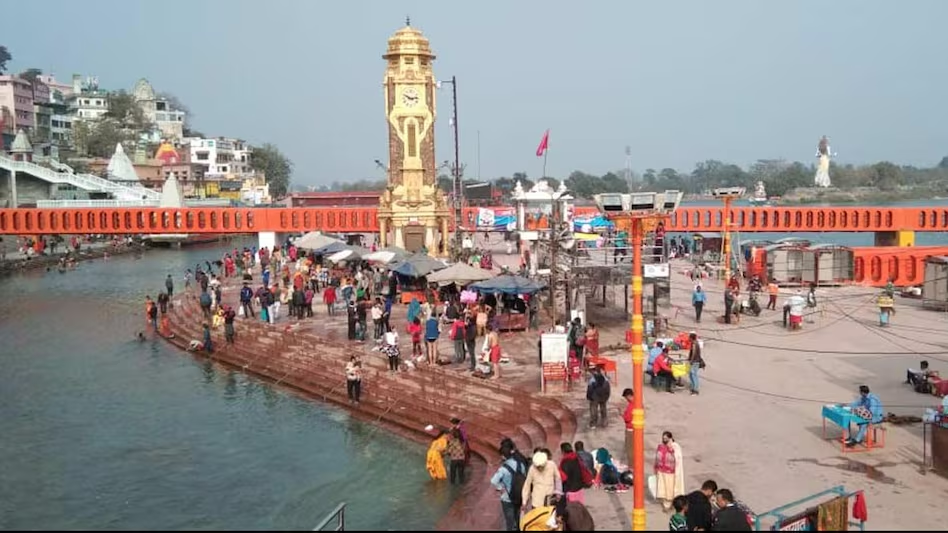
The Kumbh Mela is one of the largest and most sacred religious gatherings in Hinduism, attracting millions of devotees, saints, pilgrims, and spiritual seekers from across India and around the world. Among the most important rituals of this grand spiritual festival is taking a holy dip, also known as Shahi Snan or Amrit Snan, in the sacred River Ganga.
For devotees, bathing in the holy river during Kumbh Mela is not simply a religious tradition. It represents spiritual purification, the washing away of sins, devotion to the divine, and the pursuit of moksha, or liberation from the cycle of birth and death.
As preparations and anticipation grow for Kumbh Mela 2027 in Haridwar, understanding the religious and cultural significance of the holy dip can help pilgrims appreciate this extraordinary spiritual experience.
1. Spiritual Purification and the Cleansing of Sins
One of the most widely recognized beliefs associated with the holy dip during Kumbh Mela is spiritual purification. According to Hindu religious traditions, bathing in sacred rivers, particularly the River Ganga, is believed to help devotees purify themselves of past sins and negative karmic influences.
The Ganga holds a special place in Hinduism and is revered as a divine mother, commonly known as Maa Ganga. Devotees believe that entering her sacred waters with faith and devotion can bring inner peace and spiritual renewal.
During Kumbh Mela, this belief becomes especially significant because pilgrims gather at a spiritually important location during auspicious astrological periods.
2. The Connection Between Kumbh Mela and Hindu Mythology
The origin of Kumbh Mela is traditionally associated with the Hindu legend of Samudra Manthan, or the churning of the cosmic ocean.
According to the legend, the gods and demons churned the ocean to obtain Amrit, the nectar of immortality. During the struggle over the sacred nectar, drops are believed to have fallen at four locations: Haridwar, Prayagraj, Ujjain, and Nashik.
These four destinations subsequently became important pilgrimage sites for Kumbh Mela.
Haridwar is particularly sacred because the River Ganga descends from the Himalayan region into the plains here. The city’s association with the Ganga and its long-standing pilgrimage traditions makes it an important destination for devotees seeking spiritual blessings through the holy dip.
3. Why Is the Holy Dip Considered Auspicious During Kumbh Mela?
The significance of bathing during Kumbh Mela is closely associated with Hindu astrology and traditional religious beliefs.
The festival is organized according to particular planetary alignments, which are considered auspicious for spiritual practices, prayers, charity, meditation, and sacred bathing.
During designated bathing dates, millions of devotees visit the pilgrimage site to participate in rituals believed to offer spiritual merit.
The most important bathing occasions are traditionally associated with specific tithis, or lunar dates, and astrological configurations. The precise dates and their significance vary according to the location and the particular Kumbh observance.
For pilgrims, taking a holy dip on an auspicious bathing day is an opportunity to deepen their faith, seek divine blessings, and participate in a centuries-old religious tradition.
4. The Importance of the Ganga River in Haridwar
Haridwar is one of the seven sacred cities of Hinduism and a major gateway to the Himalayan pilgrimage destinations of Uttarakhand.
The name Haridwar is commonly interpreted as the Gateway to God. The city is particularly famous for Har Ki Pauri, a revered ghat on the banks of the River Ganga.
During Kumbh Mela, Haridwar transforms into a vibrant spiritual centre where devotees participate in sacred bathing, religious discourses, prayers, yajnas, and Ganga Aarti.
Har Ki Pauri holds special importance for pilgrims because of its religious associations and its central place in Haridwar’s spiritual life.
Visitors can also experience the devotional atmosphere at nearby temples, including Mansa Devi Temple and Chandi Devi Temple, subject to local access and crowd-management arrangements during the festival.
5. The Meaning of Shahi Snan or Amrit Snan
Shahi Snan, traditionally known as the royal bath, is one of the most significant ceremonial events associated with Kumbh Mela. The term Amrit Snan is also used in contemporary descriptions of these sacred bathing occasions.
These ceremonies are especially associated with the processions of sadhus, saints, and members of different akharas, or traditional religious orders.
The processions feature devotional chants, traditional symbols, and elaborate ceremonial practices. For many pilgrims, witnessing these processions is a remarkable opportunity to observe India’s diverse spiritual traditions.
The holy dip during these auspicious occasions symbolizes devotion, faith, and the pursuit of spiritual liberation. Bathing rituals and access to particular ghats are managed according to the arrangements announced by the local administration.
6. The Holy Dip and the Belief in Moksha
Moksha, or liberation from the cycle of birth and death, is one of the central spiritual goals in many Hindu philosophical traditions.
The holy dip during Kumbh Mela is often associated with the aspiration to move closer to this ultimate spiritual goal. Devotees believe that sacred bathing, when accompanied by sincere devotion, prayer, charity, and righteous conduct, can help strengthen their spiritual journey.
It is important to understand that the ritual is not viewed merely as a physical act. Its deeper meaning lies in faith, self-reflection, humility, and a renewed commitment to spiritual values.
For many pilgrims, the experience offers a chance to step away from everyday routines and reconnect with their religious beliefs.
7. A Celebration of Faith, Unity, and Indian Culture
Beyond its religious importance, Kumbh Mela represents an extraordinary expression of India’s cultural and spiritual heritage.
People from different states, communities, linguistic backgrounds, and walks of life gather at the same pilgrimage destination. The shared experience of taking a holy dip reflects a sense of collective faith and belonging.
The festival also brings together spiritual teachers, scholars, yoga practitioners, saints, and devotees. Religious discussions, cultural performances, devotional music, and charitable activities form an important part of the broader Kumbh experience.
For international visitors, Kumbh Mela offers an opportunity to learn about Hindu traditions, India’s pilgrimage culture, and the enduring significance of the River Ganga.
8. How to Prepare for a Holy Dip During Kumbh Mela 2027
If you are planning to visit Haridwar for Kumbh Mela 2027, a little preparation can make your pilgrimage more comfortable and meaningful.
Follow these practical tips:
- Check official bathing dates: Confirm the announced bathing schedule and any changes issued by the local administration.
- Choose an authorized bathing ghat: Use only designated bathing areas and follow instructions from police and crowd-management personnel.
- Arrive early when advised: Major bathing occasions can attract very large crowds, so follow official guidance on entry times and routes.
- Wear appropriate clothing: Choose comfortable, modest clothing suitable for a religious pilgrimage and river bathing.
- Keep valuables secure: Carry only essential belongings and keep your phone, identification, and money protected.
- Follow river-safety instructions: Avoid deep or fast-flowing water, use designated entry and exit points, and pay attention to barriers and lifeguard instructions.
- Respect religious customs: Be considerate of other pilgrims, saints, and local traditions.
- Plan accommodation and transport in advance: Demand for hotels and transport can increase significantly during major bathing dates.
The spiritual experience of Kumbh Mela can be enriched by combining the holy dip with prayer, meditation, participation in Ganga Aarti, and visits to important temples, wherever access is permitted.
9. Explore Haridwar During Kumbh Mela 2027
Haridwar offers pilgrims much more than a sacred bathing experience. Its temples, ghats, religious traditions, and connection with the Himalayas make it one of India’s most meaningful spiritual destinations.
During your visit, you may wish to explore:
- Har Ki Pauri: The iconic ghat associated with sacred bathing and Ganga Aarti.
- Mansa Devi Temple: A revered hilltop temple traditionally associated with the fulfilment of devotees’ wishes.
- Chandi Devi Temple: An important Shakti shrine overlooking Haridwar.
- Daksh Prajapati Temple: A temple associated with Hindu mythology and the ancient pilgrimage traditions of the region.
- Ganga Aarti: A devotional ceremony offering an opportunity to experience the spiritual atmosphere of the Ganga.
Please note that access to individual attractions may be restricted or regulated during peak Kumbh Mela periods. Check official advisories before finalizing your sightseeing plans.
Conclusion
The significance of taking a holy dip during Kumbh Mela extends far beyond bathing in a sacred river. It represents spiritual purification, faith in Maa Ganga, devotion to the divine, and the aspiration for moksha. Rooted in Hindu mythology and centuries of pilgrimage traditions, the ritual continues to inspire millions of people.
For those planning to attend Kumbh Mela 2027 in Haridwar, the holy dip can become a deeply meaningful spiritual experience when approached with devotion, respect, and proper preparation.
Whether you are travelling for religious reasons, cultural exploration, or a desire to understand India’s spiritual heritage, Kumbh Mela offers a rare opportunity to witness one of the world’s most remarkable gatherings of faith.
Plan your Haridwar pilgrimage with Discover Uttarakhand. Explore travel arrangements, accommodation options, local sightseeing, and customized Uttarakhand tour packages for your spiritual journey.
Website: https://discover-uttarakhand.com
Contact: +91-9760222178 | +91-9997187178 | +91-8171977178
Frequently Asked Questions (FAQs)
1. Why do people take a holy dip during Kumbh Mela?
Devotees take a holy dip to seek spiritual purification, divine blessings, and religious merit. According to Hindu beliefs, bathing in sacred waters during auspicious periods is an important spiritual practice.
2. What is the significance of bathing in the Ganga at Haridwar?
The River Ganga is revered as a sacred and divine river in Hinduism. Bathing in the Ganga at Haridwar is considered a meaningful act of devotion, and the city is one of India’s most important pilgrimage destinations.
3. What is Shahi Snan during Kumbh Mela?
Shahi Snan, also referred to as Amrit Snan in contemporary usage, is an important ceremonial bathing occasion associated with Kumbh Mela, particularly involving the processions of saints and traditional akharas.
4. Does taking a holy dip guarantee moksha?
Moksha is a spiritual concept interpreted in different ways across Hindu traditions. A holy dip is considered a sacred act of devotion, but Hindu philosophical teachings also emphasize knowledge, righteous conduct, spiritual discipline, and sincere devotion.
5. Where is the best place to take a holy dip during Kumbh Mela in Haridwar?
Har Ki Pauri is among Haridwar’s most revered bathing ghats. However, during Kumbh Mela, pilgrims should use only the bathing areas designated by the authorities and follow official safety and crowd-management instructions.
6. How can I plan a trip to Haridwar for Kumbh Mela 2027?
Check official announcements for festival dates, bathing schedules, transport arrangements, and accommodation guidelines. Booking your stay and transport early is advisable, particularly if you plan to visit during a major bathing occasion.
7. Can tourists attend Kumbh Mela even if they are not Hindu?
Yes. Visitors from different religious and cultural backgrounds can experience Kumbh Mela as a cultural and spiritual gathering, subject to applicable access rules and local regulations. Visitors should respect religious practices and follow the instructions of the authorities.


Leave a Reply