
Introduction
India is home to some of the world’s largest religious gatherings, and the Kumbh Mela and Ardh Kumbh Mela hold a special place in Hindu spirituality. Celebrated on the sacred banks of rivers at important pilgrimage destinations, these events attract millions of devotees, saints, sadhus, and international travellers seeking spiritual blessings and an opportunity to take a holy dip.
Although both festivals share religious significance, they differ in their frequency, scale, historical traditions, and celebration schedules. If you are planning to visit Haridwar for the upcoming Ardh Kumbh Mela 2027, understanding the difference between Kumbh Mela and Ardh Kumbh Mela can help you plan your pilgrimage more effectively.
In this guide, we explain the major differences between the two festivals, their religious significance, and what pilgrims should know before visiting Haridwar.
What Is Kumbh Mela?
Kumbh Mela is one of the most significant religious gatherings in Hinduism. It is associated with the ancient legend of Samudra Manthan, or the churning of the ocean, during which a pot of divine nectar, known as Amrit, emerged.
According to Hindu mythology, drops of this nectar fell at four sacred locations: Haridwar, Prayagraj, Ujjain, and Nashik. These destinations became the principal centres of the Kumbh Mela tradition.
The festival is celebrated according to specific astrological alignments involving the positions of the Sun, Jupiter, and other celestial considerations, depending on the pilgrimage location.
Main Features of Kumbh Mela
- Four major pilgrimage destinations: Haridwar, Prayagraj, Ujjain, and Nashik.
- Religious significance: Devotees believe that bathing in the sacred river during auspicious periods helps purify the soul and supports spiritual liberation.
- Holy bathing rituals: Shahi Snan, traditionally known as royal bathing, and other auspicious bathing occasions are among the major attractions.
- Spiritual gatherings: Saints, Akharas, religious teachers, and pilgrims participate in prayers, discourses, and religious ceremonies.
- Large-scale participation: Kumbh Mela can attract enormous crowds from across India and abroad.
Kumbh Mela is traditionally associated with an approximately 12-year cycle at each of its four principal pilgrimage centres, although the precise schedule depends on location-specific astrological calculations and religious traditions.
What Is Ardh Kumbh Mela?
The word Ardh means half in Sanskrit. Ardh Kumbh Mela is traditionally understood as a half-cycle Kumbh gathering, celebrated approximately six years after a Kumbh Mela at Haridwar and Prayagraj.
Like Kumbh Mela, Ardh Kumbh Mela is a major religious occasion for Hindu devotees. Pilgrims gather to take a holy dip, offer prayers, participate in spiritual activities, and seek blessings.
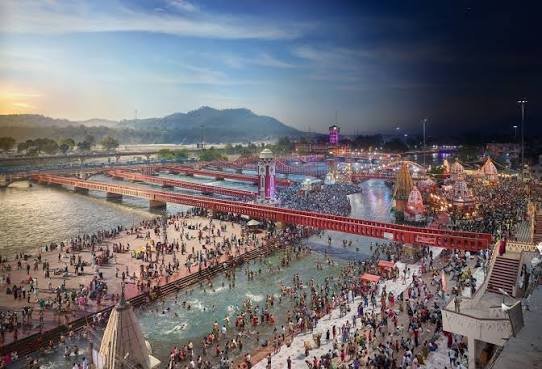
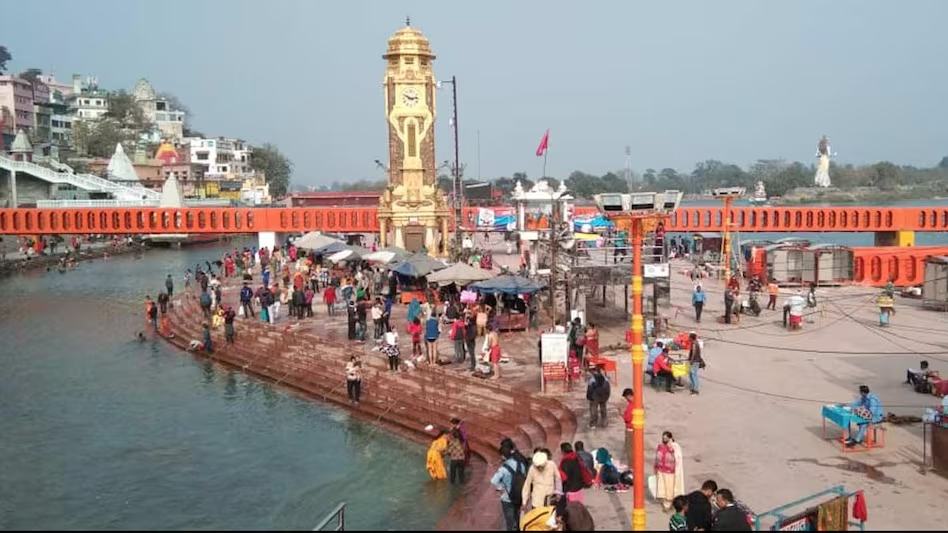
Haridwar, located in Uttarakhand, is particularly important because the River Ganga enters the northern plains here. Har Ki Pauri is one of the city’s most famous sacred bathing locations.
Main Features of Ardh Kumbh Mela
- Approximate six-year cycle: Traditionally observed midway between major Kumbh gatherings at Haridwar and Prayagraj.
- Holy bathing: Devotees visit the Ganga ghats for ritual bathing on auspicious dates.
- Religious ceremonies: Spiritual discourses, worship, devotional gatherings, and Akhara activities form part of the festival.
- Pilgrimage tourism: Visitors also explore Haridwar’s temples, ashrams, and other spiritual attractions.
- Crowd management: Roads, accommodation, transport, and bathing areas require careful planning during major festival periods.
Ardh Kumbh Mela is not simply a smaller version of Kumbh Mela. It is a significant religious gathering in its own right, with its own bathing dates, rituals, and arrangements.
Kumbh Mela vs Ardh Kumbh Mela: Key Differences
The following table highlights the main differences between the two festivals.
| Feature | Kumbh Mela | Ardh Kumbh Mela |
|---|---|---|
| Meaning | Major Kumbh pilgrimage gathering | Half-cycle Kumbh gathering |
| Traditional frequency | Approximately every 12 years at each principal location | Approximately every 6 years at Haridwar and Prayagraj |
| Main locations | Haridwar, Prayagraj, Ujjain, and Nashik | Traditionally Haridwar and Prayagraj |
| Religious importance | Major sacred bathing and pilgrimage festival | Important sacred bathing and pilgrimage festival |
| Bathing rituals | Multiple auspicious bathing dates | Multiple auspicious bathing dates |
| Participation | Can attract exceptionally large crowds | Can also attract millions of pilgrims |
| Activities | Holy baths, religious processions, spiritual discourses, and worship | Holy baths, religious gatherings, spiritual discourses, and worship |
| Travel planning | Advance planning is essential | Advance planning is strongly recommended |
Important: These intervals describe the traditional cycle, not an automatic calendar rule. Festival schedules and official designations should always be confirmed through current announcements from the relevant authorities.
Why Is Haridwar Important for Kumbh and Ardh Kumbh Mela?
Haridwar is among the seven sacred cities of Hinduism and is one of India’s most important pilgrimage destinations. Its name is commonly interpreted as the gateway to the divine.
The city is especially significant because of its association with the River Ganga and its long history of religious traditions.
1. Har Ki Pauri
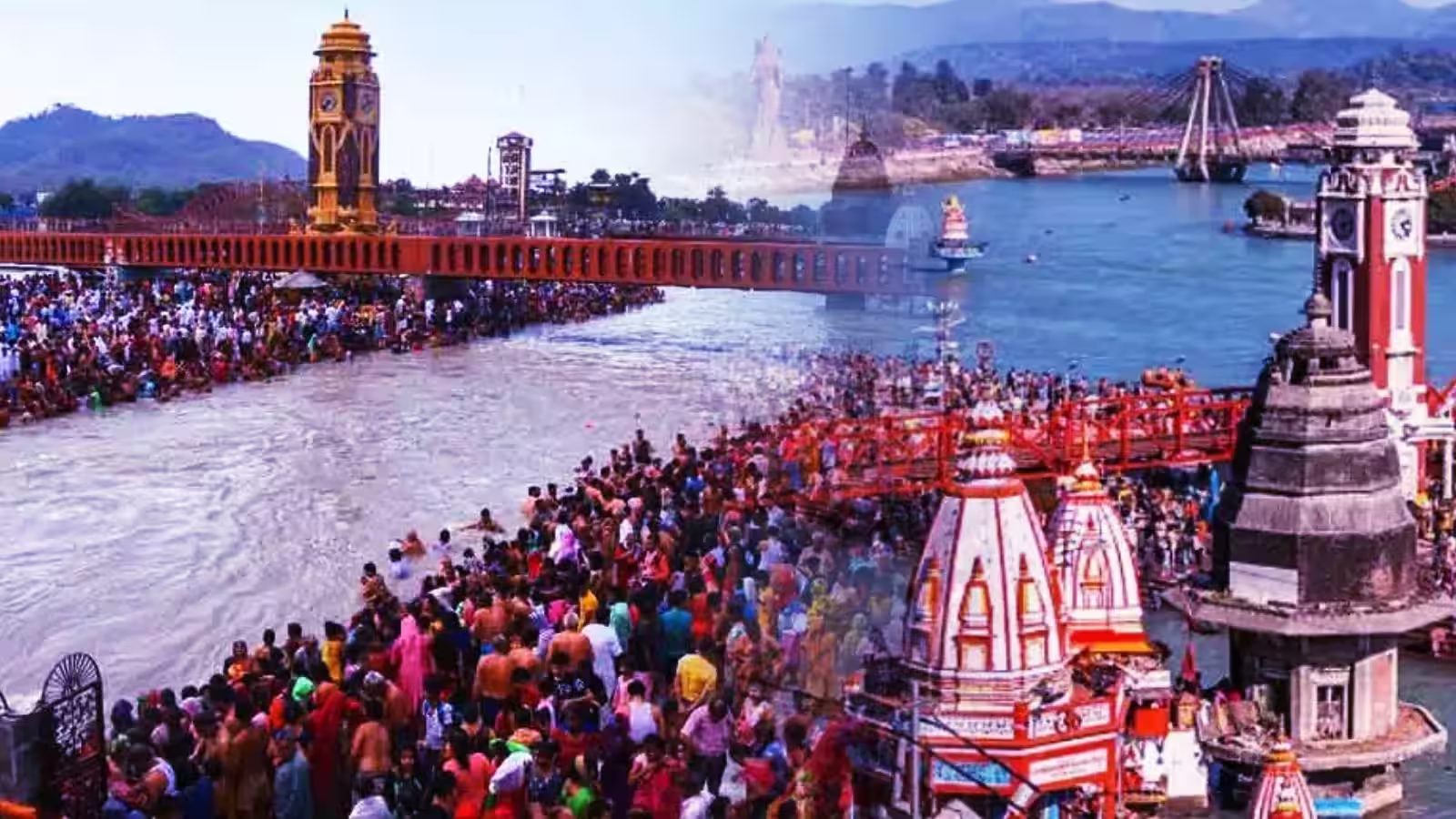
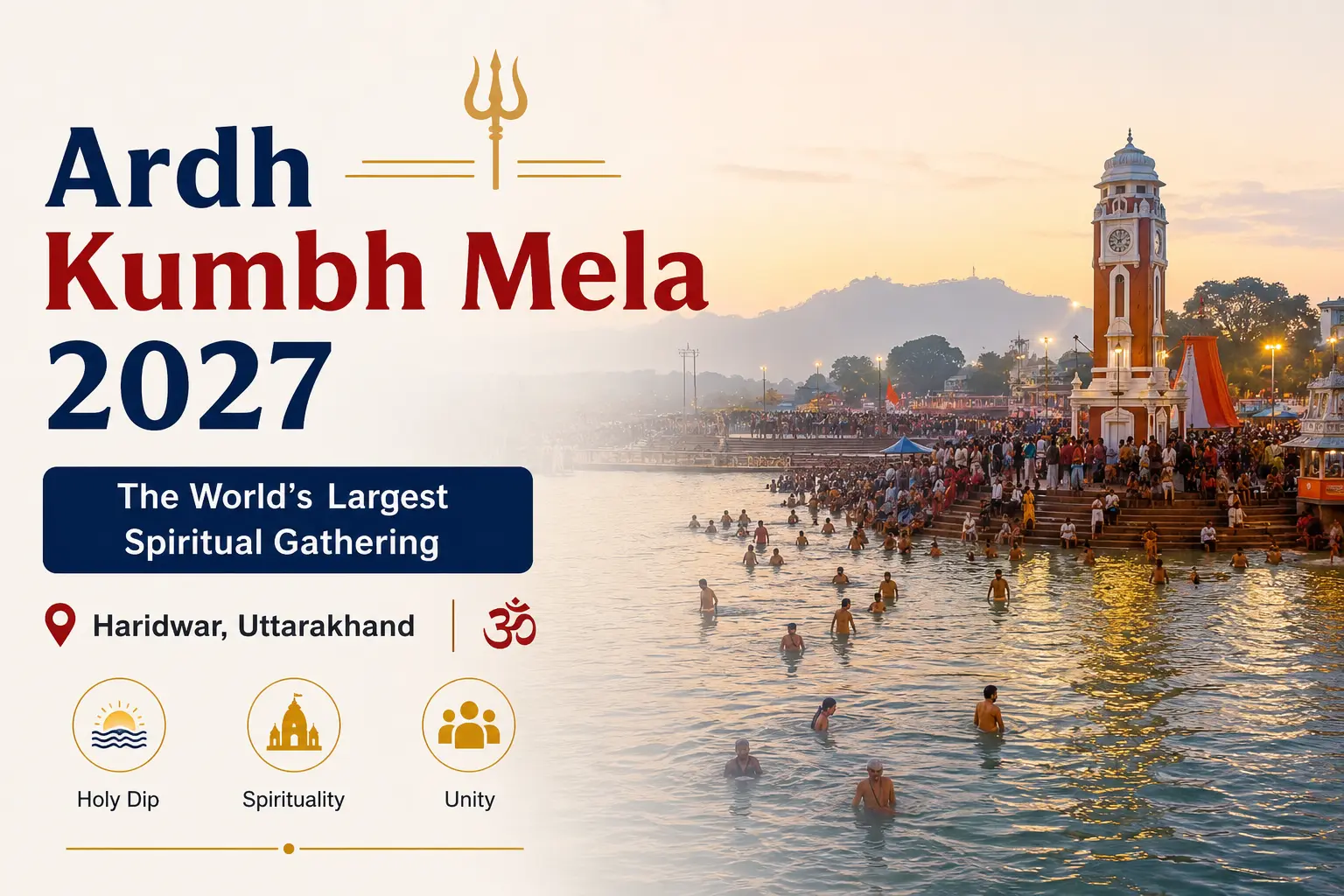
Har Ki Pauri is one of the most famous bathing ghats in India. Thousands of devotees gather here for daily Ganga Aarti, while major bathing occasions during Kumbh-related festivals attract large numbers of pilgrims.
2. Sacred River Ganga
The Ganga is worshipped as a sacred river in Hinduism. Taking a holy dip during an auspicious bathing period is believed by devotees to cleanse spiritual impurities and bring religious merit.
3. Temples and Ashrams
Haridwar is home to important religious attractions, including Mansa Devi Temple, Chandi Devi Temple, Daksh Prajapati Temple, and numerous ashrams. Visitors can combine their pilgrimage with visits to these sacred sites, depending on crowd conditions and access arrangements.
4. Spiritual Discourses and Religious Gatherings
During major Kumbh-related events, devotees can experience spiritual discourses, devotional programmes, religious processions, and gatherings of saints and spiritual teachers.
Ardh Kumbh Mela 2027 in Haridwar: What Should Visitors Know?
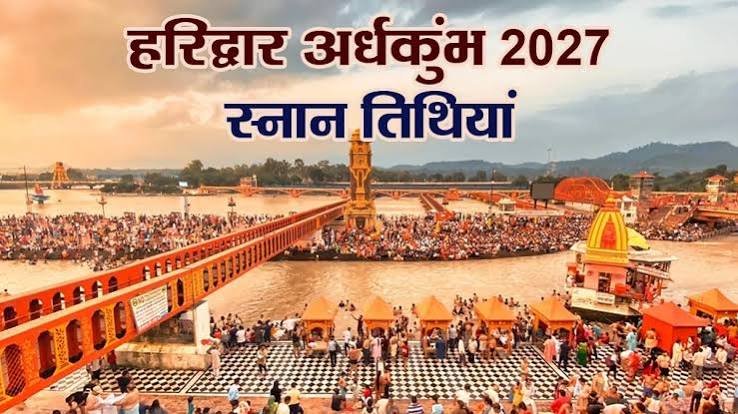
Haridwar is preparing for the major Kumbh-related pilgrimage cycle associated with 2027. Travellers should check the latest official announcements to confirm the event’s designation, bathing dates, traffic arrangements, and accommodation guidance.
Visitors planning a trip should consider the following points.
Plan Your Travel in Advance
Book your hotel, transport, and other travel arrangements well ahead of your intended visit. Accommodation demand can rise significantly around major bathing occasions.
Check Official Snan Dates
The most important bathing dates are generally determined by religious and astrological considerations. Check the final dates announced by the relevant authorities before booking a non-refundable trip.
Prepare for Large Crowds
Allow extra time for travel within Haridwar. Road closures, diversions, security arrangements, and restricted vehicle access may affect journeys during peak festival periods.
Choose Accommodation Carefully
Consider accommodation according to your budget, mobility requirements, and preferred access to the bathing ghats. Staying farther from the busiest areas may offer a more convenient experience during peak dates.
Follow Safety Instructions
Use designated bathing areas, follow police and administration advisories, and keep children and elderly family members close in crowded places.
Best Places to Visit in Haridwar During Kumbh Mela
If time permits and local access arrangements allow, visitors can explore several spiritual attractions.
- Har Ki Pauri: The city’s iconic bathing ghat and a major location for Ganga Aarti.
- Mansa Devi Temple: A hilltop temple accessible by a ropeway when services are operating.
- Chandi Devi Temple: Another important hilltop shrine with religious and cultural significance.
- Daksh Prajapati Temple: A temple associated with Hindu mythology and the ancient history of Kankhal.
- Shantikunj: A prominent spiritual and cultural centre.
- Bharat Mata Mandir: A multi-storey temple dedicated to the idea of Bharat Mata.
Sightseeing should remain flexible during the festival because access restrictions and crowd management measures can change throughout the day.
Travel Tips for Kumbh and Ardh Kumbh Mela
Whether you are visiting for a major Kumbh gathering or an Ardh Kumbh pilgrimage, these practical tips can help make your journey more comfortable.
- Book accommodation and transport early.
- Carry valid identification and essential medicines.
- Wear comfortable footwear and weather-appropriate clothing.
- Keep emergency contacts and your hotel details accessible.
- Follow official bathing schedules and designated routes.
- Avoid carrying unnecessary valuables into crowded areas.
- Plan extra time for railway stations, bus terminals, and road journeys.
- Respect local religious customs and instructions from the authorities.
International visitors should also check visa requirements, travel insurance, and any applicable public-health advisories before departure.
Frequently Asked Questions (FAQs)
1. What is the main difference between Kumbh Mela and Ardh Kumbh Mela?
The main difference is their traditional frequency and the locations where they are observed. Kumbh Mela follows an approximately 12-year cycle at each of the four principal pilgrimage centres, while Ardh Kumbh Mela is traditionally observed approximately every six years at Haridwar and Prayagraj.
2. Is Ardh Kumbh Mela as religiously important as Kumbh Mela?
Ardh Kumbh Mela is an important Hindu pilgrimage gathering in its own right. Devotees participate in holy bathing, prayers, spiritual discourses, and religious ceremonies during auspicious periods.
3. Where is Ardh Kumbh Mela celebrated?
Ardh Kumbh Mela is traditionally associated with Haridwar in Uttarakhand and Prayagraj in Uttar Pradesh.
4. Why do people take a holy dip during Kumbh Mela?
Many Hindu devotees believe that bathing in a sacred river during auspicious periods brings spiritual purification and religious merit. The ritual is an important expression of faith and devotion.
5. Is Haridwar worth visiting during Kumbh-related festivals?
Yes. Haridwar offers a distinctive spiritual atmosphere during major Kumbh-related gatherings, with religious ceremonies, devotional activities, and opportunities to visit sacred sites. However, visitors should be prepared for crowds and follow official travel advisories.
6. How can I plan a trip to Haridwar for Ardh Kumbh or Kumbh Mela?
Start by confirming official event dates, selecting accommodation, and arranging transport. Consider a pilgrimage itinerary that includes Har Ki Pauri, important temples, and other attractions, while keeping sufficient flexibility for crowd restrictions.
Conclusion
Kumbh Mela and Ardh Kumbh Mela are deeply rooted in India’s religious and cultural heritage. Although they differ in their traditional frequency and locations, both offer devotees an opportunity to participate in sacred bathing rituals, spiritual gatherings, and religious traditions.
For travellers planning to visit Haridwar, understanding these differences is the first step towards a meaningful and well-organised pilgrimage. Confirm official dates, plan accommodation early, and remain flexible during major bathing occasions.
Planning your Haridwar pilgrimage for 2027? Discover Uttarakhand can help you organise hotel accommodation, local sightseeing, private transport, and customised Uttarakhand travel arrangements for your journey.
Contact Discover Uttarakhand:
- Phone: +91-9760222178
- Phone: +91-9997187178
- Phone: +91-8171977178
- Website: https://discover-uttarakhand.com
Make your spiritual journey to Haridwar comfortable, memorable, and well planned.

Leave a Reply