
Introduction: The Switzerland of India
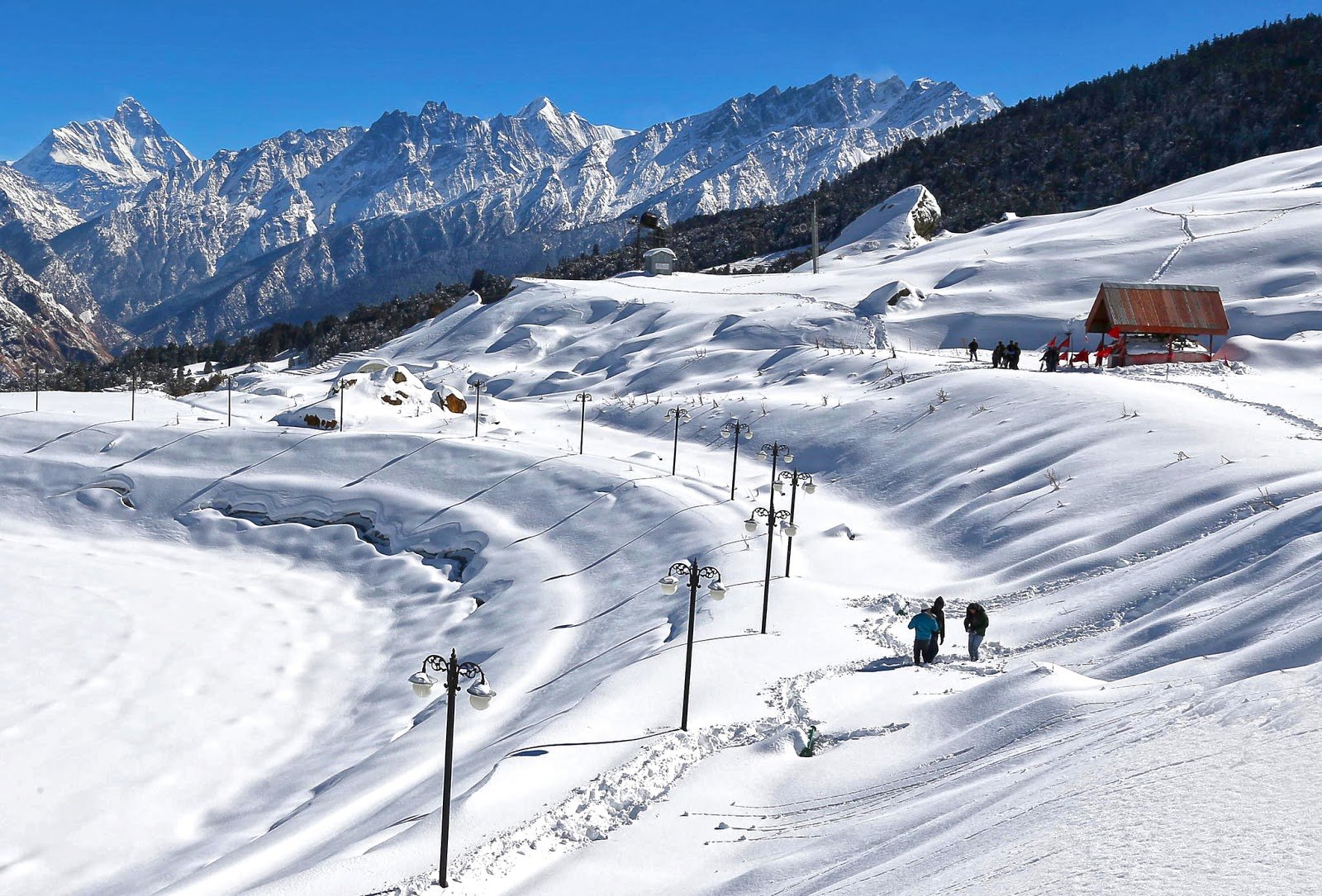
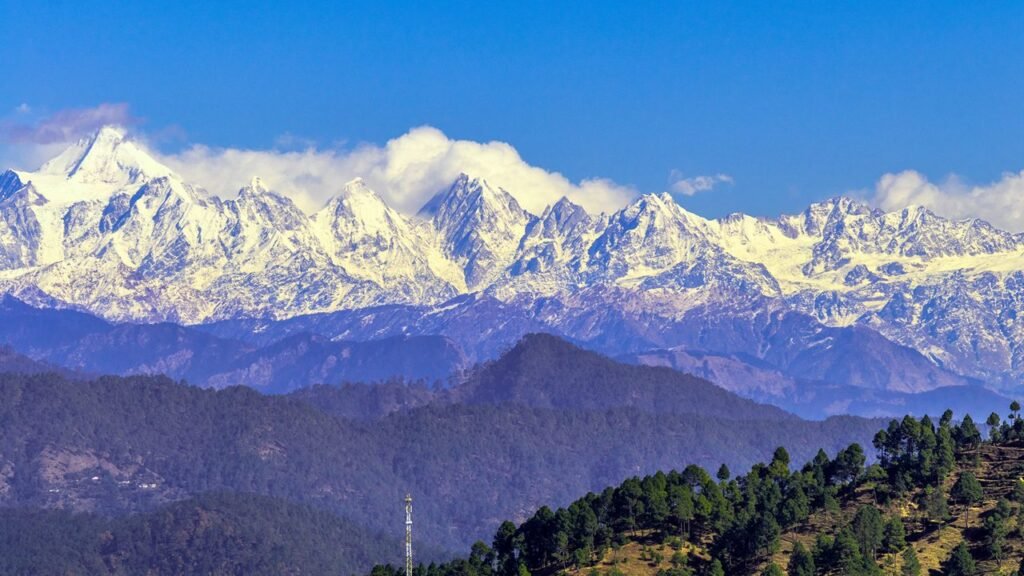
Nestled in the Kumaon Himalayas at an altitude of 1,890 meters (6,200 feet), Kausani is a serene hill station in Uttarakhand’s Bageshwar district that has captivated travellers for generations with its breathtaking 360-degree views of the Himalayan range. Often called the “Switzerland of India,” this picturesque town offers a tranquil escape from the chaos of city life, surrounded by dense pine forests, rolling tea gardens, and majestic snow-capped peaks, including Nanda Devi, Trishul, and Panchachuli.
Unlike the bustling hill stations of Mussoorie or Nainital, Kausani remains refreshingly untouched by commercialisation. It is a place where time slows down, where mornings begin with the sun painting the Himalayan peaks in shades of gold, and where evenings are spent sipping locally grown tea while watching the mountains turn crimson at sunset.
The town holds a special place in Indian history and literature. It was here that Mahatma Gandhi stayed in 1929, so enchanted by the beauty that he called it the “Switzerland of India” and wrote his commentary on the Gita, “Anasakti Yoga”. It is also the birthplace of renowned Hindi poet Sumitranandan Pant, whose verses were inspired by the very landscapes you will explore.
Whether you are seeking a peaceful retreat, a romantic getaway, a writer’s inspiration, or simply a break surrounded by nature, Kausani offers an experience that lingers in the heart long after you leave.
History of Kausani: Where Nature Met History
The Ancient Name and Origin
The old name of this Himalayan hamlet was “Valna.” It later adopted its current name from the mythological character Kaunish, a holy man believed to have performed penance here. This ancient spiritual connection still resonates in the peaceful atmosphere that pervades the town.
Gandhi’s Sojourn (1929)
On June 19, 1929, Mahatma Gandhi arrived in Kausani for a brief rest to recover his health. He stayed at the bungalow of Norman Troupe, a British planter who had established tea plantations in the region. So captivated was Gandhi by the splendid Himalayan panorama that he extended his stay from a few days to 12 days.
During his stay, Gandhi wrote his commentary on the Gita, “Anasakti Yoga,” drawing inspiration from the serene surroundings. He described Kausani as the “Switzerland of India” and wrote that it offered him more beauty than even Shimla and Darjeeling ever could. The bungalow where he stayed is now the Anasakti Ashram, a peaceful retreat and study centre that preserves his memory.
The British Tea Legacy
In the 1830s, when the East India Company had established political power, plans were made to develop the Kumaon region as a tea-producing zone. The first tea estate of Kumaon was established in 1850 near Kausani and Chaukori. In 1864, Norman Troupe expanded tea cultivation in Kausani.
Kausani tea was in no way inferior to Darjeeling or Assam tea in aroma and taste. However, the region’s isolation, poor infrastructure, and distance from ports made commercial success impossible. By 1916, the British tea plantation was about to die. Six families from Sri Lanka attempted to revive it in 1930, but again the logistical challenges proved insurmountable. Today, the legacy survives in the Kausani Tea Estate, where visitors can still taste and purchase the unique Himalayan tea.
Sumitranandan Pant’s Birthplace
Kausani holds immense significance for Hindi literature as the birthplace of Sumitranandan Pant, a legendary poet of the Chhayavaadi school and recipient of the Jnanpith Award and Padma Bhushan. His poetry was deeply inspired by the Himalayan landscapes of his homeland, and his ancestral home has been converted into a museum celebrating his life and work.
Geography and Location
Geographic Coordinates
Topography
Kausani is perched atop a ridge in the Kumaon Himalayas, overlooking the Someshwar Valley on one side and the Garur and Katyuri valleys on the other. The town is situated between the Kosi and Gomti rivers, creating a landscape of rolling hills covered with chir and blue pine forests.
From the viewpoints of Kausani, a 300-kilometre stretch of the Himalayas is visible on clear days. The panoramic vista includes:
- Nanda Devi (7,816 m) – India’s highest peak before the accession of Sikkim
- Trishul (7,120 m) – A massif of three peaks resembling Shiva’s trident
- Panchachuli – A group of five peaks
- Chaukhambha (7,138 m) – Part of the Gangotri range
- Nanda Kot (6,861 m) – A distinctive peak near Nanda Devi
The elevation of around 1,900 meters means the air is cool but not challenging for most visitors—high enough for stunning views but low enough to avoid altitude sickness.
Flora and Fauna
Forests and Vegetation
Kausani is blessed with rich Himalayan vegetation that changes with the seasons:
| Forest Type | Dominant Species | Characteristics |
|---|---|---|
| Pine Forests | Chir, Blue Pine | Scented air, carpeted with needles |
| Oak Forests | Quercus species | Dense canopies, autumn colors |
| Rhododendron | Red Rhododendron | Spring blooms (February-March) |
| Deodar | Himalayan Cedar | Majestic evergreen trees |
Birdwatching Paradise
Kausani is a haven for bird enthusiasts, with over 50 bird species recorded in the region. Common sightings include:
- Woodpeckers – Several species in forested areas
- Barbets – Colourful fruit-eating birds
- Parakeets – Flocks of green birds in treetops
- Robins – Common in gardens and forest edges
- Fork-tailed birds – Seen near water sources
- Himalayan Monal – The state bird (at higher elevations)
The Kausani Tea Estate is particularly good for birdwatching, where birds are often seen among the tea bushes.
Wildlife
The forests around Kausani support a variety of Himalayan wildlife:
- Leopards – Present in deeper forests (rarely seen)
- Himalayan Black Bears – In higher, remote areas
- Barking Deer – Common in forested areas
- Langurs – Frequently seen near roads and villages
- Wild Boar – In forested areas
Note: While wildlife sightings are possible, Kausani is primarily a destination for peaceful nature walks rather than dedicated wildlife safaris.
How to Reach Kausani
By Air
Nearest Airport: Pantnagar Airport (approximately 162–180 km from Kausani)
- Airlines: Daily flights from Delhi to Pantnagar (approx. 1 hour)
- Onward Travel: Taxis are available from the airport (5–6 hour drive)
- Alternate: Some travellers fly to Delhi and continue by road
By Train
Nearest Railway Station: Kathgodam (approximately 132–142 km from Kausani)
| Train Name | From Delhi | Departure | Arrival (Kathgodam) |
|---|---|---|---|
| Ranikhet Express | Delhi | 10:05 PM | 5:05 AM |
| Shatabdi Express | Delhi | 6:00 AM | 11:40 AM |
From Kathgodam station, taxis are available for the 4–5 hour drive to Kausani.
By Road
Kausani is well-connected by road to major cities in North India :
| Starting Point | Distance | Travel Time | Route |
|---|---|---|---|
| Delhi | 405–433 km | 11–14 hours | Delhi → Hapur → Moradabad → Rampur → Haldwani → Kathgodam → Bhimtal → Bhowali → Almora → Kausani |
| Nainital | 120 km | 4–5 hours | Nainital → Bhowali → Khairna → Almora → Kausani |
| Almora | 52 km | 2–3 hours | Almora → Kausani |
| Ranikhet | 60 km | 2.5–3 hours | Ranikhet → Almora → Kausani |
| Haridwar | 350 km | 9–10 hours | Haridwar → Rishikesh → Haldwani → Almora → Kausani |
Road Conditions: The route is scenic but winding, especially after Bhimtal. Roads are generally good, but caution is advised during the monsoon when landslides can occur.
Distances from Major Cities
| City | Distance (km) |
|---|---|
| Delhi | 405–433 |
| Nainital | 120 |
| Almora | 52 |
| Ranikhet | 60 |
| Bageshwar | 40 |
| Kathgodam | 132 |
| Pantnagar Airport | 170–180 |
| Haridwar | 350 |
| Dehradun | 450 |
Weather and Best Time to Visit
Climate Overview
Kausani experiences a pleasant climate year-round, with distinct seasons. The town’s elevation ensures cool temperatures even in summer.
Month-by-Month Temperature Guide
| Month | Min Temp (°C) | Max Temp (°C) | Conditions |
|---|---|---|---|
| January | 2 | 12 | Cold, occasional frost |
| February | 4 | 14 | Cool, spring begins |
| March | 8 | 18 | Pleasant, clear skies |
| April | 12 | 22 | Warm, ideal for sightseeing |
| May | 15 | 26 | Warm, best Himalayan views |
| June | 16 | 25 | Warm, pre-monsoon showers |
| July | 16 | 22 | Monsoon, heavy rainfall |
| August | 16 | 22 | Monsoon, lush greenery |
| September | 14 | 21 | Post-monsoon, clear |
| October | 10 | 18 | Cool, crisp, best views |
| November | 6 | 15 | Cold, clear skies |
| December | 3 | 12 | Cold, occasional snow |
Best Time to Visit by Season
| Season | Months | Suitability | Conditions | Best For |
|---|---|---|---|---|
| Summer | March-June | ⭐ Excellent | 12°C–26°C, clear skies | Families, photographers, panoramic views |
| Autumn | September-November | ⭐ Excellent | 10°C–21°C, post-monsoon clarity | Photography, peaceful retreat |
| Winter | December-February | ⭐ Good | 2°C–14°C, occasional snow | Snow lovers, cozy escapes |
| Monsoon | July-August | ⚠️ Avoid | Heavy rain, landslides | Not recommended |
When to See the Best Himalayan Views
- October to April: The clearest skies with the most stunning mountain views
- May-June: Good visibility but slightly hazier
- Monsoon: The peaks are often hidden behind clouds
Top Attractions in Kausani
1. Anasakti Ashram (Gandhi Ashram)
Anasakti Ashram is the most significant historical and spiritual site in Kausani. It was here that Mahatma Gandhi stayed for 12 days in 1929, captivated by the beauty of the Himalayas. He wrote his commentary on the Gita, “Anasakti Yoga,” during this stay.
Highlights:
- Small Museum: Displays photographs, writings, and personal items of Gandhi
- Library: A rich collection of Gandhi’s works
- Prayer Hall: Daily bhajans are sung
- Accommodation: Simple rooms available for those seeking a retreat
- Panoramic Views: From the ashram, the entire Himalayan range is visible
Timings: 6:00 AM – 6:00 PM
Entry Fee: Free
Best Time: Early morning for sunrise views and quiet contemplation
2. Kausani Tea Estate
Spread across 200 hectares at an altitude of 1,890 meters, the Kausani Tea Estate is a working tea garden dating back to the British colonial era. The tea grown here has a unique flavour profile, influenced by the Himalayan climate.
What to Do:
- Walk through the neatly trimmed tea bushes (the garden is set on a gentle slope)
- Visit the tea factory to learn about processing
- Taste freshly brewed Kausani tea
- Purchase tea directly from the source
- Enjoy views of the surrounding peaks while sipping tea
Timings: 8:00 AM – 5:00 PM
Entry Fee: ₹25 per person (may vary)
Best Time: Morning for cooler weather and birdwatching
Note: The approach to the tea garden involves climbing uphill, so it may be challenging for senior citizens.
3. Rudradhari Falls and Caves
Located approximately 8–12 km from Kausani, Rudradhari Falls is a short trekking destination combining nature, spirituality, and adventure. A 2–3 km forest trail through pine and oak trees leads to a waterfall that cascades into rocky pools.
Highlights:
- Ancient Caves: Dedicated to Lord Shiva, with great religious significance
- Waterfall: Picturesque cascade, especially after the monsoon
- Trek: The walk through the forest is as enjoyable as the destination
- Meditation Spot: The caves offer a peaceful environment for reflection
Trek Distance: 8 km (round trip)
Difficulty: Easy to moderate
Best Time: September–November for clear views, March–June for pleasant weather
4. Sumitranandan Pant Museum
Located in the poet’s ancestral home, this museum celebrates the life and work of Sumitranandan Pant, one of the most important figures in modern Hindi literature.
Highlights:
- Manuscripts: Original drafts of his poems
- Photographs: Images from his life and times
- Personal Belongings: Letters, awards, memorabilia
- Book Collection: Large collection of his works in Hindi and English
- Himalayan Views: The veranda offers stunning mountain views
Timings: 10:00 AM – 5:00 PM (closed Mondays)
Entry Fee: Minimal
Best Time: Year-round; the museum is under renovation in 2026, but collections are accessible
5. Sunrise and Sunset Viewpoints
Kausani’s most celebrated experience is watching the sun paint the Himalayan peaks. The town has dedicated viewpoints easily reached on foot.
Best Spots:
- Gandhi Ashram Viewpoint: Offers the most famous panorama
- KMVN Guest House: Another excellent location
- Pant Museum Viewpoint: Provides a different perspective
What to Expect:
- Sunrise: The peaks glow golden and then turn white as the sun rises
- Sunset: The mountains take on shades of pink and crimson
- Clear days in October-April offer the most unforgettable views
Best Time: Arrive 15–20 minutes before sunrise/sunset
6. Baijnath Temple (Excursion)
Located 16–20 km from Kausani, the Baijnath Temple complex is a stunning example of 12th-century Nagara-style architecture, dedicated to Lord Shiva.
Highlights:
- Ancient stone temples on the banks of the Gomti River
- Intricate carvings and pillars
- Peaceful riverside setting
- Believed to be where Lord Shiva and Parvati were married
Distance: 16 km from Kausani
Travel Time: 45–60 minutes by taxi
Timings: 6:00 AM – 7:00 PM
7. Kausani Shawl Factory
Established in 2002, this factory promotes traditional Kumaoni artwork and creates employment opportunities for the local community.
What to See:
- Handwoven shawls in various colours and designs
- Woollen jackets and caps
- Traditional Kumaoni craftsmanship
- Opportunity to support local artisans
Timings: 9:00 AM – 6:00 PM
8. Someshwar Valley
Located approximately 10 km from Kausani, the Someshwar Valley lies on the banks of the Kosi and Sai rivers. It is known for the Someshwar Temple, dedicated to Lord Shiva, believed to have been founded by the Chand Dynasty.
Highlights:
- Metal bells that create melodious tunes in the evening
- Beautiful valley views
- Peaceful atmosphere
Trekking Adventures in Kausani
Kausani is known as the “Gateway to the Great Outdoors,” offering a range of trekking routes for all skill levels.
| Trek Name | Distance | Difficulty | Duration | Highlights |
|---|---|---|---|---|
| Rudradhari Cave Trek | 8 km | Easy | 3–4 hours | Waterfall, caves, spiritual ambiance |
| Pinnath Trek | 5 km | Easy | 2–3 hours | Bhairon temple, Gopalkot Peak views |
| Baijnath Trek | 17 km | Easy-Moderate | 6–7 hours | Ancient temples, scenic villages |
| Gwaldam Trek | 24 km | Moderate | 2 days | Glaciers, colourful stones, alpine meadows |
| Sunderdhunga Trek | 54 km | Moderate-Difficult | 5–6 days | Waterfall, caves, spiritual ambience |
| Kafni Glacier Trek | 90 km | Difficult | 7–8 days | Rhododendron forests, Nanda Kot views |
| Pindari Glacier Trek | 90 km | Difficult | 7–8 days | Nanda Devi, Nanda Kot, river views |
| Adi Kailash Trek | 100 km | Difficult | 10–12 days | Adi Kailash peak, Parvati Lake |
Note: The Pindari, Kafni, Sunderdhunga, and Adi Kailash treks are long, challenging expeditions requiring preparation and guides. For most visitors, the Rudradhari and Pinnath treks are the most accessible options.
Things to Do in Kausani
1. Stargazing and Astrophotography
Given its high altitude and lack of light pollution, Kausani is an excellent destination for stargazing. The town has an observatory and open-air planetarium where visitors can enrol in short-term astrophotography courses. On clear nights, the Milky Way is visible in all its glory.
2. Birdwatching
With over 50 bird species, Kausani is a delight for bird enthusiasts. The Kausani Tea Estate and the surrounding pine forests are ideal spots for morning walks with binoculars.
3. Photography
The combination of Himalayan peaks, tea gardens, pine forests, and local village life makes Kausani a photographer’s paradise. Key spots include:
- Sunrise and sunset at viewpoints
- Tea gardens at golden hour
- Local villagers in traditional attire
- Misty mornings in the pine forests
4. Nature Walks
Simply walking through Kausani’s quiet lanes, pine forests, and village paths is one of the most rewarding experiences. The area is perfect for slow travel, with no need for a vehicle once you’ve settled in.
5. Tea Tasting
No visit to Kausani is complete without sampling the locally grown tea. The Kausani Tea Estate offers fresh brews, and you can purchase tea to take home.
6. Visit Local Markets
While shopping options are limited, the Mall Road area offers:
- Handwoven Kumaoni shawls
- Woollen jackets and caps
- Jams, pickles, and chutneys from local stores like Puran Singh Tea Store and Anand and Sons
Local Cuisine: What to Eat in Kausani
Must-Try Kumaoni Dishes
| Dish | Description | Where to Find |
|---|---|---|
| Bhatt ki Churkani | Black soybean curry, a Kumaoni specialty | Local restaurants, homestays |
| Aloo ke Gutke | Black soybean curry, a Kumaoni speciality | Available everywhere |
| Gahat Soup | Warm lentil soup made with horse gram | Traditional Kumaoni meals |
| Mandua Roti | Spiced fried potatoes with local flavours | Homestays, local eateries |
| Jhangora Kheer | Sweet pudding made with local millet | Traditional desserts |
| Kausani Tea | Freshly brewed Himalayan tea | Tea Estate, local cafes |
Popular Cafes and Restaurants
Most food in Kausani is served at hotels, homestays, and small dhabas. The cuisine is simple, healthy, and flavorful. The Kausani Tea Estate has a restaurant serving Kumaoni thali, which receives good reviews from visitors.
Dining Tips
- Most hotels and homestays offer meal packages
- Local markets have small eateries for snacks and tea
- Carry packaged snacks for treks
- Vegetarian options are widely available
Shopping in Kausani
What to Buy
| Item | Description | Where to Find |
|---|---|---|
| Kausani Tea | Freshly packed, locally grown tea | Kausani Tea Estate |
| Kumaoni Shawls | Handwoven woolen shawls, traditional patterns | Kausani Shawl Factory, Mall Road shops |
| Wooden Handicrafts | Carved items, local craftsmanship | Local markets |
| Jams & Pickles | Locally made fruit preserves and pickles | Puran Singh Tea Store, Anand and Sons |
| Himalayan Honey | Organic honey from forest areas | Local shops |
Markets to Explore
| Market | Best For |
|---|---|
| Mall Road | Jams, pickles, chutneys, and wooden crafts |
| Kausani Shawl Factory | Authentic Kumaoni shawls, supporting local artisans |
| Local Shops | Jams, pickles, chutneys, wooden crafts |
Shopping Tips: Bargain politely in local markets. Carry cash—smaller shops may not accept cards.
Accommodation Options
Kausani offers a range of accommodation options to suit various preferences and budgets.
Types of Accommodation
| Category | Price Range (per night) | Examples | Features |
|---|---|---|---|
| Luxury Resorts | ₹5,000 – ₹12,000+ | Chevron Mountain Villa | Himalayan views, gardens, modern amenities |
| Mid-Range Hotels | ₹2,500 – ₹5,000 | Kausani Best Inn, The Buransh | Comfortable, good service, valley views |
| Budget Hotels | ₹1,000 – ₹2,500 | Local guesthouses | Basic rooms, affordable |
| Homestays | ₹1,500 – ₹3,500 | Himalaya Darshan Resort, Sun n Snow Inn | Authentic Kumaoni experience, home-cooked food |
| Government Properties | ₹1,500 – ₹2,500 | KMVN Tourist Rest House, TRH Kausani | Reliable, stunning views |
Best Areas to Stay
| Area | Best For | Features |
|---|---|---|
| Near Mall Road | Convenience | Close to shops, restaurants, viewpoints |
| Near Gandhi Ashram | Peace seekers | Quiet, historical significance, best views |
| Near Tea Estate | Nature lovers | Green surroundings, walks, birdwatching |
Booking Tips: Book well in advance for peak seasons (March–June, October–December) as Kausani’s limited accommodations fill up quickly.
Sample Itineraries
2-Day Kausani Weekend Escape (From Delhi)
Day 1: Arrival and Sunset
- Morning: Depart Delhi early (by 6:00 AM) for the 11–12 hour drive
- Afternoon: Check into hotel, freshen up
- Evening: Walk to the sunset viewpoint, witness the Himalayas turn golden
- Night: Dinner at the hotel, early rest
Day 2: Sunrise and Tea Estate
- Early Morning: Wake before dawn (5:00 AM) for sunrise at Gandhi Ashram viewpoint
- Morning: After sunrise, explore Anasakti Ashram, visit the museum
- Afternoon: Visit Kausani Tea Estate, taste local tea
- Evening: Depart for Delhi
3-Day Kausani Experience
Day 1: Arrival and Gandhi Ashram
- Arrive, check into the hotel
- Evening: Visit Anasakti Ashram for sunset
- Explore the ashram museum and grounds
Day 2: Sunrise and Tea Estate
- Sunrise at viewpoint (5:00 AM)
- Breakfast, visit Kausani Tea Estate
- Afternoon: Explore Sumitranandan Pant Museum
- Evening: Stargazing (clear skies)
Day 3: Rudradhari and Departure
- Morning: Trek to Rudradhari Falls and Caves (3–4 hours)
- Lunch at a local cafe
- Depart for Delhi
5-Day Kumaon Explorer
Day 1: Delhi → Kausani, arrival, sunset at ashram
Day 2: Sunrise, tea estate, museum
Day 3: Rudradhari trek, local market shopping
Day 4: Day trip to Baijnath Temple and Bageshwar
Day 5: Sunrise, depart for Delhi via Almora
Travel Tips and Important Information
Before You Go
- Road Condition: The route is scenic but winding. Plan for 11–12 hours from Delhi, with breaks
- Medical Check-up: Kausani is at 1,900 meters—while altitude sickness is rare, consult your doctor if you have health concerns
- Advance Booking: Essential for peak season (March–June, October–December)
- Carry Cash: ATMs are limited; bring sufficient cash
During Your Stay
- Start Early: Sunrise is at 5:30–6:00 AM; don’t miss it
- Dress in Layers: Even in summer, mornings and evenings are cool
- Stay Hydrated: Carry water for walks and treks
- Respect Local Customs: Kausani is a small, traditional town—dress modestly
- Carry Warm Clothes: Nights can be cold even in summer
Packing Checklist
| Season | Essentials |
|---|---|
| All Year | Comfortable walking shoes, sunscreen, sunglasses, hat, reusable water bottle, power bank, camera, binoculars |
| Summer (Mar-Jun) | Heavy woolens, thermals, jacket, gloves, muffler, woollen cap |
| Monsoon (Jul-Aug) | Raincoat, waterproof footwear, umbrella |
| Winter (Oct-Feb) | Heavy woollens, thermals, jacket, gloves, muffler, woollen cap |
Important Notes
- Mobile Signal: BSNL and Jio typically work; other networks may be patchy
- Internet: Limited connectivity; inform family in advance
- ATMs: Limited; carry cash from Almora or Kathgodam
Nearby Places to Visit
| Destination | Distance | Travel Time | Highlights |
|---|---|---|---|
| Baijnath | 16 km | 45 min | 12th-century Shiva temple complex |
| Bageshwar | 40 km | 1.5 hours | Confluence of Gomti and Saryu rivers, ancient temples |
| Almora | 52 km | 2–3 hours | Heritage town, colonial buildings, markets |
| Ranikhet | 60 km | 2.5–3 hours | Pine forests, golf course, military charm |
| Kasar Devi | 65 km | 3 hours | Hippie heritage, cosmic energy point |
| Nainital | 120 km | 4–5 hours | Lake District, Mall Road, Naini Lake |
Frequently Asked Questions (FAQs)
Q1: Why is Kausani called the Switzerland of India?
A: Mahatma Gandhi coined this name after his 12-day stay in 1929, enchanted by the panoramic Himalayan views and peaceful surroundings.
Q2: What is the best time to visit Kausani?
A: The best time is March to June (summer) and September to November (autumn). Clear skies and pleasant weather make these months ideal.
Q3: How far is Kausani from Delhi?
A: The distance is approximately 405–433 km, with a travel time of 11–14 hours by road.
Q4: How do I reach Kausani?
A: By road from Delhi/Nainital, by train to Kathgodam (132 km), or by flight to Pantnagar Airport (170 km) followed by taxi.
Q5: Does Kausani have snowfall?
A: Yes, light snowfall may occur in January or February, though it is rare. Higher slopes may see more snow.
Q6: What are the must-visit places in Kausani?
A: Anasakti Ashram, Kausani Tea Estate, Sumitranandan Pant Museum, and Rudradhari Falls.
Q7: Is Kausani suitable for a family vacation?
A: Yes, Kausani is a great destination for families, offering peaceful walks, scenic views, and easy access to attractions.
Q8: How many days are enough for Kausani?
A: 2–3 days are sufficient to cover the main attractions. Longer stays allow for day trips to Baijnath and Bageshwar.
Q9: Is Kausani safe for solo travellers?
A: Yes, Kausani is very safe and peaceful. The slow pace and friendly locals make it ideal for solo travellers.
Q10: What is the height of Kausani?
A: Kausani sits at an altitude of 1,890 meters (6,200 feet) above sea level.
Q11: Are there ATMs in Kausani?
A: ATMs are limited. It is advisable to carry sufficient cash from Almora or Kathgodam.
Q12: What local food should I try in Kausani?
A: Must-try Kumaoni dishes include Bhatt ki Churkani, Aloo ke Gutke, Mandua Roti, and Jhangora Kheer.
Q13: Is Kausani good for trekking?
A: Yes, Kausani offers treks ranging from easy (Rudradhari) to challenging (Pindari Glacier, Adi Kailash).
Q14: Can I see Nanda Devi from Kausani?
A: Yes, on clear days, Nanda Devi, Trishul, Panchachuli, and other peaks are clearly visible from viewpoints.
Q15: Is there mobile connectivity in Kausani?
A: BSNL and Jio typically work. Other networks may have weak coverage.
Plan Your Kausani Getaway with Discover Uttarakhand
At Discover Uttarakhand, we’ve been organising unforgettable journeys across Devbhoomi since 1997. As a trusted local operator with deep knowledge of Kausani and the Kumaon region, we offer:
- ✅ Customised Kausani tour packages (2 to 5 days)
- ✅ Combined Kumaon itineraries (Kausani-Almora-Ranikhet-Nainital)
- ✅ Comfortable transport with experienced hill drivers
- ✅ Verified accommodations ranging from budget to luxury
- ✅ Trekking arrangements with local guides
- ✅ 24/7 customer support throughout your journey
Recommended Kausani Packages
| Package | Duration | Highlights |
|---|---|---|
| Kausani Weekend Escape | 2 Nights / 3 Days | Sunrise viewpoint, Anasakti Ashram, Tea Estate |
| Kausani & Baijnath Retreat | 3 Nights / 4 Days | All attractions + Baijnath Temple excursion |
| Kumaon Explorer | 4 Nights / 5 Days | Kausani, Almora, Ranikhet, Baijnath |
| Kausani with Nainital | 5 Nights / 6 Days | Both hill stations, lakes, and tea gardens |
Book your Kausani getaway today and experience the timeless charm of the Switzerland of India.
📞 Call / WhatsApp: +91-9997187178, 9760222178, 8171977178
📍 Visit Our Office: Himalayan Colony, opposite DSVV, Haripur Kalan, Haridwar, Motichur Range, Uttarakhand 249411
🌐 Website: www.discover-uttarakhand.com
📧 Email: info@discover-uttarakhand.com
Discover Uttarakhand – Your Local Partner for Unforgettable Himalayan Journeys Since 1997 🏔️