Introduction: The Sacred Gateway to the Himalayas
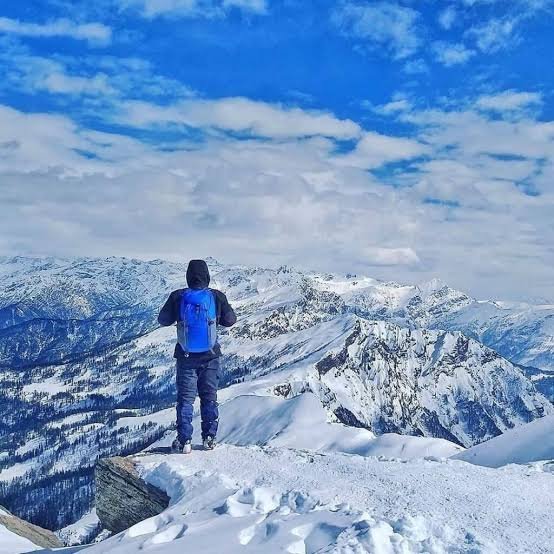
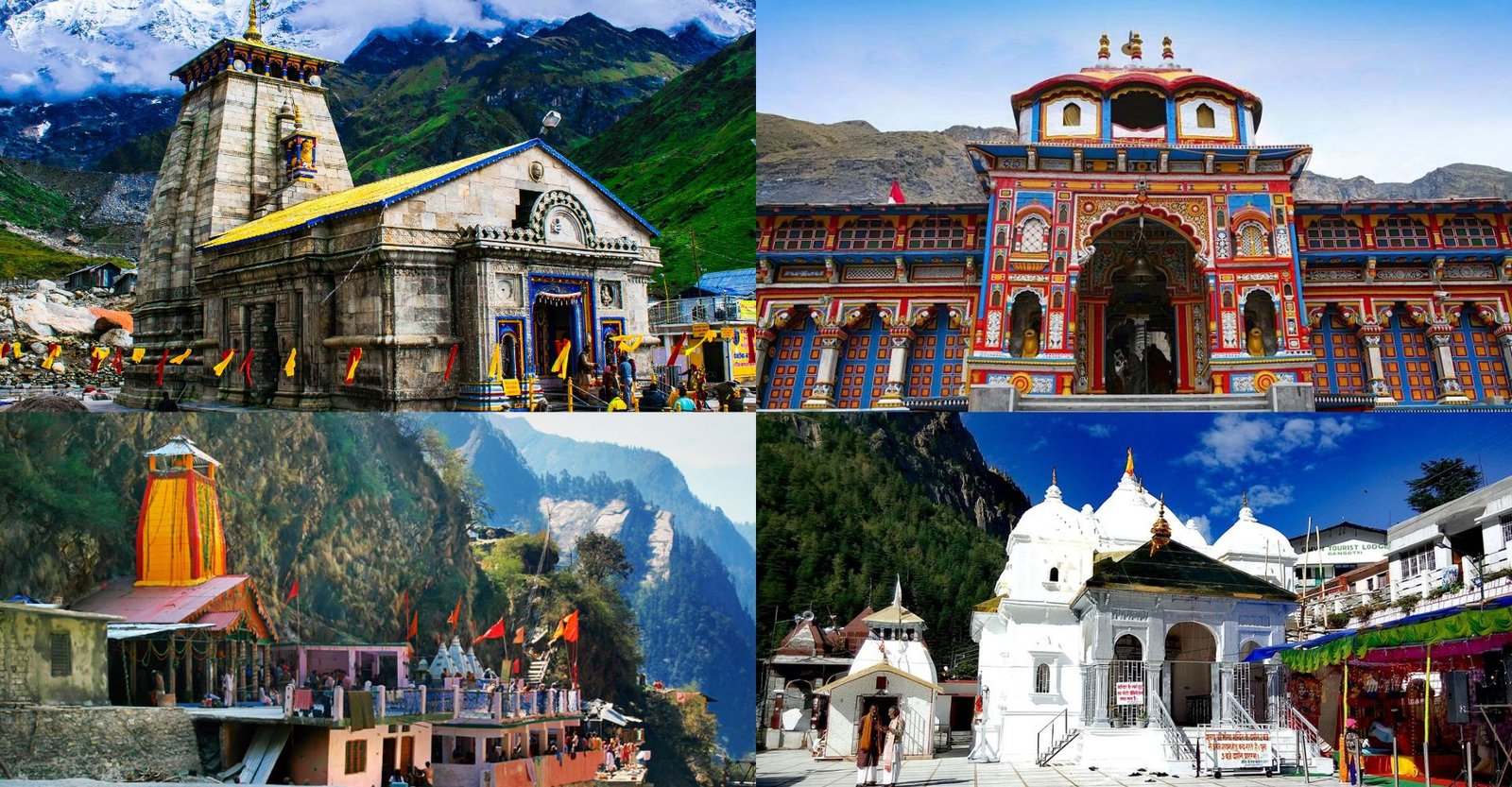
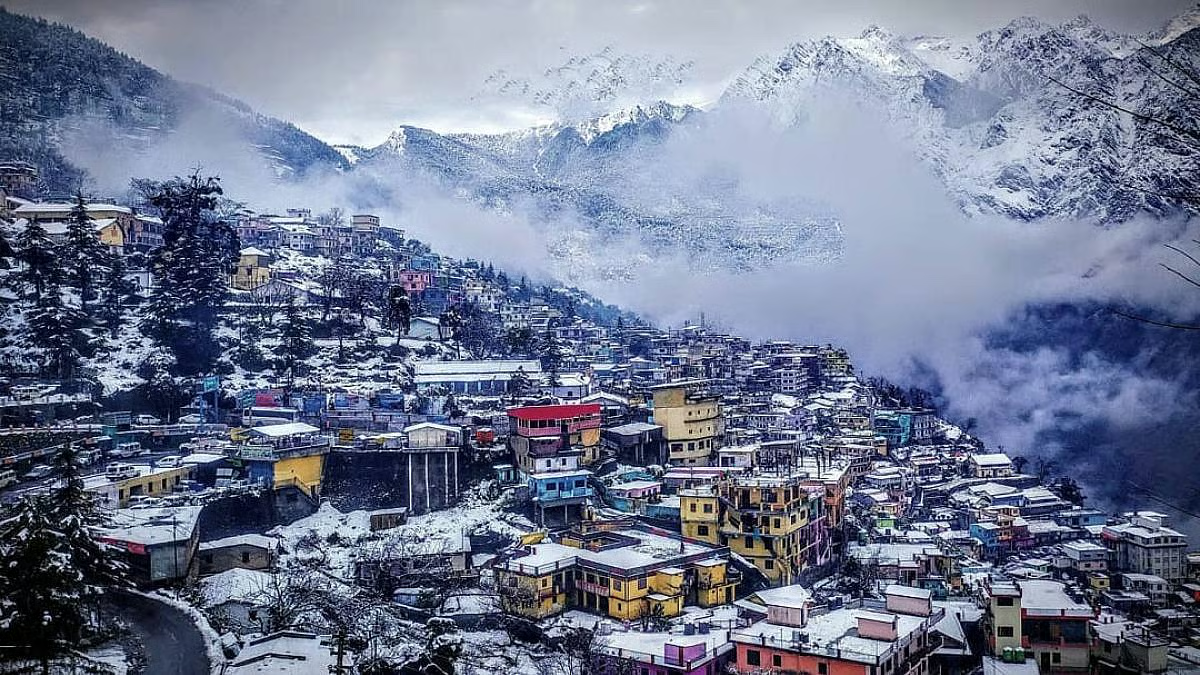
Nestled in the Chamoli district of Uttarakhand at an altitude of 1,875 meters (6,150 feet), Joshimath is a serene hill town that serves as the gateway to some of the most iconic trekking and pilgrimage destinations in the Himalayas. Often called the “Gateway to Badrinath,” this ancient town sits at the confluence of the Alaknanda and Dhauliganga rivers, surrounded by snow-clad Himalayan peaks and dense forests.
Joshimath holds profound spiritual significance as one of the four cardinal institutions established by Adi Shankaracharya in the 8th century AD. Known as Jyotirmath (the “math of light”), this sacred site has attracted saints, pilgrims, and seekers for centuries. It serves as the winter seat of Lord Badrinath—when the Badrinath temple closes in winter, the idol is brought to the Vasudeva Temple in Joshimath and worshipped here for six months.
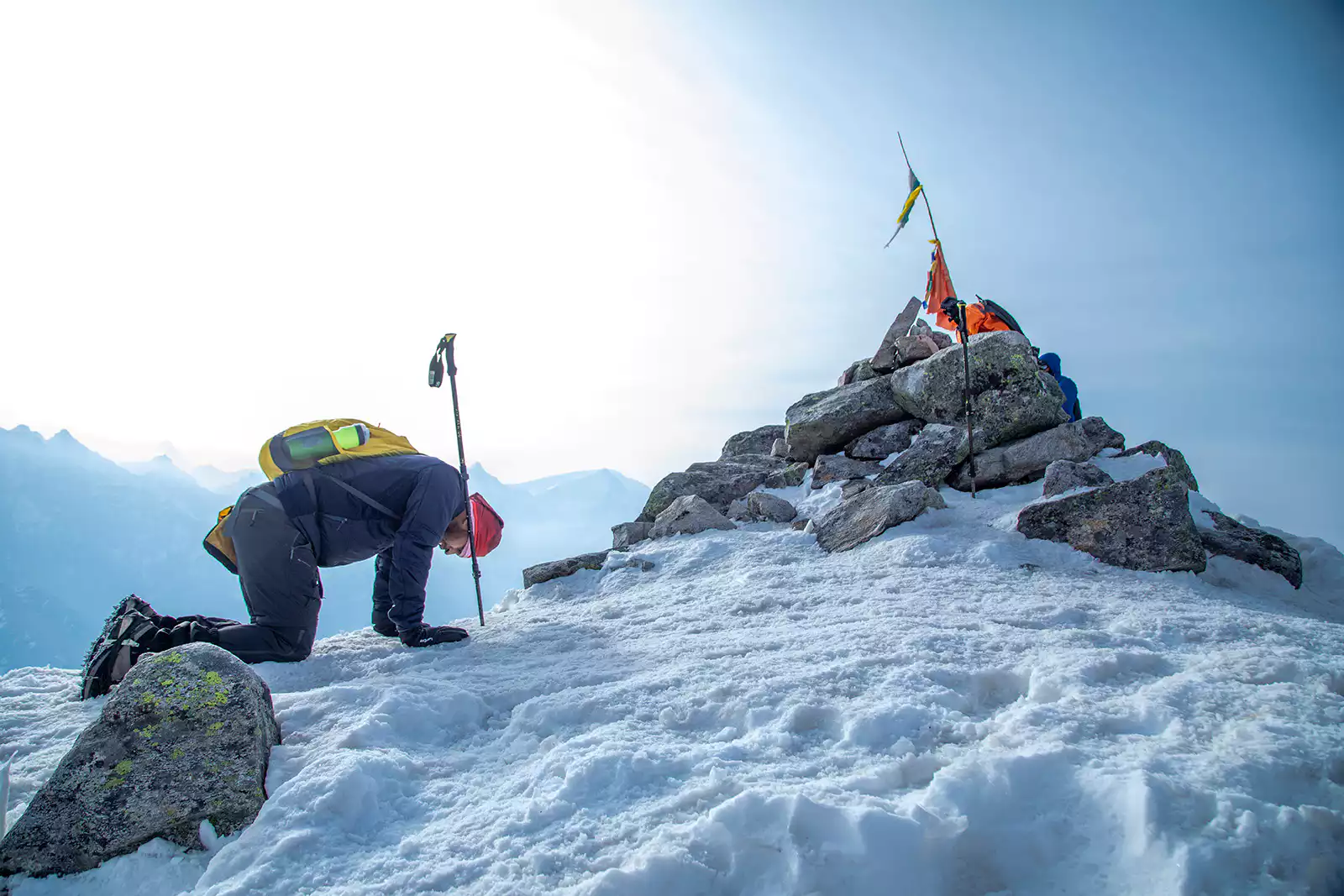
Beyond its spiritual importance, Joshimath is a vibrant base for adventure tourism. It is the starting point for treks to the Valley of Flowers, Hemkund Sahib, and Kuari Pass, and provides access to the famous skiing slopes of Auli via one of Asia’s longest cable car rides. Whether you are a pilgrim on the Char Dham Yatra, an adventure enthusiast seeking Himalayan thrills, or a traveller looking for peace amidst nature, Joshimath offers an unforgettable experience.
History and Mythology: The Jyotirmath Legacy
The Legend of King Vasudev
According to local legend, Joshimath is associated with King Vasudev of the Katyuri dynasty. One day, while the king was hunting, Lord Narasimha came to his palace in disguise. The queen offered him food and, after the meal, requested him to rest in the king’s bed. When the king returned and saw a stranger sleeping in his bed, he struck the figure with his sword. Instead of blood, milk flowed from the wound, and the disguised person revealed himself as Lord Narasimha.
The repentant king sought forgiveness, but Lord Narasimha declared that, as punishment, the king would have to leave Joshimath. The Lord also decreed that the right hand of his idol in the temple would gradually become thinner over time. When the hand finally breaks off, it will mark the end of the dynasty, and the mountains Nar and Narayan will close together, making Badrinath inaccessible. At that time, Lord Vishnu will reappear at Bhavishya Badri.
Adi Shankaracharya and Jyotirmath
In the 8th century AD, the great philosopher and saint Adi Shankaracharya established Jyotirmath in Joshimath as one of the four cardinal monasteries (mathas) of Hinduism. The others are at Shringeri (south), Puri (east), and Dwarka (west). The purpose of establishing these mathas was to revive Sanatan Dharma and spread Vedantic knowledge across India.
Shankaracharya is believed to have meditated here and established the Narasimha Temple, which became his Ishta Devata (personal deity). His seat, the Shankaracharya Math, remains an important centre of Hindu philosophy and learning to this day.
Winter Seat of Badrinath
During the harsh winter months (November to April), when the Badrinath temple is closed due to heavy snowfall, the idol of Lord Badrinath is brought to the Vasudeva Temple in Joshimath and worshipped here for six months. This makes Joshimath a year-round spiritual destination, as pilgrims who cannot reach Badrinath in winter can still offer their prayers here.
The 108 Divya Desams
Joshimath is also known as Thirupruthi Divya Desam, one of the 108 Divya Desams—the sacred abodes of Lord Vishnu and Lakshmi. Lord Narasimha is worshipped here as Parampurusha Perumal, with his consort Parimalavalli.
Geography and Location
Geographic Coordinates
- Latitude: 30.55° N
- Longitude: 79.57° E
- Elevation: 1,875–1,890 meters (6,150–6,200 feet) above sea level
Location
Joshimath is situated in the Chamoli district of Uttarakhand, at the confluence of the Alaknanda and Dhauliganga rivers. Its strategic location on the route to Badrinath makes it a crucial stop for pilgrims and travellers. The town is positioned:
- 42–45 km from Badrinath Dham
- 16–20 km from Auli
- 19–22 km from Govindghat (base for Valley of Flowers and Hemkund Sahib)
- 250–270 km from Rishikesh
- 490–502 km from Delhi
Topography
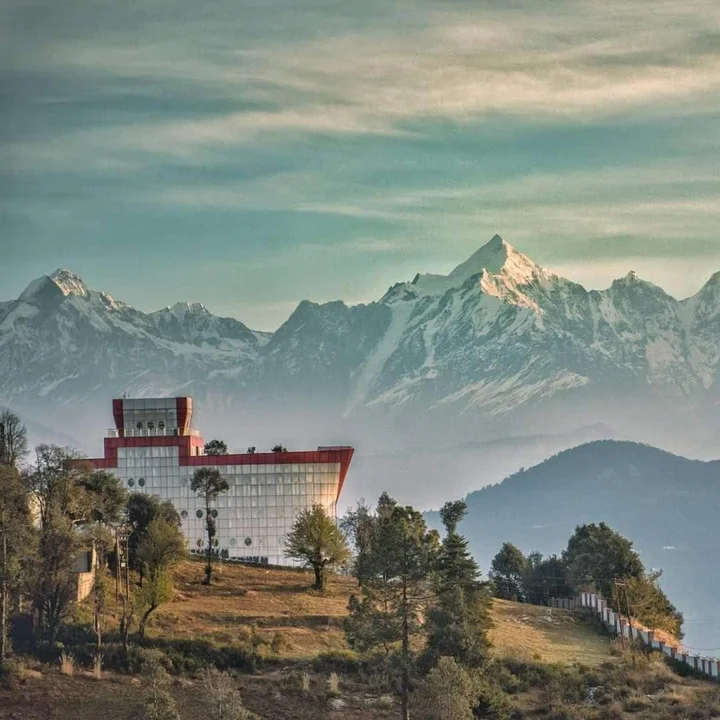
The town sits on a ridge overlooking the Alaknanda Valley, with snow-capped Himalayan peaks visible on clear days. The surrounding landscape features dense forests of deodar, oak, and pine, with the majestic Nanda Devi peak visible to the east and the Neelkanth peak to the west.
Flora and Fauna
Forests and Vegetation
Joshimath is blessed with rich Himalayan vegetation typical of the Garhwal region:
| Forest Type | Dominant Species | Characteristics |
|---|---|---|
| Deodar Forests | Cedrus deodara | Fragrant, tall evergreen trees, spiritual significance |
| Oak Forests | Quercus species | Dense canopies, autumn colors |
| Rhododendron | Rhododendron arboreum | Spring blooms (March-April), vibrant red flowers |
| Pine | Chir, Blue Pine | Scented air, carpeted with needles |
The 1200-Year-Old Kalpavriksha Tree
One of Joshimath’s most remarkable natural treasures is the Kalpavriksha, a mulberry tree believed to be over 1,200 years old. According to Hindu mythology, this is the wish-fulfilling tree under which Lord Vishnu is said to have meditated. It stands as a living testament to the region’s ancient spiritual heritage and is one of the most photographed sites in Joshimath.
Valley of Flowers National Park
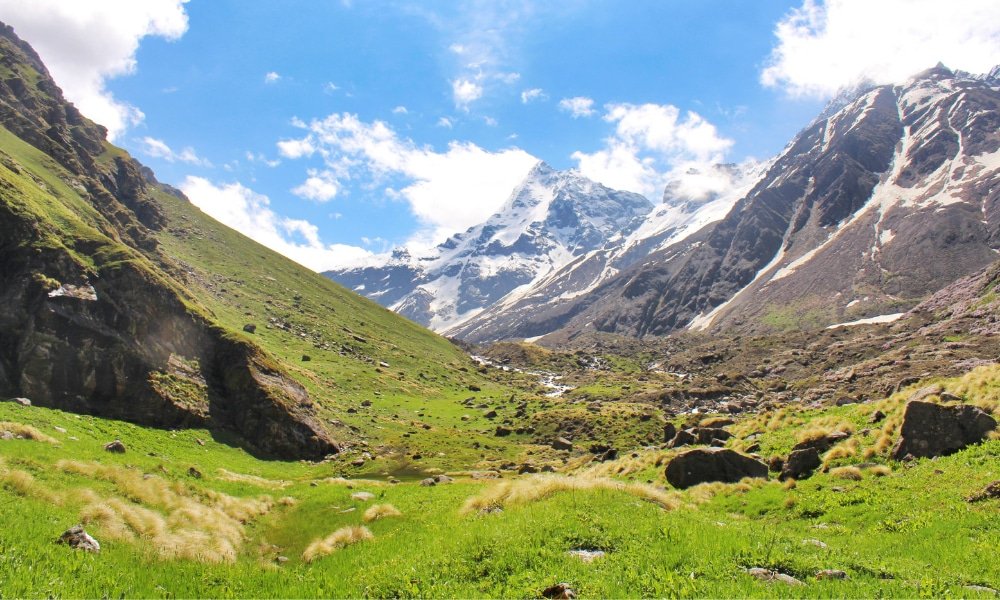
Located approximately 19–22 km from Joshimath, the Valley of Flowers National Park is a UNESCO World Heritage Site renowned for its exceptional natural beauty and biodiversity. The valley is home to:
- Over 500 species of flowering plants, including orchids, poppies, marigolds, daisies, and the rare Brahma Kamal
- Rare Himalayan fauna, including snow leopard, Himalayan black bear, red fox, musk deer, and blue sheep
- Over 500 species of birds
The valley spans approximately 87.5 square kilometres and is accessible via a 14 km trek from Govindghat to Ghangaria, followed by a 4 km trek to the valley itself.
Nanda Devi National Park
Located about 12 km from the Valley of Flowers, the Nanda Devi National Park is another UNESCO World Heritage Site, known for its rare Himalayan wildlife, alpine forests, and rich biodiversity.
Wildlife
The forests around Joshimath support a variety of Himalayan wildlife:
- Mammals: Leopards, Himalayan black bears, barking deer, langurs, wild boar, musk deer
- Birds: Himalayan monal (state bird of Uttarakhand), woodpeckers, barbets, parakeets, and numerous migratory species
How to Reach Joshimath
By Air
Nearest Airport: Jolly Grant Airport, Dehradun (approximately 270–300 km from Joshimath)
- Airlines: Regular flights from Delhi to Dehradun (approx. 1 hour)
- Onward Travel: From the airport, hire a taxi or take a bus to Joshimath (10–12 hours journey)
By Train
Nearest Railway Stations:
| Station | Distance from Joshimath | Travel Time |
|---|---|---|
| Rishikesh | 250 km | 8–10 hours by road |
| Haridwar | 270 km | 10–12 hours by road |
| Ramnagar | 250–270 km | 8–10 hours by road |
Popular Trains from Delhi to Haridwar:
From the railway station, taxis and buses are readily available for the onward journey to Joshimath.
By Road
Joshimath is well-connected by road to major cities in North India :
| Starting Point | Distance | Travel Time | Route |
|---|---|---|---|
| Delhi | 490–502 km | 14–16 hours | Delhi → Meerut → Muzaffarnagar → Roorkee → Haridwar → Rishikesh → Devprayag → Srinagar → Rudraprayag → Karnaprayag → Chamoli → Joshimath |
| Rishikesh | 250 km | 8–10 hours | Rishikesh → Devprayag → Srinagar → Rudraprayag → Karnaprayag → Chamoli → Joshimath |
| Haridwar | 270 km | 10–12 hours | Haridwar → Rishikesh → Devprayag → Srinagar → Rudraprayag → Karnaprayag → Chamoli → Joshimath |
| Dehradun | 270 km | 10–12 hours | Dehradun → Rishikesh → Devprayag → Srinagar → Rudraprayag → Karnaprayag → Chamoli → Joshimath |
Road Conditions: The route is scenic but winding. The roads are generally well-maintained, but caution is advised during the monsoon when landslides can occur. The journey from Rishikesh to Joshimath is a gradual ascent through the Garhwal Himalayas, offering stunning views of river valleys and mountain peaks.
Bus Services: Regular state transport (UPSRTC) and private buses operate from Delhi, Dehradun, and Rishikesh to Joshimath. Volvo and AC buses are available for comfortable travel.
Bus Operators from Delhi to Dehradun:
| Operator | Type | Departure | Duration | Price |
|---|---|---|---|---|
| City Heart Travels | AC Seater | 10:30 PM | 8h 30m | ₹378 |
| Laxmi Holidays | AC Seater Sleeper | 10:30 PM | 8h | ₹399 |
| Shakti Travels | AC Seater Sleeper | 02:35 AM | 5h 55m | ₹500 |
From Dehradun, state transport buses continue to Joshimath.
By Car
Driving a personal vehicle is ideal for those who love road trips. The scenic mountain drive from Delhi to Joshimath (490–502 km) passes through Haridwar, Rishikesh, and the beautiful Garhwal valleys .
Midway Point: The approximate midway point between Delhi and Joshimath is at latitude 29.63° N, longitude 78.32° E, near the town of Najibabad.
Distances from Major Cities
| City | Distance (km) |
|---|---|
| Delhi | 490–502 |
| Rishikesh | 250 |
| Haridwar | 270 |
| Dehradun | 270 |
| Badrinath | 42–45 |
| Auli | 16–20 |
| Govindghat | 19–22 |
| Ghangaria | 33 (from Govindghat, trek) |
| Valley of Flowers | 37 (from Govindghat, trek) |
| Hemkund Sahib | 42 (from Govindghat, trek) |
Weather and Best Time to Visit
Climate Overview
Joshimath experiences a pleasant climate with distinct seasons. The town’s elevation ensures cool temperatures even in summer, while winter brings cold temperatures and occasional snowfall.
Month-by-Month Temperature Guide
Best Time to Visit by Season
Best Time for Specific Activities
- Char Dham Yatra: April to June, September to October
- Valley of Flowers Trek: July to September (peak bloom)
- Hemkund Sahib: June to October
- Auli Skiing: December to February
- General Sightseeing: April to June, September to November
Top Attractions in Joshimath
1. Narasimha Temple
The Narasimha Temple is the most revered temple in Joshimath, dedicated to Lord Narasimha, the fourth incarnation of Lord Vishnu (half-man, half-lion). Established by Adi Shankaracharya in the 8th century, this ancient temple is considered the Ishta Devata (personal deity) of the great philosopher.
Significance: The temple houses a 1200-year-old black stone idol of Lord Narasimha in a meditative posture. According to legend, the right hand of the idol is gradually becoming thinner over time. When it finally breaks off, it is believed that the mountains Nar and Narayan will close together, making Badrinath inaccessible, and Lord Vishnu will reappear at Bhavishya Badri.
Highlights:
- Intricate Garhwali architecture
- Spiritual atmosphere
- Panoramic views of the town
Best time to visit: Early morning for prayers and quiet surroundings
2. Shankaracharya Math
The Shankaracharya Math is the northern monastery (Uttarāmnāya Matha) established by Adi Shankaracharya in the 8th century. It remains one of the four cardinal institutions of Hinduism and a hub of Vedantic philosophy and learning.
Highlights:
- Explore the monastery complex
- Interact with monks
- Witness daily rituals and spiritual discourses
- Peaceful environment for meditation
Best time to visit: Morning for prayers and quiet reflection
3. Kalpavriksha (The Wish-Fulfilling Tree)
The Kalpavriksha is a mulberry tree believed to be over 1,200 years old, standing in the premises of the Narasimha Temple. According to Hindu mythology, Lord Vishnu meditated under this tree, making it a sacred site for devotees.
Significance: It is believed that praying under this tree with a pure heart grants wishes. The tree is one of the most photographed sites in Joshimath.
4. Auli – The Scenic Hill Station
Located 16–20 km from Joshimath, Auli is one of India’s premier skiing destinations, offering breathtaking views of the Nanda Devi, Mana Parvat, and Kamet peaks.
Attractions:
- Auli Ropeway: One of the longest cable car rides in Asia, connecting Joshimath to Auli (approx. 4 km)
- Skiing slopes: Winter months (December–February) attract professional skiers and beginners alike
- Artificial Lake: Created for skiing competitions
- Panoramic Himalayan views: Nanda Devi peak is particularly spectacular from here
Best time to visit: December–February for skiing, April–November for the ropeway and views
5. Vasudhara Falls
Located approximately 6–8 km from Joshimath (or 6 km from Mana Village), Vasudhara Falls is a spectacular 400-foot (122-meter) waterfall cascading down a steep cliff.
Legend: It is believed that the water falls only on those with pure hearts; for those with impure intentions, the water is said to turn away.
Trek: A 6 km trek from Mana Village leads to the falls, passing through scenic forest paths.
Best time to visit: Monsoon season, when the waterfall is at peak flow; also accessible in summer and autumn
6. Tapovan Meadows
Tapovan Meadows is a paradise for trekkers and nature enthusiasts, located near Joshimath. These alpine meadows offer panoramic views of snow-capped peaks and are a perfect spot for camping and photography.
Activities: Trekking, camping, nature walks, photography
Best for: Adventure lovers and photography enthusiasts
7. Bhavishya Badri Temple
Bhavishya Badri is a lesser-known but spiritually significant site located approximately 17 km from Joshimath. According to prophecy, this will be the future abode of Lord Vishnu when the main Badrinath temple becomes inaccessible. Currently, the temple houses an image of Narasimha.
Trek: Accessible by a 6 km trek from Saldhar (19 km from Joshimath by road)
Best time to visit: Morning or evening for a peaceful experience
8. Adi Shankaracharya Samadhi
The Adi Shankaracharya Samadhi is a memorial dedicated to the great philosopher and saint. It offers insights into the spiritual history of Joshimath and the Garhwal region.
Activities: Learn about Hindu philosophy, explore the Samadhi complex, and enjoy tranquil surroundings
Best time to visit: Morning for prayers and quiet reflection
9. Nilkanth Peak Viewpoint
Nilkanth Peak is a prominent Himalayan peak visible from Joshimath. The viewpoint offers stunning views of this snow-capped mountain (6,596 m), making it one of the must-visit places in the region.
Best time to visit: Sunrise or sunset for dramatic lighting and perfect photos
10. Joshimath Ropeway
The Joshimath Ropeway, one of the longest in India, connects Joshimath to Auli. It is both a mode of transport and a sightseeing attraction, offering breathtaking views of the Himalayan ranges.
Tips: Early morning rides provide clearer views and fewer crowds
11. Local Markets
No Joshimath sightseeing guide is complete without visiting the local markets. These vibrant markets offer a glimpse into the culture and lifestyle of the region.
What to buy:
- Handicrafts and wooden artifacts
- Woollen garments and shawls
- Local sweets and dry fruits
- Religious souvenirs and puja items
Best time to visit: Evenings when the markets are lively
Nearby Places to Visit
Trekking and Adventure Activities
Trekking Routes from Joshimath
Adventure Activities
Local Cuisine: What to Eat in Joshimath
Garhwali and Kumaoni Specialities
Popular Eateries
- Local Dhabas: Simple vegetarian meals, parathas, chai
- Hotel Restaurants: Multi-cuisine options, buffet meals
- Street Food Stalls: Momos, Maggi, Samosas, local snacks
Dining Tips:
- Most hotels offer meal packages
- Carry packaged snacks for treks
- Pure vegetarian options are widely available
- Try locally grown Kumaoni tea
Accommodation Options
Joshimath offers a range of accommodation options to suit various preferences and budgets.
Types of Accommodation
Best Areas to Stay
| Area | Best For | Features |
|---|---|---|
| Near Narasimha Temple | Pilgrims | Proximity to temple, spiritual atmosphere |
| Main Market | Convenience | Close to shops, transport, eateries |
| Auli Road | Nature lovers | Close to shops, transport, and eateries |
Booking Tips: Book well in advance for peak seasons (April–June, September–October) and festival periods. For the Char Dham Yatra, advance booking is essential as Joshimath serves as a major halt for pilgrims.
Sample Itineraries
2-Day Joshimath & Auli Weekend Escape (From Delhi)
Day 1: Travel and Arrival
- Morning: Depart Delhi by 6:00 AM (14–16 hour drive) OR take an overnight train to Haridwar/Rishikesh
- Afternoon: Arrive in Joshimath, check into the hotel
- Evening: Visit Narasimha Temple and Shankaracharya Math
- Night: Dinner at local restaurant, rest
Day 2: Auli and Departure
- Morning: Take the ropeway to Auli (early morning for clear views)
- Afternoon: Explore Auli, skiing (winter) or meadows (summer)
- Late Afternoon: Return to Joshimath, visit local markets
- Evening: Depart for Delhi
3-Day Joshimath, Auli & Valley of Flowers
Day 1: Arrival and Joshimath Exploration
- Arrive in Joshimath, check into the hotel
- Visit Narasimha Temple, Shankaracharya Math, Kalpavriksha
- Explore local markets
Day 2: Auli Ropeway and Vasudhara Falls
- Morning: Ropeway to Auli, panoramic Himalayan views
- Afternoon: Drive to Vasudhara Falls (via Badrinath route), short trek to falls
- Evening: Return to Joshimath
Day 3: Valley of Flowers Base and Departure
- Morning: Drive to Govindghat (22 km), start trek to Ghangaria (14 km) OR
- Alternative: Drive to Badrinath (45 km) for darshan
- Afternoon: Depart for the return journey
5-Day Complete Joshimath & Valley of Flowers Trek
Day 1: Delhi → Haridwar/Rishikesh (overnight train)
Day 2: Haridwar/Rishikesh → Joshimath (drive), evening Joshimath sightseeing
Day 3: Joshimath → Govindghat → Ghangaria (trek), overnight Ghangaria
Day 4: Ghangaria → Valley of Flowers → Ghangaria (trek), explore the valley
Day 5: Ghangaria → Govindghat → Joshimath → Haridwar/Rishikesh, depart
Travel Tips and Important Information
Before You Go
- Medical Check-up: Joshimath is at 1,875 meters—altitude sickness is rare, but consult your doctor if you have health concerns
- Advance Booking: Essential for peak seasons (April–June, September–October)
- Carry Cash: ATMs are limited; bring sufficient cash from Haridwar or Rishikesh
- Check Weather: Mountain weather can change rapidly; check forecasts before departure
- Char Dham Registration: If visiting Badrinath, complete the mandatory registration online before travel
During Your Stay
- Dress in Layers: Even in summer, mornings and evenings are cool; winter requires heavy woollens
- Stay Hydrated: Carry water for walks and treks
- Start Early: Begin sightseeing early to avoid afternoon crowds, especially for ropeway and temple visits
- Respect Local Customs: Joshimath is a sacred town—dress modestly when visiting temples
- Wear Comfortable Shoes: Essential for temple visits and treks
Safety Tips
- Road Safety: Mountain roads require patience; avoid night driving
- Monsoon Travel: Avoid July-August due to landslide risk
- Trekking Safety: Always trek with a guide or in groups; carry adequate supplies
- Wildlife: Do not feed animals; maintain a safe distance
- Emergency Numbers: Keep local emergency contact numbers handy
Packing Checklist
| Season | Essentials |
|---|---|
| All Year | Comfortable walking shoes, sunscreen, sunglasses, hat, reusable water bottle, power bank, camera, binoculars |
| Summer (Apr-Jun) | Heavy woollens, thermals, jacket, gloves, muffler, woolen cap, boots |
| Monsoon (Jul-Aug) | Raincoat, waterproof footwear, umbrella (avoid travel if possible) |
| Winter (Dec-Feb) | Heavy woollens, thermals, jacket, gloves, muffler, woollen cap, boots |
Photography Tips
- Best Spots: Narasimha Temple, Auli ropeway, Vasudhara Falls, Kalpavriksha, Himalayan viewpoints
- Best Time: Early morning for clear mountain views; golden hour (4:00–5:30 PM) for landscapes
- Camera Gear: Carry extra batteries—cold drains them quickly
Frequently Asked Questions (FAQs)
Q1: Why is Joshimath famous?
A: Joshimath is famous for being the winter seat of Lord Badrinath, one of the four mathas established by Adi Shankaracharya (Jyotirmath), and as the gateway to Badrinath, Auli, Valley of Flowers, and Hemkund Sahib.
Q2: What is the best time to visit Joshimath?
A: The best time to visit is April to June (summer) for pleasant weather and Char Dham Yatra, and September to November (autumn) for trekking and clear mountain views.
Q3: How far is Joshimath from Delhi?
A: The distance is approximately 490–502 km, with a travel time of 14–16 hours by road.
Q4: How do I reach Joshimath from Delhi?
A: By road via Haridwar and Rishikesh (14–16 hours), by train to Haridwar/Rishikesh followed by taxi/bus, or by flight to Dehradun followed by taxi.
Q5: What is the altitude of Joshimath?
A: Joshimath is situated at an altitude of approximately 1,875 meters (6,150 feet) above sea level.
Q6: Is Joshimath safe for tourists?
A: Yes, Joshimath is generally safe for tourists. However, travellers should follow weather advisories and travel cautiously during monsoons.
Q7: What are the must-visit places in Joshimath?
A: Top attractions include Narasimha Temple, Shankaracharya Math, Kalpavriksha, Auli ropeway, Vasudhara Falls, and Tapovan Meadows.
Q8: How far is Auli from Joshimath?
A: Auli is approximately 16–20 km from Joshimath, accessible by road or ropeway.
Q9: How many days are enough for Joshimath?
A: 2–3 days are sufficient to explore Joshimath and nearby attractions like Auli. For trekking to the Valley of Flowers or Hemkund Sahib, allow 5–7 days.
Q10: Is Joshimath suitable for family trips?
A: Yes, Joshimath is peaceful, spiritual, and family-friendly. It offers a range of accommodations and activities suitable for all ages.
Q11: Can Joshimath be visited in winter?
A: Yes, winter is popular for snow lovers and Auli skiing tourists. The town remains accessible, though temperatures drop to -2°C.
Q12: What is the significance of the Narasimha Temple?
A: The temple houses a 1200-year-old idol of Lord Narasimha, established by Adi Shankaracharya. The idol’s right hand is gradually becoming thinner, with a prophecy about its eventual break.
Q13: What is the Kalpavriksha?
A: The Kalpavriksha is a 1,200-year-old mulberry tree under which Lord Vishnu is believed to have meditated. It is considered a wish-fulfilling tree.
Q14: How do I get to the Valley of Flowers from Joshimath?
A: Drive from Joshimath to Govindghat (22 km), then trek 14 km to Ghangaria, and another 4 km to the valley entrance. The trek takes 2–3 days total.
Q15: What is the Joshimath ropeway?
A: The Joshimath ropeway is one of the longest cable car rides in Asia, connecting Joshimath to Auli. It offers breathtaking views of the Himalayan ranges.
Plan Your Joshimath Journey with Discover Uttarakhand
At Discover Uttarakhand, we’ve been organising unforgettable journeys across Devbhoomi since 1997. As a trusted local operator with deep knowledge of Joshimath, the Garhwal region, and the Char Dham circuit, we offer:
- ✅ Customised Joshimath tour packages (2 to 7 days)
- ✅ Combined itineraries covering Joshimath, Auli, Badrinath, and Valley of Flowers
- ✅ Char Dham Yatra packages with advance registration and permit assistance
- ✅ Comfortable transport with experienced hill drivers
- ✅ Verified accommodations in Joshimath, Auli, and Badrinath
- ✅ Trekking arrangements with local guides for the Valley of Flowers and Hemkund Sahib
- ✅ 24/7 customer support throughout your journey
Recommended Joshimath Packages
| Package | Duration | Highlights |
|---|---|---|
| Joshimath & Auli Weekend | 2 Nights / 3 Days | Narasimha Temple, Auli ropeway, local markets |
| Joshimath with Badrinath | 3 Nights / 4 Days | Both spiritual destinations, Vasudhara Falls |
| Valley of Flowers Trek | 5 Nights / 6 Days | Complete trek, Ghangaria, Hemkund Sahib |
| Garhwal Explorer | 6 Nights / 7 Days | Joshimath, Auli, Badrinath, Valley of Flowers |
Book your Joshimath journey today and experience the spiritual heart and natural beauty of the Garhwal Himalayas.
📞 Call / WhatsApp: +91-9997187178, 9760222178, 8171977178
📍 Visit Our Office: Himalayan Colony, opposite DSVV, Haripur Kalan, Haridwar, Motichur Range, Uttarakhand 249411
🌐 Website: www.discover-uttarakhand.com
📧 Email: info@discover-uttarakhand.com
Discover Uttarakhand – Your Local Partner for Unforgettable Himalayan Journeys Since 1997 🏔️