Introduction: The Green Heart of the Doon Valley
Cradled in the foothills of the Himalayas between the Ganga and Yamuna rivers, Dehradun serves as the capital city of Uttarakhand and one of India’s most charming hill stations. Known as the “Green Heart of the Doon Valley,” this picturesque city sits at an elevation of approximately 450 meters (1,480 feet) and offers a perfect blend of natural beauty, colonial heritage, and modern urban life.
Dehradun’s history is inseparable from its setting. The city takes its name from “Dera”, meaning camp, and “Dun”, meaning river valley, and is steeped in mythology—legend has it that Dronacharya, the revered teacher of the Pandavas and Kauravas in the Mahabharata, had his ashram here, giving the city its name. Due to its mild climate and wooded hills, the British made it a centre for education and retreat, leading to institutions such as the Forest Research Institute and The Doon School—both central to the city’s identity today.
Often seen merely as a gateway to Mussoorie or the higher Himalaya, Dehradun reveals more to those who take the time to explore: colonial-era avenues opening into sal forests, temples and bazaars coexisting with sprawling academic campuses, and landscapes that encourage an unhurried pace. Whether you’re a nature lover, history enthusiast, adventure seeker, or simply looking for a peaceful retreat, Dehradun offers an experience that lingers long after you leave.
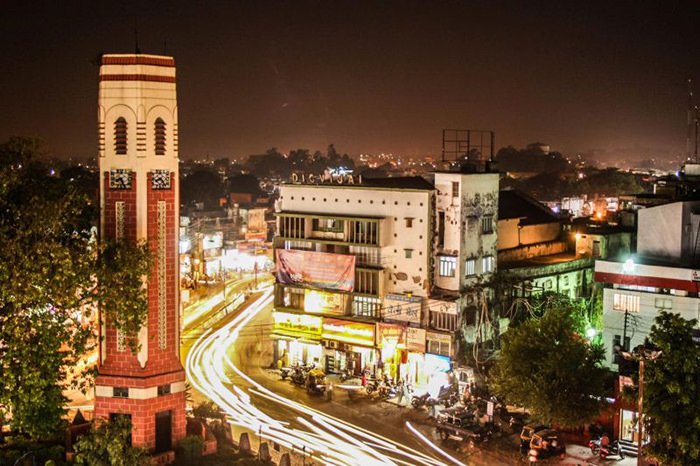
History: From Mythology to Modern Capital
The Legend of Dronacharya
According to Hindu mythology, the area now known as Dehradun was once the site of an ashram belonging to Dronacharya, the legendary guru of the Pandavas and Kauravas from the Mahabharata. The city’s name is believed to derive from this connection—”Dera” meaning camp and “Dun” meaning river valley, together forming “Dehradun”. Tapovan, a serene area in Dehradun, is said to sanctify Guru Dronacharya’s memory, while the Lakshman Siddh Temple marks where Lakshmana, Lord Rama’s brother, undertook penance for killing Ravana.
The Garhwal Rulers and British Era
Dehradun passed through the hands of many rulers throughout history, though it always remained an important centre for the Garhwal rulers until it was captured by the British. Due to its temperate climate and strategic location, the British made Dehradun a key administrative and military hub, serving as a retreat for officers and a centre for colonial institutions.
During the British period, Dehradun became an English settlement and the summer retreat for the Viceroy’s body guards . This era saw the establishment of iconic institutions like the Forest Research Institute (FRI) and The Doon School, both of which remain central to the city’s identity today . The old cantonment churches and Mall Road still hint at this colonial past, with architecture that speaks to a time when Dehradun was a key hill-adjacent administrative post .
Post-Independence Era
After India’s independence, Dehradun continued to grow as an important administrative and educational centre. When Uttarakhand was carved out of Uttar Pradesh in 2000, Dehradun became the new state’s capital. Today, it serves as the gateway to the Garhwal Himalayas and a popular destination for tourists seeking both natural beauty and cultural richness.
Geography and Location
Geographic Coordinates
- Latitude: 30.32° N
- Longitude: 78.03° E
- Elevation: Approximately 450 meters (1,480 feet) above sea level
Location
Dehradun is situated in the Doon Valley, nestled between the Shivalik Hills to the south and the Lesser Himalayan range to the north. The city lies approximately:
- 250 km from Delhi
- 45 km from Rishikesh
- 35 km from Mussoorie
- 20 km from Haridwar (via road)
- 60 km from Jolly Grant Airport
Topography
Dehradun is surrounded by the Ganga and Yamuna rivers on either side, creating a lush valley that has historically been a natural corridor between the plains and the mountains. The city sits at a moderate altitude, making it cooler than the northern plains but still easily accessible year-round. The Doon Valley is known for its sal forests, riverine belts, and terraced agricultural lands.
Flora and Fauna
Forests and Vegetation
Dehradun is blessed with rich Himalayan vegetation typical of the Doon Valley:
| Forest Type | Dominant Species | Characteristics |
|---|---|---|
| Sal Forests | Shorea robusta | Dense canopies, dominant in lower elevations |
| Pine Forests | Chir, Blue Pine | Scented air, found in higher areas |
| Oak Forests | Quercus species | Dense canopies, autumn colors |
| Deodar | Cedrus deodara | Fragrant, tall evergreen trees |
The city is famous for its litchis—so much so that Dehradun is often called the “Litchi Capital of India”. Seasonal fruit, particularly litchis in early summer, is prized enough that locals plan their market trips around them.
Rajaji National Park
Located on the outskirts of Dehradun, Rajaji National Park is a prominent Indian national park and tiger reserve at the foothills of the Himalayas. It spreads across three districts: Dehradun, Haridwar, and Pauri Garhwal.
Key Highlights:
- Established: 1983 (by merging three sanctuaries)
- Area: 820 square kilometres
- Named after: C. Rajagopalachari (Rajaji), freedom fighter and first Governor-General of independent India
Wildlife: The park is home to a diverse range of animals, including Asian elephants, Bengal tigers, leopards, spotted deer, sambars, wild boars, barking deer, goral, sloth bears, and king cobras. It is an excellent destination for bird watching, with over 315 avian species documented.
Best Time to Visit: Mid-November to mid-June. The park remains closed during the monsoon (mid-June to mid-November) due to heavy rains.
Safari: Jeep safaris are available; advance booking is recommended, especially during peak tourist seasons.
Malsi Deer Park
Located about 8 km from the city centre, Malsi Deer Park is a popular picnic spot and a small zoological haven. The park’s forest paths wind through greenery, and it’s a favourite spot for families and children.
Distance from Dehradun: 8 km
Best For: Family outings, nature walks, deer spotting
Timings: Typically 9:00 AM – 5:00 PM (closed Mondays)
How to Reach Dehradun
By Air
Nearest Airport: Jolly Grant Airport, Dehradun (approximately 25–30 km from the city centre)
- Airlines: Regular flights from Delhi, Mumbai, and other major Indian cities (Air India, Indigo, Vistara, etc.)
- Travel Time: 1 hour from Delhi
- Onward Travel: Taxis, app-based cabs (Uber/Ola), and buses are available from the airport to the city
By Train
Dehradun Railway Station is a major junction with frequent trains from Delhi and other cities.
| Train Name | From Delhi | Departure | Arrival (Dehradun) | Duration |
|---|---|---|---|---|
| Shatabdi Express | Delhi | 6:00 AM | 11:40 AM | 5h 40m |
| Jan Shatabdi | Delhi | 3:20 PM | 9:00 PM | 5h 40m |
| Nanda Devi Express | Delhi | 10:05 PM | 5:30 AM | 7h 25m |
| Mussoorie Express | Delhi | 10:05 PM | 5:30 AM | 7h 25m |
Distance by Train: Approximately 305 km from Delhi
By Road
Dehradun is well-connected by road to major cities in North India:
Bus Services:
- Delhi to Dehradun: Regular buses from Kashmere Gate ISBT (Volvo AC: ₹700–1000, Non-AC: ₹300–400)
- Haridwar to Dehradun: Buses every hour, travel time 1.5 hours, fare approx. ₹150
- Chandigarh to Dehradun: Regular services available
Toll Charges (Delhi to Dehradun): Approximately ₹350–₹400 for a one-way trip (Meerut Expressway, Ghaziabad, Muzaffarnagar, and Roorkee tolls)
Tip: Keep your FASTag active to avoid long queues at toll plazas.
Distances from Major Cities
| City | Distance (km) |
|---|---|
| Delhi | 245–250 |
| Haridwar | 50 |
| Rishikesh | 45 |
| Mussoorie | 35 |
| Chandigarh | 200 |
| Nainital | 250 |
| Dehradun Airport (Jolly Grant) | 25 |
Weather and Best Time to Visit
Climate Overview
Dehradun experiences a humid subtropical climate with distinct seasons. The city’s location in the Doon Valley gives it a generally mild climate, but the character of the city shifts noticeably with the seasons.
Quarter-by-Quarter Temperature Guide
Best Time to Visit by Season
Seasonal Highlights
Summer (March-June): This is the most popular time to visit. The temperature sits in a sweet spot—warm but not unbearable. Mornings are soft, evenings are breathable, and the hills in the distance look almost painted. Early summer also marks litchi season—the city’s famous fruit is at its peak.
Monsoon (July-August): While the monsoon brings lush greenery to the valley, it also comes with a risk of landslides, making it a less favourable time for travel. However, the rains leave the valley fresh and green, and waterfalls like Sahastradhara are at their most spectacular.
Winter (November-March): With temperatures dropping as low as 3°C, winter is perfect for those who enjoy chilly weather. Snowfall in nearby areas like Mussoorie enhances the beauty of the region. It’s the ideal time for quiet walks and cosy cafes.
Tip: Visit popular spots like Robber’s Cave or Sahastradhara early in the morning to avoid crowds, especially on weekends.
Top Attractions and Places to Visit in Dehradun
1. Robber’s Cave (Guchhupani)
Robber’s Cave is a natural cave formation where a stream of water runs through a limestone cave, disappearing underground only to emerge a few meters away. The water flows through a narrow gorge, creating a cool, secluded pocket of the valley that feels almost untouched.
What to Expect:
- A shallow stream you can wade through inside the cave
- Mossy rocks and overhanging trees create a serene atmosphere
- Cool water even in summer (carry a change of clothes if you plan to get in)
Location: 8 km from Dehradun city centre
Timings: 8:00 AM – 6:00 PM
Entry Fee: Minimal (₹20–30 per person)
Best Time: Early morning to avoid crowds; post-monsoon for full water flow
Tip: Wear water-resistant footwear as you’ll be walking through water.
2. Sahastradhara – The Thousand-Fold Spring
Sahastradhara, meaning “Thousand-fold Spring,” is a stunning natural attraction where streams cascade over limestone terraces into crystal-clear pools. The water here is rich in sulphur and has long been valued for its reputed healing properties.
What to Expect:
- Natural sulphur springs with therapeutic benefits
- Limestone formations created by mineral-rich water
- A scenic waterfall and pools for wading
- Ropeway for panoramic views (seasonal)
Location: 14 km from Dehradun city centre
Timings: 8:00 AM – 6:00 PM
Entry Fee: Minimal (₹30–50 per person)
Best Time: Post-monsoon for full waterfalls; winter for comfortable weather
Did You Know? The water at Sahastradhara emerges from a cold sulphur spring and is believed to have curative powers for various ailments.
3. Forest Research Institute (FRI)
The Forest Research Institute is an iconic institution established during the British era to train foresters for the entire subcontinent. Its grand colonial architecture, set amidst sprawling green grounds, makes it one of Dehradun’s most photographed landmarks.
Highlights:
- Architecture: Magnificent Greco-Roman style buildings
- Museums: Six museums with impressive collections of botanical specimens, animal life, and forestry exhibits
- Campus: 450 hectares of wooded grounds, perfect for walks
- Library: One of India’s largest forestry libraries
Location: Kaulagarh Road, Dehradun
Timings: 9:00 AM – 5:00 PM (closed Sundays and national holidays)
Entry Fee: Free (museum entry may have a nominal fee)
Best Time: Morning or late afternoon for walks; the campus is especially beautiful in early morning light
Local Tip: The quiet, tree-lined avenues are a local favourite for early morning walks, especially when the first light filters through the canopy.
4. Tapkeshwar Mahadev Temple
Tapkeshwar Mahadev is an ancient cave temple dedicated to Lord Shiva, situated on the banks of a seasonal river. The temple’s name comes from the constant dripping of water from the cave ceiling onto the Shiva lingam—a natural phenomenon that has accompanied worship for centuries.
Significance: The cave temple is a major pilgrimage site in Dehradun. The water dripping onto the lingam is considered sacred, and devotees believe it has purifying properties.
Location: Garhi Cantt area, 6 km from Dehradun city centre
Timings: 5:00 AM – 8:00 PM
Entry Fee: Free
Best Time: Monday mornings for aarti; early morning for peaceful darshan
Local Tip: Wear comfortable shoes as the path to the cave involves walking on uneven surfaces.
5. Mindrolling Monastery
Mindrolling Monastery is one of the largest Buddhist centres in India, known for its stunning architecture and peaceful surroundings. Established in 1965 by Tibetan refugees, it is a branch of the Mindrolling lineage, one of the six major schools of Tibetan Buddhism.
Highlights:
- Great Stupa: A 60-meter-high stupa, one of the tallest in the world
- Garden: Beautiful landscaped gardens with prayer wheels
- Art and Culture: Intricate murals, statues, and traditional Tibetan art
- Institute: A centre for Buddhist studies and philosophy
Location: Clement Town, Dehradun
Timings: 8:00 AM – 6:00 PM
Entry Fee: Free (donations welcome)
Best Time: Morning for a peaceful atmosphere; during Buddhist festivals for special ceremonies
Dress Code: Modest attire required; remove shoes before entering the stupa.
6. Wadia Institute of Himalayan Geology
The Wadia Institute of Himalayan Geology is a premier research institution dedicated to the study of the Himalayan region. It has a museum with an interesting display of fossils, rocks, and semi-precious stones.
Location: Near General Mahadev Singh Road, Dehradun
Timings: 10:00 AM – 5:00 PM (closed weekends)
Entry Fee: Minimal
Best For: Geology enthusiasts, students, and curious travellers
7. Indian Military Academy (IMA) Museum
The Indian Military Academy is a prestigious institution that trains officers for the Indian Army. The IMA Museum displays artefacts, photographs, and memorabilia documenting the history of the academy and the Indian Army.
Location: Indian Military Academy, Dehradun
Timings: 9:00 AM – 12:00 PM, 2:00 PM – 5:00 PM (closed on Sundays and national holidays)
Entry Fee: Minimal; advance permission required
Note: Carry ID proof; photography restrictions apply
8. Clock Tower (Ghanta Ghar)
The Clock Tower is a landmark in the heart of Dehradun, located at the intersection of seven roads in the city centre. Built during the British era, it remains a popular meeting point and a symbol of the city’s colonial heritage.
Location: City centre, Dehradun
Best For: Photography, city orientation, shopping nearby
9. George Everest Peak
A short climb toward George Everest reveals the Doon Valley unfolding in layers of green sal and pine forests, punctuated by terraced fields and winding streams, all framed by the rising Himalayan foothills. The site was the home and laboratory of Sir George Everest, the Surveyor General of India, who helped map the Himalayan peaks.
Location: Approximately 8 km from Dehradun city centre
Access: A moderate walk from the parking area
Best Time: Early morning for clear views; sunset for photography
Tip: Sturdy footwear is recommended as the path can be uneven.
10. Lakhamandal Temple
Located approximately 70 km from Dehradun, Lakhamandal is an ancient temple complex dedicated to Lord Shiva. The temple features a graphite lingam that glows when water is poured over it—a fascinating phenomenon that draws devotees and curious visitors alike. The site is associated with the Pandavas from the Mahabharata and is believed to be where they escaped from the Lakshagriha (house of lac).
Location: Near Dehradun, on the Yamuna River
Best Time: Year-round; winter for pleasant weather
11. Mahasu Devta Temple (Hanol)
Located in Hanol village near Dehradun, the Mahasu Devta Temple is an ancient shrine dedicated to Mahasu Devta, a local form of Lord Shiva revered as the “God of Justice” by devotees. The temple dates back to the 9th century and features Kath-Kuni style architecture (a blend of stone and wood).
Location: Hanol village, near Dehradun
Best Time: March to May for pleasant weather; during Jagda and Bishu festivals
Note: Sanctum entry is restricted to priests; strict ritual traditions are observed
Places to Visit Near Dehradun
Local Cuisine: What to Eat in Dehradun
Dehradun’s food scene is a delightful mix of North Indian staples, Garhwali specialities, and Tibetan influences. If you’re eating in Dehradun, you’ll notice locals don’t experiment much—and that’s usually a good sign.
Must-Try Restaurants and Bakeries
Street Food and Local Delights
- Samosa and Kachori: Available at street carts throughout the city
- Chole Bhature: Popular breakfast and snack option
- Momos: Tibetan dumplings, especially good at Kalsang
- Jalebis: Fresh, hot, and syrupy at local sweet shops
- Litchis: Seasonal fruit (early summer)—Dehradun is famous for these
Local Products to Take Home
Tip: Bakery staples, including rusks, fruit cakes, and biscuits from old neighbourhood bakeries along Rajpur Road, travel better than most souvenirs.
Shopping in Dehradun
Markets to Explore
What to Buy
Shopping Tips:
- Visit Paltan Bazaar in the mornings when shopkeepers have time to talk, and the lanes are less crowded
- For woollens, check the weave quality before buying
- Carry cash for smaller shops; larger stores accept cards/UPI
Accommodation Options
Dehradun is particularly well-suited to both heritage and quiet luxury. Around Rajpur Road and the cantonment, restored bungalows and boutique heritage properties date back to Dehradun’s colonial phase as an administrative and institutional centre.
Types of Accommodation
Best Areas to Stay
Booking Tips: Book well in advance for peak seasons (March–June, October–December). Weekend rates may be higher. Calling the hotel directly before booking online can sometimes get you a better rate.
Sample Itineraries
2-Day Dehradun Weekend Escape (From Delhi)
Day 1: Arrival and City Exploration
- Morning: Depart Delhi early (5:00–6:00 AM) for a 5–6 hour drive
- Afternoon: Check into hotel, freshen up
- Late Afternoon: Visit Forest Research Institute (FRI) campus
- Evening: Walk on Rajpur Road, dinner at Ellora’s or Cafe Cibo
- Night: Return to the hotel
Day 2: Nature and Departure
- Morning: Visit Robber’s Cave (early to avoid crowds)
- Afternoon: Visit Tapkeshwar Mahadev Temple or Sahastradhara
- Late Afternoon: Lunch at Kalsang Friends Corner (Clement Town)
- Evening: Depart for Delhi
3-Day Dehradun with Mussoorie
Day 1: Dehradun Arrival and City Sights
- Arrive, check into the hotel
- Visit FRI, Mindrolling Monastery
- Evening: Rajpur Road, dinner
Day 2: Mussoorie Excursion
- Morning: Drive to Mussoorie (1 hour)
- Visit Kempty Falls, Mall Road, and Gun Hill
- Afternoon: Landour, Char Dukan
- Evening: Return to Dehradun
Day 3: Nature and Departure
- Morning: Robber’s Cave and Tapkeshwar Mahadev
- Afternoon: Depart for Delhi
4-Day Doon Valley Explorer
Day 1: Delhi → Dehradun, arrival, FRI, Mindrolling Monastery
Day 2: Dehradun → Mussoorie, Kempty Falls, Mall Road
Day 3: Mussoorie → Rishikesh → Haridwar (day trip)
Day 4: Robber’s Cave, Sahastradhara, depart for Delhi
Travel Tips and Important Information
Before You Go
- Check Weather: Dehradun’s weather can be unpredictable; check forecasts before departure
- Advance Booking: Essential for peak seasons (March–June, October–December)
- Carry Cash: ATMs are available, but smaller shops prefer cash
- Pack Layers: Even in summer, mornings and evenings can be cool; winter requires heavy woollens
- Carry ID: Required for permits and hotel check-ins
During Your Stay
- Dress Modestly: Temples and monasteries require modest attire; shoes are usually removed
- Comfortable Shoes: Many attractions involve walking on uneven or wet surfaces
- Start Early: Visit popular spots like Robber’s Cave and Sahastradhara early to avoid crowds
- Stay Hydrated: Carry water, especially for outdoor activities
- Respect Local Customs: Ask before photographing temple interiors and local people
Safety Tips
- Road Safety: Mountain roads require patience; avoid night driving
- Monsoon Travel: Avoid July-August due to landslide risk
- Wildlife: In Rajaji National Park, follow park rules—no feeding animals, maintain safe distance
- Water Safety: At Sahastradhara and Robber’s Cave, be cautious on slippery rocks
- Emergency Numbers: Keep local emergency contacts handy
Packing Checklist
| Season | Essentials |
|---|---|
| All Year | Comfortable walking shoes, sunscreen, sunglasses, hat, reusable water bottle, power bank, camera |
| Summer (Mar-Jun) | Light cotton clothes, light sweater for evenings, hat, sunscreen |
| Monsoon (Jul-Aug) | Raincoat, waterproof footwear, umbrella (avoid travel if possible) |
| Winter (Oct-Feb) | Heavy woollens, jacket, gloves, muffler, woollen cap, boots |
Photography Tips
- Best Spots: FRI campus (colonial architecture), Robber’s Cave (natural light), Mindrolling Monastery (stupa and gardens)
- Best Time: Early morning for soft light; golden hour (4:00–5:30 PM) for landscapes
- Camera Gear: Wide-angle lens for architecture; macro lens for details
Frequently Asked Questions (FAQs)
Q1: What is the best time to visit Dehradun?
A: The best time to visit Dehradun is March to June (spring and early summer) for pleasant weather and September to November (autumn) for clear skies and comfortable temperatures.
Q2: How far is Dehradun from Delhi?
A: The distance from Delhi to Dehradun is approximately 245–250 km by road, with a travel time of 5–7 hours. By train, the distance is about 305 km.
Q3: What is the nearest airport to Dehradun?
A: Jolly Grant Airport is the nearest airport, located approximately 25–30 km from the city centre.
Q4: What are the must-visit places in Dehradun?
A: Top attractions include Robber’s Cave, Sahastradhara, Forest Research Institute (FRI), Tapkeshwar Mahadev Temple, Mindrolling Monastery, and Malsi Deer Park.
Q5: Is Dehradun safe for solo travellers?
A: Yes, Dehradun is generally safe for solo travellers. The city is well-connected, and locals are welcoming. Standard safety precautions apply.
Q6: What is Dehradun famous for?
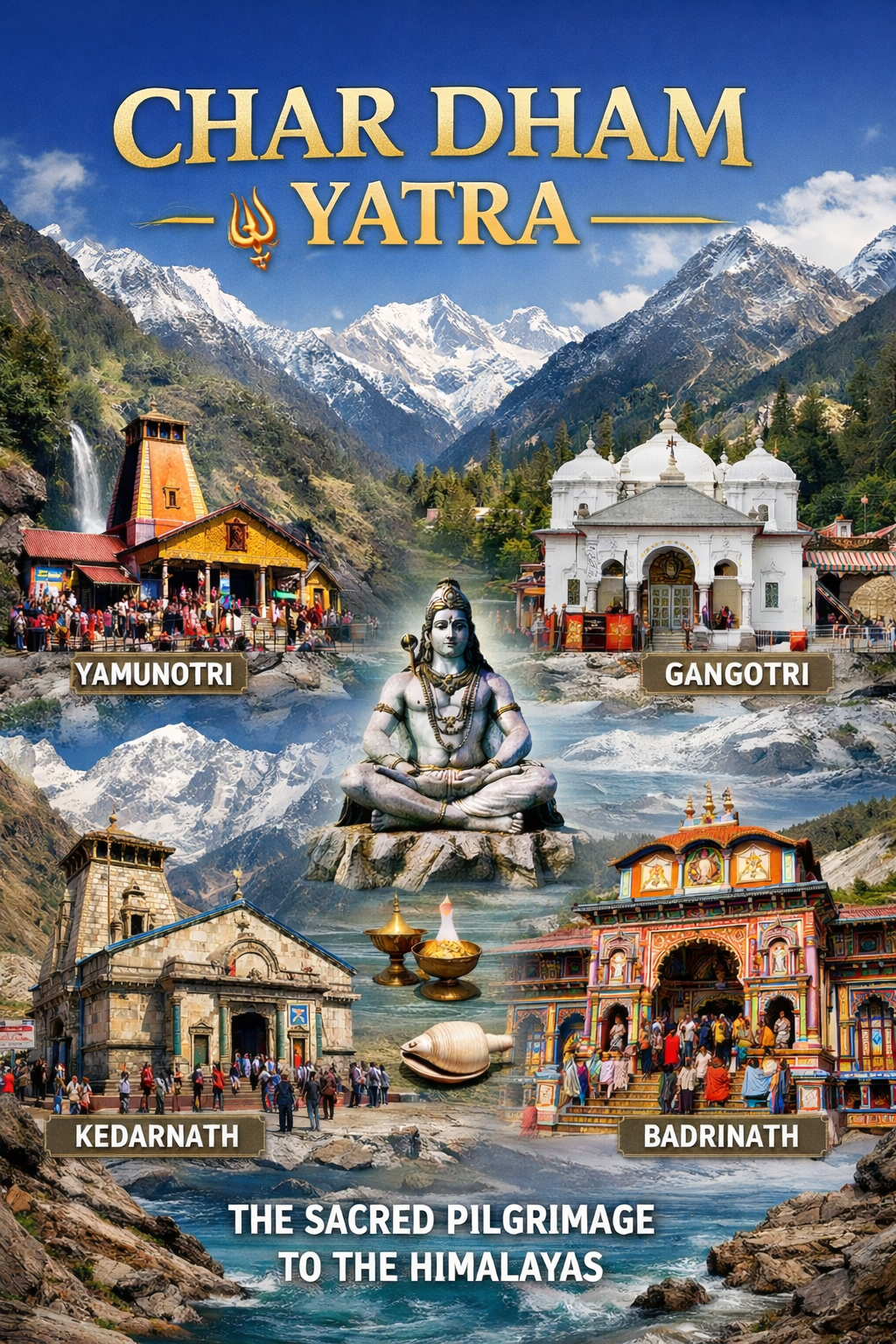
A: Dehradun is famous for its scenic beauty, the Forest Research Institute, the Doon School, litchis, and as the gateway to Mussoorie and the Char Dham Yatra.
Q7: Does Dehradun have snowfall?
A: Dehradun itself rarely receives snowfall, but nearby hill stations like Mussoorie (35 km away) experience snow in winter.
Q8: How can I reach Dehradun from Delhi by train?
A: Take the Shatabdi Express, Jan Shatabdi, Nanda Devi Express, or Mussoorie Express from Delhi to Dehradun Railway Station. Travel time is 5–7 hours.
Q9: What is the best time to visit Rajaji National Park?
A: The best time to visit Rajaji National Park is from mid-November to mid-June. The park remains closed during the monsoon (mid-June to mid-November).
Q10: Are there day trips from Dehradun?
A: Yes, popular day trips include Mussoorie (35 km), Rishikesh (45 km), Haridwar (50 km), and Rajaji National Park (20 km).
Q11: What local food should I try in Dehradun?
A: Must-try items include baked goods from Ellora’s, momos from Kalsang, wood-fired pizza from Cafe Cibo, and seasonal litchis.
Q12: Is it safe to visit Dehradun during the monsoon?
A: Monsoon (July-August) is not recommended due to heavy rainfall and landslide risk. If travelling, carry rain gear and allow buffer days.
Q13: What should I wear when visiting temples in Dehradun?
A: Modest attire is required—cover shoulders and knees. Shoes must be removed before entering temples and monasteries.
Q14: What is the entry fee for Robber’s Cave?
A: The entry fee is minimal (approximately ₹20–30 per person). Timings are typically 8:00 AM – 6:00 PM.
Q15: How many days are enough for a Dehradun trip?
A: 2–3 days are sufficient to explore the main attractions. For including nearby destinations like Mussoorie and Rishikesh, allow 4–5 days.
Plan Your Dehradun Journey with Discover Uttarakhand
At Discover Uttarakhand, we’ve been organising unforgettable journeys across Devbhoomi since 1997. As a trusted local operator with deep knowledge of Dehradun and the Garhwal region, we offer:
- ✅ Customised Dehradun tour packages (2 to 5 days)
- ✅ Combined itineraries covering Dehradun, Mussoorie, Rishikesh, and Haridwar
- ✅ Comfortable transport with experienced hill drivers
- ✅ Verified accommodations ranging from budget to luxury
- ✅ Guided sightseeing with local experts
- ✅ Rajaji National Park safari arrangements
- ✅ 24/7 customer support throughout your journey
Recommended Dehradun Packages
| Package | Duration | Highlights |
|---|---|---|
| Dehradun Weekend Escape | 2 Nights / 3 Days | FRI, Robber’s Cave, Sahastradhara, Mindrolling Monastery |
| Doon Valley Explorer | 3 Nights / 4 Days | Dehradun, Mussoorie, Rajaji National Park safari |
| Spiritual & Nature Tour | 4 Nights / 5 Days | Dehradun, Rishikesh, Haridwar, Ganga Aarti |
| Complete Garhwal Gateway | 5 Nights / 6 Days | Dehradun, Mussoorie, Rishikesh, Haridwar, Rajaji |
Book your Dehradun journey today and experience the green heart of the Doon Valley.
📞 Call / WhatsApp: +91-9997187178, 9760222178, 8171977178
📍 Visit Our Office: Himalayan Colony, opposite DSVV, Haripur Kalan, Haridwar, Motichur Range, Uttarakhand 249411
🌐 Website: www.discover-uttarakhand.com
📧 Email: info@discover-uttarakhand.com
Discover Uttarakhand – Your Local Partner for Unforgettable Himalayan Journeys Since 1997 🏔️