Introduction: The Sacred Flow from Glacier to Sangam
The Yamuna Valley is not merely a geographical feature—it is a living entity, a goddess in human form, and the lifeblood of millions. Originating from the icy depths of the Yamunotri Glacier in Uttarakhand’s Uttarkashi district, the Yamuna River flows for 1,376 kilometres through the states of Uttarakhand, Himachal Pradesh, Haryana, Delhi, and Uttar Pradesh before merging with the Ganges at the sacred Triveni Sangam in Prayagraj.
As the longest tributary of the Ganges in India and the second-largest by discharge, the Yamuna carves through some of the most culturally and spiritually significant landscapes on earth. Its valley encompasses the pristine alpine meadows of the Garhwal Himalayas, the fertile plains of the Doab region, the legendary Braj Bhoomi—the land of Lord Krishna’s childhood—and the magnificent Taj Mahal on its banks in Agra.
Whether you are a pilgrim seeking the blessings of Goddess Yamuna at her source, a history enthusiast tracing ancient trade routes, a nature lover exploring Himalayan wildlife, or a traveller drawn to the architectural wonders of Mughal India, the Yamuna Valley offers an extraordinary journey through the heart of Indian civilisation.
Key Information at a Glance:
History and Mythology: The Goddess and the River
Yamuna: The Daughter of the Sun
In Hindu mythology, Yamuna is not just a river—she is a goddess, the daughter of Surya, the sun god, and his wife Saranyu. She is the twin sister of Yama, the god of death, and is also known as Yami. This unique sibling relationship gives the river its profound spiritual significance: while Yama presides over death, Yamuna is believed to grant liberation from the cycle of rebirth. Bathing in her sacred waters is said to free devotees from the torments of death.
The Rig Veda, one of the oldest known scriptures, mentions the Yamuna among the seven most sacred rivers of ancient India. Even in these earliest texts, the river held a place of prominence alongside the Ganges and Sarasvati, indicating her importance in Vedic civilisation.
The Descent to Earth
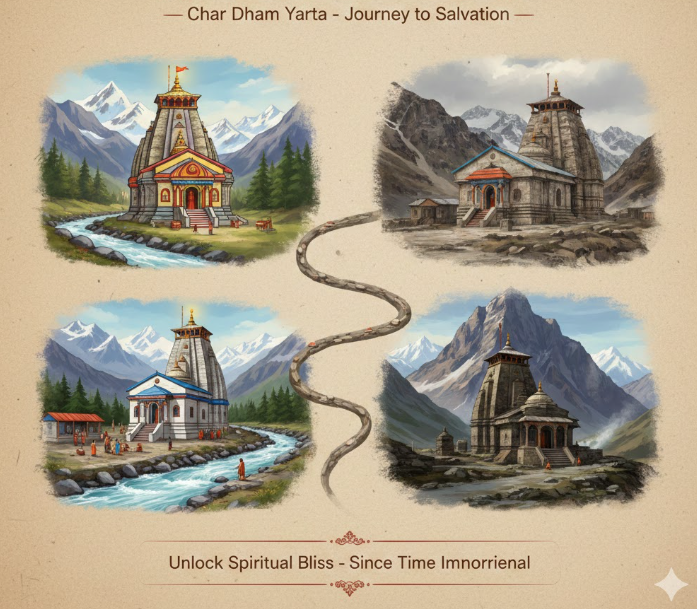
According to Puranic literature, the Yamuna descended from the heavens to Earth to purify the world. Her source at Yamunotri, high in the Garhwal Himalayas, is considered one of the four most sacred pilgrimage sites in the Char Dham circuit. The Skanda Purana ranks the Yamuna among the four most sacred rivers in Hindu tradition.
The Legend of the Kāliya Serpent
Perhaps the most famous mythological episode associated with the Yamuna is Lord Krishna’s dance on the serpent Kāliya. According to the Bhagavata Purana, the poisonous serpent Kāliya had taken up residence in a deep pool of the Yamuna near Vrindavan, poisoning the river’s waters and terrorising the cowherd community.
The young Krishna, fearless and divine, climbed the Kadamba tree on the riverbank, jumped into the turbulent waters, and began to dance on Kāliya’s many hoods. As Krishna danced, he crushed the serpent’s pride until Kāliya and his wives begged for mercy. Krishna spared the serpent on the condition that he and his family leave the Yamuna and never return.
This episode, a popular motif in Krishna sculpture from 500 to 1500 CE, is interpreted as Krishna’s cosmic victory over the waters below. The event is commemorated annually during the Nag Panchami festival.
The Childhood of Krishna in Braj Bhoomi
The Yamuna is inseparable from the Braj region, where Krishna spent his childhood and youth. The river flows through Mathura—Krishna’s birthplace—and Vrindavan, where he frolicked with the gopīs (cowherd maidens) and performed his divine līlās (pastimes).
Medieval Vaisnavite sects, particularly the Pushti Marg tradition, elevated the Yamuna’s status as a geographical locus for bhakti (devotion) to Krishna. The river became a tīrtha—a crossing place between the earthly and divine realms. Even today, devotees perform parikrama (circumambulation) of the river, and its waters are considered sacred for ritual offerings.
The Geological Story: A River That Changed Course
Beyond mythology, the Yamuna has a fascinating geological history. Scientists believe that the Yamuna was once a tributary of the ancient Ghaggar River (identified by many with the mythical Sarasvati). Due to tectonic events that shifted the slope of the Earth’s crust, the Yamuna changed its course eastward, eventually becoming a tributary of the Ganges.
This geological shift explains why the Yamuna’s present course runs almost parallel to the Ganges, creating the fertile Ganges-Yamuna Doab—a vast alluvial plain spanning 69,000 square kilometres, known for its agricultural productivity, particularly the cultivation of basmati rice.
The Yamuna Mahatmya
The spiritual importance of the Yamuna is codified in the Yamunāmāhātmya (Glory of the Yamuna), a section of the Padma Purana composed sometime between 1700 and 1850. This Sanskrit text praises the river and promotes pilgrimage to her banks, especially to Vrindavan and Prayagraj. The text is presented from the perspective of the goddess Śakti, emphasising the river’s feminine divine energy.
Geography: The Journey of the Yamuna
The Source: Yamunotri Glacier
The Yamuna originates from the Yamunotri Glacier, located on the southwestern slopes of the Banderpooch peaks in the Uttarkashi district of Uttarakhand, at an elevation of approximately 4,500 meters (14,800 feet). Some sources cite a higher elevation of 6,387 meters (20,955 feet) for the highest point of the glacier’s basin.
The Yamunotri Temple, perched at 3,293 meters, marks the traditional source and is one of the four sacred Char Dham pilgrimage sites. Unlike Gangotri, which is accessible by road, Yamunotri requires a 6 km trek from Janki Chatti, adding to its spiritual mystique.
The Upper Yamuna: Through the Himalayas
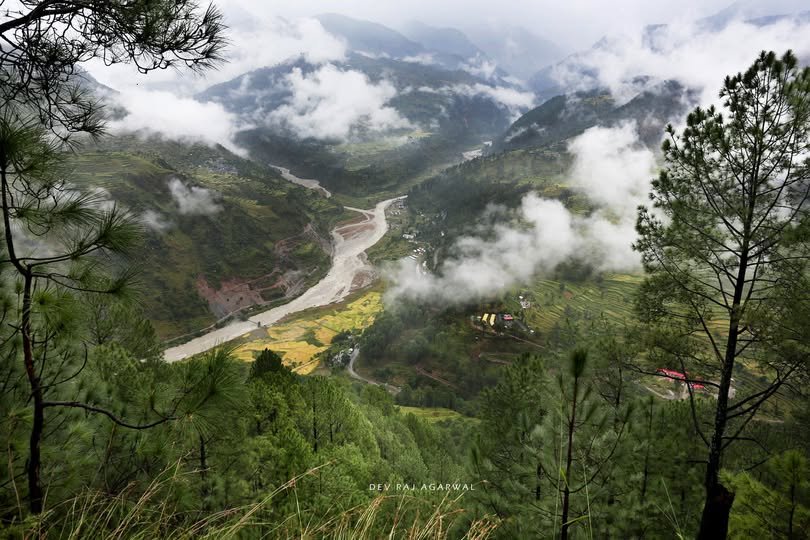
From its source, the Yamuna flows southward for about 200 kilometres through the Lower Himalayas and the Shivalik Hills Range. This stretch is characterised by:
- Morainic deposits along steep riverbanks
- Interlocking spurs and steep rock benches
- Gorges carved by glacial meltwater
- Stream terraces formed over millennia
The largest tributary in this region is the Tons River, which drains a large portion of the upper catchment and actually carries more water than the main stream. The Tons rises from the Har-ki-Dun valley—a popular trekking destination—and merges with the Yamuna near Kalsi, close to Dehradun.
Other tributaries in the upper catchment include the Rishi Ganga, Hanuman Ganga, Giri, and Bata rivers .
The Doon Valley and Exit from the Hills
At Dak Pathar, near Dehradun, the Yamuna descends onto the plains of the Doon Valley. A barrage here diverts water into canals for hydroelectric power generation. Further downstream, the Assan River joins the Yamuna at the Asan Barrage, which is now a designated bird sanctuary—a haven for migratory birds.
After passing the Sikh pilgrimage town of Paonta Sahib (Himachal Pradesh), the Yamuna reaches Tajewala in the Yamuna Nagar district of Haryana, named after the river itself.
The Plains: Irrigation and Diversion
At Tajewala, a dam built in 1873 diverts the Yamuna’s waters into two major canals:
- Western Yamuna Canal (WYC): Flows through Yamuna Nagar, Karnal, Panipat, and Sonipat, irrigating vast areas of Haryana before reaching Delhi’s Haiderpur treatment plant
- Eastern Yamuna Canal (WYC): Irrigates parts of Uttar Pradesh
Beyond this point, the Yamuna receives wastewater from Yamuna Nagar and Panipat. During the dry season, the river bed remains dry in many stretches between Tajewala and Delhi—a stark reminder of how human intervention has altered the river’s natural flow.
The Ganges-Yamuna Doab
Between the Yamuna and the Ganges lies the Ganges-Yamuna Doab (from do, meaning “two,” and ab, meaning “water” or “river”). This alluvial plain, spanning 69,000 square kilometres, is one of the most fertile regions in India, supporting intensive agriculture, including the cultivation of world-famous basmati rice.
The Doab is historically significant as the heartland of several ancient empires, including the Mauryas, Guptas, and Mughals. The region is divided into several sub-regions, including the Upper Doab (from the Himalayan foothills to Delhi), the Central Doab (from Delhi to Agra), and the Lower Doab (from Agra to Prayagraj).
Through Delhi: The National Capital
The Yamuna enters the National Capital Territory of Delhi at Palla Village and exits at Jaitpur, traversing a total of 52 kilometres. Of this, the stretch through Urban Delhi from Wazirabad Barrage to Okhla Barrage is approximately 22 kilometres.
This short stretch—less than 2% of the Yamuna’s total length—receives the discharge of 22 major drains, accounting for nearly 80% of the total pollution in the river. Despite the Yamuna Action Plan (YAP) being implemented since 1993, the river remains severely polluted in the Delhi segment.
The river bed in Delhi gently slopes from 210 meters above mean sea level in the north to 199 meters in the south, a gradient of about 9 meters.
The Lower Yamuna: Confluence with Tributaries
South of Delhi, the Yamuna flows through the historic cities of Mathura, Vrindavan, and Agra. The Taj Mahal, one of the Seven Wonders of the World, rises from the river’s eastern bank—a monument to love built by the Mughal emperor Shah Jahan.
Further downstream, the Yamuna meets its most significant tributaries:
The End: Triveni Sangam at Prayagraj
The Yamuna’s journey ends at Triveni Sangam in Prayagraj (formerly Allahabad), where she meets the Ganges and the mythical Sarasvati river. This confluence is one of the holiest sites in Hinduism, attracting millions of pilgrims, especially during the Kumbh Mela held every 12 years.
During the Kumbh Mela, the largest religious gathering on earth, pilgrims immerse themselves in the sacred waters, believing that bathing here liberates the soul from the cycle of rebirth. The event is inscribed on UNESCO’s Representative List of the Intangible Cultural Heritage of Humanity.
The Yamuna Basin: Catchment Area by State
The Yamuna’s drainage basin covers 366,223 square kilometres, representing 40.2% of the entire Ganges Basin. The catchment area is distributed across several states :
| State | Catchment Area (km²) | % of Total |
|---|---|---|
| Madhya Pradesh | 140,230 | 40.6% |
| Rajasthan | 102,883 | 29.8% |
| Uttar Pradesh & Uttarakhand | 74,208 | 21.5% |
| Haryana | 21,265 | 6.5% |
| Himachal Pradesh | 5,799 | 1.6% |
| Delhi | 1,485 | 0.4% |
Nearly 57 million people depend on the Yamuna’s waters, and the river accounts for more than 70 per cent of Delhi’s water supply.
Flora and Fauna: The Yamuna’s Ecosystem
Upper Himalayan Stretch
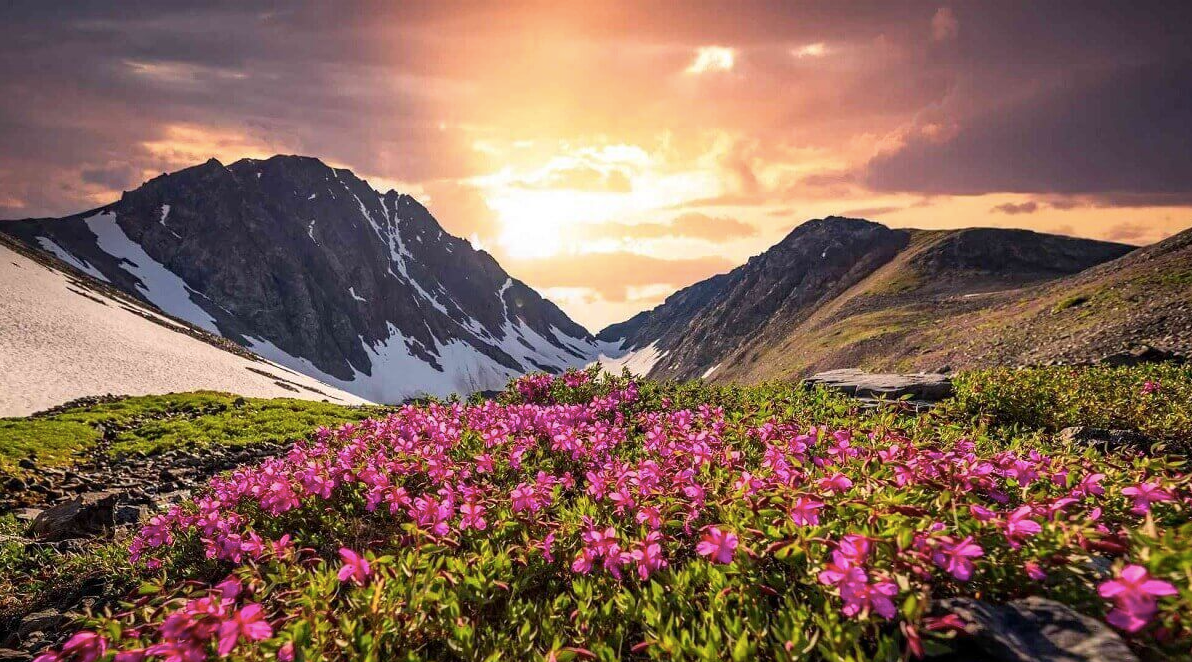
The upper reaches of the Yamuna, flowing through the Garhwal Himalayas, lie within the Western Himalayan Subalpine and Temperate Forest Zone.
Vegetation:
| Elevation Zone | Dominant Species | Characteristics |
|---|---|---|
| 1,800–2,800 m | Oak (Quercus), Rhododendron, Deodar | Dense forests, spring blooms (March-April) |
| 2,800–3,500 m | Pine (Chir), Fir, Spruce | Coniferous forests, medicinal herbs |
| 3,500–4,500 m | Birch, Alpine meadows | Grasses, shrubs, wildflowers |
Wildlife:
| Species | Status | Habitat |
|---|---|---|
| Himalayan Monal | State bird of Uttarakhand | Upper forests |
| Musk Deer | Endangered | Alpine meadows |
| Himalayan Black Bear | Vulnerable | Forested slopes |
| Snow Leopard | Endangered | High alpine zones (rare) |
| Himalayan Tahr | Near Threatened | Rocky slopes |
The Doon Valley and Shiwaliks
As the Yamuna enters the Doon Valley near Dehradun, the vegetation transitions to:
- Sal forests (Shorea robusta) – Dominant in the lower Shiwaliks
- Mixed deciduous forests – Khair, Sissoo, Rohini
- Riverine forests – Along the riverbanks
The Asan Barrage near Dehradun is a designated bird sanctuary, hosting numerous migratory bird species, especially during winter (October–March).
The Plains: The Ganges-Yamuna Doab
The fertile alluvial plains of the Doab are intensively cultivated, with natural vegetation largely replaced by agriculture:
- Crops: Basmati rice, wheat, sugarcane, pulses
- Tree species: Mango, neem, peepal, banyan (along riverbanks and villages)
- Wetlands: Scattered oxbow lakes and marshes support resident and migratory waterfowl
Wildlife in the Lower Yamuna
| Species | Location | Status |
|---|---|---|
| Gharial | Chambal River (tributary) | Critically Endangered |
| Mugger Crocodile | Chambal, Yamuna (historically) | Vulnerable |
| Ganges River Dolphin | Yamuna (rare, near confluence) | Endangered |
| Sarus Crane | Wetlands of Etawah | Vulnerable |
| Blackbuck | Chambal ravines | Near Threatened |
Environmental Challenges
The Yamuna faces severe environmental pressures, particularly in its middle and lower reaches:
- Pollution: 80% of the river’s pollution load comes from the 22-km stretch through Delhi, where untreated wastewater from 22 major drains enters the river
- Water Scarcity: During the dry summer months, only 10% of the river’s natural flow reaches Delhi due to upstream diversion
- Industrial Effluents: Tanneries, paper mills, and chemical plants discharge into the river in Uttar Pradesh
- Religious Offerings: Flower garlands, idols, and non-biodegradable materials accumulate at ghats
The Yamuna Action Plan (YAP) has been implemented since 1993 by the Ministry of Environment and Forests to address river pollution, but results have been mixed. Conservation efforts continue through legal interventions by the National Green Tribunal (NGT) and citizen-led initiatives.
Religious Beliefs and Sacred Sites Along the Yamuna
Yamuna: The Goddess of the River
In Hindu theology, the Yamuna is a Vaishnavite goddess whose worship was most fully developed by the Braj Vaishnavas, particularly the Pushti Marg sect. She is one of the seven sacred rivers (sapta sindhu) described in Sanskrit literature and is considered a tīrtha—a crossing place between the earthly and divine realms.
Key theological points:
- She is the daughter of Surya (the sun god) and the sister of Yama (the god of death)
- Bathing in her waters is believed to free devotees from untimely death (akāla-mṛtyu)
- In the Braj region, her status is elevated due to her association with Krishna’s childhood
- She is considered the consort of Lord Krishna in some traditions
Major Pilgrimage Sites on the Yamuna
1. Yamunotri (Source)
Key Rituals:
- Bathing in the Yamuna at the source
- Worship at Divya Shila (sacred rock) before entering the temple
- Cooking rice and potatoes in Surya Kund’s hot spring as prasad for the goddess
Winter Abode: During the temple’s closure (November–April), the deity is moved to Kharsali Village.
2. Hanuman Chatti
Located 4 km before Janki Chatti, this is the confluence of the Hanuman Ganga and the Yamuna. According to mythology, the ancient sage Asit Muni built his hermitage here. It is a popular stopover for pilgrims resting before the final trek.
3. Surya Kund (Near Yamunotri)
A natural hot water spring where the water emerges at a near-boiling temperature. Pilgrims cook rice and potatoes in the spring, which are then offered to the goddess and distributed as prasad.
4. Divya Shila (Near Yamunotri)
A sacred rock pillar that pilgrims worship before entering the Yamunotri Temple. It is considered highly auspicious to offer prayers here first.
5. Kharsali Village (Winter Seat)
Known as the “Winter Seat of Goddess Yamuna,” this village houses the deity when the high-altitude temple closes due to snow. It features ancient wooden temples and apple orchards.
6. Paonta Sahib (Himachal Pradesh)
A major Sikh pilgrimage site on the banks of the Yamuna. The Paonta Sahib Gurudwara marks the spot where Guru Gobind Singh, the tenth Sikh Guru, stayed and composed several of his works.
7. Mathura and Vrindavan (Braj Bhoomi)
| Site | Significance |
|---|---|
| Mathura | Birthplace of Lord Krishna (Krishna Janmabhoomi Temple) |
| Vrindavan | Where Krishna spent his childhood, frolicked with the gopīs |
| Keshi Ghat | Sacred bathing ghat on the Yamuna in Vrindavan |
| Vishram Ghat | Where Krishna is believed to have rested after killing Kansa |
The Yamuna is central to Braj pilgrimage, with parikrama (circumambulation) of the river being a key devotional practice.
8. Agra
While primarily known for the Taj Mahal, Agra has several ghats on the Yamuna where pilgrims gather for religious ceremonies, particularly during Chhath Puja (honouring the sun god).
9. Triveni Sangam, Prayagraj
The confluence of the Yamuna, Ganges, and the mythical Sarasvati is the holiest site on the Yamuna’s course. Key features:
- Kumbh Mela: Held every 12 years; the largest religious gathering on earth
- Ardh Kumbh Mela: Held every 6 years
- Magh Mela: Annual festival in January–February
- Prayag Ghat: Where pilgrims bathe at the confluence
Festivals Celebrated on the Yamuna
| Festival | Time | Significance |
|---|---|---|
| Yamuna Jayanti | March–April (Chaitra Shukla Tritiya) | Birthday of Goddess Yamuna |
| Krishna Janmashtami | August–September | Birth of Lord Krishna |
| Nag Panchami | July–August | Commemorates Krishna’s dance on Kāliya |
| Chhath Puja | October–November | Worship of Surya (sun god) |
| Kumbh Mela | Every 12 years at Prayagraj | Largest spiritual gathering |
| Magh Mela | January–February | Annual holy dip at Sangam |
The Theology of Yamuna
The river’s spiritual significance is deeply embedded in the theology of bhakti (devotion). In the Braj region, the Yamuna is considered an intimate participant in Krishna’s divine līlās. Devotees believe that bathing in her waters purifies not only the body but also the mind, preparing the soul for devotion to Krishna.
The medieval saint Mirabai, a devotee of Krishna, sang passionately of the Yamuna. The river is often personified as a gopī—one of the cowherd maidens—eternally longing for union with Krishna.
Environmental activism on the Yamuna has taken on a religious dimension in the 21st century, with faith-based organisations leading efforts to clean the river. The “Yamuna: A River in Peril” campaign combines Hindu ecological principles with modern conservation science.
How to Reach the Yamuna Valley (Key Destinations)
To Yamunotri (Source)
By Air
Nearest Airport: Jolly Grant Airport, Dehradun (210 km from Janki Chatti)
By Train
Nearest Railway Stations:
| Station | Distance | Travel Time | Connectivity |
|---|---|---|---|
| Rishikesh | 183 km | 6–7 hours by road | Most preferred |
| Haridwar | 210 km | 7–8 hours by road | Major station, well-connected |
Popular Trains from Delhi to Haridwar/Rishikesh:
| Train Name | From Delhi | Departure | Arrival | Destination |
|---|---|---|---|---|
| Shatabdi Express | Delhi | 6:00 AM | 11:40 AM | Haridwar |
| Jan Shatabdi | Delhi | 3:20 PM | 9:00 PM | Haridwar |
| Mussoorie Express | Delhi | 10:05 PM | 5:30 AM | Haridwar |
By Road
The Trek: Janki Chatti to Yamunotri (6 km)
| Segment | Distance | Time |
|---|---|---|
| Janki Chatti to Phool Chatti | 2 km | 45 minutes |
| Phool Chatti to Hanuman Chatti | 2 km | 45 minutes |
| Hanuman Chatti to Yamunotri Temple | 2 km | 1 hour |
| Total | 6 km | 2–3 hours |
Alternative Options:
| Option | Cost (approx.) | Time |
|---|---|---|
| Pony/Mule | ₹1,500–2,500 one way | 1.5–2 hours |
| Doli/Palanquin | ₹3,500–5,000 one way | 1.5–2 hours |
| Helicopter | Dehradun to Kharsali, then 5 km trek | Varies |
To Mathura & Vrindavan
By Air
Nearest Airport: Agra Airport (Kheria) – 60 km from Mathura
By Train
Mathura Junction is a major railway station on the Delhi–Agra and Delhi–Mumbai routes. Multiple trains daily from Delhi (2.5–3 hours).
By Road
| Starting Point | Distance | Travel Time |
|---|---|---|
| Delhi | 160 km | 3–4 hours |
| Agra | 60 km | 1.5 hours |
To Agra
By Air
Agra Airport (Kheria) – Regular flights from Delhi (1 hour)
By Train
Shatabdi Express from Delhi to Agra (2 hours). Multiple other trains run daily.
By Road
| Starting Point | Distance | Travel Time |
|---|---|---|
| Delhi | 230 km | 3–4 hours |
| Mathura | 60 km | 1 hour |
To Prayagraj (Allahabad)
By Air
Prayagraj Airport (Bamrauli) – Regular flights from Delhi (1.5 hours)
By Train
Prayagraj Junction is a major railway hub. Numerous trains from Delhi (6–8 hours).
By Road
| Starting Point | Distance | Travel Time |
|---|---|---|
| Delhi | 700 km | 12–14 hours |
| Agra | 450 km | 8–9 hours |
| Varanasi | 120 km | 3 hours |
Weather and Best Time to Visit
By Season and Region
When to Avoid
Seasonal Highlights
| Season | What to Expect |
|---|---|
| Winter (Dec–Feb) | Foggy mornings in the plains; snow in the upper reaches (Yamunotri closed) |
| Spring (Mar–Apr) | Pleasant weather; rhododendron blooms in the hills; Holi festival in Braj |
| Summer (May–Jun) | Hot in plains (40°C+); ideal for hill pilgrimages; mango season |
| Autumn (Sep–Nov) | Clear skies, comfortable temperatures; festive season (Navratri, Diwali, Chhath) |
| Monsoon (Jul–Aug) | Lush green hills, flood risk, and leeches on trekking trails |
Top Destinations Along the Yamuna Valley
Detailed Destination Guides
Yamunotri: The Source
Yamunotri is not just a temple—it is the very origin of the sacred river. The experience begins with the 6 km trek from Janki Chatti, passing through pine forests and waterfalls. The temple itself, originally built by Maharaja Pratap Shah in the 19th century, stands at 3,293 meters, surrounded by snow-capped peaks.
Key Sites at Yamunotri:
- Yamunotri Temple: Dedicated to Goddess Yamuna
- Surya Kund: A boiling hot spring where pilgrims cook offerings
- Divya Shila: Sacred rock pillar worshipped before entering the temple
Yamunotri Itinerary:
| Day | Route | Activities | Overnight |
|---|---|---|---|
| 1 | Delhi → Haridwar → Barkot | Drive (8–10 hours) | Barkot |
| 2 | Barkot → Janki Chatti → Yamunotri | 6 km trek, temple darshan, Surya Kund | Barkot |
| 3 | Barkot → Haridwar → Delhi | Return drive | – |
Mathura and Vrindavan: The Heart of Braj
The twin cities of Mathura and Vrindavan are the spiritual epicentre of the Yamuna Valley. Mathura is the birthplace of Lord Krishna; Vrindavan is where he spent his childhood.
Key Temples in Mathura:
- Krishna Janmabhoomi Temple: Built on the site of Krishna’s birth
- Dwarkadhish Temple: Ornate temple with stunning architecture
- Vishram Ghat: Main bathing ghat, where Krishna rested after killing Kansa
Key Temples in Vrindavan:
- Banke Bihari Temple: One of the most revered Krishna temples
- ISKCON Temple: Modern temple with international devotees
- Prem Mandir: New white marble temple with nightly light shows
- Keshi Ghat: Sacred bathing ghat on the Yamuna
Agra: The Taj Mahal on the Yamuna
The Taj Mahal is not just a monument to love—it is intimately connected to the Yamuna, rising from its eastern bank. The Mehtab Bagh garden on the opposite bank offers stunning sunset views of the Taj reflected in the river.
Other Yamuna-related sites in Agra:
- Agra Fort: The Mughal fort where Shah Jahan was imprisoned, with views of the Taj
- Ram Bagh: The oldest Mughal garden in India, on the banks of the Yamuna
- Chini Ka Rauza: Persian-style tomb on the riverbank
Prayagraj: The Confluence
The Triveni Sangam is the culmination of the Yamuna’s journey. Pilgrims take boats from the Prayag Ghat to the confluence point to offer prayers. The Allahabad Fort, built by Emperor Akbar, stands at the confluence.
Best Time to Visit the Sangam:
- Magh Mela (January–February): Annual festival
- Ardh Kumbh Mela (every 6 years): Massive pilgrimage
- Kumbh Mela (every 12 years): Largest gathering on earth
Accommodation Along the Yamuna Valley
In Yamunotri Region
In Mathura/Vrindavan
| Category | Price Range | Examples | Features |
|---|---|---|---|
| Luxury | ₹5,000–₹10,000+ | Radha Ashok (Mathura) | Modern amenities |
| Mid-Range | ₹2,000–₹5,000 | Hotel Brijwasi, various guesthouses | Comfortable |
| Budget | ₹500–₹1,500 | Dharamshalas, ashrams | Spiritual atmosphere |
In Agra
| Category | Price Range | Examples | Features |
|---|---|---|---|
| Luxury | ₹8,000–₹20,000+ | Taj properties near the monument | Taj views |
| Mid-Range | ₹3,000–₹7,000 | Various near Taj Ganj | Convenient |
| Budget | ₹1,000–₹2,500 | Guesthouses, hostels | Basic amenities |
In Prayagraj
| Category | Price Range | Examples | Features |
|---|---|---|---|
| Mid-Range | ₹2,000–₹5,000 | Near Civil Lines | Comfortable |
| Budget | ₹800–₹1,800 | Near Sangam area | Convenient for pilgrims |
Booking Tips:
- For Yamunotri (May–June, Sep–Oct): Book 2–3 months in advance
- For Kumbh/Ardh Kumbh years: Book 6 months to a year in advance
- For the regular season in Mathura/Agra: Book 1–2 weeks in advance
Travel Tips and Important Information
For the Upper Valley (Yamunotri)
- Acclimatise: Yamunotri is at 3,293 m—spend a night at Barkot or Janki Chatti before trekking
- Trek Preparation: The 6 km trek is steep; prepare with regular walking 2–4 weeks before
- Pony/Doli Services: Available at Janki Chatti for those who cannot trek
- Register Online: Mandatory yatra registration via the Uttarakhand Tourism portal
- Carry Cash: ATMs are limited in Barkot and non-existent in Janki Chatti
- Check Weather: Avoid monsoon (July–August); temple closed November–April
- Packing Essentials: Warm clothes, trekking shoes, rain gear, torch, water bottle, energy snacks
For the Plains (Mathura–Agra–Prayagraj)
- Best Season: October–March; avoid April–June (extreme heat)
- Sun Protection: Sunscreen, hat, sunglasses are essential even in winter
- Hydration: Carry water; dehydration is common in the plains
- Respect Local Customs: Dress modestly in temples; remove shoes before entering
- Traffic: The Agra–Mathura–Delhi corridor can be congested; plan extra travel time
General Safety Tips
- Road Safety: Mountain roads require patience; avoid night driving
- River Safety: Never swim in the Yamuna (strong currents, pollution)
- Monsoon Travel: Avoid July–August in the hills (landslide risk)
- Health Precautions: Carry basic first-aid, anti-diarrheal medication, ORS packets
- Emergency Numbers: Keep local contacts handy
Packing Checklist
Photography Tips
- Best Spots: Yamunotri sunrise, Kashi Vishwanath ghat at dusk, Mathura’s Vishram Ghat, Vrindavan’s Keshi Ghat, Agra’s Mehtab Bagh (Taj reflection), Triveni Sangam during sunrise
- Best Time: Early morning for clear mountain views; golden hour (4:00–5:30 PM) for river reflections
- Camera Gear: For Yamunotri, carry extra batteries—cold drains them quickly
- Respect: Ask permission before photographing people at ghats and temples
Frequently Asked Questions (FAQs)
Q1: Where does the Yamuna River originate?
A: The Yamuna originates from the Yamunotri Glacier on the southwestern slopes of the Banderpooch peaks in Uttarkashi district, Uttarakhand, at an elevation of approximately 4,500 meters (14,800 feet).
Q2: What is the total length of the Yamuna River?
A: The Yamuna flows for 1,376 kilometres (855 miles) from its source to its confluence with the Ganges at Prayagraj.
Q3: Why is the Yamuna River considered sacred?
A: The Yamuna is personified as a goddess, the daughter of Surya (the sun god) and sister of Yama (the god of death). Bathing in her waters is believed to purify the soul and free devotees from untimely death.
Q4: What is the Yamunotri trek distance?
A: The trek from Janki Chatti to Yamunotri Temple is 6 km, taking 2–3 hours. Ponies, palanquins, and mules are available for hire.
Q5: When does Yamunotri Temple open and close?
A: The temple opens in late April/early May (Akshaya Tritiya) and closes in October/November (Diwali). During winter, the deity is moved to Kharsali Village.
Q6: What are the main tributaries of the Yamuna?
A: The major tributaries are the Tons (largest), Chambal (longest), Betwa, Ken, Sindh, Giri, and Hindon rivers.
Q7: Which major cities are located on the Yamuna’s banks?
A: Key cities include Yamunotri, Dehradun, Paonta Sahib, Yamuna Nagar, Delhi, Noida, Mathura, Vrindavan, Agra, Etawah, and Prayagraj.
Q8: What is the Triveni Sangam?
A: The Triveni Sangam in Prayagraj is the confluence of three rivers—the Yamuna, the Ganges, and the mythical Sarasvati. It is one of the holiest pilgrimage sites in Hinduism.
Q9: How polluted is the Yamuna River?
A: The 22 km stretch through Delhi accounts for nearly 80% of the river’s total pollution load due to untreated wastewater from 22 major drains. The Yamuna Action Plan (YAP) has been implemented since 1993 to address this.
Q10: What is the Kumbh Mela?
A: The Kumbh Mela is a Hindu festival held every 12 years at the Triveni Sangam in Prayagraj, attracting millions of pilgrims who bathe in the sacred confluence. It is inscribed on UNESCO’s list of Intangible Cultural Heritage.
Q11: How can I reach Yamunotri?
A: By road to Janki Chatti (via Rishikesh, Chamba, Barkot, Hanuman Chatti), then a 6 km trek. The nearest airport is Dehradun; the nearest railway station is Rishikesh.
Q12: Is Yamunotri accessible by car?
A: No, the temple is not accessible by car. The last motorable point is Janki Chatti, from which pilgrims must trek 6 km.
Q13: What is the best time for a pilgrimage to Yamunotri?
A: May–June (pleasant weather, clear skies) and September–October (post-monsoon clarity, fewer crowds). Avoid the monsoon (July–August).
Q14: What is the meaning of the name “Yamuna”?
A: The name derives from the Sanskrit root “yam” meaning “to twin” or “to restrain.” She is also known as Yami (the twin sister of Yama, the god of death).
Q15: What are the famous ghats on the Yamuna?
A: Famous ghats include Vishram Ghat (Mathura), Keshi Ghat (Vrindavan), Yamuna Ghat (Delhi), and the Sangam Ghat (Prayagraj).
Plan Your Yamuna Valley Journey with Discover Uttarakhand
At Discover Uttarakhand, we’ve been organising unforgettable journeys across Devbhoomi since 1997. As a trusted local operator with deep knowledge of the Yamuna Valley and the Char Dham circuit, we offer:
- ✅ Customised Yamunotri Yatra packages (3 to 5 days)
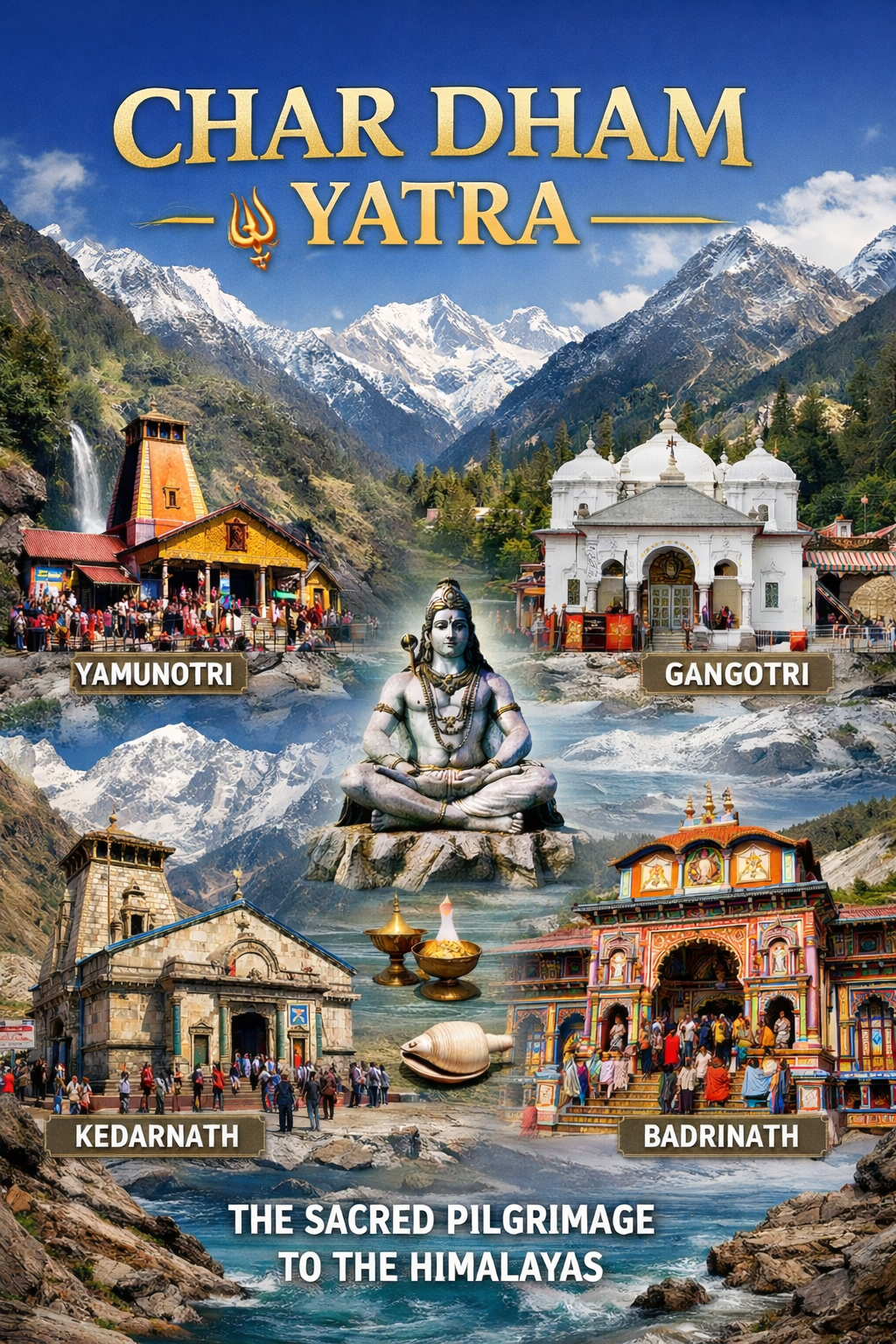
- ✅ Complete Char Dham packages including Gangotri, Kedarnath, and Badrinath
- ✅ Comfortable transport with experienced hill drivers
- ✅ Verified accommodations in Barkot, Janki Chatti, and Uttarkashi
- ✅ Helicopter package assistance
- ✅ 24/7 customer support throughout your journey
Recommended Yamuna Valley Packages
| Package | Duration | Starting Point | Highlights |
|---|---|---|---|
| Yamunotri Yatra | 3 Nights / 4 Days | Haridwar | Barkot, Janki Chatti, Yamunotri trek |
| Yamunotri & Gangotri Yatra | 5 Nights / 6 Days | Haridwar | Both Char Dham sources |
| Complete Char Dham Yatra | 10–12 Days | Haridwar | Yamunotri, Gangotri, Kedarnath, Badrinath |
Book your Yamuna Valley journey today and experience the sacred flow of Goddess Yamuna from her Himalayan source to the holy Sangam.
📞 Call / WhatsApp: +91-9997187178, 9760222178, 8171977178
📍 Visit Our Office: Himalayan Colony, opposite DSVV, Haripur Kalan, Haridwar, Motichur Range, Uttarakhand 249411
🌐 Website: www.discover-uttarakhand.com
📧 Email: info@discover-uttarakhand.com
Jai Yamuna Maiya! Har Har Gange! 🙏
Discover Uttarakhand – Your Local Partner for Unforgettable Himalayan Journeys Since 1997