
Introduction: Walking Through the Valley of Gods
Tucked deep inside the Govind Pashu Vihar National Park in Uttarakhand’s Uttarkashi district, Har Ki Dun is one of the most enchanting trekking destinations in the Indian Himalayas. Known as the “Valley of Gods,” this cradle-shaped hanging valley sits at an altitude of approximately 3,566 meters (11,700 feet) and offers a perfect blend of natural beauty, mythological significance, and cultural richness.
The name “Har Ki Dun” translates to “Valley of the Gods,” and locals believe this is the route the Pandavas took on their final journey to heaven via the Swargarohini peaks. Unlike many Himalayan treks that focus solely on summit views, Har Ki Dun is about experiencing an entire valley ecosystem—from dense pine forests and ancient wooden villages to wide alpine meadows and panoramic mountain vistas.
What sets this trek apart is its accessibility combined with genuine wilderness. You don’t need technical mountaineering skills, yet you get to experience pristine forests, thundering waterfalls, and panoramic mountain views that rival any high-altitude expedition. The valley is also home to some of the most remote and culturally rich villages in Uttarakhand, where time seems to have stood still for centuries.
Whether you are a beginner trekker seeking a long, immersive Himalayan experience, a history enthusiast tracing the footsteps of the Pandavas, a birdwatcher hoping to spot the Himalayan Monal, or a photographer chasing golden autumn meadows, Har Ki Dun promises an unforgettable journey.
Key Information at a Glance:
History and Mythology: Where the Pandavas Walked
The Valley of Gods
Har Ki Dun holds immense mythological importance in the Hindu tradition. The valley is believed to be the route taken by the Pandavas—the heroes of the Mahabharata—on their final journey toward heaven. The Swargarohini peaks (meaning “Ascent to Heaven”) visible from the valley are named after this legend, and local belief holds that this is where Yudhishthira ascended to heaven with his faithful dog.
The Unique Duryodhana Temple of Osla
Perhaps the most fascinating cultural aspect of the Har Ki Dun valley is the presence of a temple dedicated to Duryodhana—the antagonist of the Mahabharata—in the village of Osla. This phenomenon, where a character traditionally viewed as a villain has a shrine built in his honour, is unique to this region.
According to local legend, Duryodhana visited this valley and fell in love with its beauty, settling here. The ancestors of the local people fought by his side in the Kurukshetra war, and when he died, they wept so much that their tears turned into the local river. To this day, the people of the Jaunsar-Bawar community (which includes the villages along this trek) offer Duryodhana milk and ghee, beating drums in his honour.
The temple has no idol in the traditional sense. The only icon, in keeping with local tradition, is taken from village to village in grand annual processions. This ability to assimilate and include the “villain,” seeing him as human too, reflects the unique cultural tolerance of the region.
The Someshwar Temple of Osla
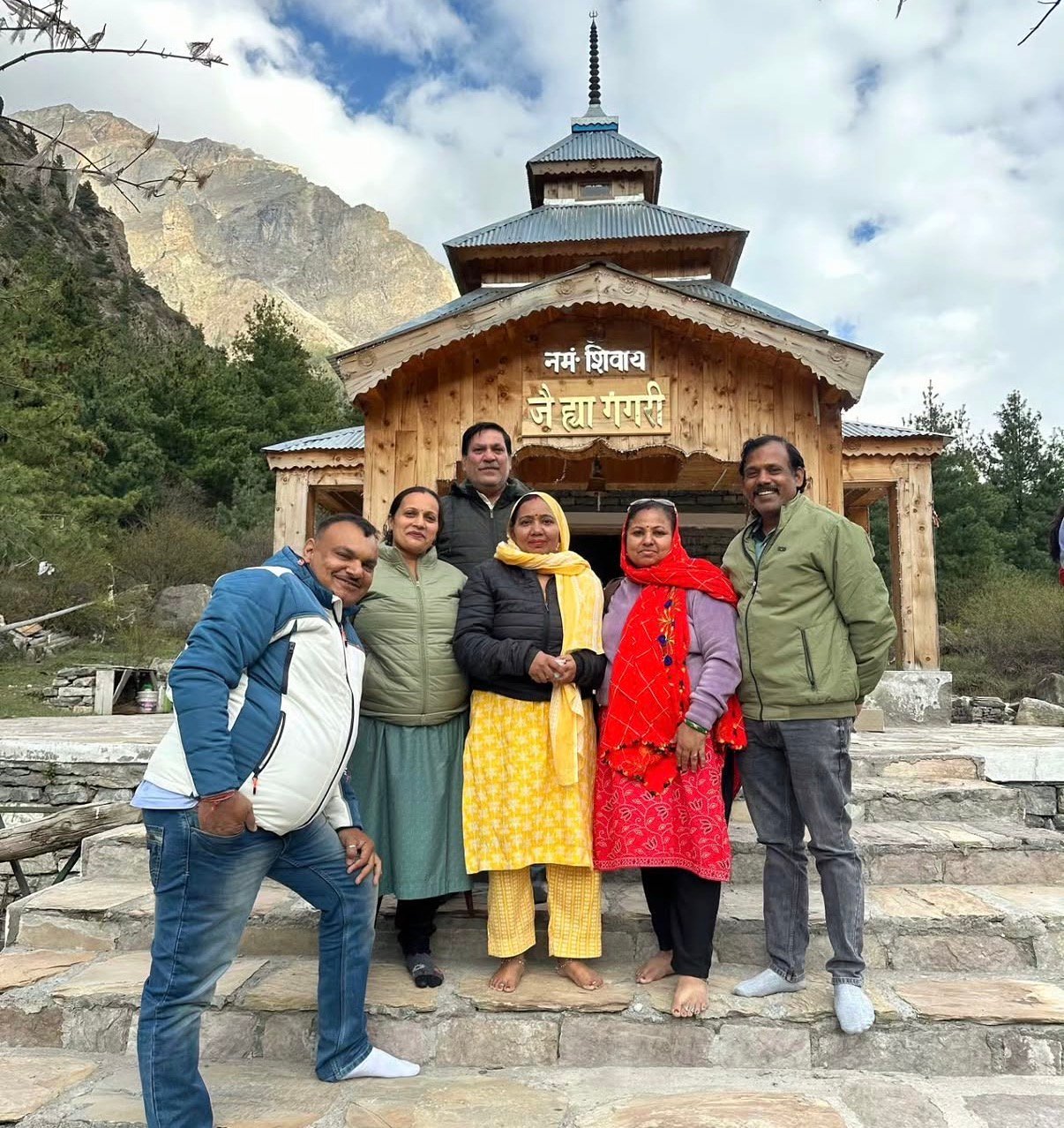
Osla village also houses the ancient Someshwar Temple, dedicated to Lord Shiva. Built in the traditional Garhwali architectural style with intricate wood carvings, this temple is a testament to the region’s rich cultural heritage.
The Legend of the Jaunsar-Bawar Community
The people of this region belong to the Jaunsar-Bawar community, culturally distinct from the Kumaon and Garhwal people. Historically known for polyandrous marriage practices (many brothers marrying a single woman), this community has close associations with the Mahabharata epic. The ancestors of the local people are believed to have fought alongside Duryodhana, and their deep connection to the epic is still evident in their festivals, rituals, and temple traditions.
One of the villages on the trek route is named after the Lakshagriha (House of Wax)—the palace Duryodhana built to burn the Pandavas alive, adding another layer of Mahabharata connection to the valley.
Geography and Location
Geographic Setting
Har Ki Dun Valley is situated in the Uttarkashi district of Uttarakhand, in the Garhwal region of the Himalayas. It lies inside the Govind Pashu Vihar National Park, which is also known as the Govind Wildlife Sanctuary.
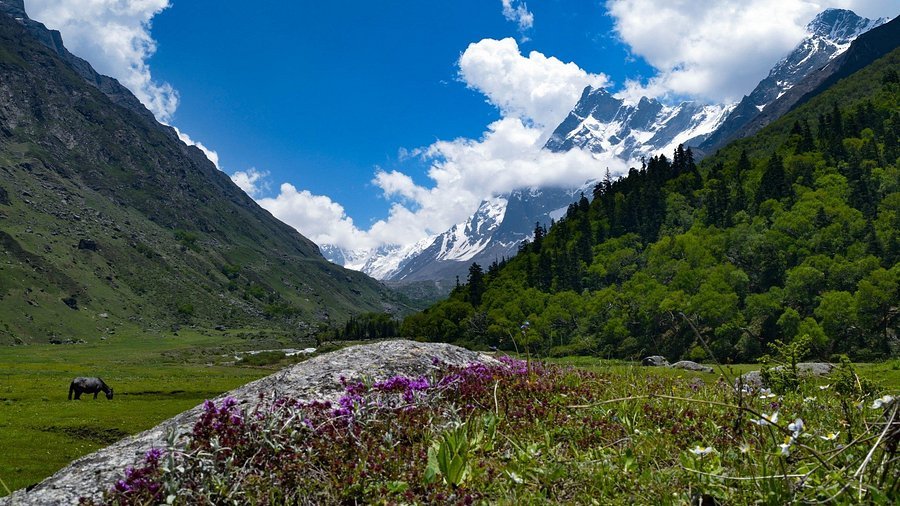
The valley is a classic U-shaped glacial valley—meaning trekkers walk through a wide valley floor surrounded by massive Himalayan mountains on both sides. This geography offers 360-degree mountain views, which is rare for treks below 4,000 meters.
Key Peaks Visible from the Valley
Govind Pashu Vihar National Park
The trek lies entirely within the Govind Pashu Vihar National Park, which was established in 1955 and covers an area of 958 square kilometres. The park was originally a wildlife sanctuary and was later converted into a national park. It is one of the key sites for India’s Project Snow Leopard, a conservation initiative to protect this endangered predator.
Park Details:
Flora and Fauna
Forests and Vegetation
The Har Ki Dun trail passes through diverse ecological zones, each with its unique vegetation:
| Elevation Zone | Dominant Species | Blooming Season |
|---|---|---|
| Lower Forests | Pine, Deodar, Oak | Year-round |
| Mid-Altitude | Rhododendron, Birch | March–April |
| Alpine Meadows | Wildflowers, Grasses | May–September |
The rhododendron forests are particularly spectacular in March and April, when the hillsides are painted in shades of vibrant red and pink. During spring and early summer, the valley blooms with wildflowers, including primulas, orchids, and countless alpine species.
Wildlife
The region is rich in Himalayan wildlife, protected within the Govind Wildlife Sanctuary:
Birds
The park is home to over 150 species of birds. Notable species include:
- Bearded Vulture (Lammergeier) – An ecological catalyst vital to the ecosystem
- Golden Eagle
- Himalayan Griffon
- Various species of pheasants, woodpeckers, and barbets
Best Time to Visit Har Ki Dun
Timing your trek is crucial for the best experience. Each season offers a dramatically different Har Ki Dun.
Month-by-Month Breakdown
| Month | Season | Day Temp (°C) | Night Temp (°C) | Conditions | Suitability |
|---|---|---|---|---|---|
| March | Spring | 10–15 | -5–2 | Rhododendrons bloom, snow at higher elevations | ⭐ Good |
| April | Spring | 12–18 | 0–5 | Pleasant, wildflowers begin | ⭐ Best |
| May | Summer | 15–22 | 2–8 | Lush green, clear skies | ⭐ Best |
| June | Summer | 15–25 | 5–10 | Warm, ideal for families | ⭐ Best |
| July–August | Monsoon | 15–20 | 8–12 | Heavy rain, landslides, leeches | ❌ Avoid |
| September | Autumn | 12–18 | 2–8 | Post-monsoon freshness | ⭐ Best |
| October | Autumn | 10–15 | -2–5 | Golden meadows, crystal-clear skies | ⭐ Best |
| November | Autumn | 5–10 | -5–0 | Cold, crisp, trails closing | ⭐ Good |
| December–February | Winter | 0–5 | -10–-5 | Heavy snow, requires winter gear | ⚠️ For experienced only |
Season-Wise Breakdown
Spring (March–April)
Spring paints the valley with fresh greenery and blooming rhododendrons. The snow is still found at higher points, giving a mix of colours and textures. Day temperatures range between 10°C and 20°C, while nights can dip close to freezing.
Best for: Rhododendron blooms, wildflowers, fresh greenery.
Summer (May–June)
This is the most popular season for the Har Ki Dun trek. By May, most snow melts, giving way to green meadows, flowing streams, and lively forests. Days are pleasant at 12°C to 25°C, while nights are chilly but manageable with proper layers. Clear skies give the best chances for uninterrupted mountain views.
Best for: Families, first-time trekkers, photography, and clear mountain views.
Autumn (September–November)
Autumn is known for its golden views. Meadows turn yellow, skies remain crystal clear, and distant peaks look striking. The valley is less crowded compared to summer. Daytime temperatures remain around 8°C to 20°C, while nights drop below zero in October and November.
Best for: Photography, clear mountain views, peaceful trails.
Monsoon (July–August)
Trekking is not advised during monsoon because the trails become slippery, rivers overflow, and landslides are common. While the valley is at its greenest, the risks outweigh the rewards.
Best for: Not recommended.
Winter (December–February)
Winter transforms the valley into a snow-covered landscape. Villages get blanketed in white, and trees carry thick layers of snow. Daytime temperatures may not rise above 5°C to 10°C, while nights can drop to -10°C or even lower. This season is suitable only for experienced trekkers with proper winter gear.
Best for: Experienced trekkers, snow lovers, solitude seekers.
How to Reach Har Ki Dun Valley
By Air
Nearest Airport: Jolly Grant Airport, Dehradun (approximately 220 km from Sankri)
| Details | Information |
|---|---|
| Distance | ~220 km |
| Travel Time | 8–10 hours by taxi |
| Airlines | Regular flights from Delhi to Dehradun (approx. 1 hour) |
| Onward Travel | Taxis available from the airport to Sankri |
By Train
Nearest Railway Station: Dehradun Railway Station (approximately 200 km from Sankri)
| Train Name | From Delhi | Departure | Arrival (Dehradun) | Duration |
|---|---|---|---|---|
| Shatabdi Express | Delhi | 6:00 AM | 11:40 AM | 5h 40m |
| Jan Shatabdi | Delhi | 3:20 PM | 9:00 PM | 5h 40m |
| Nanda Devi Express | Delhi | 10:05 PM | 5:30 AM | 7h 25m |
From Dehradun station, taxis and buses are available for Sankri.
By Road to Sankri (Base Camp)
Sankri is the base village for the Har Ki Dun trek and the starting point of the journey.
| Starting Point | Distance | Travel Time | Route |
|---|---|---|---|
| Dehradun | 200 km | 8–10 hours | Dehradun → Mussoorie → Nainbagh → Purola → Mori → Netwar → Sankri |
| Delhi | 450–480 km | 14–16 hours | Delhi → Meerut → Muzaffarnagar → Roorkee → Haridwar → Rishikesh → Dehradun → Mussoorie → Sankri |
Road Conditions: The route is scenic but winding. The famous “100 curves” after Purola can be challenging for those prone to motion sickness. The road follows the Tons River, and as you climb higher, the air turns crisp and pine-scented.
Last Point with ATMs and Connectivity: Purola is the last point with reliable mobile connectivity and ATMs. Beyond this, the network becomes erratic.
From Sankri to Har Ki Dun – The Trek Route
The trek from Sankri to Har Ki Dun is well-marked and passes through several picturesque villages and forests.
Trek Route Overview:
| Segment | Distance | Trek Time | Altitude | Overnight |
|---|---|---|---|---|
| Sankri → Taluka | 12 km (drive) | 1 hour | 1,950 m → 2,100 m | — |
| Taluka → Seema/Osla | 12 km | 5–6 hours | 2,100 m → 2,300 m | Seema/Osla |
| Seema/Osla → Kalkatiyadhaar | 8–10 km | 5–6 hours | 2,300 m → 3,000 m | Kalkatiyadhaar |
| Kalkatiyadhaar → Har Ki Dun | 8–10 km | 4–5 hours | 3,000 m → 3,566 m | Har Ki Dun |
Total Trek Distance: Approximately 44–48 km (round trip)
Distances from Major Cities
| City | Distance (km) |
|---|---|
| Delhi | 450–480 |
| Dehradun | 200 |
| Haridwar | 220 |
| Rishikesh | 210 |
| Sankri (base) | 0 |
| Taluka | 12 km (drive) |
| Osla | ~20 km (trek) |
| Har Ki Dun | ~44 km (trek) |
Har Ki Dun Trek: Complete Itinerary
Trek Overview
| Aspect | Details |
|---|---|
| Total Trek Distance | 44–48 km (round trip) |
| Maximum Altitude | 3,566 m (11,700 ft) |
| Difficulty | Easy to Moderate |
| Suitable for | Beginners with good fitness, families |
Day-by-Day Itinerary (6 Days)
Day 1: Dehradun to Sankri (Drive)
| Aspect | Details |
|---|---|
| Distance | 200 km |
| Drive Duration | 8–10 hours |
| Altitude | 1,950 m / 6,400 ft |
| Accommodation | Guesthouse/Homestay |
Highlights:
- Scenic drive via Mussoorie and Kempty Falls
- Views of the Tons River
- Pine forests of Purola and Mori
- Overnight at base camp in Sankri
Tips: Sankri is the base for multiple Himalayan treks, including Kedarkantha and Bali Pass. Use this day to rest, acclimatise, and buy any last-minute essentials.
Day 2: Sankri to Taluka (Drive) to Seema/Osla (Trek)
| Aspect | Details |
|---|---|
| Drive to Taluka | 12 km, 1 hour |
| Trek Distance | 12 km |
| Trek Duration | 5–6 hours |
| Altitude Gain | 2,100 m → 2,300 m |
| Accommodation | Camp or homestay |
Highlights:
- Short drive to Taluka, the last motorable point
- Trek follows the Supin River through dense pine and deodar forests
- Cross small wooden bridges
- Pass through Gangad village, known for its traditional wooden houses
- Reach Osla village, famous for the Duryodhana Temple
About Osla Village: Osla is one of the most culturally significant villages on the route. The ancient Someshwar Temple and the unique Duryodhana Temple make it a must-visit. The traditional wooden houses with intricate carvings showcase a distinct architectural style not commonly seen elsewhere.
Day 3: Seema/Osla to Kalkatiyadhaar (Trek)
| Aspect | Details |
|---|---|
| Trek Distance | 8–10 km |
| Trek Duration | 5–6 hours |
| Altitude Gain | 2,300 m → 3,000 m |
| Accommodation | Camp |
Highlights:
- Trek through dense forests that gradually open into meadows
- First clear views of the Swargarohini peaks
- The landscape becomes more dramatic with each step
- Kalkatiyadhaar is a beautiful meadow campsite with stunning mountain views
Day 4: Kalkatiyadhaar to Har Ki Dun Valley (Trek)
| Aspect | Details |
|---|---|
| Trek Distance | 8–10 km |
| Trek Duration | 4–5 hours |
| Altitude Gain | 3,000 m → 3,566 m |
| Accommodation | Camp |
Highlights:
- The highlight of the entire trek
- The final stretch opens into the Har Ki Dun valley, where massive peaks surround the valley floor
- Views of Swargarohini, Black Peak, and Bandarpunch
- The valley is a classic U-shaped glacial valley offering 360-degree mountain views
- Standing here feels surreal—the reward for days of trekking
Optional Side Trek: Adventurous trekkers can make a side trip toward the Jaundhar Glacier base, adding about 6 kilometres to the day.
Day 5: Har Ki Dun to Seema/Osla (Return Trek)
| Aspect | Details |
|---|---|
| Trek Distance | 18–20 km |
| Trek Duration | 5–6 hours |
| Accommodation | Camp or homestay |
Highlights:
- Begin descent, retracing your steps
- Downhill trek is easier and allows you to notice details missed on the way up
- Possible wildlife sightings (Himalayan monal, langurs)
- Overnight at Seema or Osla
Day 6: Seema/Osla to Taluka (Trek) to Sankri (Drive)
| Aspect | Details |
|---|---|
| Trek Distance | 12 km |
| Trek Duration | 4–5 hours |
| Drive | 1 hour to Sankri |
| Accommodation | Guesthouse/Homestay (optional) |
Highlights:
- The final trekking day follows the same route back to Taluka
- Celebrate the completion of the trek
- Evening bonfire in Sankri, sharing stories with fellow trekkers
Day 7: Sankri to Dehradun (Drive)
| Aspect | Details |
|---|---|
| Drive Distance | 200 km |
| Drive Duration | 8–10 hours |
Return journey to Dehradun, carrying memories and perhaps a changed perspective on life in the mountains.
Alternative: Har Ki Dun Ruinsara Tal Extended Trek
For those seeking a longer, more adventurous expedition, the Ruinsara Tal extension adds 2–3 extra days to the trek.
Ruinsara Tal Highlights:
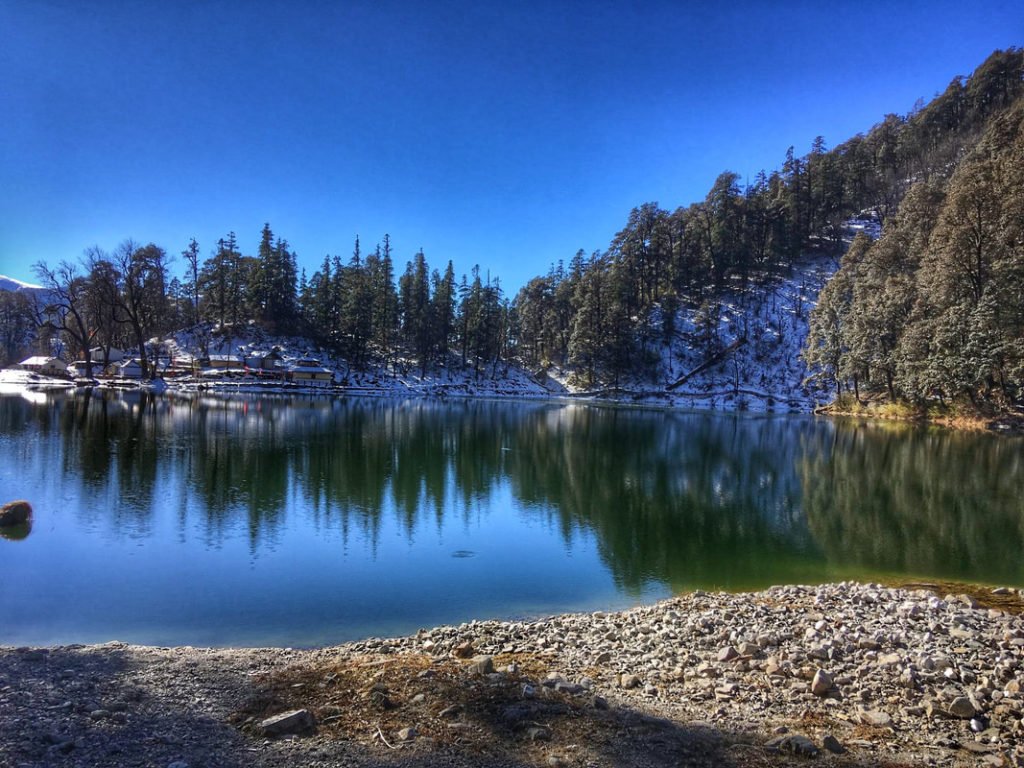
- Pristine alpine lake near Bandarpunch Peak
- Less crowded than the main Har Ki Dun valley
- Mirror-like reflections of surrounding peaks
- Requires additional permits and preparation
This extension is best done in May–June or September–October.
What to Expect on the Trek
Terrain and Trail Conditions
| Section | Terrain | Difficulty |
|---|---|---|
| Taluka to Seema | Forest paths, river crossings | Easy |
| Seema to Kalkatiyadhaar | Gradual ascent, meadows | Easy-Moderate |
| Kalkatiyadhaar to Har Ki Dun | Alpine terrain, open valley | Moderate |
Accommodation on the Trek
Camping Experience
Camping on the Har Ki Dun trek is a world-class experience. The campsites are chosen for their proximity to water sources and spectacular views. At the Har Ki Dun base camp, you wake up to the sun hitting the Swargarohini peaks, turning them into molten gold.
Evening life at the camp involves hot cups of ginger tea and soup in the dining tent, where bonds are forged over shared stories. The trek offers a genuine “digital detox”—no mobile signals, no distractions, just the mountains and your thoughts.
Temperature at Campsites:
- Even in summer, night temperatures at Har Ki Dun can hover between 0°C and 5°C
- In winter, it can plummet to -10°C
- Tour operators provide four-season tents and sub-zero sleeping bags
Local Culture and Villages
Osla Village – The Cultural Heart
Osla is the most culturally significant village on the Har Ki Dun route. Key attractions include:
- Someshwar Temple: Ancient Shiva temple with intricate wood carvings, built in traditional Garhwali architectural style
- Duryodhana Temple: A unique shrine dedicated to the Mahabharata antagonist, reflecting the region’s distinctive cultural beliefs
- Traditional wooden houses: Built in the Kath-Kuni style with slate roofs, these homes have stood for centuries
Gangad Village
Gangad is another traditional village along the trek route, known for its:
- Authentic wooden architecture
- Friendly locals
- Beautiful setting along the Supin River
Seema Village
Seema serves as an overnight halt for trekkers, offering:
- Basic homestay accommodation
- Views of the surrounding peaks
- A glimpse into daily Himalayan village life
Local Customs
The people of the Jaunsar-Bawar community have unique customs, including:
- Traditional festivals celebrating local deities
- The Duryodhana rituals, in which milk and ghee are offered to the deity
- Distinctive folk music and dance forms
Travel Tip: Always ask permission before photographing locals, and dress modestly when passing through villages.
What to Pack for Har Ki Dun
Clothing (Layering System)
| Layer | Items | Quantity |
|---|---|---|
| Base Layer | Thermal innerwear (top & bottom) | 2 sets |
| Mid Layer | Fleece jacket, woolen sweater | 1–2 each |
| Outer Layer | Down jacket, waterproof windcheater | 1 each |
| Bottoms | Trekking pants (quick-dry) | 2 pairs |
| Head | Fleece jacket, woollen sweater | 1 each |
| Hands | Waterproof gloves | 2 pairs |
| Feet | Woolen socks | 4–5 pairs |
Footwear
- Trekking shoes: Sturdy, waterproof, high ankle support, broken-in
- Camp shoes: Sandals or floaters for evening
Gear and Accessories
Health and Hygiene
| Category | Items |
|---|---|
| First Aid | Wet wipes, hand sanitiser, toilet paper |
| Medications | Personal prescription medicines, Diamox (consult doctor) |
| Hygiene | Wet wipes, hand sanitizer, toilet paper |
| Sun Protection | Sunscreen (SPF 50+), lip balm |
Documents and Other Essentials
- Valid ID proof (Aadhaar/Passport)
- Trek permits (arranged by operator)
- Travel insurance documents
- Cash (no ATMs beyond Purola)
- Power bank
- Camera with extra batteries
Travel Tips and Important Information
Physical Preparation
Har Ki Dun is graded as easy to moderate, but good fitness is essential :
Acclimatization Tips
- Spend a day in Sankri before starting the trek
- Stay hydrated throughout the journey
- Trek at a moderate pace; don’t rush
- If you experience symptoms of altitude sickness (headache, nausea, dizziness), inform your guide immediately
- Descend if symptoms worsen
Safety Guidelines
- Follow the Guide: Local guides know the terrain and weather patterns
- Stay Together: Never trek alone; always stay within sight of your group
- Start Early: Begin each day’s trek early to avoid afternoon weather changes
- Layered Clothing: Temperatures can change rapidly; layers allow adjustment
- Listen to Your Body: Don’t push beyond your limits; take breaks as needed
Responsible Trekking
- Leave No Trace: Carry back all non-biodegradable waste
- Respect Local Culture: Ask permission before photographing people
- Support Local Economy: Hire local guides and porters, buy local products
- Save Water: Use water judiciously
Mobile Connectivity
- No mobile signals beyond Purola
- BSNL works in some pockets but is unreliable
- Inform family of your travel plans in advance
- This is a genuine “digital detox”—embrace it
ATMs and Cash
- Last ATM: Purola (before Sankri)
- Carry sufficient cash for the entire trek duration
- No card facilities available in Sankri or on the trek
Frequently Asked Questions (FAQs)
Q1: Why is Har Ki Dun called the Valley of Gods?
A: Har Ki Dun translates to “Valley of the Gods” and is believed to be the route the Pandavas took on their final journey to heaven. The Swargarohini peaks visible from the valley are named after this legend.
Q2: What is the best time for the Har Ki Dun trek?
A: The best time is April to June (summer) and September to November (autumn). Spring offers blooming rhododendrons, summer offers lush greenery, and autumn offers clear skies and golden meadows.
Q3: How difficult is the Har Ki Dun trek?
A: The trek is graded easy to moderate. It is suitable for beginners with good fitness and even for families with children above 10 years, provided they are properly prepared.
Q4: What is the total distance of the Har Ki Dun trek?
A: The total trek distance from Sankri to Har Ki Dun and back is approximately 44–48 km (round trip).
Q5: What is the altitude of Har Ki Dun Valley?
A: The valley sits at an altitude of approximately 3,566 meters (11,700 feet) above sea level.
Q6: Can beginners do the Har Ki Dun trek?
A: Yes, Har Ki Dun is one of the most popular treks for beginners in Uttarakhand. However, basic fitness preparation is essential.
Q7: Is there a temple dedicated to Duryodhana on the trek?
A: Yes, the village of Osla on the trek route has a unique temple dedicated to Duryodhana, the antagonist of the Mahabharata.
Q8: What is the nearest railway station to Har Ki Dun?
A: Dehradun Railway Station is the nearest, approximately 200 km from Sankri.
Q9: What is the nearest airport to Har Ki Dun?
A: Jolly Grant Airport, Dehradun, is the nearest, approximately 220 km from Sankri.
Q10: Do I need a permit for the Har Ki Dun trek?
A: Yes, permits are required as the trek lies inside Govind Pashu Vihar National Park. Most trek operators arrange these permits as part of their package.
Q11: Can I do the Har Ki Dun trek without a guide?
A: While experienced trekkers may attempt the route, it is not recommended due to forest regulations, remote terrain, and weather unpredictability. Local guides enhance safety and cultural understanding.
Q12: Is there a mobile network on the Har Ki Dun trek?
A: No, there is no mobile connectivity beyond Purola. BSNL works in some pockets, but it’s unreliable.
Q13: What wildlife can I see on the trek?
A: You may spot Himalayan monal, langurs, musk deer, and various high-altitude birds. Snow leopards are present but extremely rare.
Q14: How much does the Har Ki Dun trek cost?
A: Trek packages typically range from ₹12,000 to ₹25,000 per person, depending on the operator and inclusions.
Q15: Can I extend the trek to Ruinsara Tal?
A: Yes, the Har Ki Dun Ruinsara Tal trek adds 2–3 extra days and offers a more remote alpine lake experience.
Plan Your Har Ki Dun Journey with Discover Uttarakhand
At Discover Uttarakhand, we’ve been organising unforgettable Himalayan journeys across Devbhoomi since 1997. As a trusted local operator with deep knowledge of the Garhwal Himalayas, we offer:
- ✅ Har Ki Dun Trek packages (6 to 9 days)
- ✅ Ruinsara Tal extension for longer expeditions
- ✅ Complete itinerary planning, including permits and logistics
- ✅ Experienced local guides familiar with the region’s mythology and trails
- ✅ Comfortable transport from Dehradun to Sankri
- ✅ High-quality camping equipment (four-season tents, sub-zero sleeping bags)
- ✅ Nutritious vegetarian meals throughout the trek
- ✅ Safety protocols including medical kits, oximeters, and emergency oxygen
- ✅ 24/7 customer support throughout your journey
Recommended Har Ki Dun Packages
| Package | Duration | Starting Point | Highlights |
|---|---|---|---|
| Har Ki Dun Trek (6 Days) | 5 Nights / 6 Days | Dehradun | Sankri, Osla village, Har Ki Dun valley |
| Har Ki Dun with Ruinsara Tal | 7 Nights / 8 Days | Dehradun | Valley + alpine lake extension |
| Complete Har Ki Dun Experience | 8 Nights / 9 Days | Delhi | Transport, trek, and return |
Book your Har Ki Dun trek today and walk through the Valley of the Gods.
📞 Call / WhatsApp: +91-9997187178, 9760222178, 8171977178
📍 Visit Our Office: Himalayan Colony, opposite DSVV, Haripur Kalan, Haridwar, Motichur Range, Uttarakhand 249411
🌐 Website: www.discover-uttarakhand.com
📧 Email: info@discover-uttarakhand.com
Discover Uttarakhand – Your Local Partner for Unforgettable Himalayan Journeys Since 1997 🏔️