Introduction: The ‘Mini Switzerland’ of Uttarakhand
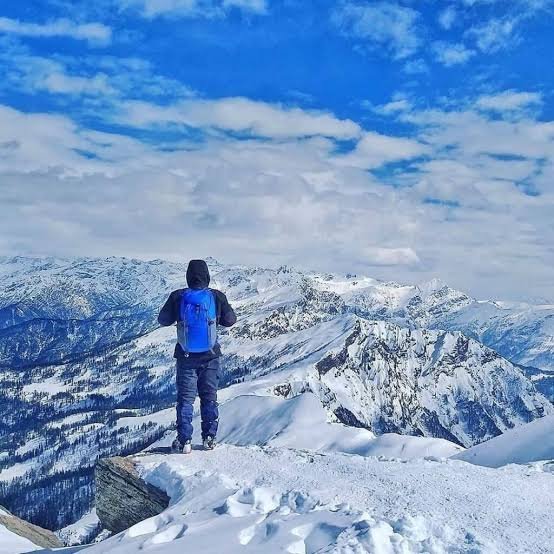
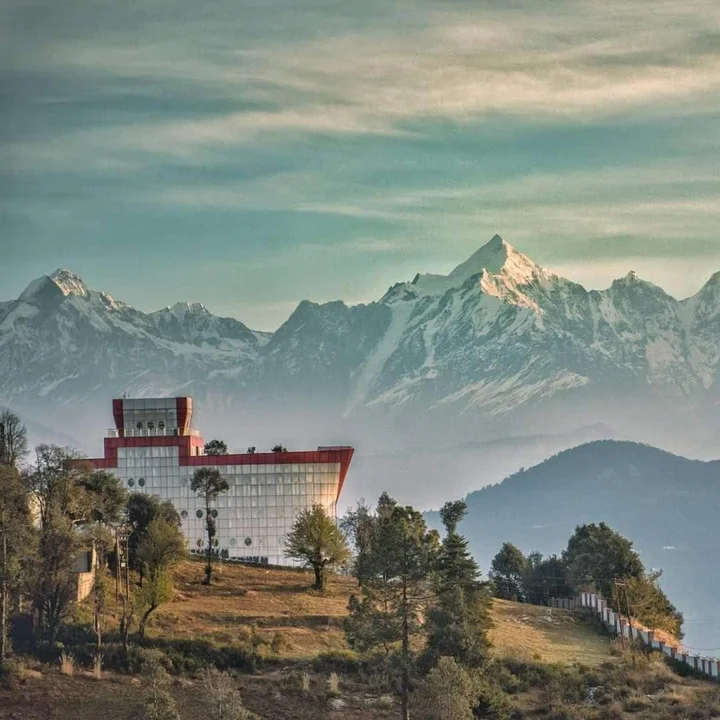
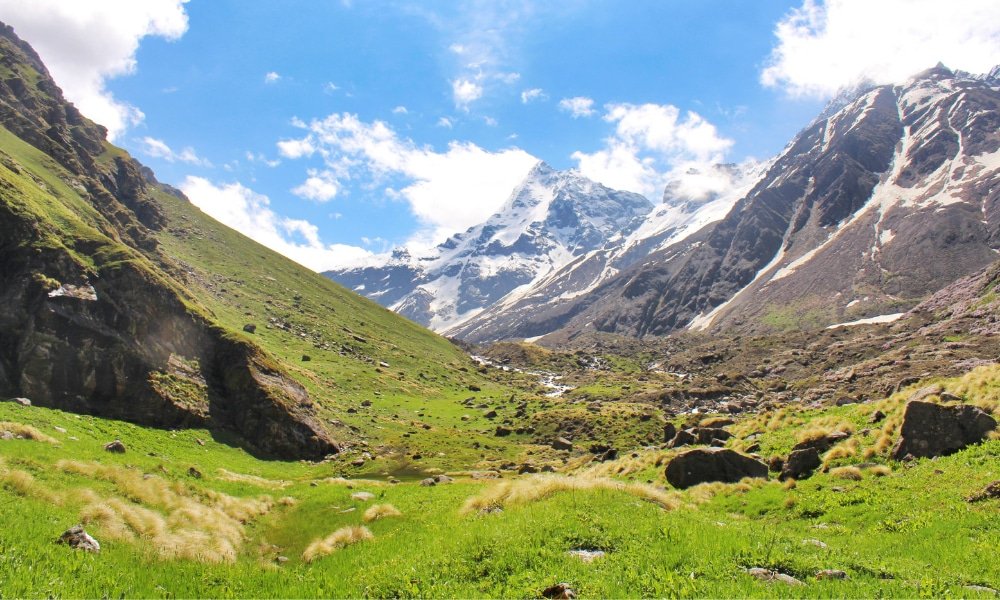
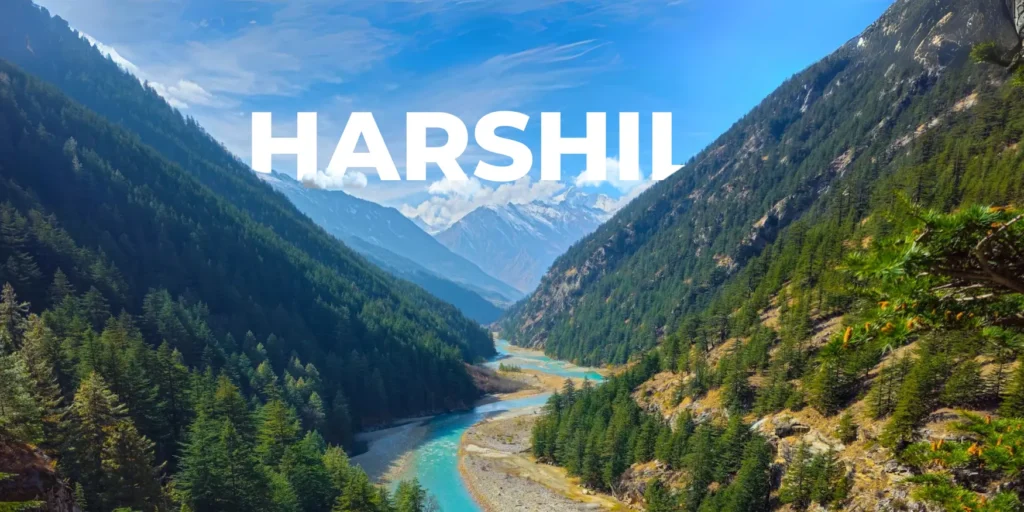
Tucked away in the Uttarkashi district of Uttarakhand at an altitude of approximately 2,620 meters (8,600 feet), Harsil Valley is one of the most breathtaking yet lesser-known destinations in the Indian Himalayas. Often called the “Mini Switzerland of India,” this pristine valley on the banks of the Bhagirathi River is surrounded by snow-capped peaks, dense deodar forests, terraced apple orchards, and charming villages.
Unlike the crowded hill stations of Mussoorie or Nainital, Harsil remains refreshingly untouched by mass tourism. The valley is a cluster of eight small villages—Sukkhi, Jhala, Jaspur, Purali, Harsil, Bagori, Mukhba, and Dharali—each offering a unique blend of Garhwali and Bhotiya cultures amidst the scenic backdrop of the Garhwal Himalayas.
Harsil shot to fame as the shooting location for Raj Kapoor’s blockbuster movie Ram Teri Ganga Maili. Today, it serves as a peaceful stopover on the route to Gangotri Temple (just 26 km away) and has become a favourite among travellers seeking offbeat destinations, adventure treks, and authentic mountain culture.
Whether you are a pilgrim on the Char Dham Yatra, a trekker looking for high-altitude adventures, a nature lover drawn to alpine meadows and apple blossoms, or a photographer chasing dramatic landscapes, Harsil Valley promises an unforgettable Himalayan experience.
Key Information at a Glance:
History and Cultural Significance
The Ancient Trade Route
Harsil Valley lies on the old caravan trail between India and Tibet, where trade and cultural exchanges once flourished. Before the 1962 Sino-Indian War, the valley was a vital corridor for merchants carrying wool, salt, spices, and other goods across the high Himalayan passes. This exchange fostered a unique blend of cultural influences in the region, with the local Jadh Bhotiya communities developing distinct traditions.
Frederick “Pahari” Wilson – The Raja of Harsil
The most fascinating chapter in Harsil’s history is the story of Frederick “Pahari” Wilson, an Englishman who deserted the East India Company’s army and fled to remote Harsil. He made a fortune logging deodar trees and was nicknamed the “Raja of Harsil” by locals. Wilson introduced apple and rajma (kidney bean) cultivation to the valley, which remains the region’s main cash crop today.
The Gartang Gali Trade Route
Gartang Gali, a 136-meter-long wooden stairway carved into a vertical cliff face, was once a crucial trade route connecting India to Tibet. Built over 150 years ago by Pathans of Peshawar, this architectural marvel served as a passage for merchants trading goods like wool, salt, and spices. After the 1962 conflict, the route fell into disrepair and was reopened to tourists only recently.
Mukhba Village – The Winter Home of Goddess Ganga
Mukhba Village holds immense spiritual significance as the winter abode of Goddess Ganga. When the Gangotri Temple closes due to heavy snowfall (November–April), the deity is brought to the Mukhimath Temple in Mukhba, where worship continues throughout the winter. This tradition makes Mukhba a special destination for pilgrims visiting outside the regular yatra season.
Geography and Climate
Location
Harsil Valley is situated in the Uttarkashi district of Uttarakhand, in the Garhwal region of the Himalayas. The valley lies on the banks of the Bhagirathi River—one of the two headstreams of the holy Ganges—and is surrounded by towering peaks, including the Bandarpunch Range, Mt. Srikanth, and the Horns of Harsil.
The valley serves as a gateway to:
- Gangotri Temple – 26 km away
- Nelong Valley – The cold desert landscape of Uttarakhand
- Gartang Gali – Historic wooden bridge
Weather and Best Time to Visit
Harsil Valley experiences a pleasant alpine climate with distinct seasons.
| Month | Season | Day Temp (°C) | Night Temp (°C) | Conditions | Travel Suitability |
|---|---|---|---|---|---|
| April–June | Summer | 15–25 | 5–15 | Pleasant, blooming orchards | ⭐ Best |
| July–August | Monsoon | 12–18 | 8–12 | Heavy rain, landslides | ❌ Avoid |
| September–October | Autumn | 10–20 | 2–10 | Clear skies, golden meadows | ⭐ Best |
| November–March | Winter | -5–10 | -12–2 | Snowfall, closed roads | ⭐ For snow lovers |
Recommended Seasons:
- April–June: Summer is the most popular time to visit. The weather is pleasant (10°C–20°C), the landscapes are lush and vibrant, and the apple orchards are in full bloom.
- September–October: Autumn brings clear skies, crisp air, and stunning golden views of the valley. The apple harvest takes place during this time.
- November–March: Winter transforms the valley into a snow-covered paradise. However, heavy snowfall may cause road closures.
Flora and Fauna
Biodiversity Hotspot
Harsil Valley lies within the Gangotri landscape, which a recent biodiversity assessment revealed is home to a remarkable variety of species :
| Category | Number of Species |
|---|---|
| Birds | 203 species |
| Butterflies | 86 species |
| Moths | 250 species |
| Wildflowers | 70 species |
Important Bird Area
The valley is recognised as an Important Bird Area (IBA) and is the only breeding site of the Ibisbill in the region—a bird much sought-after by birdwatchers. The Ibisbill’s habitat is unique as it needs slow-flowing rivers at high altitude for sustenance, making its conservation a top priority.
Notable Bird Sightings:
- Himalayan Monal – State bird of Uttarakhand
- Brown Accentor – Sighted near Bagori
- Rufous-backed Redstart – Sighted in Sukhi
- Yellow-rumped Honeyguide and Ibisbill
Rare Butterfly Species
The survey also documented rare butterflies, including :
- Highbrown Fritillary (Argynnis jainadeva jainadeva)
- Orange-spotted Mountain Hopper (Carterocephalus Avanti)
- Fiery Clouded Yellow (Colias eogene)
Wildlife
The region is home to various Himalayan species:
- Snow Leopard – The elusive “ghost of the mountains”
- Musk Deer – Endangered
- Himalayan Black Bear – Found in forested areas
- Himalayan Thar – Large mountain goat
Vegetation
The valley features dense forests of deodar, oak, and pine, along with vibrant rhododendron blooms in spring. The terraced fields are famous for apple orchards, which produce some of the finest apples in India.
Top Attractions in Harsil Valley
1. Gartang Gali – The Historic Wooden Bridge
Gartang Gali is the crown jewel of Harsil Valley and the primary reason many travellers make the journey.
Quick Facts:
What to Expect:
- A narrow wooden bridge hanging over the Jadh Ganga River in Nelong Valley
- Breathtaking views of the deep gorge below and the surrounding peaks
- A thrilling, adventurous walk that tests your nerves
- The bridge snakes along a rocky mountain—an architectural marvel carved into vertical granite rock
Historical Significance:
- Built over 150 years ago by Pathans of Peshawar
- Once served as a trade route between India and Tibet
- The famous Chinese explorer Hiuen Tsang used this route in the 7th century
- Featured in the book Seven Years in Tibet by Heinrich Harrer
- Only 10 tourists are allowed on the bridge simultaneously
- No jumping or dancing on the track
- Maintain a distance of one meter between persons
- No smoking or inflammable substances
2. Lama Top – Panoramic Viewpoint
Lama Top is the highest point in Harsil Valley, located at an elevation of approximately 3,000 meters (9,843 ft) .
| Aspect | Details |
|---|---|
| Hike Distance | 5 km round trip |
| Hike Duration | 2–3 hours |
| Starting Point | Bagori Village |
What to Expect:
- Panoramic views of the entire Harsil Valley below
- Views of the famous twin peaks known as “Horns of Harsil”
- Dense coniferous forests throughout the trail
- Colourful Tibetan prayer flags marking the route
3. Mukhba Village – The Winter Home of Maa Ganga
Mukhba Village is located approximately 5.5 km from Bagori and holds immense spiritual significance.
| Aspect | Details |
|---|---|
| Distance from Bagori | 5.5 km |
| Famous For | Mukhimath Temple – winter abode of Goddess Ganga |
| Winter Season | Idol of Maa Ganga resides here (November–April) |
What to Expect:
- Mukhimath Temple, where the deity of Gangotri is worshipped during winter
- Someshwar and Narsingh Temple, adjacent to the main temple
- Bhimganga Waterfall (200–300 m from Mukhimath)
- Evening Ganga Aarti
- Spectacular views of sunrays falling on the Gangotri range and Mt. Srikanth
4. Dharali Village – The Rustic Himalayan Hamlet
Dharali is another charming village close to Harsil, known for its apple orchards and calm surroundings.
| Aspect | Details |
|---|---|
| Distance from Mukhba | 650 m |
| Famous For | Apple orchards, Kalp Kedar Temple (partially destroyed in 2025 cloudburst) |
What to Expect:
- Fresh mountain air and beautiful views
- Apple orchards (visit during harvest season)
- Peaceful, simple village life
5. Bagori Village – A Blend of Hindu and Buddhist Cultures
Bagori Village showcases a unique mix of Hindu and Buddhist cultures, with temples and monasteries existing side by side.
What to Expect:
- Beautiful wooden houses with traditional architecture
- Lal Devta Temple, Ringali Devi Temple, Buddha Temple, and Shiva Temple
- Interact with the Jadh Bhotiya locals
- Purchase handcrafted woollen Pankhi shawls and sweaters
6. Sattal (Seven Lakes) – The Alpine Lake Trek
Sattal (meaning “seven lakes”) is a trek to a group of seven high-altitude lakes near Harsil.
| Aspect | Details |
|---|---|
| Starting Point | Dharali Village |
| Trek Distance | 5 km round trip |
| Trek Duration | 2–3 hours |
| Altitude | ~3,000 m |
The Seven Lakes:
Mirdunga Tal, Chadgiya Tal, Dawariya Tal, Bamniya Tal, Rikh Tal, Ghandoliya Tal, and Sankhghata Tal.
7. Gangotri Temple – The Char Dham Shrine
Located just 26 km from Harsil, Gangotri Temple is one of the four sacred Char Dham pilgrimage sites.
| Aspect | Details |
|---|---|
| Distance from Harsil | 26 km |
| Travel Time | 1 hour |
| Opening Dates | Akshaya Tritiya (April/May) – Diwali (October/November) |
What to Expect:
- The sacred temple where Goddess Ganga is worshipped
- Surya Kund – where the Bhagirathi River falls from a height of about 100 ft
- Evening Ganga Aarti
Things to Do in Harsil Valley
1. Trekking
Harsil Valley offers treks for all skill levels :
| Trek | Difficulty | Duration | Highlights |
|---|---|---|---|
| Gartang Gali Hike | Easy | 2–3 hours | Historic wooden bridge, gorge views |
| Lama Top Trek | Easy-Moderate | 2–3 hours | Panoramic valley views |
| Sattal Trek | Easy-Moderate | 2–3 hours | Seven alpine lakes |
| Dayara Bugyal Trek | Easy-Moderate | 2–3 days | Alpine meadows, Himalayan views |
| Kedartal Trek | Moderate-Challenging | 4–5 days | High-altitude lake |
2. Birdwatching
With 203 bird species recorded in the Gangotri landscape, Harsil Valley is a birdwatcher’s paradise. Early morning walks along the Bhagirathi River offer the best sightings. Look for the Ibisbill, Himalayan Monal, and rare butterflies.
3. Photography
Harsil Valley is a photographer’s dream :
| Best Spots | Best Time |
|---|---|
| Bhagirathi River | Golden hour (4:00–5:30 PM) |
| Deodar Forests | Morning light |
| Mukhba Village | Winter (snow) |
| Dharali Village | Apple harvest season |
| Sattal (Seven Lakes) | Early morning reflections |
4. Visit Apple Orchards
The terraced fields of Harsil are home to countless apple orchards :
5. Explore Local Villages
Take a day to explore the traditional villages of Harsil Valley:
- Harsil Village – Main village with colourful market, Laxmi Narayan Temple
- Bagori Village – Buddhist stupa, Lal Devta Temple
- Mukhba Village – Winter home of Maa Ganga
- Dharali Village – Apple orchards
6. Camping
Camping in Harsil Valley is a unique experience. Some resorts and hotels offer camping options. The clear night skies are perfect for stargazing.
Local Cuisine: What to Eat in Harsil
Must-Try Garhwali Dishes
| Dish | Description |
|---|---|
| Chainsoo | Black gram lentil curry, protein-rich |
| Aloo Ke Gutke | Spiced fried potatoes with local flavors |
| Kafuli | Soup made of spinach and fenugreek leaves |
| Jhangora Ki Kheer | Barnyard millet sweet pudding |
| Mandua Roti | Finger millet flatbread |
| Trout Fish | Fresh from the Bhagirathi River |
Where to Eat
| Restaurant | Type |
|---|---|
| Prakriti The Retreat Restaurant | Hotel restaurant, multi-cuisine |
| Cafe Harsil | Local café |
| SnowPOD | Resort dining |
| Homestays | Authentic Garhwali meals |
Dining Tips
- Most hotels and homestays offer meal packages
- Pure vegetarian options are widely available
- Carry packaged snacks for treks
- Try the local organic honey and apple-based desserts
How to Reach Harsil Valley
By Air
Nearest Airport: Jolly Grant Airport, Dehradun (approximately 244 km from Harsil)
By Train
Nearest Railway Station: Rishikesh (approximately 244 km from Harsil)
| Station | Distance | Travel Time | Connectivity |
|---|---|---|---|
| Rishikesh | ~244 km | 8–9 hours by road | Most preferred |
| Dehradun | ~230 km | 7–8 hours by road | Major station, well-connected |
Popular Trains from Delhi to Haridwar/Rishikesh:
| Train Name | From Delhi | Departure | Arrival | Destination |
|---|---|---|---|---|
| Shatabdi Express | Delhi | 6:00 AM | 11:40 AM | Haridwar |
| Jan Shatabdi | Delhi | 3:20 PM | 9:00 PM | Haridwar |
| Mussoorie Express | Delhi | 10:05 PM | 5:30 AM | Haridwar |
From the railway station, taxis and buses are available for Harsil.
By Road
Harsil Valley is well-connected by road to major cities in North India :
| Starting Point | Distance | Travel Time | Route |
|---|---|---|---|
| Delhi | 430–450 km | 10–13 hours | Delhi → Meerut → Muzaffarnagar → Roorkee → Haridwar → Rishikesh → Chamba → Uttarkashi → Harsil |
| Dehradun | 200–230 km | 6–8 hours | Dehradun → Mussoorie → Chamba → Uttarkashi → Harsil |
| Haridwar | 244 km | 7–8 hours | Haridwar → Rishikesh → Chamba → Uttarkashi → Harsil |
| Rishikesh | 244 km | 7–8 hours | Rishikesh → Chamba → Uttarkashi → Harsil |
| Uttarkashi | ~73 km | 2–3 hours | Uttarkashi → Harsil |
Road Conditions: The route is scenic but winding. Roads are generally good, but caution is advised during the monsoon when landslides can occur. In winter, roads may be closed due to heavy snowfall.
Important Travel Notes
- Permits: Harsil Valley is an Army base camp accessible only to Indian nationals and requires a permit to enter the valley
- Fuel: The last petrol pump before Harsil is in Uttarkashi
- Mobile Network: BSNL works in some pockets; inform family of your travel plans
Distances from Major Cities
Sample Itineraries
4-Day Harsil Valley Summer Itinerary
Day 1: Dehradun to Harsil
| Aspect | Details |
|---|---|
| Drive Distance | 221 km |
| Drive Time | 8–9 hours |
| Altitude | 2,620 m |
Highlights:
- Scenic drive via Dehradun, Moriana Top, Uttarkashi
- Stop at Maneri Dam and Gangnani hot water springs
- Explore Harsil’s colourful market with painted walls
- Visit Laxmi Narayan Temple
- Witness Jalandhari merging with the Bhagirathi River
Day 2: Gartang Gali and Gangotri Dham
| Aspect | Details |
|---|---|
| Gartang Gali Hike | 5 km round trip, 2–3 hours |
| Altitude | 2,950 m |
Highlights:
- Morning hike to Gartang Gali (historic wooden bridge)
- Visit Mandakini Waterfall en route
- Afternoon drive to Gangotri Temple (10 km from Lanka Bridge)
- Offer prayers at Gangotri Temple
- Visit Surya Kund and Gauri Kund
- Attend Maa Ganga aarti in the evening
Day 3: Bagori Village and Lama Top
| Aspect | Details |
|---|---|
| Lama Top Hike | 5 km round trip, 2–3 hours |
| Altitude | 3,000 m |
Highlights:
- Morning hike to Lama Top for panoramic valley views
- Spot the “Horns of Harsil” peaks
- Explore Bagori Village temples and monasteries
- Interact with Jadh Bhotiya locals
- Purchase handcrafted woollen Pankhi shawls
Day 4: Harsil to Dehradun
- Depart early in the morning after breakfast
- Enjoy the viewpoints on the way back
- Visit Pilot Baba Ashram near Dehradun (if time permits)
3-Day Winter Itinerary
Day 1: Dehradun to Harsil
- Drive through scenic villages: Sukkhi, Jaspur, Jhala, and Purali
- Visit Maneri Dam (Khedi Waterfall)
- Arrive in Harsil, check into hotel/homestay
Day 2: Bagori, Mukhba, and Dharali Villages
- Explore Bagori Village (Hindu-Buddhist temples)
- Visit Mukhba Village – winter home of Maa Ganga
- Attend Ganga Aarti at Mukhimath Temple
- Visit Dharali Village
Day 3: Sattal Trek and Return
- Morning trek to Sattal (Seven Lakes), 5 km round trip
- Enjoy snow-covered Kalanag/Black Peak views
- Return to Dehradun
Accommodation Options
Harsil Valley offers peaceful, nature-based stays rather than luxury hotels.
Best Areas to Stay
| Area | Best For | Features |
|---|---|---|
| Harsil Village | Convenience | Close to market, Laxmi Narayan Temple |
| Near Bhagirathi River | Riverside views | Scenic, peaceful |
| Dharali | Apple orchards | Quiet, surrounded by orchards |
Booking Tips:
- Book well in advance for peak seasons (April–June, September–October)
- Homestays offer the most authentic experience
- Carry cash—card facilities may be limited
- Carry warm clothing even in summer (nights are cool)
Travel Tips and Important Information
Before You Go
- Permits Required: Harsil Valley is accessible only to Indian nationals and requires a permit to enter. Carry a valid ID proof (Aadhaar/Passport).
- Carry Cash: ATMs are limited in Harsil; bring sufficient cash from Uttarkashi.
- Fill Fuel: The last petrol pump before Harsil is in Uttarkashi.
- Check Weather: Avoid monsoon (July–August) due to landslide risk.
- Advance Booking: Essential for peak seasons (April–June, September–October).
- Mobile Network: BSNL works in some pockets; inform family of your travel plans.
During Your Stay
- Dress in Layers: Even in summer, evenings are cool; winter requires heavy woollens.
- Stay Hydrated: Carry water for treks and day trips.
- Respect Local Customs: Harsil is a traditional village; dress modestly and ask permission before photographing people.
- Start Early: Begin sightseeing early to avoid afternoon weather changes.
- Carry a valid ID: Harsil is near the Indo-Tibet border; identification is checked at multiple points.
Health and Safety
- Altitude Awareness: At 2,620 m, altitude sickness is rare but possible; stay hydrated
- Medical Facilities: Basic facilities available in Harsil; for serious emergencies, go to Uttarkashi or Dehradun
- Road Safety: Mountain roads require patience; avoid night driving
Packing Checklist
| Season | Essentials |
|---|---|
| All Year | Comfortable walking shoes, sunscreen, sunglasses, hat, reusable water bottle, power bank, camera, cash, ID proof |
| Summer (Apr-Jun) | Heavy woollens, thermals, down jacket, gloves, muffler, woolen cap, waterproof boots |
| Monsoon (Jul-Aug) | Raincoat, waterproof footwear, umbrella (avoid travel if possible) |
| Winter (Oct-Mar) | Heavy woollens, thermals, down jacket, gloves, muffler, woollen cap, waterproof boots |
Photography Tips
- Best Spots: Gartang Gali (cliffside views), Lama Top (panoramic valley views), Mukhba Village (wooden architecture), Bhagirathi River (golden hour)
- Best Time: Early morning for clear mountain views; golden hour (4:00–5:30 PM) for landscapes
- Camera Gear: Carry extra batteries—cold drains them quickly
- Note: Ask permission before photographing locals
Nearby Places to Visit
Gangotri Temple – The Sacred Extension
Gangotri Temple, one of the Char Dham, is just 26 km from Harsil. Many visitors combine the Harsil Valley trip with a pilgrimage to Gangotri. The temple is open from April/May to October/November.
Nelong Valley – The Forbidden Frontier
Nelong Valley is a cold desert landscape near the Indo-Tibet border, often called the “Ladakh of Uttarakhand.” It requires a special permit and was closed to civilians for 53 years after the 1962 war.
Frequently Asked Questions (FAQs)
Q1: Why is Harsil Valley called the “Mini Switzerland of India”?
A: Harsil Valley earns this nickname because of its striking resemblance to the Swiss Alps—snow-clad peaks, lush pine and deodar forests, apple orchards, and the crystal-clear Bhagirathi River create a European-like alpine landscape.
Q2: What is the best time to visit Harsil Valley?
A: The best time to visit is April to June (summer) for pleasant weather and blooming orchards, and September to October (autumn) for clear skies and golden meadows. Winter (December–February) is ideal for snow lovers.
Q3: How far is Harsil Valley from Delhi?
A: The distance is approximately 430–450 km, with a travel time of 10–13 hours by road.
Q4: How do I reach Harsil Valley?
A: By road from Dehradun (200–230 km) or Haridwar (244 km), by train to Rishikesh (244 km) followed by taxi, or by flight to Jolly Grant Airport, Dehradun (244 km) followed by taxi.
Q5: What is the altitude of Harsil Valley?
A: Harsil Valley is situated at an altitude of approximately 2,620 meters (8,600 feet) above sea level.
Q6: Is a permit required to visit Harsil Valley?
A: Yes, Harsil Valley is accessible only to Indian nationals and requires a permit to enter, as it is an Army base camp near the Indo-Tibet border.
Q7: What is Gartang Gali?
A: Gartang Gali is a 136-meter-long historic wooden bridge built over 150 years ago along a vertical cliff face. It was an ancient trade route between India and Tibet and reopened to tourists after restoration.
Q8: What is the Gartang Gali hike distance?
A: The Gartang Gali hike is approximately 5 km round trip (from Lanka Bridge), taking about 2–3 hours to complete.
Q9: What is Mukhba Village known for?
A: Mukhba Village is known as the winter home of Goddess Ganga. When Gangotri Temple closes due to snow (November–April), the deity is brought to the Mukhimath Temple in Mukhba for worship.
Q10: Does Harsil Valley have snowfall?
A: Yes, Harsil Valley experiences snowfall from November to March, with peak snowfall in January and February. The valley transforms into a winter wonderland during this time.
Q11: Is there a mobile network in Harsil Valley?
A: Mobile connectivity is limited. BSNL works in some pockets. Inform family of your travel plans in advance.
Q12: What is the Harsil Apple Festival?
A: The Harsil Apple Festival is an annual event launched in 2018 to celebrate the valley’s apple harvest. It takes place in October and offers visitors a chance to taste fresh apples and experience local culture.
Q13: What wildlife can I see in Harsil Valley?
A: The valley is home to snow leopards, musk deer, Himalayan black bears, and over 203 species of birds, including the Himalayan Monal and Ibisbill.
Q14: Is Harsil Valley suitable for senior citizens?
A: Yes, Harsil Valley is accessible and suitable for senior citizens. The main attractions are easily reachable by road, and the valley itself requires minimal walking.
Q15: How many days are enough for Harsil Valley?
A: 3–4 days are sufficient to explore Harsil Valley and nearby attractions like Gartang Gali, Gangotri, Mukhba, and Dharali.
Plan Your Harsil Valley Journey with Discover Uttarakhand
At Discover Uttarakhand, we’ve been organising unforgettable journeys across Devbhoomi since 1997. As a trusted local operator with deep knowledge of Harsil Valley, Gangotri, and the Garhwal region, we offer:
- ✅ Customised Harsil Valley tour packages (3 to 6 days)
- ✅ Combined itineraries covering Harsil, Gangotri, and Uttarkashi
- ✅ Gartang Gali hike arrangements with permits
- ✅ Comfortable transport with experienced hill drivers
- ✅ Verified accommodations in Harsil (hotels and homestays)
- ✅ Permit assistance for restricted areas
- ✅ 24/7 customer support throughout your journey
Recommended Harsil Valley Packages
| Package | Duration | Starting Point | Highlights |
|---|---|---|---|
| Harsil Valley Weekend | 3 Nights / 4 Days | Dehradun | Gartang Gali, Gangotri, Mukhba Village |
| Harsil & Gangotri Yatra | 4 Nights / 5 Days | Haridwar | Harsil Valley, Gangotri Temple, Uttarkashi |
| Complete Garhwal Adventure | 5 Nights / 6 Days | Delhi | Harsil, Gangotri, Nelong Valley, Uttarkashi |
Book your Harsil Valley journey today and discover the “Mini Switzerland of Uttarakhand.”
📞 Call / WhatsApp: +91-9997187178, 9760222178, 8171977178
📍 Visit Our Office: Himalayan Colony, opposite DSVV, Haripur Kalan, Haridwar, Motichur Range, Uttarakhand 249411
🌐 Website: www.discover-uttarakhand.com
📧 Email: info@discover-uttarakhand.com
Discover Uttarakhand – Your Local Partner for Unforgettable Himalayan Journeys Since 1997 🏔️