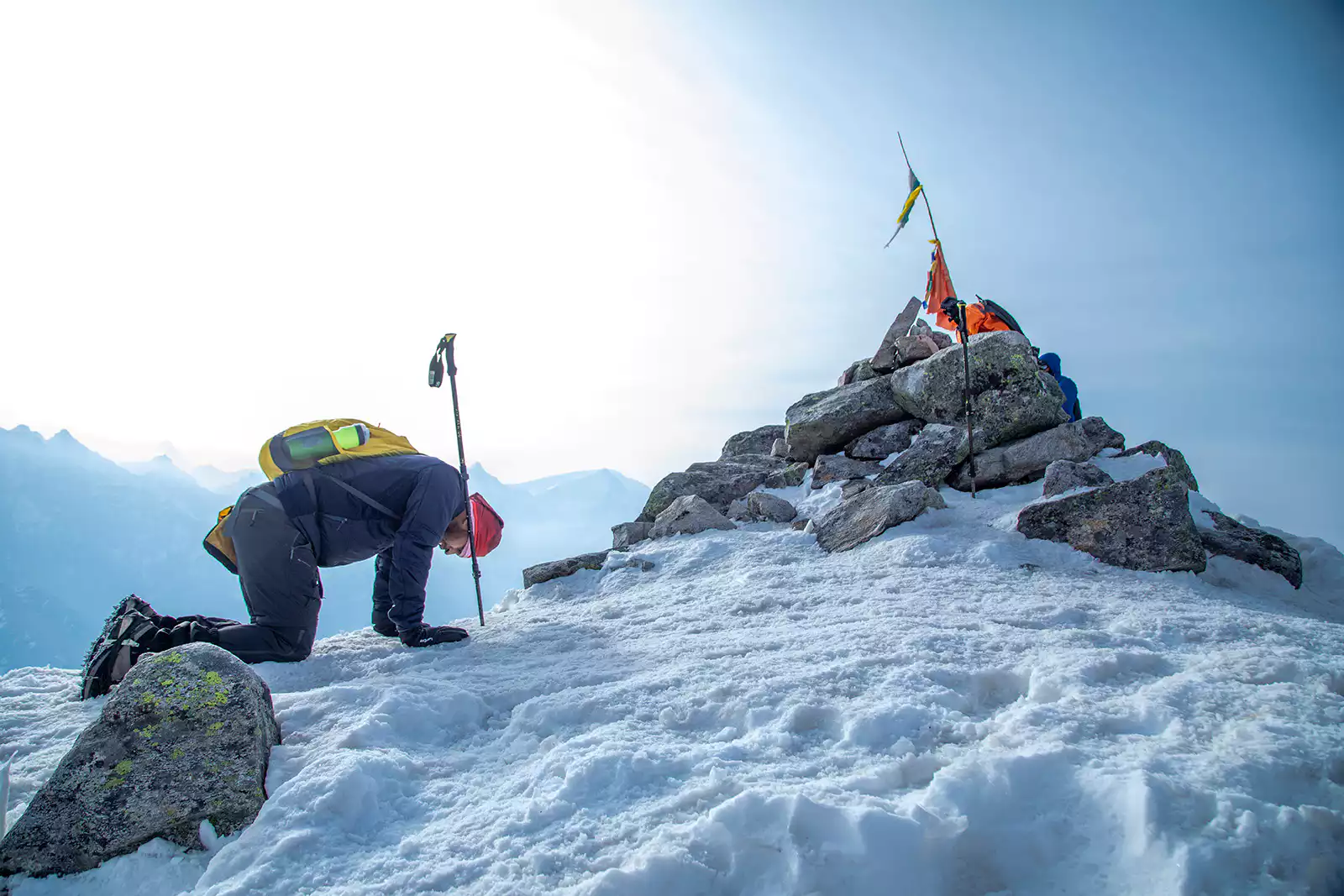

Introduction: The Crown Jewel of the Western Himalayas
Nestled in the Garhwal Himalayas of Uttarakhand, the Kedarnath Wildlife Sanctuary—also known as the Kedarnath Musk Deer Sanctuary—is one of the largest and most biodiverse protected areas in the western Himalayas . Spanning an impressive 975 square kilometres across the Chamoli and Rudraprayag districts, this sanctuary was established in 1972 under the Wildlife Protection Act with a primary mission: to protect the endangered Himalayan musk deer .
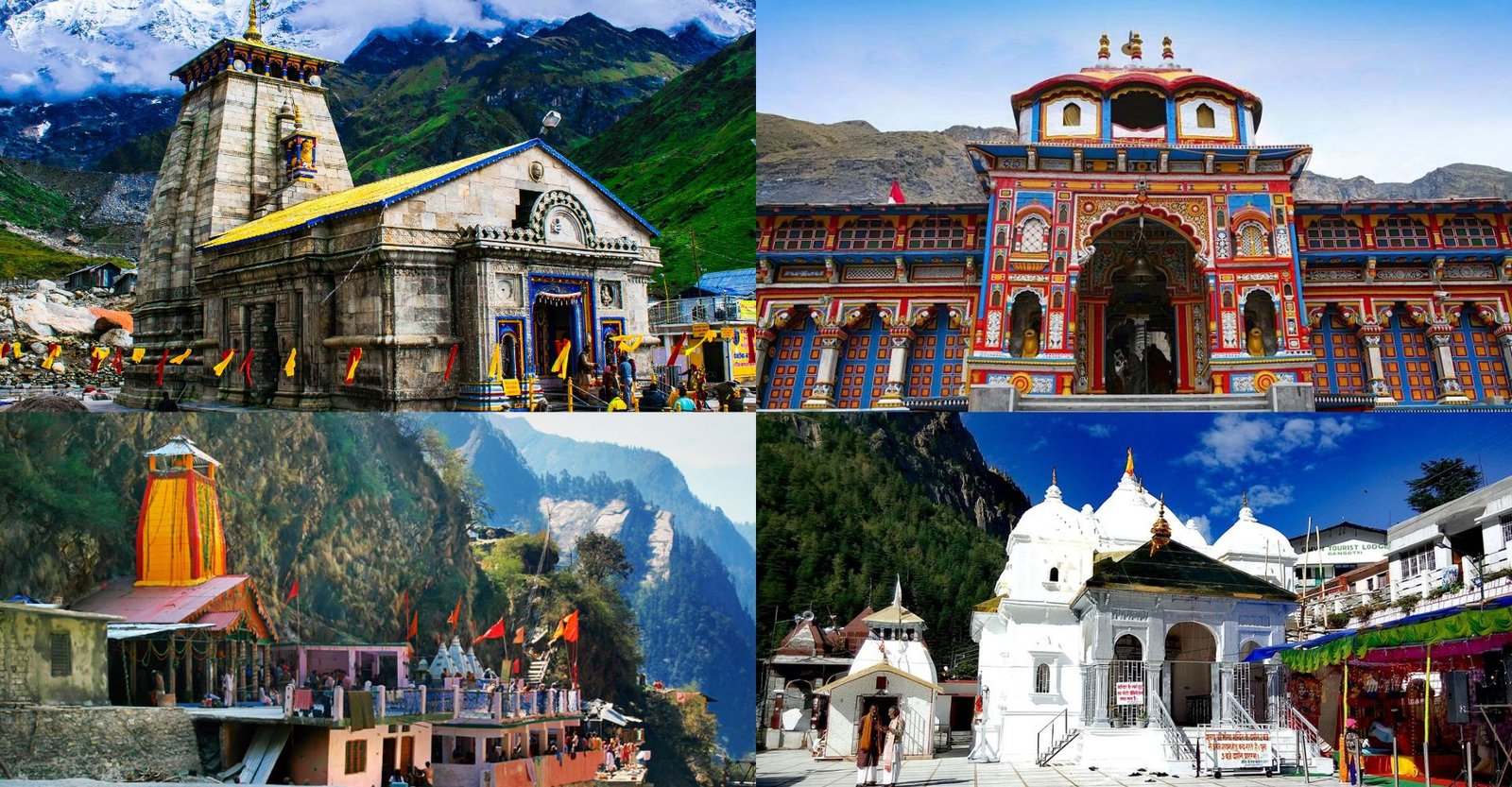
The sanctuary derives its name from the famous Kedarnath Temple, one of the twelve Jyotirlingas and a cornerstone of the Char Dham pilgrimage circuit, which lies just outside its northern border . The entire 14 km trek from Gaurikund to Kedarnath Temple passes through the sanctuary, making it a spiritual journey intertwined with breathtaking natural beauty .
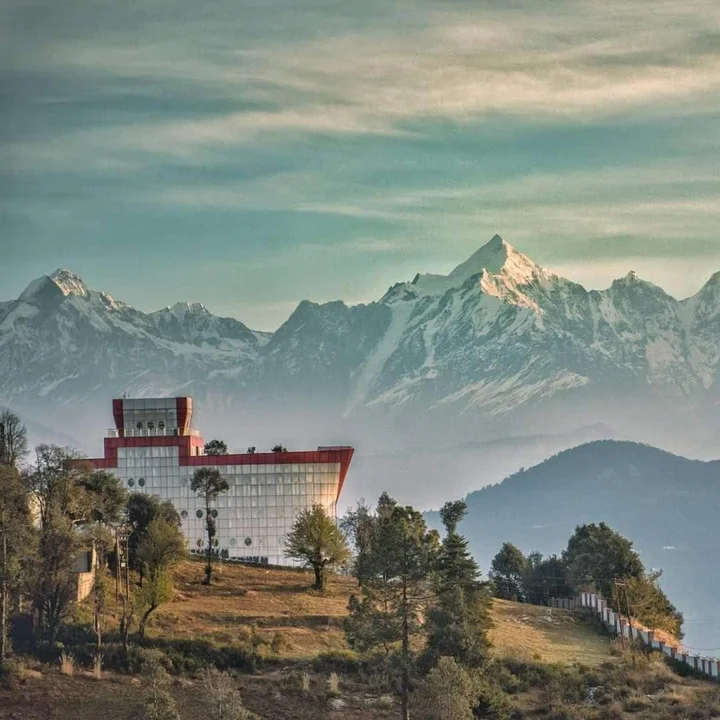
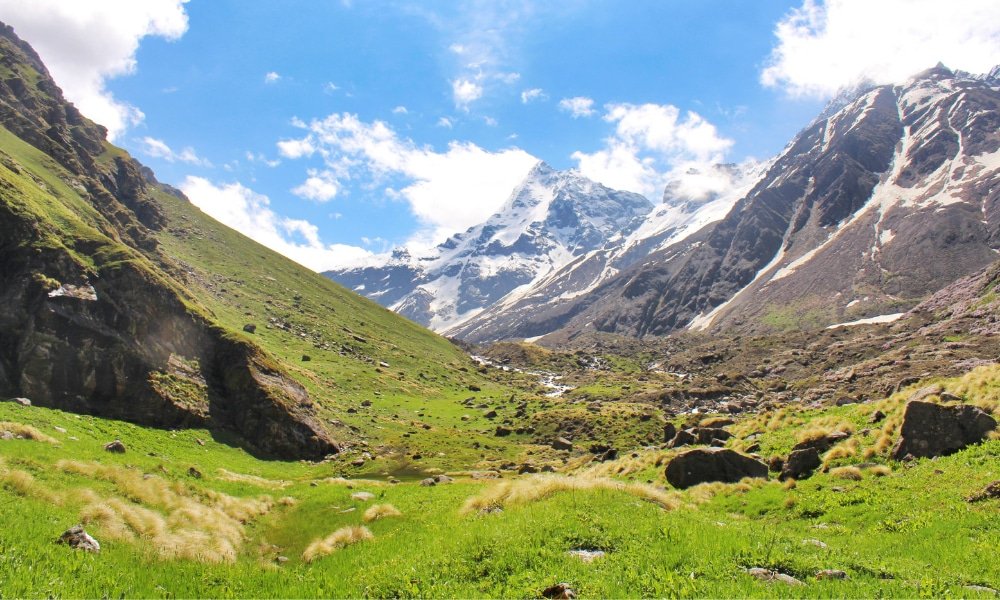
What makes this sanctuary truly extraordinary is its dramatic altitudinal range—from 1,160 metres near Phata to the majestic Chaukhamba peak at 7,068 metres . This vast elevation gradient creates multiple ecological zones, from subtropical forests at lower altitudes to alpine meadows, glaciers, and permanent snowfields at the highest reaches . The sanctuary is internationally recognised for its rich diversity of flora and fauna, particularly its ungulate species, and has been designated an Important Bird Area (IBA) by BirdLife International .
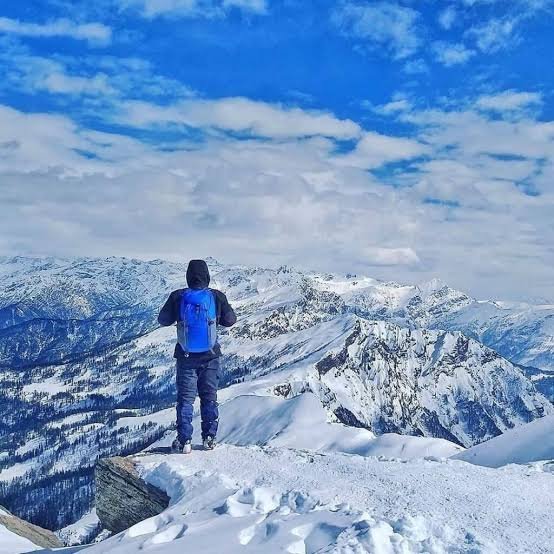
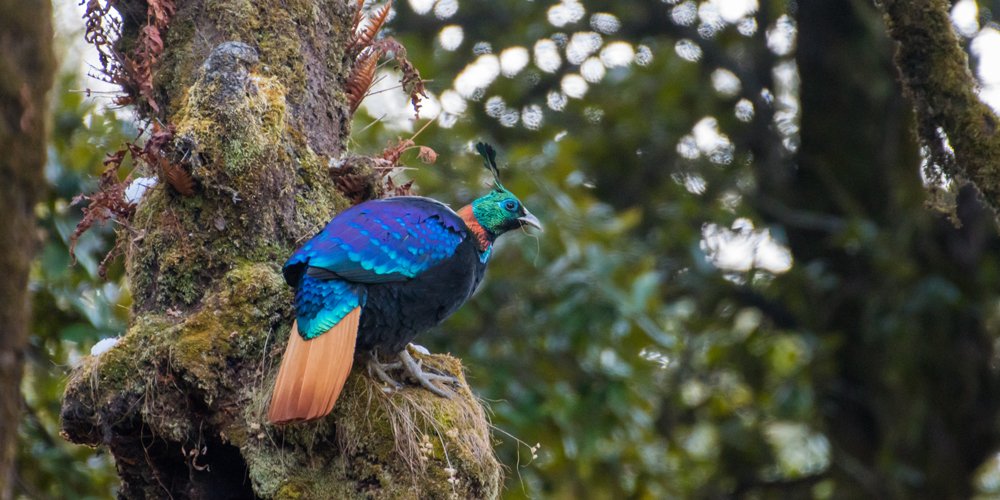
Whether you are a pilgrim trekking to the sacred Kedarnath Temple, a wildlife enthusiast hoping to spot the elusive snow leopard, a birdwatcher drawn to the vibrant Himalayan monal, or a trekker seeking the challenge of the Panch Kedar circuit, Kedarnath Wildlife Sanctuary offers an unforgettable Himalayan experience.
Key Information at a Glance:
History: From Reserve Forest to Protected Sanctuary
Early Conservation Efforts (1916-1920)
The area now known as Kedarnath Wildlife Sanctuary was initially notified as a reserve forest between 1916 and 1920, long before India’s independence . These early conservation measures recognised the ecological importance of this Himalayan region, though formal protection was limited.
Establishment as a Wildlife Sanctuary (1972)
The sanctuary was officially declared a wildlife sanctuary on 21 January 1972, the same year the Wildlife Protection Act was enacted . The primary impetus for this declaration was the alarming decline of the Himalayan musk deer (Moschus leucogaster), which was being poached extensively for its highly prized musk pod .
The male musk deer carries a musk pod valued at approximately US$45,000 per 25 kg, used extensively in the cosmetics industry and traditional medicine . The species was declared endangered in 1973 and listed as vulnerable in the IUCN Red Data Book in 1974 . The sanctuary was specifically designed to provide a protected habitat for this threatened species, earning its alternative name—the Kedarnath Musk Deer Sanctuary .
Breeding Centre at Kharchula Kharak
A significant conservation initiative within the sanctuary is the musk deer breeding centre at Kharchula Kharak . This facility serves dual purposes: advancing scientific understanding of the species’ conservation requirements and breeding musk deer in captivity for potential reintroduction into the wild. Through 1987, the centre had successfully reared nine deer .
International Recognition
The sanctuary’s conservation importance has been recognised by multiple international bodies:
The 2013 Kedarnath Floods
The sanctuary and its surrounding areas were severely impacted by the catastrophic 2013 Kedarnath floods . The disaster, triggered by a cloudburst and subsequent glacial lake outburst, caused widespread destruction to infrastructure, trails, and natural habitats. The event highlighted the vulnerability of high-altitude Himalayan ecosystems to extreme weather events and climate change.
Recent Conservation Status
The sanctuary has been designated a “Habitat/Species Management Area” by the IUCN . According to IUCN reports, approximately 44.4% to 48.8% of the sanctuary is forested, 7.7% comprises alpine meadows and scrub, 42.1% is rocky or under permanent snow, and 1.5% represents formerly forested areas that have been degraded .
Geography: The Lay of the Sacred Land
Location and Boundaries
The Kedarnath Wildlife Sanctuary is geographically situated in the Chamoli Garhwal and Rudraprayag districts of Uttarakhand . It lies within the larger Western Himalayan alpine shrub and meadows ecoregion, spanning parts of India, Nepal, and Tibet .
The sanctuary’s coordinates are approximately 30°36′00″N, 79°12′00″E . It is bounded by the Mandakini River to the east and the Alaknanda River to the west, with the majestic Chaukhamba peak forming its northern boundary .
Altitudinal Zones
The sanctuary’s vast elevation range creates distinct ecological zones, each with unique characteristics:
Mountain Peaks
The sanctuary is bordered by several prominent Himalayan peaks:
Rivers and Water Bodies
The sanctuary lies in the upper catchment of two major rivers—the Alaknanda and Mandakini—both tributaries of the sacred Ganges . The major rivers flowing through the sanctuary include:
These rivers have, through glacial action over centuries, created deep “V”-shaped valleys characteristic of the sanctuary’s topography . The geological formation in the catchment is made up of “Central Crystallines”—metamorphic rocks such as gneisses, granites, and schists .
Glacial Features
At its highest elevations, the sanctuary is characterised by glaciers which have sculpted the landscape over millennia . Notable glacial features include:
- Chorabari Bamak (Kedarnath Glacier): The source of the Mandakini River
- Glacial valleys: Deep valleys formed by ice movement
- Moraines: Debris fields left by retreating glaciers
Climate
The sanctuary experiences a typical temperate to sub-arctic climate .
The high precipitation is due to the fact that the hill ranges to the south, about 3,000 metres high, are open without much rain-shadow effect . Following heavy snowfall in December, the sanctuary is snow-covered for approximately three months .
Flora: The Green Heritage of the Himalayas
The Kedarnath Wildlife Sanctuary is reputed to be one of the world’s richest bio-reserves . Over 1,100 plant species have been recorded from the sanctuary, classified under five major forest types . This high plant richness is attributed to its location at the junction of the Indian sub-continent and Indo-China biogeographic region .
Forest Types and Vegetation Zones
Oak Forests: The Temperate Zone Dominant
The temperate zone features several oak species at different elevations :
| Oak Species | Scientific Name | Elevation Range |
|---|---|---|
| Banj Oak | Quercus incana | 1,500–2,100 m |
| Moru Oak | Quercus dilatata | 2,130–2,750 m |
| Karsu Oak | Quercus semecarpifolia | 2,500–3,300 m |
Rhododendrons: The Spring Spectacle
Rhododendrons (Ericaceae) are among the most spectacular floral attractions of the sanctuary . The rhododendron forests are especially breathtaking in April and May when they bloom in bright red, pink, and white . The local community uses rhododendron flowers to make “buransh ka juice” —a refreshing local beverage .
Iconic Flowers of the Sanctuary
Rare and Endangered Medicinal Plants
The sanctuary is renowned for its high-value medicinal and aromatic plant species, of which 22 species are rare and endangered . Among the threatened medicinal plant species of the sanctuary are :
| Species | Scientific Name | Uses |
|---|---|---|
| Aconite | Aconitum balfourii | Traditional medicine; toxic if misused |
| Angelica | Angelica glauca | Medicinal and aromatic |
| Arnebia | Arnebia benthamii | Medicinal properties |
| Artemisia | Artemisia maritima | Used for worm infestations |
| Bergenia | Bergenia stracheyi | Kidney stones remedy |
| Himalayan Orchid | Dactylorhiza hatagirea | Highly threatened; medicinal |
Two sedges, Carex lacta and Carex munda, have been reported at Tungnath which had previously only been recorded in far west Nepal, indicating the sanctuary’s unique botanical importance .
Fauna: The Hidden Inhabitants
The sanctuary is rich in faunal diversity, with over 30 species of mammals, 240 species of birds, 147 species of butterflies, nine species of snakes, and 10 species of fishes recorded .
Mammals
The Star Species: Himalayan Musk Deer
The Himalayan musk deer (Moschus leucogaster) is the flagship species of the sanctuary and the primary reason for its establishment . This small, shy deer produces musk—one of the most valuable natural substances in the world—which has made it a target for poachers for centuries .
Key Facts about Himalayan Musk Deer:
The male musk deer carries the much-valued musk pod (glands) , valued at US$45,000 per 25 kg . They are poached for this pod, which is used in cosmetics and reportedly has pharmaceutical properties. Their meat is also consumed as a delicacy . The species was listed as vulnerable in the IUCN Red Data Book in 1974 .
Big Cats and Predators
Snow Leopard: In June 2019, a tiger was also captured on camera in this sanctuary, highlighting the region’s predator diversity . The snow leopard, with only ~500 left in India, faces threats from habitat loss and climate change .
Ungulates (Hoofed Mammals)
Primates and Smaller Mammals
Birds: A Birder’s Paradise
The sanctuary is an Important Bird Area (IBA) , with 240 species of birds recorded . This includes the Western Himalayas Endemic Bird Area, where three biomes converge: Sino-Himalayan Subtropical Forest, Sino-Himalayan Temperate Forest, and Eurasian High Montane (Alpine and Tibetan) .
Pheasants (Galliformes) – 6 Species Recorded
Birds of Prey
Passerines and Other Birds
Reptiles and Amphibians
Fish
The sanctuary’s rivers harbour several fish species :
| Species | Type |
|---|---|
| Schizothorax sp. | Snow trout |
| Mahseer (Tor tor) | Prized sport fish |
| Labeo spp. | Carp family |
| Garra spp. | Sucker fish |
| Barilius spp. | Hill stream fish |
| Nemacheilus (new species) | Loach |
| Glyptothorax spp. | Catfish |
| Balitora brucei | Hill stream loach |
Butterflies
The sanctuary is home to 147 species of butterflies, making it a delight for lepidopterists . The vibrant colours of these insects add to the beauty of the alpine meadows during summer.
Spiritual Significance: The Sacred Landscape
The Panch Kedar Circuit
The sanctuary takes its name from the famous Kedarnath Temple, one of the twelve Jyotirlingas and a cornerstone of the Char Dham pilgrimage . Several ancient Hindu pilgrimage sites are located within or on the periphery of the sanctuary :
The Kedarnath Temple dates to the 8th century and was constructed by Adi Shankaracharya . According to legend, the temple was originally built by the Pandavas from the epic Mahabharata to atone for their misdeeds following the Kurukshetra War .
Local Communities and Culture
The sanctuary has approximately 173 villages located in its fringes, with 12 villages located inside the sanctuary itself . The local inhabitants depend heavily on the sanctuary’s resources for their daily sustenance and livelihood .
The local Hindu culture is also imbibed by the Bhotiyas (may have some Tibetan links), who have a pastoral work culture and are an integral part of the valleys . These communities hold traditional rights of phyto-resource use from the area .
Nature-Culture Linkages
The landscape has many sacred elements, which include :
- Forest patches associated with shrines or local deities
- Alpine meadows considered sacred
- Trees associated with religious significance
This unique nature-culture mix forms the foundation of the sacredness of the landscape . In recent decades, various natural and anthropogenic challenges have been threatening this balance, making it imperative that conservation policies integrate local cultural beliefs and embedded conservation ethics .
Major Treks and Pilgrimage Routes
The sanctuary contains some of Uttarakhand’s most popular and beautiful trekking routes .
1. Kedarnath Trek (The Pilgrimage Route)
The most visited trail in the sanctuary starts from Gaurikund and covers approximately 14-16 km to the Kedarnath Temple at 3,583 metres .
| Aspect | Details |
|---|---|
| Starting Point | Gaurikund |
| Distance | 14-16 km (one way) |
| Duration | 6-8 hours |
| Difficulty | Moderate |
| Altitude Gain | 1,982 m → 3,583 m |
| Trek Route | Gaurikund → Jungle Chatti → Bheembali → Linchauli → Kedarnath |
The trek can only be undertaken between 4:00 AM and 1:30 PM because the route lies within the sanctuary . No one is allowed to start after this time due to the high-altitude location.
2. Madhyamaheshwar Trek
This trek passes through the heart of the sanctuary and reaches the Madhyamaheshwar temple at 3,497 metres, one of the Panch Kedar temples .
| Aspect | Details |
|---|---|
| Starting Point | Ransi village (near Ukhimath) |
| Distance | ~24 km (one way) |
| Difficulty | Moderate |
| Highlights | Madhyamaheshwar bugyal—one of the finest high-altitude meadows in India |
3. Rudranath Trek
One of the more challenging and remote Panch Kedar treks, passing through dense forests and high meadows to reach the Rudranath temple at 3,600 metres .
| Aspect | Details |
|---|---|
| Difficulty | Moderate to Difficult |
| Highlights | Remote wilderness, less crowded |
4. Tungnath Trek
The shortest and most accessible Panch Kedar trek, starting from Chopta .
| Aspect | Details |
|---|---|
| Starting Point | Chopta |
| Distance | 3.5 km (one way) |
| Duration | 2-3 hours |
| Difficulty | Easy to Moderate |
| Altitude | 3,680 m |
| Extension | 1.5 km further to Chandrashila Peak (4,000 m) |
5. Satopanth Lake Trek
A longer and more advanced trek through the upper reaches of the sanctuary leading to the sacred Satopanth glacial lake at 4,600 metres .
| Aspect | Details |
|---|---|
| Altitude | 4,600 m |
| Difficulty | Advanced |
| Highlights | Glacial lake; believed to be where Brahma, Vishnu, and Mahesh meditate |
6. Deoria Tal Trek
A short, easy trek to a beautiful high-altitude lake known for its mirror-like reflection of the Chaukhamba peaks .
| Aspect | Details |
|---|---|
| Starting Point | Sari village |
| Distance | 3 km (one way) |
| Duration | 1-2 hours |
| Difficulty | Easy |
Trekking Regulations
All trekkers entering the sanctuary are required to:
- Register at forest department check posts
- Pay the applicable entry fee
- Carry valid photo ID (mandatory)
- Obtain medical clearance for certain routes
For senior citizens (50-60+ years), a treadmill test may be required, to be submitted within a week of trek registration .
Where to Stay: Accommodation Options
Inside the Sanctuary
Near the Sanctuary
| Location | Distance | Type | Price Range |
|---|---|---|---|
| Chopta | Within sanctuary | Trekking camps, guesthouses | ₹1,000–3,000 |
| Ukhimath | ~20 km | Hotels, guesthouses, homestays | ₹800–2,500 |
| Guptkashi | ~30 km | Mid-range hotels, guesthouses | ₹1,500–4,000 |
| Rudraprayag | ~50 km | Hotels, guesthouses | ₹1,000–3,000 |
Trekking Camps
For trekkers on the Panch Kedar routes, camping is the primary accommodation option:
| Trek Route | Camp Locations | Facilities |
|---|---|---|
| Kedarnath | Jungle Chatti, Bheembali, Linchauli | Tented camps, basic meals |
| Madhyamaheshwar | Madhyamaheshwar bugyal | Tented camps, alpine meadow setting |
| Tungnath | Chopta base | Tented camps, guesthouses |
Booking Tips
- Book well in advance for peak pilgrimage season (May–June, September–October)
- GMVN guest houses offer reliable, budget-friendly options
- Carry cash—card facilities are limited in higher reaches
- Trekking camps are typically arranged through trek operators
Local Cuisine: What to Eat
There are no restaurants inside the sanctuary itself. Visitors eat at small eateries in the base towns or carry packed food.
In Kedarnath and Gaurikund
| Food Type | Examples |
|---|---|
| Simple Vegetarian Meals | Dal, rice, chapati, sabzi |
| Snacks | Aloo paratha, maggi, chai |
| Prasad | Offered at the temple |
Important: Kedarnath is a sacred pilgrimage site, and non-vegetarian food is strictly prohibited .
In Chopta
| Food Type | Examples |
|---|---|
| Local Garhwali | Aloo ke gutke, mandua roti, gahat ki dal |
| North Indian | Dal makhani, paneer dishes, roti |
| Cafes | Maggi, coffee, snacks with mountain views |
In Ukhimath/Guptkashi
| Food Type | Examples |
|---|---|
| North Indian | Thalis, parathas, chole bhature |
| Local | Kumaoni thali, bhatt ki churkani |
Dining Tips
- Carry packaged snacks and energy bars for treks
- Most guesthouses and camps offer meal packages
- Stay hydrated—carry water purification tablets
- Pure vegetarian options are the only available options
How to Reach Kedarnath Wildlife Sanctuary
By Air
Nearest Airport: Jolly Grant Airport, Dehradun (approximately 250 km from the sanctuary) .
| Details | Information |
|---|---|
| Flight Duration (Delhi–Dehradun) | 1 hour |
| Drive from Airport to Base | 8–10 hours by taxi |
| Airlines | IndiGo, other domestic carriers |
| Helicopter Option | Available from Dehradun to Phata (for Kedarnath pilgrims) |
By Train
Nearest Railway Station: Rishikesh (approximately 225-235 km from the sanctuary) .
| Station | Distance | Travel Time | Connectivity |
|---|---|---|---|
| Rishikesh | 225–235 km | 8–9 hours by road | Most convenient |
| Haridwar | 250–260 km | 9–10 hours by road | Major station; well-connected |
| Dehradun | 250–260 km | 9–10 hours by road | Well-connected |
Popular Trains from Delhi to Haridwar:
| Train Name | From Delhi | Departure | Arrival (Haridwar) | Duration |
|---|---|---|---|---|
| Shatabdi Express | Delhi | 6:00 AM | 11:40 AM | 5h 40m |
| Jan Shatabdi | Delhi | 3:20 PM | 9:00 PM | 5h 40m |
| Mussoorie Express | Delhi | 10:05 PM | 5:30 AM | 7h 25m |
By Road
The sanctuary is accessible via well-maintained roads from Rishikesh and Haridwar .
| Starting Point | Distance | Travel Time | Route |
|---|---|---|---|
| Delhi | 450–500 km | 12–14 hours | Delhi → Haridwar → Rishikesh → Devprayag → Srinagar → Rudraprayag → (Gaurikund/Chopta) |
| Rishikesh | 175–220 km | 6–8 hours | Rishikesh → Devprayag → Srinagar → Rudraprayag → (destination) |
| Haridwar | 200–240 km | 7–9 hours | Haridwar → Rishikesh → Devprayag → Srinagar → Rudraprayag → (destination) |
Distances to Entry Points
| Entry Point | Distance from Rishikesh | Purpose |
|---|---|---|
| Gaurikund | ~220 km | Kedarnath trek start |
| Chopta | ~170 km | Tungnath trek start |
| Ukhimath | ~175 km | Madhyamaheshwar base |
| Sari | ~185 km | Deoria Tal trek start |
Distances from Major Cities
| City | Distance (km) |
|---|---|
| Delhi | 450–500 |
| Dehradun | 250 |
| Rishikesh | 175–220 |
| Haridwar | 200–240 |
| Rudraprayag | 50–80 |
Weather and Best Time to Visit
Climate Overview
The sanctuary experiences a typical temperate to sub-arctic climate with distinct seasons .
Month-by-Month Guide
| Month | Season | Day Temp (°C) | Night Temp (°C) | Conditions | Suitability |
|---|---|---|---|---|---|
| March | Spring | 8–15 | -2–5 | Snow melting, trails opening | ⭐ Good |
| April | Spring | 12–20 | 2–8 | Rhododendrons bloom; pleasant | ⭐ Best |
| May | Summer | 15–25 | 5–10 | Pleasant; ideal for trekking | ⭐ Best |
| June | Summer | 18–25 | 8–12 | Warm; pre-monsoon | ⭐ Best |
| July | Monsoon | 15–22 | 10–15 | Heavy rain; landslides | ❌ Avoid |
| August | Monsoon | 15–22 | 10–15 | Heavy rain; cloudburst risk | ❌ Avoid |
| September | Autumn | 12–18 | 5–10 | Post-monsoon; clear | ⭐ Excellent |
| October | Autumn | 8–15 | 0–8 | Crisp; clear skies | ⭐ Excellent |
| November | Autumn | 5–12 | -5–0 | Cold; trails closing | ⭐ Good |
| December–February | Winter | -5–10 | -15–-2 | Heavy snow; park partially accessible | ⚠️ Limited |
Best Time to Visit by Purpose
Temple Opening Dates (2026)
| Temple | Expected Opening | Expected Closing |
|---|---|---|
| Kedarnath | Late April (Akshaya Tritiya) | November (Bhai Dooj) |
| Tungnath | Late April | November |
| Madhyamaheshwar | Late April | November |
| Rudranath | Late April | November |
Why Avoid Monsoon
The monsoon months (July–August) are not recommended for visiting the sanctuary due to:
- Heavy rainfall (81% of annual precipitation falls June–September)
- High risk of landslides and road blockages
- Cloudburst risk (as tragically experienced in 2013)
- Slippery and dangerous trekking trails
- Leeches in forested sections
Winter Visit (December–February)
Winter transforms the sanctuary into a snow-covered landscape. While most upper trails are inaccessible, the lower reaches near Ukhimath and Chopta remain accessible . This is the best time for snow leopard tracking expeditions, though temperatures drop below -10°C .
Travel Tips and Important Information
Before You Go
- Permits and Registration: Forest entry permits are mandatory for the sanctuary . Register at check posts and carry valid ID proof.
- Medical Check-up: The Kedarnath trek requires a medical check-up . People with breathing problems or high blood pressure should consult their doctor before attempting high-altitude sections.
- Physical Fitness: The treks require good physical fitness. Prepare with regular walking and stair climbing 4–6 weeks before.
- Carry Cash: ATMs are limited in higher reaches (Chopta, Gaurikund). Bring sufficient cash from Rishikesh or Haridwar.
- Check Weather: Avoid monsoon (July–August). The sanctuary is partially closed in winter.
- Advance Booking: Essential for peak pilgrimage season (May–June, September–October). Helicopter services require booking 2–3 months in advance.
During Your Visit
- Acclimatise: Spend a night at lower altitudes (Gaurikund, Chopta, or Ukhimath) before ascending higher.
- Stay Hydrated: Drink 3–4 litres of water daily to prevent altitude sickness.
- Dress in Layers: Temperatures can change rapidly—layers allow adjustment.
- Start Early: Begin treks early to complete sections before afternoon weather changes. The Kedarnath trek must start by 1:30 PM .
- Respect Wildlife: Maintain safe distance; do not feed animals.
- Don’t Litter: Carry back all non-biodegradable waste.
Safety Tips
- Altitude Sickness (AMS): Symptoms include headache, nausea, and breathlessness. If symptoms worsen, descend immediately.
- Pony/Palki Services: Available at Gaurikund for the Kedarnath trek (₹4,000–5,000) .
- Medical Facilities: Basic medical camps available at Gaurikund, Kedarnath, and Chopta.
- Road Safety: Mountain roads require patience; avoid night driving.
- Emergency Numbers: Keep local contacts handy (SDRF, police, forest department).
Packing Checklist
| Category | Items |
|---|---|
| Clothing | Thermal inners, fleece jacket, down jacket, waterproof outer shell, trekking pants (2 pairs), woolen gloves, muffler, woolen cap, heavy woolen socks (4–5 pairs), sturdy waterproof trekking shoes |
| Gear | Trekking poles, headlamp/torch with extra batteries, power bank, reusable water bottle, water purification tablets |
| Health | Personal medications, first-aid kit, Diamox (consult doctor), ORS packets, sunscreen (SPF 50+), lip balm |
| Documents | Valid ID proof (Aadhaar/Passport), permit copies, medical certificate (if applicable), travel insurance |
| Other | Cash, energy bars, camera, extra batteries, sleeping bag |
Photography Tips
- Best Spots: Kedarnath Temple at sunrise, Tungnath Temple, Madhyamaheshwar bugyal, Deoria Tal reflections, rhododendron forests in spring
- Best Time: Early morning for golden light on peaks; autumn for clearest skies
- Camera Gear: Carry extra batteries—cold drains them quickly; telephoto lens for wildlife (snow leopard, monal, musk deer)
Conservation and Responsible Tourism
- Leave No Trace: The fragile Himalayan ecosystem is easily damaged. Carry back all waste.
- Don’t Disturb Wildlife: Maintain safe distance; never feed wild animals.
- Support Local Economy: Hire local guides and porters; buy local products.
- Respect Sacred Sites: Kedarnath and other temples are active places of worship. Dress modestly and maintain silence.
- Follow Park Rules: Register at check posts; stay on designated trails.
Frequently Asked Questions (FAQs)
Q1: Why is Kedarnath Wildlife Sanctuary famous?
A: The sanctuary is famous for being one of the largest protected areas in the western Himalayas (975 sq km), home to the endangered Himalayan musk deer, and for containing several Panch Kedar temples including Kedarnath, Tungnath, Madhyamaheshwar, and Rudranath .
Q2: What is the best time to visit Kedarnath Wildlife Sanctuary?
A: The best time is April to June (summer) and September to November (autumn). The monsoon (July–August) is best avoided due to heavy rainfall and landslide risk .
Q3: How far is Kedarnath Wildlife Sanctuary from Delhi?
A: The distance from Delhi to the sanctuary entry points (Gaurikund or Chopta) is approximately 450–500 km, with a travel time of 12–14 hours by road.
Q4: How do I reach Kedarnath Wildlife Sanctuary?
A: By road from Rishikesh (175–220 km), by train to Rishikesh (225–235 km) followed by taxi/bus, or by flight to Jolly Grant Airport, Dehradun (250 km) followed by taxi .
Q5: What is the altitude of Kedarnath Wildlife Sanctuary?
A: The sanctuary ranges from 1,160 metres near Phata to 7,068 metres at Chaukhamba peak .
Q6: Is a permit required to enter Kedarnath Wildlife Sanctuary?
A: Yes, permits are mandatory. Register at forest department check posts and carry valid ID proof .
Q7: What is the Kedarnath trek distance?
A: The trek from Gaurikund to Kedarnath Temple is approximately 14-16 km (one way) , taking 6–8 hours .
Q8: Is the Kedarnath trek difficult?
A: The trek is graded moderate. The climb is steady, with some steep sections. With proper preparation, it is manageable for most healthy individuals .
Q9: What is the Tungnath trek distance?
A: The trek from Chopta to Tungnath Temple is 3.5 km (one way) , taking 2–3 hours. An additional 1.5 km leads to Chandrashila Peak .
Q10: What wildlife can I see in Kedarnath Wildlife Sanctuary?
A: The sanctuary is home to Himalayan musk deer, snow leopard, Himalayan black bear, Himalayan tahr, bharal (blue sheep), serow, goral, and 240 species of birds including the Himalayan monal .
Q11: Can I see snow leopards in the sanctuary?
A: Yes, snow leopards are present in the higher elevations, though sightings are extremely rare. Winter (December–February) offers the best chance for tracking .
Q12: What is the Madhyamaheshwar bugyal?
A: Madhyamaheshwar bugyal is one of the finest high-altitude meadows (bugyals) in India, located on the Madhyamaheshwar trek route .
Q13: What is the entry fee for Kedarnath Wildlife Sanctuary?
A: Entry fees vary. Contact the forest department for current rates. Helicopter services for Kedarnath have separate fees.
Q14: Is there mobile network in the sanctuary?
A: Mobile connectivity is limited in higher reaches. BSNL works in some pockets. Chopta and Gaurikund have better coverage.
Q15: What is Deoria Tal?
A: Deoria Tal is a beautiful high-altitude lake (2,438 m) known for its mirror-like reflection of the Chaukhamba peaks. It is a short 3 km trek from Sari village .
Plan Your Kedarnath Wildlife Sanctuary Journey with Discover Uttarakhand
At Discover Uttarakhand, we’ve been organising unforgettable Himalayan journeys across Devbhoomi since 1997. As a trusted local operator with deep knowledge of the Garhwal Himalayas, we offer:
- ✅ Kedarnath Yatra packages (4 to 6 days)
- ✅ Panch Kedar Trek packages (12 to 18 days)
- ✅ Tungnath-Chandrashila Trek packages (3 to 5 days)
- ✅ Madhyamaheshwar Trek packages (6 to 8 days)
- ✅ Helicopter Yatra arrangements for Kedarnath
- ✅ Permit assistance for sanctuary entry
- ✅ Comfortable transport from Rishikesh/Haridwar to base points
- ✅ Verified accommodations in Kedarnath, Gaurikund, Chopta, and Ukhimath
- ✅ Experienced local guides for all treks
- ✅ 24/7 customer support throughout your journey
Recommended Packages
| Package | Duration | Starting Point | Highlights |
|---|---|---|---|
| Kedarnath Yatra (Trek) | 4 Nights / 5 Days | Haridwar | Gaurikund, Kedarnath Temple, sanctuary trek |
| Kedarnath by Helicopter | 2 Nights / 3 Days | Dehradun | Direct helicopter to Kedarnath |
| Tungnath & Chandrashila Trek | 3 Nights / 4 Days | Haridwar | Chopta, Tungnath Temple, Chandrashila Peak |
| Panch Kedar Trek | 13 Nights / 14 Days | Haridwar | All five temples, complete circuit |
Book your Kedarnath Wildlife Sanctuary journey today and experience the sacred wilderness of the Garhwal Himalayas.
📞 Call / WhatsApp: +91-9997187178, 9760222178, 8171977178
📍 Visit Our Office: Himalayan Colony, opposite DSVV, Haripur Kalan, Haridwar, Motichur Range, Uttarakhand 249411
🌐 Website: www.discover-uttarakhand.com
📧 Email: info@discover-uttarakhand.com
Om Namah Shivaya! Har Har Mahadev! 🙏
Discover Uttarakhand – Your Local Partner for Sacred Himalayan Journeys Since 1997 🏔️🦌