Introduction: The Sacred Temple Where Lord Kartikeya’s Bones Reside
Perched at an altitude of approximately 3,050 metres (10,000 feet) on the Kronch Parvat (Krounch Mountain) in the Rudraprayag district of Uttarakhand, the Kartik Swami Temple is one of the most unique and spiritually significant shrines in the Garhwal Himalayas. Dedicated to Lord Kartikeya—the elder son of Lord Shiva and Goddess Parvati, and the commander of the celestial army—this ancient temple holds a distinction that sets it apart from any other shrine in North India: it is the only temple in Uttarakhand dedicated to Lord Kartikeya .
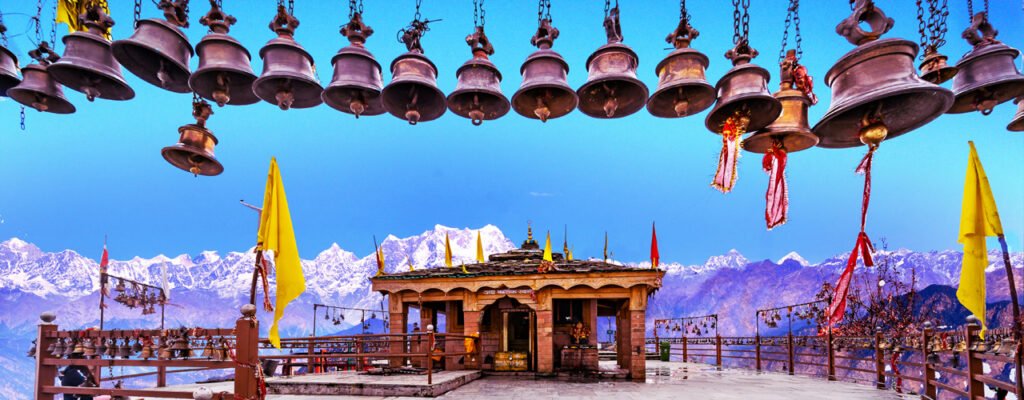
What makes this temple truly extraordinary is not just its breathtaking location atop a mountain ridge offering 360-degree views of the Himalayas, but the profound legend that surrounds it. According to Hindu mythology, this is the sacred spot where Lord Kartikeya offered his own bones as testimony of his devotion to his parents. The temple houses the bones of Lord Kartikeya, and the sound of hundreds of bells hung by devotees can be heard from nearly 800 metres away.
From this vantage point, visitors are rewarded with spectacular panoramic views of some of the most iconic Himalayan peaks, including Bandarpoonch, Kedarnath Dome, Meru & Sumeru, Chaukhamba Peak, Neelkanth, Dronagiri, Nanda Ghunti, Trishul, and Nanda Devi. The 3 km trek from Kanakchauri village winds through dense forests of oak and rhododendron, offering opportunities for birdwatching, camping, and experiencing traditional Garhwali village life.
Whether you are a devotee seeking the blessings of Lord Kartikeya for courage and wisdom, a trekker drawn to the moderately challenging Himalayan trail, a birdwatcher hoping to spot over 150 species including the Himalayan monal and bearded vulture, or a photographer chasing the perfect shot of Nanda Devi at sunrise, Kartik Swami Temple promises an experience that is both spiritually transformative and visually breathtaking.
Key Information at a Glance:
History and Mythology: The Legend of Lord Kartikeya’s Bones
The Story of the Circumnavigation of the Universe
The most profound legend associated with Kartik Swami Temple is the story of the competition between Lord Kartikeya and Lord Ganesha, the two sons of Lord Shiva and Goddess Parvati.
According to the Puranas, once Lord Shiva decided to test his two sons. He declared that whoever could circumnavigate the universe and return first would be worshipped before all other deities in every auspicious ceremony.
Lord Kartikeya, being the warrior god and always eager for adventure, immediately mounted his divine peacock and set off on the long journey around the cosmos.
Lord Ganesha, however, approached the task differently. Understanding that his parents, Lord Shiva and Goddess Parvati, represented the entire universe, he simply circumambulated his parents seven times.
When Kartikeya returned after travelling the physical universe, he found that Ganesha had already been declared the winner. Ganesha was granted the boon that he would be worshipped first before any other deity—a tradition that continues to this day.
The Anger of Lord Kartikeya and the Offering of Bones
Lord Kartikeya was furious upon learning that he had lost. Feeling humiliated and believing that his parents had favoured Ganesha, he decided to leave Mount Kailash in anger.
According to the legend, Kartikeya offered his own body—his flesh and bones—to his parents as testimony of his devotion. He shed his physical form and left only his bones behind.
The bones of Lord Kartikeya are still preserved in the temple today, and devotees come from far and wide to worship them. This is why the sound of hundreds of bells—each offered by a devotee whose wish was fulfilled—echoes through the mountains.
The Journey to Kronch Parvat
After leaving Kailash, an angry Kartikeya travelled to Kronch Parvat (Krounch Mountain) in the Garhwal Himalayas, where he meditated and resided. This is the location where the temple now stands.
Some legends also mention that Kartikeya later travelled to Srisailam in Southern India, where he is worshipped as Murugan, Subramanya, or Skanda. This connection explains why the Kartik Swami Temple is particularly significant for devotees from South India, and the Uttarakhand Tourism Department is actively promoting the temple to attract pilgrims from Tamil Nadu, Andhra Pradesh, and Karnataka.
The Temple’s 200-Year Legacy
The Kartik Swami Temple is estimated to be over 200 years old. It has been a place of worship for the local Garhwali people for generations and is now gaining recognition as a significant pilgrimage destination for devotees of Lord Kartikeya from across India.
The temple’s unique status as the only shrine in Uttarakhand dedicated to Lord Kartikeya makes it particularly special. In Southern India, Lord Kartikeya is widely worshipped as Murugan, Subramanya, or Skanda, but in North India, shrines dedicated to him are rare.
Geography and Location
Location and Setting
The Kartik Swami Temple is situated in the Rudraprayag district of Uttarakhand, on the Rudraprayag–Pokhri route, near the village of Kanakchauri. The temple is perched atop Kronch Parvat (Krounch Mountain) at an elevation of approximately 3,050 metres (10,000 feet) above sea level.
The temple’s elevated position offers commanding views of the surrounding Garhwal Himalayas. On clear days, visitors can see:
| Peak | Height | Direction |
|---|---|---|
| Nanda Devi | 7,816 m | East |
| Trishul | 7,120 m | East |
| Chaukhamba | 7,138 m | North |
| Neelkanth | 6,596 m | North |
| Bandarpoonch | 6,316 m | North-West |
| Kedarnath Dome | 6,831 m | North |
| Dronagiri | 7,066 m | East |
| Nanda Ghunti | 6,309 m | East |
Topography
The temple sits on a ridge, and the surrounding landscape is characterised by:
| Feature | Description |
|---|---|
| Dense Forests | Oak and rhododendron forests along the trek route |
| Alpine Meadows | Patches of open grassland |
| Steep Slopes | The trail involves a steady ascent |
| Valley Views | Panoramic views of the Alaknanda Valley |
The Base Village: Kanakchauri
Kanakchauri village is the gateway to Kartik Swami Temple. Located approximately 40 km from Rudraprayag on the Rudraprayag–Pokhri road, this small, picturesque village is nestled amidst the natural beauty of the Himalayas, offering stunning views of snow-capped mountains and lush green valleys.
The village is famous for being the starting point of the beautiful trek to the Kartik Swami Temple. It offers basic homestays and guesthouses for travellers.
The Kartik Swami Temple Trek: A Complete Guide
Trek Overview
| Aspect | Details |
|---|---|
| Starting Point | Kanakchauri village |
| Trek Distance | 3 km |
| Trek Duration | 2–3 hours |
| Difficulty | Easy to Moderate |
| Trail Type | Forested path, steady ascent |
| Best Time | Early morning for sunrise views |
Step-by-Step Trek Details
Step 1: Reach Kanakchauri Village
From Rudraprayag, drive approximately 38-40 km on the Rudraprayag–Pokhri road to reach Kanakchauri village. This is the last motorable point and the starting point of the trek.
Step 2: Trek from Kanakchauri to the Temple (3 km)
The trek winds through dense forests of oak and rhododendron, providing a habitat for various flora and fauna. As you ascend, you are rewarded with panoramic views of the surrounding valleys and the Garhwal Himalayan peaks.
What to Expect on the Trek:
| Aspect | Details |
|---|---|
| Trail Condition | Well-defined, moderately steep |
| Forest Cover | Dense oak and rhododendron |
| Resting Points | Several spots along the trail |
| Water Sources | Limited—carry your own water |
| Wildlife Sightings | Various Himalayan birds, occasionally langurs |
Step 3: The Final Ascent – 70–80 Stairs
From the main road near the temple, you will need to climb approximately 70–80 stairs to reach the main shrine. The sound of hundreds of bells hung by devotees can be heard from nearly 800 metres away, guiding you towards the temple.
Suggested Trekking Itinerary
| Time | Activity |
|---|---|
| 6:00 AM | Depart from Rudraprayag or Kanakchauri |
| 7:00 AM | Arrive at Kanakchauri, start trek |
| 9:00 AM – 10:00 AM | Reach Kartik Swami Temple |
| 10:00 AM – 11:30 AM | Temple darshan, enjoy panoramic views |
| 11:30 AM – 1:00 PM | Return trek to Kanakchauri |
| 1:00 PM | Lunch at Kanakchauri (homestay/local dhaba) |
| 2:00 PM | Depart for Rudraprayag or onward journey |
Camping Opportunities
The Kartik Swami Temple area has ideal camping spots. Visitors can bring their own tents and camp near the temple to witness the amazing views of notable peaks like Chaukhamba, Dronagiri, and Neelkanth. Basic facilities such as water and restrooms are available at the camping areas.
Birdwatching: A Paradise for Bird Enthusiasts
The Kartik Swami Temple trek is a haven for birdwatchers. More than 150 different species of birds can be found in the region.
Notable Bird Species
| Species | Description |
|---|---|
| Himalayan Monal | State bird of Uttarakhand; iridescent plumage |
| Bearded Vulture (Lammergeier) | High-altitude scavenger |
| Golden Eagle | Apex predator of the skies |
| Black Eagle | Found in forested areas |
| Steppe Eagle | Migratory bird |
| Himalayan Snowcock | High-altitude resident |
The trek offers a unique opportunity to photograph endangered species during their rare appearances. The best time for birdwatching is early morning, especially during the spring and summer months when the rhododendron forest is in full bloom.
Temple Architecture and Complex
Architectural Style
The Kartik Swami Temple is built in the traditional Himalayan hill temple style, using local stone and wood. The exterior features simple yet elegant designs with intricate carvings and traditional motifs.
| Feature | Description |
|---|---|
| Construction Material | Stone, wood, tiles |
| Architectural Style | Traditional Garhwali |
| Exterior | Intricate carvings of deities and mythological figures |
| Complex Includes | Main sanctum, assembly hall, courtyard |
The Sanctum Sanctorum
Inside the temple, the sanctum is decorated with statues and holy symbols dedicated to Lord Kartikeya. The atmosphere is calm, with the lighting of oil lamps and the fragrance of burning incense creating a serene ambience for prayer and meditation.
The Sacred Bones of Lord Kartikeya
The most unique aspect of the temple is the presence of the bones of Lord Kartikeya, which are preserved and worshipped within the sanctum. This is the only temple in India where Lord Kartikeya’s bones are housed.
The Bells of Kartik Swami Temple
Hundreds of bells hang in the temple premises, each offered by a devotee whose wish was fulfilled by the deity. The sound of these bells can be heard from nearly 800 metres away, creating a distinctive and spiritually charged atmosphere.
Rituals and Worship
Maha Yagya and Gyan Katha
The temple hosts an eleven-day Maha Yagya and Gyan Katha event, inaugurated with Vedic chants and concluding with a grand Jal Kalash Yatra and Purnahuti. Daily Bhandara (community meal) is organised for devotees during this event.
Festivals and Celebrations
Kartik Poornima (November–December)
Kartik Poornima is the most important festival celebrated at Kartik Swami Temple, believed to be the day of Lord Kartikeya’s birthday. It is also known as Dev Diwali or Tripurari Purnima.
| Aspect | Details |
|---|---|
| Time | Full moon day of Hindu month Kartik (November–December) |
| Significance | Full moon day of the Hindu month Kartik (November–December) |
| Celebrations | Grand fair, special worship ceremonies, cultural programs |
| Pilgrim Attendance | Thousands of devotees from across India |
Maha Shivaratri (February–March)
Maha Shivaratri, the Great Night of Shiva, is another significant festival celebrated at the temple. Devotees observe fasts, perform night-long vigils, and participate in special worship ceremonies to seek the blessings of Lord Shiva and Lord Kartikeya.
Regular Festivals
| Festival | Time | Activities |
|---|---|---|
| Navratri | March–April & September–October | Special prayers, aartis, bhajans |
| Annual Fair | Kartik Poornima | Cultural programs, local festivities |
Best Time for Festival Visits
| Festival | Best For |
|---|---|
| Kartik Poornima | Witnessing the grand fair, cultural immersion |
| Maha Shivaratri | Spiritual experience, night-long vigils |
| Regular Days | Peaceful darshan, avoiding crowds |
How to Reach Kartik Swami Temple
By Air
Nearest Airport: Jolly Grant Airport, Dehradun
| Details | Information |
|---|---|
| Distance | 182–222 km (sources vary) |
| Travel Time | 6–7 hours by taxi to Rudraprayag |
| Airlines | IndiGo, other domestic carriers |
| Onward Travel | Taxis available to Rudraprayag, then to Kanakchauri |
By Train
Nearest Railway Station: Rishikesh Railway Station
| Details | Information |
|---|---|
| Distance | 160–180 km |
| Travel Time | 5–6 hours by taxi to Rudraprayag |
| Connectivity | Well-connected from Delhi |
Alternative: Haridwar Railway Station (approximately 205 km)
Popular Trains from Delhi to Haridwar/Rishikesh:
| Train Name | From Delhi | Departure | Arrival | Destination |
|---|---|---|---|---|
| Shatabdi Express | Delhi | 6:00 AM | 11:40 AM | Haridwar |
| Jan Shatabdi | Delhi | 3:20 PM | 9:00 PM | Haridwar |
| Mussoorie Express | Delhi | 10:05 PM | 5:30 AM | Haridwar |
By Road
Step 1: Reach Rudraprayag
| Starting Point | Distance | Travel Time | Route |
|---|---|---|---|
| Delhi | ~400 km | 10–12 hours | Delhi → Haridwar → Rishikesh → Devprayag → Srinagar → Rudraprayag |
| Rishikesh | ~160 km | 5–6 hours | Rishikesh → Devprayag → Srinagar → Rudraprayag |
| Haridwar | ~180 km | 6–7 hours | Haridwar → Rishikesh → Devprayag → Srinagar → Rudraprayag |
Step 2: Rudraprayag to Kanakchauri Village (40 km)
From Rudraprayag, drive approximately 40 km on the Rudraprayag–Pokhri road to reach Kanakchauri village.
| Transport Option | Cost (approx.) |
|---|---|
| Local Bus | ₹60 per person |
| Shared Jeep | ₹100-150 per person |
| Private Taxi | ₹1,500–2,500 |
Step 3: Trek from Kanakchauri to Temple (3 km)
From Kanakchauri, the temple is accessible via a 3 km trek through the forest.
Distances from Major Cities
| City | Distance (km) |
|---|---|
| Delhi | ~400 |
| Dehradun | ~182-222 |
| Rishikesh | ~160-180 |
| Haridwar | ~205 |
| Rudraprayag | 38–40 |
| Chopta | ~80 |
| Kanakchauri (Base) | 0 |
Weather and Best Time to Visit
Climate Overview
Kartik Swami Temple experiences a high-altitude alpine climate. The temple is situated at approximately 3,050 metres, making it significantly cooler than the plains.
Month-by-Month Guide
| Month | Season | Day Temp (°C) | Night Temp (°C) | Conditions | Suitability |
|---|---|---|---|---|---|
| March | Spring | 10–18 | 2–8 | Pleasant, spring blooms | ⭐ Good |
| April | Spring | 12–22 | 5–10 | Pleasant, rhododendrons bloom | ⭐ Best |
| May | Summer | 15–25 | 8–12 | Warm, ideal | ⭐ Best |
| June | Summer | 18–26 | 10–15 | Warm, pre-monsoon | ⭐ Best |
| July | Monsoon | 15–20 | 12–16 | Heavy rain, landslides | ❌ Avoid |
| August | Monsoon | 15–20 | 12–16 | Heavy rain, slippery trails | ❌ Avoid |
| September | Autumn | 12–18 | 8–12 | Post-monsoon, clear | ⭐ Excellent |
| October | Autumn | 10–16 | 5–10 | Crisp, clear skies | ⭐ Excellent |
| November | Autumn | 6–12 | 2–6 | Cool, pleasant | ⭐ Good |
| December–February | Winter | 0–10 | -5–2 | Cold, possible snow | ⭐ Moderate |
Best Time to Visit by Season
| Season | Months | Suitability | Conditions | Best For |
|---|---|---|---|---|
| Spring-Summer | April–June | ⭐ Best | 12°C–26°C, clear skies, rhododendron blooms | Trekking, temple visit, birdwatching, photography |
| Autumn | September–November | ⭐ Excellent | 6°C–18°C, crisp air, clear views | Peaceful visit, clear mountain views |
| Monsoon | July–August | ❌ Avoid | 15°C–20°C, heavy rainfall, landslides | Not recommended |
| Winter | December–February | ⭐ Good | -5°C–10°C, cold, possible snow | Snow lovers, fewer crowds |
Why Visit in Spring-Summer (April–June)
This is the most popular time to visit Kartik Swami Temple :
- Pleasant weather with temperatures ranging from 12°C to 26°C
- Clear skies offering spectacular views of the Himalayan peaks
- The rhododendron forest is in full bloom, creating a vibrant landscape
- Ideal conditions for the 3 km trek
- Best time for birdwatching, with over 150 species active
Why Visit in Autumn (September–November)
Autumn is another excellent time to visit:
- Post-monsoon freshness brings out the lush greenery
- Crisp, invigorating air with clear, cloudless skies
- Coincides with Kartik Poornima, the temple’s most important festival
- Perfect for photography with clear mountain views
Why Avoid Monsoon (July–August)
The monsoon months are not recommended for visiting due to:
- Heavy rainfall is making the trek slippery and dangerous
- High risk of landslides on mountain roads
- Cloud cover obscuring mountain views
- Leeches in forested sections
Winter Visit (December–February)
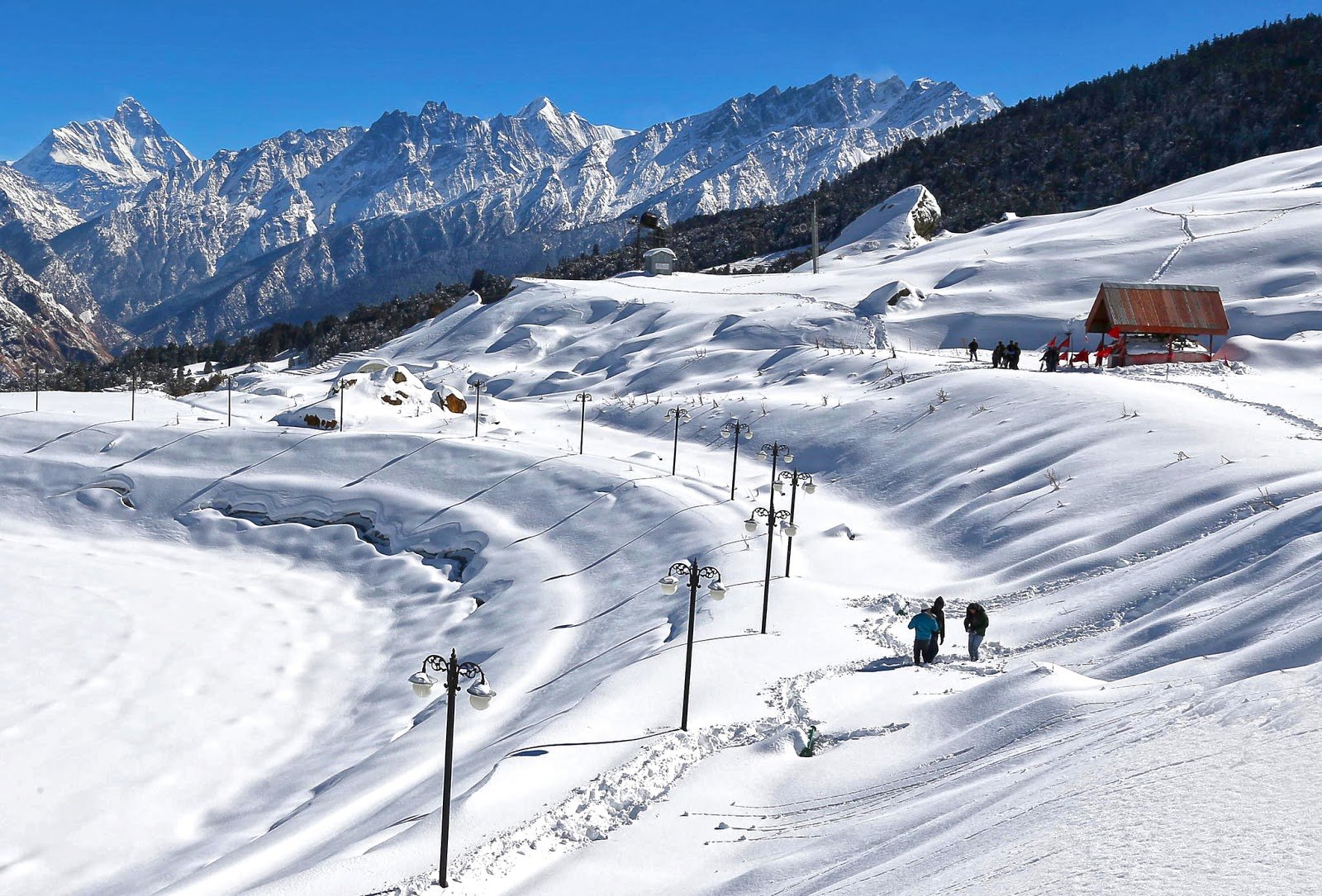
Winter transforms the region into a serene, snow-covered landscape :
- You can experience snowfall and chilly weather
- The temple remains open, but the trek can be challenging due to the snow
- This is the best time for a quiet, less-crowded spiritual experience
- Carry heavy woollens, waterproof boots, and trekking poles
Best Time of Day for Visit
| Time | Activity | Tips |
|---|---|---|
| Morning (6:00–9:00 AM) | Temple darshan, sunrise views | Best views, cooler trekking |
| Late Morning (9:00–11:30 AM) | Trekking, photography | Comfortable temperatures |
| Afternoon | Temple closed (12:00–5:00 PM) | Plan accordingly |
| Evening (5:00–7:00 PM) | Evening aarti | Beautiful sunset views |
Temple Timings
Timings may vary during festivals and winter.
Nearby Places to Visit
Chopta – The Mini Switzerland of India
Chopta is a picturesque hill station known for its lush meadows, trekking trails, and panoramic Himalayan views. It serves as a base for treks to Tungnath Temple and Chandrashila Peak.
Tungnath Temple – The Highest Shiva Temple
Located approximately 85 km from Kartik Swami Temple, Tungnath is the highest Shiva temple in the world at 3,680 metres. It is one of the Panch Kedar temples and is accessible by a 3.5 km trek from Chopta.
Ukhimath – The Winter Seat of Kedarnath
Located approximately 60 km away, Ukhimath is the winter abode of Lord Kedarnath. When the Kedarnath Temple closes due to snowfall (November–April), the Utsav Murti (festival idol) is brought here and worshipped at the Omkareshwar Temple.
Guptkashi – The Hidden Kashi
Located approximately 50 km away, Guptkashi is a sacred town known for its ancient Vishwanath Temple and Ardhanarishwar Temple. It serves as the base camp for the Kedarnath Yatra.
Where to Stay: Accommodation Options
In Kanakchauri Village (Base)
In Rudraprayag (38-40 km from Temple)
| Category | Price Range | Features |
|---|---|---|
| Mid-Range Hotels | ₹1,500–3,500 | Comfortable rooms, hot water, good food |
| Budget Hotels | ₹800–1,800 | Basic amenities |
| GMVN Tourist Rest House | ₹700–2,500 | Government-run, reliable |
In Chopta (80 km from Temple)
| Category | Price Range | Features |
|---|---|---|
| Camping | ₹1,500–3,500 | Tented camps, meals included |
| Guesthouses | ₹1,000–2,500 | Basic amenities |
| Homestays | ₹1,200–2,500 | Authentic Garhwali experience |
In Rishikesh/Haridwar (Further Away)
| Category | Price Range | Features |
|---|---|---|
| Luxury Resorts | ₹8,000–20,000+ | Premium amenities, river views |
| Mid-Range Hotels | ₹2,000–5,000 | Comfortable, convenient |
| Budget Hotels | ₹800–2,000 | Basic amenities |
| Ashrams | ₹500–1,500 | Spiritual atmosphere |
Booking Tips
- Book well in advance for the Kartik Poornima festival (November)
- For stays at Baba’s Ashram, bring vegetables as a courtesy
- Rudraprayag offers the best range of accommodation options
- Carry cash—card facilities may be limited in Kanakchauri
Local Cuisine: What to Eat
In Kanakchauri Village
In Rudraprayag
| Dish | Description |
|---|---|
| Aloo Ke Gutke | Spiced fried potatoes, a Garhwali speciality |
| Kachori Sabzi | Popular breakfast item |
| Dal Chawal | Simple, comforting meal |
| Parathas | Stuffed flatbreads |
What to Carry for the Trek
| Item | Purpose |
|---|---|
| Packed Snacks | Energy bars, dry fruits |
| Water Bottle | Stay hydrated (carry 1-2 litres) |
| Fruit | Apple, banana |
| Prasad Offerings | Flowers, coconut (available near temple) |
Dining Tips
- Pure vegetarian food is the norm in this region
- Carry packaged snacks for the trek
- Most homestays offer meal packages
- Stay hydrated—carry water for the trek
Travel Tips and Important Information
Before You Go
- Physical Fitness: The 3 km trek is moderately challenging. Prepare with regular walking if you are not accustomed to hill treks.
- Carry Cash: ATMs are limited in Kanakchauri; bring sufficient cash from Rudraprayag.
- Check Weather: Avoid monsoon (July–August) due to heavy rainfall and slippery trails.
- Dress Modestly: Kartik Swami Temple is a sacred site; dress appropriately.
- Start Early: Begin your trek early (by 7:00–8:00 AM) to avoid afternoon weather changes.
- Carry Essentials: Water, snacks, rain gear (if travelling in the monsoon), and a flashlight.
During Your Visit
- Remove Shoes: Before entering the temple premises.
- Respect Temple Rituals: The bones of Lord Kartikeya are sacred; maintain silence.
- Listen to the Bells: The sound of hundreds of bells is part of the temple’s unique spiritual atmosphere.
- Take Your Time: The 3 km trek is meant to be enjoyed—pace yourself and take breaks.
- Photography: Allowed in the temple premises.
Safety Tips
- Road Safety: The Rudraprayag–Pokhri road is winding; avoid night driving
- Monsoon Travel: Avoid July–August due to landslide risk
- Trekking Safety: The trail is well-defined, but can be slippery after rain
- Wildlife: The area is forested; be aware of your surroundings
Packing Checklist
| Category | Items |
|---|---|
| Clothing | Cash, camera, rain gear (if travelling in the monsoon) |
| Footwear | Comfortable trekking shoes with good grip |
| Accessories | Hat, sunscreen, sunglasses, flashlight (for early morning trek) |
| Health | Personal medications, first-aid kit, water bottle, energy snacks |
| Documents | ID proof (Aadhaar/Passport) |
| Other | Cash, camera, rain gear (if travelling in monsoon) |
Photography Tips
- Best Spots: From the temple facing north (Himalayan peaks), the bells, the rhododendron forest along the trek
- Best Time: Early morning for golden light on peaks; spring for rhododendron blooms
- Camera Gear: Wide-angle lens for landscapes; telephoto lens for bird photography
- Note: Photography is allowed, but be respectful during aarti times
Frequently Asked Questions (FAQs)
Q1: What is Kartik Swami Temple famous for?
A: Kartik Swami Temple is famous for being the only temple in Uttarakhand dedicated to Lord Kartikeya (elder son of Lord Shiva). It is unique because it houses the bones of Lord Kartikeya, which he offered as testimony of his devotion after losing a competition to Lord Ganesha.
Q2: What is the best time to visit Kartik Swami Temple?
A: The best time to visit is April to June (spring-summer) and September to November (autumn). The weather is pleasant, and the skies are clear.
Q3: How far is Kartik Swami Temple from Delhi?
A: The distance from Delhi is approximately 400 km, with a travel time of 10–12 hours by road.
Q4: How do I reach Kartik Swami Temple?
A: By road to Rudraprayag (38-40 km), then to Kanakchauri village, followed by a 3 km trek. The nearest airport is Dehradun (~182-222 km), and the nearest railway station is Rishikesh (~160-180 km).
Q5: What is the altitude of Kartik Swami Temple?
A: The temple is situated at an altitude of approximately 3,050 metres (10,000 feet) above sea level.
Q6: How long is the trek to Kartik Swami Temple?
A: The trek from Kanakchauri village to the temple is 3 km, taking approximately 2–3 hours.
Q7: Is the trek difficult?
A: The trek is considered easy to moderate. It involves a steady ascent through forested terrain, with approximately 70–80 stairs at the end.
Q8: What is the Kartik Swami Temple trek difficulty for beginners?
A: The trek is suitable for beginners with moderate fitness. The 3 km distance is manageable, and the trail is well-defined.
Q9: What are the temple timings?
A: The temple is open from 6:00 AM – 11:30 AM and from 5:00 PM to 8:30 PM .
Q10: Is there an entry fee for Kartik Swami Temple?
A: No, entry to the temple is free. Donations are welcome.
Q11: What festivals are celebrated at Kartik Swami Temple?
A: The main festivals are Kartik Poornima (November–December) and Maha Shivaratri (February–March). A grand fair is held during Kartik Poornima.
Q12: What is the legend of Lord Kartikeya?
A: According to legend, Lord Kartikeya lost a competition to Lord Ganesha about who could circumnavigate the universe first. Angry, he left Mount Kailash and offered his own bones as testimony of his devotion at Kronch Parvat, where the temple now stands.
Q13: Are there accommodation options near the temple?
A: Yes, homestays and guesthouses are available in Kanakchauri village, with Mayadeep Holiday Home being one of the highest-rated properties. Rudraprayag also has hotels.
Q14: Can I camp near Kartik Swami Temple?
A: Yes, the area has ideal camping spots. Visitors can bring their own tents and camp near the temple.
Q15: What is the best time to see rhododendrons on the trek?
A: The rhododendron forest is in full bloom from March to May, making the trek exceptionally beautiful.
Plan Your Kartik Swami Temple Journey with Discover Uttarakhand
At Discover Uttarakhand, we’ve been organising unforgettable spiritual journeys across Devbhoomi since 1997. As a trusted local operator with deep knowledge of the Garhwal Himalayas and the sacred sites of Rudraprayag, we offer:
- ✅ Customised Kartik Swami Temple tour packages (2 to 4 days)
- ✅ Combined itineraries covering Kartik Swami, Chopta, Tungnath, and Ukhimath
- ✅ Char Dham Yatra packages including this unique temple
- ✅ Comfortable transport with experienced hill drivers
- ✅ Verified accommodations in Rudraprayag and Kanakchauri
- ✅ Local guides for the 3 km trek
- ✅ Birdwatching tours with local experts
- ✅ 24/7 customer support throughout your journey
Recommended Kartik Swami Temple Packages
| Package | Duration | Starting Point | Highlights |
|---|---|---|---|
| Kartik Swami Darshan Day Trip | 1 Day | Rudraprayag | 3 km trek, temple darshan, Himalayan views |
| Kartik Swami & Chopta Explorer | 2 Nights / 3 Days | Haridwar | Kartik Swami, Chopta meadows, Tungnath trek |
| Garhwal Spiritual Circuit | 3 Nights / 4 Days | Rishikesh | Kartik Swami, Ukhimath, Guptkashi, Rudraprayag |
| Kartik Swami with Kedarnath | 4 Nights / 5 Days | Haridwar | Kartik Swami, Guptkashi, Kedarnath trek |
Book your Kartik Swami Temple journey today and seek the blessings of Lord Kartikeya at one of the most unique temples in the Himalayas.
📞 Call / WhatsApp: +91-9997187178, 9760222178, 8171977178
📍 Visit Our Office: Himalayan Colony, opposite DSVV, Haripur Kalan, Haridwar, Motichur Range, Uttarakhand 249411
🌐 Website: www.discover-uttarakhand.com
📧 Email: info@discover-uttarakhand.com
Om Saravana Bhava! Jai Kartik Swami! 🙏
Discover Uttarakhand – Your Local Partner for Sacred Himalayan Journeys Since 1997 🏔️🔔