
Introduction: Where Gandhi Found Peace in the Himalayas
Perched at an altitude of 1,890 metres (6,200 feet) amidst the breathtaking Kumaon Himalayas, the Anasakti Ashram in Kausani is a place where spirituality, history, and natural beauty converge. This serene ashram, also known as the Gandhi Ashram, holds a special place in India’s freedom struggle as the place where Mahatma Gandhi penned his commentary on the Bhagavad Gita – the Anasakti Yoga (the Gospel of Selfless Action).
In the summer of 1929, what was meant to be a brief two-day stopover transformed into a transformative 14-day stay. So captivated was Gandhi by the majestic views of the Himalayas—including the iconic peaks of Nanda Devi, Trishul, and Panchachuli—that he famously called Kausani the “Switzerland of India”. Sitting on a balcony overlooking the snow-capped mountains, he wrote letters to his son describing how he spent entire days translating verses from the Gita.
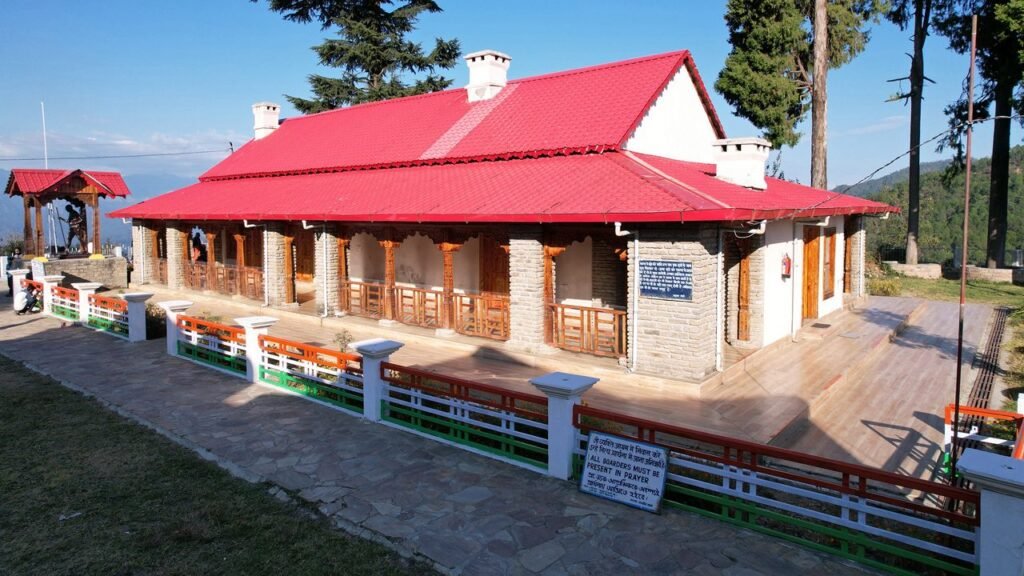
Today, the ashram stands as a living museum and a research centre dedicated to Gandhi’s life and philosophy. Every corner of this ashram whispers his presence – from the life-sized photographs and quotations adorning the walls to the statue of the Mahatma at the entrance and the famous three monkeys symbolising “see no evil, hear no evil, speak no evil”.
Whether you are a follower of Gandhian philosophy, a history enthusiast, a spiritual seeker, or simply a traveller wanting to witness the same Himalayan panorama that mesmerised the Father of the Nation, Anasakti Ashram promises an experience that is both introspective and inspiring.
Key Information at a Glance:
| Aspect | Details |
|---|---|
| Location | Kausani, Bageshwar district, Uttarakhand |
| Altitude | 1,890 m (6,200 ft) |
| Also Known As | Gandhi Ashram, Anashakti Ashram |
| Associated With | Mahatma Gandhi (1929 stay) |
| Famous For | Anasakti Yoga (Gandhi’s Gita commentary), panoramic Himalayan views |
| Year Established as Ashram | Donated to UP Gandhi Smarak Nidhi; converted into ashram |
| Number of Rooms | 25 |
| Facilities | Prayer hall, library, research centre, reading room, bookshop |
| Entry Fee | Free |
| Timings | Sunrise to sunset |
| Nearest Airport | Pantnagar (180 km) |
| Nearest Railway Station | Kathgodam (142 km) |
| Distance from Delhi | ~410 km |
| Best Time to Visit | April–June & September–November |
History: The Summer of 1929, When Gandhi Stayed On
The Planned Two-Day Stopover
In the summer of 1929, Mahatma Gandhi was travelling across India when he decided to make a brief stopover in Kausani. He was a guest of a local tea estate owner and planned to stay for just two days . However, something about this place captured his soul.
The 14-Day Stay that Made History
Gandhi was so enthralled by the majestic view of the Himalayas that he extended his stay to 14 days. The tranquil atmosphere, the panoramic vistas of snow-capped peaks, and the peaceful environment gave him the perfect setting to work on a project he had long contemplated – a commentary on the Bhagavad Gita.
In letters to his son Manilal and daughter-in-law Sushila, Gandhi wrote: “I write to you from the Himalayas while looking at the mountain bathed in snow. I spend the entire day sitting in the balcony while translating verses from the Gita”. This was the beginning of his seminal work, Anasakti Yoga – the “Gospel of Selfless Action,” which interprets the central philosophy of the Bhagavad Gita as a path of detachment from the results of one’s actions while remaining fully engaged in the world.
Gandhi’s Love for Kausani
During his stay, Gandhi was so moved by the beauty of Kausani that he famously called it the “Switzerland of India”. The name has stuck ever since, and Kausani is still referred to by this moniker by travellers and locals alike.
The Creation of the Ashram
The cottage where Gandhi stayed originally remained a guesthouse for several years. Later, it was converted into a dak bungalow (government rest house). In a significant move to preserve Gandhi’s memory, then Chief Minister Sucheta Kripalani donated the property to the Uttar Pradesh Gandhi Smarak Nidhi (now Uttarakhand Gandhi Smarak Nidhi). The building was then converted into the Anasakti Ashram – a research and study centre dedicated to Gandhi’s life and philosophy.
Today, the ashram serves multiple purposes:
- A museum displaying photographs, letters, and memorabilia from Gandhi’s life
- A research centre for scholars studying Gandhian philosophy
- A retreat for visitors seeking peace and solitude
- A library with books on and by Gandhi, as well as works of Vinoba Bhave
The Philosophy of Anasakti Yoga
What is Anasakti?
The name “Anasakti” is derived from the Sanskrit word “Anasakti” meaning “detachment” – specifically, detachment from the results of one’s own actions. This concept is central to the Bhagavad Gita, where Lord Krishna advises Arjuna to perform his duties without attachment to the fruits of his actions.
Gandhi’s Interpretation
Gandhi’s Anasakti Yoga is his translation and commentary on a portion of the Shrimad Bhagwat Gita. It preaches:
- A life of non-attachment to the results of one’s actions
- Dedicated action and work without attachment to outcomes
- A practical path to attain moksha (liberation) while living an engaged, worldly life
For Gandhi, this philosophy was not just theoretical – it guided his entire approach to the freedom struggle. The ashram stands as a testament to the enduring relevance of this message.
The Spiritual Atmosphere
The ashram is designed to immerse visitors in Gandhian principles:
- Compulsory prayer meets for residents every day in the prayer/meditation room
- Satvik food (pure, simple, vegetarian meals) served to guests
- Self-service ethos – guests are encouraged to clean their own washrooms
- A peaceful environment conducive to meditation and study
Ashram Architecture and Features
The Main Building
The ashram building is a simple, functional structure that reflects Gandhi’s preference for austerity. The architecture is unpretentious, allowing the natural beauty of the surroundings to take centre stage.
Key Features of the Ashram
The Balcony with a View
The most cherished spot in the ashram is the balcony where Gandhi spent his days translating the Gita. From here, visitors can see the same breathtaking panorama of the Himalayas that captivated the Mahatma – including the peaks of Nanda Devi, Trishul, Panchachuli, and Nanda Kot.
The Walls that Speak
Every wall in the campus contains a saying by the Mahatma. One wall is adorned with the life history of Gandhi, while another depicts his family tree. These visual narratives make the ashram an educational experience for visitors of all ages.
The Meditation Hall
The ashram has a dedicated prayer/meditation room that hosts compulsory prayer meets for residents every day. This practice maintains the spiritual discipline that Gandhi valued .
How to Reach Anasakti Ashram
By Air
Nearest Airport: Pantnagar Airport (approximately 180 km from Kausani)
| Details | Information |
|---|---|
| Distance | ~180 km |
| Travel Time | 5–6 hours by taxi |
| Airlines | Limited flights from Delhi to Pantnagar (approx. 1 hour) |
| Onward Travel | Taxis available from the airport to Kausani |
By Train
Nearest Railway Station: Kathgodam (approximately 142 km from Kausani)
| Details | Information |
|---|---|
| Distance | 142 km |
| Travel Time | 4–5 hours by taxi |
| Connectivity | Well-connected from Delhi |
Popular Trains from Delhi to Kathgodam:
| Train Name | From Delhi | Departure | Arrival (Kathgodam) | Duration |
|---|---|---|---|---|
| Ranikhet Express | Delhi | 10:05 PM | 5:05 AM | 7 hours |
| Sampark Kranti Express | Delhi | 4:45 PM | 10:35 PM | ~6 hours |
From Kathgodam station, taxis and buses are available for Kausani.
By Road
Kausani is well-connected by road to major cities in North India:
| Starting Point | Distance | Travel Time | Route |
|---|---|---|---|
| Delhi | 410 km | 9–10 hours | Delhi → Ghaziabad → Moradabad → Rampur → Haldwani → Kathgodam → Bhimtal → Almora → Kausani |
| Kathgodam | 142 km | 4–5 hours | Kathgodam → Bhimtal → Almora → Kausani |
| Almora | 53 km | 2–3 hours | Almora → Kausani |
| Nainital | 115 km | 4–5 hours | Nainital → Bhimtal → Almora → Kausani |
Road Conditions: The route is scenic but winding, passing through pine and deodar forests. The drive offers stunning views of the Kumaon hills and valleys. Buses also operate from Delhi to Kausani via Almora.
Distances from Major Cities
| City | Distance (km) |
|---|---|
| Delhi | 410 |
| Dehradun | 350 |
| Nainital | 115 |
| Almora | 53 |
| Ranikhet | 60 |
| Kathgodam | 142 |
| Pantnagar Airport | 180 |
Weather and Best Time to Visit
Climate Overview
Kausani experiences a pleasant climate with distinct seasons. The ashram is situated at 1,890 metres, making it comfortable for most of the year.
Month-by-Month Guide
| Month | Season | Day Temp (°C) | Night Temp (°C) | Conditions | Suitability |
|---|---|---|---|---|---|
| April–June | Summer | 10–25 | 8–15 | Pleasant, clear skies | ⭐ Best |
| July–August | Monsoon | 15–22 | 12–18 | Heavy rain, landslides | ❌ Avoid |
| September–November | Autumn | 6–20 | 5–12 | Crisp, clear skies | ⭐ Best |
| December–February | Winter | 2–12 | -2–5 | Very cold, occasional snow | ⭐ Moderate |
Best Time to Visit by Season
| Season | Months | Suitability | Conditions | Best For |
|---|---|---|---|---|
| Summer | April–June | ⭐ Best | 10°C–25°C, clear skies, pleasant | Ashram visit, sightseeing, clear Himalayan views |
| Autumn | September–November | ⭐ Best | 6°C–20°C, crisp air, post-monsoon clarity | Photography, peaceful retreat, clear mountain views |
| Monsoon | July–August | ❌ Avoid | Heavy rain, landslides, slippery roads | Not recommended |
| Winter | December–February | ⭐ Good | -2°C–12°C, cold, occasional snow | Snow lovers, fewer crowds |
Why Visit in Summer (April–June)
This is the most popular time to visit Anasakti Ashram :
- Pleasant weather with temperatures ranging from 10°C to 25°C
- Clear skies offering spectacular views of the Himalayan peaks
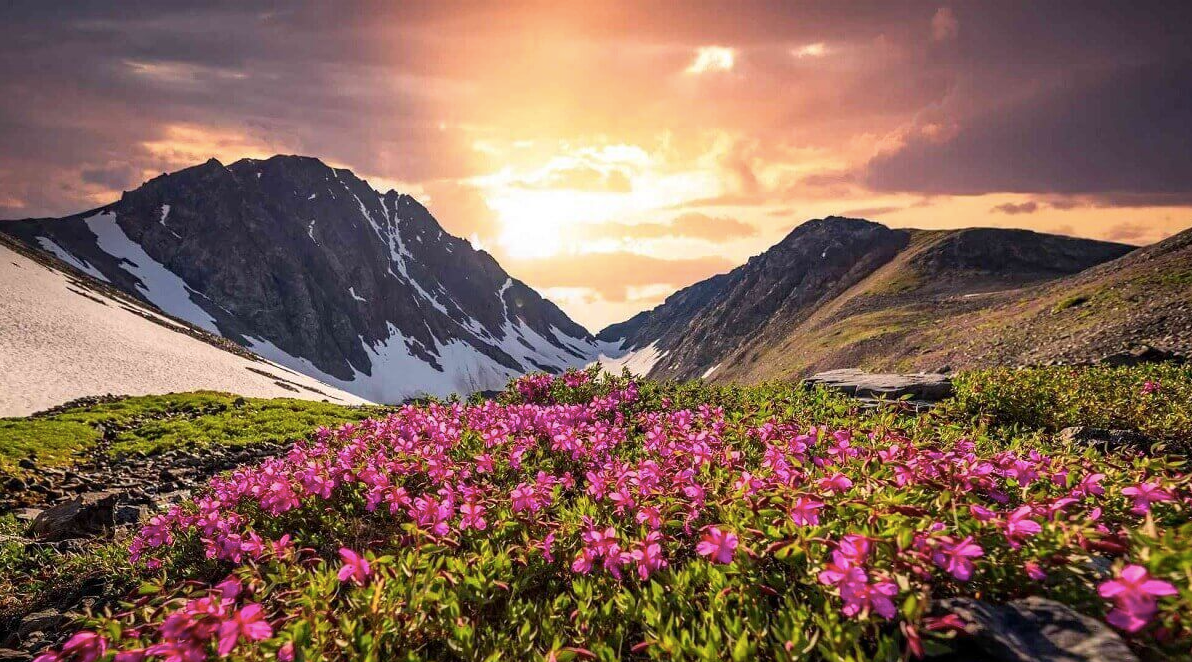
- Lush green surroundings and blooming rhododendrons
- Comfortable for exploring the ashram and nearby attractions
Why Visit in Autumn (September–November)
Autumn is another excellent time to visit :
- Post-monsoon freshness brings out the lush greenery
- Crisp, invigorating air with clear, cloudless skies
- Perfect for photography and birdwatching
- Fewer crowds compared to the summer peak season
Why Avoid Monsoon (July–August)
The monsoon months are not recommended for visiting due to :
- Heavy rainfall can cause landslides
- Slippery and dangerous roads
- Travel inconveniences and potential roadblocks
Winter Visit (December–February)
Winter transforms Kausani into a serene, snow-dusted landscape:
- Kausani experiences snowfall in December and January
- The ashram remains open, but the approach can be cold
- This is the best time for a quiet, less-crowded experience
- Carry heavy woollens – temperatures can drop to -2°C
Best Time of Day for Visit
| Time | Activity | Tips |
|---|---|---|
| Morning (Sunrise) | Meditation, prayer, photography | The first rays of the sun on the Himalayan peaks are spectacular |
| Mid-morning (8:00–10:00 AM) | Ashram exploration, library visit | Pleasant temperatures |
| Afternoon (12:00–3:00 PM) | Reading, study, relaxation | Quietest time at the ashram |
| Evening (Sunset) | Prayer meeting, sunset viewing | Beautiful golden light on the mountains |
Ashram Timings
| Day | Timings |
|---|---|
| Monday – Sunday | Sunrise to sunset |
Note: The prayer/meditation room hosts compulsory prayer meets for residents every day.
What to See and Do at Anasakti Ashram
1. Witness the Himalayan Panorama from Gandhi’s Balcony
The highlight of any visit is standing on the same balcony where Gandhi sat and translated the Gita. From here, you can see the same majestic peaks that captivated the Mahatma – including Nanda Devi (7,816 m), Trishul (7,120 m), Panchachuli (6,904 m), and Nanda Kot (6,861 m).
2. Explore the Photo Gallery and Museum
The ashram features life-sized photographs depicting events from Gandhi’s life. These images tell the story of his journey from his early days to the freedom struggle.
3. Read Gandhi’s Letters on the Walls
A wall recreates the text of various letters written by Gandhi during his stay. Reading his words about the beauty of Kausani and his work on the Gita brings history to life.
4. Visit the Library and Research Centre
The ashram has a well-stocked library with:
- Books on and by Mahatma Gandhi
- Works of Vinoba Bhave
- Books on agriculture and Gandhian philosophy
- A small bookshop where visitors can purchase books
5. Attend the Prayer Meeting
For those staying overnight, the ashram holds compulsory prayer meets for residents every day in the prayer/meditation room. This practice maintains the spiritual discipline that Gandhi valued .
6. See the Three Monkeys Sculpture
At the entrance, a sculpture of Gandhi’s three monkeys depicts his three maxims – “see no evil, hear no evil, speak no evil”. This is a beloved photo spot for visitors.
7. Read the Quotations on the Walls
Every wall in the campus contains a saying by the Mahatma. These quotes offer daily inspiration and insight into his philosophy.
8. Stay Overnight for the Full Experience
The ashram has 25 rooms available for guests wishing to stay overnight. Staying here allows you to:
- Experience the ashram’s peaceful atmosphere after day visitors leave
- Attend the morning and evening prayer meetings
- Practice self-service – cleaning your own washroom as Gandhi would have done
- Enjoy satvik (pure, simple vegetarian) meals
Nearby Places to Visit
| Destination | Distance | Travel Time | Highlights |
|---|---|---|---|
| Kausani Viewpoint | Within Kausani | Walking distance | 300 km Himalayan panorama |
| Sumitranandan Pant Museum | Within Kausani | Walking distance | 12th-century Shiva temple on the Gomti River |
| Kausani Tea Estate | 3 km | 10 min | Tea gardens walk, local tea tasting |
| Baijnath Temple | 20 km | 45 min | Birthplace of a famous Hindi poet, a memorial |
| Rudradhari Falls & Caves | 12 km | 30 min | Waterfall, ancient Shiva caves |
| Binsar Wildlife Sanctuary | 30 km | 1.5 hours | Zero Point, 200+ bird species |
| Someshwar Valley | 15 km | 45 min | Scenic valley views |
| Almora | 53 km | 2–3 hours | Cultural capital of Kumaon, Nanda Devi Temple |
| Lakshmi Ashram | Within Kausani | Walking distance | Birthplace of famous Hindi poet, a memorial |
Kausani Viewpoint
The main viewpoint in Kausani offers a 300 km panoramic view of the Himalayas, including Nanda Devi, Trishul, and Panchachuli peaks. The best time to visit is sunrise, when the peaks turn golden.
Sumitranandan Pant Museum
The ancestral house of the legendary Hindi poet Sumitranandan Pant has been converted into a memorial. The museum displays his manuscripts, photographs, and personal belongings. A poetry symposium is organised every year to mark the poet’s birth anniversary.
Kausani Tea Estate
The Kausani Tea Estate is one of the highest tea estates in India. Visitors can:
- Walk through the tea gardens
- Watch the tea processing
- Taste freshly brewed Kausani tea
- The estate is also a beautiful spot for bird-watching
Lakshmi Ashram
Located overlooking the Kosi Valley, the Lakshmi Ashram was founded by Sarlaben, a disciple of Mahatma Gandhi. There is a workshop where you can buy sweaters, gloves, bags, prayer mats, and other handicrafts.
Baijnath Temple
Located approximately 20 km from Kausani, this 12th-century temple complex is dedicated to Lord Shiva. The temple is situated on the banks of the Gomti River and features intricately carved stone architecture.
Binsar Wildlife Sanctuary
Approximately 30 km from Kausani, Binsar is home to over 200 species of birds, including the Himalayan monal (state bird of Uttarakhand). The sanctuary also offers Zero Point – a 360-degree viewpoint of the Himalayas.
Rudradhari Falls and Caves
Located approximately 12 km from Kausani, this spot features a waterfall and ancient Shiva caves. A short trek through the forest leads to this serene location.
Where to Stay: Accommodation Options
At Anasakti Ashram
| Accommodation | Price Range | Features |
|---|---|---|
| Ashram Guest Rooms | ₹500–1,500 per night (nominal donation) | 25 rooms, simple accommodation, shared facilities, satvik meals included |
Staying at the ashram offers a unique experience:
- Attend compulsory prayer meetings
- Self-service ethos – guests are encouraged to clean their own washrooms
- Satvik meals (pure vegetarian, simple)
- Access to the library and research centre
- Peaceful environment for meditation and study
In Kausani Town
| Category | Price Range | Features |
|---|---|---|
| Luxury Resorts | ₹5,000–10,000+ | Panoramic Himalayan views, modern amenities |
| Mid-Range Hotels | ₹2,500–5,000 | Comfortable rooms, good views |
| Budget Hotels | ₹800–2,000 | Basic amenities, clean rooms |
| Homestays | ₹1,200–2,500 | Authentic Kumaoni experience |
In Almora (53 km from Kausani)
| Category | Price Range | Features |
|---|---|---|
| Mid-Range Hotels | ₹2,000–4,500 | Comfortable rooms |
| Budget Hotels | ₹800–1,800 | Basic amenities |
| Homestays | ₹1,500–3,500 | Authentic Kumaoni experience |
Booking Tips
- Book well in advance for peak seasons (April–June, September–November)
- For stays at the ashram, contact the ashram management directly or check with Uttarakhand Gandhi Smarak Nidhi
- For luxury stays, properties like Kausani Resort offer stunning mountain views
- Carry cash – card facilities may be limited in Kausani
Local Cuisine: What to Eat
At Anasakti Ashram
The ashram serves satvik food – pure, simple, vegetarian meals prepared without onion, garlic, or excess spices. This aligns with Gandhian principles of simple living.
In Kausani Town
| Dish | Description |
|---|---|
| Aloo Ke Gutke | Spiced fried potatoes, a Kumaoni speciality |
| Bhatt ki Churkani | Black soybean curry |
| Chainsoo | Protein-rich black gram curry |
| Mandua Roti | Finger millet flatbread |
| Gahat Ki Dal | Horse gram lentil soup |
| Jhangora Kheer | Barnyard millet sweet pudding |
| Bal Mithai | Famous chocolate-like sweet from Kumaon |
| Rhododendron Squash | Local beverage made from buransh flowers |
Dining Tips
- Most hotels offer meal packages
- Pure vegetarian options are widely available
- The ashram offers simple, nutritious meals for guests
- Carry packaged snacks for the journey
Travel Tips and Important Information
Before You Go
- Check Weather: Avoid monsoon (July–August) due to heavy rainfall and landslide risk
- Carry Cash: ATMs are limited in Kausani; bring sufficient cash from Almora or Kathgodam
- Dress Modestly: The ashram is a place of spiritual significance; dress appropriately
- Physical Fitness: The ashram is accessible, but walking around Kausani involves some slopes
- Best Time: Visit on weekdays to avoid crowds
During Your Visit
- Remove Shoes: Before entering the prayer hall
- Maintain Silence: The ashram is a place of peace and contemplation
- Respect the Rules: Guests are expected to follow ashram guidelines, including self-service practices
- Attend Prayer Meeting: If staying overnight, participate in the daily prayer meeting
- Read the Quotations: Take time to read the sayings of Gandhi on the walls
What to Pack
| Category | Items |
|---|---|
| Clothing | Light cotton for summer; heavy woolens for winter; modest attire |
| Footwear | Comfortable walking shoes |
| Accessories | Hat, sunscreen, sunglasses, camera, binoculars (for birdwatching) |
| Health | Personal medications, water bottle, snacks |
| Documents | ID proof (Aadhaar/Passport) |
| Other | Cash, books (if you wish to read in the library), notebook |
Photography Tips
- Best Spots: The balcony (Gandhi’s view of the Himalayas), the three monkeys sculpture, the main entrance
- Best Time: Sunrise for golden light on the peaks; morning for soft light on the ashram
- Note: Photography is generally allowed, but be respectful during prayer times
Etiquette and Customs
Frequently Asked Questions (FAQs)
Q1: What is Anasakti Ashram famous for?
A: Anasakti Ashram is famous for being the place where Mahatma Gandhi stayed for 14 days in 1929 and wrote his commentary on the Bhagavad Gita, known as Anasakti Yoga (the Gospel of Selfless Action). It is also known for its stunning panoramic views of the Himalayas.
Q2: Why did Gandhi call Kausani the “Switzerland of India”?
A: Gandhi was so captivated by the majestic view of the Himalayas from Kausani that he extended his planned two-day stay to 14 days and famously called the place the “Switzerland of India”.
Q3: What is Anasakti Yoga?
A: Anasakti Yoga is Gandhi’s translation and commentary on a portion of the Bhagavad Gita. It preaches a life of non-attachment to the results of one’s actions while remaining fully engaged in the world – dedicated action without attachment to outcomes.
Q4: What is the best time to visit Anasakti Ashram?
A: The best time to visit is April to June (summer) and September to November (autumn). The weather is pleasant, and the Himalayan views are clear.
Q5: How far is Anasakti Ashram from Delhi?
A: The distance from Delhi is approximately 410 km, with a travel time of 9–10 hours by road.
Q6: How do I reach Anasakti Ashram?
A: By road from Kathgodam (142 km) or Almora (53 km), by train to Kathgodam followed by taxi, or by flight to Pantnagar Airport (180 km) followed by taxi.
Q7: What is the altitude of Anasakti Ashram?
A: The ashram is situated at an altitude of approximately 1,890 metres (6,200 feet) above sea level.
Q8: Can I stay overnight at Anasakti Ashram?
A: Yes, the ashram has 25 rooms available for guests wishing to stay overnight. Guests are expected to follow ashram rules, including attending prayer meetings and maintaining self-service.
Q9: Is there an entry fee for Anasakti Ashram?
A: No, entry to the ashram is free. Donations to the Gandhi Smarak Nidhi are welcome.
Q10: What are the timings of Anasakti Ashram?
A: The ashram is open daily from sunrise to sunset.
Q11: What is the significance of the three monkeys at the entrance?
A: The three monkeys sculpture represents Gandhi’s three maxims – “see no evil, hear no evil, speak no evil”.
Q12: Are there accommodation options near the ashram?
A: Yes, Kausani offers a range of accommodation options, from luxury resorts to budget hotels and homestays.
Q13: What nearby places can I visit with Anasakti Ashram?
A: Nearby attractions include Kausani Viewpoint, Sumitranandan Pant Museum, Kausani Tea Estate, Baijnath Temple, Rudradhari Falls, and Binsar Wildlife Sanctuary.
Q14: Is Kausani suitable for elderly visitors?
A: Yes, Kausani is suitable for elderly visitors. The main attractions are accessible with minimal walking. However, the altitude (1,890 m) should be considered.
Q15: What is the weather like in Kausani in December and January?
A: Kausani experiences snowfall in December and January. Temperatures can drop to -2°C. Winter visits are beautiful but require heavy woollens and preparation for the cold.
Plan Your Anasakti Ashram Journey with Discover Uttarakhand
At Discover Uttarakhand, we’ve been organising unforgettable journeys across Devbhoomi since 1997. As a trusted local operator with deep knowledge of the Kumaon region, we offer:
- ✅ Customised Kausani tour packages (2 to 5 days)
- ✅ Combined itineraries covering Kausani, Almora, Binsar, and Nainital
- ✅ Comfortable transport with experienced hill drivers
- ✅ Verified accommodations in Kausani (budget to luxury)
- ✅ Local guides for the ashram and surrounding attractions
- ✅ 24/7 customer support throughout your journey
Recommended Kausani Packages
| Package | Duration | Starting Point | Highlights |
|---|---|---|---|
| Kausani Weekend Getaway | 2 Nights / 3 Days | Kathgodam | Anasakti Ashram, Kausani Viewpoint, Tea Estate |
| Kausani & Almora Heritage | 3 Nights / 4 Days | Kathgodam | Anasakti Ashram, Almora temples, Binsar Sanctuary |
| Kumaon Spiritual Circuit | 4 Nights / 5 Days | Delhi | Kausani, Binsar, Jageshwar, Almora |
| Kausani with Corbett | 5 Nights / 6 Days | Delhi | Anasakti Ashram, Binsar, Jim Corbett safari |
Book your Anasakti Ashram journey today and walk in the footsteps of the Mahatma.
📞 Call / WhatsApp: +91-9997187178, 9760222178, 8171977178
📍 Visit Our Office: Himalayan Colony, opposite DSVV, Haripur Kalan, Haridwar, Motichur Range, Uttarakhand 249411
🌐 Website: www.discover-uttarakhand.com
📧 Email: info@discover-uttarakhand.com
“I write to you from the Himalayas while looking at the mountain bathed in snow. I spend the entire day sitting in the balcony while translating verses from the Gita.” – Mahatma Gandhi
Discover Uttarakhand – Your Local Partner for Unforgettable Himalayan Journeys Since 1997 🕊️🏔️