Introduction: The Sacred Lake of the Serpent God
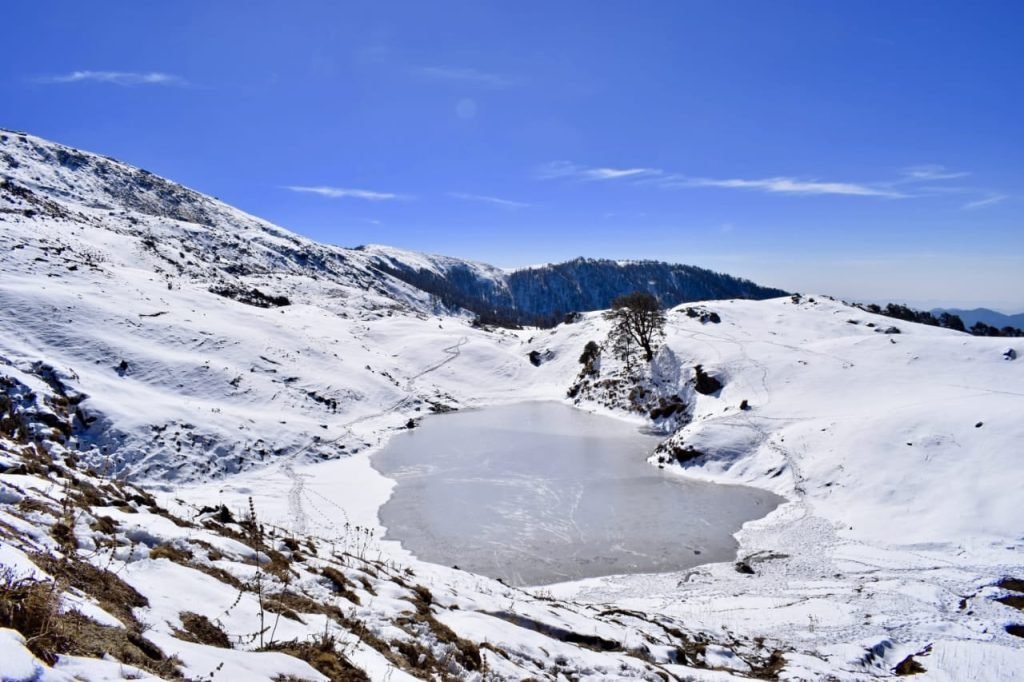
Nestled in the pristine Garhwal Himalayas of Uttarakhand’s Uttarkashi district, Brahmi Tal is a sacred high-altitude lake that holds a unique place in local mythology and spiritual traditions. According to legend, the Brahmi snake god reached Brahmi Tal by making three jumps from Tibet—first at Mukhba Nag, second at Bichpuri, and finally at Brahmi Tal, where Lord Vishnu had given rise to Jalandhar. Even today, the stone of Lord Vishnu is preserved in the Harshil Lakshmi Narayan Temple.
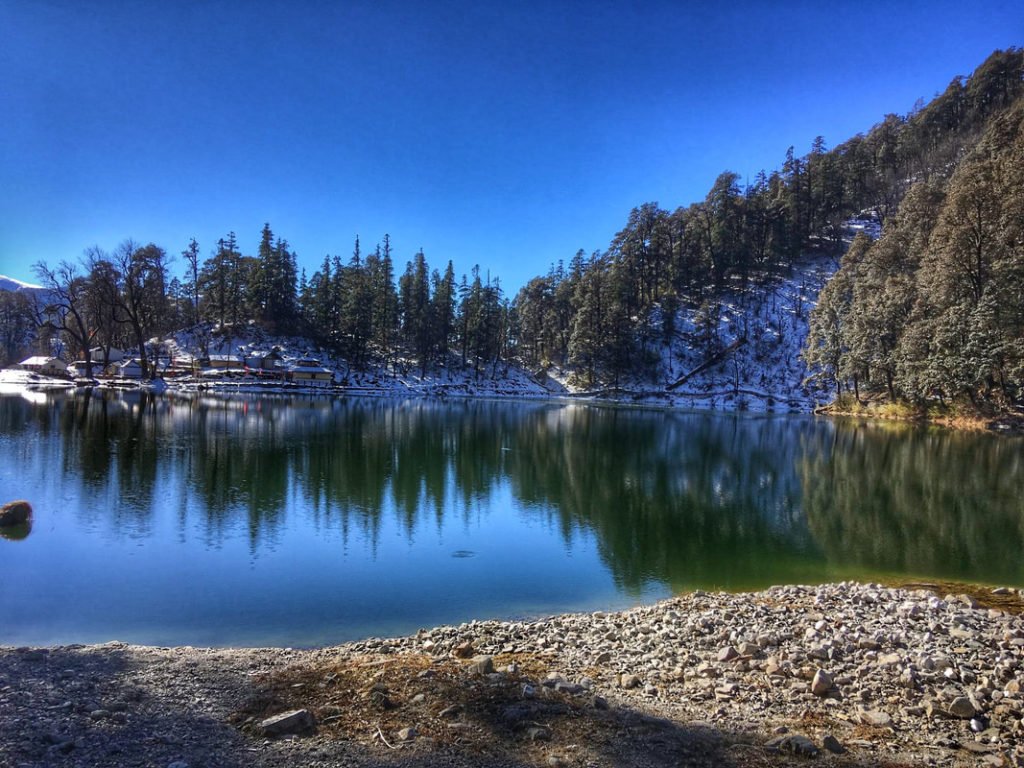
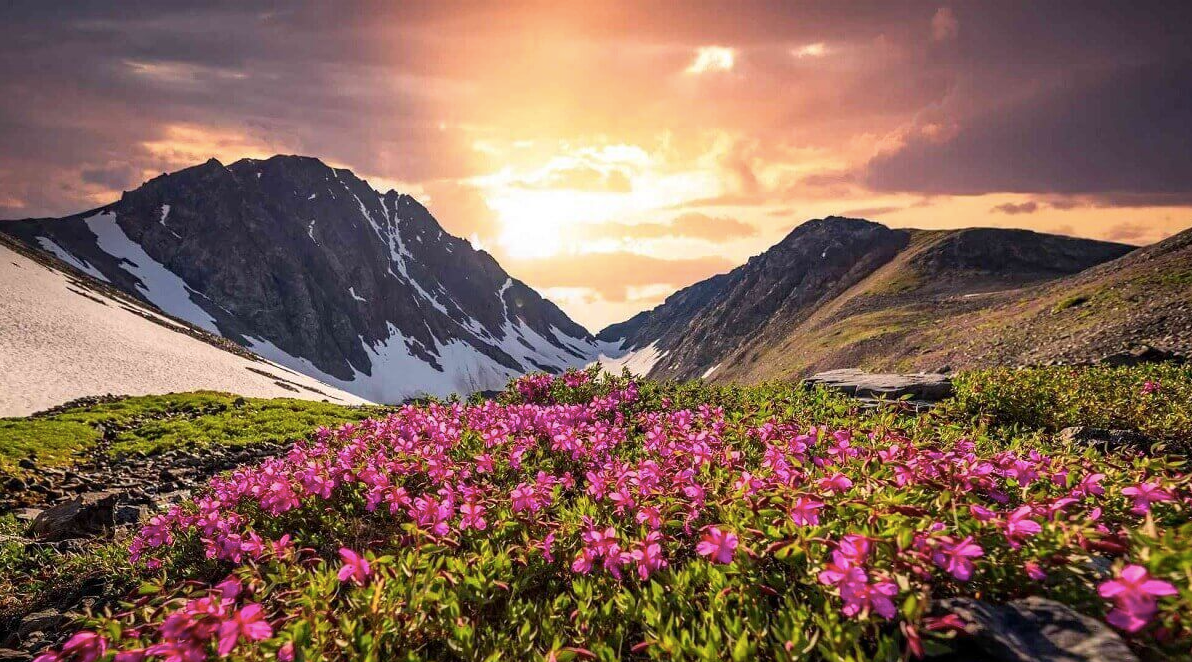
The lake sits at an altitude of approximately 4,050 metres (13,287 feet) and is surrounded by deodar forests, offering breathtaking views of peaks including Jolly Peak, Draupadi’s Danda, Shrikanth, Bandarpoonch, and Sudarsan. The name “Brahmi Tal” connects this sacred site to the serpent king, and local beliefs hold that no Doli (divine palanquin) can bathe in the lake except that of Brahmi Nag Devta, whose Doli resides in Purali village.
What makes Brahmi Tal truly special is its isolation and spiritual significance. The journey to the lake passes through remote villages, dense deodar forests, and offers opportunities for birdwatching, trekking, and even skiing in winter. The region is rich in medicinal herbs and colourful flowers, including the sacred Brahma Kamal, which blooms during the monsoon season.
Quick Facts – Brahmi Tal
| Aspect | Details |
|---|---|
| Location | Uttarkashi district, Uttarakhand |
| Altitude | 4,050 m (13,287 ft) |
| Region | Garhwal Himalayas |
| Famous For | Legend of Brahmi snake god, Brahma Kamal flowers |
| Peaks Visible | Jolly Peak, Draupadi’s Danda, Shrikanth, Bandarpoonch, Sudarsan |
| Nearest Village | Purali (home of Brahmi Nag Devta Doli) |
| Best Season | May–October |
| Nearest Airport | Jolly Grant Airport, Dehradun (~230 km) |
| Nearest Railway Station | Rishikesh (~220 km) |
| Distance from Delhi | ~470 km |
| Permit Required | May be required (check local authorities) |
History and Mythology: The Legend of the Brahmi Snake God
The Three Jumps of the Serpent God
According to local legend, the Brahmi snake god journeyed from Tibet to Brahmi Tal in three divine leaps. The first jump landed at Mukhba Nag, the second at Bichpuri, and the third and final jump brought him to Brahmi Tal. This sacred site is believed to be the place where Lord Vishnu gave rise to Jalandhar, and the stone of Lord Vishnu is still venerated in the Harshil Lakshmi Narayan Temple.
The Sacred Doli of Brahmi Nag Devta
Local tradition holds a unique belief about the divine palanquin (Doli) of Brahmi Nag Devta. It is said that no Doli can bathe in the lake except the one belonging to Brahmi Nag Devta. The Doli of Brahmi Nag Devta resides in Purali village, and its connection to the lake makes this one of the most spiritually significant sites in the region.
The Kedar Khand Purana Connection
It is mentioned in the Kedar Khand Purana that an angel from Devlok (the celestial realm) comes to bathe in this sacred pond. This heavenly connection adds to the lake’s mystique and makes it a destination for both pilgrims and nature lovers.
The Legend of Lord Vishnu and Jalandhar
The region is also connected to the legend of Jalandhar, a demon who was created by Lord Vishnu. The stone marking this divine event is preserved in the Harshil Lakshmi Narayan Temple, connecting Brahmi Tal to the broader tapestry of Hindu mythology.
Jalandhar and Shiva Connection
Some local traditions also link the region to the legend of Jalandhar, a demon who was created by Lord Shiva, with the serpent playing a protective role over the sacred site. This connection adds to the spiritual richness of Brahmi Tal and the surrounding area.
The Brahma Kamal – The Sacred Flower
The lake is renowned for the Brahma Kamal (Saussurea obvallata), a rare and sacred flower that blooms in the high altitudes of the Himalayas. The Brahma Kamal is considered a divine offering to Lord Shiva, and its presence here adds to the spiritual significance of the site. The flower typically blooms between July and September, making this the best time to witness its beauty.
The Harshil Lakshmi Narayan Temple Connection
The stone of Lord Vishnu is preserved in the Harshil Lakshmi Narayan Temple, which serves as a repository of the region’s mythological heritage. This temple is located in the nearby town of Harshil and is an important pilgrimage site in its own right.
Geography and Location
Location and Setting
Brahmi Tal is situated in the Uttarkashi district of Uttarakhand, in the Garhwal Himalayas. The lake is located at the base of towering mountain peaks, creating a natural amphitheatre of breathtaking beauty. The region is characterised by:
| Feature | Description |
|---|---|
| Altitude | 4,050 m (13,287 ft) |
| Peaks Visible | Jolly Peak, Draupadi’s Danda, Shrikanth, Bandarpoonch, Sudarsan |
| Forest Cover | Dense deodar forests |
| Vegetation | Medicinal herbs, Brahma Kamal, colourful flowers |
Nearby Villages
| Village | Distance | Significance |
|---|---|---|
| Purali | Nearby | Home of Brahmi Nag Devta Doli |
| Harshil | ~25 km | Location of Lakshmi Narayan Temple, base for treks |
| Mukhba Nag | ~30 km | First jump site of the snake god |
| Bichpuri | ~15 km | Second jump site of the snake god |
The Trekking Route
The trek to Brahmi Tal passes through dense deodar forests, offering panoramic views of the surrounding peaks. The route is accessible from the Harshil area, and the region is rich in birdlife, including the Himalayan Monal (state bird of Uttarakhand), Ratia, and Chakora. The trek is suitable for bird watching and photography, and in winter, the area offers skiing opportunities.
Flora and Fauna
Forests and Vegetation
The Brahmi Tal region is blessed with rich Himalayan vegetation typical of the Garhwal Himalayas:
| Forest Type | Dominant Species | Characteristics |
|---|---|---|
| Deodar Forests | Cedrus deodara | Fragrant, tall evergreen trees |
| Oak Forests | Quercus species | Dense canopies, autumn colors |
| Rhododendron | Rhododendron arboreum | Spring blooms (March-April), vibrant red/pink flowers |
Medicinal Herbs and Flowers
| Species | Description | Blooming Season |
|---|---|---|
| Brahma Kamal | Sacred white flower, highly revered | July–September |
| Colourful Flowers | Various alpine species | August–September |
| Medicinal Herbs | Local species used in traditional medicine | Summer months |
Wildlife
The region is known for its birdlife and other Himalayan fauna:
| Species | Description |
|---|---|
| Himalayan Monal | State bird of Uttarakhand, iridescent plumage |
| Ratia | Local bird species |
| Chakora | High-altitude partridge |
| Various Birds | Numerous species for birdwatching |
Birdwatching
Tourists can easily come here for bird watching, tracking, and skiing, because many birds like Munnal, Ratia, Chakora, etc., are found here. The dense deodar forests and alpine meadows provide ideal habitats for a variety of Himalayan bird species.
How to Reach Brahmi Tal
By Air
Nearest Airport: Jolly Grant Airport, Dehradun
| Details | Information |
|---|---|
| Distance | ~230 km to Harshil |
| Travel Time | 8–9 hours by taxi |
| Airlines | Regular flights from Delhi to Dehradun (approx. 1 hour) |
| Onward Travel | Taxis available from the airport to Harshil via Uttarkashi |
By Train
Nearest Railway Station: Rishikesh
| Details | Information |
|---|---|
| Distance | ~220 km to Harshil |
| Travel Time | 8–9 hours by taxi |
| Connectivity | Well-connected from Delhi |
Alternative Station: Haridwar (similar distance)
Popular Trains from Delhi to Haridwar/Rishikesh:
| Train Name | From Delhi | Departure | Arrival | Destination |
|---|---|---|---|---|
| Shatabdi Express | Delhi | 6:00 AM | 11:40 AM | Haridwar |
| Jan Shatabdi | Delhi | 3:20 PM | 9:00 PM | Haridwar |
| Mussoorie Express | Delhi | 10:05 PM | 5:30 AM | Haridwar |
By Road
Route to Harshil (Base for Brahmi Tal):
| Starting Point | Distance | Travel Time | Route |
|---|---|---|---|
| Delhi | ~470 km | 13–15 hours | Delhi → Haridwar → Rishikesh → Chamba → Uttarkashi → Harsil |
| Dehradun | ~230 km | 8–9 hours | Dehradun → Mussoorie → Chamba → Uttarkashi → Harsil |
| Haridwar | ~250 km | 8–9 hours | Haridwar → Rishikesh → Chamba → Uttarkashi → Harsil |
Road Conditions: The route is scenic but winding, following the Bhagirathi River through the Garhwal Himalayas. The drive from Uttarkashi to Harsil is on steep mountain roads with sharp bends. Expert mountain driving is essential.
Important: The last petrol pump before Harsil is at Ganeshpur, about 70 km away. Fill your tank to full capacity.
From Harshil to Brahmi Tal
The trek to Brahmi Tal starts from the Harshil area. The route passes through dense deodar forests and offers stunning views of the surrounding peaks. Local guides are recommended for the trek as the terrain can be challenging, especially in winter.
Weather and Best Time to Visit
Climate Overview
Brahmi Tal experiences a high-altitude alpine climate. The lake is at 4,050 metres, and the region receives heavy snowfall in winter.
Month-by-Month Guide
| Month | Season | Conditions | Suitability |
|---|---|---|---|
| May–June | Summer | Pleasant days, cold nights, snow melting | ⭐ Best |
| July–August | Monsoon | Heavy rain, landslides, Brahma Kamal blooms | ⭐ Good (for flowers) |
| September | Autumn | Post-monsoon clarity, cool days | ⭐ Best |
| October | Autumn | Clear skies, crisp air, closing soon | ⭐ Good |
| November–April | Winter | Heavy snow, extreme cold, roads blocked | ❌ Closed |
Best Time to Visit by Season
| Season | Months | Suitability | Conditions | Best For |
|---|---|---|---|---|
| Summer | May–June | ⭐ Best | 5°C–15°C days, clear skies | Trekking, photography, and comfortable weather |
| Post-Monsoon | September | ⭐ Best | 5°C–12°C, crystal-clear views | Brahma Kamal blooms, clear mountain views |
| Monsoon | July–August | ⭐ Moderate | 8°C–15°C, rain, lush greenery | Brahma Kamal flowers |
| Winter | November–April | ❌ Closed | Below freezing, heavy snow | Not accessible |
Why Visit in Summer (May–June)
- Pleasant weather with daytime temperatures ranging from 5°C to 15°C
- Clear skies offering spectacular views of the Himalayan peaks
- Ideal conditions for trekking and photography
- The snow recedes, revealing the lush meadows
- Best for first-time visitors
Why Visit in Post-Monsoon (September)
- Post-monsoon freshness brings out the lush greenery
- Crisp, invigorating air with clear, cloudless skies
- Perfect for photography
- The Brahma Kamal blooms during this period
- Fewer crowds compared to the summer peak season
Why Visit for Brahma Kamal (July–August)
- The Brahma Kamal blooms during these months
- The region is at its greenest
- However, be prepared for rain and slippery trails
- Not recommended for first-time trekkers
Why Avoid Monsoon (July–August)
- Heavy rainfall makes trails slippery and dangerous
- High risk of landslides and road blockages
- Cloud cover obscuring mountain views
Winter Closure (November–April)
- The region is covered in heavy snow
- Roads are blocked and inaccessible
- Do not attempt the trek during winter without expert guidance
Travel Tips and Important Information
Before You Go
- Check Weather: Avoid monsoon (July–August) due to heavy rainfall and landslide risk.
- Carry Cash: ATMs are limited in Harsil; bring sufficient cash from Uttarkashi.
- Fill Fuel: The last petrol pump before Harsil is at Ganeshpur, about 70 km away. Fill your tank to full capacity.
- Mobile Network: BSNL works in some pockets; inform family of your travel plans.
- Advance Booking: Essential for accommodations during the summer season.
- Hire a Local Guide: The trek to Brahmi Tal requires local knowledge; a guide is recommended.
During Your Visit
- Dress in Layers: Even in summer, evenings are cool; winter requires heavy woollens.
- Stay Hydrated: Carry water for treks and day trips.
- Respect Local Customs: The area is considered sacred by locals; maintain silence at the lake.
- Start Early: Begin sightseeing early to avoid afternoon weather changes.
- Avoid Whistling: According to local belief, whistling at night disturbs spirits in the mountains.
Safety Tips
- Road Safety: Mountain roads require patience; avoid night driving.
- Monsoon Travel: Avoid July–August due to landslide risk.
- Altitude Awareness: At 4,050 m, altitude sickness is possible; stay hydrated and take it easy.
- Wildlife: Do not feed animals; maintain a safe distance.
Packing Checklist
| Season | Essentials |
|---|---|
| All Year | Comfortable walking shoes, sunscreen, sunglasses, hat, reusable water bottle, power bank, camera, cash, ID proof |
| Summer (May-Jun) | Light woollens for evenings, cotton clothes for daytime, a raincoat (pre-monsoon) |
| Monsoon (Jul-Aug) | Raincoat, waterproof footwear (avoid travel if possible) |
| Winter (Oct-Mar) | Heavy woollens, thermals, down jacket, gloves, muffler, woolen cap, waterproof boots |
Photography Tips
- Best Spots: Brahmi Tal, surrounding peaks, deodar forests, Brahma Kamal (in season)
- Best Time: Early morning for clear mountain views; golden hour (4:00–5:30 PM) for landscapes
- Camera Gear: Carry extra batteries—cold drains them quickly
Nearby Places to Visit
| Destination | Distance | Highlights |
|---|---|---|
| Harsil Valley | ~25 km | “Mini Switzerland of India,” apple orchards, deodar forests |
| Mukhba Village | ~30 km | Winter home of Goddess Ganga, winter seat of the Gangotri deity |
| Gartang Gali | ~40 km | Historic wooden bridge, ancient trade route |
| Gangotri Temple | ~50 km | Char Dham temple, source of the Ganges |
| Uttarkashi | ~80 km | Vishwanath Temple, Shakti Temple |
| Gangnani Hot Springs | ~55 km | Natural hot water springs |
| Purali Village | Nearby | Home of Brahmi Nag Devta Doli |
| Harshil Lakshmi Narayan Temple | ~25 km | Where Lord Vishnu’s stone is preserved |
Frequently Asked Questions (FAQs)
Q1: What is Brahmi Tal famous for?
A: Brahmi Tal is famous for its mythological connection to the Brahmi snake god, who is believed to have reached the lake by jumping from Tibet. It is also known for the Brahma Kamal flower and its stunning Himalayan views.
Q2: What is the best time to visit Brahmi Tal?
A: The best time to visit is May to June (summer) and September (post-monsoon). These months offer clear skies and comfortable weather.
Q3: How far is Brahmi Tal from Delhi?
A: The distance from Delhi is approximately 470 km, with a travel time of 13–15 hours by road.
Q4: How do I reach Brahmi Tal?
A: By road to Harsil (via Uttarkashi), then a trek from the Harsil area. The nearest airport is Jolly Grant Airport, Dehradun (~230 km), and the nearest railway station is Rishikesh (~220 km).
Q5: What is the altitude of Brahmi Tal?
A: Brahmi Tal is situated at an altitude of approximately 4,050 metres (13,287 feet) above sea level.
Q6: What is the Brahma Kamal?
A: The Brahma Kamal is a rare and sacred flower that blooms at high altitudes in the Himalayas. It is considered a divine offering to Lord Shiva and blooms between July and September.
Q7: Is the Brahmi Tal trek difficult?
A: The trek is considered moderate. The route passes through dense deodar forests and offers stunning views of the surrounding peaks. A local guide is recommended.
Q8: Is there a mobile network at Brahmi Tal?
A: Mobile connectivity is very limited. BSNL works in some pockets. Inform family of your travel plans in advance.
Q9: What is the legend of Brahmi Tal?
A: According to legend, the Brahmi snake god reached Brahmi Tal by making three jumps from Tibet. No Doli can bathe in the lake except that of Brahmi Nag Devta, whose Doli resides in Purali village.
Q10: What peaks are visible from Brahmi Tal?
A: Jolly Peak, Draupadi’s Danda, Shrikanth, Bandarpoonch, and Sudarsan are visible from Brahmi Tal.
Q11: Is Brahmi Tal accessible during winter?
A: Winter (November–April) is not recommended due to heavy snowfall, extreme cold, and road closures.
Q12: What bird species can I see at Brahmi Tal?
A: Bird species include the Himalayan Monal (state bird of Uttarakhand), Ratia, Chakora, and other Himalayan birds.
Q13: What is the Harshil Lakshmi Narayan Temple?
A: It is a temple where the stone of Lord Vishnu is preserved, connecting Brahmi Tal to the legend of Jalandhar.
Q14: Are there accommodation options at Brahmi Tal?
A: Accommodation is limited. Most visitors stay in Harsil, Uttarkashi, or Gangotri and make a day trip to the lake.
Q15: Can I visit Brahmi Tal during the Brahma Kamal bloom?
A: Yes, the Brahma Kamal blooms between July and September. However, this coincides with the monsoon season, so be prepared for rain and slippery trails.
Plan Your Brahmi Tal Journey with Discover Uttarakhand
At Discover Uttarakhand, we’ve been organising unforgettable journeys across Devbhoomi since 1997. As a trusted local operator with deep knowledge of the Garhwal Himalayas, we offer:
- ✅ Customised Brahmi Tal tour packages (3 to 6 days)
- ✅ Combined itineraries covering Brahmi Tal, Harsil, Gangotri, and Uttarkashi
- ✅ Comfortable transport with experienced hill drivers
- ✅ Verified accommodations in Harsil and Uttarkashi
- ✅ Local guides for the trek
- ✅ 24/7 customer support throughout your journey
Recommended Brahmi Tal Packages
| Package | Duration | Starting Point | Highlights |
|---|---|---|---|
| Brahmi Tal Trek | 3 Nights / 4 Days | Uttarkashi | Harsil, Deodar forests, Brahmi Tal |
| Brahmi Tal & Gangotri | 4 Nights / 5 Days | Uttarkashi | Brahmi Tal, Gangotri Temple, Harsil |
| Garhwal Spiritual Circuit | 5 Nights / 6 Days | Dehradun | Harsil, Gangotri, Brahmi Tal, Uttarkashi |
Book your Brahmi Tal journey today and discover one of Uttarakhand’s most sacred and pristine Himalayan lakes.
📞 Call / WhatsApp: +91-9997187178, 9760222178, 8171977178
📍 Visit Our Office: Himalayan Colony, opposite DSVV, Haripur Kalan, Haridwar, Motichur Range, Uttarakhand 249411
🌐 Website: www.discover-uttarakhand.com
📧 Email: info@discover-uttarakhand.com
Discover Uttarakhand – Your Local Partner for Unforgettable Himalayan Journeys Since 1997 🏔️