Introduction: The Sacred Glacial Lake of the Serpent King
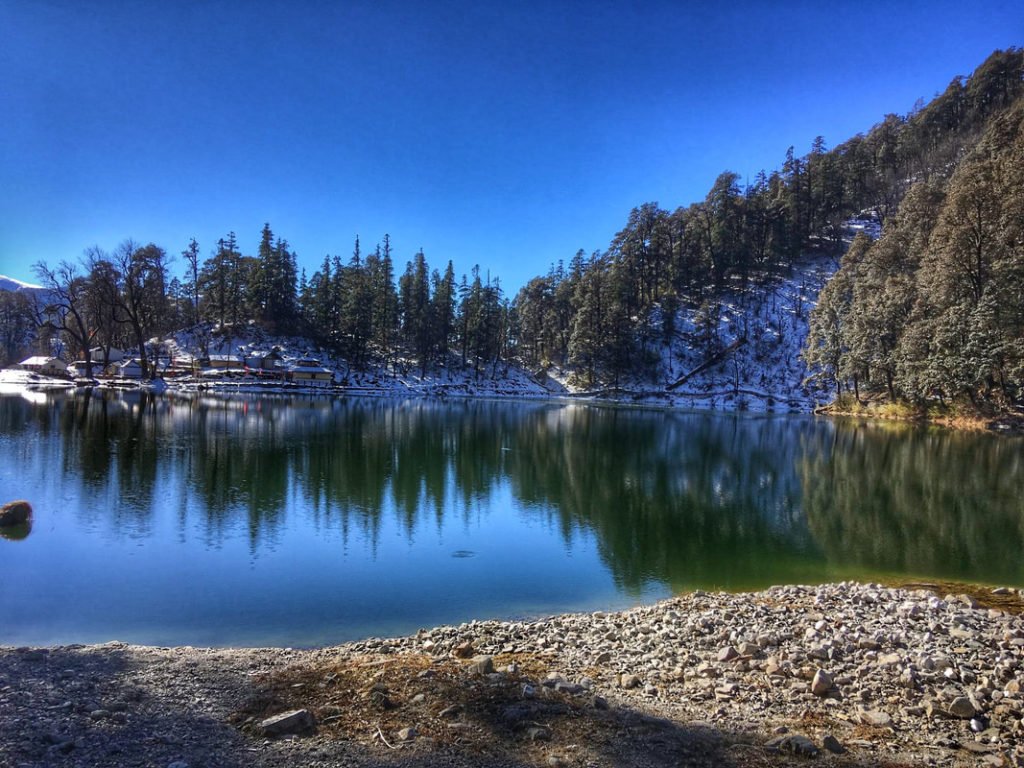
Nestled in the pristine Garhwal Himalayas of Uttarakhand’s Rudraprayag district, Vasuki Tal (also known as Vasuki Lake) is a breathtaking high-altitude glacial lake that holds a unique place in Hindu mythology and spiritual traditions. Named after Vasuki Naag, the celestial serpent king who adorns Lord Shiva’s neck, this sacred lake is revered as the place where Lord Vishnu descended to take a holy bath during the auspicious festival of Raksha Bandhan.
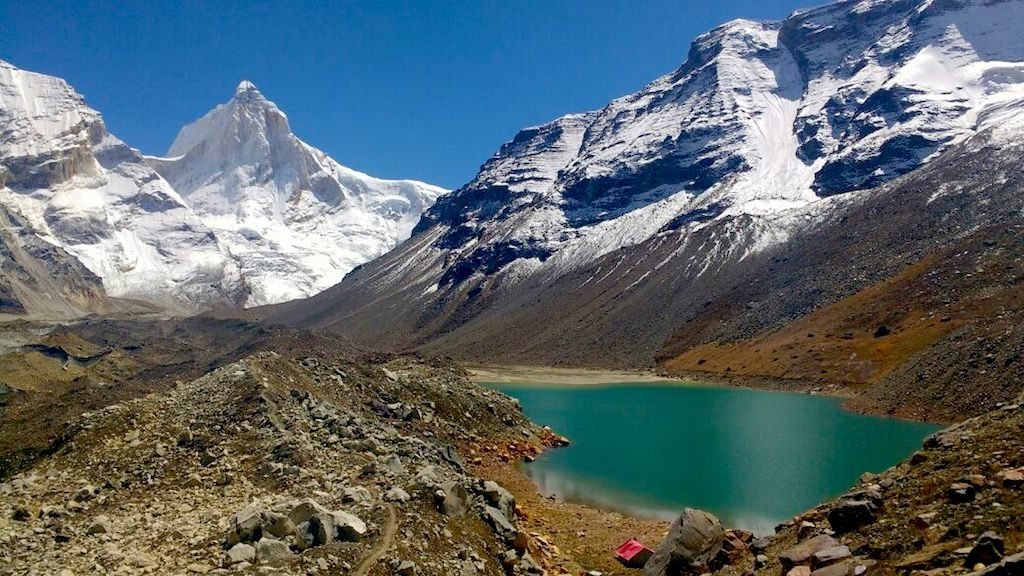
The lake sits at an altitude of approximately 4,135 metres (13,566–14,200 feet) and is surrounded by towering snow-clad peaks, including the majestic Chaukhamba massif. The journey to Vasuki Tal passes through rugged terrain, moraine fields, and glaciers, offering an unforgettable adventure for experienced trekkers and spiritual seekers alike.
What makes Vasuki Tal truly special is its combination of profound mythological significance, pristine natural beauty, and the challenging adventure of reaching it. The 8 km trek from Kedarnath is considered one of the most rewarding high-altitude treks in the Himalayas, taking you through the breathtaking Chaturangi and Vasuki Glaciers to a lake of crystal-clear turquoise waters reflecting the surrounding peaks.
Quick Facts – Vasuki Tal
History and Mythology: The Legend of the Serpent King
The Name “Vasuki”
Vasuki Tal derives its name from Vasuki Naag, the celestial serpent king who plays a prominent role in Hindu mythology. Vasuki is famously known for coiling around the neck of Lord Shiva, who blessed him and wears him as an ornament. The serpent king also played a crucial role in the Samudra Manthan (the churning of the cosmic ocean of milk), where he served as the rope used to churn the cosmic ocean.
Lord Vishnu’s Sacred Bath
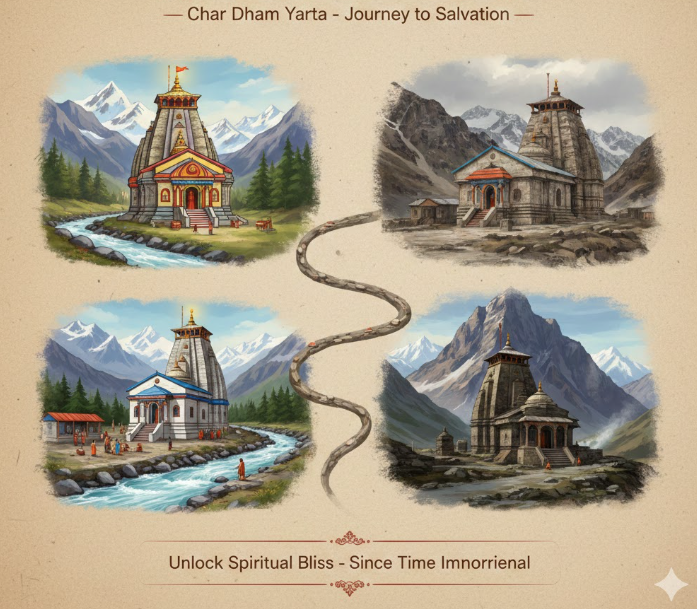
According to Hindu mythology, Vasuki Tal is believed to be the very lake where Lord Vishnu descended onto the earthly realm for a holy bath during the auspicious festival of Raksha Bandhan. The lake’s proximity to the Kedarnath Temple, one of the twelve Jyotirlingas, enhances its spiritual allure, drawing devotees who wish to combine their pilgrimage with an adventurous trek.
Sage Ved Vyas and King Nahusha
The lake holds additional mythological significance. It is believed that Sage Ved Vyas meditated here. In Hinduism, Vasuki Tal is also significant as the place where King Nahusha achieved salvation after suffering from a curse given by the sages. The serene ambience of the lake, coupled with its mythological connections, makes Vasuki Tal a revered spot symbolising peace and purity in Hindu culture.
Religious Beliefs Today
- Sacred Pilgrimage Site: Vasuki Tal is considered a sacred extension of the Kedarnath pilgrimage.
- Spiritual Retreat: The tranquil atmosphere makes it an ideal destination for meditation and spiritual introspection.
- Holy Dip: Many devotees believe that bathing in the lake’s pristine waters brings spiritual purification.
- Raksha Bandhan Connection: The lake holds special significance during Raksha Bandhan, commemorating Lord Vishnu’s visit.
Geography and Location
Location and Setting
Vasuki Tal is situated in the Rudraprayag district of Uttarakhand, within the Kedarnath region near the Indo-Tibetan watershed. The lake is located at coordinates approximately 30.908° N latitude and 79.173° E longitude.
Hydrological Features
Vasuki Tal is a crystal-clear glacial lake formed by the melting waters of Mount Vasuki, the 35th highest peak in Uttarakhand. The lake’s transparent waters reveal intriguing rock formations below the surface. The lake is the source of a tributary of the Mandakini River known as Songanga.
Peaks Visible from Vasuki Tal
Flora and Fauna
Flora – The Brahma Kamal and Alpine Flowers
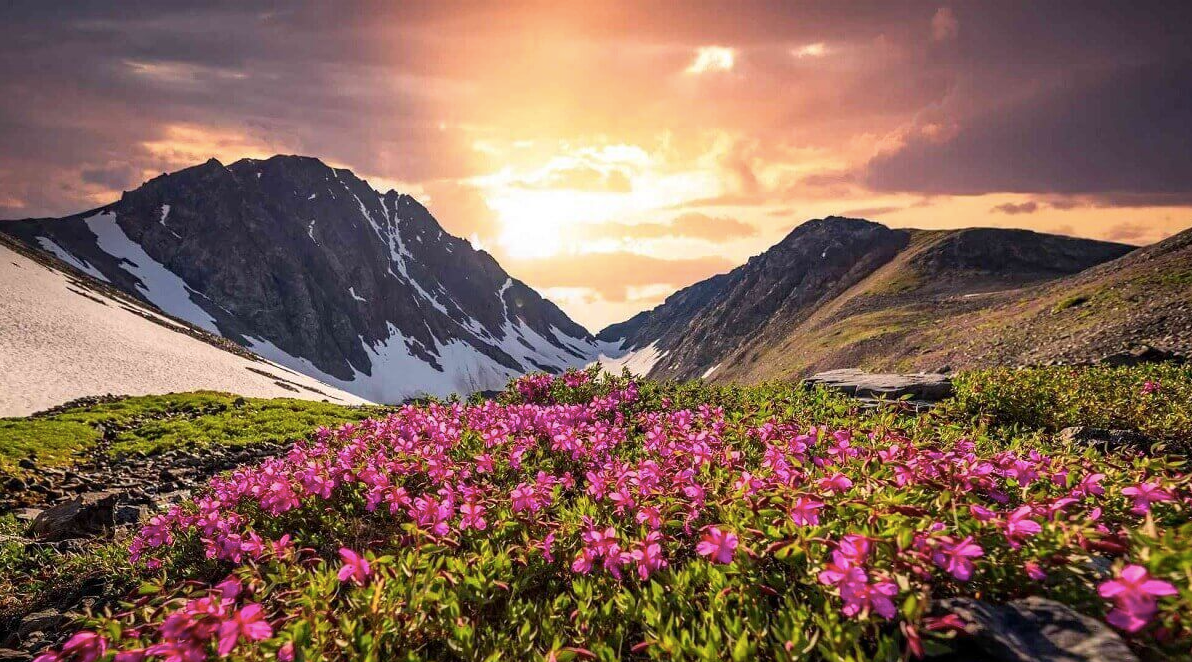
The Vasuki Tal region is renowned for its unique high-altitude flora. The lake is surrounded by colourful Himalayan flowers, notably the rare and sacred Brahma Kamal (Saussurea obvallata), which blooms around the lake. This divine flower is considered an offering to Lord Shiva and adds to the spiritual aura of the region.
Fauna – Himalayan Wildlife
The region is home to a variety of Himalayan fauna, making it a paradise for wildlife enthusiasts:
| Animal | Type | Description |
|---|---|---|
| Himalayan Monal | Bird | State bird of Uttarakhand, iridescent plumage |
| Bharal | Mammal | Himalayan Blue Sheep, greyish-brown, inhabits upland slopes |
| Himalayan Tahr | Mammal | Wild goat species |
| Himalayan Black Bear | Mammal | Occasionally spotted |
| Musk Deer | Mammal | Elusive, found in the region |
| Snow Leopard | Mammal | Rare and majestic, rarely spotted |
| Pheasants, Thrushes | Birds | Various bird species |
How to Reach Vasuki Tal
By Air
By Train
| Details | Information |
|---|---|
| Nearest Station | Rishikesh Railway Station |
| Distance | ~230 km to Kedarnath region |
| Travel Time | 7–8 hours by taxi |
| Connectivity | Well-connected from Delhi |
Popular Trains from Delhi to Haridwar/Rishikesh:
| Train Name | From Delhi | Departure | Arrival | Destination |
|---|---|---|---|---|
| Shatabdi Express | Delhi | 6:00 AM | 11:40 AM | Haridwar |
| Jan Shatabdi | Delhi | 3:20 PM | 9:00 PM | Haridwar |
| Mussoorie Express | Delhi | 10:05 PM | 5:30 AM | Haridwar |
By Road
Route to Gaurikund (Base for Vasuki Tal Trek):
From Gaurikund to Kedarnath
| Details | Information |
|---|---|
| Distance | ~14 km trek |
| Trek Duration | 5–6 hours |
| Transport Options | Pony, palanquin, or helicopter available |
From Kedarnath to Vasuki Tal (The Trek)
The Trekking Route:
The trek begins behind Kedarnath town, gradually ascending over rocky paths, snow patches (early season), and glacial streams. Trekkers must cross the Chaturangi Glacier and Vasuki Glacier to reach the lake. These glaciers are filled with ravines, and crossing them demands a great amount of stamina and confidence.
From Kedarnath, trekkers ascend to Vasuki Top, which is approximately 7 km from Kedarnath. The icy Vasuki Tal is just a 900-metre downhill trek from Vasuki Top.
Note: This trek is not recommended for beginners and should be attempted only with a registered local guide.
Weather and Best Time to Visit
Climate Overview
Vasuki Tal experiences a harsh high-altitude alpine climate. At 4,135 metres, the region receives heavy snowfall in winter, and the lake freezes completely.
Month-by-Month Guide
| Month | Season | Conditions | Suitability |
|---|---|---|---|
| May–June | Summer | Pleasant weather, snow melting, clear skies | ⭐ Best |
| July–August | Monsoon | Moderate rain, lush greenery, some risk | ⭐ Moderate |
| September | Autumn | Post-monsoon clarity, stable weather | ⭐ Best |
| October | Autumn | Crisp air, trekking season closing | ⭐ Good |
| November–April | Winter | Heavy snow, frozen lake, extreme cold | ❌ Closed |
Best Time to Visit by Season
Why Visit in Summer (May–June)
- Pleasant weather with relatively mild temperatures
- Clear skies offering spectacular views of the Himalayan peaks
- Snow begins to melt, making trails accessible
- Ideal conditions for trekking
Why Visit in Post-Monsoon (September–October)
- Post-monsoon freshness brings out the lush greenery
- Stable weather with clear skies
- Perfect for photography
- Ideal trekking conditions
Why Avoid Winter (November–April)
- The region receives heavy snowfall
- Trails are frozen and treacherous
- High risk of avalanches
- The lake freezes over completely
- Extreme cold makes trekking dangerous
Nearby Places to Visit
Detailed Descriptions
Kedarnath Temple: One of the most sacred pilgrimage sites for Hindus, Kedarnath Temple is dedicated to Lord Shiva and is one of the twelve Jyotirlingas. It serves as the starting point for the trek to Vasuki Tal.
Bhairav Temple: Located near Kedarnath, this temple is dedicated to Bhairavnath, a fierce manifestation of Lord Shiva. It offers stunning views of the Kedarnath valley.
Gandhi Sarovar (Chorabari Tal): A picturesque glacial lake situated near Kedarnath, known for its tranquil beauty and reflections of snow-clad peaks.
Gaurikund: The base camp for the Kedarnath trek, Gaurikund is known for its hot springs and the Gauri Temple dedicated to Goddess Parvati.
Vasuki Glacier: The Vasuki Glacier lies in close proximity to the lake and is a stunning sight for adventure enthusiasts and photographers.
Distance from Major Cities
Travel Tips and Important Information
Before You Go
- Check Weather: Avoid winter (November–April) due to heavy snowfall, frozen trails, and avalanche risk.
- Physical Fitness: This trek is difficult and requires prior high-altitude trekking experience. People with BP problems or any physical ailment are advised against taking this journey.
- Hire a Local Guide: Essential for safety. Hire from Kedarnath or Guptkashi.
- Carry Cash: No ATMs near the lake. Bring sufficient cash from Guptkashi or Kedarnath.
- Mobile Network: Limited connectivity; inform family of your travel plans.
- Advance Booking: Essential for accommodations during the summer season.
- Group Trek: It is recommended to cover this trek with a group of at least six individuals.
During Your Visit
- Dress in Layers: Even in summer, temperatures can drop significantly; winter requires heavy woollens.
- Stay Hydrated: Carry water for treks and day trips.
- Start Early: Begin trekking early in the morning to avoid afternoon weather changes.
- Acclimatise: Proper acclimatisation at Kedarnath is essential to avoid altitude sickness.
- Respect Nature: Keep the area clean and avoid littering.
- Leave No Trace: Follow principles to preserve natural beauty.
Safety Tips
- Altitude Awareness: At 4,135 m, altitude sickness is a real risk. Stay hydrated and take it easy.
- Glacier Crossing: Crossing the Chaturangi and Vasuki glaciers demands great stamina and confidence.
- Weather Changes: Weather can change rapidly in the high Himalayas; be prepared.
- Wildlife: Do not feed animals; maintain a safe distance.
- No Permanent Shelters: Camping gear is needed if splitting the trek into 2 days.
Packing Checklist
Accommodation Options
Photography Tips
- Best Spots: Vasuki Tal Lake, surrounding peaks, glaciers, Brahma Kamal flowers
- Best Time: Early morning for clear mountain views; golden hour (4:00–5:30 PM)
- Camera Gear: Carry extra batteries—cold drains them quickly
Frequently Asked Questions (FAQs)
Q1: What is Vasuki Tal famous for?
A: Vasuki Tal is famous for its mythological association with Vasuki Naag, the celestial serpent king of Lord Shiva, and as the place where Lord Vishnu bathed during Raksha Bandhan. It is also known for its pristine glacial beauty and the rare Brahma Kamal flowers.
Q2: What is the best time to visit Vasuki Tal?
A: The best time to visit is May to June (summer) and September to October (post-monsoon). These months offer stable weather and clear skies.
Q3: How far is Vasuki Tal from Delhi?
A: The distance from Delhi to Gaurikund is approximately 458 km, with a travel time of 12–14 hours by road.
Q4: How do I reach Vasuki Tal?
A: By road to Gaurikund, then trek to Kedarnath (~14 km), followed by an 8 km trek to Vasuki Tal. The nearest airport is Jolly Grant Airport, Dehradun (~250 km), and the nearest railway station is Rishikesh (~230 km).
Q5: What is the altitude of Vasuki Tal?
A: Vasuki Tal is situated at an altitude of approximately 4,135 metres (13,566–14,200 feet) above sea level.
Q6: What is the mythological significance of Vasuki Tal?
A: According to Hindu mythology, Vasuki Tal is named after Vasuki Naag, the celestial serpent king of Lord Shiva. It is believed that Lord Vishnu bathed here during Raksha Bandhan. Sage Ved Vyas also meditated here.
Q7: Is the Vasuki Tal trek difficult?
A: Yes, the 8 km trek from Kedarnath is considered difficult/challenging. It requires prior high-altitude trekking experience and crossing glaciers.
Q8: How long does the Vasuki Tal trek take?
A: The trek takes approximately 8–10 hours (one long day) or can be split into 2 days.
Q9: What is the Brahma Kamal?
A: The Brahma Kamal is a rare and sacred white flower that blooms at high altitudes in the Himalayas. It is found around Vasuki Tal and is considered a divine offering.
Q10: What wildlife can I see at Vasuki Tal?
A: The region is home to the Himalayan Monal (state bird), Bharal (Himalayan Blue Sheep), Himalayan Tahr, Himalayan Black Bear, Musk Deer, and occasionally the elusive Snow Leopard.
Q11: Can I visit Vasuki Tal without a guide?
A: It is strongly recommended to hire a registered local guide for this trek due to the challenging terrain and glacier crossings.
Q12: Is Vasuki Tal accessible during winter?
A: Winter (November–April) is not recommended due to heavy snowfall, frozen trails, and high avalanche risk.
Q13: What peaks are visible from Vasuki Tal?
A: The Chaukhamba massif is prominently visible. Other visible peaks include Mount Shivling, Thalay Sagar, Meru, and Bhagirathi I, II, and III.
Q14: Are there accommodation options at Vasuki Tal?
A: There are no permanent shelters at the lake. Camping is possible, but camping gear is needed. Most visitors stay in Kedarnath or Guptkashi.
Q15: Do I need a permit to visit Vasuki Tal?
A: No specific permit is mentioned, but it is advisable to check with the local forest department or tourism office before the trek.
Q16: What is the distance from Kedarnath to Vasuki Tal?
A: The distance is approximately 8 km one way.
Q17: What is the nearest road head to Vasuki Tal?
A: The nearest road head is Gaurikund, which is approximately 24 km from the lake.
Q18: What is the Vasuki Glacier?
A: The Vasuki Glacier lies in close proximity to the lake and is crossed during the trek. It is a stunning site for adventure enthusiasts and photographers.
Q19: Can beginners attempt the Vasuki Tal trek?
A: No, this trek is not recommended for beginners. Prior high-altitude trekking experience is essential.
Q20: What is the best time of day to start the trek?
A: Early morning is ideal for trekking to avoid afternoon weather changes and to experience the serene beauty of the lake.
Plan Your Vasuki Tal Journey with Discover Uttarakhand
At Discover Uttarakhand, we’ve been organising unforgettable journeys across Devbhoomi since 1997. As a trusted local operator with deep knowledge of the Garhwal Himalayas, we offer:
✅ Customised Vasuki Tal tour packages (5 to 8 days)
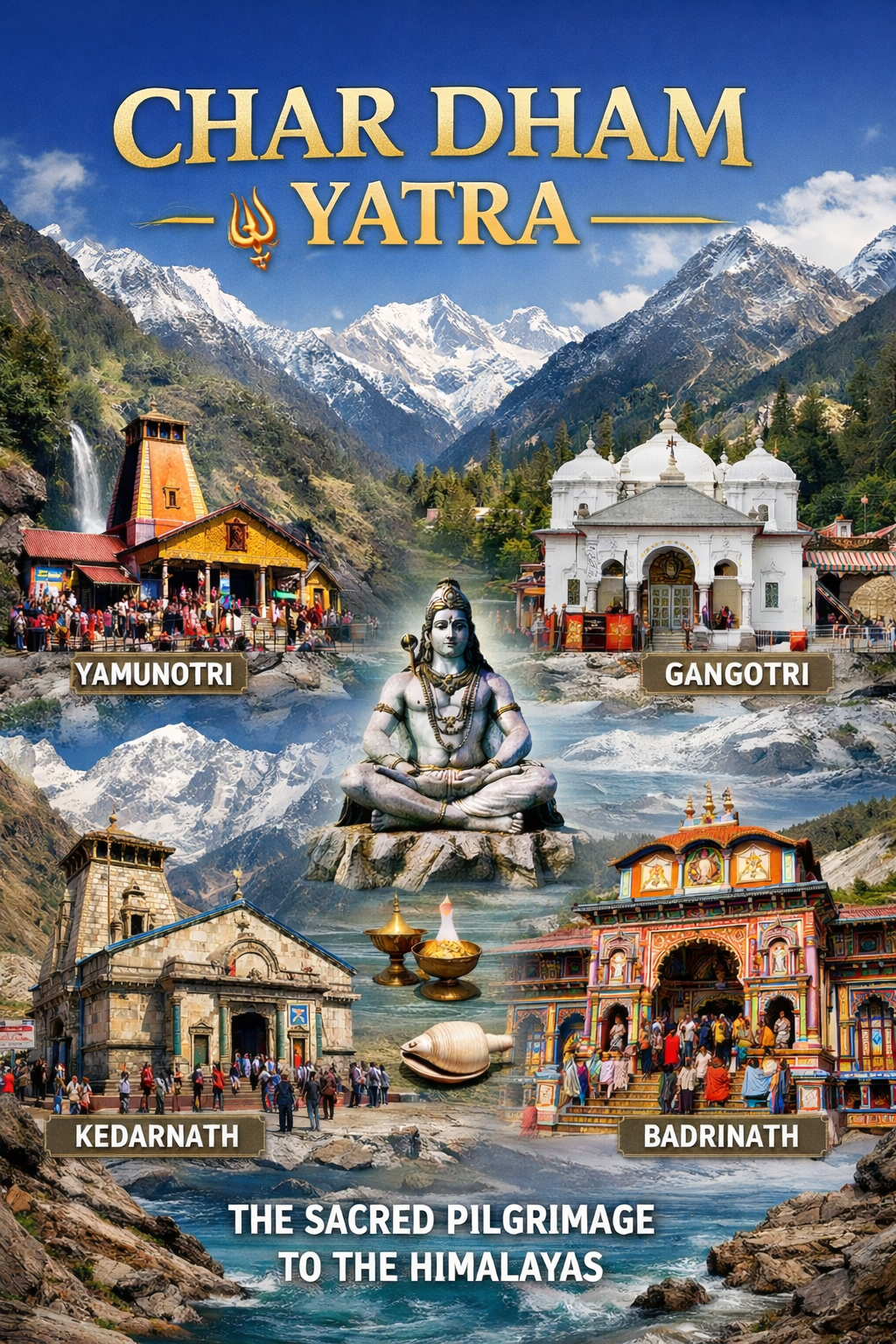
✅ Combined itineraries covering Vasuki Tal, Kedarnath, Gangotri, and Yamunotri
✅ Comfortable transport with experienced hill drivers
✅ Verified accommodations in Guptkashi and Kedarnath
✅ Experienced local guides for the trek
✅ Camping equipment and arrangements
✅ 24/7 customer support throughout your journey
Recommended Vasuki Tal Packages
| Package | Duration | Starting Point | Highlights |
|---|---|---|---|
| Vasuki Tal Trek | 4 Nights / 5 Days | Dehradun | Gaurikund, Kedarnath, Vasuki Tal, glaciers |
| Vasuki Tal & Kedarnath Darshan | 5 Nights / 6 Days | Dehradun | Kedarnath Temple, Vasuki Tal, spiritual journey |
| Char Dham with Vasuki Tal | 8 Nights / 9 Days | Dehradun | Yamunotri, Gangotri, Kedarnath, Vasuki Tal, Badrinath |
Book Your Vasuki Tal Journey Today
Discover one of Uttarakhand’s most sacred and challenging Himalayan treks—where the serpent king of Lord Shiva resides, where Lord Vishnu bathed in ancient times, where the rare Brahma Kamal blooms in divine silence, and where every step brings you closer to the untamed soul of the Himalayas.
📞 Call / WhatsApp: +91-9997187178, 9760222178, 8171977178
📍 Visit Our Office: Himalayan Colony, opposite DSVV, Haripur Kalan, Haridwar, Motichur Range, Uttarakhand 249411
🌐 Website: www.discover-uttarakhand.com
📧 Email: info@discover-uttarakhand.com
Discover Uttarakhand – Your Local Partner for Unforgettable Himalayan Journeys Since 1997 🏔️🐍