
Introduction: The Sacred Lake of the Divine Marriage
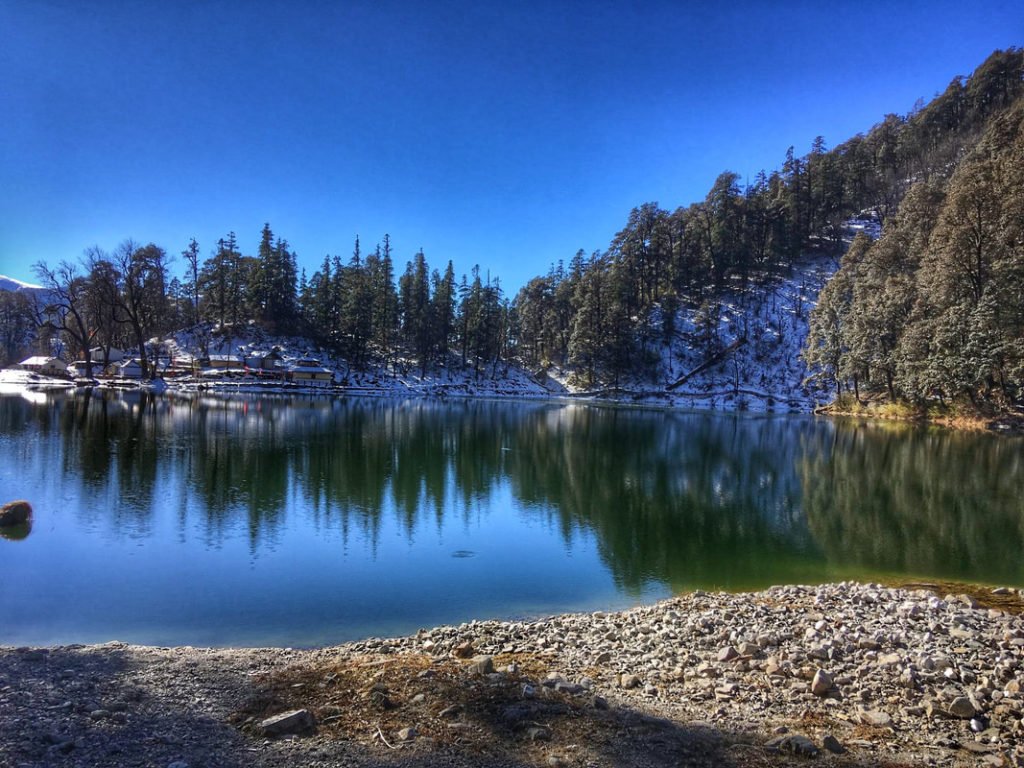
Nestled in the pristine Garhwal Himalayas of Uttarakhand’s Chamoli district, Homekund (also spelt Homkund or Hom Kund) is a sacred high-altitude mountain pond that holds a unique place in Hindu mythology and spiritual traditions. The name “Homekund” translates to “Homa Kund” —a sacred fire altar—reflecting its deep spiritual significance as a place where ancient rituals and divine ceremonies were performed.
The lake sits at an altitude of approximately 3,756 metres (12,323 feet) above sea level and is located at the base of majestic Himalayan peaks, including Nanda Ghunti and Trishul. This pristine glacial lake is surrounded by snow-covered valleys, creating a breathtaking landscape that captivates every visitor.
What makes Homekund truly special is its profound mythological significance. According to legend, this is the place where Lord Shiva resided and meditated during his earthly sojourn. It is also believed to be the sacred site where the auspicious occasion of the Shiv–Nanda marriage is commemorated. The lake serves as the final leg of the Nanda Devi Raaj Jat Yatra, one of Uttarakhand’s most important religious processions.
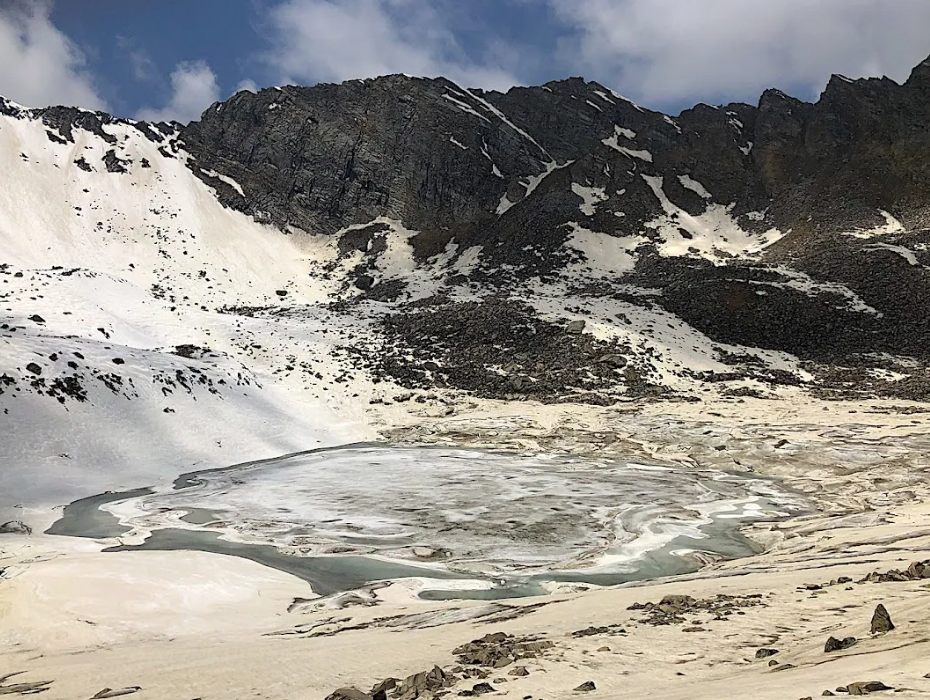
Quick Facts – Homekund
History and Mythology: The Divine Lake of Legends
The Name “Homekund”
The name “Homekund” (also spelt Homkund or Hom Kund) derives from the Sanskrit words “Homa” (sacred fire ritual) and “Kund” (pond or lake). According to ancient traditions, a Homa Kund served as a sacred fire altar—a laboratory for the rishis (sages) where they performed rituals and created divine manifestations.
Lord Shiva’s Meditation
According to mythological accounts, Lord Shiva chose Homekund as a place of residence and meditation during his earthly sojourn. The serene, high-altitude setting provided the perfect environment for the deity’s deep contemplation. This association with Lord Shiva makes Homekund one of the most revered sites in the Garhwal Himalayas.
The Shiv–Nanda Marriage
Homekund holds immense significance as the place where the auspicious occasion of the Shiv–Nanda marriage is commemorated. According to local tradition, this sacred site marks the threshold of the greater Himalaya, where the divine union of Lord Shiva and Goddess Nanda is celebrated. The lake is believed to be the place where Aradhya Devi Nanda’s palanquin was kept during the ceremonies.
The Nanda Devi Raaj Jat Yatra
Homekund serves as the final leg of the Nanda Devi Raaj Jat Yatra, one of Uttarakhand’s most significant religious processions. This grand yatra, which takes place every 12 years, involves a long journey where thousands of devotees travel barefoot, accompanying a ceremonial sheep and the Dola (palanquin) of Nanda Devi. The tradition symbolises accompanying the goddess to her in-laws’ place and is deeply rooted in the cultural fabric of the region.
The Legend of Homekund’s Name
An interesting local legend explains the origin of the name “Homekund” (or “Ghumki”). It is said that when the Himalayan people and subjects repeatedly circled around to meet Nanda Devi, the place came to be known as Homkund or Ghumki.
Kartikeya Connection
Some traditions also connect Homekund to the birth of Lord Kartikeya (also known as Murugan or Skanda), the son of Lord Shiva and Goddess Parvati. According to legend, Parvati, through her tantric powers, merged six fetuses into one, embedding six beings in a single body, and Kartikeya was born—a process associated with the sacred Homa Kund.
Religious Beliefs Today
- Sacred Pilgrimage Site: Homekund is considered a holy site by Hindus, drawing devotees seeking spiritual blessings.
- Shiva’s Meditation Spot: The lake is revered as a place where Lord Shiva meditated.
- Shiv–Nanda Marriage Site: The lake commemorates the divine union of Lord Shiva and Goddess Nanda.
- Nanda Devi Raaj Jat: The lake serves as the final destination of this grand 12-yearly yatra.
- Spiritual Retreat: The tranquil atmosphere makes it an ideal destination for meditation and introspection.
Geography and Location
Location and Setting
Homekund is situated in the Chamoli district of Uttarakhand, in the Garhwal Himalayas. The lake is located at the base of Mt. Nandaghungti and Ronti Saddle, in the middle of snow-covered valleys.
| Geographic Feature | Description |
|---|---|
| Altitude | 3,756 m (12,323 ft) |
| Lake Type | High-altitude glacial mountain pond |
| Coordinates | 30°19′51″N 79°44′38″E |
| Surroundings | Snow-covered valleys, glacial terrain |
Peaks Visible from Homekund
| Peak Name | Description |
|---|---|
| Nanda Ghunti | Majestic Himalayan peak, near the lake |
| Trishul | An iconic peak with three summits, visible from the area |
| Nanda Devi | Visible on clear days from the region |
The Region
The area around Homekund is characterised by:
- Glacial terrain with snow-covered valleys
- High-altitude meadows (bugyals), including Bedni Bugyal and Ali Bugyal
- Proximity to Roopkund, the famous “Skeleton Lake”
- Location on the trek route to Ronti Saddle between Nanda Ghungti and Trishul
Flora and Fauna
High-Altitude Flora
The Homekund region, like other high-altitude areas of the Garhwal Himalayas, supports unique alpine vegetation:
| Vegetation Type | Description |
|---|---|
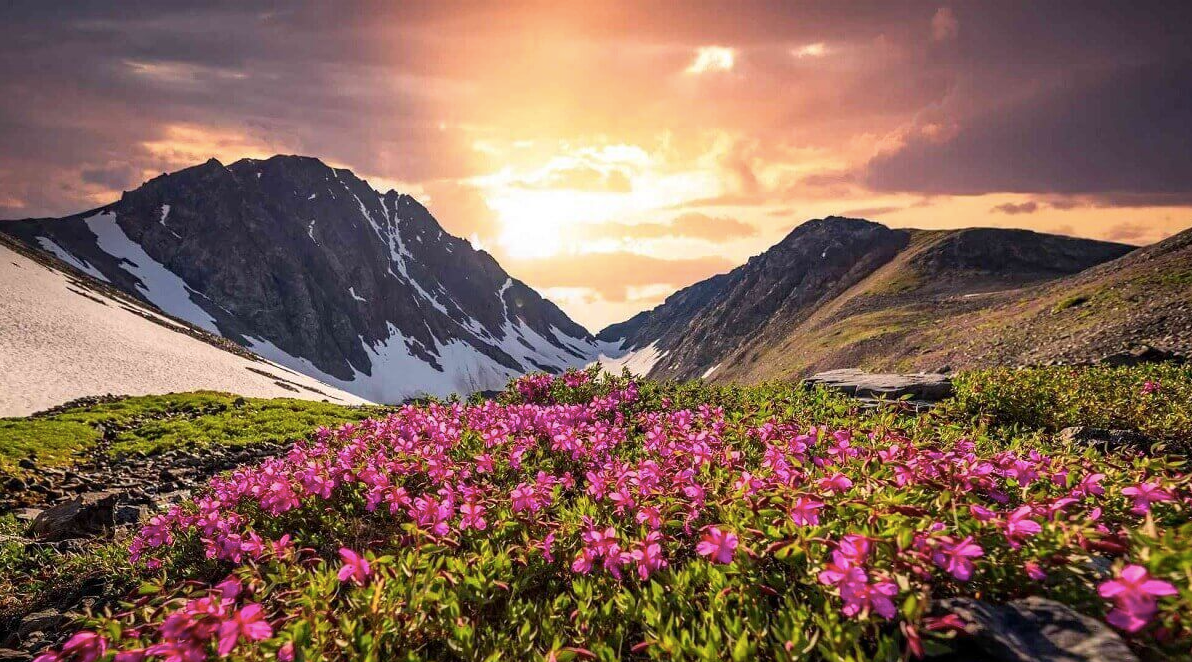
| Alpine Meadows | Grasses and wildflowers during summer months |
| High-Altitude Flowers | Various species bloom during the short summer season |
| Medicinal Herbs | Traditional Himalayan medicinal plants |
Fauna
The region is home to a variety of Himalayan wildlife:
| Animal | Type | Description |
|---|---|---|
| Bharal | Mammal | Himalayan Blue Sheep, inhabits high-altitude slopes |
| Himalayan Tahr | Mammal | Wild goat species |
| Snow Leopard | Mammal | Rare and elusive, occasionally spotted |
| Himalayan Monal | Bird | State bird of Uttarakhand, with its iridescent plumage |
| Various Birds | Avian | High-altitude bird species |
How to Reach Homekund
By Air
| Details | Information |
|---|---|
| Nearest Airport | Jolly Grant Airport, Dehradun |
| Distance | ~350+ km to Lohajung |
| Travel Time | 10–12 hours by taxi |
| Airlines | Regular flights from Delhi to Dehradun (approx. 1 hour) |
| Onward Travel | Taxis available from the airport to Lohajung |
By Train
| Details | Information |
|---|---|
| Nearest Station | Kathgodam Railway Station |
| Distance | ~220 km to Lohajung |
| Travel Time | 8 hours by taxi |
| Connectivity | Well-connected from Delhi |
Popular Trains from Delhi to Kathgodam:
| Train Name | From Delhi | Departure | Arrival | Destination |
|---|---|---|---|---|
| Kathgodam Shatabdi | Delhi | 6:20 AM | 11:35 AM | Kathgodam |
| Ranikhet Express | Delhi | 10:10 PM | 6:00 AM | Kathgodam |
By Road
Route to Lohajung (Base Camp for Homekund Trek):
The Trekking Route
Base Camp: Lohajung is the base camp for the Homekund trek.
Trek Route:
Lohajung → Didina → Bedni Bugyal → Bhagwabhasa → Shila Samunder (via Roopkund and Junar Gali) → Do Dang (via Gheetapan) → Homekund
Alternative Route:
Starting from the village of Sutol and passing by Latakhopri and Chandaniya Ghat
Trek Duration:
- From Roopkund: 3 days crossing the Junargali Pass
- Total trek from Lohajung: 5–7 days depending on the route and pace
Difficulty: The Homekund trek is considered difficult/challenging and is suitable only for experienced trekkers with proper high-altitude trekking gear and acclimatisation.
Weather and Best Time to Visit
Climate Overview
Homekund experiences a harsh high-altitude alpine climate. At 3,756 metres, the region receives heavy snowfall in winter, and the lake remains frozen for most of the year.
Month-by-Month Guide
| Month | Season | Conditions | Suitability |
|---|---|---|---|
| May–June | Summer | Snow melting, challenging but accessible | ⭐ Moderate |
| July–September | Monsoon | Rain, slippery trails, landslide risk | ⭐ Moderate |
| September–October | Autumn | Clear skies, crisp air, optimal visibility | ⭐ Best |
| November–April | Winter | Heavy snow, extreme cold, inaccessible | ❌ Closed |
Best Time to Visit by Season
| Season | Months | Suitability | Conditions | Best For |
|---|---|---|---|---|
| Autumn | September–October | ⭐ Best | Clear skies, stable weather | Trekking, photography |
| Summer | May–June | ⭐ Moderate | Snow melting, challenging | Experienced trekkers |
| Monsoon | July–September | ⭐ Moderate | Rain, lush greenery | Nature lovers (caution) |
| Winter | November–April | ❌ Closed | Heavy snowfall, extreme cold | Not accessible |
Why Visit in Autumn (September–October)
- Post-monsoon clarity with stable weather
- Clear skies offering spectacular views of Himalayan peaks
- Ideal trekking conditions
- Perfect for photography
Why Avoid Winter (November–April)
- The region receives heavy snowfall
- Trails are completely covered and dangerous
- Extreme cold makes trekking impossible
- The lake remains frozen
Nearby Places to Visit
Detailed Descriptions
Roopkund: Located near Homekund, Roopkund is famous as the “Skeleton Lake” due to the ancient human skeletons found at its edge. The lake is a popular trekking destination and serves as a gateway to Homekund.
Bedni Bugyal: One of the most beautiful meadows in Uttarakhand, Bedni Bugyal offers stunning views of the surrounding peaks and serves as a camping site on the trek to Homekund.
Ali Bugyal: Another breathtaking meadow, Ali Bugyal is known for its soft green grasses and grazing sheep, making it a memorable stop on the trek.
Lohajung: The base camp for the Homekund trek, Lohajung is approximately 220 km from Kathgodam and serves as the starting point for the journey.
Distance from Major Cities
Travel Tips and Important Information
Before You Go
- Physical Fitness: The Homekund trek is difficult and requires excellent physical fitness and prior high-altitude trekking experience.
- Check Weather: Avoid winter (November–April) due to heavy snowfall and extreme cold.
- Hire a Local Guide: Essential for navigating the challenging terrain.
- Permits: Check with the forest department for any required permits.
- Carry Cash: No ATMs near the trek route; bring sufficient cash from Kathgodam or Lohajung.
- Mobile Network: No connectivity in the high-altitude areas; inform family of your travel plans.
- Advance Booking: Essential for accommodations during the trekking season.
During Your Visit
- Dress in Layers: Even in summer, temperatures can drop significantly.
- Stay Hydrated: Carry water for treks; water sources may be limited.
- Acclimatise: Proper acclimatisation is essential to avoid altitude sickness.
- Start Early: Begin trekking early in the morning.
- Leave No Trace: Follow principles to preserve natural beauty.
Safety Tips
- Altitude Awareness: At 3,756 m, altitude sickness is a real risk; stay hydrated and ascend gradually.
- Glacier Trekking: The terrain includes glacial sections; require proper equipment and experience.
- Weather Changes: Weather can change rapidly in the high Himalayas.
- Group Trek: Recommended to trek with an experienced group.
- Wildlife: Maintain a safe distance from wildlife; do not feed animals.
Packing Checklist
| Season | Essentials |
|---|---|
| All Year | Comfortable trekking shoes, sunscreen, sunglasses, hat, reusable water bottle, power bank, camera, cash, ID proof, first aid kit, flashlight, trekking poles, warm clothing, waterproof jacket, sleeping bag |
| Summer (May–Jun) | Light woollens for evenings, sun protection, rain protection |
| Autumn (Sep–Oct) | Warm layers, rain protection |
Accommodation Options
| Accommodation | Location | Type | Notes |
|---|---|---|---|
| Camping | Along the trek route | Tent | Most common option |
| Guesthouses | Lohajung | Basic | Limited availability |
| Forest Rest Houses | Along the route | Basic | Prior booking required |
Photography Tips
- Best Spots: Homekund Lake, Bedni Bugyal, Ali Bugyal, surrounding peaks
- Best Time: Early morning for clear mountain views; golden hour (4:00–5:30 PM)
- Camera Gear: Carry extra batteries—cold drains them quickly
Frequently Asked Questions (FAQs)
Q1: What is Homekund famous for?
A: Homekund is famous for its mythological association with Lord Shiva’s meditation, the Shiv–Nanda marriage commemoration, and as the final leg of the Nanda Devi Raaj Jat Yatra.
Q2: What is the best time to visit Homekund?
A: The best time to visit is September to October (autumn) when the weather is stable, and the skies are clear.
Q3: How far is Homekund from Delhi?
A: The distance from Delhi is approximately 500+ km, with a travel time of 14–16 hours by road.
Q4: How do I reach Homekund?
A: By road to Lohajung (base camp), then a multi-day trek through Bedni Bugyal, Roopkund, and Junargali Pass. The nearest airport is Jolly Grant Airport, Dehradun, and the nearest railway station is Kathgodam (~220 km).
Q5: What is the altitude of Homekund?
A: Homekund is situated at an altitude of approximately 3,756 metres (12,323 feet) above sea level. Some sources mention 15,200 feet.
Q6: What is the mythological significance of Homekund?
A: According to legend, Lord Shiva resided and meditated here. It is also the site of the Shiv–Nanda marriage commemoration and the final leg of the Nanda Devi Raaj Jat Yatra.
Q7: Is the Homekund trek difficult?
A: Yes, the trek is considered difficult/challenging and is suitable only for experienced trekkers with high-altitude trekking experience.
Q8: How long does the Homekund trek take?
A: The trek takes approximately 3 days from Roopkund, crossing the Junargali Pass. The total trek from Lohajung takes 5–7 days, depending on the route.
Q9: What peaks are visible from Homekund?
A: Nanda Ghunti, Trishul, and Nanda Devi peaks are visible from the region.
Q10: What is the Nanda Devi Raaj Jat Yatra?
A: It is a grand religious procession that takes place every 12 years, with Homekund serving as the final leg of the journey.
Q11: Is Homekund accessible during winter?
A: Winter (November–April) is not recommended due to heavy snowfall, extreme cold, and inaccessible trails.
Q12: What is the nearest base camp for Homekund?
A: Lohajung is the base camp for the Homekund trek, approximately 220 km from Kathgodam.
Q13: Do I need a permit to visit Homekund?
A: Permits may be required; check with the local forest department or tourism office before the trek.
Q14: Can beginners attempt the Homekund trek?
A: No, this trek is not recommended for beginners. Prior high-altitude trekking experience is essential.
Q15: What is the trek route to Homekund?
A: The route is: Lohajung → Didina → Bedni Bugyal → Bhagwabhasa → Shila Samunder (via Roopkund and Junar Gali) → Do Dang (via Gheetapan) → Homekund.
Q16: What is the Shiv–Nanda marriage?
A: According to local tradition, Homekund is the place where the auspicious occasion of the Shiv–Nanda marriage is commemorated.
Q17: Are there accommodation options at Homekund?
A: There are no permanent shelters at the lake. Camping is the only option, with camping gear required.
Q18: What is the connection between Homekund and Roopkund?
A: Homekund is located near Roopkund and is often visited as an extension of the Roopkund trek. It takes 3 days to reach Homekund from Roopkund.
Plan Your Homekund Journey with Discover Uttarakhand
At Discover Uttarakhand, we’ve been organising unforgettable journeys across Devbhoomi since 1997. As a trusted local operator with deep knowledge of the Garhwal Himalayas, we offer:
✅ Customised Homekund trekking packages (7 to 10 days)
✅ Combined itineraries covering Homekund, Roopkund, Bedni Bugyal, and Ali Bugyal
✅ Comfortable transport with experienced hill drivers
✅ Verified accommodations in Lohajung
✅ Experienced local guides for the trek
✅ Camping equipment and arrangements
✅ 24/7 customer support throughout your journey
Recommended Homekund Packages
| Package | Duration | Starting Point | Highlights |
|---|---|---|---|
| Homekund Trek | 6 Nights / 7 Days | Kathgodam | Lohajung, Bedni Bugyal, Roopkund, Homekund |
| Homekund & Roopkund | 7 Nights / 8 Days | Kathgodam | Roopkund, Homekund, Junargali Pass, glacial lakes |
| Garhwal High-Altitude Trek | 8 Nights / 9 Days | Kathgodam | Ali Bugyal, Bedni Bugyal, Roopkund, Homekund |
Book Your Homekund Journey Today
Discover one of Uttarakhand’s most sacred and challenging Himalayan treks—where Lord Shiva meditated, where the divine marriage of Shiv and Nanda is celebrated, where the Nanda Devi Raaj Jat Yatra finds its culmination, and where every step brings you closer to the raw, untamed soul of the Garhwal Himalayas.
📞 Call / WhatsApp: +91-9997187178, 9760222178, 8171977178
📍 Visit Our Office: Himalayan Colony, opposite DSVV, Haripur Kalan, Haridwar, Motichur Range, Uttarakhand 249411
🌐 Website: www.discover-uttarakhand.com
📧 Email: info@discover-uttarakhand.com
Discover Uttarakhand – Your Local Partner for Unforgettable Himalayan Journeys Since 1997 🏔️🔥