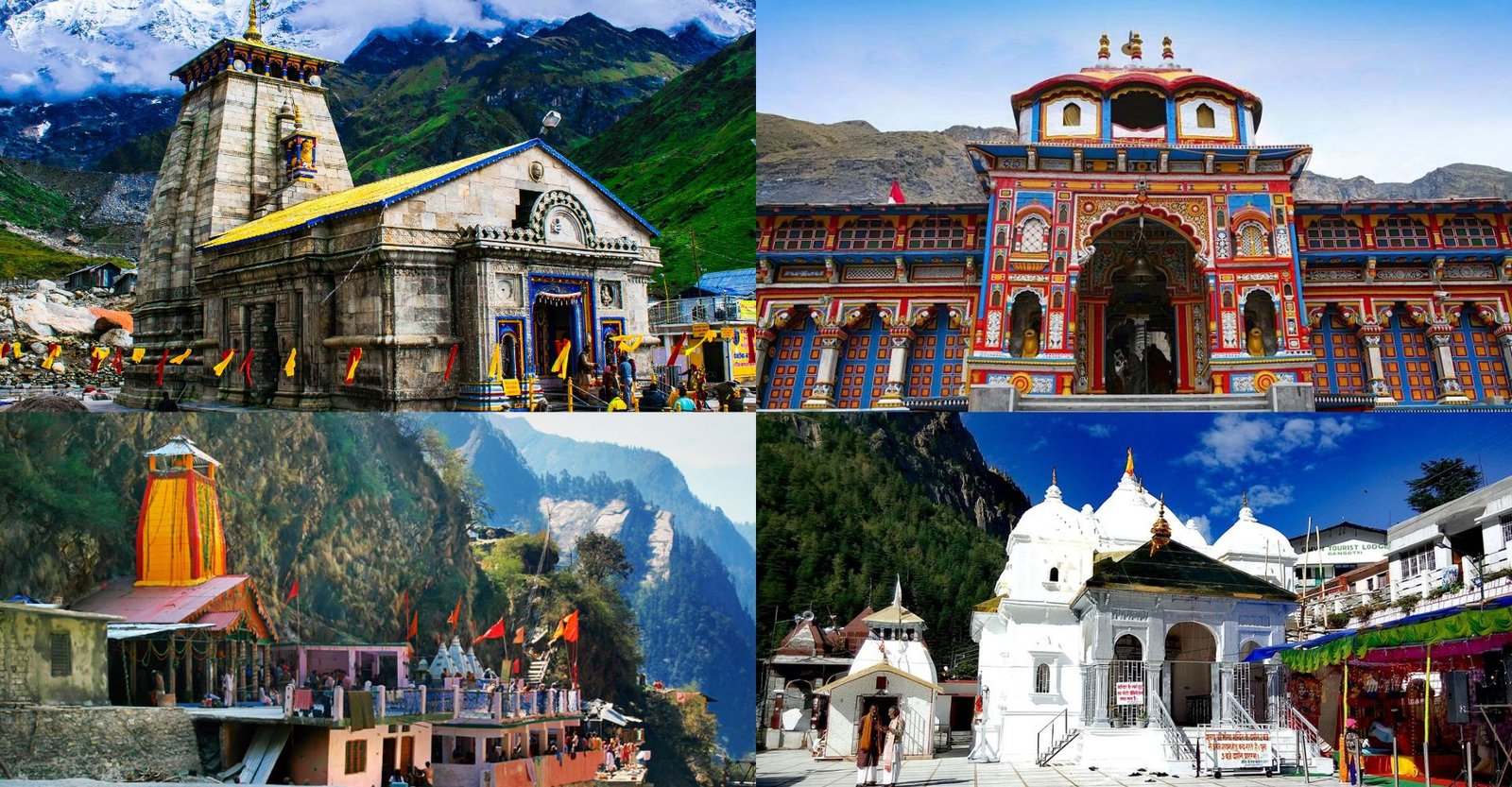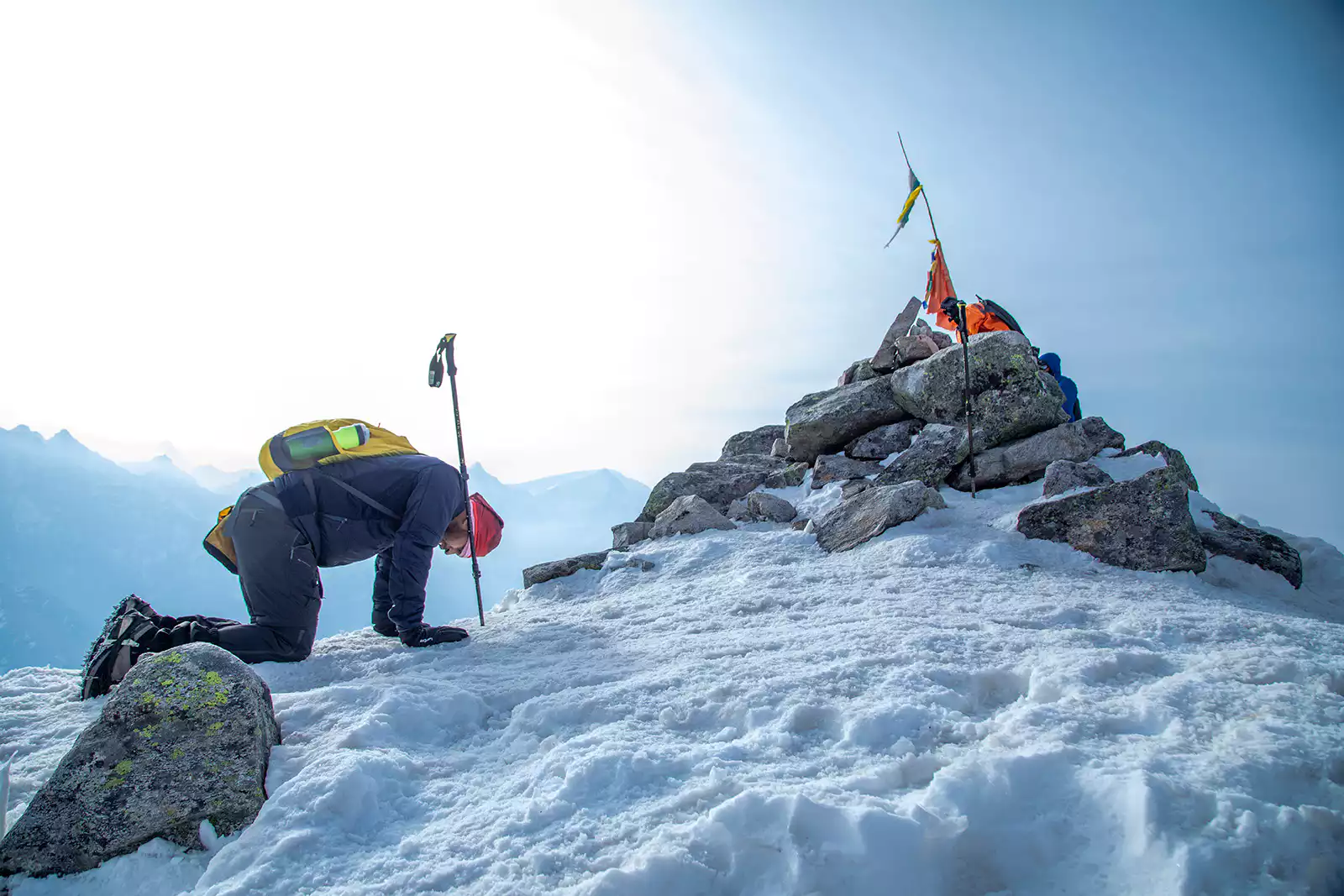
Overview: The Living Heritage of Devbhoomi
A Cultural Village Tour of Uttarakhand is not merely a sightseeing excursion; it is an immersive journey into the heart of India’s mountain living heritage. Scattered across the Garhwal and Kumaon Himalayas, these villages are vibrant repositories of age-old traditions, indigenous craftsmanship, and community life that has remained largely unchanged for centuries.
Unlike commercial tourist destinations, Uttarakhand’s cultural villages offer travellers a rare opportunity to step into a world where time moves at a different pace. From the high-altitude Bhotiya settlements near the Indo-Tibetan border to the serene eco-villages of Tehri, each village tells a unique story — of resilient communities, ancient trade routes, mythological connections, and a deep reverence for nature.
The state’s villages are home to indigenous communities like the Bhotiyas, who have preserved their distinct Himalayan culture, blending Tibetan and Indian traditions. In these villages, you can witness traditional artisans at work, participate in daily rituals, savour authentic regional cuisine, and listen to folk tales passed down through generations.
Whether you are a history enthusiast tracing the footsteps of the Pandavas, a culture seeker exploring unique local traditions, or a traveller yearning for an authentic connection with the mountains, a Cultural Village Tour of Uttarakhand promises an experience that stays with you forever.
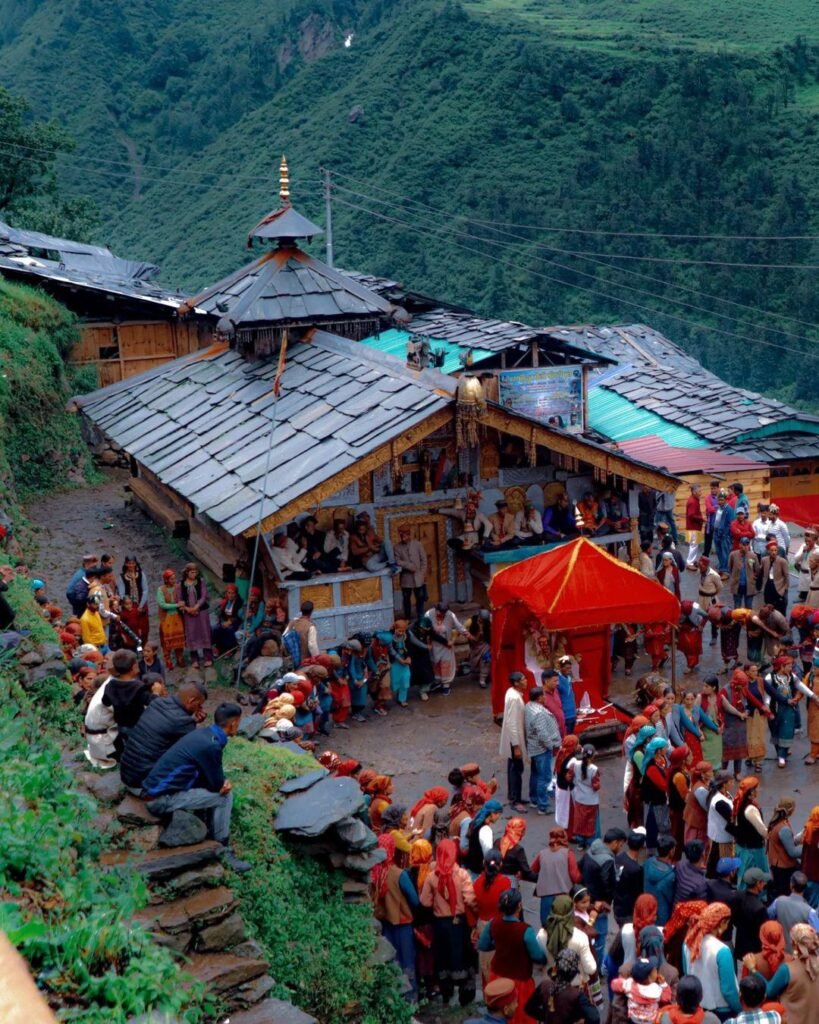
Key Information at a Glance
| Aspect | Details |
|---|---|
| Destinations | Mana, Jakhol, Niti, Devalsari, Bagwali Pokhar, Lata, and more |
| Best Time to Visit | April–June & September–November (Hills); October–November (Fairs) |
| Tour Duration | 1–7 Days (depending on destination) |
| Ideal For | Culture enthusiasts, photographers, families, solo travellers |
| Key Experiences | Traditional crafts, folk performances, local cuisine, homestays |
| Languages | Hindi, Garhwali, Kumaoni, Bhotiya |
| Transport | Private taxi, shared cabs, local buses |
| Accommodation | Homestays, guesthouses, eco-lodges |
| Altitude Range | 1,600 m to 3,600 m |
Featured Cultural Villages of Uttarakhand
1. Mana Village — India’s First and Last Village
Location: Chamoli district, 3 km from Badrinath
Altitude: 3,219 m (10,561 ft)
Just three kilometres from the sacred town of Badrinath, Mana is the last village on the Uttarakhand-Indo-Tibetan border. Perched at 3,219 metres above sea level, this charming village lies beside the Saraswati River and is home to the indigenous Bhotia community.
Mana holds a special place in Hindu mythology. It is home to the legendary Bheem Pul, a natural rock bridge said to have been created by Bheem, one of the Pandava brothers, during their final journey to heaven. Nearby lies Vyas Gufa, the cave where Sage Vyasa is believed to have composed the epic Mahabharata. The village also features Charanpaduka, a sacred rock believed to preserve the footprints of Lord Vishnu.
In recent years, the Border Roads Organisation (BRO) rebranded Mana from the “Last Village of India” to the “First Village of India,” shifting the perspective from an endpoint to a starting point for the country. The Uttarakhand government has declared Mana a “Tourism Village,” and it has won the ‘Best Clean, Iconic Tourist Destination’ under the 2019 Swachh Bharat Mission.
Things to Do:
- Walk the Pandava Route, tracing the mythological journey to heaven
- Visit Vyas Gufa and immerse yourself in the tranquil atmosphere
- Cross Bheem Pul, the natural stone bridge over the Saraswati River
- Stroll along the Saraswati River and enjoy the crystal-clear waters
- Unwind at Vasundhara Falls, a serene waterfall nearby
- Watch the Saraswati meet the Alaknanda at Keshav Prayag
- Enjoy a warm cup of tea at India’s last tea stall
- Witness the vibrant annual Mata Murti temple fair
Best Time to Visit: May to October
2. Jakhol Village — The Land of Duryodhana Worship
Location: Mori Tehsil, Uttarkashi district
Altitude: 7,200 ft (approx.)
Jakhol Village is a fascinating hamlet nestled in the Mori Tehsil of Uttarkashi district, captivating visitors with its unique traditions and historical ties. What makes Jakhol truly unique is its reverence for Duryodhana, the famous antagonist from the epic Mahabharata.
Unlike other parts of India where Duryodhana is often reviled, here he is worshipped as a deity. The ancient Duryodhana Temple is the heart of the village’s spiritual life, a rare sight that draws cultural enthusiasts and scholars alike. The villagers believe Duryodhana was a benevolent king who cared deeply for his subjects.
The largest village in the region, Jakhol has a rich cultural heritage with men and women still wearing their traditional clothes. Agriculture and cattle rearing are the primary occupations of the people. In 2024, Jakhol was recognised as a “Best Tourism Village” for its efforts in promoting adventure tourism and preserving its distinct cultural identity.
Things to Do:
- Visit the Duryodhana Temple and observe the unique rituals
- Wander through narrow lanes, admire traditional wooden houses, and interact with friendly locals
- Opt for a homestay to savour traditional Garhwali cuisine like Mandua Roti and Gahat Dal
- Camp under the glistening night sky
- Enjoy bird watching and jungle walks
- Hike through the village to see apple trees and beautiful wooden houses
How to Reach: 19 km from Netwar, the entry gate to Govind National Park
3. Niti Village — The Ancient Border Settlement
Location: Chamoli district, near Indo-Tibetan border
Altitude: 3,600 m (11,811 ft)
Niti Valley is a remote valley located in the northernmost region of Uttarakhand. Niti is the last village in the valley before the border with South Tibet. The Niti Pass was an ancient trade route between India and Tibet, sealed after the 1962 Sino-Indian War.
The villages in the valley are mostly inhabited by Bhotiyas of Uttarakhand, namely Marchas and Tolcchas. Due to adverse weather conditions in the winter, the villages in the valley are only hospitable for about six to eight months; villagers migrate to lower regions during the winters.
Sacred Sites:
How to Reach: 84.4 km from Joshimath. Nearest railway station: Rishikesh (346 km). Nearest airport: Jolly Grant Airport, Dehradun (362 km).
Best Time to Visit: April, May, September, October
4. Devalsari Village — The Biodiversity Haven
Location: Tehri district
Altitude: Approx. 1,800 m
Devalsari is renowned for housing one of the finest Deodar forests in Uttarakhand and the ancient Koneshar Mahadev Temple. Today, however, it is gaining recognition as a premier destination for butterfly and bird enthusiasts.
Devalsari is home to 200+ species of butterflies and 230+ species of birds. The region is blessed with beautiful forests housing a variety of flora, including chir, deodar, oak and rhododendron. Activities include bird and butterfly watching, moth watching, night walks to observe nocturnal species, as well as heritage and village walks.
The local community has taken an inspiring lead in protecting their environment through the Devalsari Paryavaran Sanrakshan Samiti. This initiative focuses on nature conservation, eco-tourism, and generating local livelihoods. Visitors can stay at their Research Centre or a beautiful nearby homestay.
Things to Do:
- Bird and butterfly watching
- Heritage and village walks
- Explore the ancient Koneshar Mahadev Temple
- Night walks to observe nocturnal species
Best Time to Visit: Peak season for butterflies is May–June; general visits and birding best from March–June and September–December
5. Bagwali Pokhar — The Village of the Annual Fair
Location: Dwarahat block, Almora district
Altitude: 1,600 m
Bagwali Pokhar lies in the Dwarahat block of Almora district, approximately 367 km from Delhi. Each autumn, on Yam Dutiya or Bhai Dooj, villagers gather for the Bagwali Pokhar Mela, a fair that typically falls in October or November.
The fair is a celebration of local culture with drum beats, conch shells, community dances, and traditional performances like Sarankar. Legend links this spot to the epic tales of the Mahabharata, with locals believing the Kauravas passed through here during their exile.
Culture That Still Lives:
- Music and dance are not performed; they are lived
- Folk dances like Sarankar are the standout
- The fair echoes a time when such gatherings brought people together under one sky
History of Cultural Villages in Uttarakhand
Ancient Trade Routes
The cultural villages of Uttarakhand were historically situated on important trade routes connecting India with Tibet. The Niti Pass and Mana Pass were ancient trade routes facilitating the exchange of goods like goats, sheep, grains, and rock salt. These routes were sealed after the 1962 Sino-Indian War, but the villages have preserved their cultural heritage.
The Bhotiya Legacy
The Bhotiya community, indigenous to the high-altitude regions of Uttarakhand, has inhabited these villages for centuries. They are known for their distinct Himalayan culture that blends Tibetan and Indian traditions. Their charming wooden cottages, with ornate carvings and sloping roofs, offer a glimpse into a simpler way of life.
The Pandava Connection
Many villages along the Panch Kedar and Char Dham routes are steeped in Mahabharata legends. Mana is believed to be the route taken by the Pandavas on their final journey to heaven. Jakhol’s unique worship of Duryodhana and Bagwali Pokhar’s connection to the Kauravas further highlight the region’s deep mythological roots.
The Birthplace of the Chipko Movement
Lata Village, near Joshimath, is where the Chipko movement started in India. It is also the entry point of the Nanda Devi National Park, adding to the region’s environmental and cultural significance.
Geography of Uttarakhand’s Cultural Villages
Location and Topography
Uttarakhand’s cultural villages are spread across the Garhwal and Kumaon Himalayas, ranging from the high-altitude border settlements above 3,600 metres to the mid-altitude eco-villages around 1,600 metres.
| Region | Districts | Key Villages | Altitude Range |
|---|---|---|---|
| Garhwal | Chamoli, Uttarkashi, Tehri | Mana, Niti, Jakhol, Devalsari | 1,600–3,600 m |
| Kumaon | Almora | Bagwali Pokhar | 1,600 m |
Physical Features
The villages are characterised by:
- Steep slopes and terraced fields
- Dense forests of deodar, oak, pine, and rhododendron
- Glacial rivers like the Saraswati, Alaknanda, and Supin
- Traditional wooden architecture with stone foundations
Flora and Fauna of Uttarakhand’s Cultural Villages
Flora — A Botanical Treasure
Fauna — Wildlife in the Villages
Birds:
Butterflies:
Mammals:
- Snow Leopard — elusive apex predator in high-altitude regions
- Himalayan Black Bear — found in forested areas
- Musk Deer — rare and shy
- Bharal (Blue Sheep) — found in higher altitudes
Religious Beliefs and Sacred Sites
Hindu Temples and Shrines
Unique Cultural Traditions
- Duryodhana Worship in Jakhol: The villagers believe Duryodhana was a benevolent ruler, leading to the unique tradition of his worship
- Bagwali Pokhar Mela: Annual fair on Bhai Dooj with community dances and traditional performances
- Pandava Nritya: Sacred dance-drama narrating tales from the Mahabharata, performed in Garhwali villages
How to Reach Uttarakhand’s Cultural Villages
By Air — Nearest Airports
By Train — Nearest Railway Stations
| Village | Nearest Station | Distance |
|---|---|---|
| Mana | Rishikesh Railway Station | ~300 km |
| Niti | Rishikesh Railway Station | ~346 km |
| Jakhol | Dehradun Railway Station | ~210 km |
| Devalsari | Dehradun Railway Station | ~75 km |
By Road (Most Popular)
| Route | Distance | Travel Time |
|---|---|---|
| Delhi → Mana | ~540 km | 16–18 hours |
| Delhi → Niti | ~560 km | 18–20 hours |
| Delhi → Jakhol | ~430 km | 12–14 hours |
| Delhi → Devalsari | ~340 km | 9–10 hours |
| Delhi → Bagwali Pokhar | 367 km | 10–12 hours |
Transport Options:
- Private Taxi: Most convenient and flexible
- State Transport Buses: Available from Dehradun, Rishikesh, and Haridwar
- Shared Taxis: Available from major towns
- Self-Drive: Scenic but winding roads; drive cautiously
Important Notes:
- Roads to high-altitude villages like Mana and Niti are open only from May to November
- 4×4 vehicles are recommended for the last stretches
- Special Inner Line Permits may be required for villages near the Indo-Tibetan border
Distance from Major Cities
| City | Mana | Niti | Jakhol | Devalsari | Bagwali Pokhar |
|---|---|---|---|---|---|
| Delhi | ~540 km | ~560 km | ~430 km | ~340 km | 367 km |
| Dehradun | ~311 km | ~362 km | ~210 km | ~75 km | ~320 km |
| Rishikesh | ~300 km | ~346 km | ~220 km | ~85 km | ~330 km |
| Haridwar | ~320 km | ~360 km | ~230 km | ~95 km | ~340 km |
Weather and Best Time to Visit
Seasonal Breakdown
| Season | Months | Temperature | Conditions | Suitability |
|---|---|---|---|---|
| Spring | March–April | 5°C – 20°C | Fresh greenery, snow melting | ⭐ Good |
| Summer | May–June | 10°C – 25°C | Pleasant, clear skies, blooming flowers | ⭐ Best |
| Monsoon | July–September | 8°C – 20°C | Heavy rainfall, landslide risk | ❌ Avoid |
| Autumn | October–November | 5°C – 20°C | Crisp air, clear views, golden forests | ⭐ Best |
| Winter | December–February | -10°C to 10°C | Heavy snowfall, villages inaccessible | ❌ Avoid |
Best Time to Visit by Village
Packing Guide
| Season | What to Pack |
|---|---|
| Summer | Light cotton clothes, comfortable walking shoes, sunscreen, hat, light jacket for evenings |
| Monsoon | Raincoat, waterproof shoes, umbrella |
| Autumn | Medium woollens, warm jacket, comfortable walking shoes |
| Winter | Heavy woollens, thermal wear, insulated jacket, gloves, woollen cap, snow boots |
| All Seasons | Camera, power bank, personal medication, valid ID proof, cash |
Nearby Places to Visit
Around Mana and Niti
| Destination | Distance | Highlights |
|---|---|---|
| Badrinath Temple | 3 km from Mana | Char Dham pilgrimage site |
| Vasundhara Falls | 5 km from Mana | Stunning 122-metre waterfall |
| Satopanth Lake | 22 km from Mana | Glacial lake, meditation spot of the Trimurti |
| Auli | 80 km from Mana | India’s premier skiing destination |
| Joshimath | 84 km from Niti | Winter seat of Badrinath |
| Valley of Flowers | 150 km | UNESCO World Heritage Site |
Around Jakhol
Around Devalsari
| Destination | Distance | Highlights |
|---|---|---|
| Nag Tibba | 3 km from Bangsil | Popular trekking destination |
| Tehri Lake | ~50 km | Asia’s largest man-made lake |
| Mussoorie | ~75 km | Queen of Hills |
Things to Do on a Cultural Village Tour
1. Participate in Traditional Crafts
- Observe wood carving and traditional architecture in Mana
- Learn about the Bhotiya community’s distinct Himalayan culture
- Witness traditional wool weaving and handicrafts
2. Enjoy Folk Performances
- Attend the Bagwali Pokhar Mela with community dances and Sarankar performances
- Experience traditional Garhwali music and dance
- Listen to folk tales and storytelling sessions
3. Savour Local Cuisine
- Enjoy traditional Garhwali cuisine in Jakhol homestays — Mandua Roti and Gahat Dal
- Sip butter tea and sample local Bhotiya dishes
- Participate in a cooking class with a local family
4. Stay in a Homestay
- Experience authentic village life in traditional wooden homes
- Interact with local families and learn about their traditions
- Wake up to mountain sunrises and evenings with stories by the fire
5. Explore Sacred Sites
- Visit Vyas Gufa in Mana, where Sage Vyasa composed the Mahabharata
- Cross Bheem Pul, the legendary rock bridge
- Pay respects at the unique Duryodhana Temple in Jakhol
- Meditate at Koneshar Mahadev Temple in Devalsari
6. Nature Walks and Birdwatching
- Explore the Deodar forests of Devalsari
- Spot 200+ species of butterflies and 230+ species of birds
- Walk along the Saraswati River in Mana
7. Camp Under the Stars
- Camp at Jakhol and marvel at the glistening night sky
- Experience the magic of stars above the Himalayas
8. Photography
- Capture the vibrant colours, textures, and faces of rural Uttarakhand
- Photograph traditional wooden architecture, temples, and landscapes
Local Cuisine — A Taste of Uttarakhand’s Villages
Garhwali Cuisine
Bhotiya Cuisine
| Dish | Description |
|---|---|
| Thukpa | Noodle soup with vegetables |
| Churpi | Traditional Bhotiya cheese, hard and chewy |
| Butter Tea | Traditional Tibetan tea with butter and salt |
Where to Eat
- Homestays: Enjoy authentic home-cooked regional meals
- Local Dhabas: Simple, hearty meals in villages
- Tea Stalls: India’s last tea stall in Mana
Frequently Asked Questions (FAQs)
General Questions
Q1: What is a Cultural Village Tour of Uttarakhand?
A Cultural Village Tour of Uttarakhand is an immersive travel experience that allows visitors to explore the state’s rural heritage, interact with local communities like the Bhotiyas, participate in traditional crafts, and experience authentic village life in the Himalayas.
Q2: What are the best cultural villages to visit in Uttarakhand?
Some of the best cultural villages include Mana (Chamoli), Jakhol (Uttarkashi), Niti (Chamoli), Devalsari (Tehri), and Bagwali Pokhar (Almora). Each offers unique cultural experiences, from Bhotia heritage to Duryodhana worship.
Q3: What is the best time to visit these cultural villages?
The best time is from April to June and September to November. For butterfly enthusiasts, May–June is ideal in Devalsari. For the Bagwali Pokhar fair, visit in October–November. High-altitude villages like Mana and Niti are accessible only from May to November due to heavy snowfall.
Q4: What should I wear during a Cultural Village Tour?
Wear modest, comfortable clothing that respects local customs. For temple visits, cover shoulders and knees. Comfortable walking shoes are essential for village walks and nature trails.
Q5: Do I need a guide for a Cultural Village Tour?
While many villages can be explored independently, hiring a local guide enhances the experience by providing cultural context, historical insights, and access to local homes and workshops. For remote villages like Niti, a guide is recommended.
Q6: Is a Cultural Village Tour suitable for families?
Yes, cultural village tours are excellent for families. Children can participate in village walks, enjoy folk performances, learn about traditional crafts, and experience mountain life.
Travel Logistics
Q7: How can I reach these cultural villages?
Most villages are accessible by road. For Mana and Niti, the nearest airports and railway stations are in Dehradun and Rishikesh. For Jakhol, the route goes through Sankri and Netwar. Devalsari is about 75 km from Dehradun. Private taxis are the most convenient option.
Q8: Do I need a permit to visit these villages?
Yes, for villages near the Indo-Tibetan border like Mana and Niti, special Inner Line Permits may be required. Most other cultural villages do not require permits. It is advisable to check with local authorities before planning your trip.
Q9: Are there accommodation options in these villages?
Yes, accommodation options include homestays, guesthouses, eco-lodges, and research centres. Homestays offer the most authentic experience. In remote villages like Mana and Niti, options are limited, so advance booking is recommended.
Q10: What is the local language spoken in these villages?
The official language is Hindi. Regional languages include Garhwali, Kumaoni, and Bhotiya. English is understood in tourist areas.
Q11: Is mobile connectivity available in these villages?
Mobile connectivity varies. In Mana, Niti, and Jakhol, connectivity can be patchy or non-existent. BSNL tends to have the best coverage in remote areas. Embrace the digital detox!
Q12: Are ATMs available near these villages?
ATMs are limited in these villages. It is advisable to carry sufficient cash from major towns like Dehradun, Rishikesh, or Joshimath.
Practical Information
Q13: What should I pack for a Cultural Village Tour?
Pack comfortable walking shoes, modest clothing, sunscreen, a hat, a camera, a power bank, personal medication, and valid ID proof. For high-altitude villages like Mana and Niti, carry warm layers even in summer.
Q14: What is the food like in these villages?
The food is authentic regional cuisine, including Garhwali dishes like Kafuli, Phanu, and Gahat ka Shorba, and Bhotiya dishes like Thukpa and Butter Tea. Most meals are vegetarian and cooked with locally sourced ingredients.
Q15: Is bargaining acceptable in village markets?
Yes, bargaining is expected and encouraged in local markets. It is a normal part of the shopping experience in Uttarakhand.
Q16: How can I book a Cultural Village Tour?
Tours can be booked through:
- Local tour operators in the region
- Homestay hosts who offer guided experiences
- Eco-tourism initiatives like Devalsari Paryavaran Sanrakshan Samiti
- Travel With Monk for customised heritage tours
Plan Your Cultural Village Tour with Travel With Monk
At Travel With Monk, we believe in curating journeys that go beyond conventional sightseeing. Our Cultural Village Tours of Uttarakhand are designed to foster self-discovery and meaningful connections through:
✅ Customised cultural village tour packages across Uttarakhand
✅ Authentic homestays and eco-lodges
✅ Experienced local guides for immersive experiences
✅ Comfortable transport with knowledgeable drivers
✅ Hands-on craft workshops and cultural experiences
✅ Permits and documentation for border villages
✅ 24/7 customer support throughout your journey
Recommended Cultural Village Packages
| Package | Duration | Destinations | Highlights |
|---|---|---|---|
| Bhotia Heritage Village Tour | 4 Nights / 5 Days | Mana, Badrinath | Vyas Gufa, Bheem Pul, Bhotia culture, India’s last tea stall |
| Garhwal Cultural Explorer | 5 Nights / 6 Days | Jakhol, Devalsari, Netwar | Duryodhana Temple, birdwatching, deodar forests |
| Border Village Expedition | 5 Nights / 6 Days | Mana, Niti, Joshimath | Indo-Tibetan border, ancient trade routes, Bhotia villages |
| Kumaon Village Fair Tour | 3 Nights / 4 Days | Bagwali Pokhar, Almora | Annual Bagwali Pokhar Mela, folk dances, local culture |
| Complete Cultural Circuit | 8 Nights / 9 Days | Mana, Jakhol, Devalsari, Bagwali Pokhar | All major cultural villages, diverse experiences |
📞 Call / WhatsApp: +91-9997187178, 9760222178, 8171977178
📍 Visit Our Office: Himalayan Colony, opposite DSVV, Haripur Kalan, Haridwar, Motichur Range, Uttarakhand 249411
🌐 Website: www.discover-uttarakhand.com
📧 Email: info@discover-uttarakhand.com
Travel With Monk – Your Gateway to Transformative Cultural Journeys in Uttarakhand 🏔️