Overview: The Last Unexplored Himalayan Sanctuary
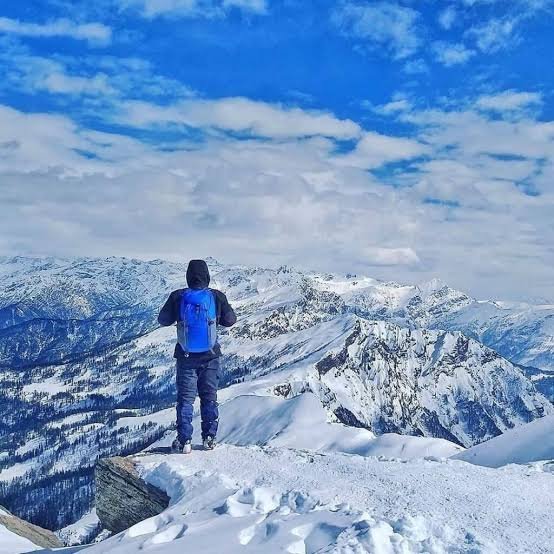
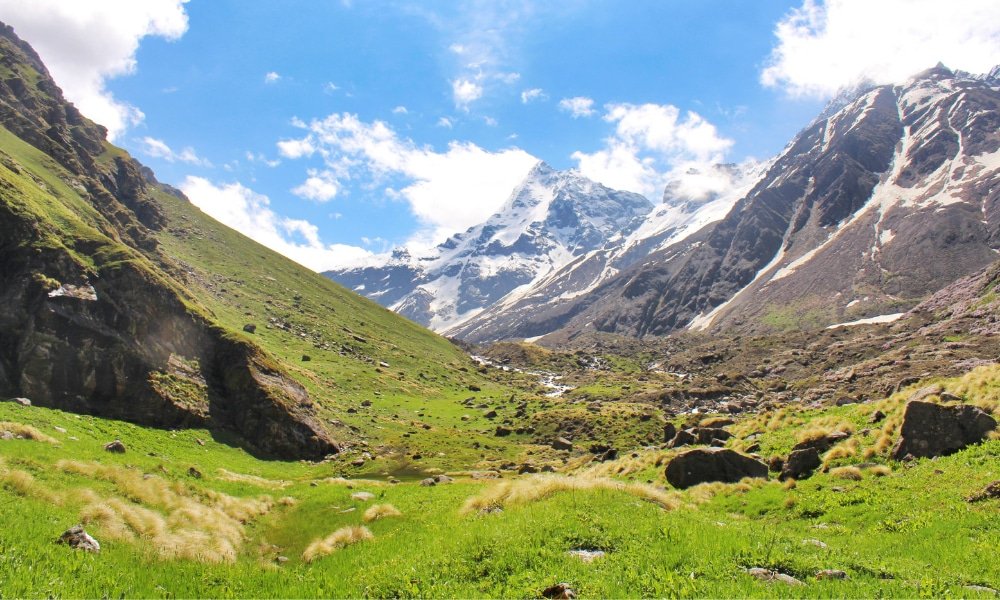
Tucked deep into the eastern Kumaon Himalayas in the Pithoragarh district, Darma Valley is one of Uttarakhand’s most pristine and least-explored destinations. Far from the crowds of Mussoorie and Nainital, this breathtaking valley offers untouched landscapes, ancient tribal villages, gushing rivers, alpine meadows, and a profound connection with Himalayan culture and spirituality.
Formed by the Darma River (also known as Darma Yankti or Darma Ganga), the valley stretches from Sobla village to the Panchachuli Base Camp, spanning altitudes from 2,000 to over 5,000 metres. It is wedged between the international borders of Tibet (China) and Nepal, making it a region of immense strategic and cultural significance.
The valley is home to 12 indigenous Bhotiya tribal villages with a combined population of less than 1,000. The Rang (Shauka) community, descendants of ancient Indo-Tibetan traders, have inhabited this region for centuries, preserving their unique customs, vibrant traditions, and warm hospitality.
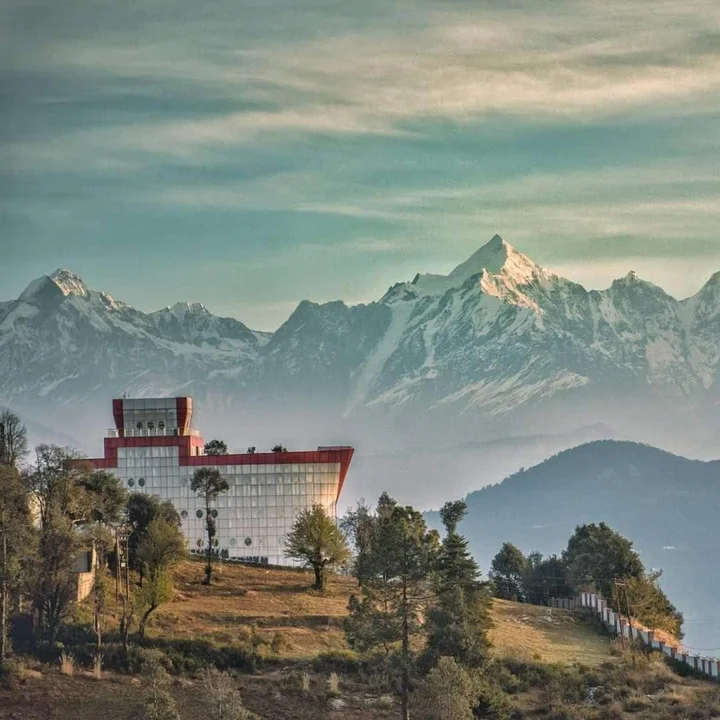
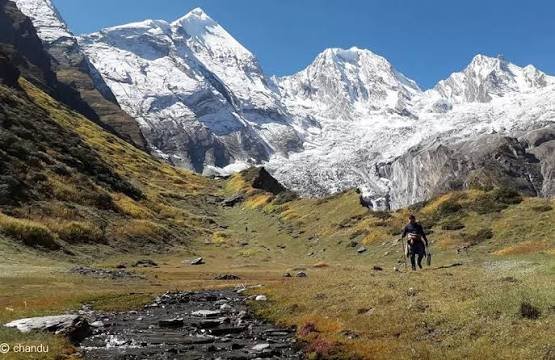
The crowning glory of Darma Valley is the breathtaking view of the Panchachuli mountain range — five majestic snow-capped peaks that dominate the skyline and are best viewed during early mornings and sunset. The valley also offers glimpses of the sacred Om Parvat, where snow forms the natural shape of “Om”.
Whether you are a seasoned trekker, a culture enthusiast, a nature lover, or a spiritual seeker, Darma Valley promises an experience that stays with you forever.
Key Information at a Glance
History of Darma Valley
The Ancient Trade Route
The history of Darma Valley has deep ties to old Himalayan life, trade paths, and spiritual worth. Near the Indo-Tibetan border, the valley has long been key in trade and cultural exchange between India and Tibet. For centuries, the Bhotiya folk of Darma, Byans, and Chaundas valleys were central to this exchange, practising transhumance — moving between the valley and lower regions depending on the season.
They traded goods like salt, wool, and borax from Tibet for grain, spices, and other goods from India. In old times, Darma Valley was a main spot on the high mountain trade path. The paths through the valley led to the Kailash-Mansarovar area, making it not just a trade hub but also a road for holy trips to a key site in Hinduism, Buddhism, and Jainism.
The Pandava Connection
The Panchachuli Peaks at the valley’s end are linked to old tales from the Mahabharata. It is believed that the Pandavas made their last meal here before ascending to heaven. Five peaks (Panchachuli means “five chimneys”) are said to represent the five brothers, adding a profound spiritual and mythological dimension to the valley.
The 1962 War and Its Impact
When trade with Tibet stopped after the 1962 Sino-Indian War, the valley’s life and economic needs changed a lot. The Bhotiya folks, who once lived on trade, had to start farming, animal care, and small trades. However, their culture’s rituals, festivals, and tales still live on, keeping their Indo-Tibetan identity alive.
Modern Era
In recent years, Darma Valley has slowly grown as a trekking and eco-tourism spot, even though it’s still not as well-known as other Himalayan destinations. Today, Darma Valley stands as a living testament of resilience, adaptation, and harmonious living with nature.
Geography of Darma Valley
Location and Topography
Darma Valley is located in the Pithoragarh district of Uttarakhand, in the far eastern part of the state, near the borders with Nepal and Tibet (China). It lies in the Kumaon region of the Himalayas.
The Darma River
The Darma Valley is formed by the Darma River (also called Darma Yankti and Darma Ganga), which flows through the valley and finally joins the Kali River near Tawaghat. The river is the lifeline of the valley, sustaining village life, agriculture, and wildlife. The confluence of the Darma River and Kali River at Tawaghat is a significant geographical point.
The Alpine Villages
The valley is home to 12 villages, including:
- Sobla — the entry point of the valley
- Dar — one of the entry points
- Dantu — a picturesque traditional village
- Dugtu — a scenic spot surrounded by meadows
- Sela and Nagling — known for wooden houses and cultural charm
- Go, Bongling, Nangling, Tidang, Bidang — other villages along the trek route
Flora and Fauna of Darma Valley
Flora — A Botanical Treasure
Darma Valley is renowned for its rich biodiversity. The limited cultivation and sparse population have allowed the valley to preserve its natural wealth.
Dominant Tree Species:
- Deodar (Cedrus deodara)
- Silver Fir (Abies pindrow)
- Birch (Betula utilis)
- Pine
- Rhododendron
Alpine Meadows (Bugyals):
- The valley is rich in high-altitude bugyals (alpine meadows)
- The vast Danu meadows are enveloped in conifers, birches, wildflowers, and shrubs
- The valley is known for its rich variety of flowers, especially orchids
Rare Species:
- Many plant species, some of which are rare and threatened, have been making a comeback due to changes in traditional lifestyles
Fauna — Wildlife in the Wilderness
The Darma Valley is a haven for wildlife enthusiasts.
Mammals:
- Himalayan Black Bear
- Musk Deer
- Bharal (Blue Sheep)
- Snow Leopard — the elusive apex predator
Birds:
- Himalayan Monal — the colourful state bird of Uttarakhand
- Hornbills
- Kingfishers
- Peafowl
Other Wildlife:
- The region is home to sloth bears and various other Himalayan species
Religious Beliefs and Sacred Sites
The Pandava Connection
The Panchachuli Peaks are deeply revered in Hindu mythology. According to the Mahabharata, the five Pandava brothers cooked their last meal on these five peaks before embarking on their final journey to heaven. The name “Panchachuli” translates to “five chimneys,” representing the five cooking hearths of the Pandavas.
Om Parvat
The sacred Om Parvat, visible from certain viewpoints in the valley, is a mountain where snow naturally forms the shape of the sacred syllable “Om”. It is considered highly auspicious by Hindus and pilgrims.
Local Deities and Beliefs
The indigenous Shauka (Rang) community follows a blend of Hinduism and Tibetan Buddhism. They worship local deities including Gabla Dev, Svayangsai, and Chiplakedar.
Their religious practices are deeply connected to nature and the harsh mountain environment. The community’s rituals, including Bhumo, birth ceremonies, and death rituals, reflect their unique cultural identity.
Chamunda Devi Temple
The Shri Chamunda Devi Mandir, also known as Chamunda Nandikeshwar Dham, is a revered Hindu temple dedicated to Goddess Chamunda near the valley.
The Kangdali Festival
The valley is also known for the Marchha fair, which takes place every 12 years at Gangachol Dhura Pass. This rare festival is deeply tied to Bhotiya culture and traditions.
How to Reach Darma Valley
Reaching Darma Valley requires planning and patience due to its remote location in the eastern Himalayas. The journey involves a combination of road travel and trekking.
By Air — Nearest Airports
| Airport | Distance | Details |
|---|---|---|
| Pantnagar Airport | ~280 km | Nearest major airport |
| Naini Saini Airport (Pithoragarh) | ~94 km | Small airstrip |
| Bareilly Airport | ~280 km | Connected to Delhi and other cities |
From the airport, travellers must take a taxi or bus to reach Dharchula or Pithoragarh.
By Train — Nearest Railway Stations
| Station | Distance | Details |
|---|---|---|
| Tanakpur Railway Station | ~240 km | Nearest railhead |
| Kathgodam Railway Station | ~280 km | Alternative station |
From these stations, buses and shared jeeps go towards Pithoragarh or Dharchula.
By Road (Most Popular)
The road journey to Darma Valley is long but incredibly scenic.
| Route | Distance | Travel Time |
|---|---|---|
| Delhi → Pithoragarh | ~500–550 km | 14–16 hours |
| Pithoragarh → Dharchula | ~90 km | 3–4 hours |
| Dharchula → Sobla/Dar | ~40–50 km | 2–3 hours |
Step-by-Step Guide:
Step 1: Reach Pithoragarh
- Regular buses and private taxis are available from Delhi, Haldwani, Tanakpur, and Almora to Pithoragarh.
Step 2: Reach Dharchula
Step 3: Reach Sobla or Dar (Entry Points)
- From Dharchula, hire a 4×4 SUV or shared jeep to Sobla or Dar, the main entry points to Darma Valley.
- The road conditions are challenging, and 4×4 vehicles are highly recommended.
Step 4: Trek into the Valley
- From Sobla or Dar, the trekking route begins. The valley is accessible only on foot from here.
Important Notes:
- The road journey from Delhi to Darma Valley is approximately 620–650 km.
- The journey typically takes 2–3 days with breaks.
- Inner Line Permits are required for border areas.
Distance from Major Cities
| City | Distance to Dharchula | Travel Time |
|---|---|---|
| Delhi | ~620–650 km | 14–18 hours |
| Kathgodam | ~200–280 km | 8–10 hours |
| Tanakpur | ~240 km | 8–9 hours |
| Pithoragarh | ~90 km | 3–4 hours |
| Almora | ~180 km | 5–6 hours |
Weather and Best Time to Visit
Climate Overview
Darma Valley experiences a high-altitude alpine climate with distinct seasons. The valley is accessible only during specific months due to heavy snowfall in winter.
Seasonal Breakdown
Best Time to Visit by Season
| Season | Months | Suitability | Best For |
|---|---|---|---|
| Summer | May–June | ⭐ Best | Trekking, lush greenery, clear views of Panchachuli peaks |
| Autumn | September–October | ⭐ Best | Post-monsoon greenery, crisp air, crystal-clear views |
| Spring | March–April | ⭐ Good | Fresh greenery, fewer crowds |
| Monsoon | July–August | ❌ Avoid | Landslides, blocked roads, slippery trails |
| Winter | November–March | ❌ Avoid | Heavy snowfall, routes closed |
Why Visit in Summer (May–June)
- Pleasant weather and clear skies
- Meadows are lush and blooming
- Best time for trekking to Panchachuli Base Camp
- Daytime temperatures rarely exceed 20°C with cool nights
Why Visit in Autumn (September–October)
- Post-monsoon greenery with crisp mountain air
- Crystal-clear views of the Panchachuli peaks
- Comfortable trekking conditions
- Perfect for photography
Why to Avoid Monsoon (July–August)
- Heavy rainfall makes trails slippery and dangerous
- High risk of landslides and road blockages
- River crossings become risky
Why to Avoid Winter (November–March)
- Heavy snowfall makes trekking routes inaccessible
- Villages become isolated
- Temperatures drop below freezing
Packing Guide
| Category | Items |
|---|---|
| Clothing | Heavy woollens, thermal wear, insulated jacket, fleece, raincoat, comfortable trekking pants |
| Footwear | Sturdy waterproof trekking shoes, warm socks |
| Accessories | Gloves, woollen cap, scarf, sunglasses, sunscreen |
| Gear | Backpack (50–60L), sleeping bag (-5°C rating), trekking poles, headlamp |
| Essentials | Water bottle, water purifier, snacks, personal medication |
| Documents | Valid ID proof, Inner Line Permit copies |
Top Places to Visit in and Around Darma Valley
Within Darma Valley
Nearby Attractions
Things to Do in Darma Valley
1. Trek to Panchachuli Base Camp
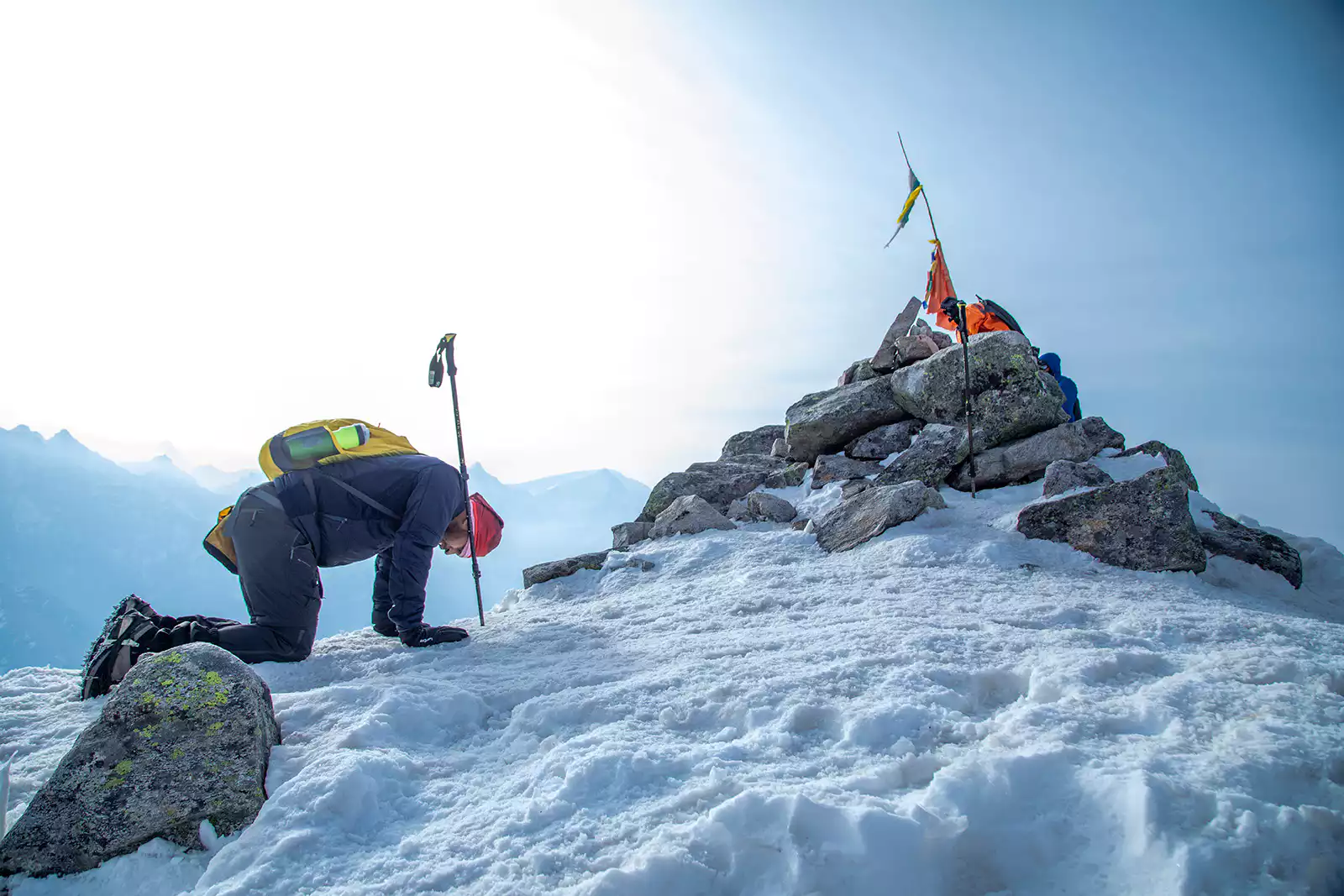
The crown jewel of Darma Valley is the trek to Panchachuli Base Camp. This moderately difficult, multi-day trek takes you through dense forests, alpine meadows, gushing rivers, and traditional villages, ending at the base of the five majestic Panchachuli peaks.
Trek Route:
Sobla → Dar → Sela → Nagling → Dantu → Dugtu → Panchachuli Base Camp
2. Explore the Ancient Bhotiya Villages
Visit the 12 traditional Bhotiya villages scattered along the valley. Each village offers a glimpse into the unique Shauka culture, with traditional wooden houses, ancient customs, and warm hospitality.
3. Witness Om Parvat
Catch a glimpse of the sacred Om Parvat, where snow naturally forms the shape of “Om”.
4. Wildlife and Bird Watching
Darma Valley is rich in wildlife. Spot Himalayan monal, hornbills, Himalayan black bears, musk deer, and perhaps even the elusive snow leopard.
5. Photography
Every corner of Darma Valley feels postcard-worthy — from the five towering peaks to the turquoise river, traditional wooden homes, and alpine meadows.
6. Camping
The valley offers excellent camping opportunities near the Darma River and in the alpine meadows. The clear skies and lack of light pollution make it an ideal spot for stargazing.
7. Visit the Confluence at Tawaghat
Visit the geographical point where the Darma River meets the Kali River — a significant spot at the India-Nepal border.
8. Experience the Marchha Fair
If you are fortunate enough to visit during the festival year, witness the rare Marchha fair at Gangachol Dhura Pass, which takes place every 12 years.
Darma Valley Tour Package Costing 2026
Package Options from Delhi / Kathgodam
Sample Package: 5 Days / 4 Nights (₹19,499)
Cost Breakdown
| Component | Budget | Standard | Premium |
|---|---|---|---|
| Accommodation | ₹500–₹800/night | ₹1,000–₹1,500/night | ₹2,000–₹3,500/night |
| Meals | ₹300–₹500/day | ₹600–₹800/day | ₹800–₹1,200/day |
| Transport (Delhi to Dharchula) | Shared bus: ₹2,000–₹3,000 | Private taxi: ₹8,000–₹12,000 | Private SUV: ₹15,000–₹20,000 |
| 4×4 Vehicle (Dharchula to Sobla) | Shared jeep: ₹400–₹800 per seat | Private: ₹2,500–₹4,000 | Private: ₹4,000–₹6,000 |
| Guide | ₹1,500–₹2,000/day | ₹2,000–₹2,500/day | ₹2,500–₹3,500/day |
| Permits | ₹500–₹1,000 | ₹500–₹1,000 | ₹500–₹1,000 |
| Camping Equipment | Included | Included | Included |
What’s Included in a Standard Trek Package
- Accommodation: Guesthouses in Dharchula and camping during the trek
- Meals: All meals during the trek (breakfast, lunch, dinner)
- Transport: Tempo Traveller or private vehicle
- Guide: Experienced local trek guide
- Permits: Inner Line Permit arrangement
- Camping Equipment: Tents, sleeping bags, mattresses
- Taxes: All taxes, parking, and driver fees
What’s Excluded
- Personal expenses (snacks, phone calls, laundry)
- Medical insurance
- Emergency evacuation charges
- Extra day charges due to weather conditions
- Anything not mentioned in inclusions
Accommodation Options
| Type | Location | Features | Price Range |
|---|---|---|---|
| Homestays | Darma Valley villages | Authentic local experience, home-cooked meals | ₹800 – ₹2,000 |
| Guesthouses | Dharchula, Pithoragarh | Basic amenities, comfortable stay | ₹1,000 – ₹2,500 |
| Camps | Trekking route | Tents with basic facilities | Included in trek package |
| Hotels | Dharchula, Pithoragarh | Comfortable stays with amenities | ₹1,500 – ₹4,000 |
Travel With Monk Recommendation: For the most authentic experience, stay in a homestay in one of the Darma Valley villages. For the Panchachuli Base Camp trek, book a comprehensive trek package that includes all accommodation, meals, and a guide.
Local Cuisine — A Taste of Bhotiya Culture
The Bhotiya (Shauka) community carries a beautiful blend of Kumaoni and Tibetan cuisine.
| Dish | Description |
|---|---|
| Thukpa | Noodle soup with vegetables — a Tibetan influence |
| Churpi | Traditional hard cheese, a staple in the high-altitude diet |
| Butter Tea | Traditional Tibetan tea with butter and salt |
| Gahat ka Shorba | Nutritious soup made from horse gram |
| Mandua Roti | Finger millet flatbread |
| Jhangora Kheer | Sweet pudding made from barnyard millet |
| Local Herbal Teas | Made from locally sourced herbs |
Where to Eat
- Homestays: Enjoy authentic home-cooked Bhotiya meals
- Local Dhabas: Simple, hearty meals in Dharchula and Pithoragarh
- Trek Packages: Most trek packages include all meals during the trek
Frequently Asked Questions (FAQs)
General Questions
Q1: Why is Darma Valley famous?
Darma Valley is famous for its untouched Himalayan beauty, the Panchachuli peaks, Bhotiya tribal culture, the Panchachuli Base Camp trek, and its location near the Indo-Tibetan border. It is also known for the sacred Om Parvat and its connection to the Mahabharata.
Q2: What is the altitude of Darma Valley?
The altitude of Darma Valley ranges from 2,000 to 6,000 metres. The average altitude is around 3,470 metres (11,385 feet).
Q3: What is the best time to visit Darma Valley?
The best time to visit is from May to June (summer) and September to October (autumn). During these periods, the weather is clear, and the trekking routes are accessible.
Q4: Is Darma Valley safe for tourists?
Yes, Darma Valley is generally safe for tourists. However, the valley is remote, and the terrain is challenging. Trekkers should be adequately prepared, and the area requires an Inner Line Permit for border-region travel. Travel With Monk ensures safe and guided experiences for all travellers.
Q5: Do I need a permit for Darma Valley?
Yes. Since Darma Valley is located near the Indo-Tibetan border, an Inner Line Permit is required for visiting the valley. Permits can be arranged through authorised tour operators.
Q6: What is the Panchachuli Base Camp Trek?
The Panchachuli Base Camp Trek is a moderately difficult, multi-day trek starting from Sobla or Dar, covering 40–50 kilometres through remote villages, alpine meadows, and ending at the base of the five Panchachuli peaks.
Q7: How many villages are there in Darma Valley?
There are 12 villages in Darma Valley, primarily inhabited by the Bhotiya (Shauka) community.
Q8: What is the local language spoken in Darma Valley?
The local languages are Hindi, Kumaoni, and Bhotiya. English is understood in tourist areas.
Travel Logistics
Q9: How can I reach Darma Valley?
The gateway to Darma Valley is Dharchula. You can reach Dharchula by:
- Road: From Delhi (~620–650 km) or Kathgodam (~200–280 km)
- Air: Pantnagar Airport (~280 km) or Naini Saini Airport (~94 km)
- Train: Tanakpur Railway Station (~240 km) or Kathgodam (~280 km)
From Dharchula, you need to hire a 4×4 vehicle to reach Sobla or Dar, and then trek into the valley.
Q10: What is the distance between Delhi and Darma Valley?
The distance from Delhi to Darma Valley is approximately 620–650 km.
Q11: Is there road connectivity to Darma Valley?
The road from Dharchula to Sobla/Dar is challenging and requires a 4×4 vehicle. Beyond that, the valley is accessible only on foot.
Q12: Are there accommodation options in Darma Valley?
Yes, accommodation options include homestays in the villages and camping along the trekking route. Guesthouses are available in Dharchula.
Q13: Is mobile connectivity available in Darma Valley?
Mobile connectivity is limited in Darma Valley. BSNL tends to have the best coverage in the region.
Q14: Are ATMs available near Darma Valley?
ATMs are available in Dharchula and Pithoragarh. It is advisable to carry sufficient cash for the trek.
Practical Information
Q15: What should I pack for the Darma Valley trek?
Pack sturdy, waterproof trekking shoes; warm layers (fleece, down jacket); thermal wear; a raincoat; a sun hat; sunscreen; sunglasses; a headlamp; a sleeping bag; and personal medication.
Q16: What is the food like in Darma Valley?
The food is a blend of Kumaoni and Tibetan cuisines, including dishes such as Thukpa, Churpi, Butter Tea, and Gahat ka Shorba.
Q17: What are the must-visit places in Darma Valley?
Must-visit places include Panchachuli Base Camp, Dantu Village, Nagling Village, Om Parvat, and the Darma River.
Q18: Is Darma Valley suitable for beginner trekkers?
The Darma Valley trek is considered moderate to difficult and is best suited for trekkers with good fitness. It is recommended to prepare with some prior trekking experience.
Q19: How can I book a Darma Valley tour?
Tours can be booked through:
- Local tour operators in Pithoragarh and Dharchula
- Homestay hosts who offer guided experiences
- Travel With Monk for customised trekking and cultural tours
Why Choose Travel With Monk for Your Darma Valley Journey?
At Travel With Monk, we believe in curating journeys that go beyond conventional sightseeing. Our Darma Valley expeditions are designed to foster self-discovery and a deep connection with the Himalayas through:
✅ Customised Darma Valley trekking and cultural tour packages
✅ Combined itineraries with Panchachuli Base Camp, Adi Kailash, and Om Parvat
✅ Experienced local guides and porters
✅ Comfortable transport with experienced hill drivers
✅ All necessary permits and forest entry arrangements
✅ Quality camping equipment and nutritious meals
✅ 24/7 customer support throughout your journey
Recommended Darma Valley Packages
📞 Call / WhatsApp: +91-9997187178, 9760222178, 8171977178
📍 Visit Our Office: Himalayan Colony, opposite DSVV, Haripur Kalan, Haridwar, Motichur Range, Uttarakhand 249411
🌐 Website: www.discover-uttarakhand.com
📧 Email: info@discover-uttarakhand.com
Travel With Monk – Your Gateway to Transformative Himalayan Journeys 🏔️