Overview: India’s Last Undiscovered Himalayan Wonderland
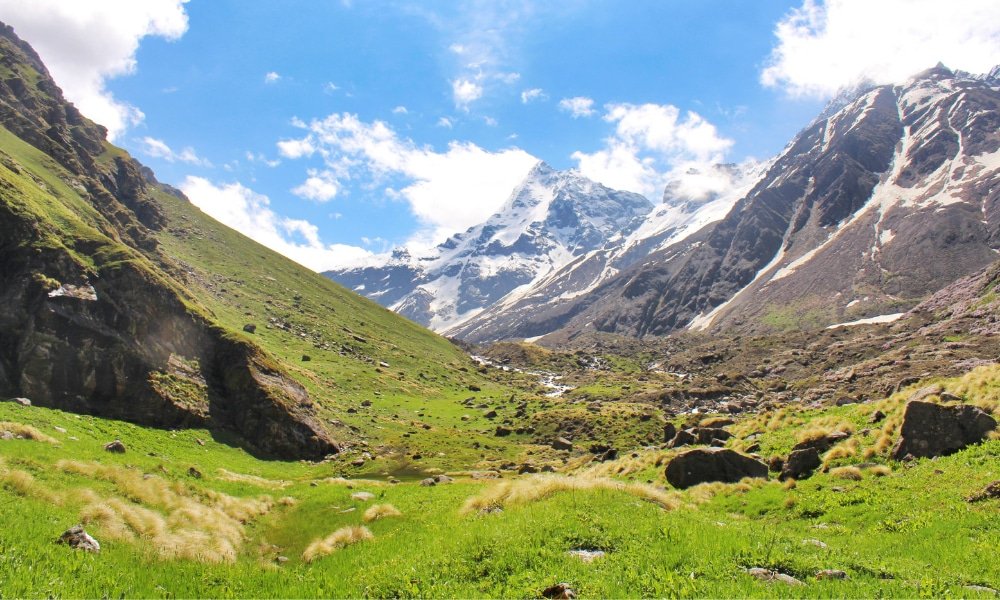
Tucked deep into the Kumaon Himalayas in the Pithoragarh district, Milam Valley (also known as Johar Valley or Gori Ganga Valley) is one of India’s last genuinely undiscovered summer destinations. Far from the crowds of Shimla and Manali, this breathtaking valley stretches along the Gori Ganga River all the way to the Milam Glacier near the Tibet border.
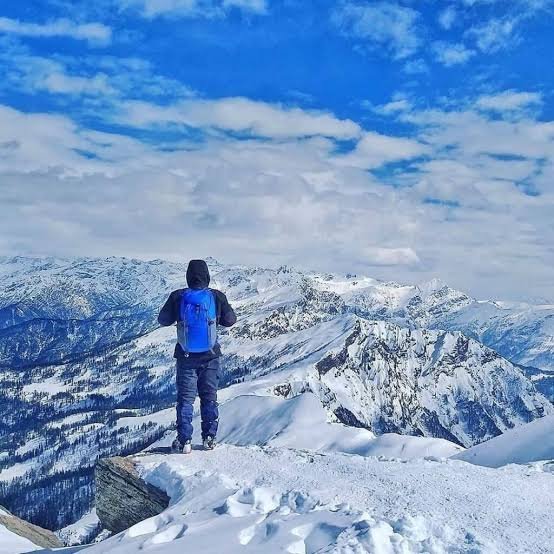
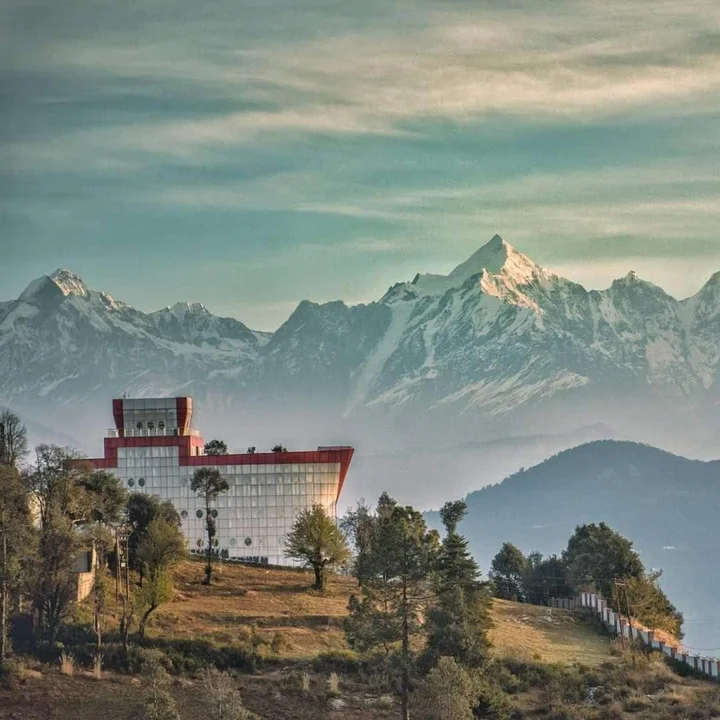
Starting at Munsiyari, a small hill town at 2,298 metres, the valley extends deep into the high Himalayas, tracing the Gori Ganga River to the Milam Glacier at over 4,000 metres. Encircled by iconic peaks like Nanda Devi, Trishul, Hardeol, Nanda Kot, and the striking Panchachuli range, the valley offers breathtaking views that captivate and draw people back to the mountains.
Historically, Milam Valley was a vibrant trading corridor between India and Tibet, used by the Johari Shauka community—a Bhotiya people with strong Tibetan ties. The route thrived until the 1962 Sino-Indian War, when the border closed, halting trade and leading to the abandonment of many villages. The ruins of Milam village, once the largest village in the Kumaon Himalayas, stand as a haunting reminder of the valley’s bustling past.
Whether you are a seasoned trekker, a culture enthusiast, a nature lover, or a traveller yearning for an authentic connection with the Himalayas, Milam Valley promises an experience that stays with you forever.
Key Information at a Glance
History of Milam Valley
The Ancient Indo-Tibetan Trade Route
For centuries, Milam Valley was a critical trans-Himalayan trade corridor linking India to Tibet. Tibetan merchants would travel through high-altitude passes with their yaks and other livestock to reach Milam, the first village on the Indian side of the border, where they traded wool, salt, precious stones, borax, and pashmina.
The Johari Shauka community—mountain people with a beautiful blend of Kumaoni and Tibetan culture—lived here for generations. Their history as traders is still reflected in their food, homes, traditions, and lifestyle.
The 1962 War and Abandonment
The route thrived until the 1962 Sino-Indian War, when the border closed, halting trade and leading to the abandonment of many villages. The ruins of Milam village, once the largest village in the Kumaon Himalayas, stand as a haunting reminder of the valley’s bustling past.
The Modern Era
In recent years, Milam Valley has slowly grown as a trekking and eco-tourism destination. The Munsiari-Bugdiar-Milam Road (MBMR) is being constructed by the BRO with an expected completion date of March 2026. Once completed, it will significantly improve access to Milam village.
Geography of Milam Valley
Location and Topography
Milam Valley is located in the Pithoragarh district of Uttarakhand, along the Gori Ganga River. The alpine trans-humant village of Milam is located one kilometre below the snout of the Milam Glacier.
| Feature | Details |
|---|---|
| River | Gori Ganga River |
| Surrounding Peaks | Nanda Devi East, Hardeol, Trishuli, Panchachuli, Nanda Kot |
| Glacier | Milam Glacier (~16 km long) |
The valley provides the approach route for access to peaks such as Nanda Devi East, Hardeol, Trishuli, Panchachuli, and Nanda Kot.
Flora and Fauna of Milam Valley
Flora — A High-Altitude Botanical Wonder
The valley encompasses diverse ecosystems from verdant forests and meadows to snow-capped glaciers. The region is one of the richest wildlife areas in Kumaon.
Dominant Vegetation:
- Dense forests of oak, rhododendron, and pine
- High-altitude alpine meadows (bugyals)
- Birch forests in the higher reaches
Fauna — Wildlife in the Wilderness
Milam Valley is a haven for wildlife enthusiasts.
Mammals:
- Snow Leopard — the elusive apex predator
- Himalayan Musk Deer
- Bharal (Blue Sheep) — often seen grazing on steep Himalayan slopes near Martoli and Milam
- Himalayan Tahr
Birds:
- Himalayan Monal — the colourful state bird of Uttarakhand
- Himalayan Griffons
- Falcons and Eagles
- Wagtails and Ravens
Religious Beliefs and Sacred Sites
Nanda Devi — The Protector Goddess of Kumaon
Nanda Devi is the most revered deity in Milam Valley and the entire Kumaon region. The Shaukas are followers of Hinduism and rely on Hindu Brahmins to conduct religious ceremonies. Their main deity is Goddess Nanda Devi in Martoli and Milam.
Nanda Devi Temple
The temple of Nanda Devi is situated behind the temple of Shiv Ji. According to villagers, the temple was established by the people of the Papara sub-caste in the thirteenth century.
Local Shrines
Along the trekking route, you’ll find small shrines dedicated to local deities and mountain gods. These shrines reflect the deep spiritual connection between the local community and the mountains.
How to Reach Milam Valley
Reaching Milam Valley takes time, but that’s part of what makes the experience so rewarding. The journey involves a combination of road travel and trekking.
Step 1: Reach Munsiyari (The Gateway)
Munsiyari is the gateway to Milam Valley. It stands at an altitude of 2,298 metres (7,539 feet) above sea level.
By Air
| Airport | Distance from Munsiyari | Details |
|---|---|---|
| Pantnagar Airport | ~300 km | Nearest major airport |
| Naini Saini Airport (Pithoragarh) | ~94 km | Small airstrip |
From the airport, hire a taxi to reach Munsiyari.
By Train
| Station | Distance | Details |
|---|---|---|
| Kathgodam Railway Station | ~275–300 km | Nearest major station |
| Delhi to Kathgodam | 6–8 hours | Overnight Ranikhet Express or early morning Shatabdi |
From the railway station, the drive to Munsiyari takes around 8 to 10 hours.
By Road
| Route | Distance | Travel Time |
|---|---|---|
| Delhi → Munsiyari | ~600–650 km | 12–14 hours |
| Kathgodam → Munsiyari | ~280 km | 10–12 hours |
The road winds through pine forests, river valleys, and terraced fields, passing through towns like Almora, Bageshwar, and Tejam.
Step 2: Enter Milam Valley (Trekking)
The trekking route begins from Munsiyari. The trail follows the ancient Indo-Tibetan trade route through:
Munsiyari → Lilam → Bogudiyar → Rilkot → Martoli → Milam Village → Milam Glacier
Permits for the Inner Valley
To enter the Inner Johar Valley and trek towards Milam Glacier, you need an Inner Line Permit, which is obtained from the SDM’s office in Munsiyari.
| Detail | Information |
|---|---|
| Where to Obtain | SDM office in Munsiyari |
| Requirements | Passport photographs and identity proof copies |
| Purpose | Safety measure as the valley lies close to the Indo-Tibetan border |
Distance from Major Cities
| City | Distance to Munsiyari | Travel Time |
|---|---|---|
| Delhi | ~600–650 km | 12–14 hours |
| Kathgodam | ~280 km | 10–12 hours |
| Pithoragarh | ~130 km | 3–4 hours |
| Almora | ~192 km | 5–6 hours |
| Bageshwar | ~110 km | 3–4 hours |
Weather and Best Time to Visit
Climate Overview
Milam Valley is a summer haven, accessible only from May to October when the snow melts, revealing clear trails and vibrant meadows.
Seasonal Breakdown
Why Visit in Summer (May–June)
- The valley is at its best, with Himalayan wildflowers in bloom and rhododendron forests alive with colour
- Daytime temperatures rarely exceed 20°C
- Perfect for the Milam Glacier Trek
- The air is genuinely clean, a noticeable contrast to city life
Why Visit in Autumn (September–October)
- Post-monsoon clarity with crystal-clear skies
- Golden landscapes create picture-perfect mountain scenes
- Comfortable trekking conditions
Why to Avoid Monsoon (July–August)
- Not a good time due to heavy rainfall, landslides, and slippery trails
Packing Guide
| Category | Items |
|---|---|
| Clothing | Heavy woollens, thermal wear, insulated jacket, fleece, raincoat |
| Footwear | Sturdy waterproof trekking shoes, warm socks |
| Accessories | Gloves, woolen cap, scarf, sunglasses, sunscreen |
| Gear | Backpack (50–60L), sleeping bag (-5°C rating), trekking poles, headlamp |
| Essentials | Water bottle, water purifier, snacks, personal medication |
| Documents | Valid ID proof, Inner Line Permit copies |
The Milam Glacier Trek
Trek Overview
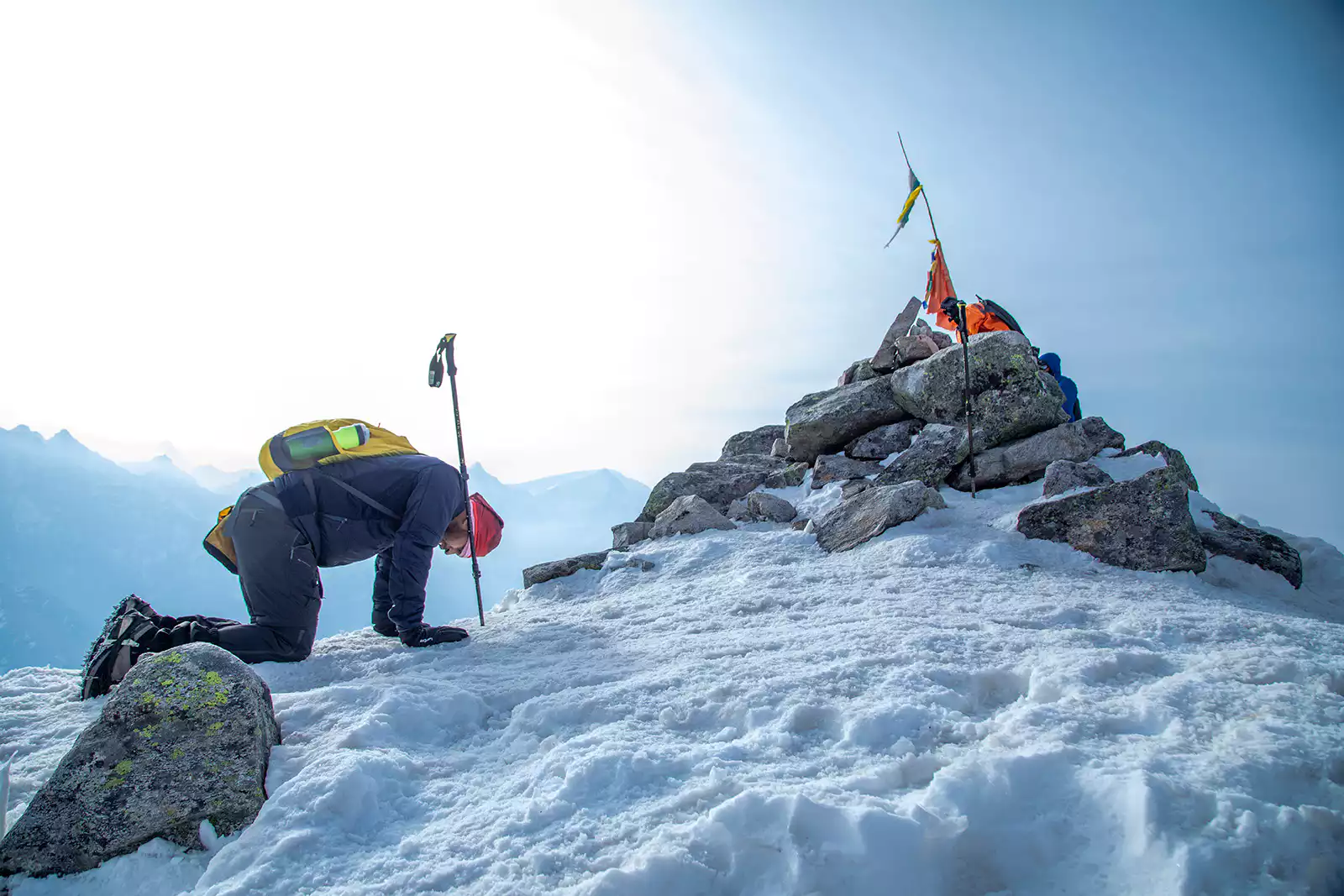
The Milam Glacier Trek is the highlight of any visit to Milam Valley. This moderately difficult, multi-day trek starts at Munsiyari and covers 55 kilometres through remote villages, suspension bridges over the Gori Ganga, alpine meadows, and birch forests, ending at the Milam Glacier at 4,250 metres.
| Trek Detail | Information |
|---|---|
| Starting Point | Munsiyari |
| Distance | ~55 km (round trip) |
| Duration | 7–12 days |
| Max Altitude | ~3,870–4,250 m |
| Difficulty | Moderate to Challenging |
| Best Time | May–June, September–October |
Sample Itinerary (13 Days / 12 Nights)
Note: The trail follows the ancient Indo-Tibetan trade route, with remnants like mule paths, stone bridges, and ruins of villages such as Martoli, Burfu, and Milam.
Top Places to Visit in and Around Milam Valley
Within Milam Valley
Nearby Attractions
| Destination | Distance | Highlights |
|---|---|---|
| Munsiyari | Gateway town | “Mini Switzerland” of Uttarakhand |
| Panchachuli Peaks | Visible from valley | Five iconic Himalayan peaks |
| Nanda Devi East Base Camp | ~4,200 m | Base camp for the highest peak entirely in India |
| Ralam Glacier | Nearby | Popular trekking destination |
| Birthi Falls | Near Munsiyari | Scenic waterfall |
| Maheshwari Kund | Near Munsiyari | Alpine lake, sacred water body |
Milam Valley Package Costing 2026
Package Options
Sample Package: 13 Days / 12 Nights (₹25,800 per person)
| Component | Details |
|---|---|
| Accommodation | Tents on twin-sharing basis + guesthouses |
| Meals | All meals during the trek (breakfast, lunch, dinner) |
| Transport | Kathgodam to Munsiyari and return |
| Guide | Experienced local trek guide |
| Camping Equipment | Tents, sleeping bags, mattresses |
| Permits | Inner Line Permit arrangement |
| Safety | Basic first-aid kit |
Cost Breakdown
| Component | Budget | Standard | Premium |
|---|---|---|---|
| Accommodation | ₹500–₹800/night | ₹1,000–₹1,500/night | ₹2,000–₹3,500/night |
| Meals | ₹400–₹600/day | ₹700–₹900/day | ₹900–₹1,200/day |
| Transport (Kathgodam to Munsiyari) | Shared taxi: ₹1,000–₹1,500 | Private taxi: ₹6,000–₹8,000 | Private SUV: ₹10,000–₹15,000 |
| Guide | ₹1,500–₹2,000/day | ₹2,000–₹2,500/day | ₹2,500–₹3,500/day |
| Permits | ₹500–₹1,000 | ₹500–₹1,000 | ₹500–₹1,000 |
What’s Included in a Standard Package
- Accommodation: Tents on twin-sharing basis + guesthouses in villages
- Meals: All meals during the trek (breakfast, lunch, dinner)
- Transport: Kathgodam to Munsiyari and return
- Guide: Experienced local trek guide
- Camping Equipment: Tents, sleeping bags, mattresses
- Permits: Inner Line Permit arrangement
- Safety: Basic first-aid kit, cook, and camp helpers
What’s Excluded
- Personal expenses (snacks, phone calls, laundry)
- Travel insurance
- Emergency evacuation charges
- Anything not mentioned in inclusions
Accommodation Options
Travel With Monk Recommendation: For the most authentic experience, stay in a homestay in Munsiyari or Martoli. For the Milam Glacier trek, book a comprehensive trek package that includes all accommodation, meals, and a guide.
Local Cuisine — A Taste of Johari Culture
The Johari Shauka community carries a beautiful blend of Kumaoni and Tibetan cuisine.
| Dish | Description |
|---|---|
| Thukpa | Noodle soup with vegetables — a Tibetan influence |
| Churpi | Traditional hard cheese, a staple in the high-altitude diet |
| Butter Tea | Traditional Tibetan tea with butter and salt |
| Gahat ka Shorba | Nutritious soup made from horse gram |
| Mandua Roti | Finger millet flatbread |
| Jhangora Kheer | Sweet pudding made from barnyard millet |
| Local Herbal Teas | Made from locally sourced herbs |
Where to Eat
- Homestays: Enjoy authentic home-cooked Johari meals
- Local Dhabas: Simple, hearty meals in Munsiyari
- Trek Packages: Most trek packages include all meals during the trek
Frequently Asked Questions (FAQs)
General Questions
Q1: Why is Milam Valley famous?
Milam Valley is famous for its untouched Himalayan landscapes, the Milam Glacier trek, its history as a major Indo-Tibetan trade route, and its spectacular views of the Panchachuli peaks. It is also known as Johar Valley or Gori Ganga Valley.
Q2: What is the altitude of Milam Valley?
The valley begins near Munsiyari at about 2,298 metres (7,539 ft) and reaches altitudes of 3,000 metres and above. Milam Glacier is at approximately 4,250 metres. The trek reaches a maximum altitude of about 3,870 metres (12,700 ft).
Q3: What is the best time to visit Milam Valley?
The best time to visit is from May to June (summer) and September to October (autumn). During these periods, the weather is clear, and the trekking routes are accessible. The valley is accessible only from May to October when the snow melts.
Q4: Is Milam Valley safe for tourists?
Yes, Milam Valley is generally safe for tourists. However, the valley is remote, and the terrain is challenging. Trekkers should be adequately prepared, and the area requires an Inner Line Permit for border-region travel. Travel With Monk ensures safe and guided experiences for all travellers.
Q5: Do I need a permit for Milam Valley?
Yes. If you plan to trek beyond Munsiyari towards Milam Glacier, you will need an Inner Line Permit, which can be obtained from the SDM office in Munsiyari.
Q6: What is the Milam Glacier Trek?
The Milam Glacier Trek is a moderately difficult, multi-day trek starting at Munsiyari, covering 55 kilometres through remote villages and ending at the Milam Glacier at 4,250 metres. It takes 7 to 12 days depending on your pace and village visits.
Travel Logistics
Q7: How can I reach Milam Valley?
The gateway to Milam Valley is Munsiyari. You can reach Munsiyari by:
- Road: From Delhi (~600–650 km, 12–14 hours) or Kathgodam (~280 km, 10–12 hours)
- Air: Pantnagar Airport (~300 km) or Naini Saini Airport (~94 km)
- Train: Kathgodam Railway Station (~275–300 km)
From Munsiyari, you trek into Milam Valley along the Gori Ganga River.
Q8: What is the distance between Delhi and Milam Valley?
The distance from Delhi to Munsiyari (the gateway) is approximately 600–650 km, taking about 12–14 hours by road.
Q9: Is there road connectivity to Milam Valley?
The motorable road ends at Munsiyari. From there, you have to trek to enter Milam Valley. The Munsiari-Bugdiar-Milam Road (MBMR) is being constructed by the BRO with an expected completion date of March 2026.
Q10: Are there accommodation options in Milam Valley?
Yes, accommodation options include guesthouses and homestays in Munsiyari, and camping along the trekking route. Homestays offer the most authentic experience.
Q11: What is the local language spoken in Milam Valley?
The official language is Hindi. The regional languages are Kumaoni and Johari (a dialect influenced by Tibetan). English is understood in tourist areas.
Q12: Is mobile connectivity available in Milam Valley?
Mobile connectivity is limited in Milam Valley. BSNL tends to have the best coverage in Munsiyari, but connectivity is non-existent beyond Munsiyari.
Q13: Are ATMs available near Milam Valley?
ATMs are available in Munsiyari. It is advisable to carry sufficient cash for the trek, as there are no ATMs beyond Munsiyari.
Practical Information
Q14: What should I pack for the Milam Valley trek?
Pack sturdy waterproof trekking shoes, warm layers (fleece, down jacket), thermal wear, a raincoat, a sun hat, sunscreen, sunglasses, a headlamp, a sleeping bag, and personal medication.
Q15: What is the food like in Milam Valley?
The food is a blend of Kumaoni and Tibetan cuisine, including dishes like Thukpa, Churpi, Butter Tea, Gahat ka Shorba, and Mandua Roti.
Q16: What are the must-visit places in Milam Valley?
Must-visit places include Munsiyari, Milam Glacier, Milam Village, Martoli Village, and the Panchachuli peaks.
Q17: Is Milam Valley suitable for beginner trekkers?
The Milam Glacier trek is moderate to difficult and is best suited for trekkers with good fitness. It is recommended to prepare with some prior trekking experience.
Q18: How can I book a Milam Valley tour?
Tours can be booked through:
- Local tour operators in Munsiyari
- Homestay hosts who offer guided experiences
- Travel With Monk for customised trekking and cultural tours
Plan Your Milam Valley Adventure with Travel With Monk
At Travel With Monk, we believe in curating journeys that go beyond conventional sightseeing. Our Milam Valley expeditions are designed to foster self-discovery and a deep connection with the Himalayas through:
✅ Customised Milam Valley trekking and cultural tour packages
✅ Combined itineraries with Milam Glacier, Nanda Devi East Base Camp, and Panchachuli views
✅ Experienced local guides and porters
✅ Comfortable transport with experienced hill drivers
✅ All necessary permits and forest entry arrangements
✅ Quality camping equipment and nutritious meals
✅ 24/7 customer support throughout your journey
Recommended Milam Valley Packages
📞 Call / WhatsApp: +91-9997187178, 9760222178, 8171977178
📍 Visit Our Office: Himalayan Colony, opposite DSVV, Haripur Kalan, Haridwar, Motichur Range, Uttarakhand 249411
🌐 Website: www.discover-uttarakhand.com
📧 Email: info@discover-uttarakhand.com
Travel With Monk – Your Gateway to Transformative Himalayan Journeys 🏔️