Introduction: The Cultural Capital of Kumaon
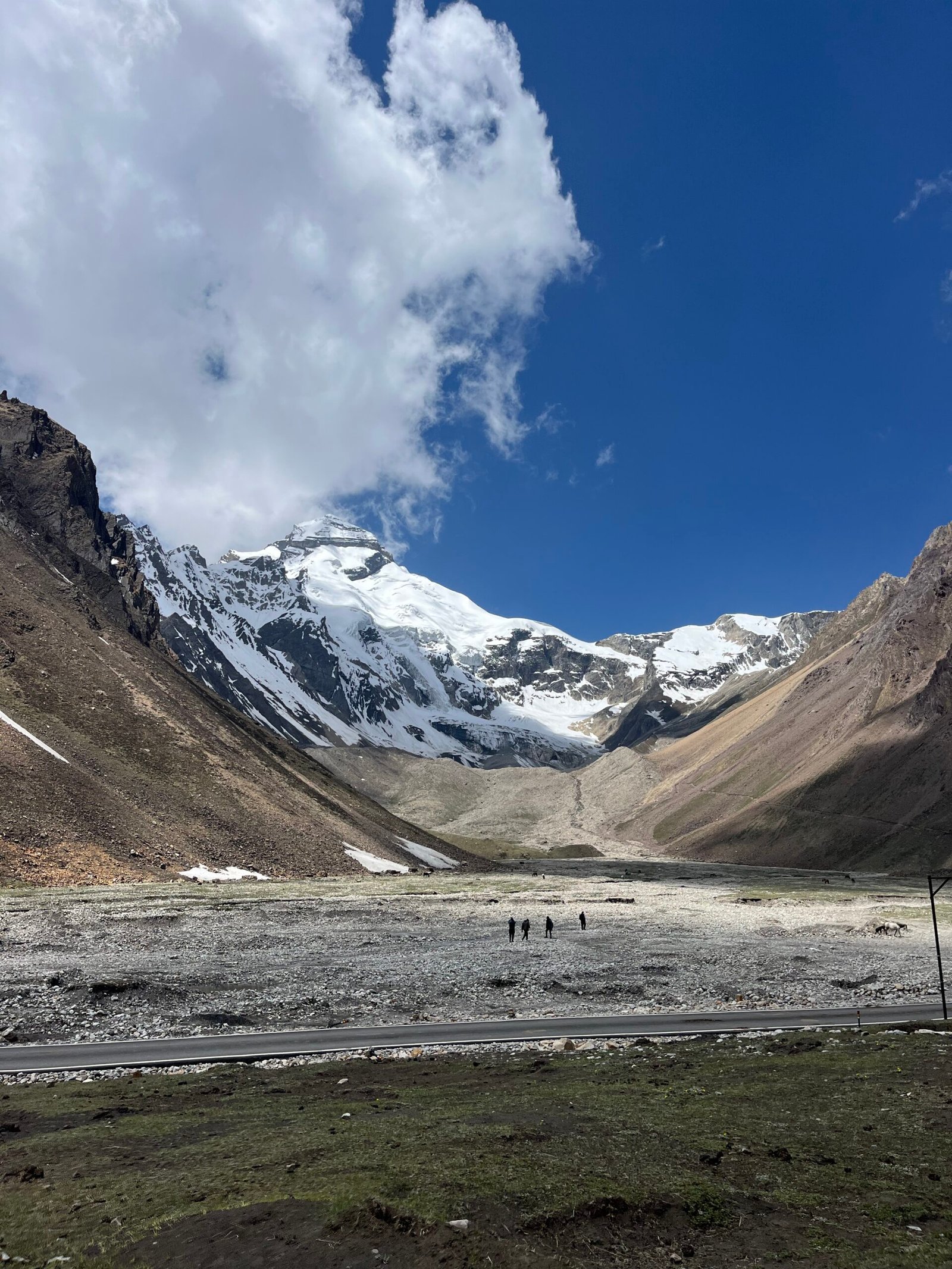
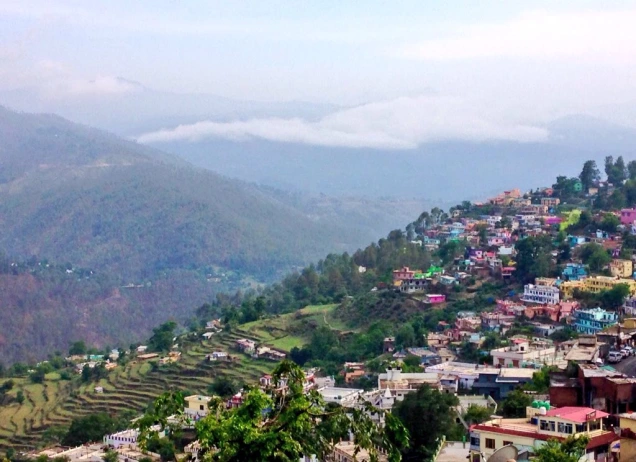
Nestled in the Kumaon Hills of Uttarakhand at an altitude of 1,642 meters (5,387 feet), Almora is one of India’s most enchanting hill stations. Perched on a 5 km-long horseshoe-shaped ridge, this ancient town offers panoramic views of the snow-capped Himalayas, including Nanda Devi, Kedarnath, and Badrinath peaks, on any clear day . The township is flanked by two rivers—the Koshi (Kaushiki) on one side and the Suyal (Salmale) on the other—creating a stunning natural setting that has captivated visitors for centuries.
Often referred to as the “Cultural Capital of Kumaon,” Almora holds a special place in the hearts of Uttarakhand’s people. Unlike the bustling hill stations of Nainital or Mussoorie, which were developed by the British, Almora was established and nurtured by the Chand Rajas nearly 500 years ago, later maintained and further developed by the British regime . This unique blend of ancient Kumaoni heritage and colonial charm gives Almora a character all its own—one that is deeply rooted in tradition yet open to the world.
Whether you are a pilgrim seeking blessings at ancient temples, a history enthusiast tracing the footsteps of Chand kings, a nature lover exploring dense forests of oak and rhododendron, or simply a traveller looking for a peaceful retreat away from crowded tourist spots, Almora promises an experience that is both spiritually uplifting and naturally awe-inspiring.
History: From the Chand Dynasty to Modern Times
The Founding of Almora (1568)
The ancient town of Almora, before its establishment, was under the possession of Katyuri King Baichaldeo, who donated the major part of this land to a Gujarati Brahmin named Sri Chand Tiwari . Later, when the Chand kingdom was founded in Baramandal, the town of Almora was established at this centrally located place in 1568 by King Kalyan Chand. In the days of the Chand kings, it was called Rajapur—a name mentioned on a number of ancient copper plates.
From that time onward, Almora became the seat of the strongest hill power in the region. The limits of the Kingdom of Kumaon extended over the entire tracts of the present-day districts of Almora and Nainital.
The Chand Dynasty Legacy
The Chand dynasty, from their inception in 953 A.D. to their ouster in the late 18th century present a saga of strife, with a series of wars with the rulers of Garhwal. Towards the end of the 17th century, the Chand Rajas again attacked the Garhwal kingdom, and in 1688, King Udyot Chand erected several temples at Almora, including Tripur Sundari, Udyot Chandeshwer, and Parbateshwer, to mark his victory over Garhwal and Doti. The Parbateshwar temple was renamed twice, eventually becoming the present Nanda Devi Temple.
The Gorkha Invasion and British Era
In 1791, the Gorkhas of Nepal, while expanding their kingdom westwards across the Kali River, invaded and overran Almora. The Gorkha rule lasted for twenty-four years. Due to their repeated intrusion into British territories in the Terai from 1800 onwards, Lord Moira, the Governor-General of India, decided to attack Almora in December 1814, marking the beginning of the Anglo-Gorkha war.
The war that broke out in 1814 resulted in the defeat of the Gorkhas and subsequently led to the signing of the Treaty of Sugauli in 1816. According to the treaty, Nepal ceded all those territories which the Gorkhas had annexed to the British East India Company. After the war, Almora became the administrative headquarters of the Kumaun district, which was formed in 1815.
Post-Independence
After India’s independence, Almora continued as an important administrative and cultural center. In the 1960s, Bageshwar district, Pithoragarh district, and Champawat district had not yet been formed and were part of Almora district. Pithoragarh district was carved out on February 24, 1960, and Bageshwar district on September 15, 1997. Today, Almora remains the district headquarters and the cultural heart of the Kumaon region.
Etymology: The Story Behind the Name
Almora got its name from Bhilmora (or Kilmora), a kind of sorrel—a short plant commonly found there. This plant was used for washing the utensils of the sun temple at Katarmal. The people bringing the Bhilmora were called Bhilmori (or Kilmori), and later “Almori,” and the place came to be known as “Almora”.
When King Bhishm Chand laid the foundation of the town, he had initially named it Alamnagar. Prior to that, Almora was known as ‘Rajapur’ during the early phase of Chand rule—a name that still survives in a locality called Rajpur in Almora.
Geography and Location
Geographic Coordinates
- Latitude: 29°35′50″ N
- Longitude: 79°39′33″ E
- Elevation: 1,642 meters (5,387 feet) above sea level
- Area: 16.60 square kilometres
Location
Almora is situated in the Kumaon division of Uttarakhand, approximately:
- 363 km from New Delhi
- 415 km from Dehradun (state capital)
- 63 km north of Nainital
- 90 km from Kathgodam Railway Station
Topography
The hill station of Almora is situated on a horseshoe-shaped ridge of a mountain, the eastern portion of which is called Talifat and the western one is known as Selifat. The Almora Market is situated at the top of the ridge, where these two areas jointly terminate. The township is perched on a 5 km-long ridge in between the river Kosi and Suyal.
Boundaries
Almora district is bordered by:
Flora and Fauna
Forests and Vegetation
Almora is an embodiment of nature’s diversity, boasting over 4,000 different plant species. The surrounding forests are rich with:
| Forest Type | Dominant Species | Characteristics |
|---|---|---|
| Oak Forests | Quercus species | Dense canopies, autumn colors |
| Rhododendron | Rhododendron arboreum | Spring blooms (February-March), vibrant red flowers |
| Pine | Chir, Blue Pine | Scented air, carpeted with needles |
| Deodar | Cedrus deodara | Fragrant, tall evergreen trees |
Binsar Wildlife Sanctuary
Situated only 30 km away from Almora lies Binsar, nestled amongst thick forests of oak and rhododendron. The entire region is now a wildlife sanctuary and offers surprisingly close views of the Himalayan peaks. The sanctuary is home to:
The sanctuary is also a paradise for birdwatchers, with numerous Himalayan bird species.
Deer Park
Located about 3 km from Almora, the Deer Park is a small wildlife attraction where visitors can spot deer in a natural setting. The premises of the park are surrounded by pine and oak trees.
Religious Beliefs and Sacred Sites
Almora is deeply rooted in Hindu mythology and is home to numerous temples that have been centres of worship for centuries. The temples can be divided into two groups: Shaivite temples and those dedicated to the female form of Shiva (Shakti).
Nanda Devi Temple – The Spiritual Heart of Almora
The Nanda Devi Mandir was built by the Chand Rajas and is the most revered temple in Almora. The idol of the goddess is located in the antechamber of a Shiva temple and is much revered by the locals. The temple complex houses a huge stone idol established in the premises, encircled with a wooden roof.
Significance: Nanda Devi is the patron goddess of the Kumaon region, and her worship is deeply ingrained in local culture.
Nanda Devi Mela: Every September, Almora comes alive as thousands flock to this temple for the Nanda Devi Mela, a riot of pageantry that lasts for a full five days. The mela has been an integral part of this temple for more than 400 years. It is one of the most important festivals in the Kumaon region.
Kasar Devi Temple – A Spiritual Crossroads
Kasar Devi is a village near Almora known for the Kasar Devi Temple, a Devi temple dedicated to Kasar Devi, after whom the place is also named. The temple structure dates to the 2nd century CE.
Spiritual Significance: This temple holds a unique place in both Hindu and global spiritual history. Swami Vivekananda visited Kasar Devi in the 1890s. Numerous Western seekers, including Sunyata Baba (Alfred Sorensen) and Lama Anagarika Govinda, were also drawn here.
Crank’s Ridge: Just outside the village lies Crank’s Ridge, which was a popular destination during the Hippie movement of the 1960s and 1970s. It continues to attract trekkers and tourists, both domestic and foreign, seeking spiritual solace and stunning Himalayan views.
Chitai Golu Devta Temple – The God of Justice
Situated about 8 km from Almora, Chitai Golu Temple is quite a famous temple in Uttarakhand. Presided over by the deity of Golu Ji, an incarnation of Lord Shiva in the form of Gaur Bhairav, Chitai Temple is easily recognized by the thousands of copper bells hung in its premises.
Belief: Golu Ji is reckoned to be the God of Justice. It is a common belief that when someone worships him in one of his temples in Uttarakhand, Golu Devta provides justice and makes the wishes of his devotees come true. After the fulfilment of their wishes, devotees come here to offer a copper bell—a practice that has resulted in the temple being covered in bells of every size.
Jageshwar Dham – The Valley of 100 Shrines
Situated around 35 km from Almora, Jageshwar is one of the most important religious places of Hindus in Kumaun and is believed to be the abode of one of the twelve Jyotirlingas. It is even mentioned in the great epic of the Mahabharata.
The temple complex is situated in a narrow and beautiful valley covered with cedar trees. Two streams, Nandini and Surabhi, flow down the hills and meet near the sacred spot.
Architecture: There are 124 temples and hundreds of magnificent statues of exquisite craftsmanship. According to ASI (Archaeological Survey of India), the temple dates back to the post-Gupta and pre-medieval era and is said to be 2,500 years old. The oldest shrine is of the ‘Mrityunjaya’, and the biggest shrine is of the ‘Dindeshwara’ .
Jageshwar Monsoon Festival: During the monsoons, a huge fair is held every year at Jageshwar.
Katarmal Sun Temple – A Hidden Gem
Situated around 17 km northwest of Almora, Katarmal is famous for the 800-year-old temple dedicated to the Sun God. It is the only Sun temple in Kumaon and is considered the second most important Sun temple in India after Konark Sun Temple in Odisha .
Location: Katarmal is positioned at an elevation of 2,116 meters. One has to trek almost three kilometres crossing Hawalbagh and Matela near the Kosi River to reach it.
Other Important Temples
The Eight Bhairavas and Nine Durgas
Almora’s temple tradition includes eight temples of Bhairava (a form of Shiva) erected during the reign of Gyan Chand to allay the wrath of Bhola Nath. These are: Kal Bhairava, Batuk Bhairav, Shah Bhairav, Garhi Bhairava, Anand Bhairava, Gaur Bhairava, Bal Bhairava, and Khutkuniya Bhairava.
There are also nine temples dedicated to nine forms of Durga: Patal Devi, Yakshini Devi, Rajrajeshwari Devi, Tripura, Nanda, Ulka Devi, Sitla Devi, Kot Kalika, and Durga Ratneshwari.
How to Reach Almora
By Air
Nearest Airport: Pantnagar Airport (approximately 127 km from Almora)
- Airlines: Regular flights from Delhi to Pantnagar (approx. 1 hour)
- Travel Time: 3–4 hours by taxi from the airport
By Train
Nearest Railway Station: Kathgodam (approximately 90 km from Almora)
| Train Name | From Delhi | Departure | Arrival (Kathgodam) |
|---|---|---|---|
| Ranikhet Express | Delhi | 10:05 PM | 5:05 AM |
| Shatabdi Express | Delhi | 6:00 AM | 11:40 AM |
From Kathgodam station, taxis and buses are available for the 2-hour drive to Almora.
By Road
Almora is well-connected by road to major cities in North India :
| Starting Point | Distance | Travel Time | Route |
|---|---|---|---|
| Delhi | 363 km | 8–9 hours | Delhi → Hapur → Moradabad → Rampur → Haldwani → Kathgodam → Almora |
| Nainital | 63 km | 2–3 hours | Nainital → Bhowali → Khairna → Almora |
| Ranikhet | 50 km | 2–3 hours | Ranikhet → Almora |
| Binsar | 30 km | 1–1.5 hours | Binsar → Almora |
| Dehradun | 415 km | 10–12 hours | Dehradun → Haridwar → Rishikesh → Haldwani → Almora |
Road Conditions: The route is scenic but winding. Regular buses run by the Uttarakhand State Road Transport Corporation connect Almora with Delhi and other major cities .
Distances from Major Cities
| City | Distance (km) |
|---|---|
| Delhi | 363 |
| Nainital | 63 |
| Ranikhet | 50 |
| Binsar | 30 |
| Kathgodam | 90 |
| Pantnagar Airport | 127 |
| Haridwar | 300 |
| Dehradun | 415 |
Weather and Best Time to Visit
Climate Overview
Almora enjoys a year-round mild temperate climate. The average temperature for the year is 23.5°C (74.3°F), with the warmest month being June and the coolest being January.
Month-by-Month Temperature Guide
| Month | Min Temp (°C) | Max Temp (°C) | Conditions |
|---|---|---|---|
| January | 6 | 14 | Cool, foggy mornings |
| February | 8 | 17 | Pleasant, spring begins |
| March | 12 | 21 | Warm, clear skies |
| April | 16 | 26 | Warm, ideal |
| May | 19 | 29 | Warm, pleasant |
| June | 20 | 28 | Warm, pre-monsoon showers |
| July | 20 | 26 | Monsoon, heavy rainfall |
| August | 20 | 26 | Monsoon, high humidity |
| September | 18 | 25 | Post-monsoon, clear |
| October | 15 | 23 | Cool, clear skies |
| November | 11 | 20 | Crisp, autumn charm |
| December | 7 | 16 | Cool, foggy |
Best Time to Visit by Season
| Season | Months | Suitability | Conditions | Best For |
|---|---|---|---|---|
| Summer | April-June | ⭐ Excellent | 16°C–29°C, clear skies, pleasant | Sightseeing, temple visits, photography |
| Autumn | September-November | ⭐ Excellent | 11°C–25°C, clear skies, crisp air | Trekking, cultural festivals, photography |
| Winter | December-February | ⭐ Good | 6°C–17°C, cool, foggy mornings | Quiet retreat, winter views |
| Monsoon | July-August | ⚠️ Avoid | 20°C–26°C, heavy rainfall | Not recommended (landslides) |
Festivals and Events Calendar
Top Attractions and Places to Visit in Almora
1. Kasar Devi Temple and Crank’s Ridge
Kasar Devi is a village near Almora known for the Kasar Devi Temple, dating to the 2nd century CE. This ancient temple has attracted spiritual seekers for centuries, including Swami Vivekananda in the 1890s.
Crank’s Ridge: Just outside the village, this ridge was a popular destination during the Hippie movement of the 1960s and 1970s and continues to attract trekkers and tourists from around the world.
Distance: Approximately 7–8 km from Almora town
Best Time: Year-round; clear days offer stunning Himalayan views
2. Nanda Devi Temple
Built by the Chand Rajas, this ancient temple is dedicated to Goddess Nanda Devi, the patron deity of the Kumaon region. The temple complex houses a huge stone idol and is encircled by a wooden roof.
Significance: The temple is the site of the Nanda Devi Mela every September, a 5-day celebration that draws thousands of devotees.
Distance: Located in the heart of Almora town
Best Time: September for the festival; morning for aarti
3. Chitai Golu Devta Temple
One of the most famous temples in Uttarakhand, Chitai Temple, is dedicated to Golu Ji, an incarnation of Lord Shiva as Gaur Bhairav, the God of Justice. The temple is instantly recognisable by the thousands of copper bells hanging in its premises—each bell offered by a devotee whose wish was fulfilled.
Distance: 8 km from Almora
Timings: 6:00 AM – 8:00 PM
Best For: Spiritual seekers, cultural experience
4. Bright End Corner (Vivekananda Corner)
Located at a hairpin bend on the Almora rim, Bright End Corner is famous for its breathtaking views of sunrise and sunset . The place has recently been renamed Vivekananda Corner in honour of Swami Vivekananda.
Distance: 2–3 km from Almora town centre
Best Time: Sunrise (5:30–6:30 AM) and sunset (4:30–5:30 PM)
Activities: Photography, meditation, nature walks
5. Govind Vallabh Pant Museum
This museum displays the personal collections of the Katyuri and Chand dynasties, along with a historic collection of Kumaoni-style paintings. It offers visitors a glimpse into the region’s rich cultural and political history.
Location: In Almora town
Timings: 10:00 AM – 5:00 PM (closed Mondays)
Entry Fee: Minimal
6. Binsar Wildlife Sanctuary
Situated 30 km from Almora, Binsar is nestled amidst thick forests of oak and rhododendron, offering surprisingly close views of the Himalayan peaks. The sanctuary is home to leopards, barking deer, and numerous bird species.
Distance: 30 km from Almora
Best Time: April–June and September–November
Activities: Wildlife viewing, trekking, photography
7. Jageshwar Temple Complex
Located 35 km from Almora, Jageshwar is a complex of 124 temples dedicated to Lord Shiva, dating back 2,500 years. It is believed to be the abode of one of the twelve Jyotirlingas and is mentioned in the Mahabharata.
Distance: 35 km from Almora
Best Time: Year-round; special fair during monsoons
Activities: Temple darshan, photography, meditation
8. Katarmal Sun Temple
The 800-year-old Katarmal Sun Temple is the only Sun temple in Kumaon and the second most important Sun temple in India after Konark. It sits at an elevation of 2,116 meters and requires a 3 km trek from the nearest road.
Distance: 17 km from Almora
Best Time: October–March for clear views
Activities: Trekking, temple darshan, photography
9. Ranikhet (Excursion)
Around 50 km from Almora, Ranikhet is a quiet and beautiful cantonment town famous for its salubrious climate, panoramic Himalayan views, and pollution-free greenery. It is also the regimental centre of the Kumaun Regiment of the Indian Army.
Attractions:
- Kumaon Regimental Centre Museum: Displays Great War artefacts, medals, uniforms, and weapons
- Chaubatiya Gardens: 4 km from Ranikhet, famous for orchards of apples, plums, peaches, and apricots
- Jhoola Devi Temple: Dedicated to Goddess Durga, covered in bells
- Golf Course: Beautifully maintained grassy course
Distance: 50 km from Almora
Best Time: April–June, September–November
10. Kausani (Excursion)
Situated 52 km from Almora, Kausani is famous for its breathtakingly close views of the Himalayan peaks and its solitudes and greenery. Mahatma Gandhi stayed here in 1929, calling it the “Switzerland of India” and writing his commentary on the Gita, “Anasakti Yoga”.
Attractions:
- Anasakti Ashram: Where Gandhi stayed
- Sumitranandan Pant Museum: Birthplace of the famous Hindi poet
- Kausani Tea Estate: Known for locally grown Himalayan tea
Distance: 52 km from Almora
Best Time: Year-round
11. Bageshwar (Excursion)
Bageshwar is located at the confluence of the Saryu and Gomti rivers and is known for the ancient Bagnath Temple dedicated to Lord Shiva.
Distance: 90 km from Almora
12. Lakhudiyar – Prehistoric Rock Paintings
A unique stopover near Almora, Lakhudiyar has prehistoric rock paintings that highlight Almora’s ancient roots. These paintings date back thousands of years and offer a glimpse into the region’s earliest inhabitants.
Distance: Information available from the local tourism office
Local Cuisine: What to Eat in Almora
Must-Try Kumaoni Dishes
Popular Restaurants
Dining Tips
- Most hotels offer meal packages
- Street food stalls near markets offer local snacks
- Pure vegetarian options are widely available
- Try the locally grown Kumaoni tea
Shopping in Almora
Almora’s markets are a shopper’s delight, offering traditional Kumaoni handicrafts, woollens, and sweets.
Markets to Explore
What to Buy
Shopping Tips: Bargain politely in local markets. Carry cash—smaller shops may not accept cards. Lala Bazar is especially good for traditional items and sweets.
Accommodation Options
Almora offers a range of accommodation options to suit various preferences and budgets.
Types of Accommodation
Best Areas to Stay
| Area | Best For | Features |
|---|---|---|
| Near Mall Road/Lala Bazar | Convenience | Close to shops, restaurants, temples |
| Kasar Devi Area | Peace seekers | Spiritual atmosphere, stunning views |
| Binsar Area | Nature lovers | Wildlife sanctuary, forest views |
Booking Tips: Book well in advance for peak seasons (April–June, September–October) and during the Nanda Devi Mela in September.
Sample Itineraries
2-Day Almora Weekend Escape (From Delhi)
Day 1: Arrival and Temple Visit
- Morning: Depart Delhi early (by 5:00–6:00 AM) for the 8–9 hour drive
- Afternoon: Check into hotel, freshen up
- Evening: Visit Nanda Devi Temple, explore Lala Bazar
- Night: Dinner at Glory Restaurant
Day 2: Kasar Devi and Departure
- Morning: Visit Kasar Devi Temple and Crank’s Ridge
- Afternoon: Bright End Corner for sunset views
- Evening: Depart for Delhi
3-Day Almora Cultural Immersion
Day 1: Arrival and Town Exploration
- Arrive, check into the hotel
- Visit Nanda Devi Temple, Govind Vallabh Pant Museum
- Explore Lala Bazar and Chowk Bazar
- Evening at Bright End Corner for sunset
Day 2: Kasar Devi and Chitai Temple
- Morning: Visit Kasar Devi Temple, explore Crank’s Ridge
- Afternoon: Drive to Chitai Golu Devta Temple (8 km)
- Evening: Return to Almora, local market shopping
Day 3: Departure
- Morning: Visit Deer Park or last-minute shopping
- Depart for Delhi
4-Day Almora with Binsar & Jageshwar
Day 1: Delhi → Almora, evening temple visit
Day 2: Almora → Kasar Devi → Chitai Temple → Binsar (overnight in Binsar)
Day 3: Binsar Wildlife Sanctuary → Jageshwar Temple complex
Day 4: Jageshwar → Almora → Delhi
Travel Tips and Important Information
Before You Go
- Check Weather: Almora’s weather can change rapidly; check forecasts before departure
- Advance Booking: Essential for peak seasons (April–June, September–October) and the Nanda Devi Mela (September)
- Carry Cash: ATMs are available but limited; carry sufficient cash for markets
- Medical Check-up: Altitude is moderate (1,642 m); altitude sickness is rare
During Your Stay
- Dress in Layers: Even in summer, mornings and evenings are cool; winter requires heavy woollens
- Wear Comfortable Shoes: Essential for exploring temples and walking tours
- Stay Hydrated: Carry water for walks and day trips
- Respect Local Customs: Dress modestly when visiting temples
- Start Early: Begin sightseeing early to avoid afternoon crowds
Safety Tips
- Road Safety: Mountain roads require patience; avoid night driving
- Monsoon Travel: Avoid July-August due to landslide risk
- Wildlife: Do not feed animals; maintain a safe distance
- Emergency Numbers: Keep local emergency contact numbers handy
Packing Checklist
| Season | Essentials |
|---|---|
| All Year | Comfortable walking shoes, sunscreen, sunglasses, hat, reusable water bottle, power bank, camera |
| Summer (Apr-Jun) | Heavy woollens, thermals, jacket, gloves, muffler, woolen cap |
| Monsoon (Jul-Aug) | Raincoat, waterproof footwear, umbrella (avoid travel if possible) |
| Winter (Oct-Feb) | Heavy woollens, thermals, jacket, gloves, muffler, woollen cap |
Photography Tips
- Best Spots: Bright End Corner (sunrise/sunset), Kasar Devi (Himalayan views), Binsar (forest and peaks)
- Best Time: Early morning for clear mountain views; golden hour (4:00–5:30 PM) for landscapes
- Camera Gear: Carry extra batteries—cold drains them quickly
Frequently Asked Questions (FAQs)
Q1: Why is Almora famous?
A: Almora is famous for being the cultural capital of Kumaon, with a rich history as the seat of Chand kings, ancient temples like Nanda Devi and Kasar Devi, panoramic Himalayan views, and traditional sweets like bal mithai.
Q2: What is the best time to visit Almora?
A: The best time to visit is April to June (summer) for pleasant weather and September to November (autumn) for clear skies and cultural festivals like the Nanda Devi Mela.
Q3: How far is Almora from Delhi?
A: The distance is approximately 363 km, with a travel time of 8–9 hours by road.
Q4: How do I reach Almora?
A: By road from Delhi/Nainital, by train to Kathgodam (90 km) followed by taxi/bus, or by flight to Pantnagar Airport (127 km) followed by taxi.
Q5: What is the altitude of Almora?
A: Almora is situated at an altitude of approximately 1,642 meters (5,387 feet) above sea level.
Q6: What are the must-visit places in Almora?
A: Top attractions include Nanda Devi Temple, Kasar Devi Temple, Chitai Golu Devta Temple, Bright End Corner, Govind Vallabh Pant Museum, and nearby Binsar Wildlife Sanctuary and Jageshwar temple complex.
Q7: What is the Nanda Devi Mela?
A: The Nanda Devi Mela is a 5-day festival held every September at the Nanda Devi Temple in Almora, celebrating the patron goddess of the Kumaon region with pageantry, cultural performances, and thousands of devotees.
Q8: What is the significance of Kasar Devi Temple?
A: Kasar Devi Temple dates to the 2nd century CE and was visited by Swami Vivekananda in the 1890s. The nearby Crank’s Ridge was a popular destination during the 1960s Hippie movement.
Q9: What is Chitai Golu Devta Temple known for?
A: Chitai Temple is known for the thousands of copper bells hung by devotees whose wishes were fulfilled. Golu Devta is worshipped as the God of Justice.
Q10: How many days are enough for Almora?
A: 2–3 days are sufficient to explore Almora town and nearby attractions like Kasar Devi and Chitai Temple. For including Binsar and Jageshwar, allow 4–5 days.
Q11: Is Almora suitable for senior citizens?
A: Yes, Almora is at a moderate altitude (1,642 m), and the main attractions are accessible. The town has a peaceful atmosphere and is well-connected by road.
Q12: Does Almora have snowfall?
A: Light snowfall may occur in December and January, though it is less common than in higher-altitude hill stations.
Q13: What local food should I try in Almora?
A: Must-try Kumaoni dishes include aloo ke gutke, chainsoo, dubuk, and sweets like bal mithai and singauri.
Q14: What is the distance from Almora to Ranikhet?
A: Ranikhet is approximately 50 km from Almora, with a travel time of 2–3 hours.
Q15: What is the distance from Almora to Kausani?
A: Kausani is approximately 52 km from Almora, with a travel time of 2–3 hours.
Plan Your Almora Journey with Discover Uttarakhand
At Discover Uttarakhand, we’ve been organising unforgettable journeys across Devbhoomi since 1997. As a trusted local operator with deep knowledge of Almora and the Kumaon region, we offer:
- ✅ Customised Almora tour packages (2 to 5 days)
- ✅ Combined itineraries covering Almora, Kasar Devi, Binsar, Jageshwar, Ranikhet, and Kausani
- ✅ Comfortable transport with experienced hill drivers
- ✅ Verified accommodations ranging from budget to luxury
- ✅ Guided sightseeing with local experts
- ✅ 24/7 customer support throughout your journey
Recommended Almora Packages
| Package | Duration | Highlights |
|---|---|---|
| Almora Weekend Escape | 2 Nights / 3 Days | Nanda Devi Temple, Kasar Devi, Bright End Corner, Lala Bazar |
| Almora & Binsar Retreat | 3 Nights / 4 Days | Town attractions + Binsar Wildlife Sanctuary |
| Kumaon Heritage Tour | 4 Nights / 5 Days | Almora, Binsar, Jageshwar, Ranikhet |
| Almora with Kausani | 5 Nights / 6 Days | Almora, Binsar, Kausani, Anasakti Ashram |
Book your Almora journey today and experience the cultural heart of Kumaon.
📞 Call / WhatsApp: +91-9997187178, 9760222178, 8171977178
📍 Visit Our Office: Himalayan Colony, opposite DSVV, Haripur Kalan, Haridwar, Motichur Range, Uttarakhand 249411
🌐 Website: www.discover-uttarakhand.com
📧 Email: info@discover-uttarakhand.com
Discover Uttarakhand – Your Local Partner for Unforgettable Himalayan Journeys Since 1997 🏔️