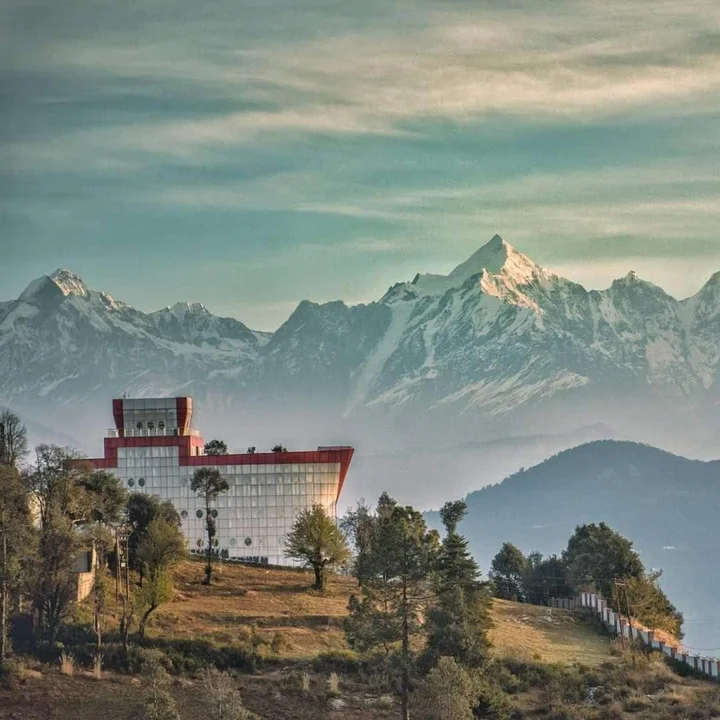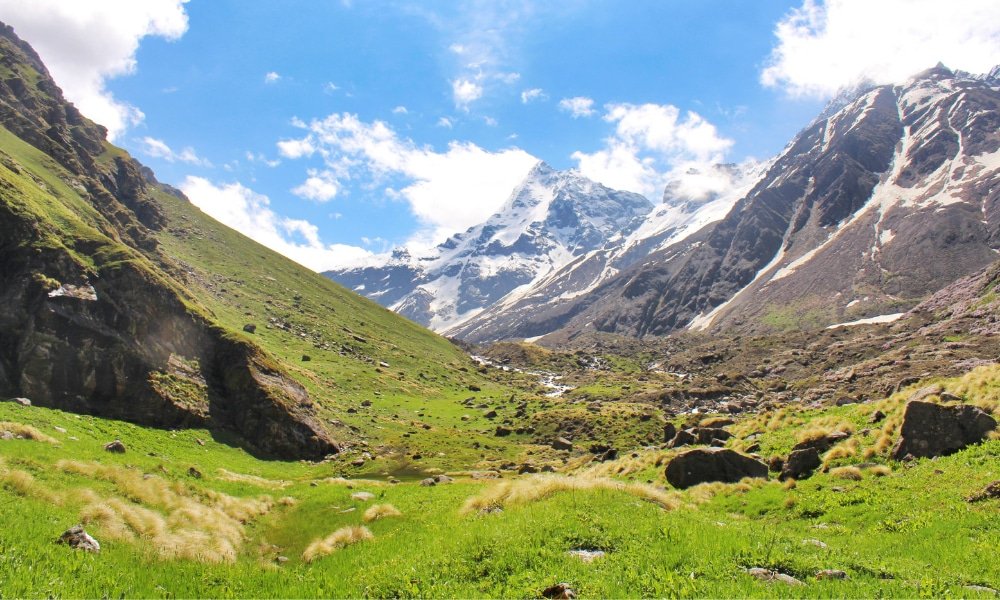

Overview: A Sanctuary of Himalayan Biodiversity
Nestled in the eastern Kumaon Himalayas of the Pithoragarh district, Askot Wildlife Sanctuary is one of Uttarakhand’s most captivating and ecologically significant protected areas. Often referred to as the Askot Musk Deer Sanctuary, it was established in 1986 with the primary objective of conserving the endangered Himalayan musk deer (Moschus leucogaster) and its fragile habitat.
Spanning a vast area of approximately 600 square kilometres (232 square miles), the sanctuary is a breathtaking mosaic of dense temperate forests, subalpine and alpine meadows, and rugged high-altitude terrain. Its altitude ranges dramatically from 600 metres (2,000 feet) to 6,905 metres (22,654 feet), creating a diverse landscape that supports a stunning variety of flora and fauna. Situated at the junction of the Western and Central Himalayas, the sanctuary encompasses three distinct biomes: Eurasian High Montane, Sino-Himalayan Subtropical Forests, and Sino-Himalayan Temperate Forests.
Whether you are a wildlife enthusiast, a trekker, a nature photographer, or simply a traveller seeking peace and solitude in the lap of the Himalayas, Askot Wildlife Sanctuary promises an experience that stays with you forever.
Key Information at a Glance
History of Askot Wildlife Sanctuary
The Ancient Kingdom of Askot
The sanctuary derives its name from the ancient kingdom of Askot, a small Himalayan principality that once ruled this region. This historical legacy adds a layer of cultural richness to the sanctuary, which lies at the crossroads of history and natural beauty.
The Birth of a Sanctuary (1986)
The Askot Wildlife Sanctuary was officially notified in July 1986. It was established as a protected area with the primary goal of conserving the endangered Himalayan musk deer (Moschus leucogaster) and its natural habitat. The sanctuary was created to address the threats faced by this elusive species, which has been historically hunted for its valuable musk pod.
The sanctuary covers three major watersheds: the Kali, East Dhauli, and Goriganga rivers. A significant portion of the Gori valley (about 64.24% of the basin) consists of village common land, administered by village forest councils or Van Panchayats.
Conservation Challenges
Since its inception, the sanctuary has faced challenges, including the need to balance conservation with the needs of local communities. In 2013, a proposal was made to remove 111 villages from the sanctuary’s perimeter to address human-wildlife conflict and development issues. Despite these challenges, Askot remains a vital protected area for Himalayan biodiversity.
Geography of Askot Wildlife Sanctuary
Location and Topography
Askot Wildlife Sanctuary is located in the Didihat tehsil of the Pithoragarh district, in the eastern Kumaon region of Uttarakhand. The sanctuary is situated near the Indo-Nepal border, which is formed by the Kali River. It is bounded by Tibet to the north, Almora to the west, and Pithoragarh to the south.
A Dramatic Altitudinal Range
One of the sanctuary’s most remarkable features is its dramatic altitudinal variation. The terrain rises from the river valleys at around 600 metres (2,000 feet) to the towering snow-clad peaks that reach 6,905 metres (22,654 feet). This vast elevation gradient encompasses a wide range of ecosystems, from subtropical riverine forests to alpine meadows and permanent snowfields.
The River Systems
The sanctuary is drained by three major river systems: the Kali (Sharda) River, the East Dhauli River, and the Goriganga River. The Kali River forms the international boundary with Nepal. The Gori Ganga River flows through the sanctuary, while the sanctuary also marks the origin points of the Dhauli and Ilki rivers.
Key Peaks and Passes
| Feature | Details |
|---|---|
| Key Peaks | Najrikot, Panchuli, Chiplakot, Naukana |
| Key Passes | Lipu Lekh Pass, Lumpiya Lekh Pass, Mankshang Lekh Pass |
| Panoramic Views | Panchachuli peaks, Kailash Mansarovar route |
The sanctuary is also a popular stop for trekkers heading towards the Kailash Mansarovar Yatra route, offering panoramic views of the Panchachuli peaks.
Flora of Askot Wildlife Sanctuary
A Diverse Tapestry of Vegetation
Askot’s diverse altitudinal range supports a wide variety of plant life, making it a paradise for botanists and nature lovers.
Forest Types:
- Temperate Forests: Dominated by oak, rhododendron, and conifers such as deodar and pine.
- Subalpine and Alpine Meadows: High-altitude grasslands known as bugyals are home to a variety of alpine flora and medicinal plants.
Seasonal Highlights:
- Spring Bloom: During spring, the rhododendron forests burst into vibrant shades of red and pink, painting the hillsides in a spectacular display of colour.
- Medicinal Plants: The sanctuary is home to a wide variety of medicinal plants and herbs.
Fauna of Askot Wildlife Sanctuary
Askot Wildlife Sanctuary is a treasure trove of Himalayan wildlife. The sanctuary is home to over 200 species of birds and a diverse array of mammals, including several rare and endangered species.
Flagship Mammals
Avian Diversity
With over 200 bird species calling the sanctuary home, Askot is a delight for birdwatchers.
Other Wildlife
The sanctuary also hosts a variety of other animals, including jungle cats, monkeys, and serows. In 2024, a nature festival at Askot recorded 249 rare species, including the country’s largest Golden Birdwing butterfly.
Religious Beliefs and Sacred Sites
Temples in the Wilderness
Askot Wildlife Sanctuary is not only a haven for wildlife but also a place of spiritual significance. The sanctuary is dotted with various temples that serve as vantage points for stunning views of the surrounding Himalayas.
Kapileshwar Mahadev Cave Temple
Nearby, the Kapileshwar Mahadev Cave Temple is a site of spiritual and cultural importance. This ancient cave temple, dedicated to Lord Shiva, attracts pilgrims and adds a spiritual dimension to the region’s landscape.
The Kailash Mansarovar Connection
The sanctuary lies on the route of the Kailash Mansarovar pilgrimage, making it a significant stop for spiritual seekers on their journey to one of Hinduism’s holiest sites.
How to Reach Askot Wildlife Sanctuary
By Air
| Airport | Distance | Details |
|---|---|---|
| Naini Saini Airport (Pithoragarh) | ~60 km | Nearest airstrip; limited services |
| Pantnagar Airport | ~335 km | Major airport with regular connections |
From Pantnagar, you can hire a taxi or take a bus to Pithoragarh, and then onward to Askot.
By Train
| Station | Distance | Details |
|---|---|---|
| Tanakpur Railway Station | ~239 km | Well-connected to major cities |
| Kathgodam Railway Station | ~212 km | Connected to Delhi, Agra, and Lucknow |
From the railway station, you can hire a taxi or take a bus to Pithoragarh and then to Askot.
By Road (Most Popular)
| Route | Distance | Travel Time |
|---|---|---|
| Delhi → Askot | ~500–550 km | 12–14 hours |
| Pithoragarh → Askot | 54 km | 1.5–2 hours |
| Almora → Askot | ~150 km | 4–5 hours |
Route from Delhi:
Delhi → Hapur → Moradabad → Rampur → Rudrapur → Tanakpur → Pithoragarh → Askot
Transport Options:
- Private Taxi: Most convenient and flexible
- State Transport Buses: Available from ISBT Anand Vihar to Pithoragarh
- Self-Drive: Well-maintained roads via Haldwani-Almora or Tanakpur-Pithoragarh
Note: The sanctuary is located about 54 km from Pithoragarh on the Pithoragarh–Dharchula highway. Some interior areas require sturdy vehicles or trekking.
Distance from Major Cities
Weather and Best Time to Visit
Climate Overview
Askot Wildlife Sanctuary experiences a sub-arctic-like climate, with extreme variations in temperature and precipitation. The sanctuary is prone to heavy rainfall and extreme climatic conditions.
Monthly Temperature Guide
Best Time to Visit by Season
Why Visit in Summer (April–June)
- Pleasant weather with temperatures ranging from 15°C to 29°C
- Ideal for wildlife spotting as animals are more active
- The sanctuary is at its most beautiful, with verdant foliage and flowering plants
- Clear skies for photography and trekking
Why Visit in Autumn (September–November)
- Post-monsoon freshness with crisp, clear air
- Excellent visibility for spotting wildlife and enjoying panoramic views
- Comfortable temperatures
Why Avoid the Monsoon (July–September)
- Heavy rainfall makes trails slippery and dangerous
- High risk of landslides and road blockages
- Wildlife sightings are limited
What to Pack
Nearby Places to Visit
Things to Do at Askot Wildlife Sanctuary
1. Wildlife Spotting and Safaris
Embark on guided wildlife viewing tours to spot the endangered musk deer, snow leopards, Himalayan black bears, and bharals. Safaris are conducted on foot or using local transport where permitted.
2. Trekking and Hiking
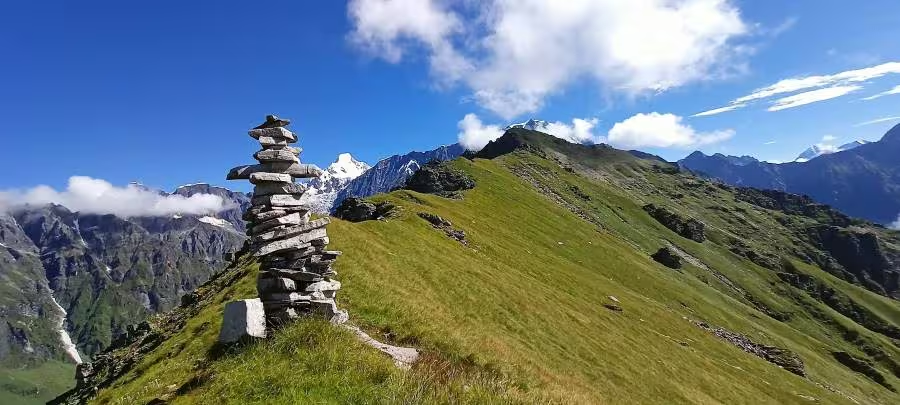
Explore the sanctuary’s extensive network of trails, leading through dense forests, rolling meadows, and along crystal-clear streams. Trek to high-altitude alpine meadows (bugyals) and ridges for panoramic views.
3. Birdwatching
With over 200 bird species, Askot is a paradise for birdwatchers. Look out for the Himalayan monal, koklas pheasant, snow cock, and various raptors.
4. Nature Photography
Capture the stunning landscapes, from the vibrant rhododendron blooms to the snow-capped peaks and diverse wildlife.
5. Community-Based Experiences
Engage with local Shauka/Bhotia communities through village homestays and cultural visits. Learn about their pastoral and agricultural traditions.
6. Camping
Enjoy camping in designated areas and day hikes along marked routes.
7. Visit Ancient Temples
Explore the various temples dotted throughout the sanctuary, which offer great views of the surrounding Himalayas.
8. Explore the Kali River Valley
Discover the scenic beauty of the Kali (Sharda) River valley and its dramatic river gorges.
Accommodation Options
Travel Tip: It is advisable to carry food and water when visiting the sanctuary, as options within the park are limited.
Local Cuisine — A Taste of Kumaon
Must-Try Kumaoni Dishes
| Dish | Description |
|---|---|
| Aloo Ke Gutke | Spiced fried potatoes, a Kumaoni speciality |
| Bhatt Ki Churkani | Black soybean curry |
| Chainsoo | Protein-rich black gram curry |
| Mandua Roti | Finger millet flatbread |
| Gahat Ki Dal | Horse gram lentil soup |
| Bal Mithai | Famous chocolate-like sweet from Kumaon |
Local Products & Souvenirs
| Item | Description |
|---|---|
| Dried Apricots | Local produce |
| Local Cheeses | Traditional mountain cheeses |
| Woollen Shawls | Handcrafted by mountain communities |
| Handicrafts | Local handicrafts made by communities |
Where to Eat
- Village homestays: Enjoy authentic home-cooked Kumaoni meals
- Pithoragarh: Wider range of restaurants
Frequently Asked Questions (FAQs)
General Questions
Q1: Where is Askot Wildlife Sanctuary located?
A: Askot Wildlife Sanctuary is located in the Didihat tehsil of Pithoragarh district, in the eastern Kumaon region of Uttarakhand, near the Indo-Nepal border.
Q2: What is Askot Wildlife Sanctuary famous for?
A: The sanctuary is famous for being the home of the endangered Himalayan Musk Deer (Kasturi Mrig). It is also known for its population of snow leopards, Himalayan black bears, and over 200 species of birds.
Q3: What is the altitude of Askot Wildlife Sanctuary?
A: The sanctuary ranges in altitude from 600 metres (2,000 feet) to 6,905 metres (22,654 feet). The main sanctuary area is situated at approximately 1,600 to 1,650 metres.
Q4: What is the best time to visit Askot Wildlife Sanctuary?
A: The best time to visit is from March to June and September to November when the weather is pleasant and ideal for wildlife spotting.
Q5: What is the distance between Delhi and Askot Wildlife Sanctuary?
A: The distance is approximately 500–550 km by road, taking about 12–14 hours to reach.
Q6: What is the entry fee for Askot Wildlife Sanctuary?
A: The entry fee information may vary. It is advisable to check with the forest department or local authorities before visiting.
Q7: What are the timings of the sanctuary?
A: The sanctuary is open from 6:00 AM to 5:00 PM every day.
Q8: What animals can I see at Askot Wildlife Sanctuary?
A: You can see musk deer, snow leopards, Himalayan black bears, leopards, bharals (blue sheep), barking deer, gorals, and serows.
Q9: What birds can I see at Askot Wildlife Sanctuary?
A: The sanctuary is home to over 200 bird species, including Himalayan monal, koklas pheasant, snow cock, chukor, and various raptors.
Q10: Is trekking allowed in Askot Wildlife Sanctuary?
A: Yes, Askot is a great place for trekking, with trails through dense forests, rolling meadows, and along crystal-clear streams.
Q11: Is camping allowed in Askot Wildlife Sanctuary?
A: Camping is allowed in designated areas. It is advisable to check with the forest department for specific regulations.
Q12: What is the nearest railway station to Askot Wildlife Sanctuary?
A: The nearest railway stations are Tanakpur Railway Station (~239 km) and Kathgodam Railway Station (~212 km).
Q13: What is the nearest airport to Askot Wildlife Sanctuary?
A: The nearest airport is Naini Saini Airport in Pithoragarh (~60 km), with limited services. The nearest major airport is Pantnagar Airport (~335 km).
Q14: Are there accommodation options in Askot?
A: Yes, there are limited accommodation options in Askot, including homestays, budget hotels, and guesthouses. More options are available in Pithoragarh.
Q15: Do I need a permit to visit Askot Wildlife Sanctuary?
A: Permits may be required for certain activities or areas. It is advisable to check with the forest department or local tour operators before visiting.
Q16: Is the sanctuary accessible during the monsoon?
A: The monsoon season (July–September) is generally not recommended due to heavy rainfall, landslides, and slippery trails.
Plan Your Askot Adventure with Discover Uttarakhand
At Discover Uttarakhand, we’ve been organising unforgettable Himalayan journeys since 1997. As a trusted local operator with deep knowledge of the Kumaon region and its hidden gems, we offer:
✅ Customised Askot Wildlife Sanctuary tour packages
✅ Combined itineraries covering Askot, Pithoragarh, Munsiyari, and Dharchula
✅ Comfortable transport with experienced local drivers
✅ Verified accommodations in Pithoragarh and surrounding areas
✅ Local guides for wildlife viewing, treks, and cultural experiences
✅ 24/7 customer support throughout your journey
Recommended Kumaon Packages
| Package | Duration | Starting Point | Highlights |
|---|---|---|---|
| Askot Wildlife Explorer | 3 Nights / 4 Days | Kathgodam | Musk deer spotting, birdwatching, Askot Fort |
| Kumaon Wildlife & Heritage Tour | 5 Nights / 6 Days | Kathgodam | Askot Sanctuary, Pithoragarh Fort, Dharchula |
| Eastern Kumaon Adventure | 6 Nights / 7 Days | Delhi | Askot Sanctuary, Munsiyari, Panchachuli views |
📞 Call / WhatsApp: +91-9997187178, 9760222178, 8171977178
📍 Visit Our Office: Himalayan Colony, opposite DSVV, Haripur Kalan, Haridwar, Motichur Range, Uttarakhand 249411
🌐 Website: www.discover-uttarakhand.com
📧 Email: info@discover-uttarakhand.com
Discover Uttarakhand – Your Local Partner for Unforgettable Himalayan Journeys Since 1997 🏔️