
Overview: A Quiet Refuge in the Queen of Hills
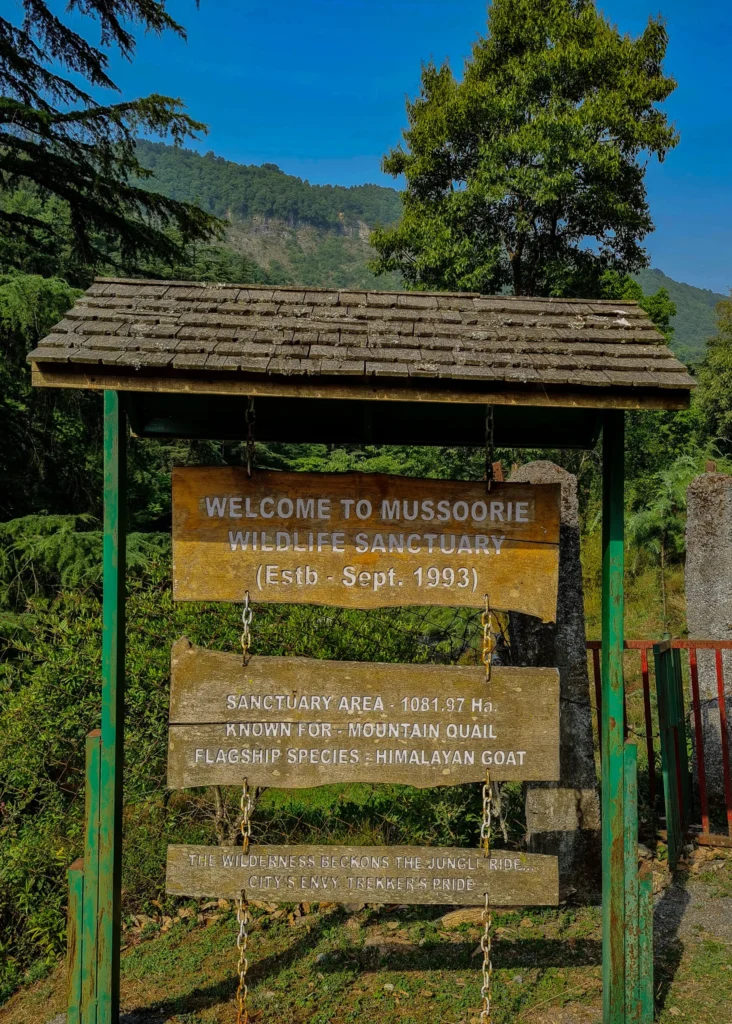
Tucked away on the western ridge of the Mussoorie range, Benog Wildlife Sanctuary — also known as Mussoorie Wildlife Sanctuary — is one of Uttarakhand’s most underrated protected areas. Despite being just 11 kilometres from Mussoorie’s bustling Library Point, this 239-hectare sanctuary remains blissfully uncrowded, offering visitors a rare opportunity to experience the Himalayan wilderness in peace.
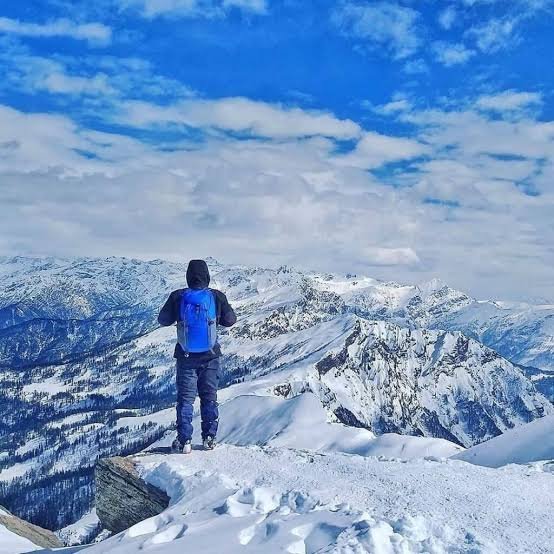
Established on 2 September 1993 and managed under the Wildlife Protection Act, 1972, the sanctuary forms a vital part of the buffer zone of Rajaji National Park. It is named after Benog Hill, the highest peak in the area at approximately 2,290 metres (7,513 feet), which offers some of the most spectacular panoramic views of the snow-capped Himalayas in the region.
What makes Benog truly special is its undisturbed atmosphere. Unlike Mussoorie’s crowded viewpoints and commercial attractions, the sanctuary has no stalls, loud signs, or constant movement — just forest paths, tall trees, and long stretches of quiet. Whether you are a birdwatcher, a nature lover, a trekking enthusiast, or simply someone seeking a peaceful escape, Benog Wildlife Sanctuary promises an experience that stays with you forever.
Key Information at a Glance
History of Benog Wildlife Sanctuary
The Colonial Era and Cloud’s End
The history of Benog Wildlife Sanctuary is intertwined with the colonial heritage of Mussoorie. The area’s most prominent landmark, Cloud’s End Estate, was constructed in 1838 and is widely cited as one of the oldest surviving structures in Mussoorie. Originally built as a hunting lodge, the property later functioned as a private residence before its conversion to a heritage hotel. The surrounding oak and rhododendron forest remained largely intact through this transition, which is part of why the area retains its wildlife value today.
Establishment as a Protected Area
Benog Wildlife Sanctuary was officially declared a protected area on 2 September 1993 under the Wildlife Protection Act, 1972. It was established primarily to protect a wildlife corridor for leopard, barking deer, and Himalayan black bear, according to the Uttarakhand Forest Department’s published sanctuary data.
The Benog Hill Legend
The sanctuary is named after Benog Hill, the highest peak in the Mussoorie region. The name “Benog” is derived from the local dialect, and the hill has long been a landmark for both locals and visitors. A small temple dedicated to Jwala Devi at the summit adds to the hill’s spiritual and historical significance.
Geography of Benog Wildlife Sanctuary
Location and Topography
Benog Wildlife Sanctuary is located on the western outskirts of Mussoorie in the Dehradun district of Uttarakhand. The sanctuary sits at coordinates 30°27′55″N, 78°0′45″E.
| Feature | Details |
|---|---|
| Coordinates | 30°27′55″N, 78°0′45″E |
| Area | 239 hectares (2.39 km²) |
| Highest Point | Benog Hill — 2,290 m (7,513 ft) |
| Surrounding Peaks | Bandarpunch, Swargarohini, Chaukhamba |
The Benog Hill Summit
Benog Hill rises to approximately 2,290 metres above sea level, slightly higher than Mussoorie’s central ridge at roughly 2,005 metres. At its summit, a small Tibba temple marks the end of the main trail. The hill offers panoramic views of the Doon Valley to the south, the Yamuna and Asan Barrage to the west, the Mussoorie hills to the east, and the mighty Himalayas to the north.
The Cloud’s End Connection
The trail to Benog Wildlife Sanctuary begins near Cloud’s End, a heritage property that marks the western boundary of Mussoorie town. From the forest entry gate, a well-maintained dirt path climbs through mixed oak and rhododendron forest before opening onto the Benog hilltop. The total elevation gain from the gate to the summit is approximately 300 metres.
Flora of Benog Wildlife Sanctuary
A Botanical Treasure
The sanctuary is a haven for plant diversity, with forests primarily of the Himalayan moist temperate type. The vegetation includes:
The rhododendron trees along this trail typically bloom between late February and mid-April, producing the deep red flowers the region is known for. The forest feels layered, with oak, pine, and deodar trees creating a canopy that changes light through the day.
Fauna of Benog Wildlife Sanctuary
Mammals — The Elusive Residents
The sanctuary is home to a variety of mammal species, though sightings require patience and early morning visits.
Note: Benog is not a zoo-format wildlife experience. Visitors who expect guaranteed sightings of large mammals will likely leave disappointed. However, with early morning visits (before 7 AM), leopard sightings are rare but not unusual.
Birds — A Paradise for Birdwatchers
Benog Wildlife Sanctuary is primarily known among birders. The Uttarakhand Forest Department’s 2025 biodiversity audit recorded over 150 bird species in the sanctuary.
During the 8th Uttarakhand Bird Festival held at Benog, 95 bird species and 22 butterfly species were sighted. Serious birders typically arrive before 7:00 a.m. for optimal sightings.
Butterflies
The sanctuary is also known for its butterfly diversity, with about 120 butterfly species recorded.
Religious Beliefs and Sacred Sites
Jwala Devi Temple at Benog Hill
At the summit of Benog Hill stands a small temple dedicated to Jwala Devi, an incarnation of Goddess Durga. The temple is situated at an altitude of approximately 2,100 metres (7,000 ft) and is believed to have been established at a spot consecrated by Shakti — connecting it to the story of Goddess Sati.
Key Features:
- Deity: Goddess Durga (Jwala Devi)
- Location: Benog Hill summit
- Significance: Believed to be a powerful Shakti site
- Nearby: A small idol of Bhairav Devta is also installed in the vicinity
- Atmosphere: Offers serenity and tranquillity in a secluded mountain setting
Local Beliefs
According to local tradition, the Jwala Devi Temple was built to honour the divine presence of the goddess at this sacred spot. The feeling of being close to nature and even closer to God arises once you reach this hilltop. The temple attracts both pilgrims and trekkers, adding a spiritual dimension to the wildlife sanctuary experience.
How to Reach Benog Wildlife Sanctuary
By Air — Nearest Airports
| Airport | Distance | Details |
|---|---|---|
| Jolly Grant Airport, Dehradun | ~60 km from Mussoorie | Connected to Delhi; flights available |
| Indira Gandhi International Airport, Delhi | ~300 km | Major international hub |
From Dehradun Airport:
- Hire a taxi to Mussoorie (approx. 1.5–2 hours)
- From Mussoorie, take a shared jeep or taxi to Cloud’s End (11 km)
By Train — Nearest Railway Stations
| Station | Distance | Details |
|---|---|---|
| Dehradun Railway Station | ~30 km from Mussoorie | Well-connected to Delhi and other cities |
| Rishikesh Railway Station | ~75 km | Alternative station |
From Dehradun to Benog:
- Hire a taxi or take a bus to Mussoorie
- From Mussoorie, take a shared jeep or taxi to Cloud’s End
By Road (Most Popular)
| Route | Distance | Travel Time |
|---|---|---|
| Delhi → Mussoorie | ~300 km | 7–8 hours |
| Dehradun → Mussoorie | ~30 km | 1–1.5 hours |
| Mussoorie Library Point → Cloud’s End | 11 km | 25–30 minutes |
Reaching the Sanctuary from Mussoorie:
Step 1: Reach Cloud’s End
- Shared Jeep: From Library Chowk, shared jeeps depart roughly every 45 minutes. Fare: ₹30–₹40 per seat
- Private Taxi: ₹400–₹600 for the 11 km journey
- Drivers typically wait up to 3 hours for a return fare
Step 2: Enter the Sanctuary
- The forest gate is near Cloud’s End property
- A ticket booth is staffed between 7:00 AM and 5:00 PM
- From the entrance, the main trail climbs through dense oak forest for approximately 4–5 kilometres to the summit
Important: The forest gate closes at 5:00 PM. Visitors must exit before this time. No artificial lighting is permitted on the trail after sunset.
Distance from Major Cities
| City | Distance to Mussoorie | Distance to Benog |
|---|---|---|
| Delhi | ~300 km | ~311 km |
| Dehradun | ~30 km | ~41 km |
| Haridwar | ~90 km | ~101 km |
| Rishikesh | ~75 km | ~86 km |
| Chandigarh | ~200 km | ~211 km |
Weather and Best Time to Visit
Climate Overview
Benog Wildlife Sanctuary experiences a temperate highland climate, with pleasant summers and cold winters. The sanctuary is open year-round except during heavy monsoon closures (typically mid-July to mid-August).
Seasonal Breakdown
Best Time to Visit by Season
| Season | Months | Suitability | Best For |
|---|---|---|---|
| Spring | Late March–April | ⭐ Best | Rhododendron blooms, birdwatching, pleasant weather |
| Summer | May–June | ⭐ Best | Trekking, sunrise views, comfortable temperatures |
| Autumn | September–November | ⭐ Best | Post-monsoon clarity, birdwatching, photography |
| Winter | October–February | ⭐ Good | Clearest Himalayan views, fewer crowds |
| Monsoon | July–August | ❌ Avoid | Trail closures, slippery paths, reduced visibility |
Why Visit in Spring (Late March–April)
- Rhododendrons are in full bloom, painting the forest in deep red
- Pleasant temperatures ranging from 8°C to 18°C
- Clear skies and excellent bird activity
- Perfect for photography
Why Visit in Summer (May–June)
- Pre-monsoon spring offers the clearest atmospheric conditions for Himalayan views
- Ideal for early morning treks to catch the sunrise
- Comfortable for walking
Why Visit in Autumn (September–November)
- Post-monsoon freshness with crisp, clear air
- Forests look lush and green
- Excellent visibility for birdwatching
- Perfect for photography
Why Visit in Winter (October–February)
- Cold mornings (0–8°C at summit) but the best Himalayan panoramas
- Clear sightlines to Bandarpunch and Swargarohini peaks
- Fewer crowds
- Carry warm layers
Best Time of Day to Visit
| Time | Experience |
|---|---|
| Before 7:00 AM | Best for birdwatching and clear Himalayan views |
| Sunrise | Spectacular sunrise views from the summit |
| Late Morning | Cloud cover may move in from the valley side |
What to Pack
Nearby Places to Visit
Things to Do at Benog Wildlife Sanctuary
1. Trek to Benog Hill Summit
The main attraction is the trek to Benog Hill summit at 2,290 metres. The trail is approximately 4–5 kilometres one way and takes about 3 to 4 hours at a moderate pace. The trail is easy to moderate for average fitness.
2. Birdwatching
With over 150 bird species recorded, Benog is a paradise for birdwatchers. Early mornings (before 7 AM) offer the best sightings.
3. Sunrise Viewing
The sanctuary gate opens at 6:00 AM, making it one of the few places near Mussoorie where a sunrise Himalayan panorama is accessible without a pre-dawn trek departure.
4. Explore the Jwala Devi Temple
Visit the small hilltop temple dedicated to Goddess Durga at the summit. The temple adds a spiritual dimension to the trek.
5. Photography
From the rhododendron blooms in spring to the panoramic Himalayan views in winter, Benog offers endless photography opportunities.
6. Nature Walks
The sanctuary’s well-maintained trails through oak and rhododendron forests are perfect for leisurely nature walks.
7. Spot Wildlife
With early morning visits, you may spot barking deer, langurs, and possibly even leopards.
Accommodation Options
Travel Tip: Cloud’s End Villa, constructed in 1838, is one of the oldest surviving structures in Mussoorie and offers a unique heritage stay experience.
Local Cuisine — A Taste of Mussoorie
Mussoorie and the surrounding region offer a delightful blend of Garhwali and North Indian cuisine.
Must-Try Dishes
| Dish | Description |
|---|---|
| Kafuli | Traditional Garhwali spinach and fenugreek curry |
| Phanu | Lentil-based dish, a Garhwali specialty |
| Gahat ka Shorba | Nutritious soup made from horse gram |
| Mandua Roti | Finger millet flatbread |
| Aloo Ke Gutke | Spiced fried potatoes, a Kumaoni speciality |
| Bal Mithai | Famous chocolate-like sweet from Kumaon |
Where to Eat
- Cloud’s End Villa: Offers meals to guests
- Mall Road, Mussoorie: Wide range of restaurants and cafes
- Local dhabas: Authentic Garhwali food
Frequently Asked Questions (FAQs)
General Questions
Q1: Where is Benog Wildlife Sanctuary located?
A: Benog Wildlife Sanctuary is located approximately 11 km from Library Point in Mussoorie, in the Dehradun district of Uttarakhand.
Q2: What is the altitude of Benog Wildlife Sanctuary?
A: The sanctuary’s highest point is Benog Hill at 2,290 metres (7,513 feet) above sea level.
Q3: What is the best time to visit Benog Wildlife Sanctuary?
A: The best time to visit is from March to June and September to November when the weather is pleasant, and trails are accessible.
Q4: What is the entry fee for Benog Wildlife Sanctuary?
A: Entry for Indian nationals costs ₹50–₹150 (varies by source), and for foreign visitors, it is ₹200.
Q5: What are the timings of the sanctuary?
A: The sanctuary is open from 7:00 AM to 5:00 PM daily. The forest gate closes at 5:00 PM; visitors must exit before this time.
Q6: What animals can I see at Benog Wildlife Sanctuary?
A: The sanctuary is home to Indian leopard, Himalayan goral, barking deer, Himalayan black bear, langur, and various other species. Leopard sightings are rare but possible at dawn.
Q7: What birds can I see at Benog Wildlife Sanctuary?
A: Over 150 bird species have been recorded, including the cheer pheasant, Himalayan monal, white-capped water redstart, red-billed blue magpie, and various laughingthrush species.
Q8: Is the sanctuary open during the monsoon?
A: The sanctuary is open year-round except during heavy monsoon closures (typically mid-July to mid-August).
Q9: Is there accommodation available at the sanctuary?
A: There is no accommodation inside the sanctuary. However, Cloud’s End Villa is adjacent to the sanctuary, and numerous hotels are available in Mussoorie.
Q10: Do I need a permit to visit Benog Wildlife Sanctuary?
A: No special permit is required. However, a forest entry fee is collected at the gate.
Q11: What is the distance between Delhi and Benog Wildlife Sanctuary?
A: The distance from Delhi to Mussoorie is approximately 300 km. The sanctuary is an additional 11 km from Mussoorie.
Q12: How can I reach Benog Wildlife Sanctuary from Mussoorie?
A: From Library Chowk, take a shared jeep to Cloud’s End (₹30–₹40 per seat) or a private taxi (₹400–₹600). The journey takes about 25 minutes.
Practical Information
Q13: What should I wear for the trek?
A: Wear comfortable trekking clothes and trail shoes with ankle support. The trail is mostly earthen with stone steps on steeper sections.
Q14: Is the trail difficult?
A: The trail is rated easy to moderate for average fitness. The elevation gain from the gate to the summit is approximately 300 metres.
Q15: What is the best time of day to visit?
A: Before 7:00 AM for birdwatching and clear Himalayan views. By late morning, cloud cover often moves in from the valley side.
Q16: Can I take a guide for the trek?
A: A guide is not mandatory. However, local guides are available and can enhance the experience with their knowledge of the area.
Q17: Is parking available near the sanctuary?
A: Parking near the forest gate is limited to approximately 20 vehicles.
Q18: Are walking sticks available for rent?
A: The forest department station at the gate rents basic bamboo walking sticks for ₹20 per stick.
Q19: Is photography allowed?
A: Yes, photography is allowed. The sanctuary offers excellent opportunities for nature and landscape photography.
Q20: What is the history of Cloud’s End?
A: Cloud’s End Estate was constructed in 1838 and is one of the oldest surviving structures in Mussoorie. It was originally built as a hunting lodge.
Why Choose Discover Uttarakhand for Your Benog Wildlife Sanctuary Journey?
At Discover Uttarakhand, we’ve been organising unforgettable Himalayan journeys since 1997. As a trusted local operator with deep knowledge of the Garhwal region and its hidden gems, we offer:
✅ Customised Mussoorie and wildlife tour packages (2 to 5 days)
✅ Combined itineraries covering Benog Wildlife Sanctuary, Mussoorie, Dehradun, and Rishikesh
✅ Comfortable transport with experienced hill drivers
✅ Verified accommodations in Mussoorie (budget to luxury)
✅ Local guides for wildlife and nature walks
✅ 24/7 customer support throughout your journey
Recommended Mussoorie Packages
| Package | Duration | Starting Point | Highlights |
|---|---|---|---|
| Benog Wildlife Sanctuary Day Trip | 1 Day | Mussoorie | Benog Hill trek, birdwatching, Jwala Devi Temple |
| Mussoorie Nature Escape | 2 Nights / 3 Days | Dehradun | Benog Sanctuary, Kempty Falls, Lal Tibba, Mall Road |
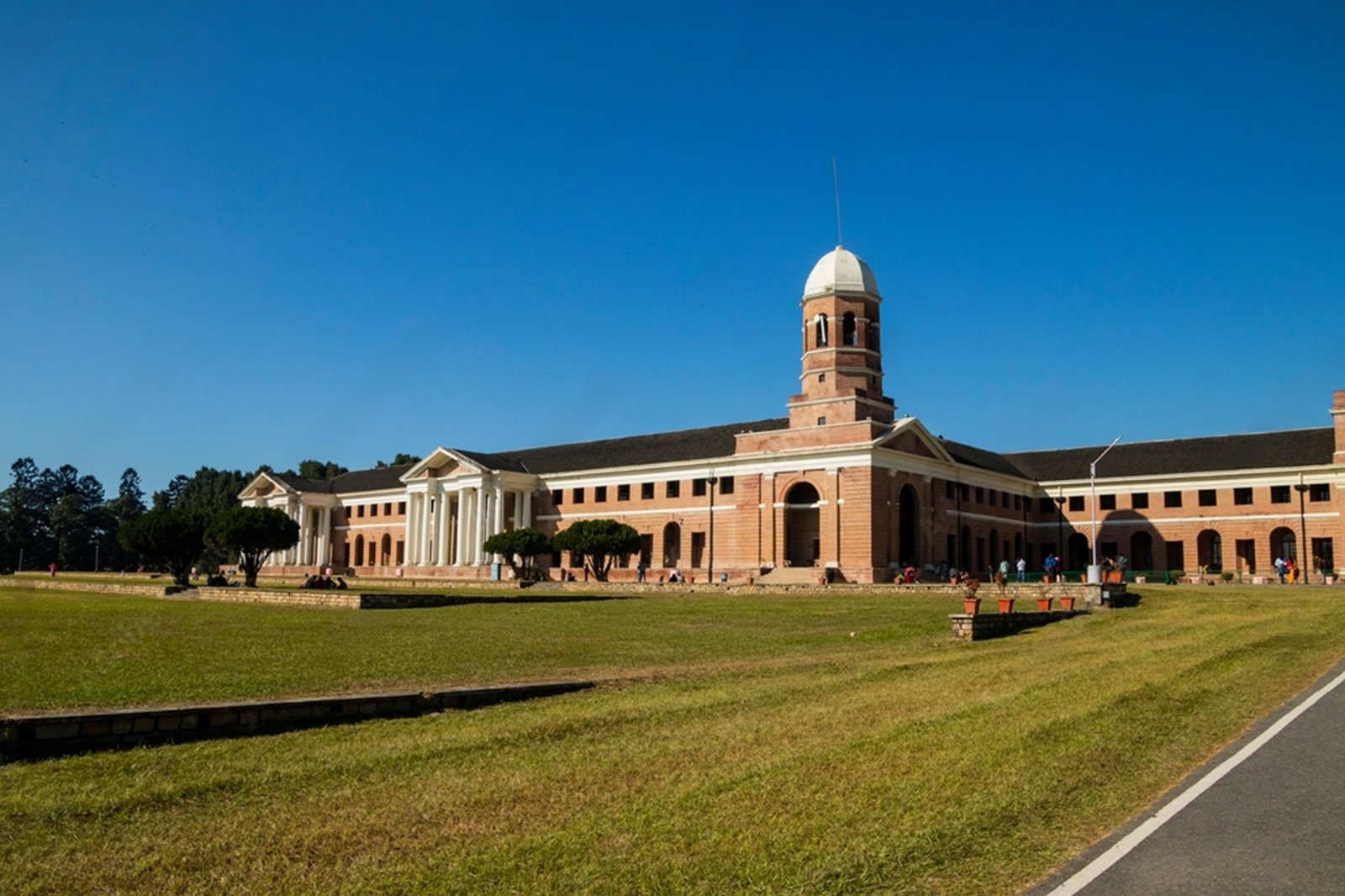
| Mussoorie & Dehradun Explorer | 3 Nights / 4 Days | Delhi | Benog Sanctuary, Mussoorie, Forest Research Institute |
| Garhwal Wildlife & Heritage Tour | 4 Nights / 5 Days | Delhi | Benog Sanctuary, Rajaji National Park, Rishikesh |
📞 Call / WhatsApp: +91-9997187178, 9760222178, 8171977178
📍 Visit Our Office: Himalayan Colony, opposite DSVV, Haripur Kalan, Haridwar, Motichur Range, Uttarakhand 249411
🌐 Website: www.discover-uttarakhand.com
📧 Email: info@discover-uttarakhand.com
Discover Uttarakhand – Your Local Partner for Unforgettable Himalayan Journeys Since 1997 🏔️