Introduction: The Hidden Sanctuary of the Garhwal Himalayas
Tucked deep within the Garhwal Himalayas of Uttarakhand’s Tehri district, the Bhilangana Valley is one of the most underrated and untouched regions of the state. Far from the crowded hill stations of Mussoorie or Nainital, this serene valley is a sanctuary for nature lovers, trekkers, photographers, and seekers of solitude.
Carved by the pristine Bhilangana River, the valley unfolds a dramatic landscape of glaciers, alpine meadows, dense forests, remote villages, and sacred shrines—offering a raw Himalayan experience. The valley spans approximately 1,009 square kilometres and is situated in the Tehri district, bounded by the ridges of Vasuki Taal, Sahasra Taal, and Masar Taal to the east and west, with the Khatling Glacier to the north.
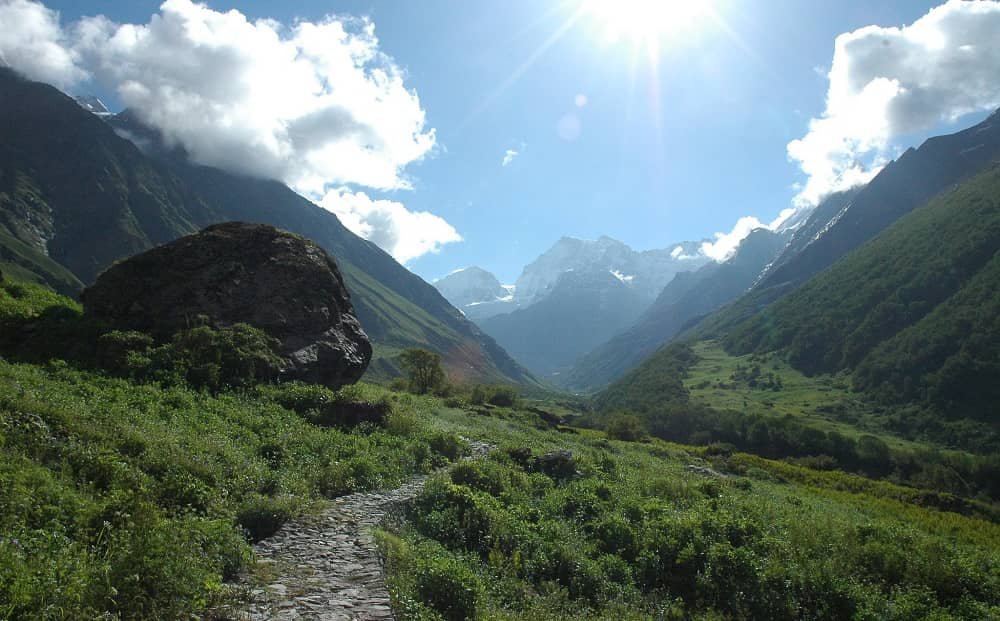
Unlike popular tourist destinations, Bhilangana Valley remains refreshingly untouched by commercialisation. It is a place where the air smells of pine and rhododendron, where the Bhilangana River hums a constant melody, and where the views of snow-capped peaks leave you speechless. The valley is accessible from Ghuttu village, which serves as the gateway for exploring the region and its legendary treks.
Whether you are a seasoned trekker seeking high-altitude challenges like Khatling Glacier and Auden’s Col, a nature lover drawn to alpine meadows and cascading waterfalls, a pilgrim visiting the ancient Bhilangana Devi Temple, or a traveller wanting to experience authentic Garhwali village life, Bhilangana Valley promises an unforgettable Himalayan experience.
Key Information at a Glance:
Geography and Location
Geographic Coordinates
- Latitude Range: 30.3743° N to 30.88042° N
- Longitude Range: 78.78055° E to 78.89864° E
- Area: 1,009.24 square kilometers
- Biogeographic Zone: 2B – Northwest Himalaya
Location
The Bhilangana Valley is situated in the Tehri district of Uttarakhand, in the Garhwal region of the Himalayas. The valley lies along the course of the Bhilangana River, which carves deep gorges through the ancient mountains.
The valley is surrounded by:
- East: Ridges of Vasuki Taal
- West: Ridges of Sahasra Taal and Masar Taal
- North: Khatling Glacier
- South: Tharti division
Topography
The Bhilangana Valley is characterised by dramatic Himalayan terrain:
- Alpine meadows (Bugyals): High-altitude grasslands used for grazing
- Dense forests: Oak, pine, deodar, and rhododendron
- Glaciers: Khatling Glacier is one of the largest in Garhwal
- Rivers and waterfalls: Including Devdari Falls and seasonal cascades
- Remote villages: Traditional Garhwali settlements preserving mountain culture
The Bhilangana River
The Bhilangana River (also spelt Bhilangna) flows gracefully through the valley, enriching its soil and sustaining village life. The river is a tributary of the Bhagirathi River, which eventually becomes the Ganges. The valley derives its name from this sacred river.
The river is also significant for sustainable energy development, with projects like Bhilangana Hydro Power Limited highlighting the balance between renewable energy and fragile mountain ecosystems.
Climate and Weather
Climate Overview
The Western Himalayan climate in the Bhilangana Valley varies according to elevation. It gets colder as the elevation increases and gets wetter as the elevation drops. As a result, the temperature and humidity change very quickly. All of a sudden, there can be occurrences of rain, floods, high winds, snowstorms, and other types of precipitation.
Seasonal Breakdown
| Season | Months | Day Temp (°C) | Night Temp (°C) | Conditions | Travel Suitability |
|---|---|---|---|---|---|
| Spring | March–April | 10–18 | 2–8 | Snow melting, spring blooms | ⭐ Good |
| Summer | May–June | 15–25 | 5–12 | Pleasant, clear skies | ⭐ Best |
| Monsoon | July–August | 12–20 | 8–15 | Heavy rain, landslide risk, leeches | ❌ Avoid |
| Autumn | September–October | 10–18 | 2–8 | Clear skies, crisp air | ⭐ Best |
| Winter | November–February | -5–10 | -10–-2 | Heavy snowfall, road closures | ❌ Closed |
Climate Characteristics
- Rapid Weather Changes: Weather in the Himalayas can change quickly—rain, floods, high winds, and snowstorms can occur suddenly.
- Temperature Gradient: A rise of 270 meters in the hills corresponds to a fall of 1°C in mean temperature up to 1,500 meters, above which the temperature fall is more rapid .
- Precipitation Zone: The zone of maximum precipitation during both summer and winter lies between 1,200 and 2,100 meters.
- Fog: Heavy fog during winter in wider valleys is a conspicuous feature of the region.
- Summer Climate: In summer months, the valleys experience hot, steamy tropical climates, while at a distance of about 75 km, the great range bears the highest snowfields of the world.
Best Time to Visit by Season
| Season | Months | Suitability | Conditions | Best For |
|---|---|---|---|---|
| Summer | May–June | ⭐ Best | 15°C–25°C, clear skies, pleasant | Trekking (Khatling Glacier), camping, sightseeing |
| Autumn | September–October | ⭐ Excellent | 10°C–18°C, crystal-clear skies | Photography, peaceful retreat, high-altitude treks |
| Monsoon | July–August | ❌ Avoid | 12°C–20°C, heavy rainfall, slippery trails | Not recommended (landslide risk, leeches) |
| Winter | November–April | ❌ Closed | Below freezing, heavy snow | Valley inaccessible |
Best Time for Specific Activities
| Activity | Best Months |
|---|---|
| Khatling Glacier Trek | May–June, September–October |
| Auden’s Col Expedition | May–June, September–October |
| Village Exploration | April–June, September–October |
| Birdwatching | March–June, September–November |
| Photography | May–June (green landscapes), September–October (clear mountain views) |
How to Reach Bhilangana Valley
By Air
Nearest Airport: Jolly Grant Airport, Dehradun (approximately 250 km from Bhilangana Valley)
| Details | Information |
|---|---|
| Distance | ~250 km |
| Travel Time | 8–10 hours by taxi to Ghuttu |
| Airlines | Regular flights from Delhi to Dehradun (approx. 1 hour) |
| Onward Travel | Taxis available from the airport to Ghuttu via Tehri |
By Train
Nearest Railway Station: Rishikesh (approximately 250 km from Bhilangana Valley)
| Station | Distance | Travel Time | Connectivity |
|---|---|---|---|
| Rishikesh | ~250 km | 8–9 hours by road | Most preferred |
| Haridwar | ~260 km | 8–9 hours by road | Major station, well-connected |
Popular Trains from Delhi to Haridwar/Rishikesh:
| Train Name | From Delhi | Departure | Arrival | Destination |
|---|---|---|---|---|
| Shatabdi Express | Delhi | 6:00 AM | 11:40 AM | Haridwar |
| Jan Shatabdi | Delhi | 3:20 PM | 9:00 PM | Haridwar |
| Mussoorie Express | Delhi | 10:05 PM | 5:30 AM | Haridwar |
From the railway station, taxis and buses are available for Ghuttu via Tehri.
By Road
Bhilangana Valley is accessible by road via Ghuttu village, which acts as the base and gateway for exploring the region.
| Starting Point | Distance | Travel Time | Route |
|---|---|---|---|
| Delhi | ~450–500 km | 12–14 hours | Delhi → Meerut → Muzaffarnagar → Roorkee → Haridwar → Rishikesh → Tehri → Ghansali → Ghuttu |
| Dehradun | ~250 km | 8–9 hours | Dehradun → Rishikesh → Tehri → Ghansali → Ghuttu |
| Haridwar | ~260 km | 8–9 hours | Haridwar → Rishikesh → Tehri → Ghansali → Ghuttu |
| Rishikesh | ~250 km | 8–9 hours | Rishikesh → Tehri → Ghansali → Ghuttu |
Road Conditions: The roads are winding but generally good. The final stretch from Ghansali to Ghuttu involves narrow mountain roads. Caution is advised during the monsoon when landslides can occur.
Route: Dehradun → Tehri → Ghansali → Ghuttu
Base Camp – Ghuttu Village
Ghuttu village is the last motorable point and serves as the base camp for exploring the Bhilangana Valley and its legendary treks. From Ghuttu, trekkers begin their journey into the higher reaches of the valley toward Khatling Glacier and Auden’s Col.
Distances from Major Cities
| City | Distance (km) |
|---|---|
| Delhi | ~450–500 |
| Dehradun | ~250 |
| Rishikesh | ~250 |
| Haridwar | ~260 |
| Tehri | ~150–180 |
| Ghansali | ~30–40 km before Ghuttu |
| Ghuttu | 0 (base camp) |
Top Attractions and Places to Visit
1. Bhilangana Valley Landscapes – Nature’s Masterpiece
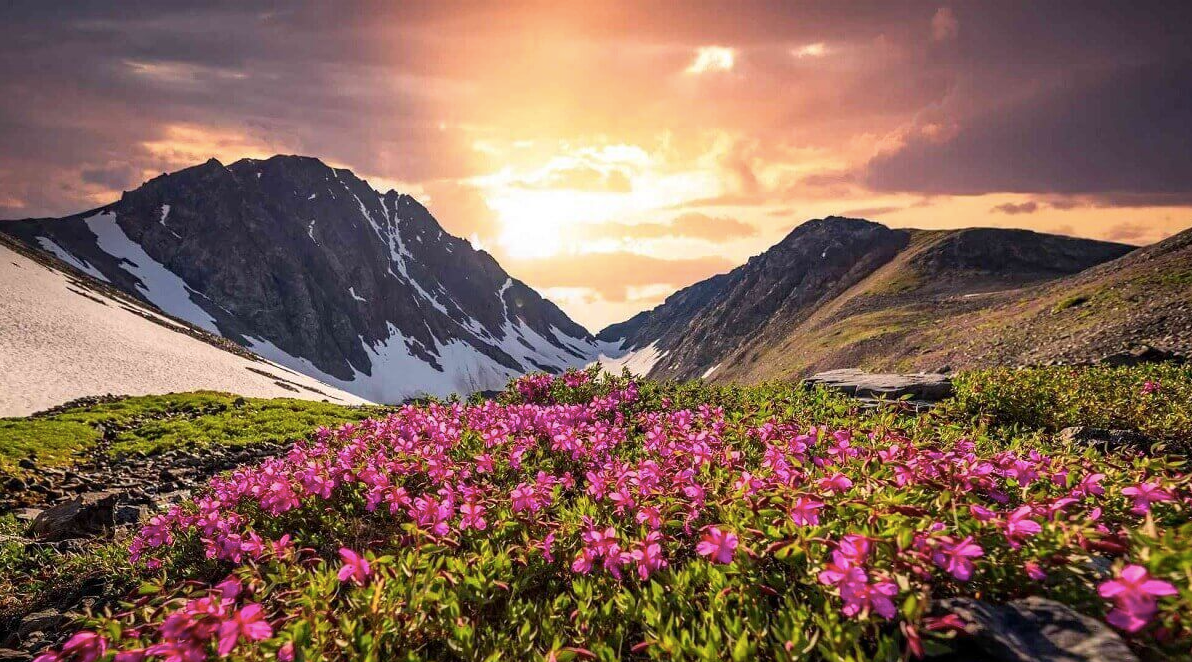
The valley itself is the primary attraction. The Bhilangana Valley is blessed with extraordinary natural beauty :
- Snow-capped Himalayan peaks towering above
- Rolling alpine meadows (bugyals) carpeted with wildflowers
- Thick oak, pine, and rhododendron forests that change colour with the seasons
- Crystal-clear rivers and cascading waterfalls
Notable Waterfalls:
2. Khatling Glacier – The Crown Jewel of the Valley
Khatling Glacier is one of the largest glaciers in Garhwal and the northernmost point of the Bhilangana Valley. It is the primary destination for trekkers visiting the valley.
| Aspect | Details |
|---|---|
| Location | Northern boundary of the valley |
| Type | Valley glacier |
| Best Time to Visit | May–June & September–October |
| Difficulty | Challenging (for experienced trekkers) |
What to Expect:
- A massive glacier surrounded by towering Himalayan peaks
- Stunning views of the surrounding mountains
- A challenging trek through moraines and alpine terrain
3. Auden’s Col – The Legendary Expedition
Auden’s Col is a demanding high-altitude expedition that connects the Bhilangana Valley to the Gangotri region. It is one of the most challenging treks in the Garhwal Himalayas.
| Aspect | Details |
|---|---|
| Type | High-altitude expedition pass |
| Connects | Bhilangana Valley to Gangotri region |
| Difficulty | Extremely challenging (for expert mountaineers) |
What to Expect:
- Traverse alpine bugyals, moraines, and glaciers
- High mountain passes with spectacular views
- Untouched wilderness experience
- Recommended only for experienced trekkers
4. Ghuttu Village – The Gateway
Ghuttu village is the base camp and gateway for exploring the Bhilangana Valley. It is the last motorable point before the trekking routes begin.
What to Expect:
- A small, traditional Garhwali village
- Basic accommodation and camping facilities
- The starting point for the Khatling Glacier trek
5. Ghansali – The Riverside Town
Ghansali is a town located on the way to Ghuttu, situated on the banks of the Bhilangana River. It serves as an important stopover for travellers heading into the valley.
What to Expect:
- Scenic river views
- Local markets
- A peaceful atmosphere
6. Tehri – The Dam Town
Tehri is the district headquarters and home to the Tehri Dam, one of the tallest dams in the world. It is an important stop on the route to Bhilangana Valley.
What to Expect:
- Tehri Dam and Tehri Lake
- Water sports (boating, jet skiing)
- Stunning views of the surrounding hills
7. Bhilangana Devi Temple – The Sacred Shrine
The Bhilangana Devi Temple is a revered shrine with deep spiritual importance located in the valley. It is dedicated to the goddess after whom the river and valley are named.
What to Expect:
- An ancient temple with spiritual significance
- A peaceful, sacred atmosphere
- A place to experience local religious traditions
8. Vasuki Taal – The High-Altitude Lake
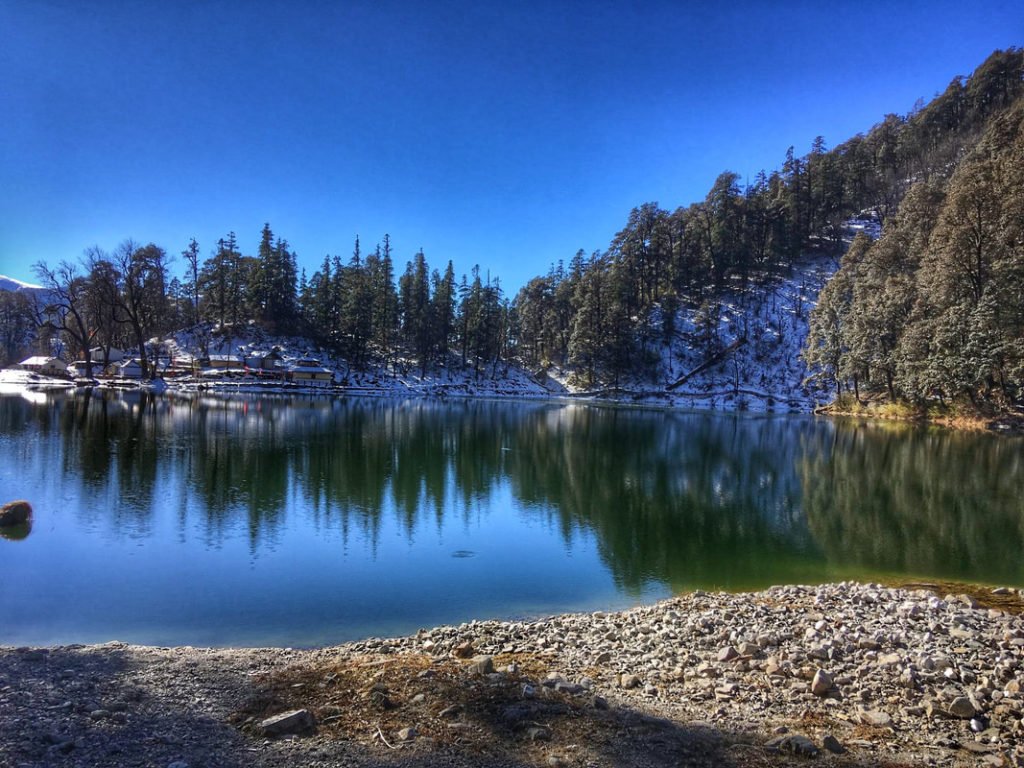
Vasuki Taal is a high-altitude lake located on the eastern ridge surrounding the valley. It is a pristine glacial lake surrounded by snow-capped peaks.
9. Sahasra Taal – The Thousand Lakes
Sahasra Taal (meaning “Thousand Lakes”) is a high-altitude area on the western ridge of the valley, known for its numerous small glacial lakes.
10. Masar Taal – The Serene Lake
Masar Taal is another high-altitude lake on the western ridge, offering stunning views of the surrounding peaks.
Trekking in Bhilangana Valley
Bhilangana Valley is a trekking powerhouse of Uttarakhand, serving as a base for some of the state’s most challenging and rewarding expeditions.
Trek Comparison Table
| Trek Name | Difficulty | Duration | Altitude | Highlights |
|---|---|---|---|---|
| Khatling Glacier Trek | Challenging | 7–9 days | ~3,700–4,200 m | Massive glacier, alpine meadows, moraines |
| Auden’s Col Expedition | Extremely Challenging | 12–14 days | ~5,400 m | Connects to Gangotri, high pass crossing |
| Vasuki Taal Trek | Moderate–Challenging | 5–7 days | ~4,000+ m | High-altitude lake, eastern ridge views |
| Sahasra Taal Trek | Moderate–Challenging | 5–7 days | ~4,000+ m | Multiple glacial lakes, western ridge |
1. Khatling Glacier Trek
The Khatling Glacier trek is the most popular trek in the Bhilangana Valley and one of the most challenging in the Garhwal Himalayas.
| Aspect | Details |
|---|---|
| Starting Point | Ghuttu village |
| Duration | 7–9 days |
| Difficulty | Challenging |
| Altitude | ~3,700–4,200 meters |
| Best Time | May–June & September–October |
What to Expect:
- Trek through alpine bugyals and dense forests
- Cross moraines and glacier terrain
- Camp by the glacier under starry skies
- Stunning views of the surrounding Himalayan peaks
Route Overview:
Ghuttu → Reeh → Kalyani → Bhelbagi → Kharsoli → Khatling Glacier → Return
2. Auden’s Col Expedition
Auden’s Col is a demanding high-altitude expedition that connects the Bhilangana Valley to the Gangotri region. Named after the British geologist John B. Auden, this col is one of the most challenging passes in the Garhwal Himalayas.
| Aspect | Details |
|---|---|
| Starting Point | Ghuttu / Gangotri |
| Duration | 12–14 days |
| Difficulty | Extremely Challenging |
| Altitude | ~5,400 meters |
| Best Time | May–June & September–October |
What to Expect:
- High-altitude pass crossing
- Traverse through alpine bugyals, moraines, and glaciers
- Spectacular views of the Gangotri group of peaks
- Untouched wilderness experience
⚠️ Important: Auden’s Col is recommended only for experienced trekkers with prior high-altitude trekking experience.
Trekking Tips
- Physical Preparation: These treks require excellent physical fitness. Prepare with regular cardio and strength training 2–3 months in advance.
- Hire Local Guides: The terrain is challenging and remote. Local guides are essential for navigation and safety.
- Carry Adequate Supplies: There are no shops or facilities on the trek. Carry all food, fuel, and camping equipment.
- Check Weather: Avoid monsoon months (July–August) when trails are slippery, and landslides are common.
- Permits: Permits may be required for trekking in the region. Arrange through registered tour operators.
- Travel Insurance: High-altitude trekking insurance is highly recommended for these expeditions.
Flora and Fauna
Forests and Vegetation
The Bhilangana Valley falls under the biogeographic zone 2B – Northwest Himalaya, known for its rich biodiversity.
| Forest Type | Dominant Species | Characteristics |
|---|---|---|
| Oak Forests | Quercus species | Dense canopies, autumn colors |
| Pine Forests | Chir, Blue Pine | Scented air, carpeted with needles |
| Deodar Forests | Cedrus deodara | Fragrant, tall evergreen trees |
| Rhododendron | Rhododendron arboreum | Spring blooms (March-April), vibrant red/pink flowers |
Alpine Meadows (Bugyals)
The high-altitude meadows in the valley are rich in grasses, herbs, and wildflowers. These bugyals are used for grazing by local communities and are a highlight of the trekking routes.
Wildlife
The Bhilangana Valley lies close to protected Himalayan ecosystems and shares ecological continuity with Govind Pashu Vihar National Park.
Birdlife
Conservation
Exploring the valley responsibly contributes to eco-tourism and conservation efforts. The region’s biodiversity is fragile, and visitors are encouraged to practice Leave No Trace principles.
Cultural Heritage and Religious Beliefs
The Garhwali Communities
The Bhilangana Valley is home to traditional Garhwali communities, who preserve age-old customs, folklore, and sustainable mountain lifestyles.
Cultural Experiences:
- Stay in remote villages and experience authentic mountain life
- Taste authentic Garhwali cuisine made from locally sourced ingredients
- Learn about local festivals and rituals
- Experience warm hospitality rooted in Himalayan traditions
Bhilangana Devi Temple
The Bhilangana Devi Temple is the most important religious site in the valley, with deep spiritual importance. Dedicated to the goddess after whom the river and valley are named, the temple is visited by pilgrims seeking blessings.
Significance: The goddess Bhilangana Devi is considered the protector of the valley and its inhabitants. Local festivals and rituals are centred around this sacred shrine.
Traditional Festivals
The Garhwali communities in the valley celebrate various festivals throughout the year, including:
- Makar Sankranti (January)
- Shivratri (February–March)
- Holi (March)
- Navratri (March–April & September–October)
- Diwali (October–November)
- Local harvest festivals
Local Handicrafts
The region is known for:
- Woollen shawls and blankets hand-woven by local women
- Wooden carvings and traditional artifacts
- Local produce, including rajma (kidney beans), millet, and potatoes
Local Cuisine: What to Eat
The Bhilangana Valley offers authentic Garhwali cuisine made from locally sourced ingredients.
Must-Try Garhwali Dishes
| Dish | Description |
|---|---|
| Chainsoo | Protein-rich black gram curry, a Garhwali specialty |
| Kafuli | Nutritious spinach and fenugreek curry |
| Aloo Ke Gutke | Protein-rich black gram curry, a Garhwali speciality |
| Mandua Roti | Spiced fried potatoes with local Garhwali flavours |
| Jhangora Kheer | Barnyard millet sweet pudding |
| Gahat Ki Dal | Horse gram lentil soup, warming and nutritious |
| Bhangjeeri Ki Chutney | Unique local chutney |
Where to Eat
Dining options in the Bhilangana Valley are limited. Most meals are provided by:
- Homestays in Ghuttu and Ghansali
- Camping meals provided by trekking operators
- Small local dhabas in Ghansali and Tehri
Dining Tips
- Most accommodations offer meal packages
- Pure vegetarian options are widely available
- Carry packaged snacks for treks
- Try the local chai (tea) at small stalls
- For the best experience, stay in a homestay and enjoy home-cooked Garhwali meals
Accommodation Options
Accommodation in the Bhilangana Valley is limited and basic, reflecting the region’s remote and untouched character.
In Ghuttu (Base Camp)
| Accommodation Type | Price Range | Features |
|---|---|---|
| Homestays | ₹1,000 – ₹2,000 per night | Basic but comfortable, authentic Garhwali experience |
| Camping | Part of trek packages | Tented accommodation, meals included |
In Ghansali (Stopover)
| Accommodation Type | Price Range | Features |
|---|---|---|
| Guesthouses | ₹800 – ₹1,500 | Basic rooms, clean facilities |
| Small Hotels | ₹1,500 – ₹2,500 | Simple amenities |
In Tehri (Before/After Valley)
| Category | Price Range (per night) | Features |
|---|---|---|
| Hotels | ₹1,500 – ₹3,500 | Comfortable rooms, modern amenities |
| Resorts | ₹3,000 – ₹6,000 | Lake views, better facilities |
| Budget Guesthouses | ₹500 – ₹1,500 | Basic amenities |
Booking Tips
- Book well in advance for trekking season (May–June, September–October)
- For treks, accommodation is typically arranged through trekking operators
- Homestays in Ghuttu can be arranged through local contacts or tour operators
- Carry cash—card facilities are limited in the valley
Sample Itineraries
2-Day Ghuttu & Bhilangana Valley Introduction
Day 1: Tehri to Ghuttu
- Morning: Depart from Tehri to Ghuttu (4–5 hours drive)
- Afternoon: Arrive in Ghuttu, check into homestay
- Evening: Explore Ghuttu village, interact with locals
- Night: Overnight in Ghuttu
Day 2: Short Treks and Return
- Morning: Short trek to nearby viewpoints or forest walks
- Afternoon: Return to Ghuttu, depart for Tehri
7-Day Khatling Glacier Trek
Day 1: Delhi → Haridwar → Tehri (drive)
Day 2: Tehri → Ghuttu (drive), overnight in Ghuttu
Day 3: Ghuttu → Reeh (trek)
Day 4: Reeh → Kalyani (trek)
Day 5: Kalyani → Bhelbagi (trek)
Day 6: Bhelbagi → Kharsoli (trek)
Day 7: Kharsoli → Khatling Glacier → return to Kharsoli
Day 8: Return trek to Ghuttu
Day 9: Ghuttu → Tehri → Haridwar → Delhi
4-Day Bhilangana Valley Exploration
Day 1: Delhi → Tehri, visit Tehri Dam, overnight in Tehri
Day 2: Tehri → Ghansali → Ghuttu, explore Ghuttu, overnight Ghuttu
Day 3: Ghuttu short treks, forest walks, interaction with locals
Day 4: Ghuttu → Tehri → Delhi
Travel Tips and Important Information
Before You Go
- Physical Fitness: Treks in the Bhilangana Valley are challenging. Prepare with regular cardio and strength training 2–3 months in advance.
- Carry Cash: ATMs are limited beyond Tehri; bring sufficient cash from Haridwar or Rishikesh.
- Check Weather: Avoid monsoon (July–August) due to heavy rainfall and landslide risk.
- Advance Booking: Essential for trekking season (May–June, September–October).
- Travel Insurance: High-altitude trekking insurance is highly recommended for expeditions like Auden’s Col.
- Pack Warm: Even in summer, evenings are cool; winter requires heavy woollens.
During Your Visit
- Hire Local Guides: For treks, local guides are essential for navigation and safety.
- Stay Hydrated: Carry water for treks and day trips.
- Respect Local Customs: Bhilangana Valley is a traditional region; dress modestly and ask permission before photographing people.
- Start Early: Begin treks early to complete sections before afternoon weather changes.
- Practice Leave No Trace: Carry back all non-biodegradable waste.
Safety Tips
- Road Safety: Mountain roads require patience; avoid night driving.
- Monsoon Travel: Avoid July–August due to landslide risk.
- Altitude Awareness: Treks go above 4,000 meters; altitude sickness is possible. Acclimatise properly.
- Wildlife: The region is part of a sensitive ecosystem; do not feed animals.
- Emergency Numbers: Keep local contacts handy.
Packing Checklist
| Season | Essentials |
|---|---|
| All Year | Sturdy trekking shoes, sunscreen, sunglasses, hat, reusable water bottle, power bank, camera, cash, ID proof, first aid kit |
| Summer (May-Jun) | Heavy woolens, thermals, down jacket, gloves, muffler, woollen cap, waterproof boots |
| Monsoon (Jul-Aug) | Raincoat, waterproof footwear, umbrella (avoid travel if possible) |
| Winter (Oct-Mar) | Heavy woollens, thermals, down jacket, gloves, muffler, woollen cap, waterproof boots |
Photography Tips
- Best Spots: Khatling Glacier, alpine meadows, Bhilangana River, Ghuttu village
- Best Time: Early morning for clear mountain views; golden hour (4:00–5:30 PM) for landscapes
- Camera Gear: Carry extra batteries—cold drains them quickly
Nearby Places to Visit
| Destination | Distance | Travel Time | Highlights |
|---|---|---|---|
| Tehri Dam | ~150 km | 4–5 hours | Tall dam in India, Tehri Lake, water sports |
| Ghansali | ~30–40 km before Ghuttu | 1–2 hours | Riverside town, stopover point |
| Ghuttu | 0 (base camp) | – | Gateway to Bhilangana Valley |
| Khatling Glacier | Trek from Ghuttu | 3–4 days one way | One of the largest glaciers in Garhwal |
| Vasuki Taal | Trek from Ghuttu | 2–3 days | High-altitude lake |
| Dehradun | ~250 km | 8–9 hours | FRI, Robber’s Cave, Sahastradhara |
| Rishikesh | ~250 km | 8–9 hours | River rafting, yoga, Ganga Aarti |
| Haridwar | ~260 km | 8–9 hours | Har Ki Pauri, Ganga Aarti |
| Gangotri | ~200 km (via passes) | Trekking route | Riverside town, a stopover point |
Frequently Asked Questions (FAQs)
Q1: What is Bhilangana Valley famous for?
A: Bhilangana Valley is famous for being one of Uttarakhand’s most underrated and untouched regions, serving as the base for the Khatling Glacier trek and Auden’s Col expedition. It is known for its dramatic landscapes, alpine meadows, dense forests, and traditional Garhwali culture.
Q2: What is the best time to visit Bhilangana Valley?
A: The best time to visit is May to June (summer) and September to October (autumn). The valley remains inaccessible during winter due to heavy snowfall.
Q3: How far is Bhilangana Valley from Delhi?
A: The distance from Delhi is approximately 450–500 km, with a travel time of 12–14 hours by road.
Q4: How do I reach Bhilangana Valley?
A: By road to Ghuttu via Tehri and Ghansali, by train to Rishikesh followed by taxi, or by flight to Jolly Grant Airport, Dehradun, followed by taxi.
Q5: What is Ghuttu village?
A: Ghuttu is the base camp and gateway for exploring the Bhilangana Valley and its treks. It is the last motorable point before the trekking routes begin.
Q6: What is the Khatling Glacier trek?
A: The Khatling Glacier trek is a challenging 7–9 day trek from Ghuttu to one of the largest glaciers in Garhwal. It passes through alpine meadows, forests, and moraines.
Q7: What is Auden’s Col?
A: Auden’s Col is a demanding high-altitude expedition (12–14 days) that connects the Bhilangana Valley to the Gangotri region. It is recommended only for experienced trekkers.
Q8: Is Bhilangana Valley suitable for beginners?
A: The valley itself is accessible for general travellers, but the treks (Khatling Glacier, Auden’s Col) are challenging and suitable only for experienced trekkers.
Q9: What is the altitude of Bhilangana Valley?
A: The valley ranges from approximately 1,500 meters at lower elevations to over 4,000 meters at higher reaches, with Khatling Glacier at approximately 3,700–4,200 meters.
Q10: What is Bhilangana Devi Temple?
A: Bhilangana Devi Temple is a revered shrine in the valley dedicated to the goddess after whom the river and valley are named.
Q11: Is there a mobile network in Bhilangana Valley?
A: Mobile connectivity is limited. BSNL works in some pockets. It’s best to inform your family of your travel plans in advance.
Q12: Are there ATMs in Bhilangana Valley?
A: ATMs are limited beyond Tehri. Carry sufficient cash from Haridwar or Rishikesh.
Q13: Can I visit Bhilangana Valley during the monsoon?
A: Monsoon (July–August) is not recommended due to heavy rainfall, landslide risk, and slippery trails.
Q14: Is Bhilangana Valley a good destination for photography?
A: Yes, Bhilangana Valley is a photographer’s paradise. From the massive Khatling Glacier to the alpine meadows and dense rhododendron forests, every corner offers stunning shots.
Q15: How many days are enough for Bhilangana Valley?
A: 2–3 days are sufficient for a basic introduction to the valley. For the Khatling Glacier trek, allow 7–9 days. For Auden’s Col, allow 12–14 days.
Plan Your Bhilangana Valley Adventure with Discover Uttarakhand
At Discover Uttarakhand, we’ve been organising unforgettable journeys across Devbhoomi since 1997. As a trusted local operator with deep knowledge of the Garhwal Himalayas, we offer:
- ✅ Customised Bhilangana Valley tour packages (4 to 14 days)
- ✅ Khatling Glacier trek packages with experienced local guides
- ✅ Auden’s Col expedition planning for experienced mountaineers
- ✅ Comfortable transport with experienced hill drivers
- ✅ Homestay bookings in Ghuttu and Ghansali
- ✅ Camping equipment for treks (tents, sleeping bags, meals)
- ✅ Permit assistance for restricted areas
- ✅ 24/7 customer support throughout your journey
Recommended Bhilangana Valley Packages
| Package | Duration | Starting Point | Highlights |
|---|---|---|---|
| Bhilangana Valley Explorer | 3 Nights / 4 Days | Rishikesh | Ghuttu, village walks, forest treks |
| Khatling Glacier Trek | 8 Nights / 9 Days | Rishikesh | Ghuttu, Reeh, Kalyani, Bhelbagi, Khatling Glacier |
| Complete Garhwal Adventure | 12 Nights / 13 Days | Delhi | Bhilangana Valley, Khatling Glacier, Tehri Dam |
Book your Bhilangana Valley journey today and discover one of Uttarakhand’s last untouched Himalayan sanctuaries.
📞 Call / WhatsApp: +91-9997187178, 9760222178, 8171977178
📍 Visit Our Office: Himalayan Colony, opposite DSVV, Haripur Kalan, Haridwar, Motichur Range, Uttarakhand 249411
🌐 Website: www.discover-uttarakhand.com
📧 Email: info@discover-uttarakhand.com
Discover Uttarakhand – Your Local Partner for Unforgettable Himalayan Journeys Since 1997 🏔️