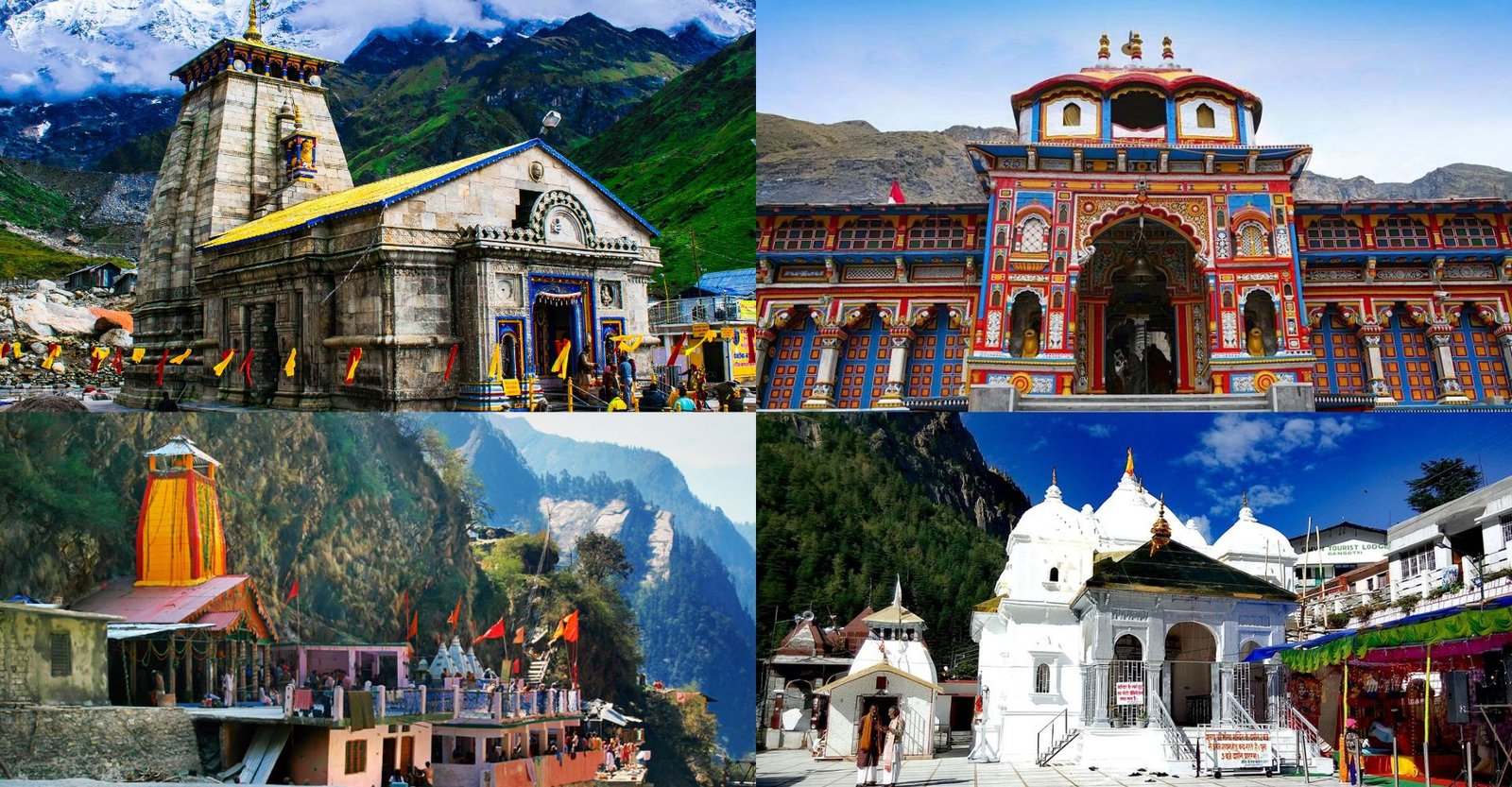
Overview: The Last Unexplored Sanctuary of Garhwal
Tucked deep within the Garhwal Himalayas in the Tehri Garhwal district, Bhilangana Valley is one of Uttarakhand’s most underrated and untouched regions. Far from crowded hill stations, this serene valley is a sanctuary for nature lovers, trekkers, photographers, and seekers of solitude.
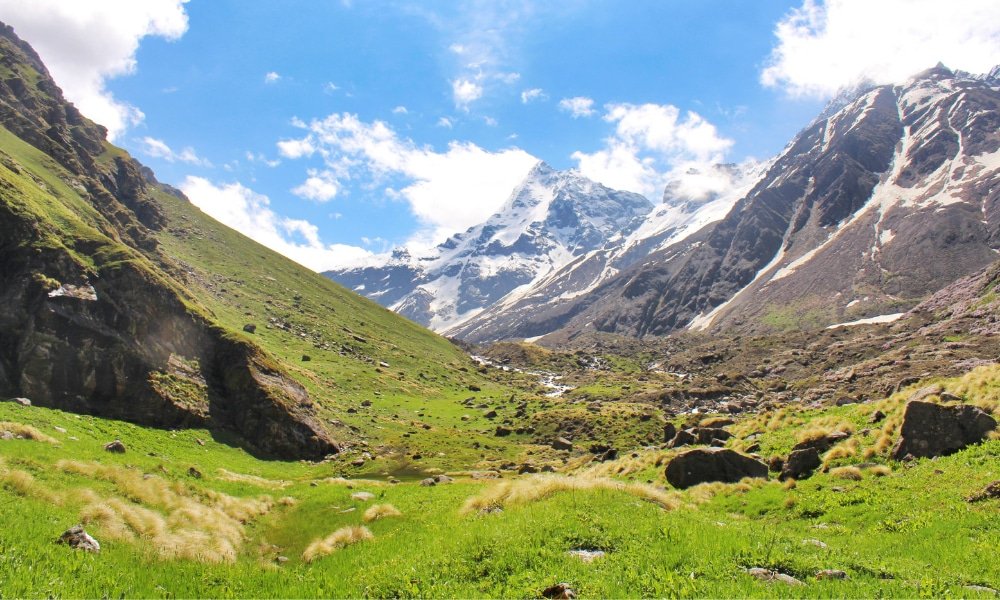
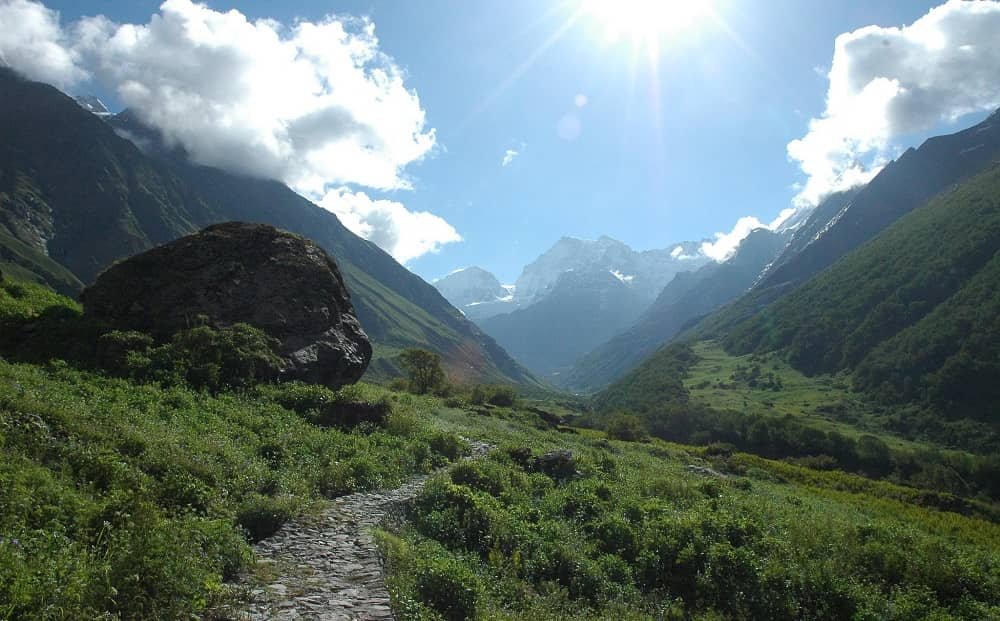
Carved by the pristine Bhilangana River, which originates from the Khatling Glacier at approximately 3,900 metres, the valley unfolds a dramatic landscape of glaciers, alpine meadows, dense forests, remote villages, and sacred shrines—offering a raw Himalayan experience. The valley spans an area of 1,009.24 square kilometres and lies between the famous pilgrimage routes of Gangotri and Kedarnath, making it an important part of the cultural and spiritual landscape of Uttarakhand.
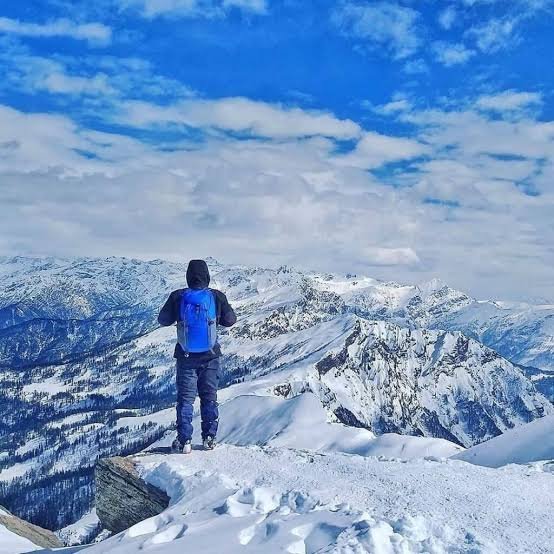
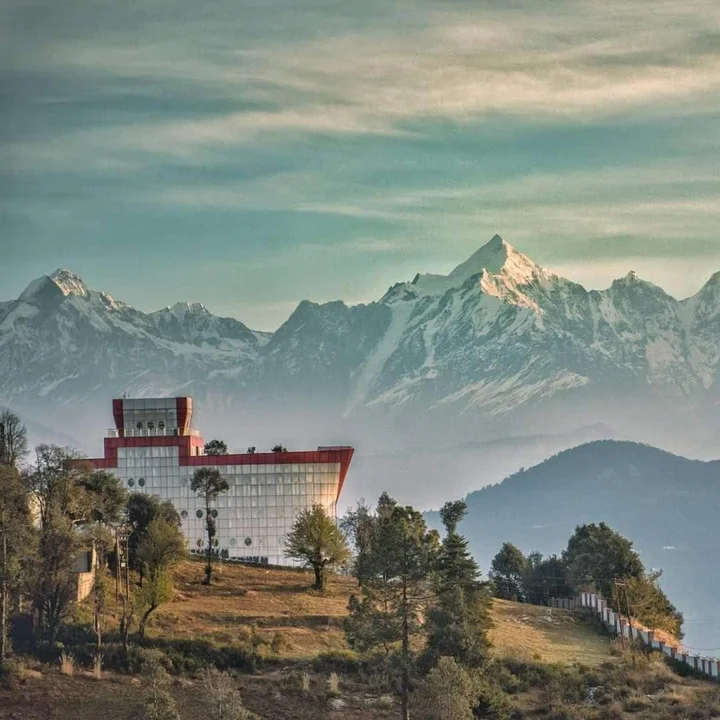
Surrounded by towering peaks such as the Jogin group (6,466 m), Sphetic Pristwar (6,905 m), Barte Kauter (6,579 m), Meru, and Kirti Stambh (6,902 m) , the valley offers breathtaking views that captivate and draw people back to the mountains.
Unlike the more crowded tourist places in Uttarakhand, Bhilangana Valley is still relatively unexplored, making it a perfect destination for those seeking peace, adventure, and an authentic Himalayan experience.
Key Information at a Glance
History of Bhilangana Valley
The Legend of Bhilangana
The history of Bhilangana Valley is deeply intertwined with Hindu mythology. According to local folklore, the Bhilangana River is associated with a divine legend. It is believed that the river is named after Bhilangana, a celestial being who was cursed to transform into a river after she attempted to seduce Lord Shiva.
Another legend states that the river is associated with Goddess Bhilangana, who performed penance here. The calm surroundings, high Himalayan peaks, and refreshing atmosphere make Bhilangana Valley a place of deep spiritual significance.
The Ancient Kingdom of Bhilanggadh
Historically, Bhilangana Valley was part of the ancient kingdom of Bhilanggadh, which served as the capital of Barahat and the Bhilangana Valley. One of the chieftains of Bhilanggadh was Sonpal, who married his daughter to Kanakpal Panwar, the founder of the Panwar dynasty, and subsequently handed over his kingdom.
The valley was once inhabited by the Bhil tribe, who were the original inhabitants of the region. According to historical accounts, the Rajputs of the region claim that their lands were conquered from the Bhils.
The Sacred River and Pilgrimage Route
The Bhilangana Valley holds immense spiritual significance as it lies close to the famous pilgrimage routes of Gangotri and Kedarnath. The Bhilangana River is a tributary of the Bhagirathi River, which eventually merges with the Ganga near Tehri, contributing to the sanctity of India’s most revered waterway.
For centuries, sages and hermits have frequented the glacier and its surrounding regions, seeking spiritual enlightenment in the serene and secluded environment.
Geography of Bhilangana Valley
Location and Topography
Bhilangana Valley is located in the Tehri Garhwal district of Uttarakhand, within the Garhwal region of the Himalayas. The valley lies between 30.3743°N and 78.78055°E and 30.88042°N, 78.89864°E.
| Feature | Details |
|---|---|
| Latitude | 30.3743°N – 30.88042°N |
| Longitude | 78.78055°E – 78.89864°E |
| Elevation Range | 800 m to 4,000+ m |
| Area | 1,009.24 km² |
The Bhilangana River
The Bhilangana River is the lifeline of the valley. It originates from the Khatling Glacier at an elevation of approximately 3,900 metres. The river flows through deep forests, alpine meadows, and small villages, giving life to the valley and making it green and fertile.
The river eventually joins the Bhagirathi River near Tehri, contributing to the hydrological system of the Ganga basin. The confluence is significant not only geographically but also culturally and spiritually.
The Khatling Glacier
Khatling Glacier is a lateral glacier located at an altitude of approximately 3,900 metres (12,795 feet). It is the source of the Bhilangana River and is surrounded by towering Himalayan peaks.
The glacier’s surface is covered with debris and rocks, a result of natural weathering processes and the movement of the glacier over centuries.
The Alpine Lakes
The valley is home to seven glacial lakes, often referred to as the “Lake District of Garhwal.” These include:
Flora and Fauna of Bhilangana Valley
Flora — A Botanical Wonderland
The Bhilangana Valley is remarkably diverse in its flora. The valley spans a transitional landscape of thick forests, wide grassy meadows, and alpine terrain.
Dominant Vegetation:
- Thick oak, pine, and rhododendron forests
- Coniferous and broad-leaved forests
- Alpine meadows (bugyals) with wildflowers
The valley supports significant apple orcharding between 1,500 and 2,500 metres altitude. The valley’s orientation and topography create temperature inversions that protect orchards from late frost damage.
Fauna — Wildlife in the Wilderness
Bhilangana Valley is home to a rich diversity of wildlife. The region shares ecological continuity with Govind Pashu Vihar National Park.
Mammals (Six Orders):
- Primates, Carnivora, Artiodactyla, Rodentia, Lagomorpha, and Chiroptera
Endangered and Rare Species:
- Himalayan Brown Bear
- Himalayan Musk Deer
- Asiatic Black Bear
- Common Leopard
- Himalayan Tahr
- Snow Leopard (rare)
Birds:
- Himalayan Monal — the colourful state bird of Uttarakhand
- Peacock, Blue-rock Pigeon, Common Dove, Lapwing, Hoopoe, Seven Sister, Common Myna, Partridges, and Robins
- Eagles
Religious Beliefs and Sacred Sites
Bhilangana Devi Temple
The Bhilangana Devi Temple is a revered shrine with deep spiritual importance in the valley. Dedicated to Goddess Bhilangana, who is believed to have performed penance here, the temple attracts devotees from across the region.
Someshwar Mahadev Temple
The Someshwar Mahadev Temple hosts a unique annual fair where cattle herders circumambulate the temple with their animals, praying for the prosperity of villagers and residents.
Budha Kedar Temple
Budha Kedar Temple is another significant religious site near the valley, reflecting the deep spiritual connection of the local Garhwali community.
The Sacred River
The Bhilangana River itself is considered sacred. According to Hindu mythology, the river is associated with Goddess Bhilangana, who performed penance here. The river’s waters are believed to have purifying properties, and pilgrims often take a dip in its sacred waters.
Local Deities and Beliefs
The valley is home to traditional Garhwali communities who preserve age-old customs, folklore, and sustainable mountain lifestyles. The people have great reverence for hilltops, which are believed to be the abode of spirits. Local festivals and rituals are deeply rooted in the worship of nature and the mountains.
How to Reach Bhilangana Valley
Reaching Bhilangana Valley requires a combination of road travel and trekking, depending on which part of the valley you want to visit.
Step 1: Reach Tehri / Ghuttu (By Air, Train, or Road)
By Air
| Airport | Distance | Details |
|---|---|---|
| Jolly Grant Airport, Dehradun | ~160 km from Tehri | Nearest airport; connected to Delhi |
From Dehradun Airport, hire a taxi to Tehri or directly to Ghuttu.
By Train
| Station | Distance | Details |
|---|---|---|
| Rishikesh Railway Station | ~145 km from Tehri | Nearest station |
| Haridwar Railway Station | ~170 km from Tehri | Alternative station |
From the railway station, hire a taxi or take a bus to Tehri.
By Road
| Route | Distance | Travel Time |
|---|---|---|
| Delhi → Bhilangana Valley | ~450–500 km | 12–14 hours |
| Dehradun → Rishikesh → New Tehri → Ghuttu | ~250 km | 8–9 hours |
Route:
Delhi → Haridwar → Rishikesh → New Tehri → Ghuttu (base village)
Transport Options:
- Private Taxi: Most convenient and flexible
- State Transport Buses: Available from Rishikesh, Dehradun, and Haridwar to Tehri and Ghuttu
- Shared Jeeps: Regular service from Rishikesh to Tehri and Ghuttu
Step 2: Enter Bhilangana Valley (Trekking)
The motorable road ends at Ghuttu village, which is the base and gateway for exploring the Bhilangana Valley and its treks. From Ghuttu, you trek into the valley through hamlets like Reeh, Gangi, and Kalyani.
The trek to Khatling Glacier starts from Ghuttu and passes through dense forests, scenic meadows, and quaint villages.
Distance from Major Cities
| City | Distance to Ghuttu | Travel Time |
|---|---|---|
| Delhi | ~450–500 km | 12–14 hours |
| Dehradun | ~250 km | 8–9 hours |
| Rishikesh | ~145 km | 5–6 hours |
| Haridwar | ~170 km | 6–7 hours |
| Tehri | ~62 km | 2–3 hours |
Note: The Bhilangana River is approximately 230 km northeast of New Delhi.
Weather and Best Time to Visit
Climate Overview
Bhilangana Valley experiences a temperate to alpine climate, with temperatures decreasing and precipitation increasing as elevation rises. The region is prone to sudden weather changes, including rain, floods, high winds, and snowstorms.
Seasonal Breakdown
| Season | Months | Temperature | Conditions | Suitability |
|---|---|---|---|---|
| Spring | March–April | 5°C – 15°C | Snow melting, trails opening | ⭐ Good |
| Summer (Peak) | May–June | 10°C – 25°C | Pleasant, clear skies, blooming flowers | ⭐ Best |
| Monsoon | July–August | 10°C – 20°C | Heavy rainfall, landslides | ❌ Avoid |
| Autumn | September–October | 5°C – 15°C | Crisp air, clear views, golden landscapes | ⭐ Best |
| Winter | November–February | Below freezing | Heavy snowfall, road closures | ❌ Avoid |
Best Time to Visit by Season
| Season | Months | Suitability | Best For |
|---|---|---|---|
| Summer | May–June | ⭐ Best | Trekking to Khatling Glacier, valley exploration, photography |
| Autumn | September–October | ⭐ Best | Post-monsoon clarity, golden landscapes, photography |
| Spring | March–April | ⭐ Good | Early season trekking, fewer crowds |
| Monsoon | July–August | ❌ Avoid | Heavy rainfall, landslides, slippery trails |
| Winter | November–February | ❌ Avoid | Heavy snowfall, roads closed, villages inaccessible |
Best Time for Trekking
The best time to undertake the Khatling Glacier and Sahastra Tal trek is from May to October.
Why Visit in Summer (May–June)
- Pleasant weather with clear skies
- The valley is at its best with blooming flowers
- Perfect for the Khatling Glacier and Sahastra Tal treks
- Daytime temperatures rarely exceed 25°C
Why Visit in Autumn (September–October)
- Post-monsoon clarity with crystal-clear skies
- Golden landscapes ideal for photography
- Comfortable trekking conditions
- Clear views of the surrounding peaks
Why to Avoid Monsoon (July–August)
- Heavy rainfall makes trails slippery and dangerous
- High risk of landslides and road blockages
- River crossings become risky
Why to Avoid Winter (November–February)
- Heavy snowfall makes trekking routes inaccessible
- Roads are closed due to snow
- Villages become isolated
Packing Guide
| Category | Items |
|---|---|
| Clothing | Heavy woollens, thermal wear, insulated jacket, fleece, raincoat, comfortable trekking pants |
| Footwear | Sturdy waterproof trekking shoes, warm socks |
| Accessories | Gloves, woolen cap, scarf, sunglasses, sunscreen |
| Gear | Backpack (50–60L), sleeping bag (-5°C rating), trekking poles, headlamp, tent |
| Essentials | Water bottle, water purifier, snacks (energy bars, dry fruits), personal medication |
| Documents | Valid ID proof |
Top Places to Visit in and Around Bhilangana Valley
Within Bhilangana Valley
Nearby Attractions
Things to Do in Bhilangana Valley
1. Trek to Khatling Glacier
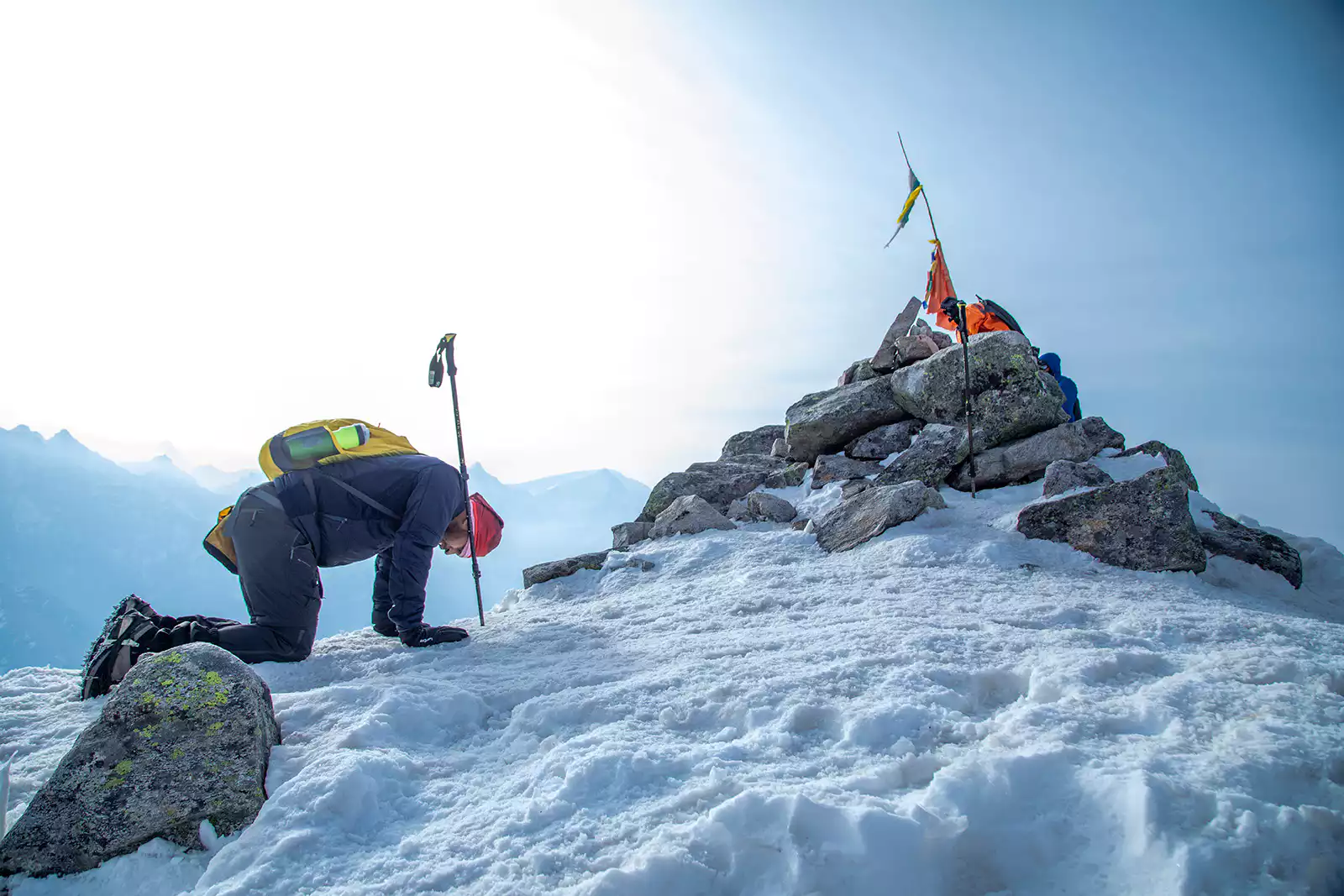
The highlight of any visit to Bhilangana Valley is the Khatling Glacier Trek. This challenging and rewarding multi-day trek starts at Ghuttu village and covers approximately 134 kilometres through dense forests, scenic meadows, and quaint villages, ending at the Khatling Glacier at 3,900 metres.
| Trek Detail | Information |
|---|---|
| Starting Point | Ghuttu Village |
| Distance | ~134 km (round trip) |
| Duration | 14 Days / 13 Nights |
| Max Altitude | 5,300 m |
| Difficulty | Challenging |
| Best Time | May–October |
2. Explore Sahastra Tal — The Lake of Gods
Sahastra Tal, meaning “Thousand Lakes,” is the largest and deepest of the seven lakes in the valley. The lake is surrounded by towering peaks and offers a breathtaking view of the Jogin group and other Himalayan giants. The trek to Sahastra Tal passes through alpine meadows, dense forests, and remote villages.
3. Visit the Glacial Lakes
Explore the seven glacial lakes of the valley:
- Sahastra Tal — the largest and deepest
- Masar Tal — west of Khatling Glacier
- Vasuki Tal — near the valley
- Pari Tal, Arjun Tal, Bhim Tal, and Draupadi Tal — named after characters from the Mahabharata
4. Explore the Alpine Meadows
The valley is rich in high-altitude bugyals (alpine meadows). Panwali Kantha and other meadows offer stunning views of the surrounding peaks and are perfect for camping.
5. Experience Garhwali Culture
Stay in remote villages like Gangi, Reeh, and Ghuttu. Experience authentic Garhwali cuisine, learn about local festivals and rituals, and enjoy the warm hospitality rooted in Himalayan traditions.
6. Photography
Every corner of Bhilangana Valley feels postcard-worthy — from the glacial lakes and snow-capped peaks to the traditional wooden homes and alpine meadows.
7. Camping
The valley offers excellent camping spots along the trekking route. Trekkers should arrange tents and other camping essentials well in advance from Rishikesh, Tehri, or Dehradun.
8. Wildlife Watching
Bhilangana Valley is home to snow leopards, Himalayan black bears, musk deer, Himalayan monal, and various eagles. Early mornings and late afternoons offer the best wildlife viewing opportunities.
9. Explore Remote Villages
Visit traditional Garhwali villages like Gangi, Reeh, and Kalyani. These villages reflect the local culture and subsistence agriculture of the region.
The Khatling Glacier Trek
Trek Overview
The Khatling Glacier Trek is one of the most challenging and rewarding treks in Uttarakhand. Starting from Ghuttu village, the trek passes through the Bhilangana Valley and ends at the Khatling Glacier at 3,900 metres.
Trek Route
The trek passes through:
- Dense Kharaso forests
- Alpine meadows with wildflowers
- High ridges, moraines, and boulder zones
- Quaint villages
- Glacial lakes — Sahastra Tal, Masar Tal, Vasuki Tal
Day-by-Day Itinerary
| Day | Itinerary |
|---|---|
| Day 1 | Dehradun → Tehri → Ghuttu (drive) |
| Day 2 | Ghuttu → Reeh → Gangi (trek) |
| Day 3 | Explore Gangi Valley, visit local villages |
| Day 4 | Return to Dehradun |
| Day | Itinerary |
|---|---|
| Day 1 | Dehradun → Uttarkashi (178 km, 6 hrs) |
| Day 2 | Uttarkashi → Malla (drive) → Sillachan (trek, 9 km, 6 hrs) |
| Day 3 | Sillachan → Kush Kalayni (11 km, 6 hrs) |
| Day 4 | Kush Kalayni → Kyarki Khal (14 km, 6 hrs) |
| Day 5 | Kyarki Khal → Pari Tal (18 km, 7 hrs) |
| Day 6 | Pari Tal → Sahastral (12 km, 6 hrs) |
| Day 7 | Sahastral → Kalyani (16 km, 6 hrs) |
| Day 8 | Kalyani → Kharsoli (11 km, 5 hrs) |
| Day 9 | Kharsoli → Tambakund (8 km, 5 hrs) |
| Day 10–12 | Explore Khatling Glacier and return |
| Day 13 | Return to Ghuttu |
| Day 14 | Ghuttu → Dehradun → Departure |
What’s Included in a Standard Package
- Accommodation: Guesthouse in Ghuttu and camping during the trek
- Meals: All meals during the trek (breakfast, lunch, dinner)
- Transport: Dehradun to Ghuttu and return (private taxi)
- Guide: Experienced local trek guide
- Camping Equipment: Tents, sleeping bags, mattress
What’s Excluded
- Personal expenses (snacks, phone calls, laundry)
- Travel insurance
- Emergency evacuation charges
- Backpack offloading (₹400 per day optional)
- Single tent/hotel room occupancy (extra cost)
- Anything not mentioned in inclusions
Local Cuisine — A Taste of Garhwal
Bhilangana Valley offers simple, authentic Garhwali cuisine:
| Dish | Description |
|---|---|
| Kafuli | Traditional spinach and fenugreek curry |
| Phanu | Lentil-based dish, a Garhwali speciality |
| Gahat ka Shorba | Nutritious soup made from horse gram |
| Chainsoo | Black gram curry |
| Mandua Roti | Finger millet flatbread |
| Jhangora Kheer | Sweet pudding made from barnyard millet |
| Local Herbal Teas | Made from locally sourced herbs |
Where to Eat
- Homestays: Enjoy authentic home-cooked Garhwali meals
- Local Dhabas: Simple meals in Ghuttu and Tehri
- Trek Packages: Most trek packages include all meals during the trek
Frequently Asked Questions (FAQs)
General Questions
Q1: Why is Bhilangana Valley famous?
Bhilangana Valley is famous for its untouched Himalayan beauty, the Khatling Glacier trek, Sahastra Tal (the “Lake of Gods”), its rich biodiversity, and its deep spiritual significance associated with Goddess Bhilangana.
Q2: What is the altitude of Bhilangana Valley?
The valley’s altitude ranges from approximately 800 metres in lower villages to over 4,000 metres near glacial areas.
Q3: What is the best time to visit Bhilangana Valley?
The best time to visit is from April to November for general sightseeing and May to October for trekking.
Q4: Is Bhilangana Valley safe for tourists?
Yes, Bhilangana Valley is generally safe for tourists. However, the valley is remote, and the terrain is challenging. Trekkers should be adequately prepared for the high-altitude conditions. Travel With Monk ensures safe and guided experiences for all travellers.
Q5: What is the Khatling Glacier Trek?
The Khatling Glacier Trek is a challenging 14-day trek starting from Ghuttu village, covering 134 kilometres through the Bhilangana Valley to the Khatling Glacier at 3,900 metres.
Q6: What is Sahastra Tal?
Sahastra Tal, meaning “Thousand Lakes,” is the largest and deepest of the seven glacial lakes in Bhilangana Valley. It is often called the “Lake of Gods”.
Q7: Are there permits required for Bhilangana Valley?
No special permits are required for Indian citizens visiting Bhilangana Valley. However, it is advisable to check with local authorities before planning your trip.
Travel Logistics
Q8: How can I reach Bhilangana Valley?
The gateway to Bhilangana Valley is Ghuttu village. You can reach Ghuttu by:
- Road: From Dehradun (~250 km) or Rishikesh (~145 km)
- Air: Jolly Grant Airport, Dehradun (~160 km from Tehri)
- Train: Rishikesh Railway Station (~145 km from Tehri)
From Ghuttu, you trek into the valley.
Q9: What is the distance between Delhi and Bhilangana Valley?
The distance from Delhi to Bhilangana Valley is approximately 450–500 km, taking about 12–14 hours by road.
Q10: Is there road connectivity to Bhilangana Valley?
The motorable road ends at Ghuttu village. From Ghuttu, you have to trek to explore the inner valley.
Q11: Are there accommodation options in Bhilangana Valley?
Yes, accommodation options include homestays in Ghuttu, Gangi, and Reeh villages, and camping along the trekking route. Guesthouses are available in Ghuttu and Tehri.
Q12: What is the local language spoken in Bhilangana Valley?
The official language is Hindi. The regional language is Garhwali. English is understood in tourist areas.
Q13: Is mobile connectivity available in Bhilangana Valley?
Mobile connectivity is limited in Bhilangana Valley. BSNL tends to have the best coverage in the region. Connectivity is non-existent beyond Gangi village.
Q14: Are ATMs available near Bhilangana Valley?
ATMs are available in Tehri and Uttarkashi. It is advisable to carry sufficient cash for the trek, as there are no ATMs in the valley.
Practical Information
Q15: What should I pack for the Bhilangana Valley trek?
Pack sturdy waterproof trekking shoes, warm layers (fleece, down jacket), thermal wear, a raincoat, a sun hat, sunscreen, sunglasses, a headlamp, a sleeping bag, and personal medication.
Q16: What is the food like in Bhilangana Valley?
The food is traditional Garhwali cuisine, including dishes like Kafuli, Phanu, Gahat ka Shorba, Chainsoo, and Mandua Roti.
Q17: What are the must-visit places in Bhilangana Valley?
Must-visit places include Khatling Glacier, Sahastra Tal, Masar Tal, Bhilangana Devi Temple, Ghuttu Village, Gangi Village, and Panwali Kantha Meadows.
Q18: Is Bhilangana Valley suitable for beginner trekkers?
The Bhilangana Valley region offers treks of varying difficulty. The Khatling Glacier trek is challenging and best suited for experienced trekkers. However, shorter treks to villages like Gangi and Reeh are suitable for beginners.
Q19: How can I book a Bhilangana Valley tour?
Tours can be booked through:
- Local tour operators in Rishikesh, Dehradun, and Uttarkashi
- Homestay hosts who offer guided experiences
- Travel With Monk for customised trekking and cultural tours
Plan Your Bhilangana Valley Adventure with Travel With Monk
At Travel With Monk, we believe in curating journeys that go beyond conventional sightseeing. Our Bhilangana Valley expeditions are designed to foster self-discovery and a deep connection with the Himalayas through:
✅ Customised Bhilangana Valley trekking and cultural tour packages
✅ Combined itineraries with Khatling Glacier, Sahastra Tal, and Kedarnath
✅ Experienced local guides and porters
✅ Comfortable transport with experienced hill drivers
✅ All necessary permits and arrangements
✅ Quality camping equipment and nutritious meals
✅ 24/7 customer support throughout your journey
Recommended Bhilangana Valley Packages
| Package | Duration | Starting Point | Price (per person) | Highlights |
|---|---|---|---|---|
| Bhilangana Valley Explorer | 4 Days / 3 Nights | Dehradun | ₹15,000 – ₹21,000 | Ghuttu, Gangi, Reeh, Garhwali culture |
| Khatling Glacier Trek | 14 Days / 13 Nights | Dehradun | ₹35,000 – ₹86,000 | Khatling Glacier, Sahastra Tal, Masar Tal, alpine meadows |
| Garhwal Glacier Expedition | 12 Days / 11 Nights | Dehradun | ₹51,000 – ₹73,000 | Khatling Glacier, Sahastra Tal, Kedarnath approach |
| Complete Garhwal Himalayan Circuit | 15 Days / 14 Nights | Delhi | ₹65,000 – ₹93,000 | Bhilangana Valley, Khatling Glacier, Kedarnath, Gangotri |
📞 Call / WhatsApp: +91-9997187178, 9760222178, 8171977178
📍 Visit Our Office: Himalayan Colony, opposite DSVV, Haripur Kalan, Haridwar, Motichur Range, Uttarakhand 249411
🌐 Website: www.discover-uttarakhand.com
📧 Email: info@discover-uttarakhand.com
Travel With Monk – Your Gateway to Transformative Himalayan Journeys 🏔️