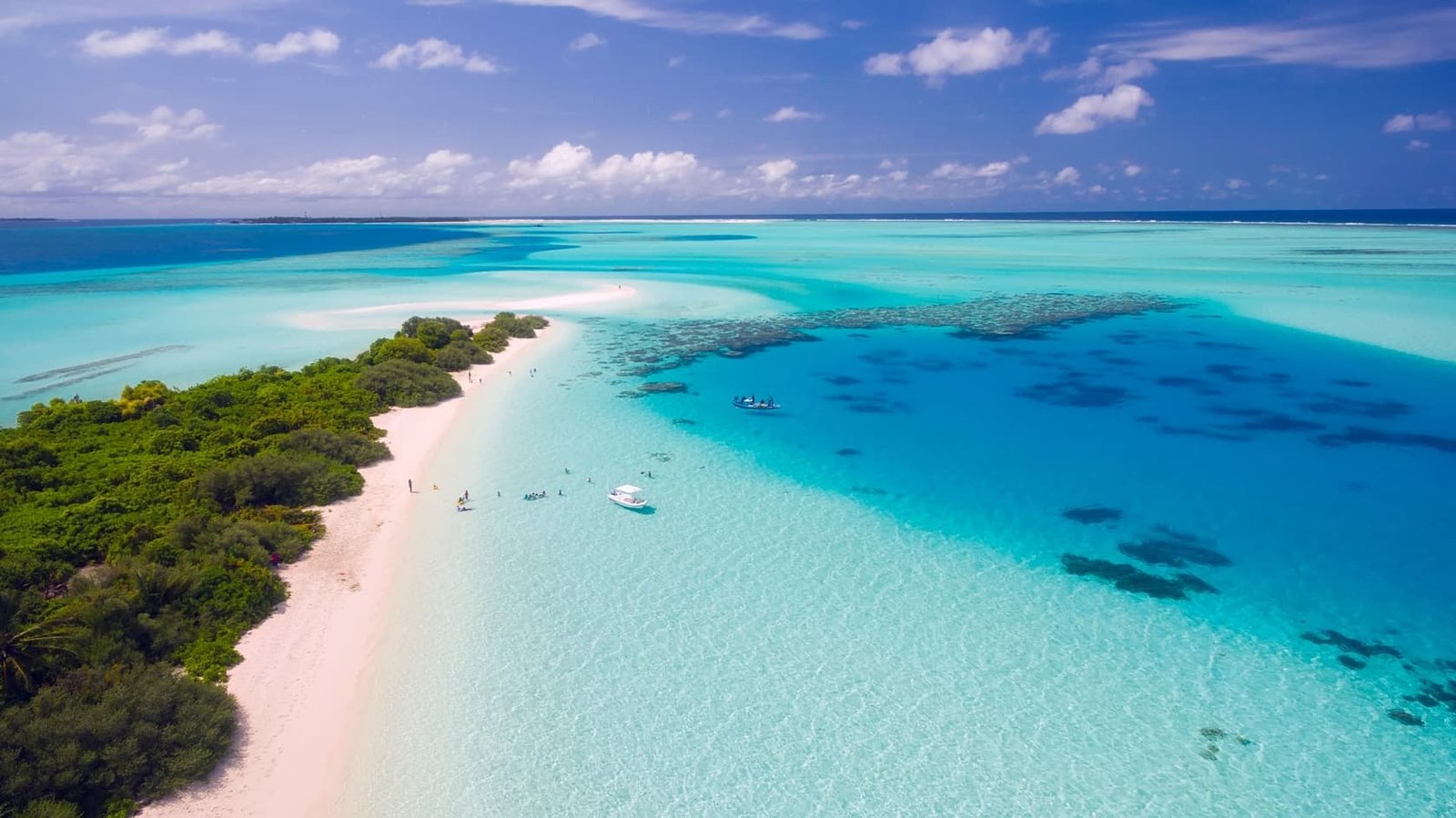
Overview: The Lakeside Abode of Lord Shiva
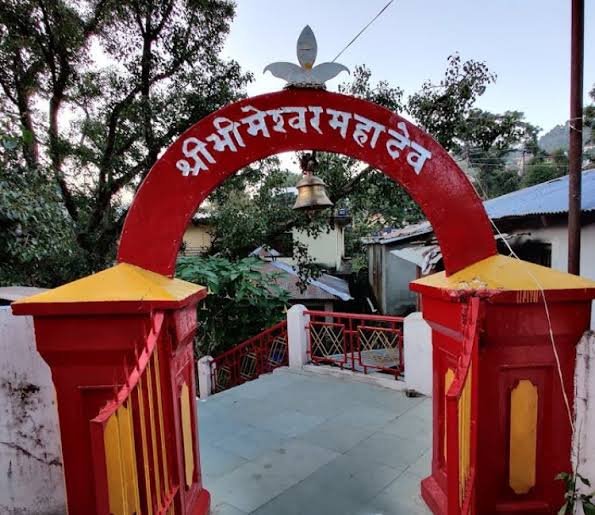
Tucked away in the serene lake town of Bhimtal in the Nainital district of Uttarakhand, the Bhimeshwar Mahadev Temple is not just a destination; it is a journey into the heart of Hindu mythology and the tranquil soul of the Kumaon Himalayas.
Dedicated to Lord Shiva, this historic temple is steeped in legends from the Mahabharata, particularly linked to Bhima’s journey during his exile (agyatvas) with the Pandavas. The temple’s name is derived from Bhima, the mighty Pandava, who is believed to have established the original Shivlingam here and created the sprawling Bhimtal Lake with a single strike of his celestial mace (gada).
What makes Bhimeshwar Temple truly special is its extraordinary setting — it stands directly on the embankment of the tranquil Bhimtal Lake, surrounded by lush green pine-covered hills and gentle slopes. The view of the calm blue waters from the temple steps creates a meditative and ethereal atmosphere, making it a perfect place for spiritual seekers and nature lovers alike.
The temple is believed to have been originally established during the Dwapara Yuga by Bhima himself, while the present stone structure was built in the 17th century by Raja Baz Bahadur Chand of the Chand Dynasty.
Bhimtal, the town where the temple is located, is the largest lake in Kumaon — approximately 2 km long and 500 m wide — with a small island at its centre housing an aquarium. At an altitude of 1,370 metres, Bhimtal is noticeably calmer and less crowded than Nainital, offering a peaceful retreat amidst natural beauty.
Key Information at a Glance
| Aspect | Details |
|---|---|
| Location | Bhimtal, Nainital District, Kumaon Himalaya, Uttarakhand |
| Also Known As | Bhimeshwar Mahadev Temple, Bhimeshwar Hindu Temple |
| Dedicated To | Lord Shiva |
| Altitude | 1,370 m (4,495 ft) |
| Original Establishment | Dwapara Yuga (by Bhima) |
| Present Structure Built | 17th Century (circa 1655 AD) |
| Built By | Raja Baz Bahadur Chand, Chand Dynasty |
| Architectural Style | Nagara Style (North Indian) |
| Temple Timings | 6:00 AM – 6:00 PM |
| Entry Fee | Free |
| Best Time to Visit | March–June & September–November |
| Nearest Airport | Pantnagar Airport (PGH) (~58 km) |
| Nearest Railway Station | Kathgodam (~30 km) |
| Distance from Delhi | ~320 km |
History of Bhimeshwar Temple
The Legend of Bhima and the Creation of Bhimtal
The history of Bhimeshwar Temple is deeply intertwined with the Mahabharata and the Pandavas’ exile. According to the Skanda Purana and deep-rooted local folklore, the origin of this shrine dates back to the exile period (agyatvas) of the Pandavas.
Bhima’s Solitary Journey: While wandering through the pristine Himalayan ranges during their exile, the exceptionally strong Bhima reached this serene, isolated mountain valley. Being an ardent devotee of Lord Shiva, Bhima established a Shivlingam here and immersed himself in intense penance.
The Strike of the Mace (Gada): When the time came to perform the ritualistic water offering (Abhishekam) to the deity, there was no large water source nearby. To resolve this, Bhima struck the ground with immense force using his celestial mace (gada). The monumental impact caused a massive torrent of water to gush forth from deep within the earth, instantly creating a sprawling lake. Bhima used this sacred water to worship Mahadev. Because the lake was forged by Bhima, it was named ‘Bhimtal’, and the shrine became known as ‘Bhimeshwar Mahadev’.
According to the Skanda Purana, a divine voice from the sky told Bhima: “If you want people to always remember you, build a temple of Lord Shiva with devotion.” Bhima, being a true devotee of Shiva, built the temple on that very spot.
The Pandavas’ Exile Connection
Local belief holds that during the agyatvas (exile in incognito), the Pandavas visited this place and established the divine Shivlingam. This legend is deeply embedded in the local culture, and the temple’s name is directly linked to Bhima, the mightiest of the Pandava brothers.
The 17th-Century Reconstruction
While the sacred Shivlingam dates back to the Dwapara Yuga, the original structure of the temple had weathered away over centuries due to harsh mountain conditions. In the 17th century (around 1655 AD), the illustrious king of the Kumaon region, Raja Baz Bahadur Chand of the Chand Dynasty, recognised the immense spiritual value of the site and commissioned a grand, sturdy stone temple. The foundation was reinforced and engineered to withstand the lake’s water levels and protect the inner sanctum from natural calamities.
Modern Recognition
In recent years, the temple has received attention from political leaders. In August 2026, Uttarakhand Chief Minister Pushkar Singh Dhami shared a video of the temple on social media, appealing to devotees to visit during the Shravan month: “The Shri Bhimeshwar Mahadev Temple in Bhowali of Nainital district is a centre of faith for many devotees. It is believed that the Pandavas established a divine Shivlingam here during their exile”.
Geography of Bhimeshwar Temple
Location and Topography
Bhimeshwar Temple is located in the lake town of Bhimtal in the Nainital district of Uttarakhand, within the Kumaon Himalayas of India.
| Feature | Details |
|---|---|
| Coordinates | 29°21′00″N 79°34′00″E |
| Altitude | 1,370 m (4,495 ft) |
| Terrain | Lakeside, surrounded by pine-covered hills |
| Location | On the embankment of Bhimtal Lake |
| Key Feature | Directly on the lake’s edge, with views of the calm blue waters |
| Surrounding Hills | Garg Parvat (Garg Hill), lush green pine forests |
The Bhimtal Lake
The Bhimtal Lake is the largest in Kumaon — approximately 2 km long and 500 m wide — with a small island at its centre housing an aquarium that displays freshwater fish species from across the Himalayan watershed. The lake is the major attraction of the town and provides a stunning backdrop to the temple.
Garg Parvat (Garg Hill)
Looming close to the temple is the sacred Garg Parvat (Garg Hill) , revered as the meditation ground of the ancient sage Maharishi Gargacharya. It is also the origin point of the sacred Gaula River (historically known as the Gargi River).
The Lakes Circuit
Bhimtal serves as an excellent base for exploring the Kumaon lakes circuit, with Naukuchiatal (7 km), Sattal (9 km), and Khurpatal (14 km) all within easy driving distance.
Flora and Fauna
Flora
The region surrounding Bhimeshwar Temple is blessed with rich Himalayan biodiversity, characterised by lush green forests and gentle hills.
Vegetation Around the Temple:
- Pine forests covering the surrounding hills
- Lush greenery enveloping the temple
- Alpine and subtropical trees typical of the Kumaon region
- The temple is surrounded by lush forests, providing a peaceful and tranquil haven
Fauna
The Bhimtal region is home to diverse Himalayan wildlife:
Aquatic Life:
- The Bhimtal Lake supports various freshwater fish species from the Himalayan watershed, displayed at the island aquarium
- Water snakes have been spotted in the lake by visitors
Birds and Mammals:
- The surrounding forests support Himalayan bird species
- The region is part of the Kumaon Himalayan ecosystem, home to various mountain species
Conservation Status
The region is ecologically sensitive. Visitors are expected to follow Leave No Trace principles and respect the fragile Himalayan ecosystem. The island aquarium is closed on Mondays, and visitors should check before planning their trip.
Religious Beliefs and Significance
The Spiritual Significance of Bhimeshwar
Bhimeshwar Mahadev Temple is one of the most ancient and spiritually significant Lord Shiva temples in Kumaon. The temple is believed to be the place where Bhima, the mightiest Pandava, established a divine Shivlingam and worshipped Lord Shiva with intense devotion.
The Shivlingam
The sacred Shivlingam at Bhimeshwar is believed to date back to the Dwapara Yuga and is the original deity established by Bhima himself. Devotees believe that worshipping here fulfils their wishes, and the temple is considered a “miracle temple” where prayers are answered.
Festivals and Rituals
Maha Shivratri: The temple hosts special pujas and rituals during Maha Shivratri, attracting devotees from across the region. The festival is celebrated with great fervour and devotion.
Shravan Mela: During the Shravan month (July–August), the temple witnesses a special fair (mela), with devotees flocking to offer prayers to Lord Shiva. The Chief Minister of Uttarakhand has personally appealed to devotees to visit during this auspicious period.
Daily Aarti: The morning aarti on the ghat is described as peaceful and untheatrical, offering a serene spiritual experience for visitors.
The Nagara Architecture
The temple showcases the Nagara architectural style prevalent in North India, featuring a distinctive four-sided pyramid-shaped roof. The architecture reflects a blend of spiritual and cultural elements, offering a unique experience to visitors.
The Spiritual Experience
For many visitors, the journey to Bhimeshwar Temple is not just a physical visit but also a spiritual pilgrimage. The silence, openness, and majestic beauty of the lakeside setting, combined with the deep-rooted mythology of the Mahabharata, offer a space for reflection and inner peace.
How to Reach Bhimeshwar Temple
Bhimeshwar Temple is well connected by road and can be easily reached from major cities in Uttarakhand and North India.
By Air
The nearest airport is Pantnagar Airport (PGH), located approximately 58 km from Bhimtal. Taxis and local buses are readily available from the airport to Bhimtal.
| Route | Distance | Travel Time |
|---|---|---|
| Pantnagar Airport → Bhimtal | ~58 km | 1.5–2 hours |
By Train
The nearest railway station is Kathgodam, approximately 30 km from Bhimtal. Taxis and local buses are readily available from the station to Bhimtal.
| Route | Distance | Travel Time |
|---|---|---|
| Kathgodam → Bhimtal | ~30 km | 1 hour |
By Road
Bhimtal boasts excellent road connectivity and is easily accessible from Nainital (22 km) and Haldwani (23 km).
| Route | Distance | Travel Time |
|---|---|---|
| Delhi → Bhimtal | ~320 km | 8–9 hours |
| Nainital → Bhimtal | ~22 km | 45 min |
| Haldwani → Bhimtal | ~23 km | 1 hour |
| Kathgodam → Bhimtal | ~30 km | 1 hour |
Bus Services:
- State-owned and private buses run from Delhi, Haldwani, and Nainital to Bhimtal
- Buses are available from ISBT Anand Vihar, Delhi
By Taxi:
- Taxis are readily available from Kathgodam, Nainital, and Haldwani
Weather and Best Time to Visit
Climate Overview
Bhimtal experiences a pleasant and salubrious climate during summers but is very cold during winters.
Seasonal Breakdown
| Season | Months | Weather | Suitability |
|---|---|---|---|
| Spring | March–May | Pleasant, 10°C–27°C | ⭐ Best |
| Summer | May–June | Pleasant, clear skies | ⭐ Best |
| Monsoon | July–September | Heavy rainfall, landslides | ❌ Not Recommended |
| Autumn | September–November | Crisp air, clear views, -3°C to 15°C | ⭐ Best |
| Winter | December–February | Cold, 4°C–18°C, occasional snow | Good |
Best Time to Visit
Note: The monsoon months (July to September) should be avoided at all costs due to high chances of landslides in this region.
Temperature
| Season | Daytime Temperature | Nighttime Temperature |
|---|---|---|
| Summer (March–May) | 15°C to 29°C | 10°C to 15°C |
| Winter (Oct–Feb) | 4°C to 18°C | -3°C to 10°C |
Source: TheFreeDictionary.com
Nearby Places to Visit
Distance from Major Cities
| City | Distance (Approx.) | Travel Time |
|---|---|---|
| Delhi | ~320 km | 8–9 hours |
| Dehradun | ~290 km | 7–8 hours |
| Nainital | ~22 km | 45 min |
| Haldwani | ~23 km | 1 hour |
| Kathgodam | ~30 km | 1 hour |
| Pantnagar | ~58 km | 1.5–2 hours |
| Rishikesh | ~270 km | 7–8 hours |
| Haridwar | ~250 km | 6–7 hours |
Frequently Asked Questions (FAQs)
General Questions
Q1: What is Bhimeshwar Temple?
A: Bhimeshwar Temple (also known as Bhimeshwar Mahadev Temple) is an ancient Hindu temple dedicated to Lord Shiva, located on the banks of Bhimtal Lake in the Nainital district of Uttarakhand.
Q2: Where is Bhimeshwar Temple located?
A: It is located in Bhimtal, Nainital district, Uttarakhand, on the embankment of Bhimtal Lake.
Q3: What is the significance of Bhimeshwar Temple?
A: The temple is believed to have been established by Bhima of the Mahabharata during the Pandavas’ exile. It is one of the most ancient and spiritually significant Lord Shiva temples in Kumaon.
Q4: Who built the present structure of Bhimeshwar Temple?
A: The present stone structure was built in the 17th century (around 1655 AD) by Raja Baz Bahadur Chand of the Chand Dynasty.
Q5: What is the legend behind Bhimtal Lake?
A: According to legend, Bhima struck the ground with his mace (gada) to create a water source for worshipping Lord Shiva, which resulted in the formation of Bhimtal Lake.
Q6: What are the temple timings?
A: The temple is open from 6:00 AM to 6:00 PM.
Q7: Is there an entry fee for Bhimeshwar Temple?
A: No, entry to the temple is free.
Q8: What is the best time to visit Bhimeshwar Temple?
A: The best time is March to June (summer) and September to November (autumn).
Q9: What is the nearest airport to Bhimeshwar Temple?
A: The nearest airport is Pantnagar Airport (PGH), approximately 58 km away.
Q10: What is the nearest railway station to Bhimeshwar Temple?
A: The nearest railway station is Kathgodam, approximately 30 km away.
Q11: How far is Bhimeshwar Temple from Delhi?
A: Bhimtal is approximately 320 km from Delhi by road, taking about 8–9 hours.
Q12: How far is Bhimeshwar Temple from Nainital?
A: Bhimtal is approximately 22 km from Nainital.
Q13: What are the nearby places to visit?
A: Nearby places include Bhimtal Lake, Naukuchiatal (7 km), Sattal (9 km), Nainital (22 km), Victoria Dam (4 km), and Khurpatal (14 km) .
Q14: What is the architecture of Bhimeshwar Temple?
A: The temple showcases the Nagara architectural style with a distinctive four-sided pyramid-shaped roof.
Q15: What festivals are celebrated at Bhimeshwar Temple?
A: Maha Shivratri and Shravan Mela are the major festivals celebrated with special pujas and rituals.
Q16: Is Bhimeshwar Temple suitable for families?
A: Yes, the temple is suitable for families, with a peaceful lakeside setting and opportunities for boating and sightseeing nearby.
Q17: What is the Bhimtal Lake island aquarium?
A: The island at the centre of Bhimtal Lake houses an aquarium displaying freshwater fish species from the Himalayan watershed. The boat ride to the island is part of the experience.
Q18: What adventure activities are available near Bhimeshwar Temple?
A: Adventure activities include boating, kayaking, zorbing, paragliding (at Naukuchiatal), trekking, and camping.
Q19: What is the Garg Parvat?
A: Garg Parvat (Garg Hill) is a sacred hill near the temple, revered as the meditation ground of Maharishi Gargacharya and the origin of the Gaula River.
Q20: Is mobile connectivity available at Bhimtal?
A: Yes, mobile connectivity is available in Bhimtal town, though it may be limited in surrounding remote areas.
Q21: What is the weather like in Bhimtal in winter?
A: Winters are cold, with temperatures ranging from 4°C to 18°C, and occasional snowfall may occur.
Q22: What should I wear when visiting Bhimeshwar Temple?
A: Wear modest clothing as it is a religious site. Comfortable walking shoes are recommended for exploring the lakeside area.
Q23: Is Bhimtal less crowded than Nainital?
A: Yes, Bhimtal is significantly less crowded than Nainital, offering a more peaceful and tranquil experience.
Q24: What is the best way to travel from Delhi to Bhimtal?
A: The best way is by road — either drive or take a bus from ISBT Anand Vihar, Delhi, to Bhimtal, which takes about 8–9 hours.
Q25: What is the name “Bhimtal” derived from?
A: The name “Bhimtal” is derived from Bhima, the Pandava prince, who is believed to have created the lake with his mace.
Essential Tips for Visitors
- Best Time: Plan your visit between March–June or September–November for pleasant weather
- Footwear: Wear comfortable walking shoes as the terrain around the lake is uneven
- Clothing: Carry light woollens even in summer, as evenings can be cool; heavy woollens in winter
- Monsoon Caution: Avoid visiting during July–September due to heavy rainfall and landslides
- Temple Etiquette: Dress modestly, remove shoes before entering the temple, and maintain silence
- Photography: Ask for permission before taking photographs inside the temple
- Boating: Enjoy boating on Bhimtal Lake, but follow all safety instructions
- Island Aquarium: The aquarium is closed on Mondays — check before planning
- Local Cuisine: Try local Kumaoni dishes at nearby eateries
- Hydration: Carry water, especially if exploring on foot
- Accommodation: Book in advance during peak seasons and festival periods
- Respect Local Culture: Bhimtal is a sacred site; maintain the sanctity of the temple and lake
- Leave No Trace: Respect the fragile Himalayan ecosystem
- Weather Updates: Check weather forecasts before travelling, especially during monsoon
Plan Your Bhimeshwar Temple Visit with Discover Uttarakhand
At Discover Uttarakhand, we’ve been organising unforgettable Himalayan journeys since 1997. As a trusted local operator with deep knowledge of the Kumaon region, we offer:
✅ Customised Bhimtal and Bhimeshwar Temple tour packages
✅ Combined itineraries with Nainital, Naukuchiatal, Sattal, and Kainchi Dham
✅ Experienced local guides
✅ Comfortable transport with experienced hill drivers
✅ All necessary arrangements
✅ Quality accommodation and nutritious meals
✅ 24/7 customer support throughout your journey
Recommended Bhimeshwar Temple Packages
| Package | Duration | Starting Point | Highlights |
|---|---|---|---|
| Bhimeshwar Darshan | 1 Day | Kathgodam | Bhimeshwar Temple, Bhimtal Lake, Victoria Dam |
| Bhimtal Lakes Circuit | 2 Days / 1 Night | Delhi | Bhimtal, Naukuchiatal, Sattal, Khurpatal |
| Kumaon Spiritual Tour | 3 Days / 2 Nights | Delhi | Bhimtal, Nainital, Kainchi Dham, Bhowali |
📞 Call / WhatsApp: +91-9997187178, 9760222178, 8171977178
📍 Visit Our Office: Himalayan Colony, opposite DSVV, Haripur Kalan, Haridwar, Motichur Range, Uttarakhand 249411
🌐 Website: www.discover-uttarakhand.com
📧 Email: discoveruttarakhand.mail@gmail.com
Plan your pilgrimage to Bhimeshwar Temple with proper preparation and respect for this sacred land where mythology comes alive. Experience the divine presence of Lord Shiva in one of Uttarakhand’s most serene and spiritually significant destinations.
Discover Uttarakhand – Your Local Partner for Unforgettable Himalayan Journeys Since 1997 🏔️