Introduction: The Torso of the Goddess in the Garhwal Himalayas
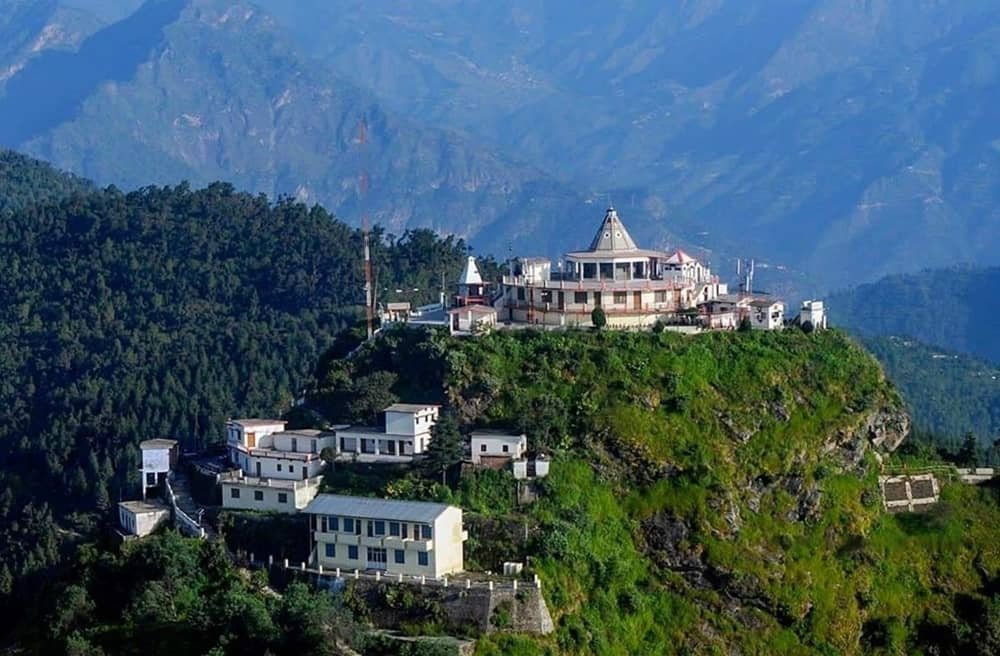
Perched at an altitude of approximately 2,277 metres (7,470 feet) on the Chandrakoot Mountain in the Tehri Garhwal district, Chandrabadni Temple is one of the most revered Shakti Peethas in the Garhwal Himalayas . This ancient temple, dedicated to Goddess Chandrabadni (an incarnation of Goddess Sati), forms part of the divine triangle of Shakti Peethas in Tehri district—the other two being Surkanda Devi and Kunjapuri .
What makes Chandrabadni Temple truly unique is not just its dramatic location atop a mountain peak with panoramic views of the Himalayas, but the profound legends that surround it. According to Hindu mythology, this is the sacred spot where the torso (body) of Goddess Sati fell when Lord Shiva was carrying her burnt body after the Daksha Yagna incident . Her weapons are also believed to have scattered all around this place, which is why even today, huge numbers of iron trishuls (tridents) and some ancient statues can be seen lying around the revered temple .
Unlike most Hindu temples where an idol is worshipped, the main shrine of Chandrabadni contains a Shri Yantra carved on a flat stone instead of any idol . Once a year, a unique ritual is performed where a cloth canopy is tied over this Shri Yantra—and the priest performing it must do so blindfolded .
Whether you are a pilgrim seeking the blessings of Goddess Shakti, a trekker wanting to experience the 1 km uphill walk through dense forests, a devotee wishing to witness the unique blindfolded ritual, or a traveler drawn to the breathtaking 360-degree views of the Himalayas, Chandrabadni Temple promises an experience that is both spiritually transformative and visually breathtaking.
Key Information at a Glance:
History and Mythology: The Sacred Shakti Peetha
The Legend of Sati and the 52 Shakti Peethas
Chandrabadni Temple holds profound significance in Hindu mythology as one of the 51 or 52 Shakti Peethas—the sacred sites where parts of Goddess Sati’s body fell after Lord Vishnu used his Sudarshana Chakra to sever her body into pieces .
According to the Puranas, the story unfolds as follows:
The Daksha Yagna: King Daksha, the father of Goddess Sati, performed a grand Yagna (fire sacrifice) but deliberately did not invite Lord Shiva or Sati to show his displeasure with his son-in-law . Despite Lord Shiva’s protests, Sati decided to attend the Yagna uninvited.
The Insult and Sati’s Self-Immolation: At the Yagna, King Daksha publicly humiliated and insulted Lord Shiva in front of all the assembled gods. Unable to bear the disgrace to her husband, Sati was overcome with grief and rage and jumped into the sacrificial fire, ending her life .
Shiva’s Tandava: Upon learning of Sati’s death, Lord Shiva was shattered with grief and anger. He carried Sati’s burnt body on his shoulder and began the Tandava—the dance of cosmic destruction—which threatened to annihilate the entire universe .
The Creation of Shakti Peethas: The gods, terrified of annihilation, implored Lord Vishnu to intervene. Vishnu, using his Sudarshana Chakra, cut Sati’s body into pieces. As Lord Shiva wandered across the subcontinent, parts of her body fell at various locations—each becoming a Shakti Peetha, where the Goddess is worshipped in a different form .
The Torso Falls at Chandrabadni
At Chandrabadni, the torso (upper body) of Goddess Sati is believed to have fallen . The name “Chandrabadni” is derived from this event—where the body (Badan) of the Goddess dropped, giving the place its name .
Her weapons were also scattered around this place, which is why even today, huge numbers of iron trishuls (tridents) and some old statues can be seen lying around the revered temple .
The Divine Triangle of Tehri
Chandrabadni, along with Surkanda Devi (where Sati’s head fell) and Kunjapuri (where the upper body is worshipped in a different tradition), forms a divine triangle of Shakti Peethas in the Tehri Garhwal district . These three temples are considered highly auspicious, and many devotees undertake a pilgrimage covering all three.
The Temple Priests: Bhatt and Semalty Families
The temple is served by Bhatt and Semalty Brahmin families . The Bhatts are the leading priests called “Pujari,” and the Semaltys are the temple’s sub-priests called “Purohit” . Near the temple, the village “Pujargaon” is the residence of the Pujari and Purohit families .
The Skanda Purana Reference
The story of the temple is mentioned in the Skanda Purana (Skandpuraan) , one of Hinduism’s most important scriptures, attesting to its ancient spiritual importance .
Temple Architecture and Unique Features
The Sacred Shri Yantra – No Idol, Only Energy
What makes Chandrabadni Temple truly unique among Hindu temples is that the main shrine contains no idol of the chief deity. Instead, a Shri Yantra (also called Shakti Yantra) is carved on a flat stone surface shaped like the back of a tortoise. Goddess Chandrabadni is worshipped in the form of this Shri Yantra.
| Feature | Description |
|---|---|
| Object of Worship | Shri Yantra carved on flat stone |
| Stone Shape | Like the back of a tortoise |
| Idol | None—unique among Shakti Peethas |
| Divine Presence | Believed to reside in the Shri Yantra |
The Mysterious Blindfolded Ritual (Annual)
Once a year, the temple holds a puja in the most mystifying manner :
- A cloth canopy is tied to the ceiling right above the Shri Yantra
- The Brahmin priest performing this ritual must do so blindfolded
- This is because seeing the body of Maa Sati is forbidden
This unique ritual makes Chandrabadni Temple spiritually distinct, as few temples have such a mysterious and secretive annual ceremony.
The Ancient Trishuls and Weapons
Outside the temple, visitors can see:
| Artifact | Significance |
|---|---|
| Iron Trishuls (Tridents) | Symbolize Goddess Shakti’s weapons |
| Ancient Statues | Believed to date back centuries |
| Sacred Weapons | Scattered when Sati’s body fell |
These artefacts are considered sacred and are integral to the temple’s identity as a Shakti Peetha.
The Temple Complex
The temple is small and simple in structure but holds deep spiritual energy. It is located at the top of a hill, offering breathtaking 360-degree views of the surrounding landscape.
Other features of the complex:
| Feature | Description |
|---|---|
| Smaller Shrines | Dedicated to other deities |
| Sacred Weapons Display | Trishuls and ancient artifacts |
| Viewpoints | Panoramic views of Himalayan peaks |
The Panoramic View
The temple’s location on Chandrabadni Mountain offers views of :
| Direction | View |
|---|---|
| North | Surkanda, Kedarnath, and Badrinath peaks |
| South | Doon Valley and the Ganges River |
| East/West | Rolling Himalayan foothills |
The 360-degree view from the top is often described as leaving visitors in awe.
The Unique Worship: Shri Yantra and Sacred Traditions
Worship of the Shri Yantra
Unlike typical temples where devotees offer prayers to an idol, at Chandrabadni, devotees:
- Worship the Shri Yantra as the embodiment of the Goddess
- Offer flowers, coconuts, and prasad
- Receive blessings from the temple priests
The Shri Yantra is considered one of the most powerful yantras in Hindu tantra and is believed to represent the entire cosmos in geometric form.
The Temple Priests: Bhatt and Semalty Families
The temple is served by two families who have been performing religious rites here for generations :
| Family | Role | Residence |
|---|---|---|
| Bhatt | Pujari (leading priests) | Pujargaon village |
| Semalty | Purohit (sub-priests) | Pujargaon village |
The Sacred Trishuls
Devotees often offer prayers to the ancient trishuls outside the temple, believing that they carry the divine energy of Goddess Shakti’s weapons.
Festivals and Celebrations
Navratri (Chaitra and Sharad)
| Festival | Time | Highlights |
|---|---|---|
| Chaitra Navratri | March–April | Grand celebrations, thousands of devotees |
| Sharad Navratri | September–October | Massive crowd flow, special rituals |
During Navratri, the temple sees a huge influx of devotees, and the atmosphere is charged with devotional energy. Special pujas, aartis, and bhajans are performed throughout the nine days.
Dussehra (October)
Dussehra is celebrated with great devotion at the temple, marking the victory of good over evil. A large fair is organised, attracting pilgrims from across the region.
Chandrabadni Mela / Kandara Devi Mela (April)
The temple hosts a special annual fair known as Chandrabadni Mela or Kandara Devi Mela in the month of April. During this festival:
- Thousands of devotees gather to offer prayers
- Cultural programs and local festivities take place
- Traditional Garhwali music is performed with the accompaniment of Dhol, Daman, and Bhankora
- Devotees participate in rituals and seek the Goddess’s blessings
Deepawali (Diwali)
The festival of lights is also celebrated at the temple, with the shrine beautifully decorated with lamps and lights.
Traditional Music
Traditional music is regularly performed at the temple with the accompaniment of Dhol, Daman, and Bhankora—traditional Garhwali instruments. This adds to the devotional atmosphere and cultural richness of the temple experience.
Best Time for Festival Visits
| Festival | Best For |
|---|---|
| Navratri | Spiritual experience, witnessing grand celebrations |
| Chandrabadni Mela (April) | Cultural immersion, local traditions |
| Dussehra | Victory celebrations, fair atmosphere |
| Regular Days | Peaceful darshan, avoiding crowds |
How to Reach Chandrabadni Temple
By Air
Nearest Airport: Jolly Grant Airport, Dehradun
| Details | Information |
|---|---|
| Distance | 96–122 km |
| Travel Time | 3–4 hours by taxi |
| Airlines | IndiGo, other domestic carriers |
| Onward Travel | Taxis available to Devprayag/Srinagar |
From the airport, you can hire a taxi directly to the base of the temple (Kandikhal/Kund) or to Devprayag.
By Train
Nearest Railway Stations:
| Station | Distance | Travel Time |
|---|---|---|
| Rishikesh | 74–103 km | 3–4 hours by taxi |
| Haridwar | ~110 km | 4 hours by taxi |
| Dehradun | 145 km | 4–5 hours by taxi |
Popular Trains from Delhi to Haridwar/Rishikesh:
| Train Name | From Delhi | Departure | Arrival | Destination |
|---|---|---|---|---|
| Shatabdi Express | Delhi | 6:00 AM | 11:40 AM | Haridwar |
| Jan Shatabdi | Delhi | 3:20 PM | 9:00 PM | Haridwar |
| Mussoorie Express | Delhi | 10:05 PM | 5:30 AM | Haridwar |
From the railway station, take a taxi or bus to Devprayag, Srinagar, or directly to the temple base.
By Road
Chandrabadni Temple is well-connected by road and can be approached from two sides :
Option 1: Via Devprayag (33 km)
| Route | Details |
|---|---|
| Route | Devprayag → Hindolakhal → Kandi Khal → Kund (Base) |
| Distance from Devprayag | 33 km |
| Road Condition | Metalled road, scenic |
Option 2: Via Srinagar (Garhwal) (45 km)
| Route | Details |
|---|---|
| Route | Srinagar → Lachmoli → Hisriyakhal → Kandi Khal → Kund (Base) |
| Distance from Srinagar | 45 km |
| Road Condition | Metalled road, scenic |
Distances from Major Cities
| City | Distance (km) | Travel Time |
|---|---|---|
| Rishikesh | 74–103 | 3–4 hours |
| Haridwar | ~110 | 4 hours |
| Dehradun | 96–145 | 3–5 hours |
| Devprayag | 33 | 1–1.5 hours |
| Srinagar (Garhwal) | 45 | 1.5–2 hours |
| Delhi | ~350 | 9–10 hours |
The Base: Kandi Khal / Kund
The motorable road ends at Kandi Khal (also called Kund), which is approximately 10 km north of Kandi Khal on the Devprayag-Kirti Nagar metalled road. From here, the trek to the temple begins.
The Trek: 1 km to the Temple
| Aspect | Details |
|---|---|
| Starting Point | Kandi Khal / Kund (taxi stand) |
| Trek Distance | 1 km |
| Trek Duration | 20–40 minutes |
| Difficulty | Easy to Moderate (uphill) |
| Terrain | Well-paved path, forested |
| Ponies | Not available |
What to Expect on the Trek:
- The path is well-marked and winds through dense forests of oak, pine, and rhododendron
- The trek is short but steep—wear comfortable shoes
- Benches or resting spots are available along the way
- The final approach to the temple offers panoramic views of the surrounding hills
Important Note: There are no ponies available for the trek, so be prepared for the short uphill walk.
Suggested Route from Rishikesh
- Start from Rishikesh early morning (by 7:00–8:00 AM)
- Drive to Devprayag via NH7 (approx. 1.5–2 hours)
- Continue from Devprayag to Kandi Khal (approx. 1 hour)
- Park at Kandi Khal and begin the 1 km trek
- Reach the temple by late morning, enjoy darshan and views
- Return trek, then drive back to Rishikesh or continue to other destinations
Weather and Best Time to Visit
Climate Overview
Chandrabadni Temple experiences a pleasant high-altitude climate. The temple is situated at 2,277 metres, making it significantly cooler than the plains.
Month-by-Month Guide
| Month | Season | Day Temp (°C) | Night Temp (°C) | Conditions | Suitability |
|---|---|---|---|---|---|
| March | Spring | 12-20 | 5-10 | Pleasant, spring blooms | ⭐ Good |
| April | Spring | 15-22 | 8-12 | Pleasant, Chandrabadni Mela | ⭐ Best |
| May | Summer | 18-25 | 10-15 | Warm, clear skies | ⭐ Best |
| June | Summer | 20-28 | 12-18 | Warm, pre-monsoon | ⭐ Best |
| July | Monsoon | 18-24 | 15-20 | Heavy rain, landslides | ❌ Avoid |
| August | Monsoon | 18-24 | 15-20 | Heavy rain, slippery roads | ❌ Avoid |
| September | Autumn | 15-22 | 10-15 | Post-monsoon, clear | ⭐ Excellent |
| October | Autumn | 12-20 | 8-12 | Crisp, clear skies | ⭐ Excellent |
| November | Autumn | 8-15 | 3-8 | Cool, pleasant | ⭐ Good |
| December–February | Winter | 2-12 | -2-5 | Cold, possible snow | ⭐ Moderate |
Best Time to Visit by Season
| Season | Months | Suitability | Conditions | Best For |
|---|---|---|---|---|
| Summer | March–June | ⭐ Best | 12°C–28°C, clear skies, pleasant | Trekking, temple visit, Chandrabadni Mela (April) |
| Autumn | September–November | ⭐ Excellent | 8°C–20°C, crisp air, clear views | Peaceful visit, clear mountain views |
| Monsoon | July–August | ❌ Avoid | 15°C–24°C, heavy rainfall, landslides | Not recommended |
| Winter | December–February | ⭐ Good | -2°C–12°C, cold, possible snow | Snow lovers, fewer crowds |
Why Visit in Summer (March–June)
This is the most popular time to visit Chandrabadni Temple:
- Pleasant weather with temperatures ranging from 12°C to 28°C
- Clear skies offering spectacular views of the Himalayan peaks
- Ideal conditions for the 1 km trek
- The Chandrabadni Mela takes place in April
- Lush green forests and blooming rhododendrons
Why Visit in Autumn (September–November)
Autumn is another excellent time to visit:
- Post-monsoon freshness brings out the lush greenery
- Crisp, invigorating air with clear, cloudless skies
- Coincides with Sharad Navratri, when the temple is vibrant
- Perfect for photography with clear mountain views
Why Avoid Monsoon (July–August)
The monsoon months are not recommended for visiting due to :
- Heavy rainfall is making roads slippery and dangerous
- High risk of landslides on mountain roads
- The trekking path can become slippery
- Cloud cover obscuring mountain views
Winter Visit (December–February)
Winter transforms the region into a serene, misty landscape :
- You can experience chilly weather and occasional snowfall
- The temple remains open, but the trek can be cold
- This is the best time for:
- A quiet, less-crowded spiritual experience
- Photography of the misty hills
- Snow lovers (if snowfall occurs)
Note: Snow melts within 1–2 days, so you must be very lucky to experience snowfall.
Best Time of Day for Visit
| Time | Activity | Tips |
|---|---|---|
| Morning (7:00–10:00 AM) | Temple darshan, sunrise views | Best views, fewer crowds |
| Late Morning (10:00 AM–12:00 PM) | Trekking | Comfortable temperatures |
| Afternoon (12:00–3:00 PM) | Photography | Good light for landscapes |
| Late Afternoon (3:00–5:00 PM) | Sunset viewing | Golden light over hills |
Temple Timings
| Period | Timings |
|---|---|
| General | 6:00 AM – 7:00 PM |
| Morning Aarti | Early morning (exact time may vary) |
| Evening Aarti | Sunset (approximately 5:30–6:30 PM) |
Timings may vary during festivals and winters.
The Trek to Chandrabadni Temple: A Complete Guide
Trek Overview
What to Expect on the Trek
The Trail:
- The path is well-marked and maintained
- It winds through dense forests of oak, pine, and rhododendron
- In spring (March–April), the rhododendrons are in full bloom
- The trail offers beautiful views of the valley below
The Ascent:
- The trek is short but uphill
- There are resting spots/benches along the way
- The final approach to the temple is the steepest section
- The 360-degree view from the top is worth every step
At the Summit:
- The temple complex with the Shri Yantra
- Sacred trishuls and ancient statues
- Panoramic views of Surkanda, Kedarnath, and Badrinath peaks
- The village “Pujargaon” (residence of priests) is nearby
Trekking Tips
Who Can Do the Trek?
| Traveller Type | Suitability |
|---|---|
| Pilgrims | Suitable—short trek |
| Families | Suitable—children can manage |
| Senior Citizens | Suitable with assistance (pace yourself) |
| Beginners | Suitable—short distance |
| Experienced Trekkers | Easy—good warm-up trek |
Suggested Trekking Itinerary
| Time | Activity |
|---|---|
| 7:00 AM | Depart from Rishikesh/Haridwar |
| 10:00 AM | Arrive at Kandi Khal base |
| 10:15 AM | Depart for the return journey |
| 10:45 AM | Reach temple, darshan |
| 11:00 AM – 12:00 PM | Explore the temple, enjoy the views |
| 12:00 PM | Trek back to base |
| 12:30 PM | Lunch (packed or local) |
| 1:30 PM | Depart for return journey |
Nearby Places to Visit
Devprayag – The Birthplace of the Ganges
Devprayag is one of the Panch Prayags (five sacred confluences) and holds immense spiritual significance. It is located approximately 33 km from the temple.
Key Attractions:
- Sangam – Confluence of Alaknanda and Bhagirathi rivers, where the Ganges is born
- Raghunath Temple – Ancient temple dedicated to Lord Rama
- Suspension Bridge – Scenic views of the confluence
- Devprayag Beach – Unique river beach experience
Tehri Dam – The Engineering Marvel
The Tehri Dam is one of the tallest dams in the world, located on the Bhagirathi River. It is approximately 60 km from the temple.
Activities:
- Boating, jet skiing, and water sports on Tehri Lake
- Stunning views of the dam and reservoir
- Photography of the surrounding hills
Surkanda Devi Temple – The Divine Triangle
Part of the same divine triangle of Shakti Peethas, Surkanda Devi Temple is located near Dhanaulti. It is dedicated to the goddess where Sati’s head is believed to have fallen. The temple is at an altitude of 2,757 metres and offers stunning Himalayan views.
Kunjapuri Temple – The Sunrise Shakti Peetha
The third temple in the divine triangle, Kunjapuri, is famous for its spectacular sunrise views over the Himalayas. It is located near Rishikesh and is an important Shakti Peetha.
Dhanaulti – The Peaceful Hill Station
Dhanaulti is known for its Eco Parks (Amber and Dhara), dense deodar forests, and panoramic views of the Himalayas. It is a peaceful alternative to crowded Mussoorie.
Where to Stay: Accommodation Options
Near the Temple (Limited)
| Accommodation | Features | Price Range |
|---|---|---|
| Kandi Khal / Kund | Basic guesthouses (limited) | ₹500–1,000 |
| Ashrams | Simple pilgrim accommodation | ₹300–800 |
Note: There are no ponies available, and accommodation near the temple is very limited. Most visitors stay in Devprayag or New Tehri.
In Devprayag (33 km from Temple)
| Category | Price Range | Features |
|---|---|---|
| Budget Guesthouses | ₹800–1,500 | Basic amenities |
| Dharamshalas | ₹300–800 | Simple, spiritual atmosphere |
| Ashrams | ₹400–1,000 | Pilgrim-friendly |
In New Tehri (60 km from Temple)
| Category | Price Range | Features |
|---|---|---|
| Mid-Range Hotels | ₹1,500–3,500 | Comfortable rooms, hot water |
| Budget Hotels | ₹800–1,800 | Basic amenities |
| GMVN Tourist Rest House | ₹700–2,500 | Government-run, reliable |
In Rishikesh (74-103 km from Temple)
| Category | Price Range | Features |
|---|---|---|
| Luxury Resorts | ₹8,000–20,000+ | Premium amenities, river views |
| Mid-Range Hotels | ₹2,000–5,000 | Comfortable, convenient |
| Budget Hotels | ₹800–2,000 | Basic amenities |
| Ashrams | ₹500–1,500 | Spiritual atmosphere |
GMVN Tourist Rest Houses
GMVN (Garhwal Mandal Vikas Nigam) offers reliable, budget-friendly accommodation at various locations in the region. Options include:
| Location | Distance | Price Range |
|---|---|---|
| GMVN Srinagar | ~45 km | ₹300–3,000 |
| GMVN Chilla | ~70 km | ₹4,800+ |
| GMVN Khirsu | ~80 km | ₹900–2,000 |
| GMVN Pauri | ~90 km | ₹700 |
Booking Tips
- For the April Mela season, book well in advance
- For Navratri visits, expect crowds and book early
- New Tehri offers the best range of accommodation options
- Rishikesh has the widest variety of hotels and ashrams
- Carry cash—card facilities may be limited in smaller towns
Local Cuisine: What to Eat
Dining options near Chandrabadni Temple are limited. Most visitors eat in Devprayag, New Tehri, or Rishikesh.
In Devprayag and Srinagar
| Dish | Description |
|---|---|
| Aloo Ke Gutke | Spiced fried potatoes, a Garhwali speciality |
| Kachori Sabzi | Popular breakfast item |
| Dal Chawal | Simple, comforting meal |
| Parathas | Stuffed flatbreads |
| Chai (Tea) | Hot beverage available everywhere |
In New Tehri
| Options | Description |
|---|---|
| Local Dhabas | Simple Indian meals, parathas |
| Hotel Restaurants | North Indian, Garhwali food |
| Street Food | Snacks, chaat, samosas |
In Rishikesh (More Options)
| Dish | Description |
|---|---|
| Chole Bhature | Punjabi-style chickpea curry with fried bread |
| Lassi | Thick, creamy yogurt drink |
| Jalebis | Sweet, crispy spirals |
| Momo | Tibetan dumplings |
| Thali | Complete meal with multiple dishes |
What to Carry for the Trek
| Item | Purpose |
|---|---|
| Packed Snacks | Energy bars, dry fruits |
| Water Bottle | Stay hydrated |
| Fruit | Apple, banana |
| Prasad Offerings | Flowers, coconut (available near temple) |
Dining Tips
- Pure vegetarian food is the norm in this region
- Carry packaged snacks for the trek
- Most hotels offer meal packages
- Stay hydrated—carry water for the trek
Travel Tips and Important Information
Before You Go
- Physical Fitness: The 1 km trek is short but uphill. Prepare with regular walking if you are not accustomed to hill treks.
- Carry Cash: ATMs are limited near the temple; bring sufficient cash from Devprayag or Rishikesh.
- Check Weather: Avoid monsoon (July–August) due to heavy rainfall and landslide risk.
- Dress Modestly: Chandrabadni is a sacred Shakti Peetha; dress appropriately.
- Start Early: Begin your journey early to avoid afternoon weather changes.
- No Ponies: Remember that there are no ponies available for the trek.
During Your Visit
- Remove Shoes: Before entering the temple premises.
- Respect Temple Rituals: The Shri Yantra is sacred; photography may be restricted.
- Observe Silence: Maintain the sanctity of the temple.
- Take Your Time: The 1 km trek is short—pace yourself and enjoy the views.
- Visit the Trishuls: Pay respects to the ancient weapons outside the temple.
Safety Tips
- Road Safety: The mountain roads from Devprayag to Kandi Khal are winding; avoid night driving
- Monsoon Travel: Avoid July–August due to landslide risk
- Trekking Safety: The path is well-marked but can be slippery after rain
- Wildlife: The area is forested; be aware of your surroundings
What to Pack
| Category | Items |
|---|---|
| Clothing | Light layers for summer; heavy woolens for winter |
| Footwear | Comfortable walking/trekking shoes |
| Accessories | Hat, sunscreen, sunglasses, flashlight |
| Health | Personal medications, first-aid kit, water bottle |
| Documents | ID proof (Aadhaar/Passport) |
| Other | Cash, camera, snacks |
Photography Tips
- Best Spots: From the temple facing north (Himalayan peaks), the Shri Yantra (ask permission), and ancient trishuls
- Best Time: Early morning for clear mountain views; golden hour for landscapes
- Note: Ask permission before photographing the Shri Yantra or inside the sanctum
Etiquette and Customs
| Custom | Details |
|---|---|
| Remove Shoes | Before entering the temple premises |
| Dress Modestly | Shoulders and knees should be covered |
| Maintain Silence | Inside the sanctum |
| Ask Permission | Before photographing the deity or inside the temple |
| Offerings | Flowers, coconut, prasad (available near the temple) |
Frequently Asked Questions (FAQs)
Q1: What is Chandrabadni Temple famous for?
A: Chandrabadni Temple is famous for being one of the 51/52 Shakti Peethas—the sacred site where the torso of Goddess Sati fell. It is unique because the main shrine contains a Shri Yantra instead of an idol, and the annual blindfolded ritual is performed by the priest .
Q2: What is the best time to visit Chandrabadni Temple?
A: The best time to visit is March to June (summer) and September to November (autumn). The weather is pleasant, and the skies are clear. Monsoon (July–August) is best avoided.
Q3: How far is Chandrabadni Temple from Delhi?
A: The distance from Delhi is approximately 350 km, with a travel time of 9–10 hours by road.
Q4: How do I reach Chandrabadni Temple?
A: By road to Kandi Khal base (via Devprayag or Srinagar), then a 1 km trek. The nearest airport is Dehradun (96-122 km), and the nearest railway station is Rishikesh (74-103 km) .
Q5: What is the altitude of Chandrabadni Temple?
A: The temple is situated at an altitude of approximately 2,277 metres (7,470 feet) above sea level.
Q6: Is trekking required to reach Chandrabadni Temple?
A: Yes, visitors need to trek approximately 1 km uphill from Kandi Khal (Kund) to reach the temple. The trek takes 20–40 minutes.
Q7: Are ponies available for the trek?
A: No, ponies are not available for the trek to Chandrabadni Temple. Visitors must walk the 1 km path.
Q8: What is unique about the temple’s deity?
A: Unlike most temples, there is no idol of the chief deity. Instead, a Shri Yantra carved on a flat stone is worshipped.
Q9: What is the annual blindfolded ritual?
A: Once a year, the priest ties a cloth canopy over the Shri Yantra while blindfolded, as seeing the body of Maa Sati is forbidden.
Q10: What festivals are celebrated at Chandrabadni Temple?
A: The main festivals are Navratri (Chaitra and Sharad), Dussehra, and the Chandrabadni Mela in April.
Q11: What are the temple timings?
A: The temple is open daily from 6:00 AM to 7:00 PM. Timings may vary during festivals and winter.
Q12: Is there an entry fee for Chandrabadni Temple?
A: No, entry to the temple is free.
Q13: What can I see at the temple?
A: Visitors can see the Shri Yantra, ancient iron trishuls (tridents), old statues, and panoramic views of Surkanda, Kedarnath, and Badrinath peaks.
Q14: What is the divine triangle of Tehri?
A: The divine triangle consists of Chandrabadni, Surkanda Devi, and Kunjapuri—three Shakti Peethas in Tehri Garhwal, where different parts of Goddess Sati’s body fell.
Q15: Are there accommodation options near the temple?
A: Accommodation near the temple is very limited. Most visitors stay in Devprayag (33 km) or New Tehri (60 km). Rishikesh offers the widest range of hotels and ashrams.
Plan Your Chandrabadni Temple Journey with Discover Uttarakhand
At Discover Uttarakhand, we’ve been organising unforgettable spiritual journeys across Devbhoomi since 1997. As a trusted local operator with deep knowledge of the Garhwal Himalayas and the Shakti Peethas, we offer:
- ✅ Customised Chandrabadni Temple tour packages (1 to 3 days)
- ✅ Combined itineraries covering Chandrabadni, Surkanda Devi, and Kunjapuri (Divine Triangle)
- ✅ Char Dham Yatra packages including this sacred Shakti Peetha
- ✅ Comfortable transport with experienced hill drivers
- ✅ Verified accommodations in Devprayag, New Tehri, and Rishikesh
- ✅ 24/7 customer support throughout your journey
Recommended Chandrabadni Temple Packages
| Package | Duration | Starting Point | Highlights |
|---|---|---|---|
| Chandrabadni Darshan Day Trip | 1 Day | Rishikesh | 1 km trek, temple darshan, Himalayan views |
| Divine Triangle Pilgrimage | 2 Nights / 3 Days | Rishikesh | Chandrabadni, Surkanda Devi, Kunjapuri |
| Chandrabadni & Tehri Dam Tour | 2 Nights / 3 Days | Rishikesh | Temple, Tehri Dam, Tehri Lake |
| Garhwal Shakti Circuit | 3 Nights / 4 Days | Haridwar | Chandrabadni, Surkanda Devi, Kunjapuri, Devprayag |
Book your Chandrabadni Temple journey today and seek the blessings of the Goddess at one of the most powerful Shakti Peethas in the Himalayas.
📞 Call / WhatsApp: +91-9997187178, 9760222178, 8171977178
📍 Visit Our Office: Himalayan Colony, opposite DSVV, Haripur Kalan, Haridwar, Motichur Range, Uttarakhand 249411
🌐 Website: www.discover-uttarakhand.com
📧 Email: info@discover-uttarakhand.com
Jai Maa Chandrabadni! Jai Shakti! 🙏
Discover Uttarakhand – Your Local Partner for Sacred Himalayan Journeys Since 1997 🏔️✨