Introduction: The Sacred Lake of the Gods
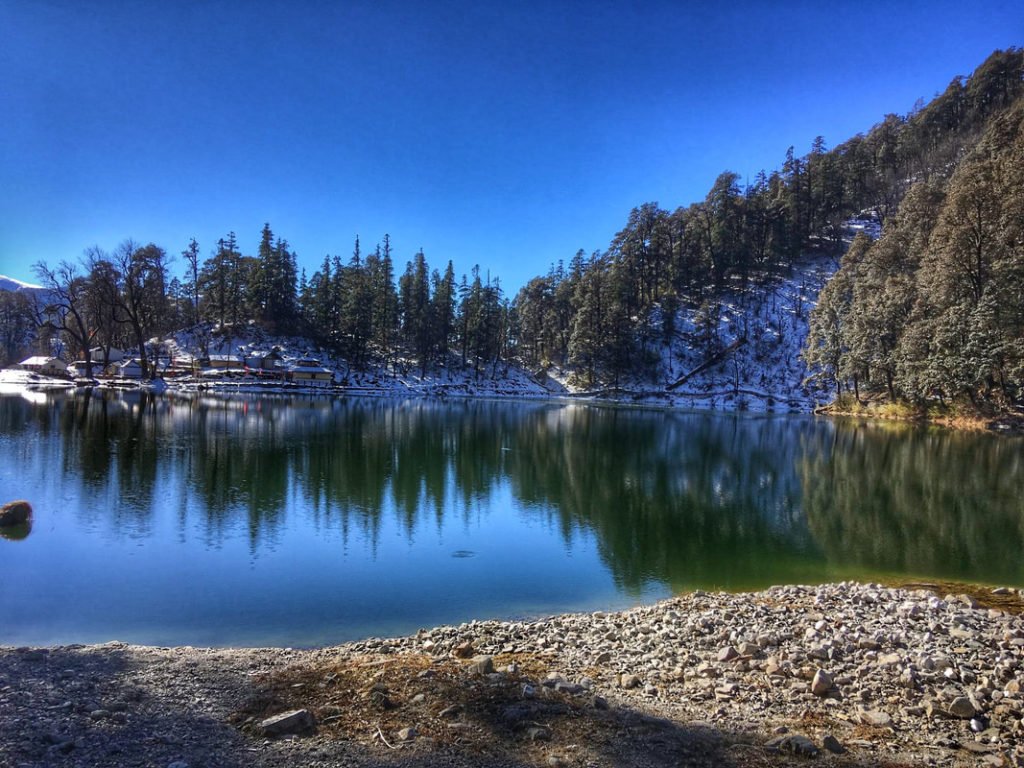
Nestled in the pristine Garhwal Himalayas of Uttarakhand’s Rudraprayag district, Deoria Tal (also spelt as Deoriya Tal or Devariya Tal) is a serene high-altitude freshwater lake that holds a unique place in Hindu mythology and spiritual traditions. The name “Deoria” is derived from the Sanskrit word “Deva”, meaning god or divine, reflecting the lake’s deep spiritual significance.
According to Hindu mythology, this is the sacred “Indra Sarovar” mentioned in the Puranas, where the gods (Devas) used to come and bathe. The lake is also intimately connected to the Mahabharata—it is believed to be the very spot where a Yaksha (nature spirit) tested the wisdom and righteousness of the Pandavas with a series of riddles during their exile.
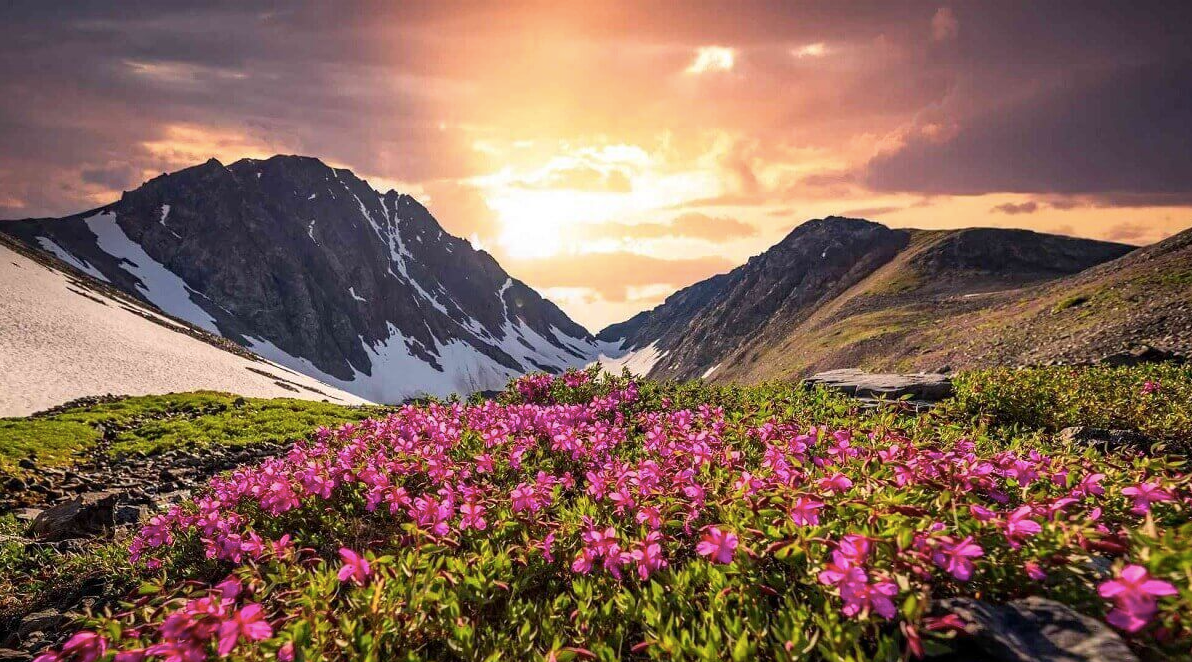
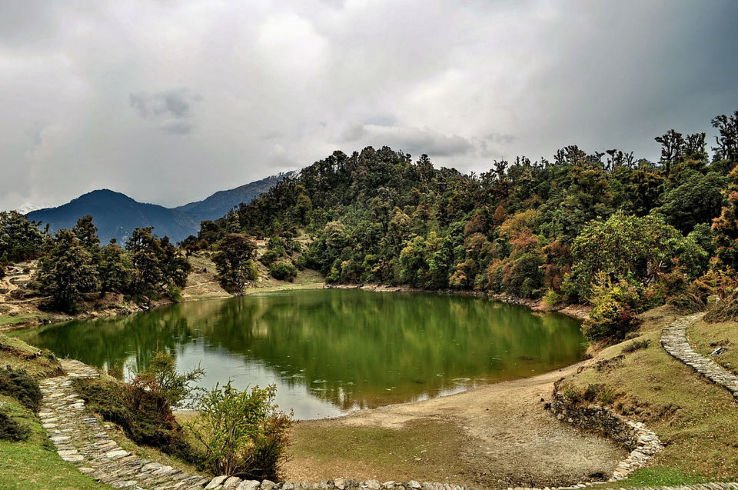
The lake sits at an altitude of approximately 2,438 metres (7,999 feet) and is surrounded by dense oak and rhododendron forests. It offers breathtaking reflections of the majestic Chaukhamba massif and other Himalayan peaks, making it one of the most photographed lakes in the Garhwal Himalayas.
What makes Deoria Tal truly special is its accessibility—a short 2.5–3 km trek from Sari Village that is suitable for beginners and families. This combination of mythological significance, pristine natural beauty, and easy accessibility has made Deoria Tal a favourite destination for trekkers, nature lovers, and spiritual seekers alike.
Quick Facts – Deoria Tal
| Aspect | Details |
|---|---|
| Location | Rudraprayag district, Uttarakhand |
| Altitude | 2,438 m (7,999 ft) |
| Region | Garhwal Himalayas |
| Famous For | Indra Sarovar, Yaksha-Pandava legend, Chaukhamba reflections |
| Lake Type | High-altitude freshwater lake |
| Trek Distance | 2.5–3 km from Sari Village |
| Trek Duration | 1–2 hours (one way) |
| Trek Difficulty | Easy to moderate |
| Best Season | April–June & September–November |
| Nearest Village | Sari (base camp) |
| Nearest Airport | Jolly Grant Airport, Dehradun (~209–250 km) |
| Nearest Railway Station | Haridwar (~194–215 km) / Rishikesh (~195–200 km) |
| Distance from Delhi | ~414–434 km |
| Permit Required | Camping permit from the forest department |
| Entry Fee | Nominal forest department fee |
History and Mythology: The Lake of Gods and Epics
The Name “Deoria Tal”
The name “Deoria Tal” is derived from the Sanskrit word “Deva”, meaning god or divine. This etymology reflects the lake’s deep spiritual significance in Hindu tradition. The lake is also known by the alternate spellings Devaria Tal or Deoriya Tal.
The Indra Sarovar – Bathing Place of the Gods
According to Hindu mythology, Deoria Tal is believed to be the sacred “Indra Sarovar” mentioned in the Puranas. It is said that the Devas (gods) used to come to this pristine lake to bathe in its crystal-clear waters. This divine association gave the lake its name and established it as a revered pilgrimage site.
The Yaksha Prashna – The Pandava Connection
Deoria Tal holds a special place in the epic Mahabharata. According to the legend, during their 13 years of exile, the Pandavas wandered through the forests of the Himalayas. It is believed that this lake is the very spot where a Yaksha (a nature spirit) tested the Pandavas with a series of riddles—an episode famously known as the “Yaksha Prashna”.
The Yaksha challenged the Pandavas, questioning their wisdom and righteousness. When Yudhishthira, the eldest Pandava, answered all the questions correctly with humility and wisdom, the Yaksha was pleased and rewarded the Pandavas. This mythological connection gives the lake a mystical aura, making it a spiritual destination for pilgrims and mythology enthusiasts.
Religious Beliefs Today
- Sacred Pilgrimage Site: Deoria Tal is considered a sacred site by Hindus, drawing devotees seeking spiritual solace.
- Indra Sarovar: The lake is revered as the bathing place of the gods.
- Yaksha Prashna Connection: The lake is associated with the legendary testing of the Pandavas by the Yaksha.
- Spiritual Retreat: The tranquil atmosphere makes it an ideal destination for meditation and introspection.
- Multi-Faith Reverence: The site is also respected by Buddhists, Jains, and Sikhs.
Geography and Location
Location and Setting
Deoria Tal is situated in the Rudraprayag district of Uttarakhand, in the Garhwal Himalayas. The lake is located approximately 3 km (1.9 mi) from the villages of Mastura and Sari on the Ukhimath-Chopta road.
| Geographic Feature | Description |
|---|---|
| Altitude | 2,438 m (7,999 ft) |
| Lake Type | High-altitude freshwater lake |
| Surroundings | Dense oak and rhododendron forests, terraced fields |
| Protected Area | Kedarnath Wildlife Sanctuary |
| Coordinates | Approximately 30.4° N, 79.1° E |
The 300° Panoramic View
Deoria Tal is renowned for its spectacular 300-degree panoramic view of the Himalayan peaks. The lake’s crystal-clear waters reflect the surrounding peaks, creating an awe-inspiring sight.
Peaks Visible from Deoria Tal
| Peak Name | Description |
|---|---|
| Chaukhamba | Majestic massif, prominently reflected in the lake |
| Nilkantha | Also known as Neelkanth, visible from the lake |
| Bandarpunch | Prominent Himalayan peak |
| Kedar Range | Part of the Gangotri group of peaks |
| Kalanag | Also known as Black Peak |
| Nanda Devi | Visible on clear days from Chandrashila |
Hydrological Features
Deoria Tal is a crystal-clear freshwater lake with emerald-coloured waters. The lake has no visible inlet or outlet and is fed by rainfall and snowmelt. Its calm, mirror-like surface reflects the surrounding peaks with stunning clarity, making it a photographer’s paradise.
Flora and Fauna
Protected Area – Kedarnath Wildlife Sanctuary
Deoria Tal is situated within the Kedarnath Wildlife Sanctuary (also known as the Kedarnath Musk Deer Sanctuary), contributing to its rich biodiversity. The sanctuary protects a wide range of Himalayan flora and fauna.
Forests and Vegetation
The region surrounding Deoria Tal is blessed with rich Himalayan vegetation:
| Forest Type | Dominant Species | Characteristics |
|---|---|---|
| Oak Forests | Quercus species | Dense canopies, autumn colours |
| Rhododendron | Rhododendron arboreum | Spring blooms (March–April), vibrant red/pink flowers |
| Coniferous Forests | Deodar, Pine | Fragrant evergreen trees |
| Alpine Meadows | Various grasses and wildflowers | Summer blooms |
Wildlife
The region is home to a variety of Himalayan fauna:
Birdwatching Paradise
Deoria Tal is a treasure trove for birdwatchers. The route passes through dense forests and scenic meadows, making it an ideal trail for birdwatchers and nature enthusiasts. Bird species found in the region include:
- Himalayan Monal – The state bird of Uttarakhand
- Hill Partridge
- Various Thrushes
- Over two dozen rare bird species
How to Reach Deoria Tal
By Air
By Train
| Details | Information |
|---|---|
| Nearest Stations | Haridwar and Rishikesh |
| Distance | Haridwar: ~194–215 km, Rishikesh: ~195–200 km |
| Travel Time | 7–8 hours by taxi |
| Connectivity | Well-connected from Delhi |
Popular Trains from Delhi to Haridwar/Rishikesh:
| Train Name | From Delhi | Departure | Arrival | Destination |
|---|---|---|---|---|
| Shatabdi Express | Delhi | 6:00 AM | 11:40 AM | Haridwar |
| Jan Shatabdi | Delhi | 3:20 PM | 9:00 PM | Haridwar |
| Mussoorie Express | Delhi | 10:05 PM | 5:30 AM | Haridwar |
By Road
Route to Sari Village (Base for Deoria Tal Trek):
Road Conditions: The route is scenic but winding, following the Mandakini River through the Garhwal Himalayas. The drive from Ukhimath to Sari Village is approximately 13 km.
From Sari Village to Deoria Tal (The Trek)
The Trekking Route:
The trek from Sari Village to Deoria Tal is a short but enchanting journey. The trail winds through dense forests of oak and rhododendron, offering stunning views of terraced fields, meadows, and the majestic Himalayan peaks. The path is well-marked and features a steady ascent through lush greenery, making it an ideal trek for beginners, families, and first-time trekkers.
Alternative Routes:
Weather and Best Time to Visit
Climate Overview
Deoria Tal experiences a high-altitude alpine climate. At 2,438 metres, the region receives moderate snowfall in winter. The weather remains pleasant throughout most of the year, but temperatures can drop significantly at night.
Month-by-Month Guide
Best Time to Visit by Season
Why Visit in Spring (March–May)
- Pleasant weather with moderate temperatures
- Rhododendrons bloom in vibrant red and pink
- Clear skies offering spectacular views of the Himalayan peaks
- Ideal conditions for trekking and birdwatching
- Best for first-time visitors
Why Visit in Summer (April–June)
- Pleasant weather with daytime temperatures ranging from 10°C to 30°C
- Clear skies offering unobstructed mountain views
- Ideal conditions for trekking, camping, and bird watching
- Flowers bloom, dotting the landscape with vibrant colours
Why Visit in Autumn (September–November)
- Post-monsoon freshness brings out the lush greenery
- Crisp, invigorating air with clear, cloudless skies
- Optimal visibility for photography
- The lake brims with water, mirroring the changing colours of the surrounding woods and skies
Why Avoid Monsoon (July–August)
- Heavy rainfall makes trails slippery and dangerous
- High risk of landslides and road blockages
- Cloud cover obscuring mountain views
- Not recommended for trekking
Winter (December–February)
- The area is blanketed in snow, transforming it into a winter wonderland
- The trek becomes more challenging
- Suitable only for experienced trekkers with proper gear
- Stunning snow-covered landscapes
Nearby Places to Visit
Detailed Descriptions
Chopta: Known as the “Mini Switzerland of India,” Chopta is a lush green meadow surrounded by snow-capped peaks. It serves as the base for the Tungnath and Chandrashila treks and offers stunning views of the Himalayan range.
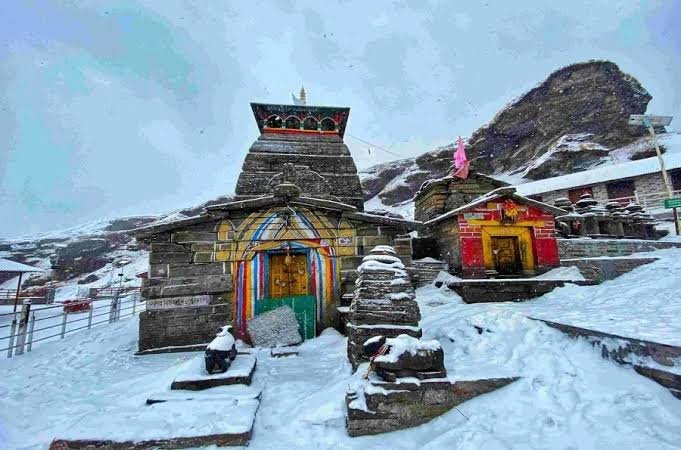
Tungnath Temple: Located at an altitude of 3,650 metres, Tungnath is the highest Shiva temple in the world. It is one of the five Panch Kedar temples and a revered pilgrimage site. The temple is approximately 3.5 km from Chopta.
Chandrashila Peak: A short 1 km trek from Tungnath leads to Chandrashila Peak, offering 360-degree panoramic views of the Himalayas. Visible peaks include Nanda Devi, Trishul, and Kedar Dome. According to legend, this is the place where Lord Rama meditated after defeating Ravana.
Sari Village: A quaint village with traditional stone houses, Sari serves as the base camp for the Deoria Tal trek. The village is located approximately 13 km from Ukhimath.
Ukhimath: A small town that serves as the winter seat of Lord Kedarnath—the deity is brought here when the Kedarnath Temple is closed during winter. The town is known for its ancient temples and cultural significance.
Rohini Bugyal: A picturesque alpine meadow located en route to Deoria Tal, ideal for camping and picnics.
Distance from Major Cities
Travel Tips and Important Information
Before You Go
- Check Weather: Avoid monsoon (July–August) due to heavy rainfall, slippery trails, and landslide risk.
- Physical Fitness: The trek is easy to moderate and suitable for beginners and families.
- Carry Cash: No ATMs near the lake. Bring sufficient cash from Ukhimath or Rudraprayag.
- Mobile Network: Limited connectivity; BSNL works in some pockets. Inform family of your travel plans.
- Advance Booking: Essential for accommodations during the peak season (summer and autumn).
- Permits: Camping permits can be arranged at Sari or Ukhimath. The permit costs approximately INR 150 per person for Indian citizens and INR 500 per person for foreign nationals. Tent charges are INR 100 per tent per day for Indian citizens and INR 500 per tent per day for foreign nationals.
During Your Visit
- Dress in Layers: Even in summer, evenings are cool; winter requires heavy woollens.
- Stay Hydrated: Carry water for treks and day trips.
- Respect Local Customs: The area is considered sacred; maintain silence at the lake.
- Start Early: Begin trekking early to avoid afternoon weather changes.
- Leave No Trace: Follow principles to preserve natural beauty.
- No Littering: Carry all waste back with you.
Safety Tips
- Trek Safety: The trek is well-marked; however, hiring a guide can enhance the experience.
- Monsoon Travel: Avoid July–August due to landslide risk.
- Altitude Awareness: At 2,438 m, altitude sickness is unlikely, but stay hydrated.
- Wildlife: Do not feed animals; maintain a safe distance.
- Walk with Ease: Do not hurry; use a walking stick for support.
Packing Checklist
| Season | Essentials |
|---|---|
| All Year | Comfortable trekking shoes, sunscreen, sunglasses, hat, reusable water bottle, power bank, camera, cash, ID proof, first aid kit, flashlight, trekking poles, walking stick |
| Spring/Summer (Mar–Jun) | Light woolens for evenings, cotton clothes for daytime, and sun protection |
| Monsoon (Jul–Aug) | Raincoat, waterproof footwear (avoid travel if possible) |
| Autumn (Sep–Nov) | Warm layers, rain protection |
| Winter (Dec–Feb) | Heavy woolens, thermals, down jacket, gloves, muffler, woollen cap, waterproof boots |
Accommodation Options
Photography Tips
- Best Spots: Deoria Tal Lake (for reflections), surrounding peaks, rhododendron forests
- Best Time: Early morning for clear mountain views and reflections; golden hour (4:00–5:30 PM) for landscapes
- Camera Gear: Carry extra batteries—cold drains them quickly
- Mirror Effect: The lake offers stunning reflections of the Chaukhamba peaks, particularly in the early morning
Activities at Deoria Tal
Frequently Asked Questions (FAQs)
Q1: What is Deoria Tal famous for?
A: Deoria Tal is famous for its mythological association with the Indra Sarovar (bathing place of the gods) and the Yaksha Prashna episode from the Mahabharata, where a Yaksha tested the Pandavas. It is also renowned for its stunning reflections of the Chaukhamba peaks.
Q2: What is the best time to visit Deoria Tal?
A: The best time to visit is March to June (spring and summer) and September to November (autumn). These months offer pleasant weather and clear skies.
Q3: How far is Deoria Tal from Delhi?
A: The distance from Delhi is approximately 414–434 km, with a travel time of 12–14 hours by road.
Q4: How do I reach Deoria Tal?
A: By road to Sari Village (via Ukhimath), followed by a 2.5–3 km trek. The nearest airport is Jolly Grant Airport, Dehradun (~209–250 km), and the nearest railway stations are Haridwar (~194–215 km) and Rishikesh (~195–200 km).
Q5: What is the altitude of Deoria Tal?
A: Deoria Tal is situated at an altitude of approximately 2,438 metres (7,999 feet) above sea level.
Q6: What is the mythological significance of Deoria Tal?
A: According to Hindu mythology, Deoria Tal is the sacred “Indra Sarovar” where the gods bathed. It is also associated with the Mahabharata, believed to be the spot where a Yaksha tested the Pandavas with riddles.
Q7: Is the Deoria Tal trek difficult?
A: The 2.5–3 km trek from Sari Village is considered easy to moderate, making it suitable for beginners and families.
Q8: How long does the Deoria Tal trek take?
A: The trek takes approximately 1–2 hours one way.
Q9: What is the Indra Sarovar?
A: Indra Sarovar is the mythological name for Deoria Tal. According to the Puranas, it is the lake where the gods (Devas) bathed.
Q10: What wildlife can I see at Deoria Tal?
A: The region is home to the Himalayan Monal (state bird), musk deer (keystone species), mountain goats, foxes, deer, and over two dozen rare bird species.
Q11: Can I camp at Deoria Tal?
A: Yes, camping is allowed in designated areas about 100 metres from the lake. A permit from the forest department is required.
Q12: Is there an entry fee for Deoria Tal?
A: There may be a nominal entry fee levied by the forest department. Camping permits cost approximately INR 150 per person for Indian citizens and INR 500 per person for foreign nationals.
Q13: What should I carry for the trek to Deoria Tal?
A: Comfortable trekking shoes, water, snacks, a light jacket, a first aid kit, rain protection gear, sufficient cash, and camping gear if staying overnight.
Q14: What are the nearby attractions to Deoria Tal?
A: Nearby attractions include Chopta (“Mini Switzerland”), Tungnath Temple (the highest Shiva temple), Chandrashila Peak (360° views), Ukhimath, and Rohini Bugyal.
Q15: Is Deoria Tal accessible during winter?
A: Winter (December–February) is accessible but challenging due to snow. It is suitable only for experienced trekkers with proper gear.
Q16: What peaks are visible from Deoria Tal?
A: Chaukhamba, Nilkantha, Bandarpunch, Kedar Range, and Kalanag are visible from Deoria Tal.
Q17: What is the Yaksha Prashna?
A: The Yaksha Prashna is a legendary episode from the Mahabharata where a Yaksha tested the Pandavas with riddles. Deoria Tal is believed to be the site of this event.
Q18: Can I visit Deoria Tal with children?
A: Yes, the trek is easy to moderate and suitable for families with children.
Q19: Are there accommodation options at Deoria Tal?
A: Accommodation includes camping (with permit), a forest rest house, and guesthouses in Sari Village.
Q20: Do I need a permit to visit Deoria Tal?
A: As of recent updates, visitors don’t require a permit for day trekking. However, camping permits are required and can be arranged at Sari or Ukhimath.
Plan Your Deoria Tal Journey with Discover Uttarakhand
At Discover Uttarakhand, we’ve been organising unforgettable journeys across Devbhoomi since 1997. As a trusted local operator with deep knowledge of the Garhwal Himalayas, we offer:
✅ Customised Deoria Tal tour packages (2 to 5 days)
✅ Combined itineraries covering Deoria Tal, Chopta, Tungnath, Chandrashila, and Ukhimath
✅ Comfortable transport with experienced hill drivers
✅ Verified accommodations in Ukhimath and Chopta
✅ Local guides for the trek
✅ Camping equipment and arrangements
✅ 24/7 customer support throughout your journey
Recommended Deoria Tal Packages
| Package | Duration | Starting Point | Highlights |
|---|---|---|---|
| Deoria Tal Trek | 2 Nights / 3 Days | Dehradun | Sari Village, Deoria Tal, camping, stargazing |
| Deoria Tal & Tungnath | 3 Nights / 4 Days | Dehradun | Deoria Tal, Chopta, Tungnath Temple, Chandrashila |
| Deoria Tal Chandrashila Trek | 3 Nights / 4 Days | Dehradun | Deoria Tal, Chopta, Tungnath, Chandrashila Peak |
| Garhwal Himalayan Circuit | 5 Nights / 6 Days | Dehradun | Deoria Tal, Tungnath, Chandrashila, Ukhimath, Rudraprayag |
Book Your Deoria Tal Journey Today
Discover one of Uttarakhand’s most sacred and accessible Himalayan lakes—where the gods bathed, where the Pandavas were tested, where the Chaukhamba peaks reflect in emerald waters, and where every step brings you closer to the timeless legends of the Garhwal Himalayas.
📞 Call / WhatsApp: +91-9997187178, 9760222178, 8171977178
📍 Visit Our Office: Himalayan Colony, opposite DSVV, Haripur Kalan, Haridwar, Motichur Range, Uttarakhand 249411
🌐 Website: www.discover-uttarakhand.com
📧 Email: info@discover-uttarakhand.com
Discover Uttarakhand – Your Local Partner for Unforgettable Himalayan Journeys Since 1997 🏔️✨