Introduction: Where the Ganges Begins
Nestled in the Garhwal Himalayas of Uttarakhand’s Uttarkashi district, Gangotri National Park is a pristine wilderness area that holds the distinction of being the third-largest national park in India. Established in 1989, this magnificent protected area spans approximately 1,553 to 2,390 square kilometres (sources vary) and encompasses the upper catchment of the Bhagirathi River—the sacred stream that becomes the Ganges.
The park is not merely a wildlife sanctuary—it is a sacred landscape. Within its boundaries lies the Gangotri Glacier, one of the largest glaciers in India, and the revered Gaumukh (cow’s mouth), the traditional source of the Ganges River, one of the holiest rivers in Hinduism. The park’s northeast boundary forms a part of the India–China border, adding a sense of remoteness and strategic significance to this Himalayan wilderness.
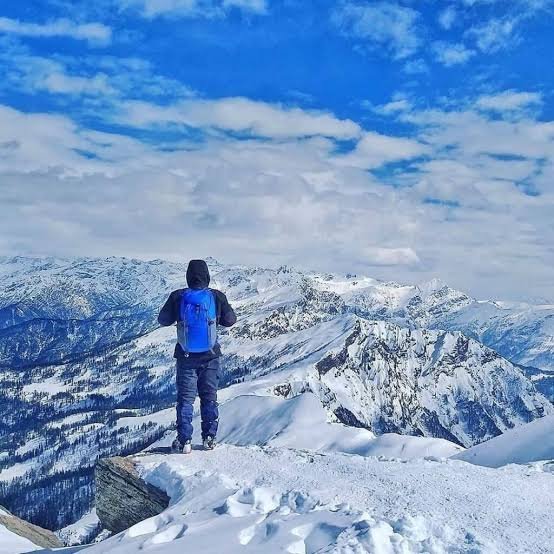
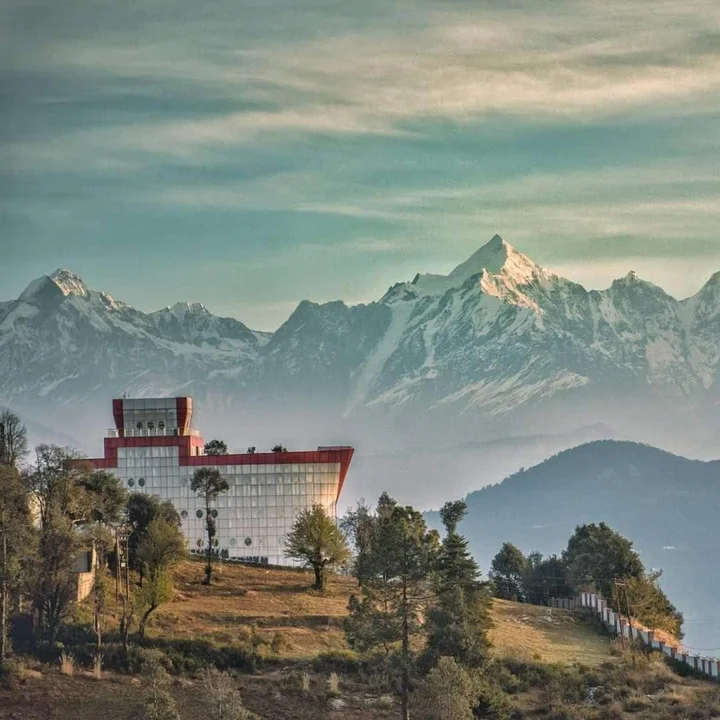
What makes Gangotri National Park truly extraordinary is its dramatic altitudinal range—from 1,800 metres to 7,083 metres—creating a spectacular variety of ecosystems from temperate forests to alpine meadows and glaciers. The park is home to over 40 prominent peaks, including the iconic Shivling (6,543 m), Bhagirathi peaks, and Meru, making it a paradise for mountaineers and trekkers.
Whether you are a pilgrim wanting to witness the source of the holy Ganges, a trekker seeking the challenge of the Gaumukh-Tapovan route, a wildlife enthusiast hoping to spot the elusive snow leopard, or a nature lover drawn to the raw beauty of the Himalayas, Gangotri National Park promises an unforgettable journey into the heart of the Garhwal wilderness.
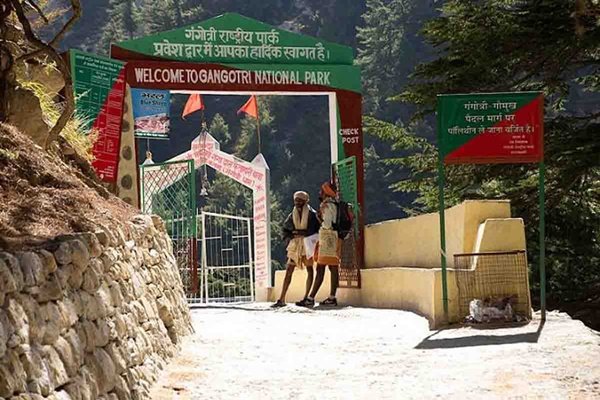
Key Information at a Glance:
History: From Sanctuary to National Park
Establishment as a Wildlife Sanctuary
Prior to its establishment as a national park, the area was part of the larger Gangotri Wildlife Sanctuary. Over the years, the government recognised the need to protect this region’s unique flora, fauna, and natural resources, leading to the declaration of Gangotri as a national park in 1989.
Sacred Geography and Pilgrimage
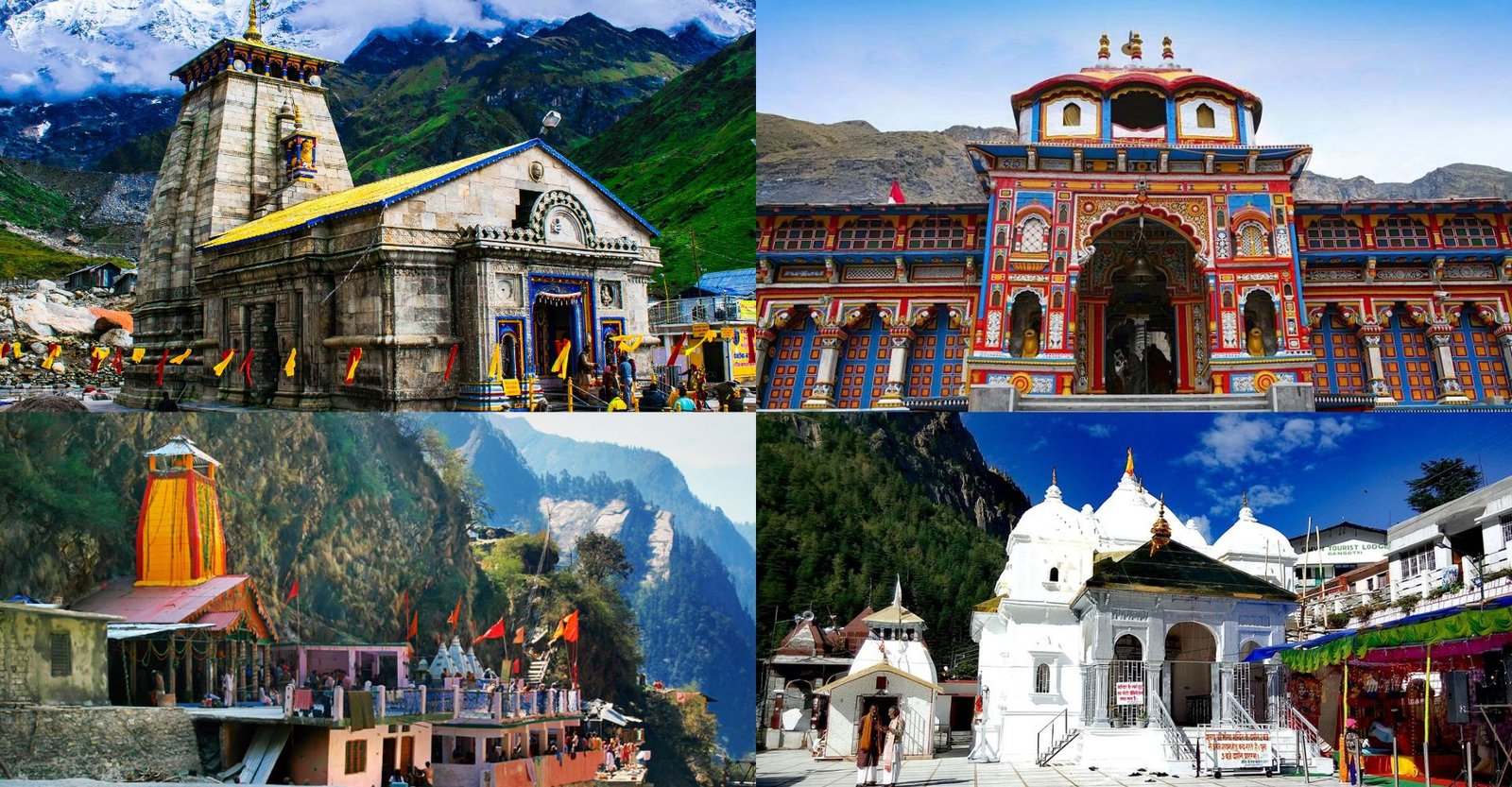
The park holds immense historical and religious significance for Hindus. Gangotri, the primary town located within the park, is one of the Char Dham (four sacred pilgrimage destinations) and attracts millions of devotees every year. According to Hindu mythology, the Ganges River is believed to have descended from the heavens to the earth at Gangotri.
The Gaumukh Connection
The Gaumukh glacier is the point where the Ganges River begins its journey to the plains. This 18 km trek from Gangotri has been used for centuries by spiritual seekers and is now a dream destination for nature lovers and adventurers alike.
Reopening 2026
After its annual winter break from 30 November to 31 March, Gangotri National Park officially reopened for the 2026 season on 1 April 2026. The reopening unlocks access to high-altitude marvels, including the legendary Gaumukh-Tapovan route, the rugged borderlands of Nelang Valley, and the historic Gartang Gali.
Geography: The Lay of the Sacred Land
Location and Setting
Gangotri National Park is situated in the Uttarkashi district of Uttarakhand, in the Garhwal region of the Himalayas. The park lies in the upper catchment of the Bhagirathi River, and its northeast boundary forms a part of the India–China border.
The park extends across both sides of the Bhagirathi River, which flows through the region, enriching the landscape with a variety of flora and fauna. The park is bordered by the mighty peaks of the Himalayan range, including some of the highest peaks like Shivling, Meru, and Bhagirathi.
Altitudinal Zones
The park covers a great altitudinal range from 1,800 metres to 7,083 metres, creating several distinct biomes :
| Altitude Zone | Vegetation Type | Characteristics |
|---|---|---|
| 1,800–3,000 m | Temperate forests | Oak, deodar, rhododendron |
| 3,000–3,800 m | Sub-alpine forests | Coniferous forests, birch |
| 3,800–4,500 m | Alpine meadows | Grasses, shrubs, wildflowers |
| Above 4,500 m | Alpine desert/Glaciers | Sparse vegetation, ice |
Glacial Systems
The park is home to several glaciers, with the Gangotri Glacier being the most famous. The Gaumukh (cow’s mouth) is the snout of the Gangotri Glacier and the traditional source of the Ganges River, located at an altitude of approximately 3,892 metres.
Major Peaks
The park contains or is delimited by over 40 prominent peaks :
| Peak | Height | Significance |
|---|---|---|
| Shivling | 6,543 m | “Matterhorn of India”; sacred to Lord Shiva |
| Bhagirathi I, II, III | ~6,500 m | Prominent peaks visible from the trek |
| Meru | 6,660 m | Famous for its “Shark’s Fin” route |
| Satopanth | 7,075 m | High peak on the park’s boundary |
| Sudarshan Parbat | 6,507 m | Prominent peak |
| Kedarnath | 6,940 m | Sacred mountain |
Rivers and Drainage
The Bhagirathi River flows through the park, originating from the Gangotri Glacier. It is the main drainage system of the park, and its upper catchment forms the core of the protected area.
Gangotri National Park 2026 Season: What’s New
Season Opening (April 1, 2026)
The park officially reopened for the 2026 season on 1 April 2026. Deputy Director Harish Negi formally inaugurated the season by opening the Kankhu barrier, the main gateway to the Gaumukh trek, following traditional rituals.
Key Treks and Attractions Reopened
| Attraction | Status | Details |
|---|---|---|
| Gaumukh-Tapovan Trek | Open | Daily cap of 150 visitors |
| Gartang Gali | Open | Historic wooden bridge; major attraction |
| Nelang Valley | Open | “Mini Ladakh” of Uttarakhand |
| Kedartal Trek | Partially open | High-altitude lake; snow clearing ongoing |
Visitor Statistics 2025
In 2025, the park recorded 29,162 visitors and generated approximately ₹81 lakh in revenue. Early footfall in 2026 shows strong interest, especially in Gartang Gali and Nelang Valley.
Snow Conditions (Early April)
While the park is open, some high-altitude routes, including Gaumukh and Kedartal, remain partially snow-covered. Efforts to clear snow continue, with the Gaumukh route expected to be fully accessible before the temple portals open later in the season.
Flora: The Green Heritage of the Himalayas
Forest Types
Gangotri National Park is renowned for its diverse vegetation, which forms a transition between the lower Himalayan forests and the high-altitude alpine ecosystems.
| Forest Type | Dominant Species | Elevation |
|---|---|---|
| Temperate Forests | Oak, Deodar, Rhododendron | 1,800–3,000 m |
| Coniferous Forests | Fir, Spruce, Pine | 2,500–3,500 m |
| Sub-alpine Forests | Birch (Bhojpatra), Juniper | 3,000–3,800 m |
| Alpine Scrub | Rhododendron (dwarf), Juniper | 3,500–4,200 m |
| Alpine Meadows | Grasses, Sedges, Wildflowers | 3,800–4,500 m |
Iconic Flowers
| Flower | Description | Blooming Season |
|---|---|---|
| Brahma Kamal | Sacred white flower; state flower of Uttarakhand | July–August |
| Blue Poppy | Rare Himalayan flower; prized by botanists | July–August |
| Rhododendron | Bright red blooms | March–April |
| Primulas | Early bloomers, colourful carpets | May–June |
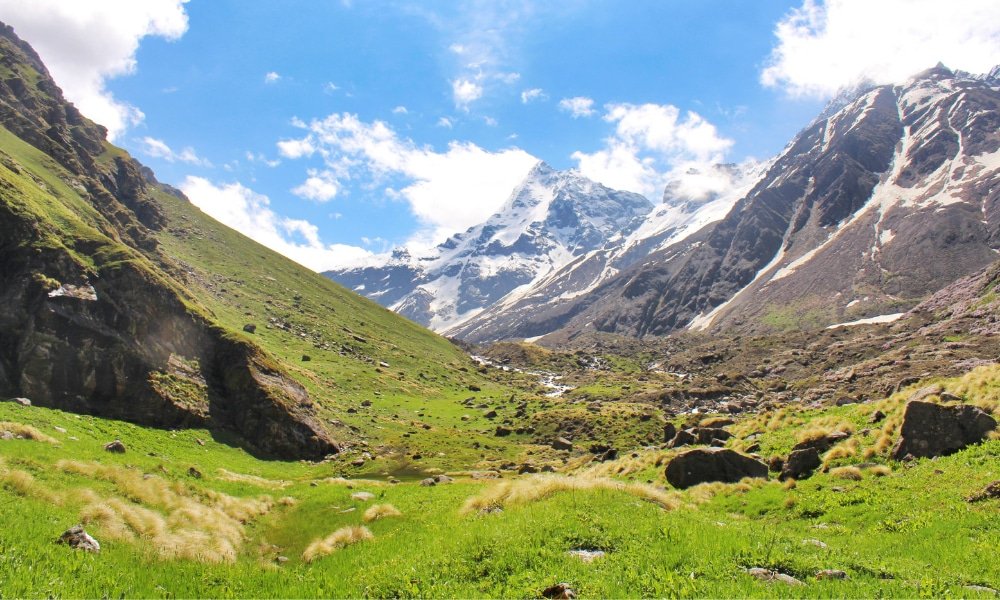
The park’s vegetation varies from temperate forests at lower altitudes to alpine meadows and glaciers at higher elevations.
Medicinal Plants
The park is rich in medicinal plant species that have been used in traditional medicine for centuries. These include various species of Aconite, Pedicularis, and other alpine herbs.
Fauna: The Hidden Inhabitants
Mammals
Gangotri National Park is home to a diverse range of wildlife, including several rare and endangered species.
| Species | Scientific Name | Status | Habitat |
|---|---|---|---|
| Snow Leopard | Uncia uncia | Endangered | High alpine zones |
| Himalayan Brown Bear | Ursus arctos | Endangered | High alpine meadows |
| Himalayan Black Bear | Selenarctos thibetanus | Vulnerable | Forested areas |
| Himalayan Musk Deer | Moschus chrysogaster | Endangered | Alpine meadows |
| Himalayan Tahr | Hemitragus jemlahicus | Near Threatened | Rocky slopes |
| Bharal (Blue Sheep) | Pseudois nayaur | Schedule I | Alpine meadows |
| Red Fox | Vulpes vulpes | Least Concern | Throughout |
| Himalayan Goral | Naemorhedus goral | Schedule I | Precipitous slopes |
Snow Leopard Population: The park provides vital habitat for an estimated 35 snow leopards. These elusive “ghosts of the mountains” are rarely seen but are a major draw for wildlife enthusiasts.
Birds
A total of 150 bird species have been documented within the park.
| Species | Description |
|---|---|
| Himalayan Monal | State bird of Uttarakhand; iridescent plumage |
| Koklass Pheasant | Pucrasia macrolopha – resident breeder |
| Himalayan Griffon Vulture | High-altitude scavenger |
| Golden Eagle | Apex predator of the skies |
| Bearded Vulture (Lammergeier) | High-altitude scavenger |
| Snow Partridge | Found in alpine zones |
Butterflies and Insects
The park is also rich in insect life, with many species of butterflies adding to the vibrant colours of the meadows during summer.
Top Attractions in Gangotri National Park
1. Gaumukh – The Source of the Ganges
Gaumukh (also spelt Gomukh) is the most sacred and iconic attraction within the park. Located at the snout of the Gangotri Glacier, this is the traditional source of the Ganges River.
What to Expect:
- The glacier snout resembles a cow’s mouth, giving it the name “Gaumukh” (cow’s mouth)
- The Bhagirathi River emerges from the glacier here
- The surrounding views of the Bhagirathi peaks are breathtaking
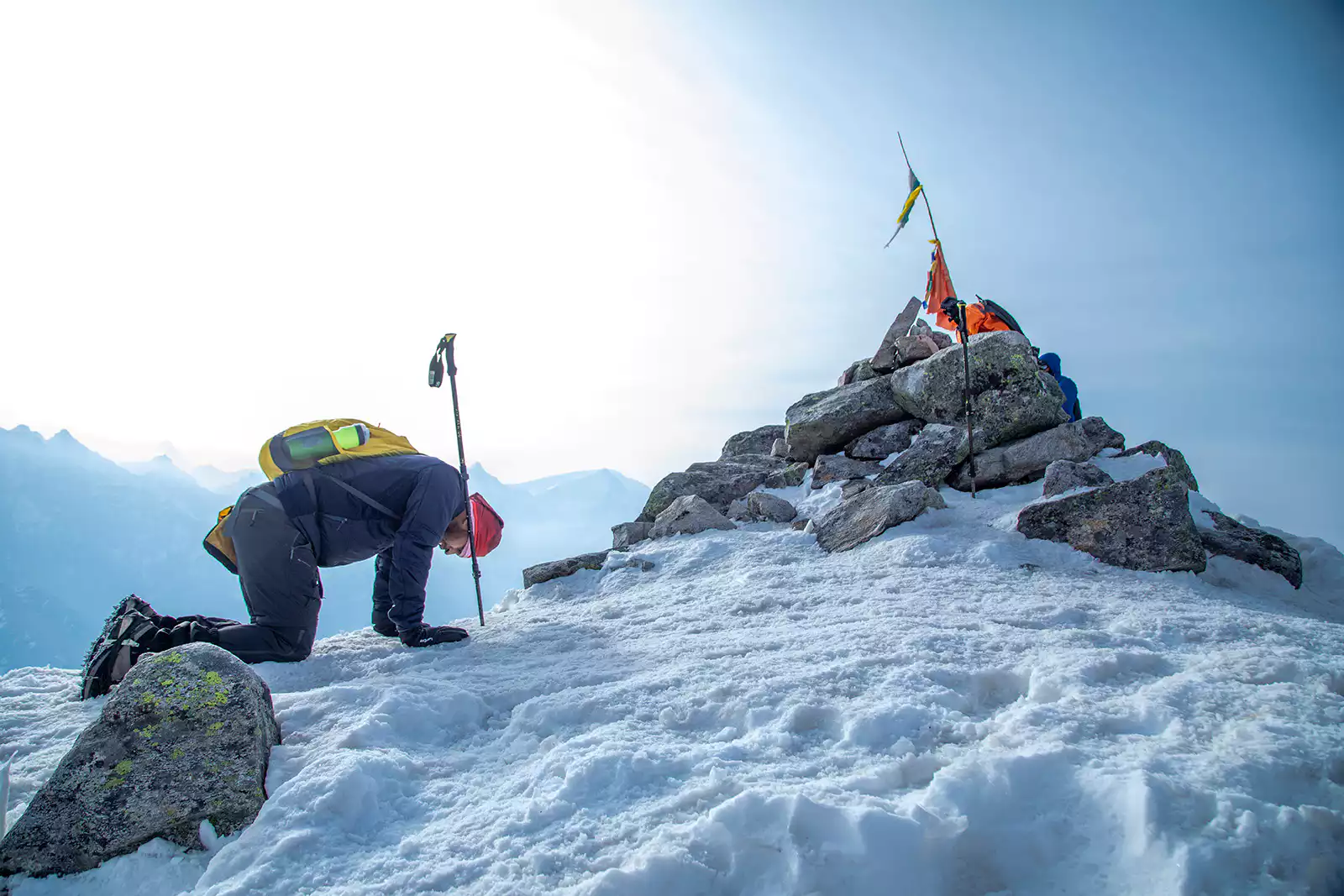
- This is the culmination point for most pilgrims and trekkers
2. Tapovan – The Meadow of Penance
Tapovan is a high-altitude alpine meadow located approximately 5 km beyond Gaumukh at an altitude of 4,463 metres (14,640 ft) .
| Aspect | Details |
|---|---|
| Altitude | 4,463 m (14,640 ft) |
| Distance from Gaumukh | 5 km (one way) |
| Significance | Meditation site for ancient sages |
| Peak Views | Shivling, Bhagirathi peaks |
What to Expect:
- An idyllic camping spot at the base of Shivling Peak (6,543 m)
- The fabled peak of Shivling appears to sweep up in a wave of granite and snow
- This area has been used by many sages to meditate over the centuries
- Named “Tapovan”, meaning “forest of penance”
3. Gangotri Temple
While technically outside the park’s core zone, the Gangotri Temple is the gateway to the park and an essential part of any visit.
What to Expect:
- The main spiritual hub of the region
- Daily Ganga Aarti at the temple
- Pilgrims gather here before undertaking the Gaumukh trek
4. Gartang Gali – The Historic Wooden Bridge
Gartang Gali is a wooden staircase carved into a vertical cliff face, once a vital trade route between India and Tibet.
| Aspect | Details |
|---|---|
| Location | Nelong Valley, within the park |
| Length | ~500 metres |
| Height | Carved into vertical granite rock |
| History | Closed after 1962 war; restored and reopened in 2021 |
What to Expect:
- A thrilling “sky walk” experience
- Stunning views of the Jadh Ganga River gorge
- A journey through history—once used by traders for centuries
5. Nelang Valley – The “Mini Ladakh” of Uttarakhand
Nelang Valley (also called Jadung) offers stark, trans-Himalayan terrain near the India–China border.
| Aspect | Details |
|---|---|
| Location | Eastern part of the park, near the border |
| Terrain | Cold desert landscape |
| Nickname | “Mini Ladakh” or “Little Ladakh” |
| Access | Requires special permit |
What to Expect:
- Dramatic, barren landscapes contrast with the lush forests of the main park
- Views of the India–China border area
- A unique offbeat experience for adventurous travellers
6. Kedartal – The High-Altitude Lake
Kedartal is a glacial lake located at approximately 4,750 metres, known for its challenging terrain and panoramic mountain views.
| Aspect | Details |
|---|---|
| Altitude | ~4,750 m |
| Trek Difficulty | Challenging |
| Best Time | June–September |
7. Harsil Valley
Located at a distance of about 25 kilometres from Gangotri, the Harsil Valley is a beautiful spot known for its scenic beauty.
| Aspect | Details |
|---|---|
| Nickname | “Mini Switzerland of India” |
| Features | Deodar forests, apple orchards, Bhagirathi River |
| Religious Significance | Small temple dedicated to Lord Shiva |
| Winter Home | Mukhba Village (winter abode of Goddess Ganga) |
Trekking in Gangotri National Park
1. Gaumukh-Tapovan Trek – The Crown Jewel
The Gaumukh-Tapovan Trek is the most popular trek in Gangotri National Park and one of the most rewarding in the Garhwal Himalayas.
| Aspect | Details |
|---|---|
| Total Distance | 48–50 km (round trip) |
| Duration | 6–7 days |
| Difficulty | Moderate to Difficult |
| Maximum Altitude | 4,463 m (Tapovan) |
| Daily Visitor Limit | 150 persons |
| Best Time | May–June & September–October |
Day-by-Day Itinerary (6 Days)
| Day | Route | Distance | Time | Overnight |
|---|---|---|---|---|
| 1 | Rishikesh → Gangotri (drive) | 260 km | 10–11 hours | Gangotri |
| 2 | Gangotri → Chirbasa → Bhojbasa (trek) | 14 km | 7–8 hours | Bhojbasa |
| 3 | Bhojbasa → Gaumukh → Tapovan (trek) | 13 km | 7–8 hours | Tapovan |
| 4 | Tapovan exploration → Bhojbasa (trek) | 14 km | 6–7 hours | Bhojbasa |
| 5 | Bhojbasa → Gangotri (trek) | 14 km | 6–7 hours | Gangotri |
| 6 | Gangotri → Rishikesh (drive) | 260 km | 10–11 hours | – |
Trek Cost (2026): Approximately ₹30,000 per person (including permits, guide, meals, camping equipment).
2. Kedartal Trek
The Kedartal Trek takes you to a high-altitude glacial lake at approximately 4,750 metres.
| Aspect | Details |
|---|---|
| Difficulty | Challenging |
| Duration | 5–7 days |
| Best Time | June–September |
3. Nelang Valley Trek
For those seeking an offbeat experience, the Nelang Valley offers stark, trans-Himalayan terrain near the border.
| Aspect | Details |
|---|---|
| Difficulty | Moderate |
| Permit | Special permit required |
| Best Time | May–June, September–October |
Permits and Entry Information
Permit Requirements
Permits are mandatory for visiting Gangotri National Park, especially for treks like Gaumukh-Tapovan.
Park Timings
| Aspect | Details |
|---|---|
| Park Season | April 1 – November 30 |
| Checkpost Hours | 6:00 AM onwards |
| Advised | Start early to avoid delays and reach before sunset |
Registration for Gangotri Temple
For visiting the Gangotri Temple (separate from the park permit), registration is mandatory. This can be done online through the official Uttarakhand Tourism portal.
How to Reach Gangotri National Park
By Air
Nearest Airport: Jolly Grant Airport, Dehradun (approximately 250 km from Gangotri)
| Details | Information |
|---|---|
| Flight Duration (Delhi–Dehradun) | 1 hour |
| Drive from Airport to Gangotri | 10–11 hours by taxi |
| Helicopter Option | Services available from Dehradun to Harsil (nearest helipad) |
By Train
Nearest Railway Stations:
| Station | Distance | Travel Time | Connectivity |
|---|---|---|---|
| Rishikesh | ~230 km | 8–9 hours by road | Most preferred |
| Haridwar | ~290 km | 9–10 hours by road | Major station |
| Dehradun | ~240 km | 8–9 hours by road | Well-connected |
Popular Trains from Delhi to Haridwar/Rishikesh:
| Train Name | From Delhi | Departure | Arrival | Destination |
|---|---|---|---|---|
| Shatabdi Express | Delhi | 6:00 AM | 11:40 AM | Haridwar |
| Jan Shatabdi | Delhi | 3:20 PM | 9:00 PM | Haridwar |
| Mussoorie Express | Delhi | 10:05 PM | 5:30 AM | Haridwar |
By Road
Gangotri is well connected by road to major cities in North India :
Road Conditions: The roads are scenic but winding, following the Bhagirathi River through the Garhwal Himalayas. The route is generally well-maintained during the yatra season (May–October).
Bus Services: Regular state transport and private buses operate from Rishikesh, Haridwar, and Dehradun to Gangotri during the yatra season.
Distances from Major Cities
| City | Distance (km) |
|---|---|
| Delhi | 500–520 |
| Haridwar | 290 |
| Rishikesh | 230 |
| Dehradun | 240 |
| Uttarkashi | 100 |
| Harsil | 25 |
| Gangotri | 0 (gateway town) |
Weather and Best Time to Visit
Climate Overview
Gangotri National Park experiences a high-altitude alpine climate. The park is open for only seven months from April to November.
Month-by-Month Guide
| Month | Season | Day Temp (°C) | Night Temp (°C) | Conditions | Trek Suitability |
|---|---|---|---|---|---|
| April | Spring | 5–15 | -5–2 | Snow melting, trails opening | ⭐ Good |
| May | Summer | 8–18 | 0–5 | Pleasant, clear skies | ⭐ Best |
| June | Summer | 10–20 | 3–8 | Pleasant, ideal for trekking | ⭐ Best |
| July | Monsoon | 10–16 | 5–10 | Heavy rain, landslides risk | ❌ Avoid |
| August | Monsoon | 10–16 | 5–10 | Heavy rain, cloud cover | ❌ Avoid |
| September | Autumn | 8–15 | 0–5 | Post-monsoon, clear skies | ⭐ Best |
| October | Autumn | 5–12 | -5–0 | Crisp, clear, park closes month-end | ⭐ Good |
| November | Late Autumn | 2–10 | -10–-2 | Cold, park closing | ⭐ Moderate |
| December–March | Winter | -5–8 | -15–-5 | Heavy snow, park closed | ❌ Closed |
Best Time to Visit by Season
| Season | Months | Suitability | Conditions | Best For |
|---|---|---|---|---|
| Summer | May–June | ⭐ Best | 8°C–20°C, clear skies, pleasant days | Gaumukh-Tapovan trek, photography, wildlife spotting |
| Autumn | September–October | ⭐ Excellent | 5°C–15°C, crystal-clear skies, crisp air | Clear mountain views, photography |
| Monsoon | July–August | ❌ Avoid | 10°C–16°C, heavy rainfall, landslides | Not recommended |
| Winter | December–March | ❌ Closed | Below freezing, heavy snow | Park inaccessible |
Why Avoid Monsoon
The monsoon months (July–August) are not recommended for visiting the park due to:
- Heavy rainfall is making trails slippery and dangerous
- High risk of landslides and road blockages
- Cloud cover obscuring mountain views
- Overflowing streams and river crossings
Gangotri Temple Opening 2026
| Event | Date (Expected) |
|---|---|
| Opening | 30 April 2026 (Akshaya Tritiya) |
| Closing | 1 November 2026 (Bhai Dooj) |
Where to Stay: Accommodation Options
In Gangotri Town
In Harsil (25 km before Gangotri)
| Accommodation Type | Price Range (per night) | Features |
|---|---|---|
| Homestays | ₹1,500–₹3,000 | Authentic Garhwali experience, home-cooked meals |
| Resorts | ₹3,000–₹6,000 | Riverside views, modern amenities |
| GMVN Guest House | ₹1,000–₹2,000 | Government-run, reliable |
In Uttarkashi (100 km from Gangotri)
| Category | Price Range (per night) | Features |
|---|---|---|
| Mid-Range Hotels | ₹2,000–₹4,000 | Comfortable rooms, hot water, good food |
| Budget Hotels | ₹800–₹1,800 | Basic amenities |
| Dharamshalas | ₹400–₹1,000 | Simple, spiritual atmosphere |
On the Trek (Camping)
| Location | Type | Features |
|---|---|---|
| Bhojbasa | Camp | Basic tents, meals included, near river |
| Tapovan | Camp | High-altitude camping, Shivling views |
Booking Tips:
- Book accommodation in Gangotri well in advance for peak season (May–June, September–October)
- For treks, camping arrangements are typically made through trek operators
- Carry cash—card facilities are limited in Gangotri and non-existent on the trek
Sample Itineraries
5-Day Gangotri & Gaumukh Pilgrimage (From Rishikesh)
| Day | Route | Activities | Overnight |
|---|---|---|---|
| 1 | Rishikesh → Gangotri | Drive (10–11 hours), check into hotel | Gangotri |
| 2 | Gangotri → Bhojbasa (trek) | Trek 14 km (7–8 hours) | Bhojbasa |
| 3 | Bhojbasa → Gaumukh → Bhojbasa (trek) | Trek to glacier source, return | Bhojbasa |
| 4 | Bhojbasa → Gangotri (trek) | Return trek (14 km, 6–7 hours) | Gangotri |
| 5 | Gangotri → Rishikesh | Drive back (10–11 hours) | – |
7-Day Gaumukh-Tapovan Complete Trek
| Day | Route | Distance | Time | Overnight |
|---|---|---|---|---|
| 1 | Rishikesh → Gangotri | 260 km | 10–11 hours | Gangotri |
| 2 | Gangotri → Bhojbasa | 14 km | 7–8 hours | Bhojbasa |
| 3 | Bhojbasa → Gaumukh → Tapovan | 13 km | 7–8 hours | Tapovan |
| 4 | Tapovan exploration | – | – | Tapovan |
| 5 | Tapovan → Bhojbasa | 14 km | 6–7 hours | Bhojbasa |
| 6 | Bhojbasa → Gangotri | 14 km | 6–7 hours | Gangotri |
| 7 | Gangotri → Rishikesh | 260 km | 10–11 hours | – |
3-Day Gangotri & Harsil Valley Tour (Non-Trekker)
| Day | Route | Activities | Overnight |
|---|---|---|---|
| 1 | Rishikesh → Gangotri | Drive, evening Ganga Aarti | Gangotri |
| 2 | Gangotri → Harsil | Explore Gangotri Temple, Bhagirath Shila, then drive to Harsil | Harsil |
| 3 | Harsil → Rishikesh | Explore Harsil, apple orchards, return | – |
Travel Tips and Important Information
Before You Go
- Physical Fitness: The Gaumukh trek is moderate to difficult. Prepare with regular walking, jogging, and stair climbing 2–3 months before.
- Medical Check-up: Consult your doctor before undertaking high-altitude trekking, especially if you have heart or respiratory conditions.
- Permits: Obtain necessary permits online via the Pathik portal or from the Uttarkashi Forest Office.
- Yatra Registration: Complete mandatory registration for Gangotri Temple via the official Uttarakhand Tourism portal.
- Carry Cash: ATMs are limited in Gangotri; bring sufficient cash from Uttarkashi or Rishikesh.
- Check Weather: Avoid monsoon (July–August) due to landslide risk.
During the Trek
- Acclimatise: Spend a night at Gangotri (3,100 m) before trekking to higher altitudes.
- Stay Hydrated: Drink 3–4 litres of water daily to prevent altitude sickness.
- Dress in Layers: Temperatures can change rapidly; layers allow adjustment.
- Start Early: Begin each day’s trek early to complete sections before afternoon weather changes.
- Hire a Local Guide: Essential for navigation, safety, and cultural insights.
- Respect Nature: Carry back all non-biodegradable waste.
Health and Safety
- Altitude Sickness (AMS): Symptoms include headache, nausea, and breathlessness. If symptoms worsen, descend immediately.
- Medical Facilities: Basic medical facilities are available in Gangotri; advanced care is available in Uttarkashi (100 km away).
- Oxygen Support: Trek operators carry portable oxygen cylinders for emergencies.
- Road Safety: Mountain roads require patience; avoid night driving.
Responsible Tourism
- Leave No Trace: Carry back all waste—the fragile alpine ecosystem is easily damaged
- Respect Local Customs: Gangotri is a sacred town; dress modestly and maintain silence in temples
- Don’t Feed Animals: Maintain a safe distance from wildlife
- Support Local Economy: Hire local guides and porters, buy local products
Packing Checklist
| Category | Items |
|---|---|
| Clothing | Cash, energy bars, a camera, extra batteries, sleeping bag |
| Gear | Trekking poles, headlamp/torch with extra batteries, power bank, reusable water bottle, water purification tablets |
| Health | Personal medications, first-aid kit, Diamox (consult doctor), ORS packets, sunscreen (SPF 50+), lip balm |
| Documents | Valid ID proof (Aadhaar/Passport), permit copies, yatra registration, travel insurance |
| Other | Cash, energy bars, camera, extra batteries, sleeping bag |
Photography Tips
- Best Spots: Gaumukh glacier, Tapovan meadows (Shivling views), Bhagirathi peaks, Gangotri Temple at sunrise
- Best Time: Early morning for golden light on the peaks; autumn for clearest skies
- Camera Gear: Carry extra batteries—cold drains them quickly; telephoto lens for wildlife
Nearby Places to Visit
| Destination | Distance | Highlights |
|---|---|---|
| Gangotri Temple | 0 km (within Gangotri town) | Char Dham temple, source of the Ganges |
| Bhagirath Shila | Within Gangotri | Sacred rock where King Bhagirath is believed to have meditated |
| Gangnani Hot Springs | ~50 km (en route) | Natural hot water springs, Rishikund |
| Harsil Valley | 25 km | “Mini Switzerland,” apple orchards, Mukhba Village |
| Gartang Gali | Within park | Historic wooden bridge, 150+ years old |
| Nelang Valley | Within park | “Mini Ladakh,” cold desert landscape |
| Uttarkashi | 100 km | Vishwanath Temple, Shakti Temple, Nehru Institute of Mountaineering |
| Dayara Bugyal | ~120 km | Alpine meadow, trekking |
| Dodital | ~150 km | High-altitude lake, Ganesha temple |
| Rishikesh | 230 km | River rafting, yoga, Ganga Aarti |
Frequently Asked Questions (FAQs)
Q1: Why is Gangotri National Park famous?
A: Gangotri National Park is famous for being the source of the Ganges River (Gaumukh), its dramatic Himalayan landscapes, over 40 prominent peaks, and its population of rare wildlife including the snow leopard (estimated 35 individuals).
Q2: What is the best time to visit Gangotri National Park?
A: The best time to visit is May to June (summer) and September to October (autumn). The park remains open from April to November and is closed during the winter.
Q3: How far is Gangotri National Park from Delhi?
A: The distance from Delhi to Gangotri is approximately 500–520 km, with a travel time of 14–16 hours by road.
Q4: How do I reach Gangotri National Park?
A: By road to Gangotri (via Haridwar, Rishikesh, and Uttarkashi), by train to Rishikesh (230 km) followed by taxi, or by flight to Jolly Grant Airport, Dehradun (250 km) followed by taxi.
Q5: What is the altitude of Gangotri National Park?
A: The park ranges from 1,800 metres to 7,083 metres above sea level, with the Gangotri town at 3,100 m and Gaumukh at approximately 3,892 m .
Q6: Is a permit required for Gangotri National Park?
A: Yes, permits are mandatory for visiting the park, especially for treks like Gaumukh-Tapovan. The daily cap for the Gaumukh trek is 150 visitors.
Q7: What is the entry fee for Gangotri National Park?
A: The entry fee for the park is approximately ₹150 per person for Indian citizens.
Q8: What is the Gaumukh trek distance?
A: The trek from Gangotri to Gaumukh is 18 km (one way), and the extended trek to Tapovan is approximately 48–50 km round trip.
Q9: Is the Gaumukh trek difficult?
A: The trek is graded moderate to difficult. It involves walking on rocky moraine terrain and requires good physical fitness and prior trekking experience.
Q10: What is Tapovan?
A: Tapovan is a high-altitude alpine meadow located 5 km beyond Gaumukh at 4,463 m. It is a camping spot at the base of Shivling Peak (6,543 m) and has been used by ancient sages for meditation.
Q11: Can I visit Gangotri National Park during the monsoon?
A: Monsoon (July–August) is not recommended due to heavy rainfall, landslides, and slippery trails.
Q12: What wildlife can I see in Gangotri National Park?
A: The park is home to snow leopard (35 estimated), Himalayan brown bear, Himalayan black bear, musk deer, Himalayan tahr, bharal (blue sheep), and 150 species of birds.
Q13: What is the nearest airport to Gangotri National Park?
A: The nearest airport is Jolly Grant Airport, Dehradun (approximately 250 km from Gangotri).
Q14: What is the nearest railway station to Gangotri National Park?
A: The nearest railway station is Rishikesh (approximately 230 km from Gangotri).
Q15: What is Gartang Gali?
A: Gartang Gali is a wooden staircase carved into a vertical cliff face, once a vital trade route between India and Tibet. It was closed after the 1962 war and reopened in 2021 after restoration.
Plan Your Gangotri National Park Journey with Discover Uttarakhand
At Discover Uttarakhand, we’ve been organising unforgettable Himalayan journeys across Devbhoomi since 1997. As a trusted local operator with deep knowledge of the Garhwal Himalayas and the Gangotri region, we offer:
- ✅ Gaumukh-Tapovan trek packages (6 to 8 days)
- ✅ Gangotri Dham pilgrimage packages (3 to 5 days)
- ✅ Permit assistance for park entry and treks
- ✅ Combined itineraries covering Gangotri, Harsil, and Gartang Gali
- ✅ Comfortable transport from Rishikesh/Haridwar to Gangotri
- ✅ Verified accommodations in Gangotri and Harsil
- ✅ Experienced local guides for treks
- ✅ Camping equipment (tents, sleeping bags, meals)
- ✅ 24/7 customer support throughout your journey
Recommended Gangotri National Park Packages
| Package | Duration | Starting Point | Highlights |
|---|---|---|---|
| Gangotri Darshan | 2 Nights / 3 Days | Rishikesh | Gangotri Temple, Bhagirath Shila, Harsil |
| Gaumukh Trek | 4 Nights / 5 Days | Rishikesh | Bhojbasa, Gaumukh glacier |
| Gaumukh-Tapovan Trek | 6 Nights / 7 Days | Rishikesh | Full trek, Tapovan meadows, Shivling views |
| Gangotri & Harsil Explorer | 3 Nights / 4 Days | Rishikesh | Gangotri, Gartang Gali, Nelang Valley |
Book your Gangotri National Park journey today and witness the source of the holy Ganges in the heart of the Garhwal Himalayas.
📞 Call / WhatsApp: +91-9997187178, 9760222178, 8171977178
📍 Visit Our Office: Himalayan Colony, opposite DSVV, Haripur Kalan, Haridwar, Motichur Range, Uttarakhand 249411
🌐 Website: www.discover-uttarakhand.com
📧 Email: info@discover-uttarakhand.com
Jai Ganga Maiya! Har Har Gange! 🙏
Discover Uttarakhand – Your Local Partner for Unforgettable Himalayan Journeys Since 1997 🏔️💧