
Overview: The Abode of Lord Shiva
Tucked away in the heart of the Garhwal Himalayas, Gopeshwar is not just a destination; it is a journey into the soul of the mountains and the spiritual heart of the Chamoli district.
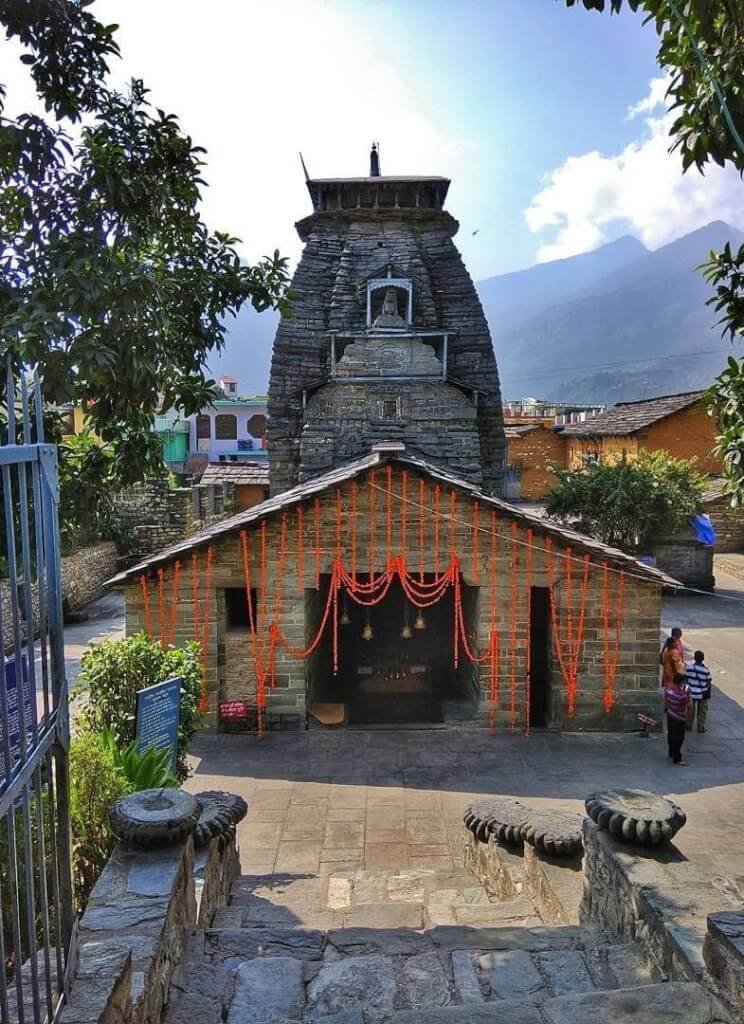
Often referred to as the “Town of the Gopinath Temple”, this magnificent township is a land of unparalleled natural beauty and profound spiritual significance. Located in the Garhwal division of Uttarakhand, Gopeshwar serves as the administrative headquarters of Chamoli district and is home to the ancient Gopinath Temple, a 9th–11th century Shiva temple built by the Katyuri kings.
What makes Gopeshwar truly special is its extraordinary diversity—from the ancient Gopinath Temple with its mysterious 5-metre trident that never rusts to the Vaitarni Kund and its group of temples, from the town’s role as the birthplace of the Chipko Movement in the 1970s to its location as the gateway to Chopta, Tungnath, and Auli. The town is a living repository of the Garhwali heritage, with a legacy that connects it to the Katyuri dynasty, the Pandavas, and the environmental movement that inspired the world.
The name “Gopeshwar” is derived from “Gopa” (cowherd) and “Ishwar” (Lord), meaning “Lord of the Cowherds” — a reference to Lord Krishna. According to historians, the name Gopeshwar has associations with the name of Lord Krishna.
The journey to Gopeshwar, which begins from the spiritual hubs of Rishikesh or Haridwar, is an accessible yet profoundly rewarding adventure through sacred confluences, ancient temples, and the majestic Himalayan wilderness. It offers a profound sense of peace, spiritual connection, and a deep appreciation for the rich cultural heritage of Uttarakhand.
Key Information at a Glance
| Aspect | Details |
|---|---|
| Location | Chamoli District, Uttarakhand |
| Type | Township / District Headquarters |
| District | Chamoli |
| Coordinates | 30°25′N 79°20′E / 30.42°N 79.33°E |
| Elevation | 1,550 m (5,090 ft) |
| Area | 30 km² |
| Population (2011) | 21,447 |
| Official Language | Hindi |
| Regional Language | Garhwali |
| PIN Code | 246401 |
| Vehicle Registration Code | UK-11 (Chamoli) |
| Nearest Airport | Jolly Grant Airport, Dehradun (~225 km) |
| Nearest Railway Station | Rishikesh (~205 km) |
| Best Time to Visit | March–June & September–October |
| Known For | Gopinath Temple, Vaitarni Kund, Chipko Movement, Gateway to Chopta & Tungnath |
History of Gopeshwar
Ancient Roots in the Katyuri Dynasty
Gopeshwar has a history that dates back to the ancient Katyuri dynasty, which ruled the Garhwal region from the 3rd century A.D. after the Gupta Dynasty until the 14th century A.D., when the Chand Dynasty rose to power. The Gopinath Temple was erected somewhere between the 9th and 11th centuries by the affluent Katyuri kings.
The Vaitarani Kund and group of temples in Gopeshwar is a pre-12th century Hindu pilgrim site, located about 1,008 feet northwest of the Gopinath temple along the hillside, and was likely built by the Katyuri dynasty.
The Legend of the Trident
The Gopinath Temple is home to a 5-metre-high trident (trishul) made of eight different metals, which dates back to the 12th century. The trident bears inscriptions attributed to Ashokchalla, the king of Nepal who reigned in the 13th century. According to legend, the trident got fixed in this spot when Lord Shiva threw it at Lord Kama (Kamdeva), the God of Love, to kill him. The metal of the trident is not weathered by the elements, and this remains a wonder to this day. It is believed that while brute force cannot move this trident, the slightest touch by a true devotee can cause a tremor in it.
The Birthplace of the Chipko Movement
Gopeshwar holds a special place in the history of environmental conservation. The Chipko Movement — a forest conservation movement where villagers, particularly women, hugged trees to protect them from being cut down — was first started in Gopeshwar in 1973. On April 24, 1973, the first protest of Chipko began with C.P. Bhatt and his co-workers marching to stop the felling of trees in Gopeshwar. This one protest resulted in the Forest Department cancelling the tree-felling company’s permit and assigning the trees to DGSM. The leader of the Chipko movement was Chandi Prasad Bhatt, who belonged to the Gandhian school of thought.
Modern Administrative History
Gopeshwar is a township in the Garhwal hills and a municipal board within Chamoli district. It is the administrative headquarters of the Chamoli District of Uttarakhand. The town has grown from an ancient temple settlement into a modern administrative centre while retaining its spiritual and cultural heritage.
Geography of Gopeshwar
Location and Topography
Gopeshwar is situated at an elevation of 1,550 metres (5,090 feet) above sea level in the Chamoli district of Uttarakhand. The town is nestled amidst beautiful mountain ranges, terrace farms, and small lakes, offering splendid views of the Garhwal Himalayas laden with dense vegetation of deodar and pine trees.
| Feature | Details |
|---|---|
| Location | Chamoli district, Garhwal Himalayas, Uttarakhand |
| Coordinates | 30°25′N 79°20′E |
| Elevation | 1,550 m (5,090 ft) |
| Terrain | Hill town, surrounded by mountain ranges and terrace farms |
| Key Rivers | Alaknanda (near Chamoli) |
| Distance from Chamoli | 8.4 km |
| Distance from Rishikesh | 203 km |
The Himalayan Panorama
Gopeshwar is able to captivate any visitor with its mystic charm and pristine beauty. There are multiple snow-capped hills and peaks visible from Gopeshwar, making it a picturesque destination for nature lovers and photographers alike.
Major Landmarks and Valleys
Gopeshwar is surrounded by several prominent landmarks and scenic valleys:
- Vaitarni Kund – A sacred water storage facility and group of temples without idols
- Gopinath Temple – The ancient Shiva temple that is the main attraction of the town
- Oak View – A scenic viewpoint offering panoramic views of the surrounding forests
- Pt. Dindayal Park – A popular recreational spot in the town
Flora and Fauna
Flora
Gopeshwar is blessed with the rich biodiversity typical of the Garhwal Himalayan region. The town is surrounded by dense forests of deodar and pine trees, along with rhododendron and alpine meadows.
Forest Types:
- Temperate Deciduous Forests – The Trishula Reserve Forest adjoins the sanctuary on the Gopeshwar-Mandal side and is a well-preserved temperate deciduous forest
- Subtropical Forests – Represented mainly by Chir pine (Pinus roxburghii) up to 2,000 m
- Ban Oak Forests – Quercus incana (1,500–2,100 m) and Moru oak are found in the region
- Alpine Meadows – Found in the higher elevations near Chopta and Tungnath
Medicinal Plants:
The region is rich in medicinal herbs and Himalayan wildflowers. The Valley of Flowers, a UNESCO World Heritage Site located nearby, is home to over 600 species of flowering plants, including Brahma Kamal, Himalayan Blue Poppy, and cobra lilies.
Fauna
Gopeshwar and its surrounding regions are home to a remarkable variety of Himalayan wildlife, including several endangered species.
Mammals:
- Musk Deer – The endangered flagship species of the Kedarnath Musk Deer Sanctuary
- Leopard – The apex predator of the region
- Himalayan Black Bear
- Barking Deer (Kakar)
- Wild Boar
- Himalayan Tahr
- Serow
- Red Fox
Birds:
- Himalayan Monal – Uttarakhand’s state bird
- Golden Eagle
- Bearded Vulture
- Himalayan Griffon
- Various pheasant species – The region is a paradise for birdwatchers
Protected Areas
| Protected Area | Type | Significance |
|---|---|---|
| Kedarnath Musk Deer Sanctuary | Wildlife Sanctuary | Home to the endangered musk deer, leopard, and Himalayan monal |
| Trishula Reserve Forest | Reserve Forest | Well-preserved temperate deciduous forest |
| Nanda Devi Biosphere Reserve | Biosphere Reserve | UNESCO Site, accessible from the region |
| Valley of Flowers National Park | National Park | UNESCO World Heritage Site, 600+ plant species |
Religious Beliefs and Significance
The Land of Lord Shiva
Gopeshwar is rightly called the “Abode of Lord Shiva”. The town is deeply revered in Hindu mythology as the site where Lord Shiva threw his trident at Kamdeva, the God of Love, to kill him. The trident got fixed in this spot, and the Gopinath Temple was built around it.
The Gopinath Temple
The Gopinath Temple is the most famous in Gopeshwar, dedicated to Lord Shiva. It is an ancient Hindu temple that stands out in its architectural proficiency. The temple is topped by a magnificent dome and has a 30 sq ft sanctum sanctorum that is accessible by 24 doors. The remains of broken idols found around the temple testify to the existence of several more temples in ancient times.
The temple’s priests and patrons are very active, and there are colourful festivals, rituals, and events throughout the year. The temple was erected somewhere between the 9th and 11th centuries by the affluent Katyuri kings.
The Legend of Kamdeva
According to Hindu mythology, Kamdeva (the God of Love) once shot his flower arrows at Lord Shiva to disturb his meditation. Enraged, Lord Shiva opened his third eye and reduced Kamdeva to ashes. The trident that Shiva threw at Kamdeva got fixed at this spot, and it is believed that while brute force cannot move this trident, the slightest touch by a true devotee can cause a tremor in it.
The Vaitarni Kund
The Vaitarni Kund is a sacred water storage facility in Gopeshwar, believed to be associated with the Vaitarni river mentioned in Hindu scriptures. The group of temples without idols near the kund adds to the spiritual significance of the site.
Other Temples and Shrines
Gopeshwar is also home to several other temples and religious sites:
- Satpnath Temple – Located near Gopeshwar, dedicated to Lord Shiva
- Rudranath Temple – One of the Panch Kedar temples, located about 14 km from Gopeshwar
- Karthik Swamy Temple – Located 38 km from Gopeshwar
- Gopinath Temple Museum – Houses medieval sculptures worth exploring
Local Festivals and Celebrations
Gopeshwar celebrates several festivals with great enthusiasm:
- Mahashivaratri – The temple sees elevated activity during this festival dedicated to Lord Shiva
- Navratri – Celebrated with great fervour in April and October
- Diwali – The festival of lights
- Harela – A festival celebrating the sowing of seeds and the arrival of spring
- Local Fairs – Traditional fairs that showcase the vibrant culture of the Garhwal region
How to Reach Gopeshwar
Gopeshwar is well connected by road and can be easily reached from major cities in Uttarakhand and North India.
By Air
The nearest airport is Jolly Grant Airport in Dehradun, approximately 225 km from Gopeshwar. Jolly Grant Airport is well connected to Delhi with daily flights. Taxis are available from the airport to Gopeshwar.
| Route | Distance | Travel Time |
|---|---|---|
| Jolly Grant Airport → Gopeshwar | ~225 km | 7–8 hours |
By Train
The nearest railway station is Rishikesh, approximately 205 km from Gopeshwar on NH 58. Rishikesh is well connected by railway networks with major destinations of India, and trains to Rishikesh are frequent. Taxis and buses are available from Rishikesh to Gopeshwar.
| Route | Distance | Travel Time |
|---|---|---|
| Rishikesh → Gopeshwar | ~205 km | 7–8 hours |
By Road
Gopeshwar is well connected by motorable roads with major destinations in Uttarakhand state. The town is situated on the road connecting NH 119 and NH 58. Buses to Rishikesh and Srinagar are available from ISBT Kashmiri Gate, Delhi.
| Route | Distance | Travel Time |
|---|---|---|
| Delhi → Gopeshwar | ~433–441 km | 11–12 hours |
| Dehradun → Gopeshwar | ~253 km | 8–9 hours |
| Rishikesh → Gopeshwar | ~203 km | 7–8 hours |
| Haridwar → Gopeshwar | ~228 km | 8–9 hours |
| Rudraprayag → Gopeshwar | ~70–75 km | 2.5 hours |
| Joshimath → Gopeshwar | ~58–62 km | 2 hours |
Bus Services:
- Buses to Rishikesh and Srinagar are available from ISBT Kashmiri Gate, New Delhi
- Buses and taxis to Gopeshwar are easily available from Rishikesh, Pauri, Uttarkashi, Rudraprayag, Ukhimath, Srinagar, and Joshimath
Local Transport
Within Gopeshwar and the surrounding areas, local transport options include:
- Taxis and shared jeeps for local travel
- Walking to explore the temple groups and scenic beauty
- Buses connecting major towns and villages
Weather and Best Time to Visit
Climate Overview
Gopeshwar experiences a humid subtropical climate (Cwa) classified by the Köppen-Geiger system. The town’s elevation of 1,550 metres ensures pleasant temperatures for most of the year, though winters can be very cold.
Seasonal Breakdown
| Season | Months | Weather | Suitability |
|---|---|---|---|
| Summer | March–June | Pleasant, 14–28°C | ⭐ Best |
| Monsoon | July–August | Heavy rainfall, landslides, lush greenery | Avoid |
| Autumn | September–October | Crisp air, clear views | ⭐ Best |
| Winter | November–February | Cold, 0–15°C, snowfall in higher areas | Good for offbeat travel |
Best Time to Visit
| Season | Months | Highlights |
|---|---|---|
| Summer | March–June | Pleasant weather, clear views, ideal for trekking and sightseeing |
| Autumn | September–October | Post-monsoon clarity, crisp air, best mountain views |
| Winter | November–February | Snowfall in higher areas, peaceful atmosphere |
Note: The best time to visit Gopeshwar is from March to June and September to October. May brings Gopeshwar’s best weather — 15–28°C, long sunny days, and the Chopta-Tungnath trail in perfect form. Avoid visiting during July and August due to heavy rainfall and landslide risk. Winters can be very cold, and some higher routes are closed by snow.
Temperature
| Season | Daytime Temperature | Nighttime Temperature |
|---|---|---|
| Summer (April–June) | 14°C to 28°C | 10°C to 15°C |
| Monsoon (July–August) | 15°C to 25°C | 12°C to 18°C |
| Autumn (Sept–Oct) | 15°C to 26°C | 8°C to 14°C |
| Winter (Nov–Feb) | 3°C to 15°C | -2°C to 5°C |
Nearby Places
| Destination | Distance from Gopeshwar | Highlights |
|---|---|---|
| Chopta | ~37–40 km | “Mini Switzerland of India,” Tungnath trek base |
| Tungnath Temple | ~40 km | World’s highest Shiva temple, Chandrashila trek |
| Deoria Tal | ~45 km | High-altitude lake, mirror of the Himalayas |
| Auli | ~63–71 km | Skiing capital of India, cable car, meadows |
| Joshimath | ~58–62 km | Gateway to Badrinath, Shankaracharya Math |
| Rudranath Temple | ~14–60 km | Panch Kedar, face of Lord Shiva |
| Ukhimath | ~32 km | Omkareshwar Temple, winter seat of Kedarnath |
| Kedarnath | ~105 km | Jyotirlinga, Char Dham temple |
| Badrinath | ~107 km | Char Dham temple, Lord Vishnu |
| Valley of Flowers | ~85 km | UNESCO World Heritage Site, 600+ plant species |
| Hemkund Sahib | ~90 km | Sacred Sikh pilgrimage site, high-altitude lake |
Distance from Major Cities
| City | Distance (Approx.) | Travel Time |
|---|---|---|
| Delhi | ~433–441 km | 11–12 hours |
| Dehradun | ~253 km | 8–9 hours |
| Rishikesh | ~203 km | 7–8 hours |
| Haridwar | ~228 km | 8–9 hours |
| Rudraprayag | ~70–75 km | 2.5 hours |
| Joshimath | ~58–62 km | 2 hours |
| Nainital | ~232 km | 8–9 hours |
| Chandigarh | ~417 km | 10–11 hours |
Frequently Asked Questions (FAQs)
General Questions
Q1: What is Gopeshwar?
A: Gopeshwar is a township and municipal board in the Chamoli district of Uttarakhand, serving as the district headquarters. It is known for the ancient Gopinath Temple and as the birthplace of the Chipko Movement.
Q2: Where is Gopeshwar located?
A: Gopeshwar is located in the Chamoli district of Uttarakhand, in the Garhwal Himalayas, at an elevation of 1,550 metres.
Q3: What is the elevation of Gopeshwar?
A: Gopeshwar is situated at an elevation of 1,550 metres (5,090 feet) above sea level.
Q4: What is Gopeshwar famous for?
A: Gopeshwar is famous for the Gopinath Temple, the Vaitarni Kund, being the birthplace of the Chipko Movement, and as the gateway to Chopta, Tungnath, and Auli.
Q5: What is the best time to visit Gopeshwar?
A: The best time is March–June and September–October. May offers the best weather for trekking and sightseeing.
Q6: What is the nearest airport to Gopeshwar?
A: The nearest airport is Jolly Grant Airport in Dehradun, approximately 225 km away.
Q7: What is the nearest railway station to Gopeshwar?
A: The nearest railway station is Rishikesh, approximately 205 km away.
Q8: How far is Gopeshwar from Delhi?
A: Gopeshwar is approximately 433–441 km from Delhi, about an 11–12 hour drive.
Q9: What is the vehicle registration code for Gopeshwar?
A: The vehicle registration code for Gopeshwar is UK-11 (Chamoli district).
Q10: What is the PIN code of Gopeshwar?
A: The PIN code of Gopeshwar is 246401.
Q11: What is the population of Gopeshwar?
A: According to the 2011 Census, the population of Gopeshwar is 21,447.
Q12: What is the name “Gopeshwar” derived from?
A: The name “Gopeshwar” is derived from “Gopa” (cowherd) and “Ishwar” (Lord), meaning “Lord of the Cowherds,” a reference to Lord Krishna.
Q13: Who built the Gopinath Temple?
A: The Gopinath Temple was erected by the Katyuri kings between the 9th and 11th centuries.
Q14: What is the significance of the trident at Gopinath Temple?
A: The 5-metre-high trident is made of eight different metals and dates back to the 12th century. It is believed to have been fixed in the spot when Lord Shiva threw it at Kamdeva.
Q15: What is the Chipko Movement?
A: The Chipko Movement was a forest conservation movement where villagers hugged trees to protect them from being cut down. It was first started in Gopeshwar in 1973.
Q16: What wildlife can be found near Gopeshwar?
A: Gopeshwar is home to musk deer, leopard, Himalayan black bear, barking deer, wild boar, Himalayan tahr, and various bird species including the Himalayan Monal.
Q17: What is the Kedarnath Musk Deer Sanctuary?
A: The Kedarnath Musk Deer Sanctuary is a protected area near Gopeshwar, known for its population of the endangered musk deer.
Q18: How do I reach Gopeshwar from Rishikesh?
A: Gopeshwar is about 205 km from Rishikesh, reachable by road on NH 58. Buses and taxis are readily available.
Q19: What is the mythological significance of Gopeshwar?
A: Gopeshwar is the site where Lord Shiva threw his trident at Kamdeva, the God of Love. The Gopinath Temple was built around this sacred spot.
Q20: What are the nearby places to visit from Gopeshwar?
A: Nearby places include Chopta (37 km), Tungnath (40 km), Deoria Tal (45 km), Auli (63 km), and Joshimath (58 km).
Q21: What is the local language of Gopeshwar?
A: The official language is Hindi, and the regional language is Garhwali.
Q22: Is Gopeshwar a good destination for offbeat travellers?
A: Yes, Gopeshwar is an offbeat destination perfect for those seeking ancient temples, Himalayan scenery, and a glimpse of the Chipko Movement’s legacy.
Q23: What is the Vaitarni Kund?
A: The Vaitarni Kund is a sacred water storage facility in Gopeshwar, associated with the Vaitarni river mentioned in Hindu scriptures.
Q24: What food is available in Gopeshwar?
A: Local Garhwali dishes such as aloo ke gutke, gahat, chainsoo, and mandua roti are available in local eateries.
Q25: Is photography allowed in Gopeshwar?
A: Yes, photography is allowed, but respect local traditions and seek permission where required.
Q26: Can I stay in Gopeshwar?
A: Yes, accommodation is available in hotels, guesthouses, and GMVN properties. Room rates range from ₹400 to ₹2,500 per night.
Q27: What is the distance from Rishikesh to Gopeshwar?
A: The distance from Rishikesh to Gopeshwar is approximately 203 km.
Q28: What is the distance from Dehradun to Gopeshwar?
A: The distance from Dehradun to Gopeshwar is approximately 253 km.
Q29: What is the distance from Haridwar to Gopeshwar?
A: The distance from Haridwar to Gopeshwar is approximately 228 km.
Q30: What is the best way to explore Gopeshwar?
A: The best way is by foot or car — walking allows you to explore the temple groups, kunds, and scenic beauty at your own pace.
Essential Tips for Visitors
- Best Time: Plan your visit between March–June or September–October for pleasant weather
- Footwear: Wear comfortable walking shoes as the terrain is hilly and uneven
- Clothing: Carry light woollens even in summer, as evenings can be cool; heavy woollens in winter
- Monsoon Caution: Avoid visiting during July–August due to heavy rainfall and landslides
- Trek Preparation: If planning treks to Tungnath, Chopta, or Deoria Tal, ensure good physical fitness and proper gear
- Local Cuisine: Try local Garhwali dishes like aloo ke gutke, gahat, chainsoo, and mandua roti
- Hydration: Carry water, especially if exploring on foot
- Accommodation: Book in advance during peak seasons (May–June and September–October)
- Respect Local Culture: Gopeshwar is a sacred land; maintain the sanctity of temples and natural sites
- Leave No Trace: Respect the fragile Himalayan ecosystem
- Inform Family: Let someone know your itinerary, especially if trekking in remote areas
- Weather Updates: Check weather forecasts before travelling, especially during monsoon and winter
- Emergency Contacts: District Hospital Gopeshwar is available for medical emergencies
Plan Your Gopeshwar Adventure with Discover Uttarakhand
At Discover Uttarakhand, we’ve been organising unforgettable Himalayan journeys since 1997. As a trusted local operator with deep knowledge of the Garhwal region, we offer:
✅ Customised Gopeshwar tour packages
✅ Combined itineraries with Chopta, Tungnath, Auli, and Badrinath
✅ Experienced local guides and temple historians
✅ Comfortable transport with experienced hill drivers
✅ All necessary permits and arrangements
✅ Quality accommodation and nutritious meals
✅ 24/7 customer support throughout your journey
Recommended Gopeshwar Packages
| Package | Duration | Starting Point | Highlights |
|---|---|---|---|
| Gopeshwar Temple Trail | 3 Days / 2 Nights | Rishikesh | Gopinath Temple, Vaitarni Kund, Oak View |
| Gopeshwar & Chopta Expedition | 5 Days / 4 Nights | Rishikesh | Gopeshwar, Chopta, Tungnath, Deoria Tal |
| Gopeshwar Spiritual Journey | 6 Days / 5 Nights | Delhi | Gopeshwar, Rudranath, Ukhimath, Joshimath |
| Gopeshwar Complete Exploration | 7 Days / 6 Nights | Delhi | Gopeshwar, Auli, Badrinath, Valley of Flowers |
📞 Call / WhatsApp: +91-9997187178, 9760222178, 8171977178
📍 Visit Our Office: Himalayan Colony, opposite DSVV, Haripur Kalan, Haridwar, Motichur Range, Uttarakhand 249411
🌐 Website: www.discover-uttarakhand.com
📧 Email: discoveruttarakhand.mail@gmail.com
Plan your journey to Gopeshwar with proper preparation and respect for this sacred land where mythology comes alive. Experience the divine presence of the Himalayas in one of India’s most spiritually significant and naturally breathtaking destinations.
Discover Uttarakhand – Your Local Partner for Unforgettable Himalayan Journeys Since 1997 🏔️