
Introduction: The Abode of Snow Leopards and Gods
Nestled in the majestic Garhwal Himalayas of Uttarakhand’s Uttarkashi district, Govind Pashu Vihar National Park and Wildlife Sanctuary (also known as Govind National Park) is a breathtaking wilderness area that ranks among India’s most significant ecological treasures. Spanning approximately 958 square kilometres, this protected area is a paradise for nature lovers, wildlife enthusiasts, and adventure seekers from around the world.
The park was initially established as a wildlife sanctuary in 1955 and later upgraded to a national park in 1990. Named after Govind Ballabh Pant, a prominent Indian freedom fighter and statesman who served as Home Minister and was instrumental in establishing Hindi as an official language, the park forms part of the Western Himalayan biogeographic zone.
What makes Govind Pashu Vihar truly extraordinary is its incredible altitudinal range—from 1,400 metres to 6,323 metres —creating a spectacular variety of ecosystems from subtropical forests to alpine meadows and glaciers. The park lies in the upper catchment of the Tons River, the main tributary of the Yamuna, and its dramatic landscapes of deodar forests, cascading waterfalls, and snow-capped peaks have earned it a reputation as one of Uttarakhand’s most stunning protected areas.
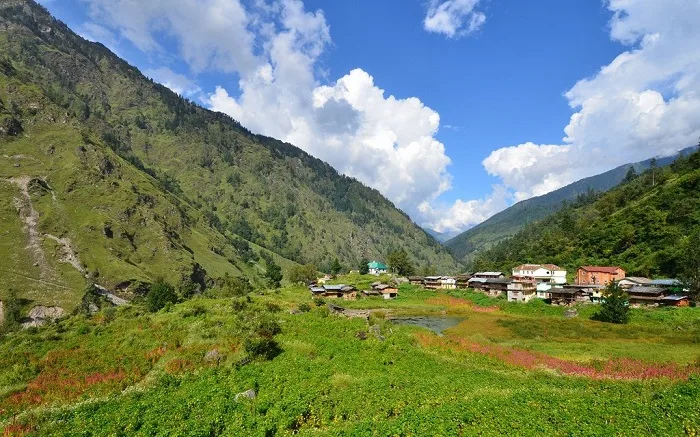
The park is perhaps most famous for being home to the Har Ki Dun Valley, also known as the “Valley of Gods”, a cradle-shaped alpine basin believed to be the route taken by the Pandavas on their journey to heaven. It is also a critical habitat for the endangered snow leopard, with the park identified as an area of importance for snow leopard conservation.
Whether you are a trekker seeking the legendary Har Ki Dun or Kedarkantha trails, a wildlife enthusiast hoping to spot the elusive snow leopard or Himalayan monal, a birdwatcher drawn to over 100 species, or a nature lover wanting to explore pristine deodar forests and alpine meadows, Govind Pashu Vihar National Park promises an unforgettable Himalayan adventure.
Key Information at a Glance:
| Aspect | Details |
|---|---|
| Location | Uttarkashi district, Uttarakhand |
| Area | 958 sq km (approx.) |
| Established | 1955 (Sanctuary); 1990 (National Park) |
| Named After | Govind Ballabh Pant |
| Elevation Range | 1,400 m – 6,323 m |
| River System | Tons River (tributary of Yamuna) |
| Famous For | Har Ki Dun Valley, Snow Leopard, Kedarkantha Trek |
| Nearest Town | Sankri (base camp for treks) |
| Nearest Airport | Jolly Grant Airport, Dehradun (~200 km) |
| Nearest Railway Station | Dehradun Railway Station (~190 km) |
| Park Season | March – November (closed Dec–Feb due to snow) |
| Best Time to Visit | April–June & September–November |
History: From Sanctuary to National Park
Establishment as a Wildlife Sanctuary (1955)
The area was first notified as a wildlife sanctuary on March 1, 1955, under the name Govind Wildlife Sanctuary. The sanctuary was created to protect the unique biodiversity of the Tons Valley and provide a haven for endangered Himalayan species, including the snow leopard, brown bear, and musk deer.
Upgrade to National Park (1990)
Recognising the area’s exceptional ecological significance, the sanctuary was upgraded to a national park in 1990. The park now encompasses a core area of approximately 958 square kilometres, while the surrounding buffer zone continues to be managed as a wildlife sanctuary.
The Name: Govind Ballabh Pant
The park is named after Govind Ballabh Pant (1887–1961), a revered Indian freedom fighter who played a pivotal role in the Indian independence movement. He served as the first Chief Minister of Uttar Pradesh and later became India’s Home Minister. He is particularly remembered for his achievement in establishing Hindi as an official language of India.
Snow Leopard Project
The park has been identified as a priority area for snow leopard conservation. The Snow Leopard Project started by the Government of India is being actively managed at this sanctuary, making it one of the remaining strongholds in the Himalayas for this elusive predator.
Important Bird Area (IBA) Designation
Govind National Park and Wildlife Sanctuary has been designated as an Important Bird Area (IBA) by BirdLife International. This recognition highlights the park’s critical importance for the conservation of avian species, including globally threatened birds like the Western Tragopan and Cheer Pheasant.
Geography: The Lay of the Sacred Land
Location and Setting
Govind Pashu Vihar National Park is situated in the Uttarkashi district of Uttarakhand, in the Garhwal region of the Himalayas. The protected area landscape lies between latitudes 35°55′–31°17′ N and longitude 77°47′–78°37′ E.
The park comprises two major valleys—the Rupin Valley and Supin Valley—that form important catchments for the Tons River, the main tributary of the Yamuna River. The park’s northeast boundary forms part of the upper catchment area of the Tons, which eventually joins the Yamuna and flows through the plains of North India.
Altitudinal Zones
The park covers a dramatic altitudinal range from 1,400 metres to 6,323 metres above sea level. This vast range creates several distinct biomes:
| Altitude Zone | Vegetation Type | Elevation Range |
|---|---|---|
| Subtropical Zone | Pine, alder, deciduous trees | 1,200–1,700 m |
| Temperate Zone | Oak, deodar, rhododendron | 1,700–3,500 m |
| Sub-alpine Zone | Birch, fir, rhododendron campanulatum | 3,000–3,800 m |
| Alpine Zone | Grasses, sedges, medicinal herbs | Above 3,500 m |
Climate
The park experiences a monsoon-influenced high-altitude climate:
| Season | Months | Weather Conditions |
|---|---|---|
| Summer | April–June | Pleasant, clear skies, 15°C–25°C (day) |
| Monsoon | July–August | Heavy rainfall (~1,500 mm at lower altitudes) |
| Autumn | September–November | Clear skies, crisp air, 8°C–18°C (day) |
| Winter | December–March | Extremely cold, heavy snowfall, park closed |
Average Rainfall: Approximately 1,500 mm during July–August at lower altitudes.
Winter Conditions: The area experiences extreme cold and snow during the three to four months of winter, making most of the park inaccessible.
Flora: The Green Heritage of the Tons Valley
Forest Types
Govind Pashu Vihar National Park boasts a diverse range of vegetation types due to its extensive altitudinal range :
| Elevation Zone | Vegetation Type | Dominant Species |
|---|---|---|
| Subtropical (1,200–1,700 m) | Subtropical forests | Pinus roxburghii (Chir Pine), Alnus nepalensis (Alder), Mallotus philippensis, Toona ciliata |
| Temperate (1,700–3,500 m) | Temperate forests | Quercus spp. (Oak), Cedrus deodara (Deodar), Juglans regia (Walnut), Rhododendron arboreum, Picea smithiana |
| Sub-alpine (3,000–3,800 m) | Sub-alpine forests | Taxus wallichiana (Himalayan Yew), Quercus semecarpifolia, Pinus wallichiana, Rhododendron campanulatum |
| Alpine (>3,500 m) | Alpine meadows (Bugyals) | Danthonia cachemyriana, Nardostachys jatamansi (Jatamansi), Picrorhiza kurroa, Androsace globifera, Aconitum species, Gentiana species, Potentilla species |
Iconic Flowers
The park’s alpine meadows, locally known as Bugyals, burst into a riot of colours during the summer months :
| Flower | Description | Blooming Season |
|---|---|---|
| Rhododendron | Bright red blooms in temperate forests | March–April |
| Brahma Kamal | Sacred white flower; found in higher altitudes | July–August |
| Blue Poppy | Rare Himalayan flower; prized by botanists | July–August |
| Jatamansi | Medicinal herb; highly valued | Summer |
The Har Ki Dun Valley is particularly famous for its wild Himalayan flowers, which carpet the valley in vibrant colours during the flowering season.
Medicinal Plants
The park is rich in medicinal plants used in traditional Himalayan remedies. Key medicinal species include:
- Nardostachys jatamansi (Jatamansi) – Used for nervous system disorders
- Picrorhiza kurroa (Kutki) – Used for liver disorders
- Aconitum heterophyllum (Atis) – Used for fevers
- Aconitum balfourii – Used in traditional medicine
The collection of medicinal plants is regulated by the forest department to ensure sustainable use.
Fauna: The Hidden Inhabitants of the Sanctuary
Mammals: The Snow Leopard’s Kingdom
Govind Pashu Vihar National Park is a haven for wildlife enthusiasts, housing several rare and endangered species. The park is particularly significant for its snow leopard population, being one of the remaining strongholds in the Himalayas for this elusive predator.
| Species | Scientific Name | Status | Habitat | Notes |
|---|---|---|---|---|
| Snow Leopard | Uncia uncia | Endangered | High alpine zones | Primary prey of the snow leopard |
| Brown Bear | Ursus arctos | Endangered | High alpine meadows | Rare sighting |
| Himalayan Black Bear | Ursus thibetanus | Vulnerable | Temperate forests | |
| Musk Deer | Moschus chrysogaster | Endangered | Alpine meadows | Prized for musk |
| Himalayan Tahr | Hemitragus jemlahicus | Near Threatened | Rocky slopes | |
| Bharal (Blue Sheep) | Pseudois nayaur | Schedule I | Alpine meadows | Primary prey of snow leopard |
| Leopard | Panthera pardus | Vulnerable | Throughout | |
| Serow | Capricornis sumatraensis | Vulnerable | Forested slopes | |
| Goral | Nemorhaedus goral | Schedule I | Precipitous slopes | |
| Sambar | Cervus unicolor | Least Concern | Forests | |
| Barking Deer (Muntjac) | Muntiacus muntjak | Least Concern | Forests | |
| Wild Boar | Sus scrofa | Least Concern | Throughout |
Snow Leopard Population: The park has been identified as an area of importance for snow leopard conservation. Winter (December–February) is considered the best time for snow leopard tracking expeditions.
Birds: A Birder’s Paradise
Govind Pashu Vihar has been designated as an Important Bird Area (IBA) by BirdLife International. A total of 102 bird species have been identified based on preliminary investigation, with experts believing the actual number could exceed 200 species.
Galliformes (Pheasant Species) – 6 Species Recorded:
| Species | Scientific Name | Significance |
|---|---|---|
| Western Tragopan | Tragopan melanocephalus | Globally threatened; one of the rarest pheasants in the world |
| Cheer Pheasant | Catreus wallichii | Globally threatened |
| Himalayan Monal | Lophophorus impejanus | State bird of Uttarakhand; vibrant plumage |
| Koklass Pheasant | Pucrasia macrolopha | Resident breeder |
| Kaleej Pheasant | Lophura leucomelanos | Resident |
| Chukor Partridge | Alectoris chukar | Resident |
Encounter Rates from 1992 Survey :
| Species | Encounter Rate (number/km) |
|---|---|
| Himalayan Monal | 0.14 – 0.92 |
| Koklass Pheasant | 0.4 |
| Kaleej Pheasant | 1.6 |
- Sino-Himalayan Temperate Forest (Biome-7) – Representative species present
- Eurasian High Montane – Alpine Forest (Biome-5) – Representative species present
Other Notable Birds:
- Bearded Vulture (Lammergeier) – Vital ecological catalyst; one of the remaining strongholds in the Himalayas
- Golden Eagle
- Himalayan Griffon Vulture
- Snow Partridge
Butterflies
The park is also rich in insect life, with 70 species of butterflies recorded in the area. These colourful insects add to the vibrant beauty of the alpine meadows during the summer months.
Conservation Challenges
The park faces several conservation pressures :
| Threat | Description |
|---|---|
| Grazing Pressure | Summer camps of Gujjars; large flocks of sheep and goats from other parts of Garhwal |
| Medicinal Plant Collection | Up to 1,000 Nepali labourers hired by local contractors for collection |
| Timber Extraction | Up to 1,000 Nepali labourers hired by local contractors for the collection |
| Hunting Pressure | Substantial hunting for musk deer, goral, and large birds; every village has at least one regular hunter |
| Border Disputes | Uttarakhand Timber Corporation harvests deodar from the lower portions |
Major Attractions and Treks
1. Har Ki Dun Valley – The Valley of Gods
Har Ki Dun (also spelt Har Ki Doon) is the crown jewel of Govind Pashu Vihar National Park and one of the most beautiful trekking destinations in the Indian Himalayas. This cradle-shaped hanging valley sits at an altitude of approximately 3,566 metres (11,700 feet) and is surrounded by snow-capped peaks, including the majestic Swargarohini massif, Black Peak (Kalanag), and Bandarpoonch.
| Aspect | Details |
|---|---|
| Altitude | 3,566 m (11,700 ft) |
| Trek Distance (from Sankri) | ~44–48 km round trip |
| Trek Duration | 6–7 days |
| Difficulty | Easy to Moderate |
| Best Time | April–June & September–October |
Mythological Significance: According to the Mahabharata, the Pandavas passed through this valley on their final journey to heaven, and the Swargarohini peaks are believed to be the “Stairway to Heaven”.
Trek Highlights:
- Walk through the Valley of Gods with 360° views of Himalayan peaks
- Pass through ancient villages like Osla, known for its wooden temple dedicated to Duryodhana
- Camp in alpine meadows surrounded by snow-covered giants
- Spot Himalayan monal, musk deer, and other wildlife
2. Kedarkantha Trek
Kedarkantha is one of the most popular winter treks in India, located within the Govind Pashu Vihar landscape. The summit offers spectacular 360° views of the Himalayan ranges.
| Aspect | Details |
|---|---|
| Altitude | ~3,800 m (12,500 ft) |
| Trek Duration | 4–6 days |
| Difficulty | Easy to Moderate |
| Best Time | December–April (snow trek) |
Why It’s Famous:
- Stunning snow-covered landscapes in winter
- Summit views of Swargarohini, Bandarpoonch, and Kedarnath peaks
- Camping in dense pine and deodar forests
3. Rupin Pass Trek
The Rupin Pass is a high-altitude crossover trek that passes through the park, connecting Uttarakhand with Himachal Pradesh.
| Aspect | Details |
|---|---|
| Altitude | ~4,650 m (15,250 ft) |
| Trek Duration | 7–9 days |
| Difficulty | Moderate to Difficult |
| Best Time | May–June & September–October |
Highlights:
- Dramatic landscapes changing from forests to meadows to snowfields
- The famous Rupin Waterfall drops 1,500 feet
- Crossing the Rupin Gully in the snow
4. Snow Leopard Tracking
For wildlife enthusiasts, winter is the best time for snow leopard tracking expeditions. The park is one of the remaining strongholds of this elusive predator, and guided tracking trips offer a chance to spot the “ghost of the mountains” in its natural habitat.
| Aspect | Details |
|---|---|
| Best Time | December–February |
| Expertise Required | Guided tours essential |
| Success Rate | Low (elusive species) |
5. Juda Ka Talab
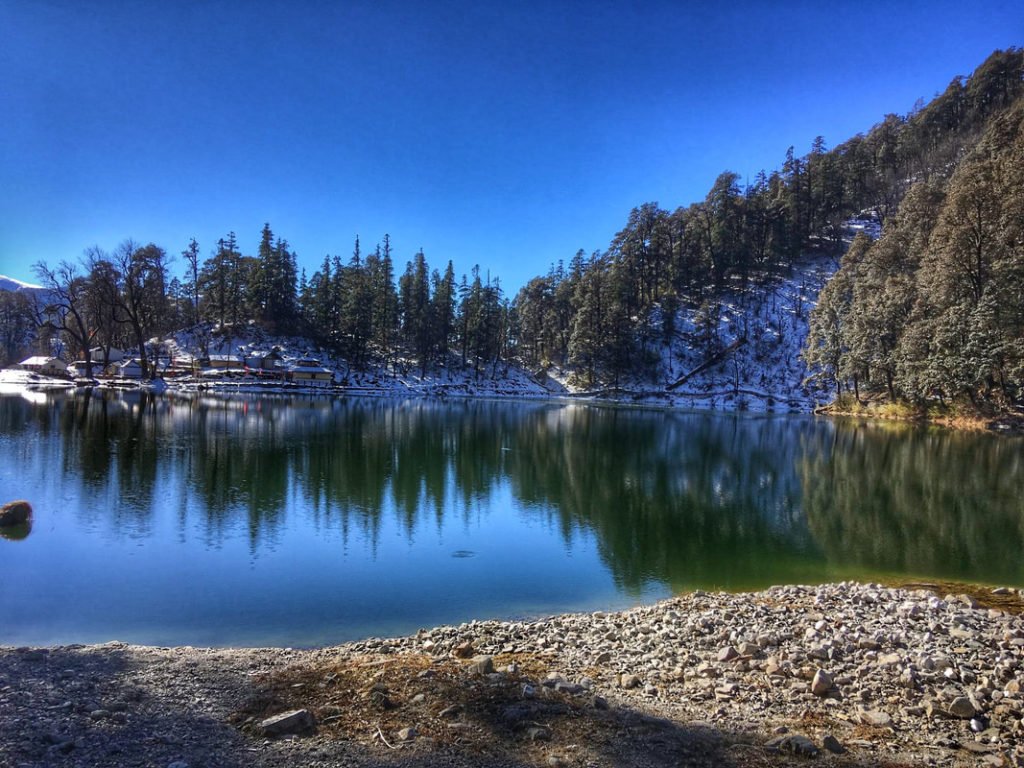
Juda Ka Talab is a scenic high-altitude lake surrounded by dense forests, perfect for camping and photography.
| Aspect | Details |
|---|---|
| Location | Near Sankri |
| Best For | Camping, photography, nature walks |
6. Floral Meadows (Bugyals)
The park’s alpine meadows, locally known as Bugyals, burst into a riot of colours during spring and are ideal for photography and relaxation.
The Har Ki Dun Trek: Complete Guide
The Har Ki Dun Trek is the most popular trek in Govind Pashu Vihar National Park and one of the most scenic beginner-friendly treks in India.
Trek Overview
| Aspect | Details |
|---|---|
| Starting Point | Sankri Village |
| Maximum Altitude | 3,566 m (11,700 ft) |
| Total Trek Distance | 44–48 km (round trip) |
| Trek Duration | 6–7 days |
| Difficulty | Easy to Moderate |
| Suitable for | Beginners, families with teenagers, solo travellers |
| Best Time | April–June & September–November |
Day-by-Day Itinerary (7 Days)
Day 1: Dehradun to Sankri (Drive)
| Aspect | Details |
|---|---|
| Distance | ~200 km |
| Duration | 8–9 hours |
| Altitude Gain | ~640 m (Dehradun) → 1,950 m (Sankri) |
Highlights:
- Scenic drive via Mussoorie, Nainbagh, Purola, and Mori
- Enter the Govind Pashu Vihar National Park after Netwar
- Arrive at Sankri, the charming base village for the trek
Road Conditions: The route winds through pine forests, apple orchards, and glacial rivers. The final stretch from Netwar to Sankri is a narrow, uphill road surrounded by dense forest.
Day 2: Sankri to Gangad (Drive) + Trek to Osla
| Aspect | Details |
|---|---|
| Drive | 23 km (2 hours) |
| Trek Distance | 4.5 km |
| Trek Duration | 5–6 hours |
| Altitude Gain | 1,950 m → 2,500 m |
Highlights:
- Drive along the Tons River through pine and cedar forests
- Taluka village (2,100 m) – the last motorable point and start of the trek
- Trek through the Govind Pashu Vihar Wildlife Sanctuary
- Arrive at Osla village, known for its ancient wooden temple dedicated to Someshwar Devta (Duryodhana)
Day 3: Osla to Bhoslo (Caldera)
| Aspect | Details |
|---|---|
| Trek Distance | 9 km |
| Trek Duration | 5–6 hours |
| Altitude Gain | 2,500 m → 3,200 m |
Highlights:
- Trail ascends along the Supin River
- Pass through pine, deodar, and rhododendron forests
- First views of Swargarohini, Bandarpoonch, and Kalanag peaks
- Camp at Bhoslo, an intermediate campsite amidst open meadows
Day 4: Bhoslo to Har Ki Dun Valley and Malinda Lake
| Aspect | Details |
|---|---|
| Trek Distance | 12 km (round trip) |
| Trek Duration | 8–9 hours |
| Altitude Gain | 3,200 m → 3,566 m (Har Ki Dun) → 3,700 m (Malinda Lake) |
Highlights:
- The most rewarding day of the trek
- Enter the legendary Har Ki Dun Valley – the “Valley of Gods”
- 360° views of Swargarohini, Bandarpoonch, Black Peak, and Jaundhar Glacier
- Optional extension to Malinda Lake (3,700 m) for even more spectacular views
- Return to Bhoslo for an overnight camp
Day 5: Bhoslo to Osla (Return Trek)
| Aspect | Details |
|---|---|
| Trek Distance | 9 km |
| Trek Duration | 4–5 hours |
Descend back to Osla village, retracing your steps through the beautiful forests.
Day 6: Osla to Sankri (Trek + Drive)
| Aspect | Details |
|---|---|
| Trek Distance | 4.5 km |
| Drive | 23 km |
Return trek to Taluka, then drive back to Sankri.
Day 7: Sankri to Dehradun (Drive)
| Aspect | Details |
|---|---|
| Distance | ~200 km |
| Duration | 8–9 hours |
Drive back to Dehradun, ending the trek.
Trek Cost
| Operator Type | Price Range (per person) |
|---|---|
| Group Trek (Organized) | ₹8,000 – ₹15,000 |
| Private Trek | ₹18,000 – ₹25,000 |
Inclusions Typically Cover: Permits, guide, meals, camping equipment, transport from Dehradun.
Kedarkantha Trek Guide
The Kedarkantha Trek is another popular trek within the Govind Pashu Vihar landscape, particularly famous as a winter trek.
| Aspect | Details |
|---|---|
| Maximum Altitude | ~3,800 m (12,500 ft) |
| Trek Duration | 4–6 days |
| Difficulty | Easy to Moderate |
| Best Time | December–April (snow trek) |
| Starting Point | Sankri |
Highlights:
- Summit views of Swargarohini, Bandarpoonch, and Kedarnath peaks
- Camping in snow-covered landscapes
- Rhododendron forests in spring
- Stunning sunrise views from the summit
Permits and Entry Information
Permit Requirements
Since the trek lies inside Govind National Park, forest entry permits are mandatory.
Entry Fees (2026 Estimates)
| Visitor Type | Entry Fee (approx.) |
|---|---|
| Indian Nationals | ₹150 per person |
| Foreign Nationals | ₹600 per person |
| Children (below 12 years) | ₹75 per person |
| Still Camera | ₹100 |
| Video Camera | ₹500 |
Note: Fees may vary for certain trekking routes or special zones within the park.
Bugyal Camping Ban
The Uttarakhand High Court has banned overnight camping on alpine/sub-alpine meadows (bugyals) across the state. This affects treks like Har Ki Dun:
- Har Ki Dun (HKD): Treat as a day visit/return from permitted camps outside meadow zones
- Range offices will advise legal campsites; confirm locally before planning
Medical Fitness Requirement
For tougher routes, medical fitness is mandatory, and for trekkers 50+, even on easier routes (e.g., Dayara, Dodital), medical certificates may be required. Verify current practice with the range office a week before travel.
How to Reach Govind Pashu Vihar National Park
By Air
Nearest Airport: Jolly Grant Airport, Dehradun (approximately 200 km from the park)
| Details | Information |
|---|---|
| Flight Duration (Delhi–Dehradun) | 1 hour |
| Drive from Airport to Sankri | 8–9 hours by taxi |
| Airlines | IndiGo, other domestic carriers |
By Train
Nearest Railway Station: Dehradun Railway Station (approximately 190 km from the park)
| Details | Information |
|---|---|
| Drive from Station to Sankri | 8–9 hours by taxi |
Popular Trains from Delhi to Dehradun:
| Train Name | From Delhi | Departure | Arrival (Dehradun) | Duration |
|---|---|---|---|---|
| Shatabdi Express | Delhi | 6:00 AM | 11:40 AM | 5h 40m |
| Jan Shatabdi | Delhi | 3:20 PM | 9:00 PM | 5h 40m |
| Mussoorie Express | Delhi | 10:05 PM | 5:30 AM | 7h 25m |
By Road
Govind Pashu Vihar National Park is well-connected by road to major cities in North India:
| Starting Point | Distance | Travel Time | Route |
|---|---|---|---|
| Delhi | ~450–500 km | 12–14 hours | Delhi → Meerut → Muzaffarnagar → Roorkee → Haridwar → Rishikesh → Dehradun → Mussoorie → Nainbagh → Purola → Mori → Netwar → Sankri |
| Dehradun | ~200 km | 8–9 hours | Dehradun → Mussoorie → Nainbagh → Purola → Mori → Netwar → Sankri |
| Haridwar | ~250 km | 9–10 hours | Haridwar → Rishikesh → Dehradun → Mussoorie → Sankri |
Road Conditions: The route is scenic but winding, passing through pine forests and apple orchards. The final stretch from Netwar to Sankri is a narrow, uphill road. The drive enters the Govind Pashu Vihar National Park after Netwar.
Bus Services: Regular state transport and private buses operate from Dehradun to Sankri during the trekking season.
Distances from Major Cities
| City | Distance (km) |
|---|---|
| Delhi | 450–500 |
| Dehradun | 200 |
| Haridwar | 250 |
| Rishikesh | 230 |
| Sankri (base) | 0 |
| Taluka | 12 km (drive) |
| Osla | ~20 km (trek) |
| Har Ki Dun | ~44 km (trek) |
Weather and Best Time to Visit
Climate Overview
Govind Pashu Vihar National Park experiences a monsoon-influenced high-altitude climate. The park remains closed during the winter months (December to February) due to heavy snowfall.
Month-by-Month Guide
| Month | Season | Day Temp (°C) | Night Temp (°C) | Conditions | Trek Suitability |
|---|---|---|---|---|---|
| March | Spring | 8–15 | -2–5 | Snow melting, trails opening | ⭐ Good |
| April | Spring | 12–18 | 2–8 | Pleasant, rhododendrons bloom | ⭐ Excellent |
| May | Summer | 15–22 | 5–10 | Pleasant, clear skies | ⭐ Best |
| June | Summer | 18–25 | 8–12 | Warm, pre-monsoon | ⭐ Best |
| July | Monsoon | 15–22 | 10–15 | Heavy rain, leeches | ❌ Avoid |
| August | Monsoon | 15–22 | 10–15 | Heavy rain, landslides | ❌ Avoid |
| September | Autumn | 12–18 | 5–10 | Post-monsoon, clear | ⭐ Excellent |
| October | Autumn | 8–15 | 0–8 | Crisp, clear skies | ⭐ Excellent |
| November | Autumn | 5–12 | -5–0 | Cold, trails closing | ⭐ Good |
| December–February | Winter | -5–10 | -15–-2 | Heavy snow, park closed | ❌ Closed |
Best Time to Visit by Season
| Season | Months | Suitability | Conditions | Best For |
|---|---|---|---|---|
| Summer | April–June | ⭐ Best | 12°C–25°C, clear skies, lush greenery | Har Ki Dun trek, wildlife spotting, photography |
| Autumn | September–October | ⭐ Excellent | 8°C–18°C, crystal-clear skies | Photography, birdwatching, clear mountain views |
| Winter | December–February | ❌ Closed | Below freezing, heavy snow | Park inaccessible |
| Monsoon | July–August | ❌ Avoid | 15°C–22°C, heavy rainfall, landslides | Not recommended |
Why Avoid Monsoon
The monsoon months (July–August) are not recommended for visiting the park due to:
- Heavy rainfall is making trails slippery and dangerous
- High risk of landslides and road blockages
- Leeches in forested sections
- Cloud cover obscuring mountain views
Park Closure
The park is closed during the winter months (December to February) due to heavy snowfall. It reopens in March for the new season.
When to See Specific Wildlife
| Wildlife | Best Time |
|---|---|
| Snow Leopard | December–February (winter tracking) |
| Himalayan Monal | April–June (breeding plumage) |
| Musk Deer | Summer months |
| Western Tragopan | April–May (calling season) |
| Wildflowers | July–August (peak bloom) |
Where to Stay: Accommodation Options
In Sankri (Base Camp)
| Category | Price Range (per night) | Examples | Features |
|---|---|---|---|
| Homestays | ₹1,200–₹2,500 | Various family-run properties | Authentic Garhwali experience, home-cooked food |
| Guesthouses | ₹800–₹1,800 | Local guesthouses | Basic amenities, clean rooms |
| Tented Camps | ₹1,500–₹3,000 | Organized by trek operators | Camping experience, meals included |
On the Trek
| Location | Accommodation Type | Features |
|---|---|---|
| Osla | Homestays / Tented Camp | Traditional wooden houses, camping |
| Bhoslo | Tented Camp | High-altitude camping |
| Har Ki Dun | Tented Camp (day visit only) | Basic camping, no overnight inside valley |
Forest Rest Houses
| Location | Features | Booking |
|---|---|---|
| Naitwar | Basic rooms | Through the forest department |
| Taluka | Basic rooms | Through the forest department |
| Osla | Basic rooms | Through forest department |
These rest houses are known for their location amidst beautiful landscapes and attract large numbers of tourists.
In Uttarkashi (Nearby Town)
| Category | Price Range (per night) | Features |
|---|---|---|
| Mid-Range Hotels | ₹2,000–₹4,000 | Comfortable rooms, hot water, good food |
| Budget Hotels | ₹800–₹1,800 | Basic amenities |
| Dharamshalas | ₹400–₹1,000 | Simple, spiritual atmosphere |
Booking Tips
- Book well in advance for peak trekking season (April–June, September–October)
- For treks, camping arrangements are typically made through trek operators
- Homestays in Sankri offer the most authentic experience
- Carry cash—card facilities are limited in Sankri
Nearby Places to Visit
| Destination | Distance | Travel Time | Highlights |
|---|---|---|---|
| Sankri Village | 0 km (base) | – | Base camp for multiple treks, traditional Garhwali village |
| Taluka | 12 km from Sankri | 1 hour | Last motorable point, the start of the Har Ki Dun trek |
| Osla Village | ~20 km (trek) | 6–7 hours | Ancient wooden temple dedicated to Duryodhana; traditional architecture |
| Kedarkantha | Trek from Sankri | 4–6 days | Winter trek, snow-capped summit views |
| Rupin Valley | Trek from Netwar | 7–9 days | Crossover trek to Himachal Pradesh |
| Har Ki Dun Valley | Trek from Sankri | 6–7 days | “Valley of Gods,” Swargarohini views |
| Yamunotri Temple | ~100 km | 4–5 hours | Char Dham temple, source of Yamuna River |
| Gaumukh Glacier | ~150 km | 6–7 hours | Source of the Ganges River |
| Harsil Valley | ~120 km | 5–6 hours | “Mini Switzerland of India,” apple orchards |
| Gangotri National Park | Adjacent | – | Another ecological treasure, trekking |
Osla Village – The Cultural Highlight
Osla is one of the most beautiful villages in the Fateh Parvat region and a must-visit on the Har Ki Dun trek. The village is famous for its temple dedicated to Duryodhana, the Kaurav prince from the Mahabharata. The traditional wooden architecture of the houses reflects the unique cultural heritage of the region.
Sankri Village – The Trekking Hub
Sankri is a charming base village for multiple treks, including Har Ki Dun, Kedarkantha, and Bali Pass. Surrounded by traditional wooden houses, grazing cattle, and a deep sense of calm, Sankri is the perfect starting point for your Himalayan adventure.
Local Cuisine: What to Eat
There are no restaurants inside the national park. Visitors should carry packed food or eat before/after the trek in Sankri or Uttarkashi.
In Sankri
| Food | Description |
|---|---|
| Aloo Ke Gutke | Spiced fried potatoes with local Garhwali flavors |
| Mandua Roti | Spiced fried potatoes with local Garhwali flavours |
| Gahat Ki Dal | Horse gram lentil soup, warming and nutritious |
| Jhangora Kheer | Barnyard millet sweet pudding |
| Chai (Tea) | Hot beverage available at homestays |
In Uttarkashi
| Restaurant | Known For |
|---|---|
| Local Dhabas | Simple Indian meals, parathas, chai |
| Hotel Restaurants | North Indian, Garhwali thalis |
Dining Tips
- Carry packaged snacks for the trek (energy bars, dry fruits)
- Most homestays and trek operators offer meal packages
- Pure vegetarian options are widely available
- Carry water purification tablets for the trek
Travel Tips and Important Information
Before You Go
- Physical Fitness: The Har Ki Dun trek is easy to moderate, but good fitness is recommended. Prepare with regular walking and stair climbing 2–4 weeks before.
- Medical Check-up: Consult your doctor before undertaking high-altitude trekking, especially if you have heart or respiratory conditions.
- Permits: Obtain necessary forest entry permits at the Sankri check post or through your trek operator.
- Carry Cash: ATMs are limited in Sankri; bring sufficient cash from Dehradun.
- Check Weather: Avoid monsoon (July–August); the park closes in winter (December–February).
- Bugyal Camping Ban: Note that overnight camping on alpine meadows is banned; plan camps at designated sites.
During the Trek
- Acclimatise: Spend a night in Sankri (1,950 m) before starting the trek.
- Stay Hydrated: Drink plenty of water to prevent altitude sickness.
- Dress in Layers: Temperatures can change rapidly; layers allow adjustment.
- Start Early: Begin each day’s trek early to complete sections before afternoon weather changes.
- Hire a Local Guide: While not mandatory, guides enhance safety and provide cultural insights.
- Respect Nature: Carry back all non-biodegradable waste.
Safety Tips
- Altitude Awareness: Above 3,000 m, altitude sickness is possible. Stay hydrated, walk slowly, and descend if symptoms worsen.
- Road Safety: Mountain roads require patience; avoid night driving.
- Monsoon Travel: Avoid July–August due to landslide risk.
- Wildlife: Do not feed animals; maintain a safe distance.
- Emergency Numbers: Keep local contacts handy.
Responsible Tourism
- Leave No Trace: Carry back all waste—the fragile alpine ecosystem is easily damaged
- Respect Local Culture: The villages on the trek have unique traditions; ask permission before photographing people
- Don’t Disturb Wildlife: Maintain a safe distance; do not feed animals
- Support Local Economy: Hire local guides, stay in homestays, buy local products
Packing Checklist
| Category | Items |
|---|---|
| Clothing | Thermal inners, fleece jacket, down jacket, waterproof outer shell, trekking pants (2 pairs), woollen gloves, muffler, woollen cap, heavy woolen socks (4–5 pairs), sturdy waterproof trekking shoes |
| Gear | Trekking poles, headlamp/torch with extra batteries, power bank, reusable water bottle, water purification tablets |
| Health | Personal medications, first-aid kit, Diamox (consult doctor), ORS packets, sunscreen (SPF 50+), lip balm |
| Documents | Valid ID proof (Aadhaar/Passport), permit copies, travel insurance |
| Other | Thermal inners, fleece jacket, down jacket, waterproof outer shell, trekking pants (2 pairs), woollen gloves, muffler, woollen cap, heavy woollen socks (4–5 pairs), sturdy waterproof trekking shoes |
Photography Tips
- Best Spots: Har Ki Dun Valley (Swargarohini views), Osla village (wooden temple), alpine meadows with wildflowers
- Best Time: Early morning for golden light on the peaks; autumn for clearest skies
- Camera Gear: Carry extra batteries—cold drains them quickly; telephoto lens for wildlife (snow leopard, monal)
Frequently Asked Questions (FAQs)
Q1: What is Govind Pashu Vihar National Park famous for?
A: The park is famous for being a snow leopard stronghold, the Har Ki Dun Valley (“Valley of Gods”), and its rich biodiversity, including over 100 bird species and 6 species of pheasants.
Q2: What is the best time to visit Govind Pashu Vihar National Park?
A: The best time to visit is April to June (summer) and September to November (autumn). The park remains closed from December to March due to heavy snowfall.
Q3: How far is Govind Pashu Vihar National Park from Delhi?
A: The distance from Delhi to Sankri (base camp) is approximately 450–500 km, with a travel time of 12–14 hours by road.
Q4: How do I reach Govind Pashu Vihar National Park?
A: By road to Sankri (via Dehradun and Mussoorie), by train to Dehradun (190 km) followed by taxi, or by flight to Jolly Grant Airport, Dehradun (200 km) followed by taxi.
Q5: What is the Har Ki Dun trek distance?
A: The Har Ki Dun trek from Sankri is approximately 44–48 km (round trip), taking 6–7 days.
Q6: Is the Har Ki Dun trek difficult?
A: The trek is graded easy to moderate, making it suitable for beginners and families with teenagers.
Q7: Do I need a permit for Govind Pashu Vihar National Park?
A: Yes, forest entry permits are mandatory. Permits can be obtained at the Sankri forest check post or the DFO Purola office.
Q8: What is the altitude of Har Ki Dun Valley?
A: The Har Ki Dun Valley sits at an altitude of approximately 3,566 metres (11,700 feet) above sea level.
Q9: What wildlife can I see in Govind Pashu Vihar National Park?
A: The park is home to snow leopard, brown bear, Himalayan black bear, musk deer, Himalayan tahr, bharal (blue sheep), leopard, and 6 species of pheasants, including the Himalayan monal and Western tragopan.
Q10: Is camping allowed inside the park?
A: Camping is allowed at designated campsites, but the Uttarakhand High Court has banned overnight camping on alpine meadows (bugyals). For Har Ki Dun, treat it as a day visit/return from permitted camps outside meadow zones.
Q11: What is Osla village famous for?
A: Osla village is famous for its ancient wooden temple dedicated to Duryodhana, the Kaurav prince from the Mahabharata.
Q12: What is the Kedarkantha trek?
A: Kedarkantha is a popular winter trek located within the Govind Pashu Vihar landscape, known for its snow-covered landscapes and summit views of Himalayan peaks.
Q13: Is there a mobile network in the park?
A: Mobile connectivity is very limited beyond Sankri. BSNL works in some pockets. Inform family of your travel plans in advance.
Q14: Are there ATMs in Sankri?
A: ATMs are very limited in Sankri. Carry sufficient cash from Dehradun.
Q15: What is the nearest airport to Govind Pashu Vihar National Park?
A: The nearest airport is Jolly Grant Airport, Dehradun (approximately 200 km from Sankri) .
Plan Your Govind Pashu Vihar Journey with Discover Uttarakhand
At Discover Uttarakhand, we’ve been organising unforgettable Himalayan journeys across Devbhoomi since 1997. As a trusted local operator with deep knowledge of the Garhwal Himalayas and the Govind Pashu Vihar landscape, we offer:
- ✅ Har Ki Dun trek packages (6 to 8 days)
- ✅ Kedarkantha trek packages (4 to 6 days)
- ✅ Rupin Pass trek packages (7 to 9 days)
- ✅ Permit assistance for park entry
- ✅ Comfortable transport from Dehradun to Sankri
- ✅ Verified accommodations in Sankri (homestays, guesthouses)
- ✅ Experienced local guides familiar with the region
- ✅ Camping equipment (tents, sleeping bags, meals)
- ✅ 24/7 customer support throughout your journey
Recommended Govind Pashu Vihar Packages
| Package | Duration | Starting Point | Highlights |
|---|---|---|---|
| Har Ki Dun Trek (6 Days) | 5 Nights / 6 Days | Dehradun | Sankri, Osla, Har Ki Dun Valley |
| Har Ki Dun & Kedarkantha Combo | 8 Nights / 9 Days | Dehradun | Both treks, winter snow experience |
| Complete Govind Pashu Vihar Explorer | 7 Nights / 8 Days | Dehradun | Har Ki Dun, Osla village, alpine meadows |
Book your Govind Pashu Vihar journey today and discover the Valley of Gods in the Garhwal Himalayas.
📞 Call / WhatsApp: +91-9997187178, 9760222178, 8171977178
📍 Visit Our Office: Himalayan Colony, opposite DSVV, Haripur Kalan, Haridwar, Motichur Range, Uttarakhand 249411
🌐 Website: www.discover-uttarakhand.com
📧 Email: info@discover-uttarakhand.com
Discover Uttarakhand – Your Local Partner for Unforgettable Himalayan Journeys Since 1997 🏔️