Overview: The Hidden Gem of Garhwal
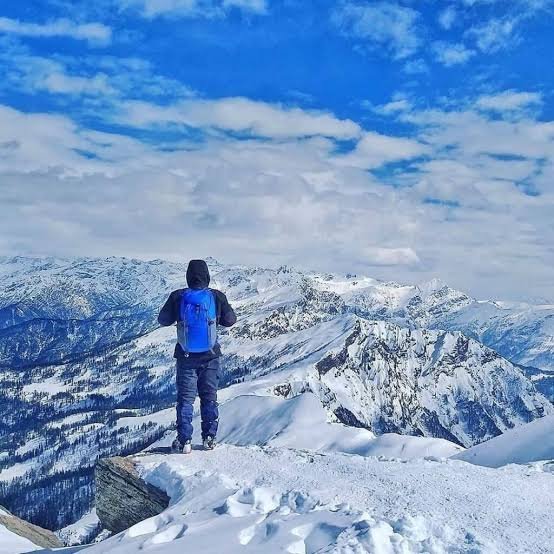
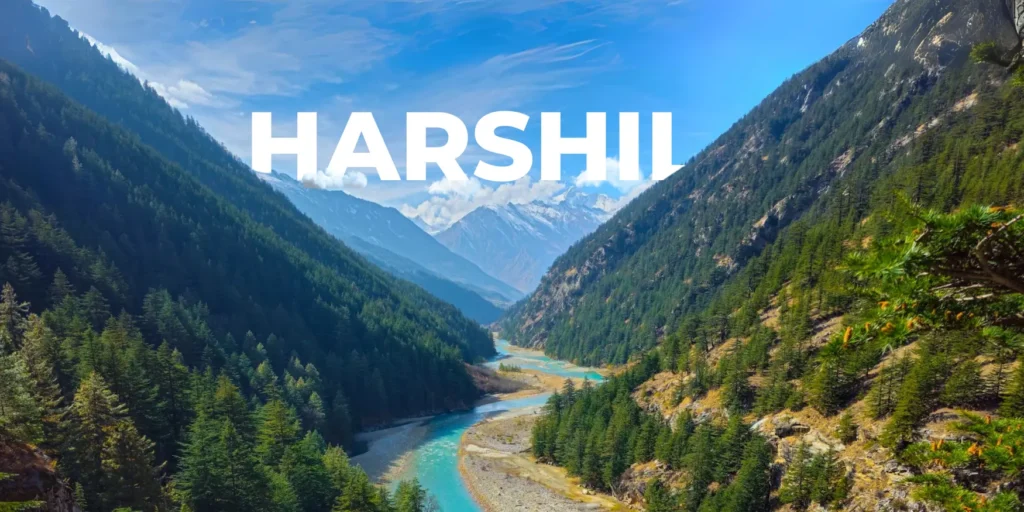
Tucked away in the Uttarkashi district of Uttarakhand, Harshil Valley (also spelt Harsil) is one of India’s most pristine and offbeat Himalayan destinations. Located on the banks of the Bhagirathi River at an altitude of 2,620 metres (8,596 feet), this tranquil valley is a cluster of eight villages — Sukki, Mukbha, Harsil, Bagori, Dharali, Jhala, Jaspur, and Purali.
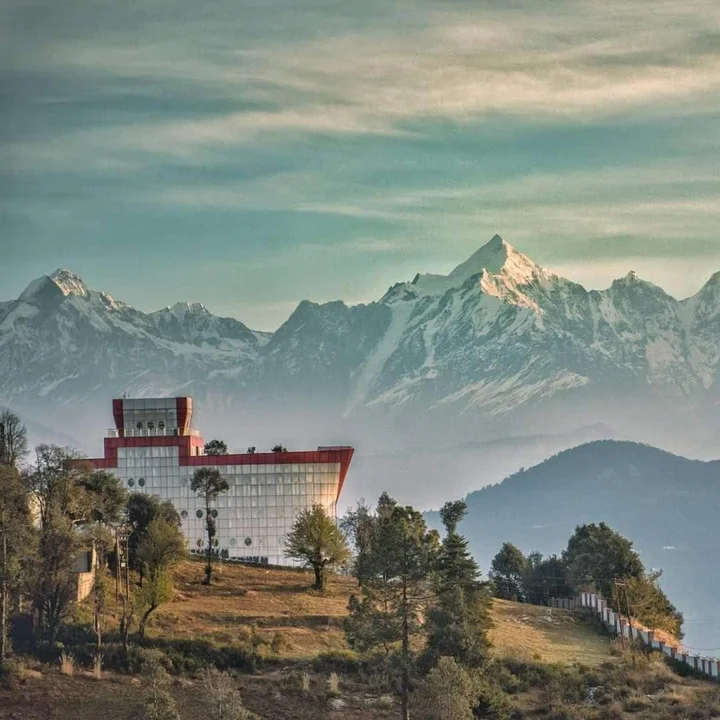
Just 26 km before Gangotri on the Char Dham Yatra route, Harsil is often bypassed by pilgrims rushing to the sacred shrine. Those who pause to explore discover a paradise of apple orchards, deodar forests, and breathtaking mountain views.
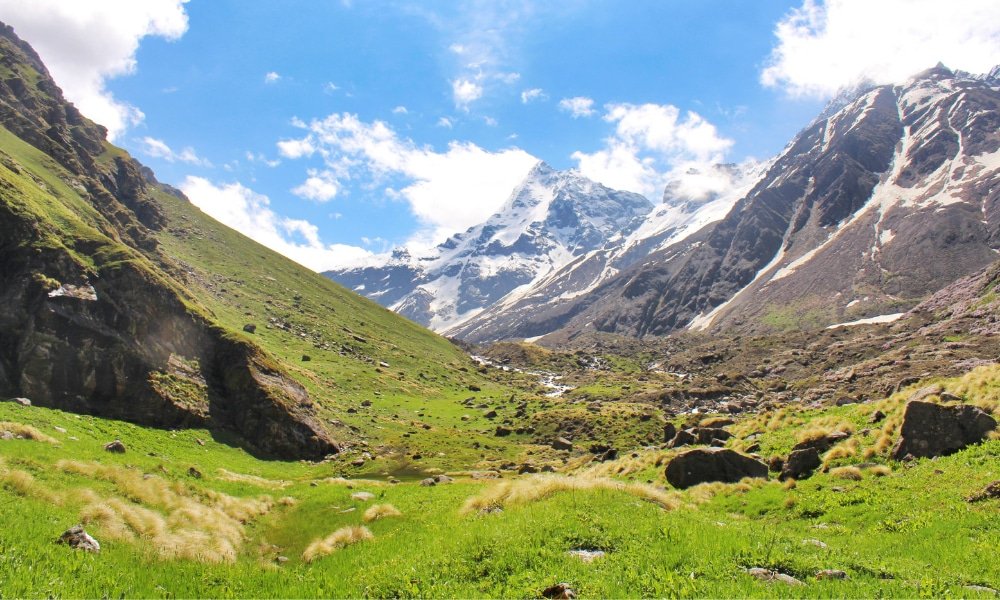
The crown jewel of this region is Nelong Valley (also known as Nelang Valley), a cold desert mountain area located very close to the Indo-Tibet border. Often called the “Ladakh of Uttarakhand” for its striking resemblance to Tibetan landscapes, Nelong Valley remained closed to the public for over five decades following the 1962 India-China war, reopening for domestic tourism only in 2015.
Whether you are a nature lover, adventure seeker, photographer, or pilgrim, the Harshil Nelong Valley tour promises an experience that stays with you forever.
Key Information at a Glance
History of Harshil and Nelong Valley
The Legend of Harshil
The name “Harsil” is steeped in mythology. According to local lore, when the mighty rivers Bhagirathi and Jalandhari argued over who was more significant, Lord Vishnu was asked to intervene. Instead of taking sides, Lord Vishnu turned himself into a Shila (rock) to absorb their anger. Harsil is derived from “Hari” (Lord Vishnu) and “Shil” (rock).
The Story of Pahari Wilson
Harshil gained historical fame through Frederick “Pahari” Wilson, also known as Raja Wilson. After deserting the British army during the 1857 Sepoy Mutiny, Wilson fled to the Garhwal Himalayas and settled in Harshil. Mesmerised by the valley’s beauty, he introduced apple cultivation and other cash crops like rajma to the region. The apple orchards that dot the valley today are a legacy of his pioneering efforts.
The Ancient Trade Route
Before 1962, Nelong Valley served as a vital trade route between India and Tibet. The Jadh Bhotiya community (also known as the Jaad community) were the primary traders, exchanging cotton goods, metals, sugar, oil seeds, and wool. The Jad Ganga (Jahnavi River) served as the lifeline of this trade route, with Jadhang village acting as a crucial pitstop.
The 1962 War and Displacement
The 1962 Sino-Indian War changed everything. Trade came to a halt, and the border was sealed. The native Jadh Bhotiya community of Nelong Valley was displaced and relocated to Bagori village in Harshil Valley.
The village of Jadhang, once home to 70-80 houses with beautiful wooden carvings, was deserted. The displaced community carried their deities — Rangali Devi and Someshwar Devta — with them to Dunda. However, according to folklore, Lal Devta, the presiding god of Nelong, refused to move. Thus, once every year, the deities are taken back to Jadhang to reunite with Lal Devta — a poignant tradition known as the “reunion of the gods”.
Reopening in 2015
After being closed for over 50 years, Nelong Valley was reopened for domestic tourists in 2015. Today, it offers a rare glimpse into a region that remained frozen in time, with stunning views of the Tibetan Plateau and the surrounding Himalayan peaks.
Geography of Harshil and Nelong Valley
Location and Topography
Harshil Valley is located in the Uttarkashi district of Uttarakhand, on the route to Gangotri. It is a cluster of eight villages spread along the banks of the Bhagirathi River.
Nelong Valley is situated approximately 50 km from Uttarkashi and 45 km from the Indo-Tibetan border. It lies within the Gangotri National Park and shares its border with Tibet and the Kinnaur district of Himachal Pradesh.
| Feature | Details |
|---|---|
| Harshil Elevation | 2,620 m (8,596 ft) |
| Nelong Valley Elevation | 3,352 m – 3,819 m (11,000 – 12,530 ft) |
| Rivers | Bhagirathi River, Jadh Ganga (Jahnavi River) |
| National Park | Gangotri National Park |
The Bhagirathi River
The Bhagirathi River flows through the heart of Harshil Valley, its turquoise waters contrasting with the dense deodar forests and snow-capped peaks. The river is a tributary of the Ganges and holds immense spiritual significance for Hindus.
The Jadh Ganga (Jahnavi River)
The Jadh Ganga, also called the Jahnavi River, flows through the Nelong Valley and meets the Bhagirathi near Bhaironghati. It is the lifeblood of the Nelong mountains.
Flora and Fauna of Harshil and Nelong Valley
Flora — A Botanical Wonderland
Harshil Valley is blessed with rich vegetation, including:
- Deodar trees — towering conifers that define the landscape
- Oak and Pine forests — adding to the valley’s lush greenery
- Apple orchards — a legacy of Pahari Wilson, producing crisp, flavourful apples
- Rhododendrons — vibrant blooms in spring
Nelong Valley, in contrast, features sparse vegetation typical of a cold desert, with steep rocky slopes and glacial formations.
Fauna — Wildlife in the Wilderness
Nelong Valley is part of the Gangotri National Park and is home to endangered wildlife species:
Mammals:
- Snow Leopard — the elusive apex predator
- Himalayan Blue Sheep (Bharal)
- Musk Deer
- Himalayan Tahr
- Himalayan Black Bear
Birds:
- Himalayan Monal — the colourful state bird of Uttarakhand
- Golden Eagle
- Himalayan Griffon
Religious Beliefs and Sacred Sites
The Deities of Nelong Valley
The Nelong Valley has a rich spiritual heritage, with a hierarchy of deities worshipped by the local Bhotiya community:
- Lal Devta — the presiding god of the Nelong area, also worshipped among Tibetans
- Rangali Devi — second in the hierarchy
- Someshwar Devta — third in the hierarchy
These deities currently reside in Dunda during winter and in Bagori (near Harshil) during the summer season.
The Annual Reunion of the Gods
Every year, on a specific date, the deities of Rangali Devi and Someshwar Devta are carried in palanquins from Bagori to Jadhang village inside Nelong Valley to reunite with Lal Devta. The event is marked by:
- Traditional Bhotiya folk dance (Raso) performed in front of the deities
- Halwa poori prepared as prasad and distributed
- An emotional homecoming for the displaced Jadh Bhotiya community
Gangotri Temple
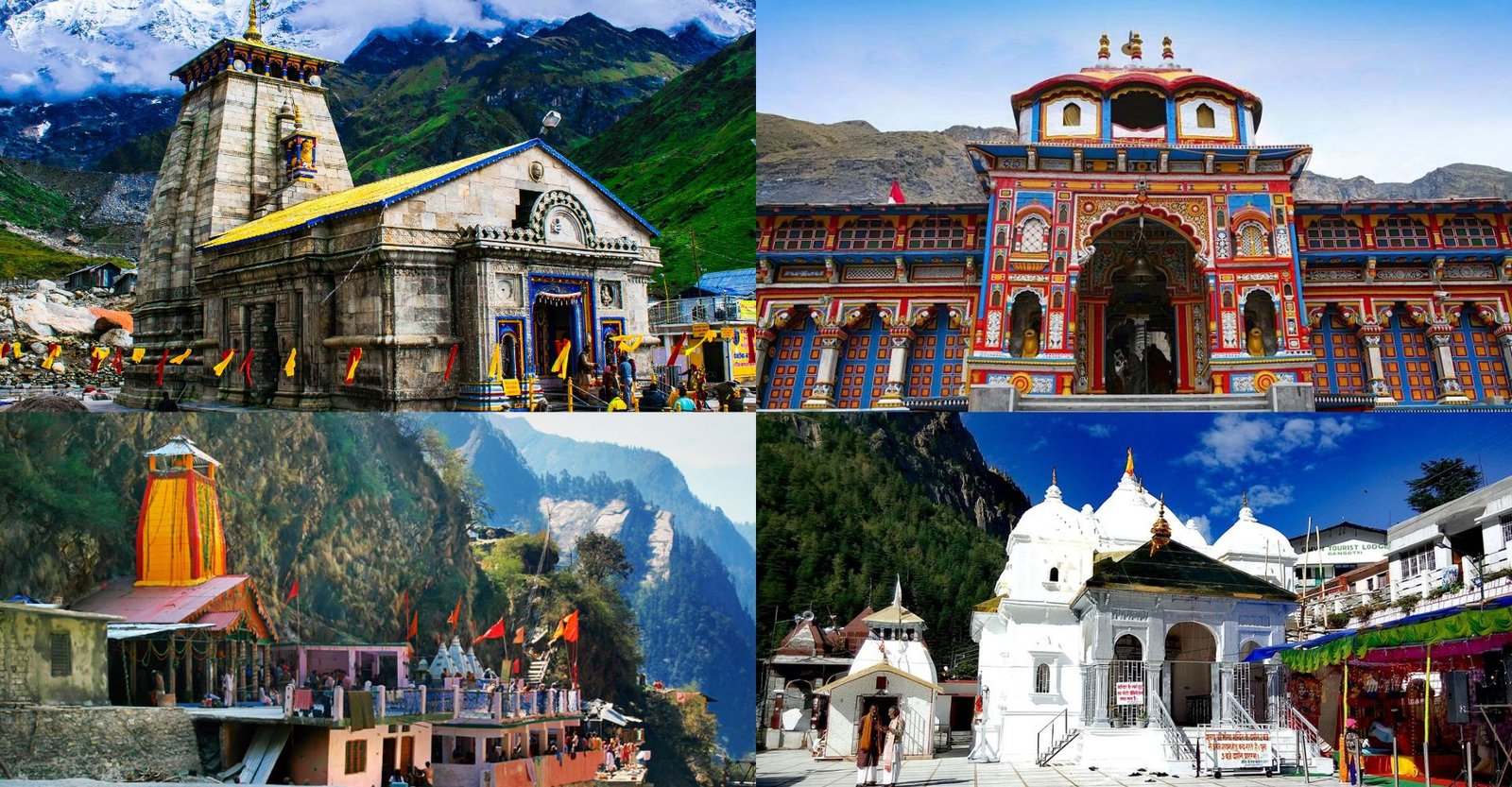
Just 25 km from Harshil lies the sacred Gangotri Temple, one of the four Char Dham pilgrimage sites. Many pilgrims combine their Gangotri Yatra with a visit to Harshil and Nelong Valley.
How to Reach Harshil and Nelong Valley
By Air — Nearest Airports
| Airport | Distance | Details |
|---|---|---|
| Jolly Grant Airport, Dehradun | ~221 km | Nearest major airport; connected to Delhi |
| Indira Gandhi Airport, Delhi | ~450 km | International hub |
From Dehradun Airport, hire a taxi to Harshil (approx. 8-9 hours).
By Train — Nearest Railway Stations
| Station | Distance | Details |
|---|---|---|
| Rishikesh Railway Station | ~200 km | Well-connected to Delhi and other cities |
| Haridwar Railway Station | ~200 km | Alternative station |
From the railway station, hire a taxi or take a bus to Harshil.
By Road (Most Popular)
| Route | Distance | Travel Time |
|---|---|---|
| Delhi → Harshil | ~450 km | 12–14 hours |
| Dehradun → Harshil | ~221 km | 8–9 hours |
| Uttarkashi → Harshil | ~50 km | 2–3 hours |
| Harshil → Nelong Valley | ~42 km | 2–3 hours |
Route:
Delhi → Haridwar → Rishikesh → Chamba → Uttarkashi → Gangnani → Harsil
Transport Options:
- Private Taxi: Most convenient; recommended for Nelong Valley due to permit requirements
- State Transport Buses: Available from Dehradun and Rishikesh to Uttarkashi
- Shared Taxis: Available from Uttarkashi
Important Notes:
- Only SUVs are allowed in Nelong Valley
- Report at Bhaironghati checkpoint before 9 AM
- Enter before noon, exit by evening
Permits for Nelong Valley
Inner Line Permit (Required)
Weather and Best Time to Visit
Climate Overview
Harshil experiences a temperate climate, while Nelong Valley features a cold desert climate similar to Ladakh and Spiti.
Seasonal Breakdown
| Season | Months | Temperature | Conditions | Suitability |
|---|---|---|---|---|
| Summer (Peak) | May–June | 10°C – 20°C | Pleasant, clear skies, ideal for sightseeing | ⭐ Best |
| Monsoon | July–August | Variable | Heavy rainfall, landslides, slippery roads | ❌ Avoid |
| Autumn | September–October | 5°C – 15°C | Clear skies, best mountain views, golden landscapes | ⭐ Best |
| Winter | November–April | Below freezing | Heavy snowfall, road closures | ❌ Avoid |
Best Time to Visit by Season
Why Visit in Summer (May–June)
- Pleasant weather with clear skies
- Valley is accessible from May to October
- Apple orchards are lush and green
- Perfect for Nelong Valley exploration
Why Visit in Autumn (September–October)
- Post-monsoon clarity with crystal-clear views
- Golden landscapes ideal for photography
- Comfortable trekking conditions
Why Avoid the Monsoon (July–August)
Packing Guide
| Category | Items |
|---|---|
| Clothing | Warm clothes (jackets, thermals, fleece), raincoat, comfortable trekking pants |
| Footwear | Sturdy waterproof shoes, warm socks |
| Accessories | Gloves, woollen cap, scarf, sunglasses, sunscreen |
| Essentials | Water bottle, snacks, personal medication, power bank |
| Documents | Valid ID proof, Inner Line Permit copies |
Top Places to Visit in and Around Harshil
Within Harshil Valley
Nelong Valley
Nearby Attractions
Things to Do in Harshil and Nelong Valley
1. Explore Nelong Valley
The highlight of any visit is the Nelong Valley tour. The valley offers:
- Stunning views of the Tibetan Plateau
- Cold desert landscapes reminiscent of Ladakh
- Views of snow-capped Himalayan peaks
- Rare wildlife including snow leopard and blue sheep
2. Walk the Gartang Gali Trail
Gartang Gali is a historic 2.5 km trail carved into the sheer rock face of the Nelong Valley. It was once used by Indo-Tibetan merchants for trade. The walk offers spectacular views of the valley below.
3. Explore the Apple Orchards
Harshil is famous for its apple orchards. Take a walk through the orchards, especially during the harvest season (August–October).
4. Photography
Both Harshil and Nelong offer endless photography opportunities:
- Nelong’s cold desert landscapes
- The Bhagirathi River flowing through dense deodar forests
- Snow-capped peaks and alpine meadows
- Traditional Bhotiya villages and wooden architecture
5. Bird and Wildlife Watching
Nelong Valley is home to snow leopards, Himalayan blue sheep, and musk deer. Early mornings and late afternoons offer the best wildlife viewing opportunities.
6. Visit Gangotri Temple
Combine your Harshil trip with a visit to the sacred Gangotri Temple, just 25 km away.
7. Experience Local Culture
Interact with the Jadh Bhotiya community in Bagori village. Learn about their traditions, displacement after 1962, and annual pilgrimage to Jadhang.
| Day | Itinerary |
|---|---|
| Day 1 | Dehradun → Harsil (221 km, 8-9 hrs drive) |
| Day 2 | Harsil → Nelong Valley → Gartang Gali → Harsil |
| Day 3 | Explore Harsil Valley, visit local villages, apple orchards |
| Day 4 | Return to Dehradun |
What’s Excluded
- Personal expenses (snacks, phone calls, laundry)
- Travel insurance
- Emergency evacuation charges
- Anything not mentioned in inclusions
- entry fees
Local Cuisine — A Taste of Garhwal
Harshil offers simple, authentic Garhwali cuisine:
| Dish | Description |
|---|---|
| Kafuli | Traditional spinach and fenugreek curry |
| Phanu | Lentil-based dish, a Garhwali speciality |
| Gahat ka Shorba | Nutritious soup made from horse gram |
| Mandua Roti | Finger millet flatbread |
| Jhangora Kheer | Sweet pudding made from barnyard millet |
| Fresh Apples | Straight from the orchards |
Where to Eat
- Homestays: Enjoy authentic home-cooked Garhwali meals
- GMVN Guest Houses: Simple, hearty meals
- Local Dhabas: Available in Uttarkashi and Gangotri
Frequently Asked Questions (FAQs)
General Questions
Q1: Why is Nelong Valley called the “Ladakh of Uttarakhand”?
Nelong Valley is called the “Ladakh of Uttarakhand” because of its striking resemblance to the cold deserts of Ladakh and Spiti, with high peaks, barren terrain, and a similar climate.
Q2: What is the altitude of Nelong Valley?
Nelong Valley is situated at an elevation of approximately 3,352–3,819 metres (11,000–12,530 feet).
Q3: What is the best time to visit Nelong Valley?
The best time to visit is from May to June and September to October when the weather is pleasant and clear.
Q4: Is Nelong Valley safe for tourists?
Yes, Nelong Valley is safe for tourists who follow the rules and obtain the necessary Inner Line Permit. Travel is monitored by the Indian Army and ITBP. Travel With Monk ensures safe and guided experiences for all travellers.
Q5: Do I need a permit for Nelong Valley?
Yes. Nelong Valley is a restricted area, and all visitors must obtain an Inner Line Permit from the DM/SDM Uttarkashi.
Q6: Are foreigners allowed in Nelong Valley?
No. Foreign nationals are not permitted to visit Nelong Valley due to its sensitive border location.
Q7: Can I camp in Nelong Valley?
No. Camping is prohibited in Nelong Valley. Visitors must enter and exit on the same day.
Travel Logistics
Q8: How can I reach Harshil and Nelong Valley?
The nearest major city is Dehradun. From Dehradun, drive to Harshil (221 km, 8-9 hours). Nelong Valley is approximately 42 km from Harshil.
Q9: What is the distance between Delhi and Harshil?
The distance from Delhi to Harshil is approximately 450 km, taking about 12–14 hours by road.
Q10: Is there road connectivity to Nelong Valley?
Yes, the roads to Nelong Valley are maintained by BRO. However, only SUVs are allowed.
Q11: Are there accommodation options in Harshil?
Yes, accommodation options include GMVN guest houses, homestays, and private hotels. Book well in advance, especially during peak season.
Q12: Is mobile connectivity available in Harshil and Nelong Valley?
Mobile connectivity is limited. BSNL tends to have the best coverage in Harshil, but connectivity is non-existent in Nelong Valley.
Q13: Are ATMs available near Harshil?
ATMs are available in Uttarkashi. It is advisable to carry sufficient cash.
Q14: What is the local language spoken in Harshil?
The official language is Hindi. The regional language is Garhwali. English is understood in tourist areas.
Practical Information
Q15: What should I pack for the Harshil Nelong trip?
Pack warm clothes (jackets, thermals, fleece), comfortable walking shoes, sunscreen, sunglasses, a headlamp, and personal medication. Carry valid ID proof and Inner Line Permit copies.
Q16: What is the food like in Harshil?
The food is traditional Garhwali cuisine, including dishes like Kafuli, Phanu, Gahat ka Shorba, Mandua Roti, and fresh apples from the orchards.
Q17: What are the must-visit places in Harshil and Nelong?
Must-visit places include Nelong Valley, Gartang Gali, Jadhang Village, Harshil Village, Bagori Village, and Gangotri Temple.
Q18: Can I visit Gangotri along with Harshil Nelong?
Yes, Gangotri Temple is just 25 km from Harshil. Many pilgrims combine their Gangotri Yatra with a visit to Harshil and Nelong Valley.
Q19: How can I book a Harshil Nelong tour?
Tours can be booked through:
- Local tour operators in Uttarkashi and Dehradun
- Travel With Monk for customised packages
Plan Your Harshil Nelong Adventure with Travel With Monk
At Travel With Monk, we believe in curating journeys that go beyond conventional sightseeing. Our Harshil Nelong Valley expeditions are designed to foster self-discovery and a deep connection with the Himalayas through:
✅ Customised Harshil Nelong Valley tour packages (4 to 7 days)
✅ Combined itineraries with Gangotri, Uttarkashi, and Dayara Bugyal
✅ Experienced local guides and drivers
✅ Comfortable transport with experienced hill drivers
✅ All necessary permits and forest entry arrangements
✅ Verified accommodation in Harshil
✅ 24/7 customer support throughout your journey
Recommended Harshil Nelong Packages
📞 Call / WhatsApp: +91-9997187178, 9760222178, 8171977178
📍 Visit Our Office: Himalayan Colony, opposite DSVV, Haripur Kalan, Haridwar, Motichur Range, Uttarakhand 249411
🌐 Website: www.discover-uttarakhand.com
📧 Email: info@discover-uttarakhand.com
Travel With Monk – Your Gateway to Transformative Himalayan Journeys 🏔️