
Introduction: The Apple Orchard Paradise of Uttarakhand
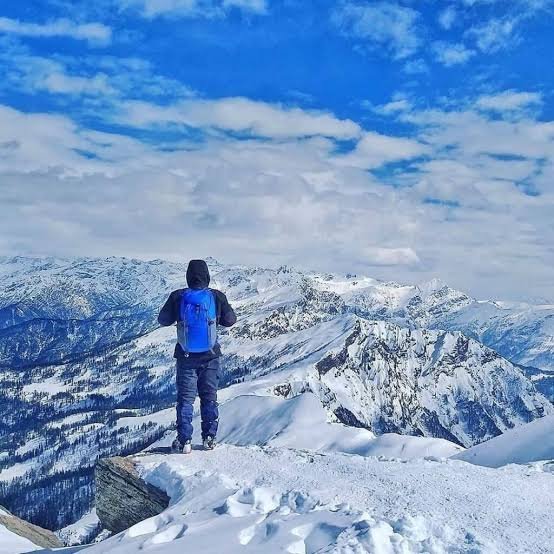
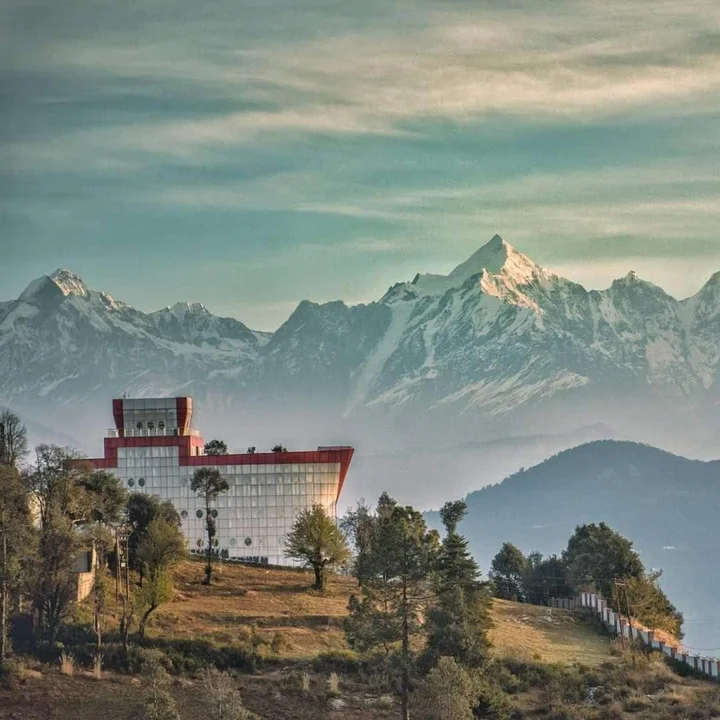
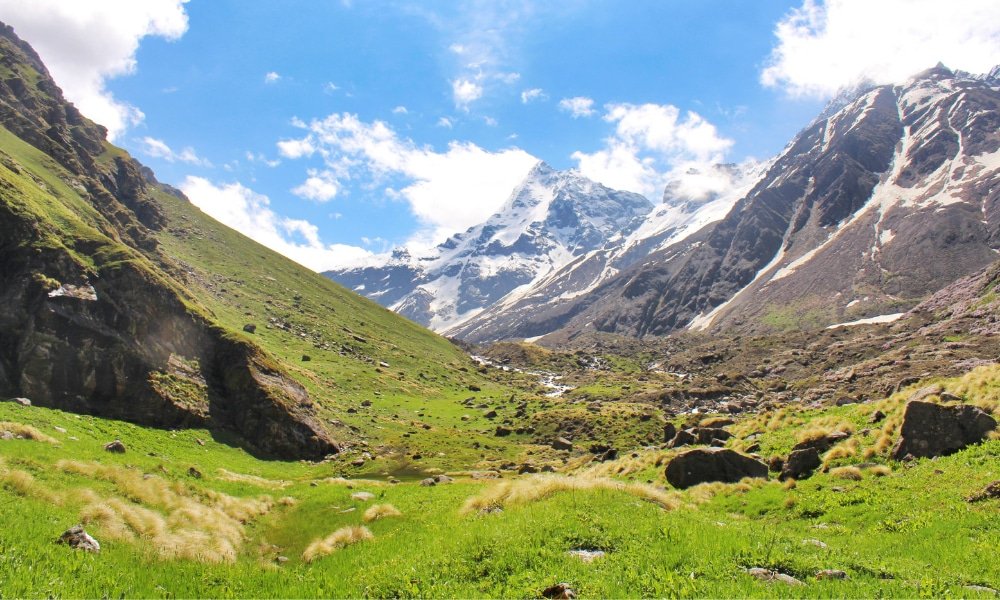
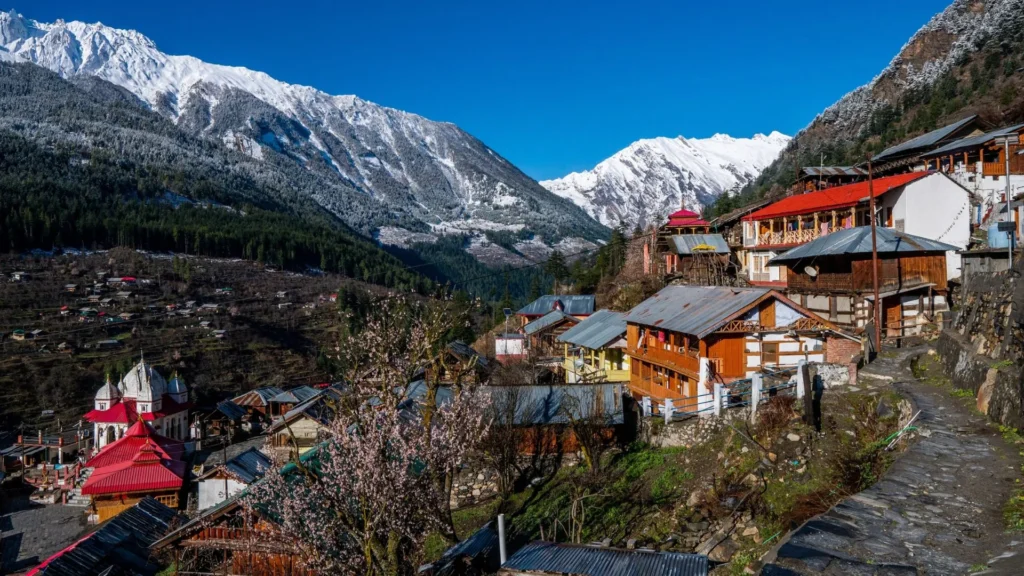
Nestled in the breathtaking landscapes of the Garhwal Himalayas, Harshil Village is one of Uttarakhand’s most pristine and offbeat destinations. Often referred to as the “Apple Orchard Paradise,” this serene village in the Uttarkashi district offers an authentic Himalayan experience far removed from the crowded tourist trails.
Perched at an elevation of approximately 2,200 metres (7,218 feet) above sea level, Harshil is a picturesque village surrounded by dense deodar, pine, and apple orchards. The village is known for its apple orchards, its stunning views of the Bhagirathi River, and its proximity to the famous Gangotri Temple, one of the Char Dham pilgrimage sites.
The village is located about 25 kilometres from Gangotri and approximately 460 kilometres from Delhi. It is an ideal destination for nature lovers, birdwatchers, and those seeking a peaceful retreat in the lap of nature. Whether you are a solo traveller, a couple, or a family, Harshil promises a journey into the heart of Uttarakhand’s unspoiled wilderness.
Key Information at a Glance
| Aspect | Details |
|---|---|
| Location | Uttarkashi district, Uttarakhand, India |
| Altitude | 2,200 m (7,218 ft) |
| Best Time to Visit | April–June & September–November |
| Distance from Delhi | 460–480 km |
| Distance from Dehradun | ~200 km |
| Distance from Gangotri | ~25 km |
| Nearest Airport | Jolly Grant Airport, Dehradun (~200 km) |
| Nearest Railway Station | Dehradun Railway Station (~200 km) |
| Nearest Town | Gangotri (25 km), Uttarkashi (68 km) |
| Climate | Temperate highland; cool summers, cold winters |
| Major Attractions | Apple orchards, Bhagirathi River, Gangotri Temple, Kedar Tal Trek |
| Languages | Hindi, Garhwali |
| Famous For | Apple orchards, scenic beauty, tranquillity, proximity to Gangotri |
History of Harshil Village
Ancient Roots and Mythological Significance
The history of Harshil is deeply intertwined with the region’s rich cultural and religious heritage. The village has long served as a resting point for pilgrims travelling to the sacred Gangotri Temple, one of the most important pilgrimage sites in Hinduism.
According to local tradition, the village was originally settled by shepherds and farmers who were drawn to the area’s fertile land and abundant water supply from the Bhagirathi River. Over the centuries, Harshil evolved from a small pastoral settlement into a thriving agricultural village, known particularly for its apples.
The Apple Revolution
In the early 20th century, the British introduced apple cultivation to the region, recognising the area’s ideal climate and soil conditions for apple farming. The village quickly gained a reputation for producing some of the finest apples in the region. Today, Harshil is one of Uttarakhand’s most important apple-growing regions, with orchards stretching across the hillsides.
The Village’s Evolution
Harshil was historically a remote village, accessible only on foot. The construction of the Gangotri road in the mid-20th century improved accessibility, and the village gradually opened up to visitors and pilgrims. Today, Harshil remains a peaceful, offbeat destination, offering visitors a chance to experience authentic Garhwali culture and pristine Himalayan beauty.
Geography of Harshil Village
Location and Topography
Harshil Village is located in the Uttarkashi district of Uttarakhand, India. It is situated in the Garhwal Himalayan ranges on the banks of the Bhagirathi River, characterised by steep slopes, deep valleys, and dense forests.
| Feature | Details |
|---|---|
| Coordinates | 31.10°N, 78.78°E (approx.) |
| Elevation | 2,200 m (7,218 ft) |
| District | Uttarkashi, Uttarakhand |
| Distance from Delhi | ~460–480 km |
| Distance from Dehradun | ~200 km |
| Distance from Gangotri | ~25 km |
| Distance from Uttarkashi | ~68 km |
| River | Bhagirathi River |
| Nearest Town | Gangotri (25 km) |
Physical Features
The village is nestled in a valley on the banks of the Bhagirathi River, surrounded by dense forests of deodar, pine, and apple orchards. The terrain is hilly and rugged, with streams and rivulets flowing through the landscape. The region is part of the Gangotri National Park, one of the most significant protected areas in Uttarakhand.
Flora and Fauna of Harshil
Flora — A Botanical Treasure
Harshil is a biodiversity hotspot, home to a wide variety of plant life. The forests are predominantly composed of:
| Species | Type |
|---|---|
| Deodar (Cedrus deodara) | Coniferous |
| Pine (Pinus roxburghii) | Coniferous |
| Oak (Quercus leucotrichophora) | Broadleaf |
| Rhododendron (Rhododendron arboreum) | Flowering shrub |
| Spruce (Picea smithiana) | Coniferous |
| Silver Fir (Abies pindrow) | Coniferous |
| Apple (Malus domestica) | Fruit tree |
The region is particularly famous for its apple orchards, which bloom with white and pink blossoms during the spring season (March–April) and bear fruit in the autumn (September–October). The forest floor is carpeted with a variety of wildflowers, ferns, and medicinal plants.
Fauna — Wildlife in the Wilderness
Harshil is a haven for wildlife enthusiasts. The forests are part of the Gangotri National Park, home to a variety of Himalayan wildlife species:
Mammals:
- Snow Leopard — the elusive apex predator
- Himalayan Black Bear — often spotted in the dense forests
- Leopard — found in the lower reaches
- Musk Deer — a shy and rare species
- Bharal (Blue Sheep) — found in the higher altitudes
- Himalayan Tahr — a mountain goat
- Serow — a goat-antelope species
Birds:
Harshil is a paradise for birdwatchers, with numerous species recorded in the region:
- Himalayan Monal — the colourful state bird of Uttarakhand
- Koklass Pheasant — a rare and beautiful pheasant
- Kaleej Pheasant — another pheasant species
- Western Tragopan — an endangered species
- Himalayan Woodpecker
- Various species of thrushes, warblers, and flycatchers
Religious Beliefs and Sacred Sites
Gangotri Temple — The Source of the Ganges
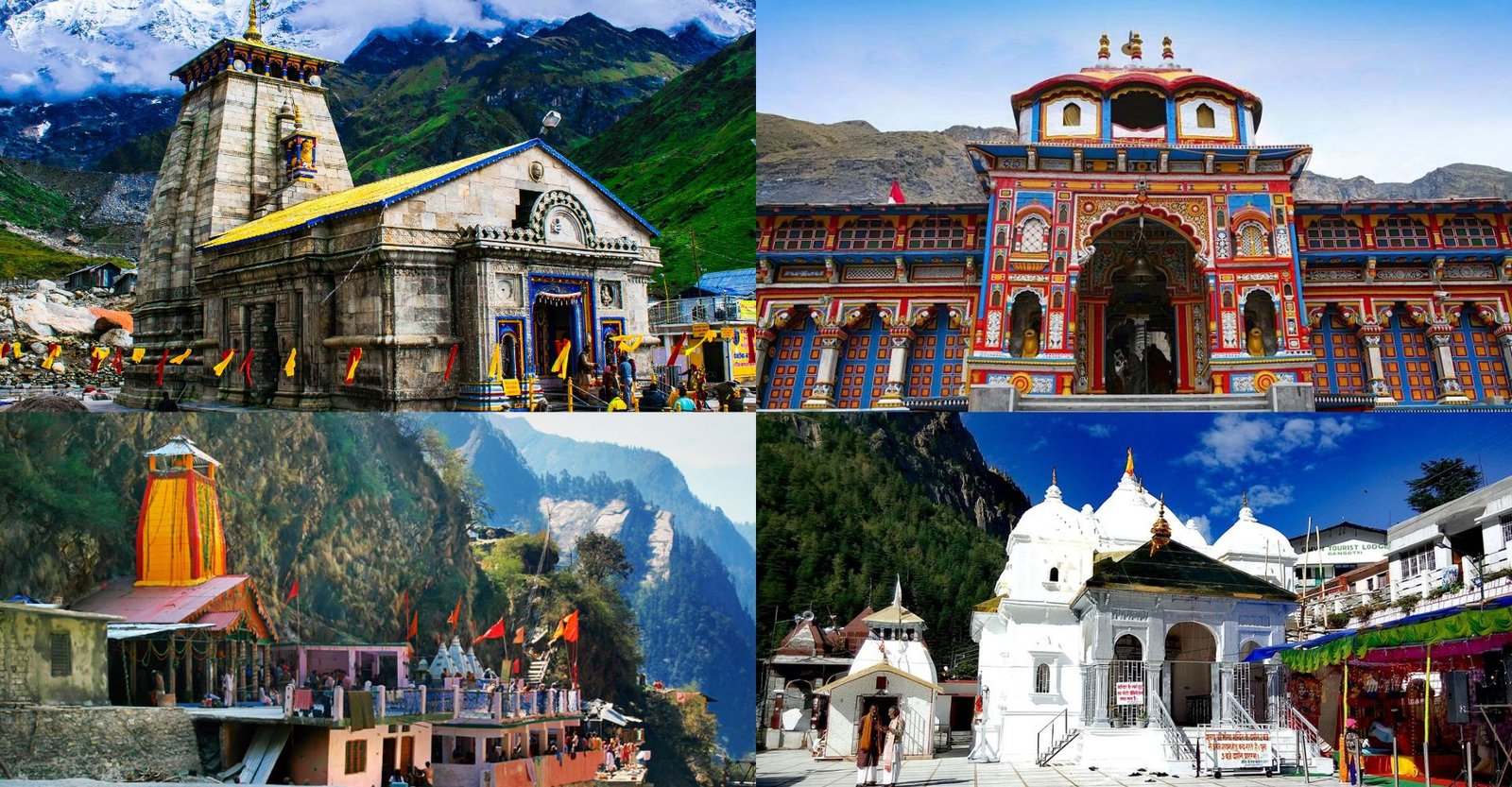
Located just 25 km from Harshil, the Gangotri Temple is one of the most sacred pilgrimage sites in Hinduism. Dedicated to Goddess Ganga, this ancient temple marks the source of the holy River Ganges.
Key Features:
- Age: Built in the 18th century by a Gorkha commander
- Deity: Goddess Ganga
- Architecture: Traditional Garhwali style with stone and wood construction
- Significance: One of the Char Dham pilgrimage sites
- Festivals: Ganga Dussehra (May–June), Diwali (October–November)
| Detail | Information |
|---|---|
| Timings | 6:00 AM – 8:00 PM |
| Entry | Free |
| Highlights | White marble idol of Goddess Ganga, traditional Garhwali architecture |
| Festivals | Ganga Dussehra (May–Jun), Diwali (Oct–Nov) |
Other Sacred Sites
The village and surrounding areas are home to several smaller shrines and sacred spots:
- Nag Devta Temple — dedicated to the serpent god
- Local Deity Shrines — various shrines dedicated to local deities and village guardians
- Bhagirathi Ghats — sacred bathing spots on the river
How to Reach Harshil Village
By Air — Nearest Airports
| Detail | Information |
|---|---|
| Nearest Airport | Jolly Grant Airport, Dehradun |
| Distance from Village | ~200 km (approx. 7-8 hours drive) |
| Connectivity | Connected to Delhi and other major cities |
| Alternative | Indira Gandhi International Airport, Delhi (~460 km) |
From Dehradun Airport to Harshil:
- Hire a taxi to Harshil (approx. 7-8 hours)
By Train — Nearest Railway Stations
| Detail | Information |
|---|---|
| Nearest Station | Dehradun Railway Station |
| Distance from Village | ~200 km (approx. 7-8 hours drive) |
| Alternative Stations | Haridwar, Rishikesh |
From Dehradun to Harshil:
- Take a taxi or bus to Uttarkashi, then continue to Gangotri and Harshil
By Road (Most Popular)
| Route | Distance | Travel Time |
|---|---|---|
| Delhi to Harshil | 460–480 km | 12–14 hours |
| Dehradun to Harshil | 200 km | 7–8 hours |
| Uttarkashi to Harshil | 68 km | 2.5–3 hours |
| Gangotri to Harshil | 25 km | 1–1.5 hours |
Route from Delhi:
Delhi → Meerut → Muzaffarnagar → Roorkee → Haridwar → Rishikesh → Chamba → Uttarkashi → Gangotri → Harshil
Transport Options:
- Private Taxi: Most convenient and flexible
- State Transport Buses: Buses from Dehradun to Uttarkashi and Gangotri
- Self-Drive: Scenic but winding roads; drive cautiously
- Shared Taxis: Available from Uttarkashi and Gangotri
Important Note: The road from Uttarkashi to Gangotri is scenic but narrow and winding. 4×4 vehicles are recommended, especially during the monsoon season.
Distances from Major Cities
| City | Distance (km) | Travel Time |
|---|---|---|
| Delhi | 460–480 | 12–14 hours |
| Dehradun | 200 | 7–8 hours |
| Haridwar | 180 | 6–7 hours |
| Rishikesh | 170 | 6–7 hours |
| Uttarkashi | 68 | 2.5–3 hours |
| Gangotri | 25 | 1–1.5 hours |
| Mussoorie | 160 | 6–7 hours |
Weather and Best Time to Visit
Climate Overview
Harshil experiences a temperate highland climate with distinct seasons. The village is significantly cooler than the plains, with pleasant summers and cold, snowy winters.
Month-by-Month Guide
| Month | Season | Day Temp (°C) | Night Temp (°C) | Conditions | Suitability |
|---|---|---|---|---|---|
| March | Spring | 10–18 | 2–8 | Pleasant, apple blossoms | ⭐ Good |
| April | Spring/Summer | 15–22 | 5–10 | Ideal weather, clear skies | ⭐ Best |
| May | Summer | 18–25 | 8–12 | Warm, pleasant | ⭐ Best |
| June | Summer | 20–28 | 10–15 | Pre-monsoon, warm | ⭐ Best |
| July | Monsoon | 15–22 | 10–15 | Heavy rainfall, landslides | ❌ Avoid |
| August | Monsoon | 15–22 | 10–15 | Heavy rainfall, slippery roads | ❌ Avoid |
| September | Autumn | 15–20 | 8–12 | Post-monsoon, clearing | ⭐ Good |
| October | Autumn | 10–18 | 5–10 | Crisp air, clear skies | ⭐ Best |
| November | Autumn | 5–15 | 0–8 | Cool, pleasant | ⭐ Good |
| December–February | Winter | 0–10 | -10 to 0 | Very cold, heavy snowfall | ⭐ Moderate |
Best Time to Visit by Season
| Season | Months | Suitability | Conditions | Best For |
|---|---|---|---|---|
| Summer | April–June | ⭐ Best | 10°C–28°C, clear skies | Apple orchards, temple visits, nature walks |
| Autumn | September–November | ⭐ Best | 0°C–20°C, crisp air | Apple harvest, photography, peaceful retreats |
| Spring | March–April | ⭐ Good | 5°C–22°C, apple blossoms | Nature photography, temple visits |
| Winter | December–February | ⭐ Moderate | -10°C–10°C, heavy snow | Snow lovers, fewer crowds |
| Monsoon | July–August | ❌ Avoid | 15°C–22°C, heavy rainfall | Not recommended |
Packing Guide
| Season | What to Pack |
|---|---|
| Summer | Light cotton clothes, comfortable walking shoes, sunscreen, hat, light jacket for evenings |
| Monsoon | Raincoat, waterproof shoes, umbrella |
| Autumn | Medium woollens, warm jacket, comfortable walking shoes |
| Winter | Heavy woolens, thermal wear, insulated jacket, gloves, woolen cap, snow boots |
Top Places to Visit in and Around Harshil
Within Harshil Village
| Attraction | Highlights |
|---|---|
| Apple Orchards | Scenic orchards, apple picking (September–October), photography |
| Bhagirathi River | Sacred river, scenic views, photography |
| Village Walks | Traditional Garhwali architecture, local culture |
| Forest Trails | Dense deodar and pine forests |
Nearby Destinations
| Destination | Distance | Highlights |
|---|---|---|
| Gangotri | 25 km | Source of the Ganges, Gangotri Temple, Char Dham pilgrimage |
| Uttarkashi | 68 km | Spiritual town, Vishwanath Temple, Shakti Temple |
| Kedar Tal | ~75 km | High-altitude lake, scenic trek |
| Tapovan | ~80 km | Hot springs, scenic views, base for treks |
| Gaumukh | ~45 km | Source of the Ganges, trekking, pilgrimage |
| Dodital | ~180 km | High-altitude lake, scenic trek |
| Yamunotri | ~200 km | Source of the Yamuna, pilgrimage site |
Things to Do in Harshil
1. Explore the Apple Orchards
The highlight of any visit to Harshil is exploring the apple orchards. The orchards bloom with white and pink blossoms in spring and bear fruit in autumn. Visitors can enjoy:
- Spring (March–April): Witness the breathtaking apple blossom season
- Autumn (September–October): Apple picking and tasting
- Photography: Capture the stunning beauty of the orchards
2. Visit Gangotri Temple
Located just 25 km from Harshil, the sacred Gangotri Temple is a must-visit. Pay homage to Goddess Ganga at one of the most important pilgrimage sites in India.
3. Nature Walks and Treks
Harshil is surrounded by dense forests and offers several trails for all fitness levels.
Popular Trails:
- Harshil to Gangotri — 25 km scenic route
- Harshil to Tapovan — 80 km, moderate trek
- Kedar Tal Trek — 75 km, moderate to challenging
- Gaumukh Trek — 45 km, moderate trek to the source of the Ganges
4. Birdwatching
With numerous Himalayan bird species, Harshil is a birdwatcher’s paradise. The best time for birdwatching is from March to May and September to November.
Key Bird Species to Spot:
- Himalayan Monal
- Koklass Pheasant
- Western Tragopan
- Himalayan Woodpecker
5. Photography
From the apple orchards to the river and mountain views, Harshil offers endless photography opportunities.
6. Visit Sacred Sites
Explore the ancient temples and sacred sites in and around Harshil, including Nag Devta Temple and local deity shrines.
7. Explore Gangotri National Park
Visit this pristine national park, home to snow leopards, musk deer, and diverse Himalayan flora and fauna.
8. River Walks
Enjoy peaceful walks along the banks of the Bhagirathi River, soaking in the serene beauty of the Himalayas.
Accommodation Options
Harshil offers limited but comfortable accommodation options:
| Type | Features | Price Range |
|---|---|---|
| Homestays | Authentic local experience; home-cooked meals; warm hospitality | ₹800 – ₹2,000 |
| Guesthouses | Basic facilities; comfortable stay | ₹1,000 – ₹2,500 |
| Hotels in Gangotri | More options available; comfortable stays | ₹1,500 – ₹4,000 |
| Forest Rest Houses | Government-run; basic facilities; booking required | ₹500 – ₹1,500 |
Travel With Monk Recommendation: For the most authentic experience, stay in a homestay to immerse yourself in local culture. Gangotri (25 km) and Uttarkashi (68 km) offer more comfortable hotel options for those seeking additional amenities.
Local Cuisine — A Taste of Garhwal
Harshil offers simple, authentic Garhwali cuisine:
| Dish | Description |
|---|---|
| Kafuli | Traditional Garhwali dish; spinach and fenugreek curry |
| Phanu | A lentil-based dish, a Garhwali speciality |
| Gahat ka Shorba | A nutritious soup made from horse gram |
| Chains | Deep-fried bread, similar to puri |
| Bhutte ka Besan | Gram flour made from roasted maize |
| Gulgula | Deep-fried sweetened flour balls |
| Jhangora Kheer | Sweet pudding made from barnyard millet |
| Singhori | Local sweet made from khoya |
| Fresh Apples | Straight from the orchards |
Where to Eat
- Homestays: Enjoy authentic home-cooked Garhwali meals
- Local Dhabas: Simple meals in Gangotri and Uttarkashi
Shopping in Harshil
| What to Buy | Where | Price Range |
|---|---|---|
| Fresh Apples | Local orchards | ₹50 – ₹200/kg |
| Apple Products | Local shops | ₹100 – ₹500 |
| Local Handicrafts | Village artisans | ₹100 – ₹1,000 |
| Woolens | Local markets in Gangotri and Uttarkashi | ₹200 – ₹2,000 |
| Herbal Products | Local shops | ₹50 – ₹500 |
| Garhwali Souvenirs | Gangotri and Uttarkashi markets | ₹50 – ₹500 |
Travel Tip: Harshil is not a shopping destination. Focus on experiences and fresh apple products rather than shopping.
Frequently Asked Questions (FAQs)
General Questions
Q1: Why is Harshil called the “Apple Orchard Paradise”?
Harshil is called the “Apple Orchard Paradise” because it is one of Uttarakhand’s most important apple-growing regions, with beautiful orchards stretching across the hillsides. The village produces some of the finest apples in the region.
Q2: What is the altitude of Harshil?
Harshil is situated at an elevation of approximately 2,200 metres (7,218 feet) above sea level.
Q3: What is the best time to visit Harshil?
The best time to visit is from April to June and September to November when the weather is pleasant and ideal for outdoor activities.
Q4: Is Harshil safe for tourists?
Yes, Harshil is generally safe for tourists. It is a peaceful, offbeat village with warm and hospitable locals. However, visitors should be cautious during the monsoon season due to potential landslides. Travel With Monk ensures safe and guided experiences for all travellers.
Travel Logistics
Q5: How can I reach Harshil from Delhi?
You can reach Harshil by:
- Road: Via Delhi → Haridwar → Rishikesh → Uttarkashi → Gangotri → Harshil (~460 km, 12–14 hours)
- Air: Fly to Dehradun (~1.5 hours) + taxi to Harshil (7–8 hours)
- Train: Train to Dehradun (~5–6 hours) + taxi to Harshil (7–8 hours)
Q6: What is the distance between Delhi and Harshil?
The road distance is approximately 460–480 km.
Q7: Does Harshil have an airport?
No. The nearest airport is Jolly Grant Airport, Dehradun, approximately 200 km from Harshil.
Q8: What is the nearest railway station to Harshil?
The nearest railway station is Dehradun Railway Station, approximately 200 km from Harshil.
Practical Information
Q9: What should I pack for Harshil?
Pack comfortable walking shoes, layered clothing, sunscreen, a camera, and valid ID proof. For winters, bring heavy woollens, thermal wear, gloves, and a woollen cap. Even in summer, carry a light jacket for cool evenings.
Q10: Do mobile networks work in Harshil?
Mobile connectivity can be patchy in remote areas. BSNL and Jio tend to have the best coverage in the region.
Q11: Are ATMs available in Harshil?
ATMs are not available in Harshil. It is advisable to carry sufficient cash from Uttarkashi or Gangotri.
Q12: What is the local language spoken in Harshil?
The official language is Hindi. The regional language is Garhwali. English is understood in tourist areas.
Q13: What is the Gangotri Temple significance?
Gangotri Temple is one of the four Char Dham pilgrimage sites and marks the source of the sacred River Ganges. It is dedicated to Goddess Ganga.
Q14: Is there an entry fee for Gangotri National Park?
Yes, there is a nominal entry fee for the national park, which supports conservation efforts.
Q15: When is the apple harvest season in Harshil?
The apple harvest season is from September to October. This is the best time to enjoy fresh apples and experience the orchards at their most productive.
Q16: What is the apple blossom season in Harshil?
The apple blossom season is from March to April. The orchards are covered in beautiful white and pink blossoms, making it a photographer’s paradise.
Plan Your Harshil Journey with Discover Uttarakhand
At Discover Uttarakhand, we’ve been organising unforgettable Himalayan journeys since 1997. As a trusted local operator with deep knowledge of the Garhwal region and its hidden gems, we offer:
✅ Customised Harshil tour packages (2 to 7 days)
✅ Combined itineraries covering Harshil, Gangotri, Uttarkashi, and Gaumukh
✅ Comfortable transport with experienced hill drivers
✅ Verified homestay and accommodation options
✅ Local guides for nature walks, treks, and temple visits
✅ 24/7 customer support throughout your journey
Recommended Harshil Packages
| Package | Duration | Starting Point | Highlights |
|---|---|---|---|
| Harshil Apple Orchard Retreat | 2 Nights / 3 Days | Dehradun | Apple orchards, Bhagirathi River, Village Walks |
| Harshil & Gangotri Explorer | 3 Nights / 4 Days | Dehradun | Harshil Village, Gangotri Temple, Bhagirathi River |
| Garhwal Char Dham Yatra | 5 Nights / 6 Days | Haridwar | Harshil, Gangotri, Uttarkashi, Yamunotri |
| Harshil & Gaumukh Trek | 6 Nights / 7 Days | Dehradun | Harshil, Gangotri, Gaumukh Glacier |
📞 Call / WhatsApp: +91-9997187178, 9760222178, 8171977178
📍 Visit Our Office: Himalayan Colony, opposite DSVV, Haripur Kalan, Haridwar, Motichur Range, Uttarakhand 249411
🌐 Website: www.discover-uttarakhand.com
📧 Email: info@discover-uttarakhand.com
Discover Uttarakhand – Your Local Partner for Unforgettable Himalayan Journeys Since 1997 🏔️