Introduction: The Sacred Lake of Snow
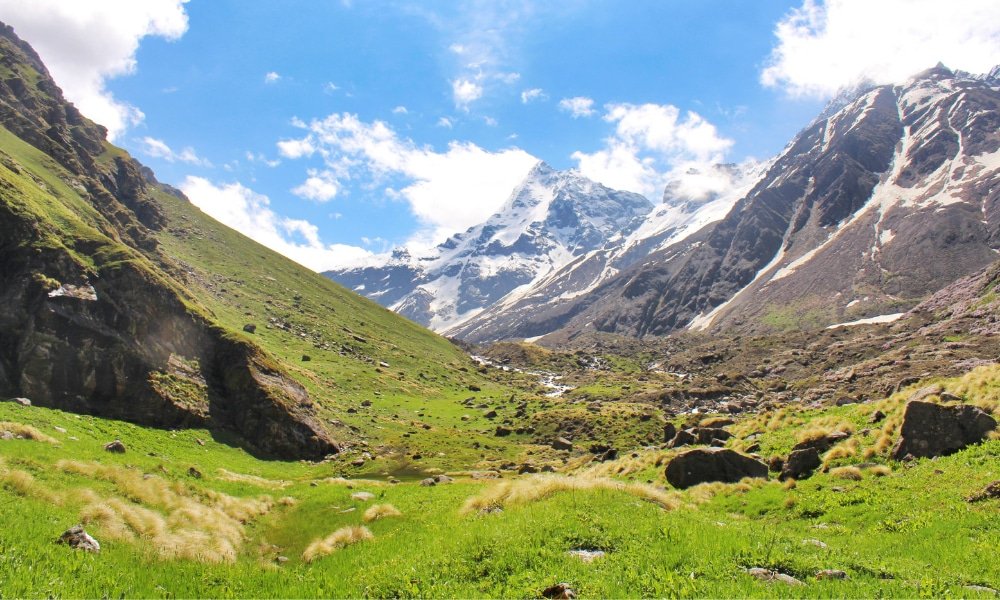
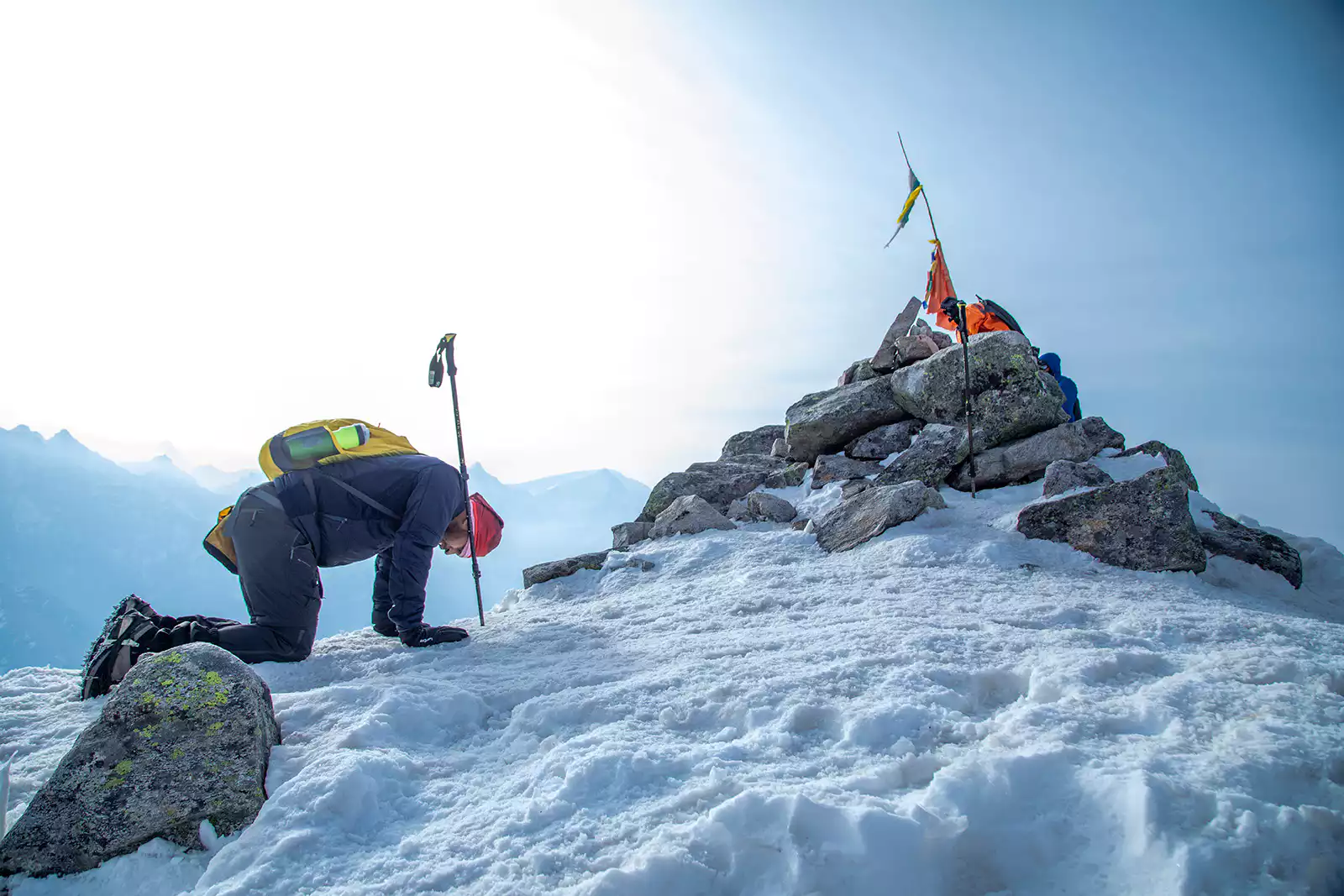
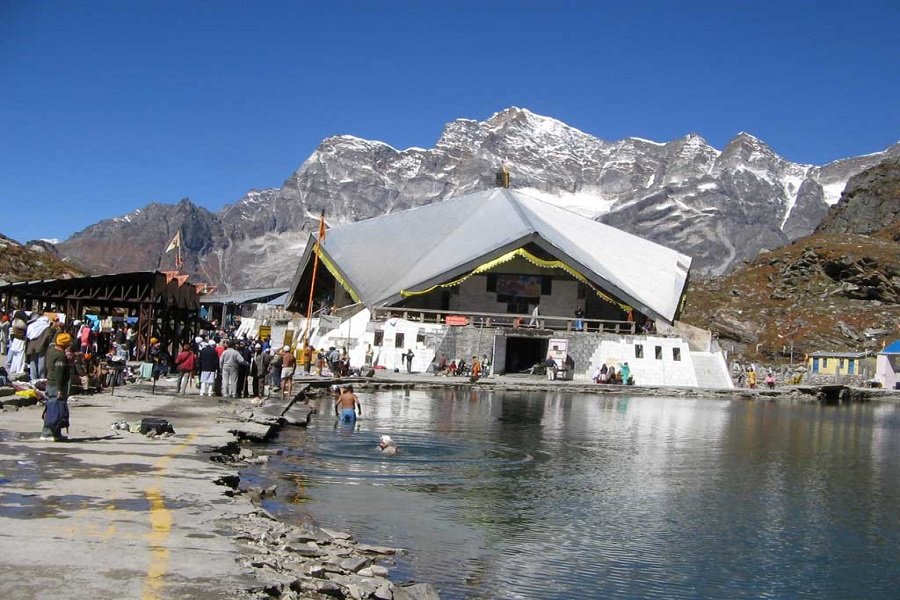
Perched at an astounding altitude of 4,572 meters (15,000 feet) in the Garhwal Himalayas of Uttarakhand’s Chamoli district, Hemkund Sahib is the highest Gurudwara in the world. This sacred Sikh pilgrimage site, also known as Gurudwara Shri Hemkund Sahib Ji, is nestled beside a pristine glacial lake surrounded by seven snow-capped peaks, each adorned with a Nishan Sahib (Sikh flag) on its cliff.
The name “Hemkund” is derived from Sanskrit—Hem meaning “Snow” and Kund meaning “Bow” or “Lake”. This “Lake of Snow” is frozen solid during winter, but when the ice melts in summer, its crystal-clear waters mirror the majestic peaks that encircle it, creating a scene of transcendent beauty.
Hemkund Sahib holds profound significance in Sikhism. According to the Dasam Granth, the tenth Sikh Guru, Guru Gobind Singh, meditated at this very spot in his previous birth. For Sikhs, it is a sacred destination where one can connect with the Guru’s spiritual legacy. The site also holds importance for Hindus, who believe that Lakshmana, the brother of Lord Rama, meditated here and regained his health after being wounded in the Ramayana war.
The journey to Hemkund Sahib is not merely a pilgrimage—it is a test of faith, endurance, and devotion. The 19 km trek from Govindghat to the Gurudwara is challenging, involving steep ascents, high altitude, and unpredictable weather. Yet, every year, over 150,000 pilgrims undertake this sacred journey, seeking blessings and spiritual solace in the lap of the Himalayas.
Key Information at a Glance:
History and Religious Significance
The Dasam Granth and Guru Gobind Singh’s Vision
The history of Hemkund Sahib is unique among Sikh pilgrimage sites. Unlike other Gurudwaras that commemorate historical events, Hemkund Sahib was established based on the writings of Guru Gobind Singh himself. In his autobiography, Bachitra Natak (part of the Dasam Granth), the Guru describes a place called “Hemkunt Parbat Sapat Sring” —a mountain surrounded by seven peaks, where he meditated in his previous birth.
According to the text, the Guru’s soul, before being born as Gobind Singh, performed intense meditation at this location, merging with the divine before descending to Earth to fulfil his mission. For centuries, this place remained a mystery, lost in the folds of the Himalayas.
The Discovery (1930s)
The exact location of Hemkund was identified in the 1930s by a devoted Sikh, Bhai Vir Singh, who cross-referenced the geographical descriptions in the Dasam Granth with the landscapes of the Garhwal Himalayas. He identified the site in the Chamoli district, and the present Gurudwara was constructed in the 1960s.
The design and construction of the Gurudwara were overseen by Major General Harkirat Singh, Engineer-in-Chief of the Indian Army, who selected Architect Manmohan Singh Siali to head the project. Overcoming immense logistical challenges—weather, altitude, terrain, and lack of access—the team completed the unique structure, which has since stood as a marvel of engineering and faith.
The Hindu Connection: Lakshmana’s Tapasthali
For Hindus, Hemkund is associated with Lakshmana, the brother of Lord Rama. According to the Ramayana, Lakshmana was severely wounded in the battle against Ravana and was brought to this high-altitude region to be healed. The nearby Lakshmana Temple, located next to the Gurudwara, commemorates this event, and a small idol of Lakshmana is worshipped here.
The Seven Peaks
Hemkund is famously encircled by seven snow-capped peaks, each known by a name connected to Sikh history and mythology. The most prominent among them are:
| Peak Name | Significance |
|---|---|
| Saptashringa | The seven-peaked mountain mentioned in the Dasam Granth |
| Hathi Parbat | Elephant Mountain |
| Garur Parbat | Eagle Mountain |
These peaks are each adorned with a Nishan Sahib (Sikh flag), a powerful symbol of the Khalsa’s presence in this remote corner of the world.
Geography and Climate
Location and Altitude
Hemkund Sahib is located in the Chamoli district of Uttarakhand, within the Nanda Devi Biosphere Reserve, a UNESCO World Heritage Site. The coordinates are approximately 30°42′0.78″N, 79°36′57.54″E.
| Feature | Measurement |
|---|---|
| Gurudwara Altitude | 4,572 m (15,000 ft) |
| Lake Altitude | 4,160 m (13,650 ft) |
| Ghangaria Altitude | 3,050 m (10,000 ft) |
| Govindghat Altitude | 1,800 m (5,900 ft) |
The Glacial Lake
Hemkund Lake is a high-altitude glacial lake, fed by the melting snow from the surrounding peaks. The water is extremely cold year-round, yet pilgrims take a holy dip in its sacred waters as part of their spiritual practice. The lake is frozen solid from October to May and remains inaccessible during winter.
Climate and Weather
| Month | Day Temp | Night Temp | Conditions |
|---|---|---|---|
| May | 10–15°C | 0–5°C | Pleasant, snow melting |
| June | 12–18°C | 2–8°C | Ideal for trekking |
| July | 12–16°C | 5–10°C | Monsoon, frequent rain |
| August | 12–16°C | 5–10°C | Peak bloom, heavy rain possible |
| September | 10–15°C | 0–5°C | Post-monsoon, clear skies |
| October | 5–12°C | -5–0°C | Cold, trails close by month-end |
Best Time to Visit
| Season | Months | Suitability | Highlights |
|---|---|---|---|
| Summer | May–June | ⭐ Excellent | Clear skies, pleasant weather, fewer crowds |
| Monsoon | July–August | ⭐ Best for Flowers | Valley of Flowers in full bloom; be prepared for rain |
| Autumn | September–October | ⭐ Good | Clear skies, crisp air, fewer crowds |
Note: The Hemkund Sahib Yatra typically begins in late May and ends in early October. The shrine remains closed for six months due to heavy snowfall.
How to Reach Hemkund Sahib
By Air
Nearest Airport: Jolly Grant Airport, Dehradun (approximately 268 km from Govindghat)
| Details | Information |
|---|---|
| Flight Duration (Delhi to Dehradun) | 1 hour |
| Drive from Airport to Govindghat | 10–11 hours by taxi |
| Helicopter Service | Available from Dehradun to various destinations (book separately) |
By Train
Nearest Railway Stations:
| Station | Distance to Govindghat | Travel Time |
|---|---|---|
| Rishikesh | ~275 km | 10–11 hours |
| Haridwar | ~285 km | 10–11 hours |
| Dehradun | ~285 km | 10–11 hours |
Popular Trains from Delhi to Haridwar/Rishikesh:
| Train Name | From Delhi | Departure | Arrival |
|---|---|---|---|
| Shatabdi Express | Delhi | 6:00 AM | 11:40 AM |
| Jan Shatabdi | Delhi | 3:20 PM | 9:00 PM |
| Mussoorie Express | Delhi | 10:05 PM | 5:30 AM |
From the railway station, you’ll need to take a bus or taxi to Govindghat.
By Road
Route from Delhi to Govindghat:
Delhi → Haridwar → Rishikesh → Devprayag → Srinagar → Rudraprayag → Karnaprayag → Nandprayag → Joshimath → Govindghat
| Starting Point | Distance to Govindghat | Travel Time |
|---|---|---|
| Delhi | ~520 km | 14–16 hours |
| Rishikesh | ~275 km | 10–11 hours |
| Haridwar | ~285 km | 10–11 hours |
| Dehradun | ~285 km | 10–11 hours |
Road Conditions: The roads are scenic but winding, following the Alaknanda River through the Garhwal Himalayas. The route is generally well-maintained during the yatra season.
Distances from Major Cities
| City | Distance (km) |
|---|---|
| Delhi | ~520 |
| Dehradun | ~285 |
| Rishikesh | ~275 |
| Haridwar | ~285 |
| Joshimath | ~42 |
| Auli | ~48 |
| Govindghat | 0 (trek start) |
The Hemkund Sahib Trek: Complete Guide
The trek to Hemkund Sahib is the heart of the pilgrimage experience. It is a 19 km trek from Govindghat, typically completed in two days with an overnight halt at Ghangaria.
Trek Overview
| Aspect | Details |
|---|---|
| Total Trek Distance | 19 km (Govindghat to Hemkund) |
| Duration | 2 days (Govindghat → Ghangaria → Hemkund) |
| Difficulty | Moderate to Difficult |
| Maximum Altitude | 4,572 m (15,000 ft) |
| Overnight Stay | At Ghangaria (3,050 m) |
Day-by-Day Trek Itinerary
Day 1: Govindghat to Ghangaria (13 km)
| Aspect | Details |
|---|---|
| Trek Distance | 13 km |
| Trek Duration | 5–7 hours |
| Altitude Gain | 1,800 m → 3,050 m |
| Trail | Well-paved stone path alongside the Pushpawati River |
Highlights:
- The trail passes through dense forests of pine and rhododendron
- Several small waterfalls and bridges along the way
- Langar Sahib (mid-way) offers free meals and rest facilities
- Ponies and palanquins (palkis) are available for hire
Facilities at Ghangaria:
- Gurudwara Gobind Dham (free lodging and langar)
- Private hotels and guesthouses (budget to mid-range)
- Tented camps
- Restaurants and tea stalls
- Medical facilities
Day 2: Ghangaria to Hemkund Sahib (6 km) and Return
| Aspect | Details |
|---|---|
| Trek Distance | 6 km (one way) |
| Trek Duration | 3–4 hours (one way) |
| Altitude Gain | 3,050 m → 4,572 m |
| Trail | Steep stone-paved path with 1,100 m elevation gain |
Highlights:
- Spectacular views of the surrounding peaks
- Alpine flowers along the trail (Blue Poppies, Brahma Kamal in season)
- Glacial waterfalls and streams
- The breathtaking Hemkund Lake and Gurudwara at the summit
Important Rules:
- No overnight stay is permitted at Hemkund Sahib
- Begin descent by 2:00 PM to return to Ghangaria before dusk
- Leave Ghangaria early (by 5:00–6:00 AM) to have ample time at the top
Day 3: Ghangaria to Govindghat (13 km descent)
| Aspect | Details |
|---|---|
| Trek Distance | 13 km |
| Trek Duration | 4–5 hours (downhill) |
Helicopter Service
For pilgrims unable to trek the full distance, helicopter services are available between Govindghat and Ghangaria.
| Aspect | Details |
|---|---|
| Flight Duration | ~5 minutes |
| Booking | Through authorized operators; advance booking recommended |
| Note | You still need to trek the 6 km from Ghangaria to Hemkund |
Ponies and Palanquins
| Service | Cost (approx.) | Notes |
|---|---|---|
| Pony/Mule | ₹3,000–5,000 (one way) | Available from Govindghat and Ghangaria |
| Palki/Palanquin | ₹6,000–10,000 (one way) | Carried by 4 porters |
Important: Ponies are not allowed beyond Ghangaria into the Valley of Flowers.
The Gurudwara and Rituals
The Gurudwara Complex
The Gurudwara at Hemkund is a stunning structure built of stone and concrete, designed to withstand the harsh mountain weather. It sits on the western shore of the glacial lake, and its reflection in the clear waters creates a mesmerising sight.
The complex includes:
- Main Gurudwara (prayer hall)
- Lakshmana Temple (adjacent Hindu shrine)
- Langar Hall (community kitchen serving free meals)
- Yatri Niwas (basic accommodation for pilgrims)
Rituals and Practices
| Ritual | Description |
|---|---|
| Holy Dip in Hemkund Lake | Continuous recitation of the Guru Granth Sahib |
| Path (Scripture Reading) | Free vegetarian meals are served to all visitors regardless of faith |
| Kirtan | Devotional hymns sung by raagis |
| Langar | Community prayer is offered at the conclusion of services |
| Ardas | Community prayer offered at the conclusion of services |
Overnight Stay Restrictions
No overnight stay is permitted at Hemkund Sahib due to extreme altitude and weather conditions. All pilgrims must begin their descent by 2:00 PM to return to Ghangaria before dusk. This is strictly enforced by the Gurudwara management and security personnel.
Kar Seva (Voluntary Service)
One of the unique traditions of Hemkund Sahib is the Kar Seva—voluntary service performed by pilgrims to maintain the trekking path and facilities. Every year, when the snow melts, Sikh pilgrims arrive in May to repair the path damaged over winter. This selfless service is an integral part of the Sikh faith and a beautiful expression of community devotion.
Registration and Permits
Online Registration
Online registration is available on the official Hemkund Sahib website or through the Uttarakhand Tourism portal.
Registration Fee: Nominal fee that goes towards medical aid and security arrangements
Documents Required
| Document | Details |
|---|---|
| Valid ID Proof | Aadhaar Card, Passport, Voter ID, or Driver’s License |
| Passport-size Photographs | 2–3 copies |
| Medical Certificate | Required for senior citizens and those with health conditions |
On-Site Registration
If you haven’t registered online, you can register at:
- Govindghat (before starting the trek)
- Joshimath (en route)
Medical Check-up
A brief medical check-up is conducted to ensure that you are capable of undertaking the trek at high altitude. This is especially important for elderly pilgrims and those with pre-existing conditions.
Registration Benefits
- Yatra ID Card (tracking pilgrims in case of emergencies)
- Permit to enter the Nanda Devi Biosphere Reserve
- Accident Insurance (provided by the government for registered pilgrims)
Health and Safety
Acute Mountain Sickness (AMS) – A Serious Concern
A recent study examining altitude sickness at Hemkund Sahib found that almost one-third of pilgrims who traveled to Hemkund suffered from Acute Mountain Sickness (AMS). With approximately 150,000 pilgrims visiting each season, nearly 50,000 people are at risk of developing AMS annually.
Contributory factors identified:
- Difficult nature of the trek
- Limited water consumption
- Lack of awareness regarding altitude sickness
Symptoms of AMS
| Mild | Moderate to Severe |
|---|---|
| Headache | Severe headache not relieved by medication |
| Nausea | Vomiting |
| Dizziness | Shortness of breath even at rest |
| Fatigue | Confusion |
| Loss of appetite | Inability to walk |
Precautions to Take
| Precaution | Details |
|---|---|
| Acclimatize | Spend a night at Ghangaria (3,050 m) before ascending to Hemkund |
| Stay Hydrated | Drink 3–4 liters of water daily; avoid alcohol |
| Walk Slowly | Take frequent breaks; don’t rush |
| Carry Medication | Consult your doctor about Diamox (Acetazolamide) |
| Listen to Your Body | If symptoms worsen, descend immediately |
Medical Facilities
| Location | Facilities |
|---|---|
| Govindghat | Medical camp, oxygen cylinders |
| Ghangaria | Medical center with basic facilities, oxygen |
| Hemkund Sahib | First-aid, oxygen support |
Who Should Avoid the Yatra
- People with serious heart or lung conditions
- Pregnant women
- Those with uncontrolled high blood pressure or diabetes
- Individuals recently recovering from surgery or severe illness
Flora and Fauna
Alpine Flowers
The Hemkund Sahib trek is renowned for its spectacular alpine flowers, which bloom during the monsoon months (July–August) .
| Flower | Description | Season |
|---|---|---|
| Brahma Kamal | Bright yellow flowers carpet the meadows | July–August |
| Blue Poppy (Meconopsis aculeata) | Rare, vibrant blue petals, highly sought after by photographers | July–August |
| Himalayan Blue Poppy | A variety of the rare blue poppy | July–August |
| Alpine Buttercups (Ranunculus laetus) | Bright yellow flowers carpeting the meadows | July–August |
| Primulas | Early bloomers, blue and purple carpets | June–July |
| Cobra Lily | Striking hooded shape resembling a cobra | July–August |
Valley of Flowers Connection
Hemkund Sahib is located adjacent to the Valley of Flowers National Park, a UNESCO World Heritage Site. The valley, located approximately 3 km from Ghangaria, is home to over 600 species of flowering plants and is a must-visit for nature lovers .
Wildlife
The region is part of the Nanda Devi Biosphere Reserve, home to:
| Species | Status |
|---|---|
| Snow Leopard | Endangered |
| Musk Deer | Endangered |
| Himalayan Black Bear | Vulnerable |
| Himalayan Monal | State bird of Uttarakhand |
| Blue Sheep (Bharal) | Schedule I species |
Nearby Places to Visit
1. Valley of Flowers National Park (UNESCO)
| Aspect | Details |
|---|---|
| Distance from Ghangaria | ~4 km |
| Trek Duration | 2–3 hours (one way) |
| Best Time | Mid-July to Mid-August (peak bloom) |
| Entry Fee (Indian) | ₹150 for 3 days |
| Entry Fee (Foreigner) | ₹600 for 3 days |
Highlights:
- Over 600 species of alpine flowers
- UNESCO World Heritage Site
- Stunning views of the surrounding peaks
2. Ghangaria Village
| Aspect | Details |
|---|---|
| Altitude | 3,050 m (10,000 ft) |
| Purpose | Base camp for Hemkund and Valley of Flowers treks |
| Facilities | Accommodation, restaurants, medical center, Gurudwara |
3. Govindghat
| Aspect | Details |
|---|---|
| Altitude | 1,800 m (5,900 ft) |
| Purpose | Last motorable point, start of the trek |
| Facilities | Gurudwara, hotels, restaurants, helicopter service |
4. Badrinath Temple
| Aspect | Details |
|---|---|
| Distance from Govindghat | ~50 km |
| Significance | One of the Char Dhams, dedicated to Lord Vishnu |
5. Mana Village
| Aspect | Details |
|---|---|
| Distance from Badrinath | ~4 km |
| Significance | India’s last village before the Tibet border |
| Highlights | Vyas Gufa, Bheem Pul, Saraswati River |
6. Auli
| Aspect | Details |
|---|---|
| Distance from Joshimath | ~16 km |
| Famous For | Skiing, ropeway, panoramic Himalayan views |
7. Joshimath
| Aspect | Details |
|---|---|
| Altitude | 1,875 m (6,150 ft) |
| Significance | Winter seat of Lord Badrinath, Jyotirmath monastery |
Packing List for Hemkund Sahib Yatra
Clothing (Layering System)
| Layer | Items | Quantity |
|---|---|---|
| Base Layer | Thermal innerwear (top & bottom) | 2 sets |
| Mid Layer | Fleece jacket, woolen sweater | 1–2 each |
| Outer Layer | Waterproof windcheater, raincoat | 1 each |
| Bottoms | Trekking pants (quick-dry) | 2 pairs |
| Head | Fleece jacket, woollen sweater | 1 each |
| Hands | Waterproof gloves | 1 pair |
| Feet | Woolen socks | 4–5 pairs |
Footwear
- Trekking shoes: Sturdy, waterproof, high ankle support, broken-in
- Camp shoes: Sandals or floaters for Ghangaria evenings
Gear and Accessories
| Category | Items |
|---|---|
| Backpack | 40–60 liters with rain cover |
| Trekking Poles | Highly recommended for steep sections |
| Headlamp/Torch | With extra batteries |
| Water Bottles | 40–60 litres with rain cover |
| Sunglasses | UV protection |
| Rain Protection | Poncho or raincoat |
Health and Hygiene
| Category | Items |
|---|---|
| First Aid | Wet wipes, hand sanitiser, toilet paper |
| Medications | Personal prescription medicines, Diamox (consult doctor) |
| Hygiene | Wet wipes, hand sanitizer, toilet paper |
| Sun Protection | Sunscreen (SPF 50+), lip balm |
Documents and Other Essentials
- Valid ID proof (Aadhaar/Passport)
- Yatra registration printout
- Medical certificate (if applicable)
- Travel insurance
- Cash (ATMs are limited in Ghangaria)
- Power bank
- Camera with extra batteries
- Energy bars, glucose packs, ORS solution
Travel Tips and Important Information
Before You Go
- Medical Check-up: Get a complete medical check-up before the yatra. People with heart conditions, high blood pressure, or respiratory issues should consult their doctor.
- Physical Preparation: Start walking, jogging, or climbing stairs at least 2 months before the yatra.
- Yatra Registration: Complete mandatory registration online or at Govindghat.
- Check Weather: The weather can change rapidly in the mountains; be prepared for sudden rain and cold.
- Carry Cash: ATMs are limited in Ghangaria; bring sufficient cash from Rishikesh or Joshimath.
During the Trek
- Acclimatise: Spend a night at Ghangaria before ascending to Hemkund.
- Start Early: Begin the trek from Ghangaria by 5:00–6:00 AM to reach Hemkund before afternoon clouds roll in.
- Stay Hydrated: Drink water at regular intervals to prevent altitude sickness.
- Dress in Layers: Temperatures can change rapidly; layers allow adjustment.
- Don’t Push Yourself: If you feel dizzy or nauseous, rest immediately. Descend if symptoms worsen.
- Follow the 2 PM Rule: Begin your descent from Hemkund by 2:00 PM to return to Ghangaria before dark.
Safety Tips
- Altitude Awareness: At 15,000 ft, AMS is a real risk. Be aware of the symptoms.
- Monsoon Precautions: July–August brings rain; carry rain gear and waterproof shoes.
- Pony Safety: If hiring a pony, ensure it is from a registered vendor.
- Emergency Numbers: Keep local emergency contacts handy (ITBP, SDRF, police).
Langar (Free Meals)
- At Govindghat Gurudwara: Free meals and accommodation
- At Langar Sahib (midway): Free meals and rest stop
- At Ghangaria Gurudwara: Free meals and accommodation
- At Hemkund Sahib: Free meals (langar) after offering prayers
Responsible Pilgrimage
- Don’t Litter: Carry back all non-biodegradable waste
- Don’t Disturb Wildlife: The region is a protected biosphere reserve
- Respect Local Customs: Remove shoes before entering the Gurudwara, and cover your head
- Avoid Plastic: Carry reusable water bottles
Frequently Asked Questions (FAQs)
Q1: What is the altitude of Hemkund Sahib?
A: The Gurudwara is situated at 4,572 meters (15,000 feet), while the lake is at 4,160 meters (13,650 feet) .
Q2: What is the best time to visit Hemkund Sahib?
A: The best time is May to October, with the shrine opening in late May and closing in early October. July–August offers the Valley of Flowers in full bloom, but with monsoon rains.
Q3: How far is Hemkund Sahib from Delhi?
A: The distance is approximately 520 km to Govindghat, followed by a 19 km trek.
Q4: How do I reach Hemkund Sahib?
A: By road to Govindghat (via Haridwar, Rishikesh, Joshimath), then a 19 km trek (Govindghat → Ghangaria → Hemkund). The nearest airport is Dehradun, and the nearest railway station is Rishikesh.
Q5: Is the Hemkund Sahib trek difficult?
A: The trek is moderate to difficult due to the high altitude (15,000 ft) and steep ascent (1,100 m elevation gain on the final day). Good physical fitness is recommended.
Q6: Can I stay overnight at Hemkund Sahib?
A: No, overnight stays are not permitted at Hemkund Sahib due to extreme altitude. All pilgrims must return to Ghangaria by evening.
Q7: What is the distance of the Hemkund Sahib trek?
A: The total trek distance is 19 km (13 km from Govindghat to Ghangaria, plus 6 km from Ghangaria to Hemkund).
Q8: How long does the Hemkund Sahib trek take?
A: Typically 2 days: Day 1: Govindghat to Ghangaria (5–7 hours); Day 2: Ghangaria to Hemkund and return (6–8 hours).
Q9: Is there a mobile network at Hemkund Sahib?
A: Mobile connectivity is limited. BSNL works in some pockets. Inform family of your travel plans in advance.
Q10: Are there ATMs in Ghangaria?
A: ATMs are very limited in Ghangaria. It is advisable to carry sufficient cash from Rishikesh or Joshimath.
Q11: What is the Valley of Flowers?
A: The Valley of Flowers is a UNESCO World Heritage Site located approximately 4 km from Ghangaria, known for its 600+ species of alpine flowers.
Q12: Is registration required for the Hemkund Sahib Yatra?
A: Yes, online registration is mandatory. It can be done on the official Hemkund Sahib website or at Govindghat.
Q13: What is the opening date of Hemkund Sahib in 2026?
A: The shrine typically opens in late May on Akshaya Tritiya. The exact date is announced closer to the season.
Q14: Can senior citizens visit Hemkund Sahib?
A: Yes, with proper preparation. Helicopter services and pony/palki options are available. However, those with heart or respiratory conditions should consult their doctor first.
Q15: What is the significance of the seven peaks?
A: The seven snow-capped peaks surrounding Hemkund are mentioned in the Dasam Granth as the place where Guru Gobind Singh meditated in his previous birth.
Plan Your Hemkund Sahib Yatra with Discover Uttarakhand
At Discover Uttarakhand, we’ve been organising unforgettable Himalayan journeys across Devbhoomi since 1997. As a trusted local operator with deep knowledge of the Garhwal Himalayas, we offer:
- ✅ Hemkund Sahib Yatra packages (5 to 7 days)
- ✅ Combined itineraries including Valley of Flowers and Badrinath
- ✅ Comfortable transport from Rishikesh/Haridwar to Govindghat
- ✅ Verified accommodations in Ghangaria (guesthouses, camps)
- ✅ Helicopter booking assistance
- ✅ Experienced local guides familiar with the trek
- ✅ Yatra registration assistance
- ✅ 24/7 customer support throughout your journey
Recommended Hemkund Sahib Packages
| Package | Duration | Starting Point | Highlights |
|---|---|---|---|
| Hemkund Sahib Yatra | 4 Nights / 5 Days | Haridwar | Govindghat, Ghangaria, Hemkund Sahib |
| Hemkund & Valley of Flowers | 5 Nights / 6 Days | Haridwar | Both treks, Ghangaria base |
| Hemkund with Badrinath | 6 Nights / 7 Days | Haridwar | Hemkund trek + Badrinath Dham |
| Complete Garhwal Pilgrimage | 8 Nights / 9 Days | Delhi | Hemkund, Valley of Flowers, Badrinath, Auli |
Book your Hemkund Sahib Yatra today and experience the divine presence at the world’s highest Gurudwara.
📞 Call / WhatsApp: +91-9997187178, 9760222178, 8171977178
📍 Visit Our Office: Himalayan Colony, opposite DSVV, Haripur Kalan, Haridwar, Motichur Range, Uttarakhand 249411
🌐 Website: www.discover-uttarakhand.com
📧 Email: info@discover-uttarakhand.com
Waheguru Ji Ka Khalsa, Waheguru Ji Ki Fateh! 🙏