Overview: The Forest of the Gods
Tucked away in the Chakrata region of the Dehradun district, Kanasar is not just a destination; it is a journey into the soul of one of Asia’s oldest and densest deodar forests, a place locals reverently call “Devban” — the Forest of the Gods.
Often referred to as a “Hidden Gem Near Chakrata”, this magnificent forest destination is a land of unparalleled natural beauty and profound spiritual significance. Located just 25–27 km from Chakrata town on the Tuni Road, Kanasar is home to a 600-year-old deodar forest with trees over 20 feet in girth, a small emerald lake, and a sacred temple that has been a centre of faith for local communities for generations.
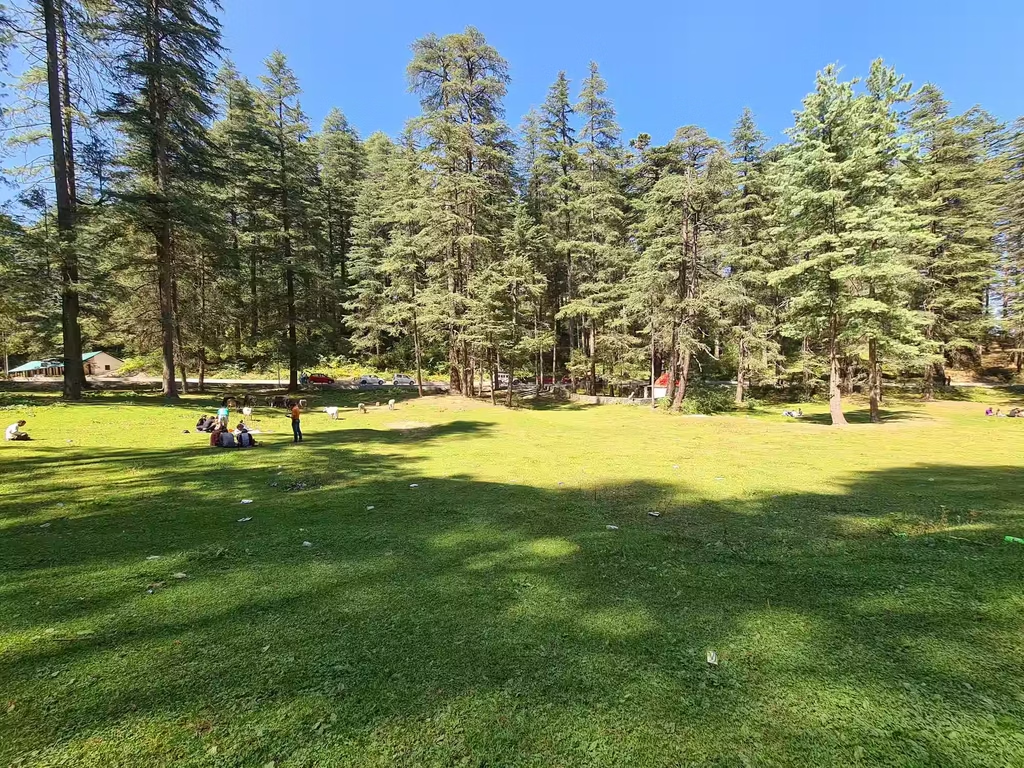
What makes Kanasar truly special is its extraordinary diversity—from the ancient deodar (Himalayan cedar) forest, considered one of the densest in Asia, to the Kanasar Lake (also called Kanasar Taal), a small natural pond with crystal-clear emerald waters; from the Kanasar Temple, a centre of local devotion, to the rich birdlife that includes the Himalayan Monal and Koklass Pheasant. The forest is a living repository of Jaunsari folklore, with legends of sages, wishes fulfilled, and divine protection spanning centuries.
The name “Kanasar” is deeply connected to local legend. It is said that long ago, a powerful sage named Kana Rishi meditated here for 12 years under a massive deodar tree. When he finally opened his eyes, his tears of joy fell and formed the lake. The forest gods blessed the water — anyone who drinks it with a pure heart gets their wishes fulfilled. Even today, villagers tie red threads on the “Kana Rishi Tree” (the biggest deodar beside the lake) and whisper their wishes.
The journey to Kanasar, which begins from the spiritual hubs of Dehradun or Chakrata, is an accessible yet profoundly rewarding adventure through ancient forests, sacred legends, and the majestic Himalayan wilderness. It offers a profound sense of peace, spiritual connection, and a deep appreciation for the rich cultural heritage of Uttarakhand.
Key Information at a Glance
| Aspect | Details |
|---|---|
| Location | Chakrata, Dehradun District, Uttarakhand |
| Type | Forest Reserve / Village (Koti Kanasar) |
| District | Dehradun |
| Tehsil | Chakrata / Tyuni |
| Coordinates | 30.74934°N 77.78553°E |
| Elevation | 2,466–2,500 m (8,091–8,200 ft) |
| Area | Reserve Forest under Uttarakhand Forest Department |
| Population (Koti Kanasar) | 648 (2011 Census) |
| Literacy Rate | 55.56–67.7% |
| Official Language | Hindi |
| Regional Language | Jaunsari, Garhwali |
| PIN Code | 248123 |
| Vehicle Registration Code | UK-07 (Dehradun) |
| Nearest Airport | Jolly Grant Airport, Dehradun (~116–139 km) |
| Nearest Railway Station | Dehradun (~87–116 km) |
| Best Time to Visit | March–June & September–November |
| Known For | Ancient Deodar Forest, Kanasar Lake, Kana Rishi Legend, Birdwatching |
| Entry Fee | Free |
| Camping Permit | Required for overnight stays |
History of Kanasar
Ancient Roots and the Kana Rishi Legend
Kanasar’s history is steeped in the mists of time, with its origins intertwined with the sacred deodar forest that has stood here for centuries. Local legend speaks of a powerful sage named Kana Rishi who meditated in this forest for 12 years under a massive deodar tree. When he finally opened his eyes, his tears of joy fell and formed the lake that now sits at the heart of the forest. The forest gods blessed the water, and it is believed that anyone who drinks it with a pure heart gets their wishes fulfilled.
Even today, villagers tie red threads on the “Kana Rishi Tree” — the biggest deodar beside the lake — and whisper their wishes. This living tradition connects the present generation to the ancient spiritual heritage of the forest.
The British Colonial Era
During the 1900s, British forest officers recognised the exceptional quality of the deodar trees in Kanasar. The forest was used for ship masts, and the British called it the “Kanasar Timber Reserve”. The deodar of this region was highly prized for its straight grain, durability, and resistance to rot, making it ideal for maritime use. Thankfully, the forest is now fully protected under the Uttarakhand Forest Department as a reserve forest.
The Village of Koti Kanasar
The village of Koti Kanasar (also referred to simply as Kanasar) is a small settlement with a few houses at the edge of the forest. According to the 2011 Census, the village has a population of 648, with a sex ratio of approximately 93 females per 1,000 males. The village is a Gram Panchayat under the Chakrata Block administration.
Asia’s Largest Deodar Tree
Kanasar is home to what is widely described as Asia’s largest and oldest deodar tree, with a circumference of approximately 6.35 metres. Some trees in the forest are over 20 feet in girth and estimated to be 600–800 years old. Walking through this forest feels like stepping inside an ancient cathedral, where sunlight filters through the canopy in golden beams.
Geography of Kanasar
Location and Topography
Kanasar is situated at an elevation of approximately 2,466–2,500 metres (8,091–8,200 feet) above sea level in the Chakrata region of the Dehradun district. The forest is located on the Chakrata–Tuni road, about 25–27 km from Chakrata town.
| Feature | Details |
|---|---|
| Location | Chakrata, Dehradun district, Uttarakhand |
| Coordinates | 30.74934°N 77.78553°E |
| Elevation | 2,466–2,500 m (8,091–8,200 ft) |
| Terrain | Gently undulating forest, meadows, small lake |
| Key Water Body | Kanasar Lake (small natural pond, ~100 m circumference) |
| Distance from Chakrata | ~25–27 km |
| Distance from Dehradun | ~90 km |
The Kanasar Lake
At the heart of the forest lies the Kanasar Lake (also called Kanasar Taal or Kanasar Forest Lake), a small natural pond with a circumference of about 100 metres. The lake’s waters are crystal clear and emerald green, perfectly reflecting the towering deodar trees and the sky above. The lake is the focal point of the forest and the source of many local legends.
The Himalayan Panorama
The forest is surrounded by the Deoban Reserved Forest to the southeast and offers views of the surrounding Himalayan peaks. The Lokhandi Tibba mountain is a prominent landmark in the area. The forest’s elevation ensures cool temperatures throughout the year, with winter snowfall transforming the landscape into a magical white wonderland.
Administrative Boundaries
Kanasar is part of the Chakrata division of the Dehradun district. The forest is a Reserve Forest under the Uttarakhand Forest Department, managed for conservation and controlled tourism. The village of Koti Kanasar is a Gram Panchayat within the Chakrata Block.
Flora and Fauna
Flora
Kanasar is defined by its ancient deodar (Himalayan cedar) forest, one of the oldest and densest in Asia. The forest is a protected reserve under the Uttarakhand Forest Department, and its protected status helps maintain the deodar ecosystem.
Key Tree Species:
- Deodar (Cedrus deodara) – Dominant species, with trees over 600 years old and 20 feet in girth
- Oak species – Including Quercus semecarpifolia (Kharsu oak) and Quercus leucotrichophora (Banj oak)
- Rhododendron (Burans) – Adding vibrant colour in spring
- Fir (Abies pindrow) – Found in the surrounding regions
The forest floor is carpeted with wildflowers in summer, turning to golden grass in autumn, and a snow carpet in winter. The landscape is dominated by tall, mature deodar forests interspersed with small grassy meadows, creating productive edge habitats that support diverse birdlife.
Fauna
Kanasar is a birdwatcher’s paradise, supporting a strong assemblage of mid- and high-altitude Himalayan birds. The forest is particularly known for its passerines (perching birds) and other Himalayan species.
Notable Bird Species:
- Himalayan Monal – Uttarakhand’s state bird
- Koklass Pheasant
- Chestnut-crowned Laughingthrush
- Spotted Nutcracker
- Various tits and woodpeckers
- Winter visitors – including finches and grosbeaks
Mammals:
- Leopard – The apex predator of the region
- Himalayan Black Bear
- Barking Deer (Kakar)
- Musk Deer – Found in the higher reaches
- Red Fox
- Himalayan Tahr
- Serow
The forest’s protected status and dense canopy make it an important habitat for these species.
Protected Areas
| Protected Area | Type | Significance |
|---|---|---|
| Kanasar Reserved Forest | Reserve Forest | Ancient deodar ecosystem, birdwatching hotspot |
| Deoban Reserved Forest | Reserve Forest | Adjacent forest, accessible from Kanasar |
| Kalsi Wildlife Sanctuary | Wildlife Sanctuary | Located in the Dehradun district |
| Govind Wildlife Sanctuary | Wildlife Sanctuary | Accessible from the region |
Religious Beliefs and Significance
The Devban: Forest of the Gods
Kanasar is not just a forest; it is a sacred landscape revered by the local Jaunsari community. Locals call it “Devban” — the Forest of the Gods — reflecting their deep spiritual connection to the ancient deodar trees. The forest is believed to be protected by divine forces, and its preservation is a matter of both ecological and spiritual importance.
The Kana Rishi Legend
The legend of Kana Rishi is central to Kanasar’s spiritual identity. It is said that the sage meditated here for 12 years under a massive deodar tree. When he opened his eyes, his tears of joy fell and formed the lake. The forest gods blessed the water, and it is believed that anyone who drinks it with a pure heart gets their wishes fulfilled.
Even today, villagers tie red threads on the “Kana Rishi Tree” (the biggest deodar beside the lake) and whisper their wishes. This living tradition connects the present generation to the ancient sage and the sacred forest.
The Kanasar Temple
A small temple, the Kanasar Temple, stands in the forest and is a centre of faith and devotion for locals. The temple is a simple structure where villagers offer prayers and seek blessings. It is a testament to the enduring spiritual significance of Kanasar and its role in the religious life of the surrounding communities.
The Sacred Grove Tradition
The deodar forest itself functions as a sacred grove, protected by community tradition and religious belief. The villagers believe that the forest is guarded by van devis (forest spirits), and felling trees is strictly prohibited. Only dead trees and fallen branches can be taken, and even then, only from the fringes. This tradition has preserved the forest for centuries and continues to be the primary reason for its protection.
Festivals and Celebrations
- Local Festivals – The Jaunsari community celebrates its festivals with traditional rituals at the Kanasar Temple
- Maroj – A festival celebrating harvest and community bonding
- Jagra – A traditional festival involving night-long vigils
- Bissu – A spring festival marking the beginning of the agricultural season
- Budhi Diwali – A unique Diwali celebration held a month after the mainstream festival
How to Reach Kanasar
Kanasar is well connected by road and can be easily reached from major cities in Uttarakhand and North India.
By Air
The nearest airport is Jolly Grant Airport in Dehradun, approximately 116–139 km from Chakrata. Jolly Grant Airport is well connected to Delhi with daily flights. Taxis are available from the airport to Chakrata and then to Kanasar.
| Route | Distance | Travel Time |
|---|---|---|
| Jolly Grant Airport → Kanasar | ~130–139 km | 5–6 hours |
By Train
The nearest railway station is Dehradun, approximately 87–116 km from Chakrata. Dehradun is well connected by railway networks with major destinations in India. Taxis and buses are available from Dehradun to Chakrata and then to Kanasar.
| Route | Distance | Travel Time |
|---|---|---|
| Dehradun Railway Station → Kanasar | ~87–116 km | 4–5 hours |
By Road
Kanasar is well connected by motorable roads to major destinations in Uttarakhand. The forest is located on the Chakrata–Tuni road, about 25–27 km from Chakrata town.
| Route | Distance | Travel Time |
|---|---|---|
| Delhi → Kanasar | ~316–350 km | 6–7 hours |
| Dehradun → Kanasar | ~90 km | 3–4 hours |
| Chakrata → Kanasar | ~25–27 km | 1 hour |
| Mussoorie → Kanasar | ~130 km | 4–5 hours |
Bus Services:
- Buses to Chakrata are available from Dehradun and Mussoorie
- From Chakrata, local buses, taxis, and shared jeeps are available to Kanasar
Local Transport
Within Kanasar and the surrounding areas, local transport options include:
- Taxis and shared jeeps for local travel
- Walking to explore the forest, lake, and temple
- Local guides – Jaunsari locals offer guided nature walks (₹400/group)
Weather and Best Time to Visit
Climate Overview
Kanasar experiences a Himalayan climate with distinct seasons, ranging from pleasant summers to cold winters with snowfall. The forest’s elevation of approximately 2,500 metres ensures cool temperatures for most of the year.
Seasonal Breakdown
| Season | Months | Weather | Suitability |
|---|---|---|---|
| Summer | March–June | Pleasant, 12–25°C | ⭐ Best |
| Monsoon | July–August | Lush greenery, misty, 15–27°C | Good for greenery |
| Autumn | September–November | Golden deodar needles, 8–20°C | ⭐ Best for photography |
| Winter | December–February | Snow-dusted ancient trees, -5–12°C | Winter camping |
Best Time to Visit
| Season | Months | Highlights |
|---|---|---|
| March–May | Wildflower carpet, rhododendron blooms | Bright emerald lake, fresh green forest |
| September–November | Mirror-like lake, golden deodar needles | Best photography season |
| December–February | Snow-covered forest | Winter camping and igloo vibes |
Note: The best time to visit Kanasar is from March to June and September to November. October is a photographer’s dream, with golden forests and clear reflections on the lake. During winter, the weather is cold, and snowfall transforms the forest into a magical white wonderland. Avoid visiting during the heavy monsoon (July–August) due to slippery trails.
Temperature
| Season | Daytime Temperature | Nighttime Temperature |
|---|---|---|
| Summer (March–May) | 12°C to 25°C | 8°C to 15°C |
| Monsoon (June–August) | 15°C to 27°C | 12°C to 20°C |
| Autumn (Sept–Nov) | 8°C to 20°C | 5°C to 12°C |
| Winter (Dec–Feb) | -5°C to 12°C | -8°C to 2°C |
Nearby Places
| Destination | Distance from Kanasar | Highlights |
|---|---|---|
| Chakrata | ~25–27 km | Hill station, Tiger Falls, Deoban |
| Deoban | ~5 km | Trekking destination, Himalayan views |
| Budher Caves | ~10–15 km | Ancient caves, trekking, Shiva temple |
| Tiger Falls | ~35 km | Scenic waterfall, picnic spot |
| Koti Kanasar Village | ~1 km | Small village, homestays |
| Kanasar Forest Rest House | ~3 km | Hilltop rest house with excellent views |
| Lakhamandal | ~60 km | Ancient temple, Mahabharata connection |
| Mussoorie | ~130 km | Queen of Hills, Kempty Falls |
| Dehradun | ~90 km | Capital city, Robber’s Cave |
Distance from Major Cities
| City | Distance (Approx.) | Travel Time |
|---|---|---|
| Delhi | ~316–350 km | 6–7 hours |
| Dehradun | ~90 km | 3–4 hours |
| Chakrata | ~25–27 km | 1 hour |
| Mussoorie | ~130 km | 4–5 hours |
| Haridwar | ~120 km | 4–5 hours |
Frequently Asked Questions (FAQs)
General Questions
Q1: What is Kanasar?
A: Kanasar is a high-altitude forest destination near Chakrata in the Dehradun district of Uttarakhand, known for its ancient deodar forest, a small emerald lake, and the Kanasar Temple.
Q2: Where is Kanasar located?
A: Kanasar is located in the Chakrata region of the Dehradun district, Uttarakhand, on the Chakrata–Tuni road, about 25–27 km from Chakrata town.
Q3: What is the elevation of Kanasar?
A: Kanasar is situated at an elevation of approximately 2,466–2,500 metres (8,091–8,200 feet) above sea level.
Q4: What is Kanasar famous for?
A: Kanasar is famous for its ancient deodar forest (one of the densest in Asia), the Kanasar Lake, the Kana Rishi legend, and its birdwatching opportunities.
Q5: What is the best time to visit Kanasar?
A: The best time is March–June and September–November. October is the best month for photography.
Q6: What is the nearest airport to Kanasar?
A: The nearest airport is Jolly Grant Airport in Dehradun, approximately 116–139 km away.
Q7: What is the nearest railway station to Kanasar?
A: The nearest railway station is Dehradun, approximately 87–116 km away.
Q8: How far is Kanasar from Delhi?
A: Kanasar is approximately 316–350 km from Delhi, about a 6–7 hour drive.
Q9: What is the vehicle registration code for Kanasar?
A: The vehicle registration code is UK-07 (Dehradun district).
Q10: What is the PIN code of Kanasar?
A: The PIN code of Koti Kanasar is 248123.
Q11: What is the population of Kanasar?
A: According to the 2011 Census, the population of Koti Kanasar is 648.
Q12: What are the major water bodies in Kanasar?
A: The major water body is the Kanasar Lake, a small natural pond with emerald-green water.
Q13: What is the Kanasar Temple?
A: The Kanasar Temple is a small temple in the forest that is a centre of faith and devotion for local communities.
Q14: What is the legend of Kana Rishi?
A: According to local legend, sage Kana Rishi meditated in the forest for 12 years. His tears of joy formed the lake, and the forest gods blessed the water.
Q15: What wildlife can be found in Kanasar?
A: Kanasar is home to the Himalayan Monal, Koklass Pheasant, leopards, Himalayan black bears, musk deer, and various other Himalayan species.
Q16: How do I reach Kanasar from Chakrata?
A: Kanasar is about 25–27 km from Chakrata on the Tuni Road. It takes about 1 hour by taxi or local jeep due to the winding forest roads.
Q17: What is the mythological significance of Kanasar?
A: Kanasar is believed to be the site where Kana Rishi meditated and attained divine blessings. The forest is considered sacred by the local Jaunsari community.
Q18: What is the local language of Kanasar?
A: The official language is Hindi. The regional language is Jaunsari.
Q19: Is Kanasar a good destination for offbeat travellers?
A: Yes, Kanasar is an offbeat destination perfect for those seeking ancient forests, camping, birdwatching, and Himalayan scenery away from crowded tourist spots.
Q20: What are the nearby places to visit from Kanasar?
A: Nearby places include Chakrata (25 km), Deoban (5 km), Budher Caves (10–15 km), Tiger Falls (35 km), and Lakhamandal (60 km).
Q21: What is Asia’s largest deodar tree?
A: Asia’s largest deodar tree is located in Kanasar, with a circumference of approximately 6.35 metres.
Q22: What food is available in Kanasar?
A: There are no shops or eateries in Kanasar. Visitors should carry their own food and water. The forest is far from shops, and mobile connectivity can be weak or absent.
Q23: Is photography allowed in Kanasar?
A: Yes, photography is allowed and is one of the main activities. The sunrise and sunset views are particularly spectacular.
Q24: Can I camp in Kanasar?
A: Yes, camping is allowed with a permit from the Chakrata Forest Range Office (₹200/group). Swiss tents and dome tents are available for ₹1,500–2,500/night with bonfire and meals.
Q25: What is the distance from Rishikesh to Kanasar?
A: The distance from Rishikesh to Kanasar is approximately 120 km.
Q26: What is the distance from Haridwar to Kanasar?
A: The distance from Haridwar to Kanasar is approximately 120 km.
Q27: What is the significance of the Kana Rishi Tree?
A: The Kana Rishi Tree is the biggest deodar beside the lake. Villagers tie red threads on it and whisper their wishes, continuing a centuries-old tradition.
Q28: What is the forest’s conservation status?
A: Kanasar is a Reserve Forest under the Uttarakhand Forest Department, protected for its deodar ecosystem.
Q29: What is the best way to explore Kanasar?
A: The best way is by walking — the terrain is relatively flat or gently undulating, making walking and birding comfortable.
Q30: What should I carry for a visit to Kanasar?
A: Carry a picnic mat, snacks, a warm jacket, a camera, and water. The forest is always 4–5°C cooler than the surrounding areas, and there are no shops nearby.
Essential Tips for Visitors
- Best Time: Plan your visit between March–June or September–November for pleasant weather
- Footwear: Wear comfortable walking shoes as the terrain is gently undulating
- Clothing: Carry warm clothing — the forest is always 4–5°C cooler than surrounding areas
- Monsoon Caution: Avoid visiting during heavy monsoon (July–August) due to slippery trails
- Camping Permit: Obtain a permit from the Chakrata Forest Range Office for overnight stays
- Carry Food and Water: There are no shops or eateries in Kanasar; carry your own supplies
- Mobile Connectivity: Mobile phone connectivity can be weak or absent; inform family before visiting
- Local Cuisine: Try local Jaunsari dishes if staying in homestays
- Respect Local Culture: Kanasar is a sacred forest; maintain the sanctity of the temple and natural sites
- Leave No Trace: Respect the fragile Himalayan ecosystem — carry back all waste
- Birdwatching: Best done by walking through forest clearings and meadow edges; arrive early for best sightings
- Photography: October is the best month for photography with golden forests and clear lake reflections
- Guided Walks: Jaunsari locals offer guided nature walks (₹400/group) — a great way to learn about the forest
- Weather Updates: Check weather forecasts before travelling, especially during monsoon and winter
- Vehicle: The road is fully motorable, even for hatchbacks; parking is available at the forest camp area
Plan Your Kanasar Adventure with Discover Uttarakhand
At Discover Uttarakhand, we’ve been organising unforgettable Himalayan journeys since 1997. As a trusted local operator with deep knowledge of the Garhwal region, we offer:
✅ Customised Kanasar tour packages
✅ Combined itineraries with Chakrata, Mussoorie, and Dehradun
✅ Experienced local guides and naturalists
✅ Comfortable transport with experienced hill drivers
✅ All necessary permits and arrangements
✅ Quality accommodation and nutritious meals
✅ 24/7 customer support throughout your journey
Recommended Kanasar Packages
| Package | Duration | Starting Point | Highlights |
|---|---|---|---|
| Kanasar Forest Retreat | 3 Days / 2 Nights | Dehradun | Kanasar Forest, Kanasar Lake, Kanasar Temple |
| Kanasar Camping Expedition | 4 Days / 3 Nights | Dehradun | Kanasar, Budher Caves, Deoban, Tiger Falls |
| Kanasar Birdwatching Trail | 5 Days / 4 Nights | Dehradun | Kanasar, Deoban, Chakrata, Birdwatching |
| Kanasar Complete Exploration | 6 Days / 5 Nights | Delhi | Kanasar, Chakrata, Mussoorie, Dehradun, Lakhamandal |
📞 Call / WhatsApp: +91-9997187178, 9760222178, 8171977178
📍 Visit Our Office: Himalayan Colony, opposite DSVV, Haripur Kalan, Haridwar, Motichur Range, Uttarakhand 249411
🌐 Website: www.discover-uttarakhand.com
📧 Email: discoveruttarakhand.mail@gmail.com
Plan your journey to Kanasar with proper preparation and respect for this sacred forest where ancient legends come alive. Experience the divine presence of the Himalayas in one of India’s most pristine and naturally breathtaking destinations.
Discover Uttarakhand – Your Local Partner for Unforgettable Himalayan Journeys Since 1997 🏔️