Introduction: The Sacred Abode of Lord Shiva
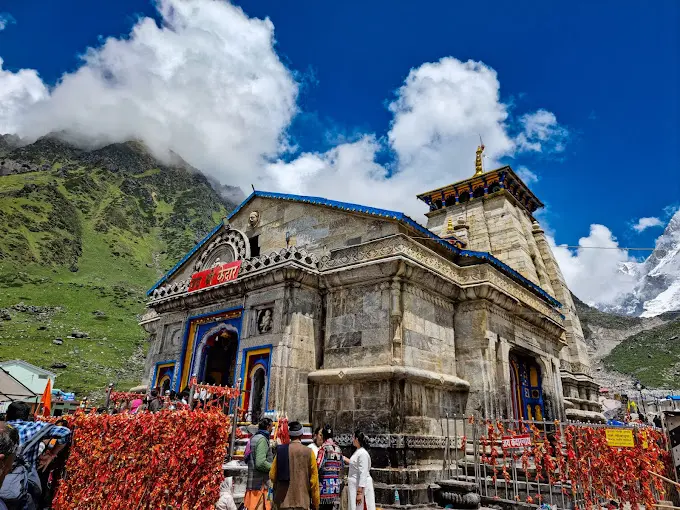
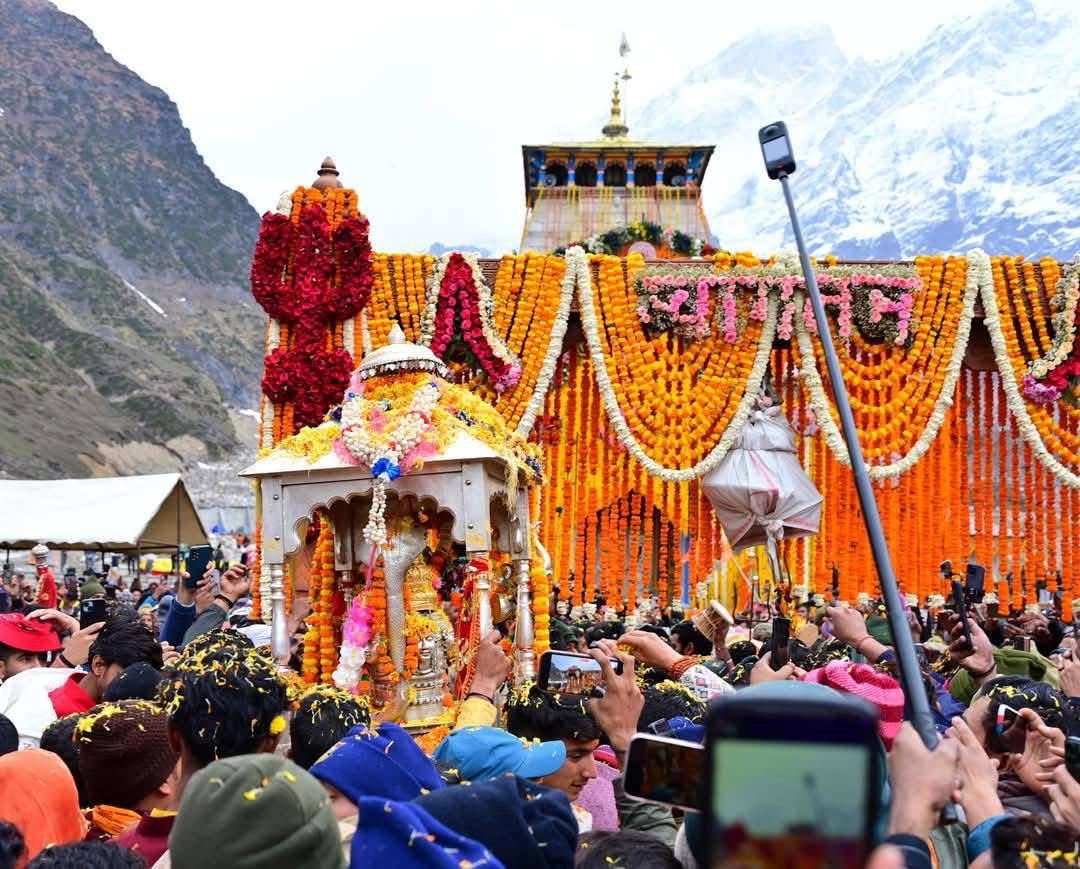
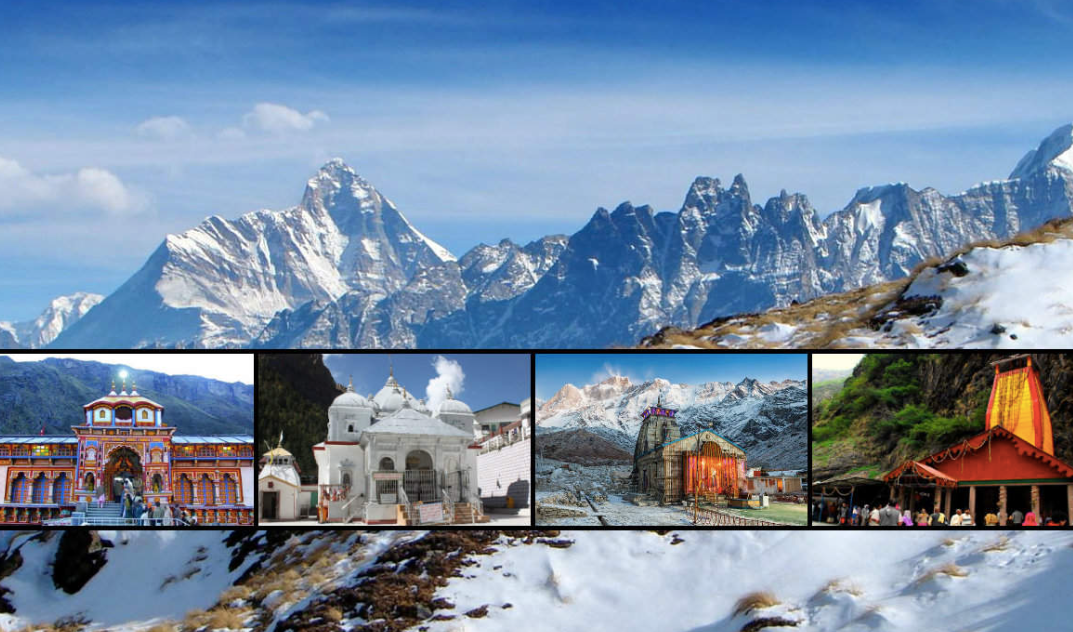
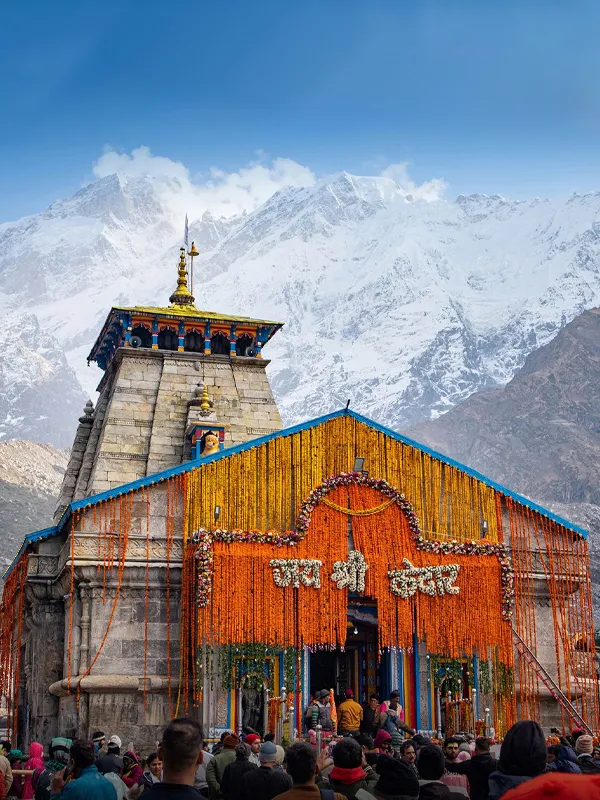
Kedarnath Dham, nestled in the Garhwal Himalayas at an altitude of 3,583 meters (11,755 feet), is one of the most revered Hindu temples dedicated to Lord Shiva. As one of the twelve Jyotirlingas and a vital part of the Char Dham pilgrimage circuit, this sacred site attracts millions of devotees each year. In 2024 alone, the Kedarnath Yatra witnessed an impressive turnout of over 1.6 million visitors.
Situated beside the Mandakini River, which originates from the Chorabari Glacier, the temple stands as a testament to both divine mythology and human resilience. The name “Kedarnath” translates to “Lord of the Marshy Ground,” reflecting the seasonal transformation of the valley where snowmelt and rainfall turn the terrain into a marshy landscape.
For devout Hindus, a pilgrimage to Kedarnath is not merely a journey—it is an act of profound faith. It is believed that a visit to this sacred shrine absolves one of sins and paves the path to salvation (moksha). The temple’s remote location and challenging access make the journey itself an act of devotion, testing the pilgrim’s physical endurance and spiritual commitment.
History and Mythology of Kedarnath
The Legend of the Pandavas
The most widely recounted legend associated with Kedarnath Temple involves the Pandavas, the heroes of the Mahabharata. After the epic battle of Kurukshetra, the Pandavas were burdened by guilt for having killed their kinsmen and sought penance from Lord Shiva. However, Shiva, saddened by the violence of the war, chose to evade them by assuming the form of a bull (Nandi) and hiding in the Garhwal Himalayas.
When the Pandavas tracked the bull in Guptakashi (meaning “hidden Kashi”), Bhima, the second Pandava brother, caught hold of the bull’s tail and hind legs. As Shiva vanished into the ground, his body parts appeared at five different locations, collectively known as the Panch Kedar :
- Kedarnath: The hump of the bull appeared here
- Tungnath: The arms appeared
- Rudranath: The face appeared
- Madhyamaheshwar: The navel and stomach appeared
- Kalpeshwar: The hair (matted locks) appeared
The Pandavas are said to have built the Kedarnath Temple at this spot to honour Lord Shiva and seek his blessings, ultimately attaining salvation.
The Legend of Nar and Narayana
According to the Shiva Purana, the twin sages Nar and Narayana—avatars of Lord Vishnu—performed years of austere penance at Badrikashram, seeking union with the divine. As their tapasya (spiritual discipline) deepened, Lord Shiva appeared before them and offered them a boon. In response, the sages asked that Shiva reside at Kedarnath as a Jyotirlinga, so that pilgrims might be cleansed of their sins by his presence. This legend marks the founding of Kedarnath Dham as a permanent abode of Shiva.
The Role of Adi Shankaracharya
While the temple’s origins are steeped in mythology, historical tradition holds that Adi Shankaracharya, the great 8th-century philosopher-saint, restored the temple structure at Kedarnath in the 8th century CE. According to some hagiographies, he attained mahasamadhi (final union with the Divine) in the highlands near Kedarnath. This connection ties the physical temple to the revival of sacred knowledge and pilgrimage culture in the region.
The Goddess Parvati and Ardhanarishvara Legend
The Skanda Purana tells another story of Parvati’s prayer to Shiva for union in the form of Ardhanarishvara (the half-male, half-female form of Shiva and Parvati together). At Kedarnath, gods are believed to have worshipped Shiva in his bull disguise to defend themselves from evil, casting adversaries into the Mandakini River.
Geography and Location
Geographic Coordinates
- Latitude: 30°47′42″ N
- Longitude: 79°04′10″ E
- Elevation: 3,583 meters (11,755 feet) above sea level
- Location: Rudraprayag district, Uttarakhand
Topography
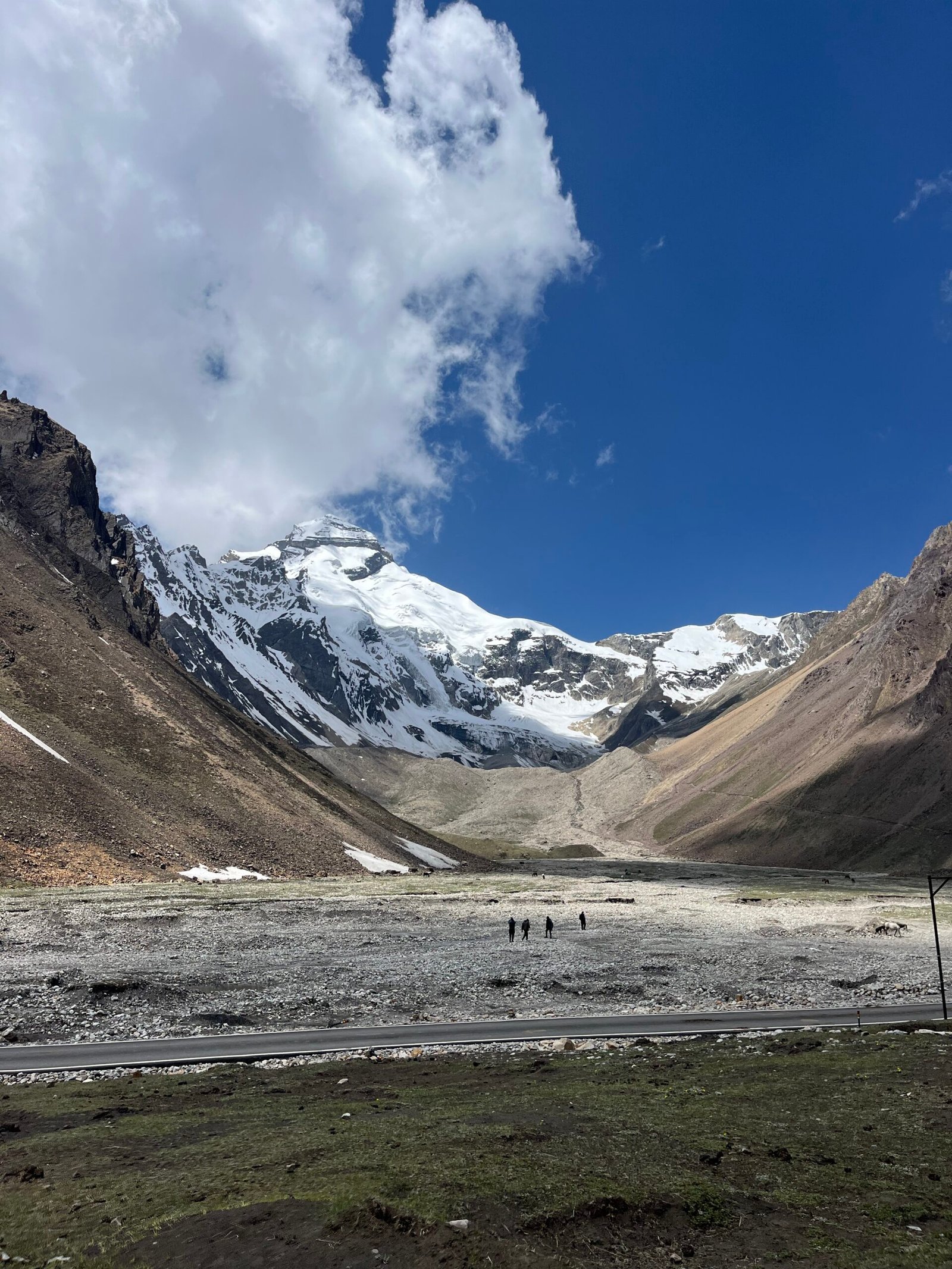
Kedarnath is situated in the Garhwal Himalayas near the head of the Mandakini River, which originates from the Chorabari Glacier. The region is characterised by deep “V” shaped valleys formed by glacial action over centuries. The temple itself is surrounded by the majestic Kedar Massif, including Kedarnath Main (6,940 meters) and Kedarnath Dome (6,831 meters).
The Kedarnath Mountain Range
The Kedarnath mountain, part of the Gangotri Group of peaks, is the highest peak on the south side of the Gangotri Glacier. The peak was first climbed in 1947 by a Swiss team led by André Roch. Today, the area is a popular destination for mountaineering expeditions and trekkers.
Kedarnath Wildlife Sanctuary
Overview
The Kedarnath Wildlife Sanctuary, also known as the Kedarnath Musk Deer Sanctuary, is one of the largest protected areas in the western Himalayas, covering 975 square kilometres. Established in 1972 under the Wildlife Protection Act, the sanctuary spans the Chamoli and Rudraprayag districts.
Flora
The sanctuary’s diverse climate and topography support a wide variety of vegetation :
- Temperate Forests (1,160-3,000 m): Chir pine, oak, deodar, rhododendrons
- Coniferous and Sub-Alpine (3,000-3,800 m): Fir, spruce, birch
- Alpine Meadows (Above 3,800 m): Grasses, shrubs, herbs, high-altitude bugyals
The sanctuary is renowned for its high-value medicinal and aromatic plant species, with 22 species considered rare and endangered. These include Aconitum balfourii, Angelica glauca, and Dactylorhiza hatagirea (commonly known as Hatthajari).
Fauna
The Kedarnath Wildlife Sanctuary is internationally important for the diversity of its fauna, particularly its ungulate species :
Mammals:
- Snow Leopard (Uncia uncia): Endangered, found in the highest alpine zones
- Himalayan Musk Deer (Moschus leucogaster): The sanctuary’s namesake, endangered and protected under the “Threatened Deer Programme” of IUCN
- Himalayan Black Bear (Selenarctos thibetanus laniger): Vulnerable, found in forested areas
- Himalayan Tahr: Large mountain goat
- Indian Leopard (Panthera pardus fusca): Vulnerable
- Bharal (Blue Sheep): Found in high-altitude meadows
Birds:
- Himalayan Monal (Lophophorus impejanus): The state bird of Uttarakhand
- Snow Partridge (Lerwa lerwa): Found in alpine zones
- Kalij Pheasant, Koklass Pheasant: Various pheasant species
Reptiles:
Conservation Efforts
The sanctuary includes a breeding centre at Kharchula Kharak for the endangered Himalayan musk deer, which is poached for its musk pod valued at US$45,000 per 25 kg for use in cosmetics and traditional medicine. Through 1987, the centre had successfully reared nine deer.
Temple Architecture
Construction and Design
The Kedarnath Temple is a masterpiece of ancient Himalayan architecture. Constructed from large, heavy grey stone slabs, the structure uses an interlocking design that eliminates the need for mortar. Iron clamps secure the structure, enhancing its durability.
Unique Orientation
Unlike most Hindu temples that face east or west, Kedarnath Temple is uniquely oriented north-south, aligning with the sacred geography of the region.
Architectural Style
Built in the Nagara style of temple architecture, the temple features:
- Shikhara (Tower): A conical tower rising above the central shrine
- Garbhagriha (Sanctum Sanctorum): Houses the lingam worshipped as Sadashiva, the “ever-auspicious” form of Shiva
- Mandapa (Pavilion): The hall where devotees gather for worship
- Nandi Statue: A statue of Nandi, Shiva’s mount, is placed at the entrance
Decorative Elements
The temple’s walls feature carvings of deities, mythological scenes, and floral motifs. Some researchers suggest that the temple was buried under snow for nearly 400 years during the Little Ice Age (early 14th century–mid-19th century), which may have helped preserve its structure.
Temple Timings and Rituals
Darshan Timings
Daily Rituals
- Morning Aarti: Early morning prayers to awaken the deity
- Abhishekam: Anointing of the lingam with holy water and offerings
- Evening Aarti: The main ceremony is held at sunset
Winter Closure
During the harsh winter months (November to April), the temple is closed due to heavy snowfall. The Shiva murti (idol) is moved to the Omkareshwar Temple in Ukhimath, a town at a lower elevation of about 1,300 meters in Rudraprayag district, where worship continues throughout the winter.
2026 Opening and Closing Dates
| Event | Date (Expected) |
|---|---|
| Opening Date (Akshaya Tritiya) | April 22, 2026 |
| Closing Date (Bhai Dooj) | November 3, 2026 |
How to Reach Kedarnath
By Air
Nearest Airport: Jolly Grant Airport, Dehradun (approximately 109-240 km from Gaurikund)
From the airport:
- Taxis are available to Sonprayag/Gaurikund
- The journey takes 8-10 hours, covering approximately 240 km
By Train
Nearest Railway Stations:
| Station | Distance | Travel Time |
|---|---|---|
| Rishikesh | 240 km | 8-10 hours by road |
| Haridwar | 270 km | 10-12 hours by road |
| Dehradun | 240 km | 8-10 hours by road |
From the railway station, travellers must continue by road to reach Gaurikund, the last motorable point.
By Road
Key Distances:
Route Details:
Delhi → Haridwar → Rishikesh → Devprayag → Srinagar → Rudraprayag → Guptkashi → Sonprayag → Gaurikund
Road Conditions:
- Delhi to Haridwar: Smooth highway on NH 334, speeds 60-80 km/h
- Haridwar to Sonprayag: Hilly roads with steep climbs and sharp turns
- Sonprayag to Gaurikund: Only local taxis allowed; uphill drive of 5 km
By Trek from Gaurikund
The 16 km trek from Gaurikund to Kedarnath Temple is the traditional route.
Trek Route:
Gaurikund → Jungle Chatti → Bheembali → Linchauli → Kedarnath Base Camp → Kedarnath Temple
Trek Details:
| Factor | Details |
|---|---|
| Distance | 16 km one way |
| Duration | 6-8 hours |
| Difficulty | Moderate to challenging |
| Altitude Gain | From 1,980 m to 3,583 m |
Trekking Options:
- Walking: For the physically fit, the most rewarding experience
- Pony/Horse: Available for hire along the route
- Palanquin (Palki): For those unable to walk
- Pittu (Doli): Carried by porters
Accommodation En Route:
- Jungle Chatti: Basic lodges and GMVN rest houses
- Bheembali: GMVN pre-fab huts
- Linchauli: GMVN Shivlok Cottages
By Helicopter
Helicopter services provide a faster, more comfortable alternative for reaching Kedarnath.
Major Helipads:
| Helipad | Location | Flight Duration |
|---|---|---|
| Phata | 50 km from Gaurikund | 8-10 minutes |
| Guptkashi | 35 km from Gaurikund | 8-10 minutes |
| Sersi | 40 km from Gaurikund | 8-10 minutes |
| Sitapur | 25 km from Gaurikund | 8-10 minutes |
Booking Tips:
- Book only through official portals like IRCTC or GMVN
- Carry ID proof and medical certificates (if required)
- Report to the helipad 1 hour before your time slot
- Strict baggage limits apply—usually 2 to 5 kg
Weather and Best Time to Visit
Climate Overview
Kedarnath experiences a sub-arctic climate with extremely cold winters, cool summers, and heavy monsoon rainfall. The South West monsoon brings approximately 3,093 mm of annual precipitation, with 81% falling between June and September.
Month-by-Month Temperature Guide
Best Time to Visit
Weather-Related Travel Tips
- Summer: Pack light woollens for mornings and evenings; days are pleasant
- Monsoon: Avoid travelling; if necessary, carry rain gear and allow buffer days
- Post-Monsoon: Pack warm layers; nights are significantly colder
- Always check weather forecasts before departure
- Carry portable oxygen for high-altitude acclimatisation
Nearby Attractions and Places to Visit
1. Gaumukh – The Source of the Ganges
Located approximately 18-19 km from Gangotri (accessible via a separate route), Gaumukh is the actual source of the Bhagirathi River and one of the primary sources of the Ganges.
2. Vasuki Tal
A beautiful glacial lake perched at 4,135 meters, offering stunning views of the surrounding peaks.
3. Gaurikund
The starting point of the Kedarnath trek, Gaurikund, is also a spiritual site where Goddess Parvati is believed to have meditated.
- Features: Natural hot springs where pilgrims bathe before starting the trek
- Things to Do: Holy dip, temple visit, local shopping
4. Triyuginarayan Temple
Located 25 km from Kedarnath, this temple is believed to be the sacred site where Lord Shiva married Goddess Parvati.
- Significance: Eternal flame burning since the divine wedding
- Things to Do: Spiritual visit, marriage registration, scenic walks
5. Sonprayag
Located at the confluence of the Mandakini and Basuki rivers, Sonprayag is a scenic halt for those heading towards Kedarnath.
6. Shri Bhairavnath Temple
Dedicated to Bhairava, the guardian deity of Kedarnath. According to tradition, Bhairava protects Kedarnath during the harsh winter months.
7. Chorabari Glacier
The source of the Mandakini River, this glacier is a stunning sight for those who venture beyond the temple.
8. Adi Shankaracharya Samadhi
The site where Adi Shankaracharya is believed to have attained mahasamadhi is located near the temple.
9. Bhim Shila (Divya Shila)
A large boulder acted as a natural barrier, shielding the temple from floodwaters during the 2013 Uttarakhand floods. It is now venerated as a sacred site.
10. Guptakashi
The town where Shiva is believed to have hidden from the Pandavas, Guptakashi, is an important stop on the way to Kedarnath.
Distances from Major Cities
| City | Distance (km) |
|---|---|
| Delhi | 450 |
| Haridwar | 270 |
| Rishikesh | 240 |
| Dehradun | 240 |
| Rudraprayag | 75 |
| Guptkashi | 35 |
| Sonprayag | 30 |
| Gaurikund | 5 (from Sonprayag) |
| Badrinath | 280 |
| Gangotri | 320 |
| Yamunotri | 250 |
Essential Packing List
Clothing Essentials
- Thermal innerwear (top and bottom) – multiple pairs
- Fleece jacket and heavy woollen sweater
- Down jacket or thick winter coat
- Waterproof outer shell/raincoat
- Woollen gloves, muffler, and woollen cap
- Heavy woollen socks (3-4 pairs)
- Sturdy, broken-in trekking shoes with good grip
- Comfortable slippers for evenings
Accessories and Gear
- Trekking pole for stability
- Headlamp or torch with extra batteries
- Power bank for charging devices
- Sunglasses with UV protection
- Sunscreen and lip balm (high altitude sun is intense)
- Reusable water bottle (insulated recommended)
Health and Hygiene
- Personal medications with a prescription
- First-aid kit with bandages, antiseptics, and pain relievers
- Altitude sickness medication (consult doctor)
- Portable oxygen can (recommended)
- Basic toiletries, wet wipes, and hand sanitiser
- Moisturiser (high altitude causes dry skin)
Documents
- Valid ID proof (Aadhaar/Passport/Voter ID)
- Yatra registration printout
- Doctor’s prescription for regular medications
- Travel insurance documents
- Helium balloon tickets (if taking a helicopter)
Food and Snacks
- Energy bars, dry fruits, nuts
- Electrolyte sachets
- Glucose for quick energy
- Chocolate for instant energy
Travel Tips and Important Information
Before You Go
- Medical Check-up: Consult your doctor before undertaking the yatra, especially if you have heart or respiratory conditions
- Yatra Registration: Complete mandatory registration through the official Uttarakhand tourism portal
- Physical Preparation: Start walking and light exercise 1-2 months before the yatra
- Book in Advance: For May-June and September-October, book accommodations and transport 2-3 months ahead
During the Yatra
- Acclimatisation: Spend a night at Guptkashi or Phata before trekking to Kedarnath
- Start Early: Begin the trek by 6:00 AM to reach Kedarnath before the afternoon fog sets in
- Stay Hydrated: Drink plenty of water to prevent altitude sickness
- Dress in Layers: Temperatures can change rapidly—layers allow adjustment throughout the day
- Avoid Night Travel: Mountain roads become risky after dark; reach your destination before sunset
Health Precautions
- Altitude Sickness: Symptoms include headache, nausea, and breathlessness. If symptoms worsen, descend immediately.
- Oxygen Support: Portable oxygen cans are available at shops in Kedarnath and along the trek route
- Emergency Numbers: Keep local emergency contact numbers handy
- First Aid: Basic medical facilities are available at Kedarnath and along the route
Photography Tips
- Sunrise over the Kedarnath peaks is spectacular
- Photography inside the temple may be restricted; check with temple authorities
- Carry extra batteries—cold drains battery quickly
Frequently Asked Questions (FAQs)
Q1: Why is Kedarnath Temple important?
A: Kedarnath is one of the twelve Jyotirlingas and a vital part of the Char Dham pilgrimage circuit. It is believed to be where Lord Shiva appeared as a Jyotirlinga and where the hump of his bull form appeared when he evaded the Pandavas.
Q2: What is the best time to visit Kedarnath?
A: The best time to visit is May to June (pleasant weather) and September to October (post-monsoon clarity). The temple is open from late April/early May to October/November.
Q3: When does Kedarnath Temple open in 2026?
A: The temple opens on Akshaya Tritiya, expected to be April 22, 2026, and closes on Bhai Dooj, expected to be November 3, 2026.
Q4: What is the temperature in Kedarnath?
A: Summer temperatures range from 5°C to 15°C; winter temperatures can drop below -10°C with heavy snowfall.
Q5: What is the distance from Delhi to Kedarnath?
A: The distance is approximately 450 km by road, including a 16 km trek from Gaurikund to the temple.
Q6: How to reach Kedarnath?
A: The journey involves:
- Road travel to Gaurikund (450 km from Delhi)
- 16 km trek from Gaurikund to Kedarnath (6-8 hours)
- Helicopter options available from Phata, Guptkashi, Sersi, and Sitapur
Q7: Is the Kedarnath trek difficult?
A: The 16 km trek is moderate to challenging. It requires good physical fitness. Options include walking, ponies, palanquins, or porters.
Q8: Are there hotels in Kedarnath?
A: Yes, Kedarnath has GMVN guest houses, dharamshalas, and private lodges. Booking in advance during peak season is essential.
Q9: Is Kedarnath safe for senior citizens?
A: Yes, but special arrangements are recommended:
- Choose the helicopter option to avoid the trek
- Book porter or palanquin services if trekking
- Consult a doctor before travelling
- Carry oxygen support
Q10: What is the 2013 flood story?
A: In June 2013, Uttarakhand experienced devastating floods. A large boulder called Bhim Shila protected the temple from floodwaters while surrounding structures were destroyed.
Q11: What are the Panch Kedar?
A: The Panch Kedar are five Shiva temples in Garhwal where different body parts of Shiva’s bull form appeared: Kedarnath (hump), Tungnath (arms), Rudranath (face), Madhyamaheshwar (navel), and Kalpeshwar (hair).
Q12: What is the significance of Guptakashi?
A: Guptakashi means “hidden Kashi.” It is where Shiva hid from the Pandavas by taking the form of a bull. The Pandavas discovered him here before he disappeared into the ground.
Q13: Is there a mobile network in Kedarnath?
A: Mobile connectivity is limited and often poor. BSNL typically offers better coverage than other networks. Internet availability is poor.
Q14: What documents are required for the yatra?
A: Valid ID proof (Aadhaar/Passport/Voter ID) and yatra registration. Foreign nationals require a valid visa.
Q15: Can I visit Kedarnath in winter?
A: No, the temple is closed from November to April due to heavy snowfall. The idol is moved to Ukhimath during this period.
Plan Your Kedarnath Yatra with Discover Uttarakhand
At Discover Uttarakhand, we’ve been organising spiritual journeys across Devbhoomi since 1997. As a trusted local operator with deep knowledge of the Kedarnath route, we offer:
- ✅ Customised Kedarnath Yatra packages (3 to 7 days)
- ✅ Combined Char Dham itineraries
- ✅ Helicopter package arrangements
- ✅ Comfortable transport with experienced mountain drivers
- ✅ Verified accommodations in Guptkashi, Phata, Sonprayag, and Kedarnath
- ✅ Trek support with porter and pony arrangements
- ✅ 24/7 customer support throughout your journey
Recommended Kedarnath Packages
| Package | Duration | Highlights |
|---|---|---|
| Kedarnath Darshan from Haridwar | 3 Nights / 4 Days | Gaurikund trek, Kedarnath temple, Guptkashi stay |
| Kedarnath with Helicopter | 2 Nights / 3 Days | Phata helipad, VIP darshan, no trekking |
| Do Dham Yatra (Kedarnath + Badrinath) | 5 Nights / 6 Days | Both shrines, Guptkashi, Joshimath |
| Char Dham Yatra | 10-12 Days | Complete pilgrimage circuit |
Book your Kedarnath Yatra today and experience the divine energy of Lord Shiva’s sacred abode.
📞 Call / WhatsApp: +91-9997187178, 9760222178, 8171977178
📍 Visit Our Office: Himalayan Colony, opposite DSVV, Haripur Kalan, Haridwar, Motichur Range, Uttarakhand 249411
🌐 Website: www.discover-uttarakhand.com
📧 Email: info@discover-uttarakhand.com
Jai Kedarnath! Om Namah Shivaya! 🙏
Discover Uttarakhand – Your Local Partner for Sacred Himalayan Journeys Since 199