Overview: The Winter Seat of Goddess Yamuna
Tucked away in the Garhwal Himalayas of the Uttarkashi district, Kharsali is not just a destination; it is a journey into the soul of the mountains and the living heritage of the Yamunotri pilgrimage.
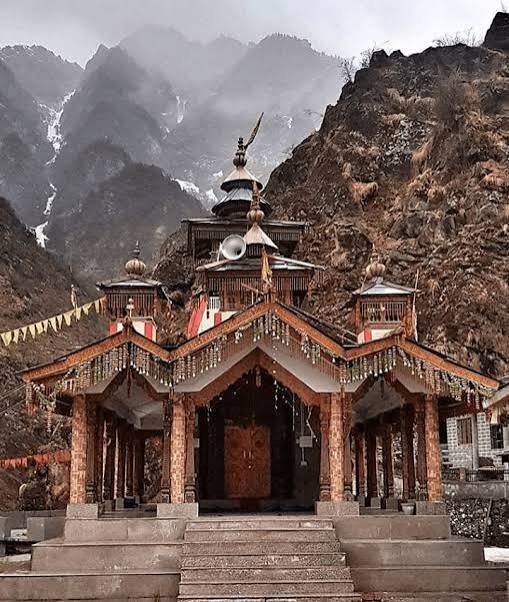
Often referred to as the “Winter Abode of Goddess Yamuna”, this magnificent village is a land of unparalleled natural beauty and profound spiritual significance. Located just 1 km from Janki Chatti and 6 km from Yamunotri, Kharsali serves as the sacred winter seat of Goddess Yamuna, where her idol is brought down in a grand ritual ceremony when the high-altitude Yamunotri Temple becomes inaccessible due to heavy snowfall.
What makes Kharsali truly special is its extraordinary diversity—from the ancient Shani Dev Temple, considered one of the oldest in India, to the traditional Garhwali architecture of stone and timber that has withstood earthquakes for centuries, from the serene banks of the Yamuna River to the lush green meadows and thermal springs that dot the region. The village is also the ancestral home of the priests of the Yamunotri Temple, making it a living repository of the Kumaon Himalayas’ spiritual heritage.
The name “Kharsali” is also known as ‘Khushimath’, a name that reflects the peaceful and joyful spirit of this Himalayan hamlet. The journey to Kharsali, which begins from the spiritual hubs of Rishikesh or Dehradun, is an accessible yet profoundly rewarding adventure through sacred confluences, ancient temples, and the majestic Himalayan wilderness. It offers a profound sense of peace, spiritual connection, and a deep appreciation for the rich cultural heritage of Uttarakhand.
Key Information at a Glance
| Aspect | Details |
|---|---|
| Location | Uttarkashi District, Uttarakhand |
| Type | Village / Winter Seat of Yamunotri |
| District | Uttarkashi |
| Tehsil | Rajgarhi |
| Coordinates | 30.7291049°N 78.4403495°E |
| Elevation | 2,675 m (8,776 ft) |
| Population (2011) | 1,068 |
| Area | 359.06 hectares |
| Official Language | Hindi |
| Regional Language | Garhwali |
| PIN Code | 249141 |
| Vehicle Registration Code | UK-09 (Uttarkashi) |
| Nearest Airport | Jolly Grant Airport, Dehradun (~192–195 km) |
| Nearest Railway Station | Rishikesh (~200 km) / Dehradun (~175–192 km) |
| Best Time to Visit | May–June & September–November |
| Known For | Winter Seat of Goddess Yamuna, Shani Dev Temple, Yamunotri Trek Base |
History of Kharsali
Ancient Roots in the Yamunotri Pilgrimage
Kharsali has a history that is deeply intertwined with the ancient pilgrimage tradition of Yamunotri, one of the four sacred Char Dham sites in Uttarakhand. The village has been the winter seat of Goddess Yamuna for centuries, a tradition that continues to this day.
The Yamunotri Connection
The priests of the Yamunotri Temple hail from Kharsali, making the village an integral part of the temple’s religious ecosystem. When the Yamunotri Temple, perched at 3,293 metres, becomes inaccessible due to snowfall, the temple’s Kapat (doors) close, and the idol of Goddess Yamuna is carried down to Kharsali. This journey, the Utsav Doli (ceremonial palanquin procession), is led by temple priests and villagers with traditional Garhwali music, typically on Bhai Dooj (Yama Dwitiya) — two days after Diwali, in late October or November.
The Shani Dev Temple
Kharsali is home to what is widely described as one of the oldest Shani Dev temples in India. The temple is a tall, multi-storey structure built in the traditional Garhwali koti-banal style, using stone, wood, and a mortar created from urad dal (black gram pulse). The temple’s construction has survived earthquakes in these valleys for centuries, and its unique architecture is the main reason to give Kharsali more than a quick stop.
The Legend of Brother and Sister
According to local tradition, Lord Shani Dev is considered the brother of Goddess Yamuna. Yamuna arrives in Shani’s village on Bhai Dooj, the festival of the bond between brother and sister, every year, and stays for the winter. The two temples are just a hundred metres apart, making Kharsali the place where brother and sister spend the winter together — a tradition that gives the Winter Char Dham its own internal logic.
Historical Art and Literature
Around 1830, the village was painted by Charles Bentley, and an engraving by J. Appleton became the subject of a poetical illustration by Letitia Elizabeth Landon, published in Fisher’s Drawing Room Scrap Book, 1838. The painting shows a Hindu temple with the snows of Mount Yamunotri in the background, capturing Kharsali’s timeless beauty.
Geography of Kharsali
Location and Topography
Kharsali is situated at an elevation of 2,675 metres (8,776 feet) above sea level in the Uttarkashi district of Uttarakhand. The village is nestled on the banks of the Yamuna River, with the majestic Yamunotri Dham just 6 km away, reachable only on foot.
| Feature | Details |
|---|---|
| Location | Rajgarhi tehsil, Uttarkashi district, Uttarakhand |
| Coordinates | 30.7291049°N 78.4403495°E |
| Elevation | 2,675 m (8,776 ft) |
| Terrain | Himalayan village, riverbank, forested slopes |
| Key River | Yamuna River |
| Distance from Yamunotri | ~6 km (trek) |
| Distance from Janki Chatti | ~1 km |
| Distance from Hanuman Chatti | ~9 km |
The Yamuna River
Kharsali sits on the banks of the Yamuna River, the longest tributary of the Ganga and one of the most sacred rivers in Hinduism. The river adds to the spiritual significance of the village and provides a serene backdrop for meditation and reflection.
The Himalayan Panorama
The village is surrounded by hills and valleys, offering spectacular views of the Himalayan peaks. The Yamunotri range dominates the skyline, and the snow-capped peaks glow in golden colours during sunrise and sunset.
Climate and Natural Features
Kharsali is known for its lush green meadows, waterfalls, and thermal springs. The village is surrounded by forests and slopes, with views of nearby peaks. The area remains calm with limited tourist activity, making it an ideal destination for those seeking peace and solitude.
Flora and Fauna
Flora
Kharsali is blessed with the rich biodiversity typical of the Garhwal Himalayan region. The village is surrounded by lush green meadows and forested slopes that are home to a variety of Himalayan trees and plants.
Forest Types:
- Temperate Forests – Dominant in the region, with oak and rhododendron species
- Alpine Meadows – Found in the higher elevations near Yamunotri
- Riverine Vegetation – Along the banks of the Yamuna River
The area around Kharsali is part of the Govind Wildlife Sanctuary landscape, known for its rich flora including medicinal herbs and Himalayan wildflowers.
Fauna
The forests around Kharsali are home to a variety of Himalayan wildlife:
Mammals:
- Himalayan Black Bear
- Leopard
- Barking Deer (Kakar)
- Musk Deer
- Red Fox
- Himalayan Tahr
- Serow
Birds:
- Himalayan Monal – Uttarakhand’s state bird
- Golden Eagle
- Bearded Vulture
- Various pheasant species
Protected Areas
| Protected Area | Type | Significance |
|---|---|---|
| Govind Wildlife Sanctuary | Wildlife Sanctuary | Home to snow leopard, Himalayan black bear, and musk deer |
| Govind National Park | National Park | Part of the Govind Wildlife Sanctuary |
Religious Beliefs and Significance
The Land of Goddess Yamuna
Kharsali is rightly called the “Winter Abode of Goddess Yamuna”. The village is deeply revered in Hindu mythology as the winter seat of Goddess Yamuna, who is worshipped here from Bhai Dooj (two days after Diwali) until Akshaya Tritiya (April/May), when she returns to the Yamunotri Temple.
The Shani Dev Temple
The Shani Dev Temple in Kharsali is the most significant religious site in the village. Dedicated to Lord Shani, the brother of Goddess Yamuna, the temple is considered one of the oldest in India. The idol of Goddess Yamuna is kept at the Shani Dev Temple during the winters, and the two deities are worshipped together.
The temple is a tall, multi-storey building in stone and timber, built in the traditional Garhwali style. A narrow wooden staircase leads to the top floor, where a bronze statue of Shani Maharaj is installed. Standing here, one gets a magnificent view of the entire Kharsali village against the backdrop of the Yamunotri peaks.
The Winter Ritual
The Utsav Doli (ceremonial palanquin procession) is the most important ritual in Kharsali. When Yamunotri closes on Bhai Dooj, the idol of Goddess Yamuna is carried down the 6 km trek to Kharsali, where she is worshipped until Akshaya Tritiya. This journey is led by temple priests and villagers with traditional Garhwali music, and it is a sight to behold.
The Temple Architecture
The Shani Dev Temple is made of stone, wood, and a mortar created from urad dal (black gram pulse). The structure is protected from floods and earthquakes by wooden stilts, which place it above the danger level. The temple’s unique architecture has survived the test of time and is a testament to the skill of traditional Garhwali craftsmen.
Other Temples and Shrines
There are two temples on either side of the Kharsali village, both dedicated to Yamuna’s brother, Shani. The village also has other small shrines and open spaces used during rituals.
Festivals and Celebrations
- Bhai Dooj – The day Goddess Yamuna arrives in Kharsali
- Akshaya Tritiya – The day Goddess Yamuna returns to Yamunotri
- Diwali – Celebrated with great fervour in the village
- Local Festivals – Traditional Garhwali festivals that showcase the vibrant culture of the region
How to Reach Kharsali
Kharsali is well connected by road and can be easily reached from major cities in Uttarakhand and North India.
By Air
The nearest airport is Jolly Grant Airport in Dehradun, approximately 192–195 km from Kharsali via the Hanuman Chatti/Janki Chatti route. Jolly Grant Airport is well connected to Delhi with daily flights. Taxis are available from the airport to Kharsali.
| Route | Distance | Travel Time |
|---|---|---|
| Jolly Grant Airport → Kharsali | ~192–195 km | 7–8 hours |
By Train
The nearest railway stations are Rishikesh (~200 km) and Dehradun (~175–192 km). From either station, hire a cab or bus toward Barkot and onward to Janki Chatti. Kharsali is just 1 km from Janki Chatti.
| Route | Distance | Travel Time |
|---|---|---|
| Rishikesh → Kharsali | ~200 km | 7–8 hours |
| Dehradun → Kharsali | ~175–192 km | 6–7 hours |
By Road
Motor vehicles reach as far as Janki Chatti; from there, Kharsali is a short 1 km walk. Taxis and buses run from Rishikesh, Dehradun, Tehri, and Uttarkashi.
| Route | Distance | Travel Time |
|---|---|---|
| Delhi → Kharsali | ~450–470 km | 10–12 hours |
| Dehradun → Kharsali | ~175–192 km | 6–7 hours |
| Rishikesh → Kharsali | ~200 km | 7–8 hours |
| Barkot → Kharsali | ~43 km | 1.5 hours |
| Uttarkashi → Kharsali | ~135 km | 4 hours |
Bus Services:
- Buses to Barkot and Janki Chatti are available from Rishikesh and Dehradun
- Taxis and shared jeeps are available from Barkot to Janki Chatti
Local Transport
Within Kharsali and the surrounding areas, local transport options include:
- Walking – The village is small and best explored on foot
- Taxis and shared jeeps – Available from Janki Chatti to nearby towns
- Local guides – Available for village tours and temple visits
Weather and Best Time to Visit
Climate Overview
Kharsali experiences a Himalayan climate with distinct seasons, ranging from pleasant summers to cold winters. The village’s elevation of 2,675 metres ensures cool temperatures for most of the year.
Seasonal Breakdown
| Season | Months | Weather | Suitability |
|---|---|---|---|
| Summer | May–June | Pleasant, 10–18°C | ⭐ Best for trekkers |
| Monsoon | July–August | Heavy rainfall, slippery trails | Avoid |
| Autumn | September–November | Crisp air, clear views | ⭐ Best |
| Winter | November–February | Cold, snowfall, winter rituals | Best for pilgrims |
Best Time to Visit
| Season | Months | Highlights |
|---|---|---|
| Summer | May–June | Pleasant weather, clear views, ideal for trekking |
| Autumn | September–November | Post-monsoon clarity, crisp air, best mountain views |
| Winter | November–February | Winter rituals, Goddess Yamuna’s winter abode |
Note: The best time to visit Kharsali is May–June and September–November when nature is in its full glory. For those interested in the winter rituals, the best time is November–February when Goddess Yamuna resides in the village.
Temperature
| Season | Daytime Temperature | Nighttime Temperature |
|---|---|---|
| Summer (May–June) | 10°C to 18°C | 5°C to 10°C |
| Monsoon (July–August) | 10°C to 15°C | 8°C to 12°C |
| Autumn (Sept–Nov) | 8°C to 15°C | 3°C to 8°C |
| Winter (Nov–Feb) | 5°C to 14°C | 0°C to 5°C |
Nearby Places
| Destination | Distance from Kharsali | Highlights |
|---|---|---|
| Yamunotri Temple | ~6 km (trek) | Char Dham temple, source of Yamuna River |
| Janki Chatti | ~1 km | Base camp for Yamunotri trek, hot springs |
| Hanuman Chatti | ~9 km | Confluence of Hanuman Ganga and Yamuna |
| Barkot | ~43 km | Last major town, hill station |
| Surya Kund | ~6 km | Thermal springs near Yamunotri |
| Divya Shila | ~6 km | Sacred rock near Yamunotri Temple |
| Dodi Tal | ~30 km | High-altitude lake, trekking destination |
| Darwa Top | ~35 km | Trekking peak with panoramic views |
| Uttarkashi | ~135 km | District headquarters, Vishwanath Temple |
| Gangotri | ~100 km | Char Dham temple, source of Ganga |
Distance from Major Cities
| City | Distance (Approx.) | Travel Time |
|---|---|---|
| Delhi | ~450–470 km | 10–12 hours |
| Dehradun | ~175–192 km | 6–7 hours |
| Rishikesh | ~200 km | 7–8 hours |
| Haridwar | ~210 km | 7–8 hours |
| Barkot | ~43 km | 1.5 hours |
| Uttarkashi | ~135 km | 4 hours |
Frequently Asked Questions (FAQs)
General Questions
Q1: What is Kharsali?
A: Kharsali is a small village near Yamunotri in Uttarakhand, known as the winter seat of Goddess Yamuna, where her idol is brought down from the Yamunotri Temple during winter.
Q2: Where is Kharsali located?
A: Kharsali is located in the Rajgarhi tehsil of Uttarkashi district, Uttarakhand, at an elevation of 2,675 metres.
Q3: What is the elevation of Kharsali?
A: Kharsali is situated at an elevation of 2,675 metres (8,776 feet) above sea level.
Q4: What is Kharsali famous for?
A: Kharsali is famous for being the winter seat of Goddess Yamuna, the oldest Shani Dev Temple in India, and the starting point of the Yamunotri trek.
Q5: What is the best time to visit Kharsali?
A: The best time is May–June and September–November for pleasant weather. For winter rituals, visit November–February.
Q6: What is the nearest airport to Kharsali?
A: The nearest airport is Jolly Grant Airport in Dehradun, approximately 192–195 km away.
Q7: What is the nearest railway station to Kharsali?
A: The nearest railway stations are Rishikesh (~200 km) and Dehradun (~175–192 km).
Q8: How far is Kharsali from Delhi?
A: Kharsali is approximately 450–470 km from Delhi, about a 10–12 hour drive.
Q9: What is the vehicle registration code for Kharsali?
A: The vehicle registration code is UK-09 (Uttarkashi district).
Q10: What is the PIN code of Kharsali?
A: The PIN code of Kharsali is 249141.
Q11: What is the population of Kharsali?
A: According to the 2011 Census, the population of Kharsali is 1,068.
Q12: What are the major rivers near Kharsali?
A: The major river is the Yamuna River, which flows through the village.
Q13: What is the Shani Dev Temple?
A: The Shani Dev Temple is one of the oldest temples in India, dedicated to Lord Shani, the brother of Goddess Yamuna. The idol of Goddess Yamuna is kept here during winters.
Q14: What is the significance of the winter ritual in Kharsali?
A: When Yamunotri Temple closes on Bhai Dooj, the idol of Goddess Yamuna is carried down to Kharsali, where she is worshipped until Akshaya Tritiya.
Q15: What wildlife can be found near Kharsali?
A: The region is home to Himalayan black bear, leopard, barking deer, musk deer, red fox, Himalayan tahr, and various bird species including the Himalayan Monal.
Q16: How do I reach Kharsali from Janki Chatti?
A: Kharsali is just 1 km from Janki Chatti, a short walk. Motor vehicles can reach as far as Janki Chatti.
Q17: What is the mythological significance of Kharsali?
A: Kharsali is the winter home of Goddess Yamuna, who stays with her brother Lord Shani Dev during the winter months. The village has been the winter seat of Yamunotri for centuries.
Q18: What is the local language of Kharsali?
A: The official language is Hindi, and the regional language is Garhwali.
Q19: Is Kharsali a good destination for offbeat travellers?
A: Yes, Kharsali is an offbeat destination perfect for those seeking village tourism, temple visits, and Himalayan scenery away from crowded tourist spots.
Q20: What are the nearby places to visit from Kharsali?
A: Nearby places include Yamunotri Temple (6 km), Janki Chatti (1 km), Hanuman Chatti (9 km), Barkot (43 km), and Dodi Tal (30 km).
Q21: What is the temple architecture of Shani Dev Temple?
A: The Shani Dev Temple is a multi-storey stone and timber structure built in the traditional Garhwali style, using a mortar made from urad dal. It is protected from floods and earthquakes by wooden stilts.
Q22: What food is available in Kharsali?
A: Basic food is available in local dhabas and homestays. Carry essential supplies as shops are limited.
Q23: Is photography allowed in Kharsali?
A: Yes, photography is allowed, but respect local traditions and seek permission where required.
Q24: Can I stay in Kharsali?
A: Yes, homestays and guesthouses are available in Kharsali. It is advisable to book in advance during peak seasons.
Q25: What is the distance from Rishikesh to Kharsali?
A: The distance from Rishikesh to Kharsali is approximately 200 km.
Q26: What is the distance from Dehradun to Kharsali?
A: The distance from Dehradun to Kharsali is approximately 175–192 km.
Q27: What is the significance of Bhai Dooj in Kharsali?
A: Bhai Dooj is the day when Goddess Yamuna arrives in Kharsali, her brother Shani’s village, to spend the winter.
Q28: What is the Utsav Doli?
A: The Utsav Doli is the ceremonial palanquin procession that carries the idol of Goddess Yamuna from Yamunotri to Kharsali.
Q29: What are the activities in Kharsali?
A: Activities include village tourism, temple visits, camping, nature walks, and exploring the beautiful natural surroundings.
Q30: What is the entry fee for Kharsali?
A: Entry to Kharsali is free. Stay charges depend on the homestay or guesthouse.
Essential Tips for Visitors
- Best Time: Plan your visit between May–June or September–November for pleasant weather
- Winter Visit: For winter rituals, visit November–February to see Goddess Yamuna in her winter abode
- Footwear: Wear comfortable walking shoes as the terrain is hilly and uneven
- Clothing: Carry warm clothes, especially in winter; light woollens even in summer
- Monsoon Caution: Avoid visiting during July–August due to heavy rainfall and slippery trails
- Trek Preparation: If planning to trek to Yamunotri, ensure good physical fitness and proper gear
- Local Cuisine: Try local Garhwali dishes and enjoy the simple village food
- Hydration: Carry water, especially if exploring on foot
- Accommodation: Book in advance during peak seasons (May–June and September–October)
- Respect Local Culture: Kharsali is a sacred village; maintain the sanctity of temples and natural sites
- Leave No Trace: Respect the fragile Himalayan ecosystem
- Inform Family: Let someone know your itinerary, especially if trekking in remote areas
- Weather Updates: Check weather forecasts before travelling, especially during monsoon and winter
- Local Guides: Hire local guides to understand the history and significance of the temples
Plan Your Kharsali Adventure with Discover Uttarakhand
At Discover Uttarakhand, we’ve been organising unforgettable Himalayan journeys since 1997. As a trusted local operator with deep knowledge of the Garhwal region, we offer:
✅ Customised Kharsali tour packages
✅ Combined itineraries with Yamunotri, Gangotri, and Char Dham
✅ Experienced local guides and temple historians
✅ Comfortable transport with experienced hill drivers
✅ All necessary permits and arrangements
✅ Quality accommodation and nutritious meals
✅ 24/7 customer support throughout your journey
Recommended Kharsali Packages
| Package | Duration | Starting Point | Highlights |
|---|---|---|---|
| Kharsali Village Retreat | 3 Days / 2 Nights | Rishikesh | Kharsali, Shani Dev Temple, Janki Chatti |
| Yamunotri Winter Darshan | 4 Days / 3 Nights | Rishikesh | Kharsali, Yamunotri, Winter Rituals |
| Kharsali & Yamunotri Trek | 5 Days / 4 Nights | Dehradun | Kharsali, Yamunotri Trek, Surya Kund |
| Kharsali Complete Exploration | 6 Days / 5 Nights | Delhi | Kharsali, Yamunotri, Barkot, Hanuman Chatti |
📞 Call / WhatsApp: +91-9997187178, 9760222178, 8171977178
📍 Visit Our Office: Himalayan Colony, opposite DSVV, Haripur Kalan, Haridwar, Motichur Range, Uttarakhand 249411
🌐 Website: www.discover-uttarakhand.com
📧 Email: discoveruttarakhand.mail@gmail.com
Plan your journey to Kharsali with proper preparation and respect for this sacred land where mythology comes alive. Experience the divine presence of the Himalayas in one of India’s most spiritually significant and naturally breathtaking destinations.
Discover Uttarakhand – Your Local Partner for Unforgettable Himalayan Journeys Since 1997 🏔️