Overview: The Last Village of India
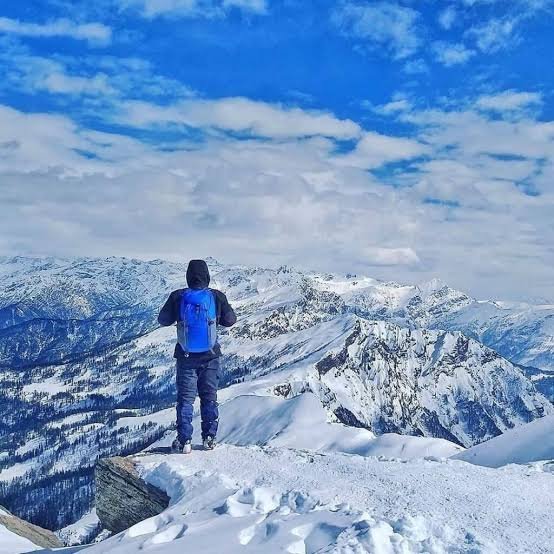
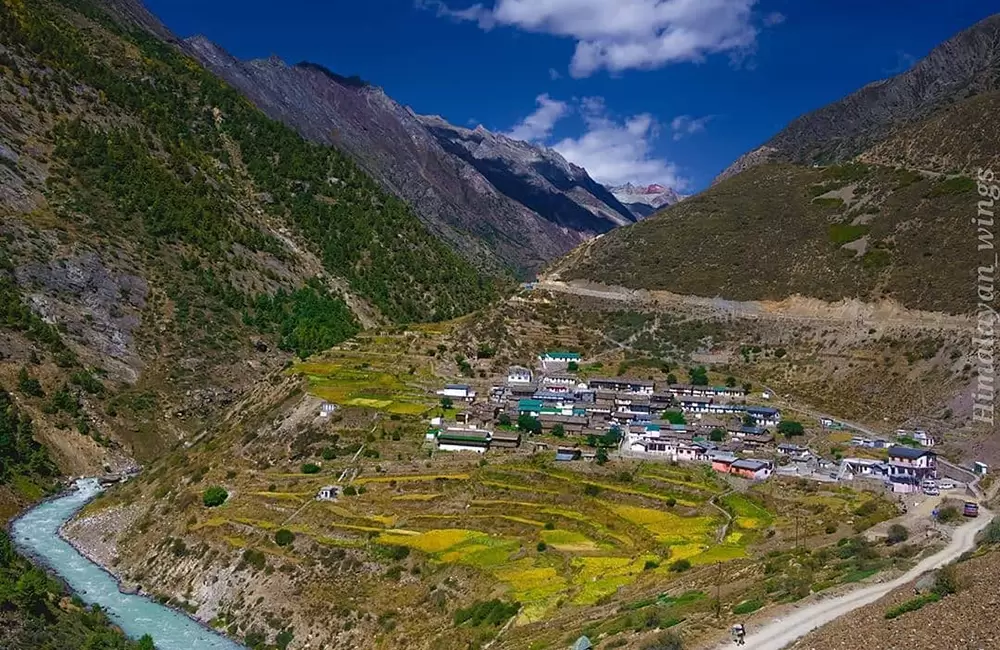
Tucked away in the northernmost reaches of Uttarakhand, Niti Valley is one of India’s most remote and enigmatic destinations. Located in the Chamoli district at a staggering altitude of 3,600 metres (11,811 feet), this pristine valley lies close to the Indo-Tibetan border and is home to Niti village — the last inhabited settlement in India before the border with South Tibet.
For centuries, the Niti Pass (5,800 metres) served as a vital trade route between India and Tibet, bustling with merchants exchanging wool, salt, and other goods. However, the 1962 Sino-Indian War sealed the border, and the valley remained closed to the outside world for over five decades. Today, Niti Valley has slowly opened to tourism, offering intrepid travellers a rare glimpse into a world frozen in time.
The valley is dotted with traditional Bhotiya villages — including Niti, Gamshali, Malari, Bampa, and Dronagiri — each with its own stories and charm. The indigenous Bhotiya (Marcha) community, of Mongoloid origin, has inhabited this region for generations, preserving their unique culture, language, and traditions.
Whether you are a history enthusiast tracing ancient trade routes, a nature lover exploring alpine meadows, a spiritual seeker visiting sacred caves, or an adventurer craving the thrill of India’s last frontier, Niti Valley promises an experience that stays with you forever.
Key Information at a Glance
History of Niti Valley
The Ancient Trade Route
For centuries, Niti Valley was a vital artery of trans-Himalayan trade. The Niti Pass (5,800 metres) connected India with Tibet, and merchants from both sides would traverse this treacherous route carrying wool, salt, precious stones, and other goods. The valley was a bustling hub of cultural and economic exchange between the Indian subcontinent and the Tibetan plateau.
The Bhotiya Legacy
The Bhotiya community — specifically the Marchas and Tolcchas (collectively known as Rongpa) — have been the custodians of this valley for generations. Of Mongoloid origin, they developed a unique culture that blended Tibetan and Garhwali traditions. The Marchas speak a mix of Tibetan and Garhwali, while the Tolcchas speak Garhwali Rongpa.
The 1962 War and Closure
The 1962 Sino-Indian War dramatically changed the fate of Niti Valley. The border was sealed, trade came to a halt, and the valley’s strategic importance took precedence over its role as a trade route. The villages, once vibrant with the hustle of traders, became isolated from the rest of the world.
Seasonal Migration
Due to extreme winter conditions, the villages in Niti Valley are only hospitable for about six to eight months each year. During winters (November to April), the Bhotiya villagers migrate to lower regions, returning only when the snow melts and the passes clear.
Geography of Niti Valley
Location and Topography
Niti Valley is located in the northernmost region of Chamoli district, Uttarakhand, close to the Indo-Tibetan (Chinese) border. It lies at an altitude of approximately 3,600 metres (11,811 feet) above sea level.
The Niti Pass
The Niti Pass, located at an altitude of 5,800 metres, was the ancient gateway to Tibet. Although sealed since 1962, it remains a significant geographical and historical landmark.
The Dhauliganga River
The Dhauliganga River flows through the valley, nourishing the landscape and sustaining the villages. The river adds to the valley’s pristine beauty and offers stunning photographic opportunities.
Flora and Fauna of Niti Valley
Flora — A High-Altitude Botanical Paradise
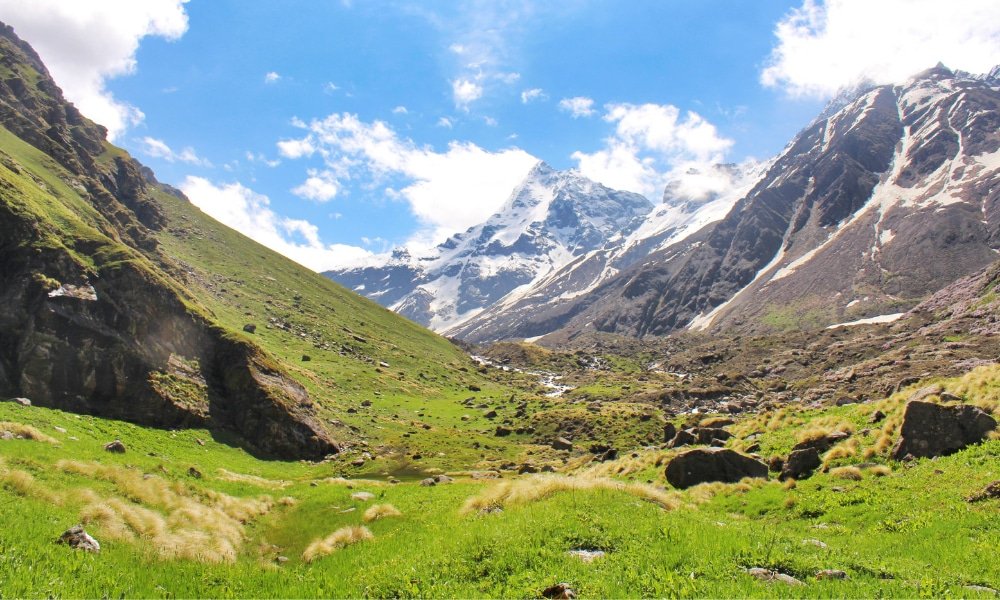
Niti Valley is a botanist’s dream, with a remarkable diversity of flowering plants and medicinal herbs. The valley is famous for its wide variety of flowering plants, including orchids, poppies, primulas, marigolds, daisies, and anemones.
Sacred Flowers:
- Brahmakamal (Saussurea obvallata) — a rare and sacred flower often offered in religious rituals
Medicinal Plants:
- The valley is home to various medicinal plants and herbs mentioned in the Charak Samhita, an ancient Ayurvedic treatise
- 520 species of vascular plants have been documented in the region
The Niti Valley forms a transition zone with diverse floral elements, making it a unique ecological treasure.
Fauna — Wildlife in the Wilderness
Niti Valley is part of the Nanda Devi National Park, a UNESCO World Heritage Site and a haven for rare and endangered species.
Mammals:
- Snow Leopard — the elusive apex predator
- Musk Deer — rare and shy
- Himalayan Black Bear
- Himalayan Tahr
- Blue Sheep (Bharal)
- Red Fox
- Flying Squirrel
Birds:
- Himalayan Monal — the colourful state bird of Uttarakhand
- Pheasants
- Grey-cheeked Warbler
Religious Beliefs and Sacred Sites
Timmersain Mahadev — The Chhota Amarnath
One of the most significant religious sites in Niti Valley is the Timmersain Mahadev Cave, also known as Niti Mahadev or Traymbakam Mahadev.
Located between the villages of Gamshali and Niti, this natural cave temple is dedicated to Lord Shiva. It is believed to be over 1,000 years old.
Key Features:
- Natural Ice Shivling (Baba Barfani): Similar to the Amarnath Cave in Jammu and Kashmir, the cave features a natural ice stalagmite (Shivalinga) that forms during the winter months
- Height: The Baba Barfani Shivling reaches a height of 2-3 feet
- Best Time to Visit: March to April for the ice Shivling; May to October for regular darshan
- Location: Situated 700 metres above the main road on Timarsain mountain, just 1 km before Niti hamlet
Cultural Significance:
The temple is also known as “Chhota Amarnath” (Little Amarnath) due to its resemblance to the famous Amarnath shrine. Local villagers have been worshipping here for decades, making it an important pilgrimage site.
Other Sacred Sites
- Bhavishya Badri Temple — one of the Panch Badri temples, located near Niti Valley
- Maa Hira Mani Temple — a local shrine in the valley
- Nanda Devi National Park — home to sacred peaks and revered by locals
Local Beliefs
The residents of Niti Valley hold deep spiritual beliefs connected to the mountains. According to local lore, the tiger of Devi Shakti bathes at the top end of the alpine pastures, close below the Nanda Devi Mountain.
How to Reach Niti Valley
Reaching Niti Valley requires careful planning due to its remote location and permit requirements.
Step 1: Reach Joshimath
Joshimath is the nearest major town and the gateway to Niti Valley.
By Air
From Dehradun Airport, hire a taxi to Joshimath (approx. 9-10 hours).
By Train
| Station | Distance | Details |
|---|---|---|
| Haridwar Railway Station | ~300 km | Well-connected to Delhi and other cities |
| Rishikesh Railway Station | ~250 km | Alternative station |
From the railway station, hire a taxi or take a bus to Joshimath.
By Road
| Route | Distance | Travel Time |
|---|---|---|
| Delhi → Joshimath | ~500–550 km | 14–16 hours |
| Dehradun → Joshimath | ~270 km | 9–10 hours |
| Rishikesh → Joshimath | ~250 km | 9–10 hours |
The drive from Rishikesh to Joshimath passes through the scenic Panch Prayags (holy river confluences): Devprayag, Rudraprayag, and Karnaprayag.
Step 2: Joshimath to Niti Valley
Transport Options:
- 4×4 SUV or local jeep — essential for the rough terrain
- Road conditions can be challenging, especially after the monsoon
Important Notes:
- Only 4×4 vehicles are recommended for the last stretch
- Permits are mandatory — obtain from the DM/SDM office in Chamoli or Joshimath
- Report at checkpoints as your movement is monitored due to the border location
Distance from Major Cities
| City | Distance to Joshimath | Distance to Niti Valley |
|---|---|---|
| Delhi | ~500–550 km | ~566–588 km |
| Dehradun | ~270 km | ~350 km |
| Haridwar | ~300 km | ~380 km |
| Rishikesh | ~250 km | ~330 km |
| Kathgodam | ~350 km | ~430 km |
Weather and Best Time to Visit
Climate Overview
Niti Valley experiences a cold, high-altitude climate with extreme winters. The valley is accessible only during specific months.
Seasonal Breakdown
Best Time to Visit by Season
| Season | Months | Suitability | Best For |
|---|---|---|---|
| Summer | May–June | ⭐ Best | Valley exploration, Bhotiya culture, clear views |
| Autumn | September–October | ⭐ Best | Post-monsoon clarity, photography, comfortable weather |
| Late Summer | July–August | ⭐ Good | Lush greenery, fewer crowds |
| Winter | November–April | ❌ Avoid | Heavy snowfall, roads closed, villages empty |
Why Visit in Summer (May–June)
- The valley is at its best with blooming flowers and pleasant weather
- Daytime temperatures range from 15°C to 25°C
- Roads are open and accessible
- Perfect for exploring villages and the Timmersain Mahadev Cave
Why Visit in Autumn (September–October)
- Post-monsoon clarity with crystal-clear skies
- Comfortable temperatures
- Perfect for photography and nature walks
Why Visit in Winter (November–April)
- Not recommended due to heavy snowfall
- Villages are largely empty as locals migrate to lower regions
- Roads are closed due to snow
Packing Guide
| Category | Items |
|---|---|
| Clothing | Warm layers (fleece, down jacket), thermal wear, raincoat, comfortable trekking pants |
| Footwear | Sturdy waterproof trekking shoes, warm socks |
| Accessories | Gloves, woollen cap, scarf, sunglasses, sunscreen |
| Essentials | Water bottle, snacks, personal medication, power bank, torch |
| Documents | Valid ID proof, Inner Line Permit copies |
Important: Carry sufficient cash as there are no ATMs in Niti Valley. Mobile network coverage is sporadic or non-existent in many parts of the valley.
Top Places to Visit in and Around Niti Valley
Within Niti Valley
Nearby Attractions
Things to Do in Niti Valley
1. Visit the Last Village of India
Explore Niti village, the last inhabited settlement before the Tibetan border. Walk through its narrow lanes, admire traditional wooden houses, and interact with the warm Bhotiya community.
2. Explore Timmersain Mahadev Cave
Visit the sacred Timmersain Mahadev Cave, also known as “Chhota Amarnath.” Witness the natural ice Shivling (Baba Barfani) that forms during winter.
3. Trek Through Alpine Meadows
Explore the Gamshali Bugyal — sweeping alpine meadows that offer stunning views of the surrounding peaks.
4. Experience Bhotiya Culture
Immerse yourself in the unique culture of the Bhotiya (Marcha) community. Learn about their traditions, language, and way of life.
5. Photography
From the snow-capped peaks to the traditional wooden houses and alpine meadows, Niti Valley offers endless photography opportunities.
6. Visit Nanda Devi National Park
Explore the UNESCO World Heritage Site, home to snow leopards, musk deer, and diverse Himalayan flora and fauna.
7. Walk the Ancient Trade Route
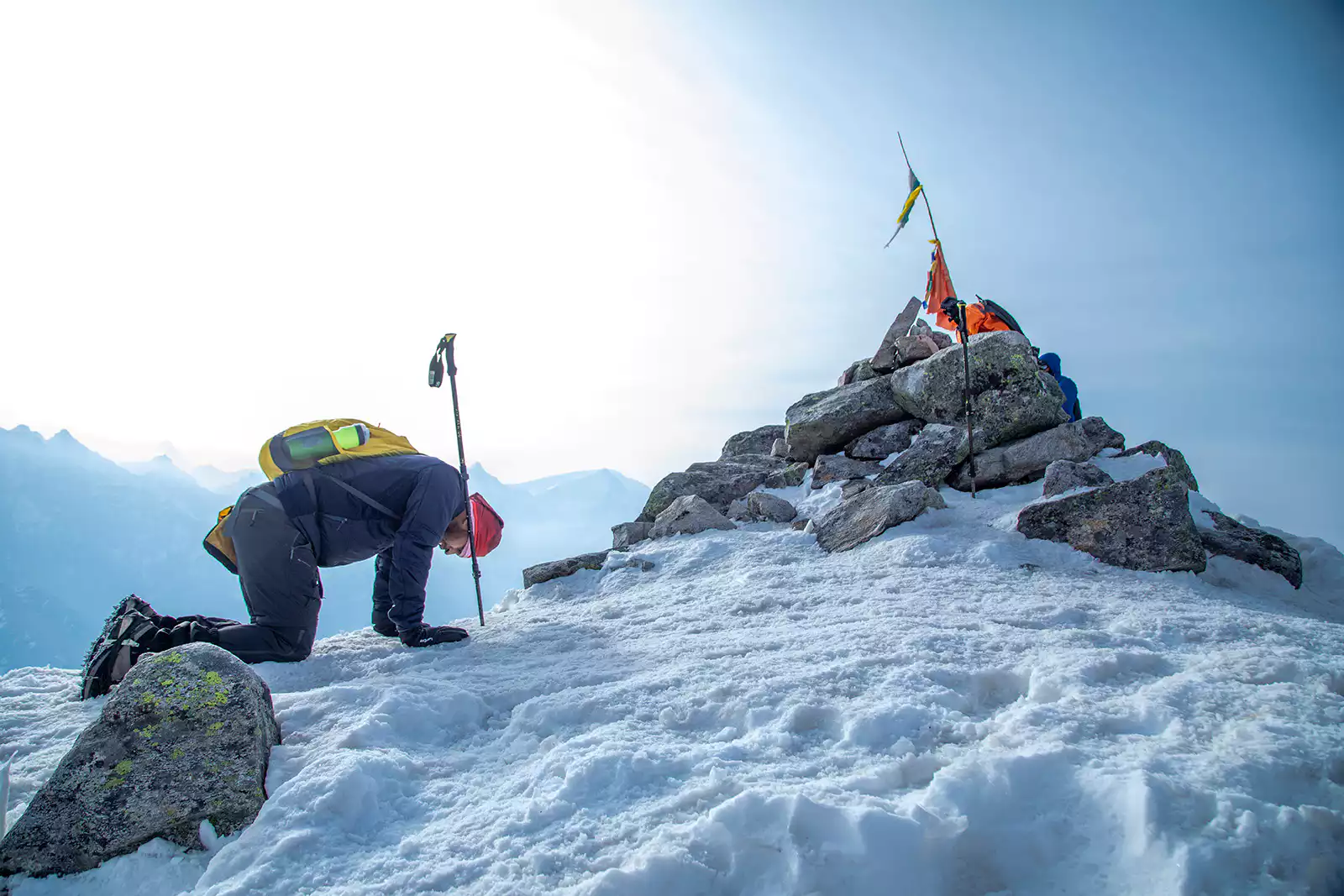
Trace the footsteps of ancient traders along the Niti Pass route (permission required).
8. Stargazing
With zero light pollution, the valley offers spectacular stargazing opportunities.
What’s Excluded
- Personal expenses (snacks, phone calls, laundry)
- Travel insurance
- Emergency evacuation charges
- Anything not mentioned in inclusions
Local Cuisine — A Taste of Bhotiya Culture
The Bhotiya community offers a unique blend of Garhwali and Tibetan cuisine.
| Dish | Description |
|---|---|
| Thukpa | Noodle soup with vegetables — a Tibetan influence |
| Butter Tea | Traditional Tibetan tea with butter and salt |
| Churpi | Traditional hard cheese, a staple in the high-altitude diet |
| Gahat ka Shorba | Nutritious soup made from horse gram |
| Mandua Roti | Finger millet flatbread |
| Jhangora Kheer | Sweet pudding made from barnyard millet |
Where to Eat
- Homestays: Enjoy authentic home-cooked Bhotiya meals
- Local Dhabas: Simple meals in Joshimath
- Trek Packages: Most packages include all meals during the trip
Frequently Asked Questions (FAQs)
General Questions
Q1: Why is Niti Valley considered a restricted area?
Niti Valley is a border area close to the Indo-Tibetan border, making access restricted and requiring special permits for national security reasons.
Q2: What is the altitude of Niti Valley?
Niti Valley is situated at an altitude of approximately 3,600 metres (11,811 feet) above sea level.
Q3: What is the best time to visit Niti Valley?
The best time to visit is from May to October, with May–June and September–October being the ideal months.
Q4: Is Niti Valley safe for tourists?
Yes, Niti Valley is generally safe for tourists who follow the rules and obtain the necessary permits. However, the valley is remote, and the terrain is challenging. Travel With Monk ensures safe and guided experiences for all travellers.
Q5: Do I need a permit for Niti Valley?
Yes. Niti Valley requires special permits from the District Magistrate’s office (Chamoli/Joshimath) . Apply well in advance with proper documentation.
Q6: Are foreigners allowed in Niti Valley?
No. Foreign nationals are not permitted to visit Niti Valley due to its sensitive border location.
Q7: What is Timmersain Mahadev?
Timmersain Mahadev is a sacred cave temple dedicated to Lord Shiva, located between Gamshali and Niti villages. It features a natural ice Shivling (Baba Barfani) similar to the Amarnath Cave.
Q8: What is the Niti Pass?
The Niti Pass is an ancient trade route between India and Tibet, sealed after the 1962 Sino-Indian War. It is located at an altitude of 5,800 metres.
Travel Logistics
Q9: How can I reach Niti Valley?
The gateway to Niti Valley is Joshimath. You can reach Joshimath by:
- Road: From Delhi (~500–550 km) or Rishikesh (~250 km)
- Air: Jolly Grant Airport, Dehradun (~270 km)
- Train: Haridwar or Rishikesh Railway Station
From Joshimath, hire a 4×4 vehicle to Niti Valley (42–83 km, 2–4 hours).
Q10: What is the distance between Delhi and Niti Valley?
The distance from Delhi to Niti Valley is approximately 566–588 km by road.
Q11: Is there road connectivity to Niti Valley?
Yes, the road from Joshimath to Niti Valley is motorable but challenging. Only 4×4 vehicles are recommended for the last stretch.
Q12: Are there accommodation options in Niti Valley?
Yes, accommodation options include homestays in the villages and camping in the meadows. Guesthouses are available in Joshimath.
Q13: What is the local language spoken in Niti Valley?
The official language is Hindi. The regional languages are Garhwali and Bhotiya (Marcha) — a mix of Tibetan and Garhwali. English is understood in tourist areas.
Q14: Is mobile connectivity available in Niti Valley?
Mobile connectivity is sporadic or non-existent in many parts of the valley. BSNL tends to have the best coverage in the region.
Q15: Are ATMs available near Niti Valley?
ATMs are available in Joshimath. It is advisable to carry sufficient cash for the trip, as there are no ATMs in Niti Valley.
Practical Information
Q16: What should I pack for the Niti Valley trip?
Pack warm clothes (fleece, down jacket), thermal wear, sturdy waterproof trekking shoes, gloves, a woollen cap, sunscreen, sunglasses, a headlamp, and personal medication. Carry valid ID proof and Inner Line Permit copies.
Q17: What is the food like in Niti Valley?
The food is a blend of Garhwali and Tibetan cuisine, including dishes like Thukpa, Butter Tea, Churpi, and Gahat ka Shorba.
Q18: What are the must-visit places in Niti Valley?
Must-visit places include Niti Village, Gamshali Village, Timmersain Mahadev Cave, Gamshali Bugyal, and Nanda Devi National Park.
Q19: Is Niti Valley suitable for beginners?
The Niti Valley region is best suited for travellers with good physical fitness due to its high altitude and remote location. It is recommended to be well-prepared for the challenging terrain.
Q20: How can I book a Niti Valley tour?
Tours can be booked through:
- Local tour operators in Joshimath and Rishikesh
- Travel With Monk for customised packages
Plan Your Niti Valley Adventure with Travel With Monk
At Travel With Monk, we believe in curating journeys that go beyond conventional sightseeing. Our Niti Valley expeditions are designed to foster self-discovery and a deep connection with the Himalayas through:
✅ Customised Niti Valley tour packages (4 to 7 days)
✅ Combined itineraries with Auli, Joshimath, and Badrinath
✅ Experienced local guides and drivers
✅ Comfortable 4×4 transport with experienced hill drivers
✅ All necessary permits and documentation arrangements
✅ Verified accommodation in Joshimath and Niti Valley
✅ 24/7 customer support throughout your journey
Recommended Niti Valley Packages
| Package | Duration | Starting Point | Price (per person) | Highlights |
|---|---|---|---|---|
| Niti Valley Explorer | 4 Nights / 5 Days | Rishikesh | ₹20,000 – ₹28,000 | Niti Village, Gamshali, Timmersain Mahadev |
| Niti Valley & Auli Combo | 5 Nights / 6 Days | Rishikesh | ₹25,000 – ₹35,000 | Niti Valley, Auli, Joshimath, cable car ride |
| Complete Garhwal Frontier Trek | 6 Nights / 7 Days | Rishikesh | ₹29,000 – ₹41,000 | Niti Valley, Gamshali Bugyal, Nanda Devi views |
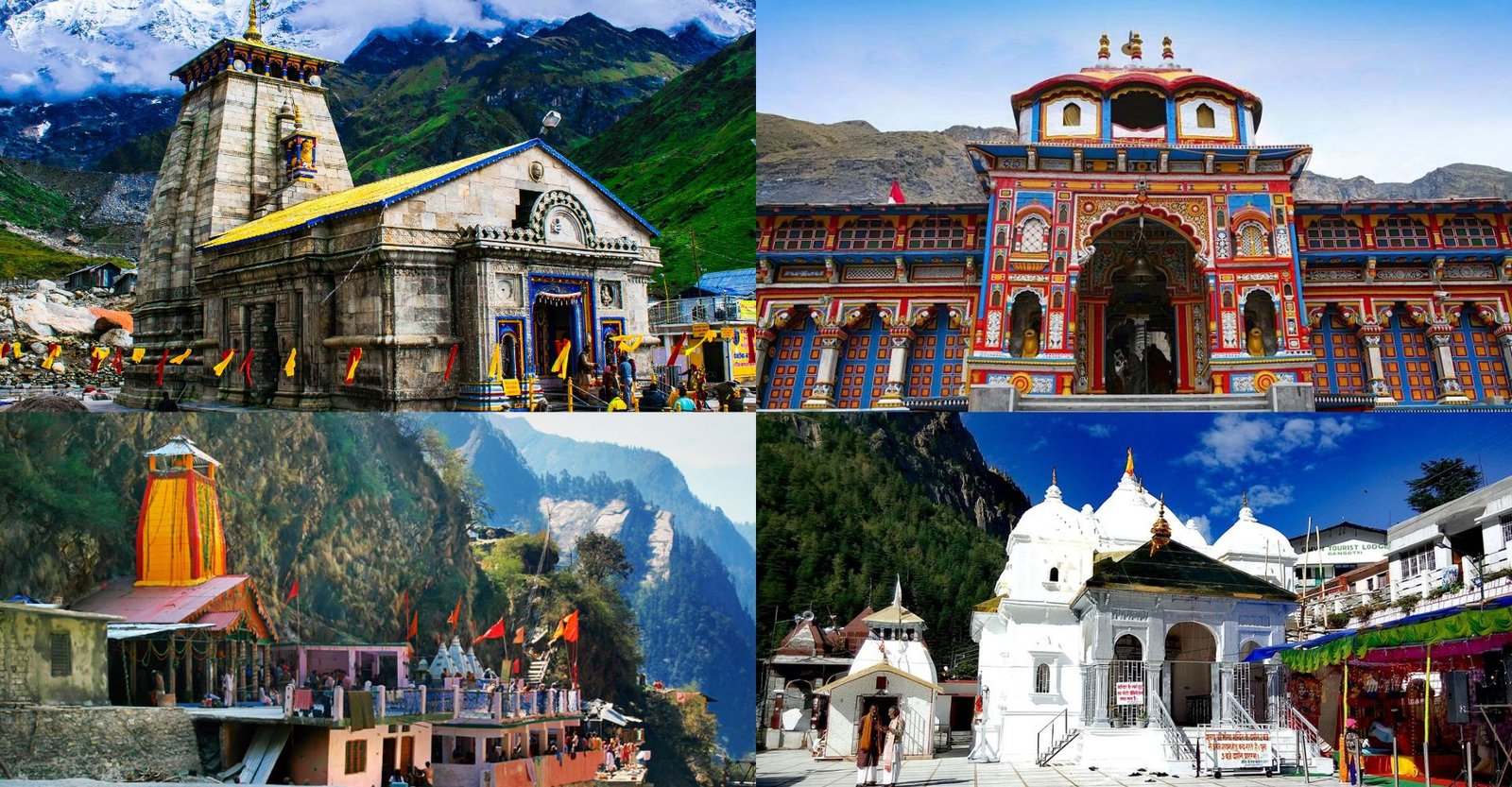
| Niti Valley & Char Dham Yatra | 8 Nights / 9 Days | Haridwar | ₹38,000 – ₹56,000 | Niti Valley, Badrinath, Kedarnath, Gangotri, Yamunotri |
📞 Call / WhatsApp: +91-9997187178, 9760222178, 8171977178
📍 Visit Our Office: Himalayan Colony, opposite DSVV, Haripur Kalan, Haridwar, Motichur Range, Uttarakhand 249411
🌐 Website: www.discover-uttarakhand.com
📧 Email: info@discover-uttarakhand.com
Travel With Monk – Your Gateway to Transformative Himalayan Journeys 🏔️