Overview: The Sacred Journey of the Ganges
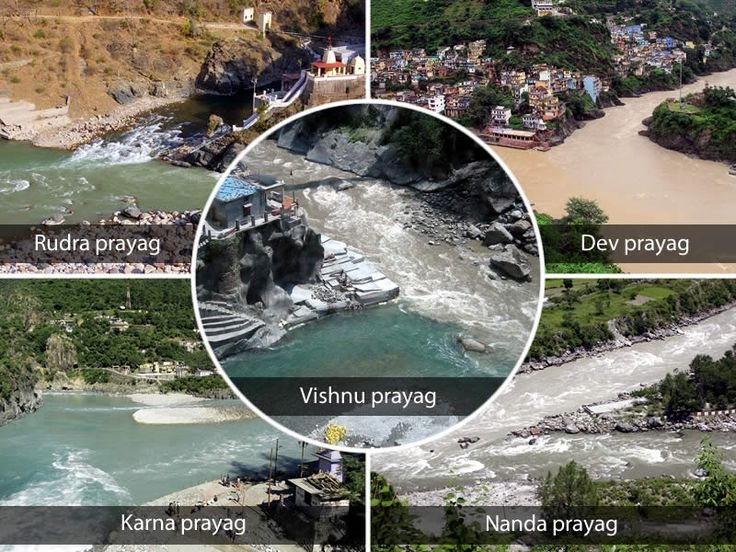
The Panch Prayag (meaning “five confluences” in Sanskrit) are among the most sacred pilgrimage sites in India, nestled in the breathtaking Garhwal Himalayas of Uttarakhand. These five holy meeting points mark the journey of the Alaknanda River as it flows southward from the Himalayas, merging with five different tributaries before finally uniting with the Bhagirathi at Devprayag to form the holy River Ganges (Ganga) .
According to Hindu mythology, when Goddess Ganga descended to Earth, her force was so powerful that she was split into twelve channels to temper her might. These channels reunite at these five sacred confluences, making each Prayag a site of immense spiritual significance. Devotees from across the country visit these sites, believing that taking a dip in these sacred waters cleanses the soul and brings them closer to moksha (liberation) .
Whether you are a pilgrim on the Char Dham Yatra, a history enthusiast, or a traveller seeking the spiritual essence of India, the Panch Prayag offer a journey that is both physically breathtaking and profoundly transformative.
Key Information at a Glance
The Five Sacred Confluences (Panch Prayag)
The Panch Prayag are counted in descending order along the course of the Alaknanda River, starting from the north. They are:
1. Vishnuprayag – The Highest and First Confluence
Location: Approximately 15 km from Joshimath on the Badrinath Highway
Significance: Vishnuprayag is the northernmost and highest of the five confluences. Here, the Alaknanda River meets the Dhauliganga River. The name is derived from Lord Vishnu, and it is believed that Narad Muni meditated here, receiving a boon of wisdom from the Lord.
What to See:
- Vishnu Temple: An ancient temple built by Maharani Ahilyabai Holkar
- Vishnu Kund: A sacred water pool at the confluence
- Kagbhusandi Lake: A bewitching emerald-green lake nearby
- Vishnuprayag Hydroelectric Project
Travel Tip: Taking a dip at this confluence is prohibited due to the forceful currents, but you can touch the water from the banks.
2. Nandaprayag – The Quiet Confluence
Location: Between Karnaprayag and Vishnuprayag on the Badrinath Highway
Significance: Nandaprayag marks the meeting of the Alaknanda and Nandakini Rivers. It is named after King Nanda, and the town is known for its peaceful, less-crowded atmosphere, making it ideal for meditation. This confluence is one of the quieter stops on the Panch Prayag circuit.
What to See:
- Nand Temple: An ancient temple dedicated to the region’s lore
- Scenic river views without the crowds of larger towns
3. Karnaprayag – The Confluence of Karna’s Meditation
Location: Approximately 370 km from Delhi on NH-7
Significance: Karnaprayag is where the Alaknanda meets the Pindar River, which originates from the Pindari Glacier. This confluence is associated with Karna from the Mahabharata, who is believed to have meditated here.
What to See:
- Karna Temple: A temple dedicated to Karna near the confluence
- Uma Devi Temple: An ancient temple in the town
- Scenic views of the surrounding valleys
Route: Karnaprayag is an important stop on the route to both Badrinath and Kedarnath.
4. Rudraprayag – The Confluence of Lord Shiva
Location: Approximately 140 km from Rishikesh
Significance: Rudraprayag is one of the most famous confluences, where the Alaknanda meets the Mandakini River, which flows from Kedarnath. The name is derived from Lord Shiva (Rudra form), and this is an important stop for pilgrims heading to Kedarnath.
What to See:
- Rudranath Temple: Dedicated to Lord Shiva
- Evening Aarti: The beautiful evening aarti at the sangam is a major highlight
- Koteshwar Temple: An ancient cave temple dedicated to Lord Shiva
5. Devprayag – The Birthplace of the Ganges
Location: Approximately 70 km from Rishikesh, 90 km from Haridwar, 112 km from Dehradun, and 310 km from Delhi
Significance: Devprayag is the most sacred and significant of all five confluences. Here, the Alaknanda and Bhagirathi rivers merge to form the holy River Ganges (Ganga). It is the final confluence of the Panch Prayag and the place where the Ganga is officially born.
What to See:
- Raghunathji Temple: A temple dedicated to Lord Rama
- Shankaracharya Math: An ancient monastery associated with Adi Shankaracharya
- The Confluence: Witness the clear turquoise of the Alaknanda merging with the Bhagirathi
- Suspended Bridges: Offering stunning views of the confluence
Note: The entire town of Devprayag was destroyed by an earthquake in 1803 but was later restored, retaining its ancient charm.
History and Mythology of Panch Prayag
The Legend of Ganga’s Descent
According to Hindu mythology, when Goddess Ganga descended from heaven to Earth, her force was so powerful that it threatened to destroy the world. To temper her might, she was divided into twelve channels that flow through the Himalayas. These channels reunite at the five sacred confluences—the Panch Prayag—before flowing together as the Ganges at Devprayag.
The Legend of the Rivers
Each confluence is associated with specific deities and legends:
- Vishnuprayag is associated with Lord Vishnu and the sage Narad
- Nandaprayag is named after King Nanda
- Karnaprayag is associated with Karna from the Mahabharata, who meditated here
- Rudraprayag is associated with Lord Shiva (Rudra form)
- Devprayag is the site where the Ganges officially begins
The Panch Prayag in the Char Dham Yatra
The Panch Prayag lie on the route to Badrinath Dham, making them spiritually and geographically important during the Char Dham Yatra. Pilgrims visit these confluences to seek blessings and purify their souls before continuing their journey to the shrines.
Geography of Panch Prayag
Location and Topography
The Panch Prayag are located along the course of the Alaknanda River in the Garhwal Himalayas. They are spread across the Chamoli, Rudraprayag, and Tehri districts of Uttarakhand.
The River System
The Alaknanda River originates from the Satopanth Glacier near Mana Pass, which is also the source of the Bhagirathi River. The rivers that join the Alaknanda at the five confluences are:
| Prayag | Tributary |
|---|---|
| Vishnuprayag | Dhauliganga (from Niti Pass) |
| Nandaprayag | Nandakini |
| Karnaprayag | Pindar (from Pindari Glacier) |
| Rudraprayag | Mandakini (from Kedarnath) |
| Devprayag | Bhagirathi (from Gomukh) |
Flora and Fauna of the Panch Prayag Region
Flora
The Panch Prayag region is part of the rich Himalayan ecosystem, known for its diverse flora:
- Over 1,100 plant species have been documented in the region
- Dense forests of deodar, pine, oak, and rhododendron
- Medicinal herbs and alpine flowers
- The sacred Brahma Kamal and other high-altitude species
Fauna
The region is home to a variety of Himalayan wildlife:
- Himalayan Black Bear
- Snow Leopard
- Bharal (Blue Sheep)
- Musk Deer
- Himalayan Monal (state bird of Uttarakhand)
Religious Beliefs and Significance
The Spiritual Power of the Confluences
The Panch Prayag are revered as sacred sites where the rivers are worshipped as goddesses. Taking a dip in these waters is believed to cleanse the soul of sins and advance one on the path to moksha (liberation).
Char Dham Yatra Connection
The Panch Prayag lie on the route to the Char Dham shrines (Yamunotri, Gangotri, Kedarnath, and Badrinath). Pilgrims often stop at these confluences to:
- Seek blessings before continuing their journey
- Perform rituals and offer prayers
- Take a holy dip in the sacred waters
Cultural Practices
- Evening Aarti: A beautiful evening aarti ceremony is performed at the sangams, especially at Devprayag and Rudraprayag
- Ritual Bathing: Devotees take a dip in the confluence to purify themselves
- Offerings: Flowers, coins, and other offerings are made to the rivers
How to Reach the Panch Prayag
By Air
| Detail | Information |
|---|---|
| Nearest Airport | Jolly Grant Airport, Dehradun |
| Distance from Devprayag | ~320 km |
| Distance from Rishikesh | ~140 km |
| Connectivity | Regular flights to Delhi |
By Train
| Detail | Information |
|---|---|
| Nearest Station | Rishikesh Railway Station |
| Alternative | Haridwar Railway Station |
| Connectivity | Well-connected to Delhi and other major cities |
By Road (Most Popular)
Route: Delhi → Haridwar → Rishikesh → Devprayag → Rudraprayag → Karnaprayag → Nandaprayag → Vishnuprayag
Transport Options:
- Private Taxi: Most convenient and flexible
- State Transport Buses: Available from Rishikesh, Haridwar, and Dehradun
- Self-Drive: Well-maintained roads; drive cautiously on hilly stretches
Distance from Major Cities
| City | Distance to Devprayag | Distance to Karnaprayag |
|---|---|---|
| Delhi | 310–320 km | 370 km |
| Haridwar | 90 km | 210 km |
| Rishikesh | 70 km | 190 km |
| Dehradun | 112 km | 230 km |
Weather and Best Time to Visit
Seasonal Breakdown
Best Time to Visit
| Purpose | Best Months |
|---|---|
| Overall Best | April–June & September–November |
| Pilgrimage | May–June (before monsoon) |
| Photography | October–November (post-monsoon clarity) |
| Avoid | July–August (monsoon, landslides) |
Suggested Itinerary
3–4 Day Panch Prayag Circuit
| Day | Route | Highlights |
|---|---|---|
| Day 1 | Delhi → Rishikesh → Devprayag | Ganga aarti, Raghunath Temple |
| Day 2 | Devprayag → Rudraprayag → Karnaprayag | Sangams, temples |
| Day 3 | Karnaprayag → Nandaprayag → Vishnuprayag | Highest confluence, Vishnu Temple |
| Day 4 | Return via Rishikesh → Delhi | — |
Accommodation Options
Travel Tip: Accommodation options are limited in the smaller Prayags. It is recommended to stay in Rishikesh or Haridwar and visit the confluences as day trips, or book in advance during the peak pilgrimage season.
Local Cuisine — A Taste of Garhwal
| Dish | Description |
|---|---|
| Kafuli | Spinach and fenugreek curry |
| Phanu | Lentil-based dish |
| Gahat ka Shorba | Soup made from horse gram |
| Mandua Roti | Finger millet flatbread |
| Aloo Ke Gutke | Spiced fried potatoes |
Frequently Asked Questions (FAQs)
General Questions
Q1: What are the five Prayags of Uttarakhand?
A: The five Prayags are Vishnuprayag, Nandaprayag, Karnaprayag, Rudraprayag, and Devprayag. They are sacred river confluences in the Garhwal Himalayas.
Q2: What is the meaning of “Prayag”?
A: “Prayag” means “confluence” in Sanskrit. It refers to the meeting point of two or more rivers.
Q3: Which is the first and highest of the Panch Prayag?
A: Vishnuprayag is the first and highest confluence of the Panch Prayag, located at 1,372 metres.
Q4: Which is the most sacred of the Panch Prayag?
A: Devprayag is considered the most sacred, as it is where the Alaknanda and Bhagirathi merge to form the holy River Ganges.
Q5: What is the best time to visit the Panch Prayag?
A: The best time to visit is from April to June and September to November. The monsoon season (July–August) should be avoided due to landslides and heavy rainfall.
Q6: Can I visit all five Prayags in one trip?
A: Yes, a 3–4 day circuit covers all five confluences. The recommended route is Rishikesh → Devprayag → Rudraprayag → Karnaprayag → Nandaprayag → Vishnuprayag.
Travel Logistics
Q7: What is the distance from Delhi to the Panch Prayag?
A: The distance from Delhi to Devprayag is approximately 310–320 km. To Karnaprayag, it is approximately 370 km.
Q8: What is the nearest airport?
A: The nearest airport is Jolly Grant Airport, Dehradun (239 km from Vishnuprayag).
Q9: What is the nearest railway station?
A: The nearest railway station is Rishikesh. Haridwar is also a convenient option.
Q10: Are the roads accessible throughout the year?
A: The roads are accessible year-round, but the monsoon season (July–August) can lead to landslides and road closures.
Practical Information
Q11: Is there an entry fee for the temples?
A: Entry to the temples is usually free, but donations are welcome.
Q12: Is photography allowed?
A: Yes, photography is allowed at the confluences. However, it is advisable to ask for permission before taking photos inside temples.
Q13: Are there good accommodation options?
A: Accommodation options vary. Devprayag, Rudraprayag, and Karnaprayag have guesthouses and hotels. In Vishnuprayag, options are limited, but nearby Auli and Chopta offer resorts and camps.
Q14: What should I pack for a visit?
A: Pack comfortable walking shoes, layered clothing (warm layers for evenings), sunscreen, a hat, and a camera. During the monsoon, carry a raincoat.
Plan Your Panch Prayag Journey with Discover Uttarakhand
At Discover Uttarakhand, we’ve been organising unforgettable Himalayan journeys since 1997. As a trusted local operator with deep knowledge of the Garhwal region and its sacred sites, we offer:
✅ Customised Panch Prayag tour packages (3 to 5 days)
✅ Combined itineraries with Char Dham, Panch Kedar, and other pilgrimage circuits
✅ Comfortable transport with experienced hill drivers
✅ Verified accommodations in Rishikesh, Haridwar, and along the circuit
✅ Local guides for temple visits and cultural experiences
✅ 24/7 customer support throughout your journey
Recommended Panch Prayag Packages
| Package | Duration | Starting Point | Highlights |
|---|---|---|---|
| Panch Prayag Darshan | 3 Nights / 4 Days | Haridwar | All five confluences, temples, evening aarti |
| Panch Prayag & Char Dham | 9 Nights / 10 Days | Haridwar | Panch Prayag, Yamunotri, Gangotri, Kedarnath, Badrinath |
| Garhwal Pilgrimage Circuit | 6 Nights / 7 Days | Haridwar | Panch Prayag, Panch Kedar, Rishikesh |
📞 Call / WhatsApp: +91-9997187178, 9760222178, 8171977178
📍 Visit Our Office: Himalayan Colony, opposite DSVV, Haripur Kalan, Haridwar, Motichur Range, Uttarakhand 249411
🌐 Website: www.discover-uttarakhand.com
📧 Email: discoveruttarakhand.mail@gmail.com
Discover Uttarakhand – Your Local Partner for Unforgettable Pilgrimage Journeys Since 1997 🏔️