Introduction: The Hidden Gem of the Garhwal Himalayas
Nestled in the pristine wilderness of the Garhwal Himalayas, Saru Tal is a high-altitude alpine lake that remains one of Uttarakhand’s most enchanting yet offbeat trekking destinations. Located at an elevation of approximately 4,150 metres (13,615 feet) in the Govind Wildlife Sanctuary of Uttarkashi district, this sacred lake is a hidden treasure for trekkers seeking solitude, spiritual connection, and breathtaking mountain vistas.
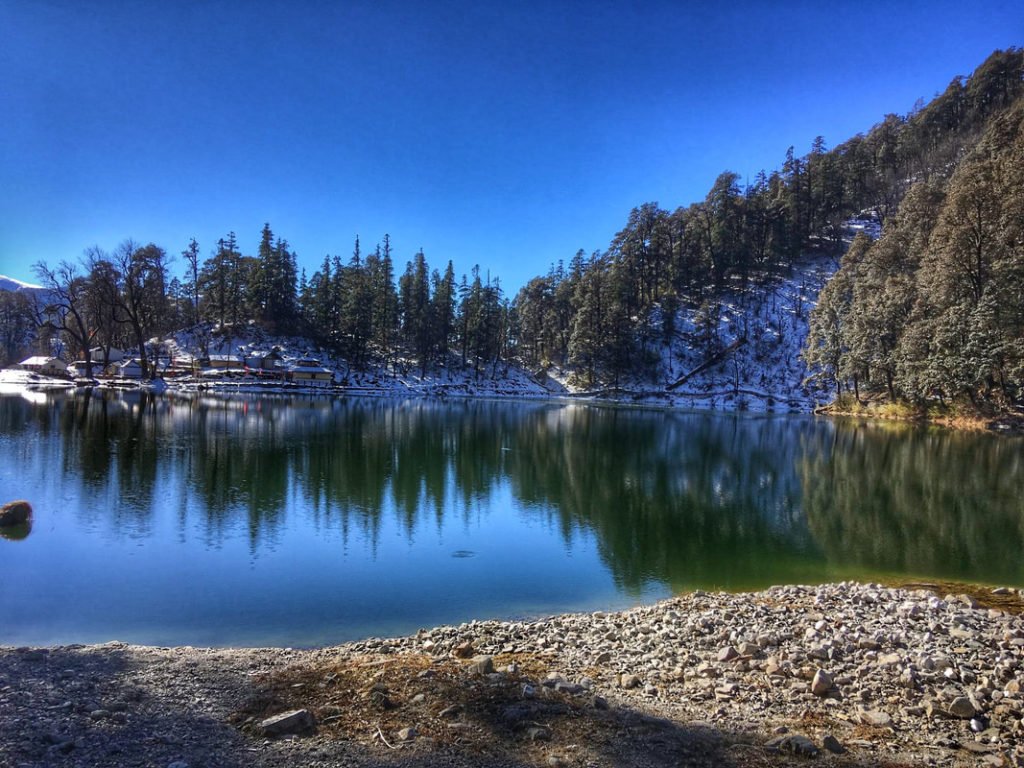
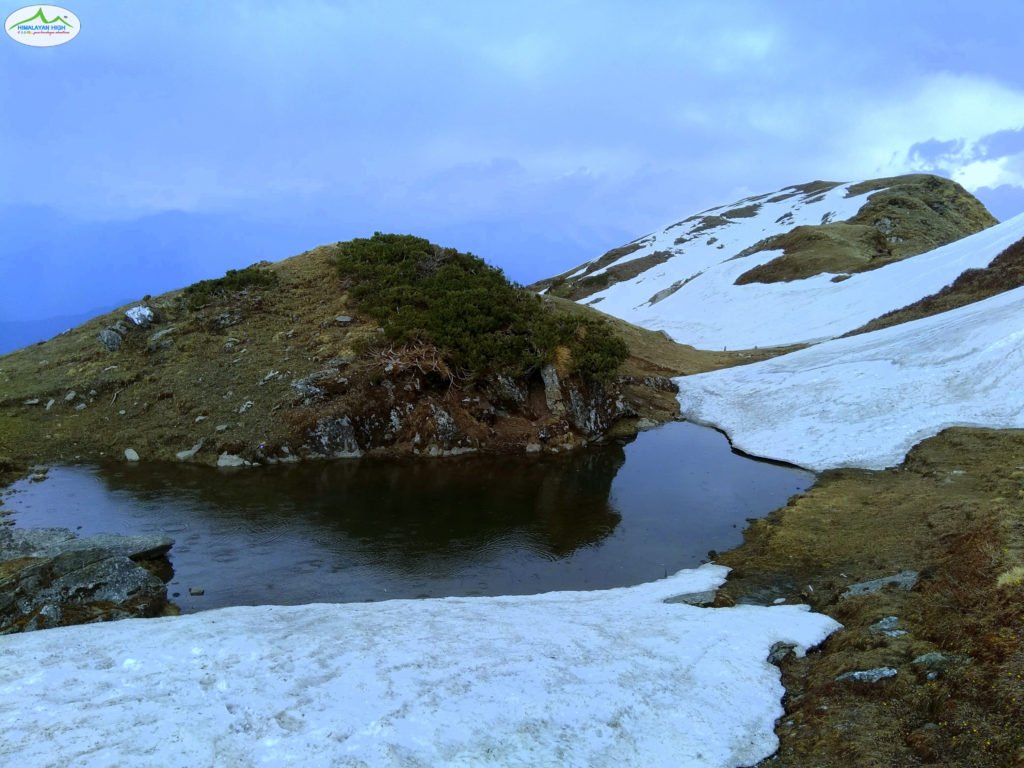
Unlike more commercialized Himalayan treks, Saru Tal offers a rare combination of experiences—the unique ridge walking adventure of Phulara Ridge, the serene beauty of an alpine lake, and the rich biodiversity of a protected wildlife sanctuary. The lake sits at the base of a towering mountain ridge, forming a natural cirque that collects rainwater and snowmelt, creating crystal-clear waters that mirror the surrounding peaks.
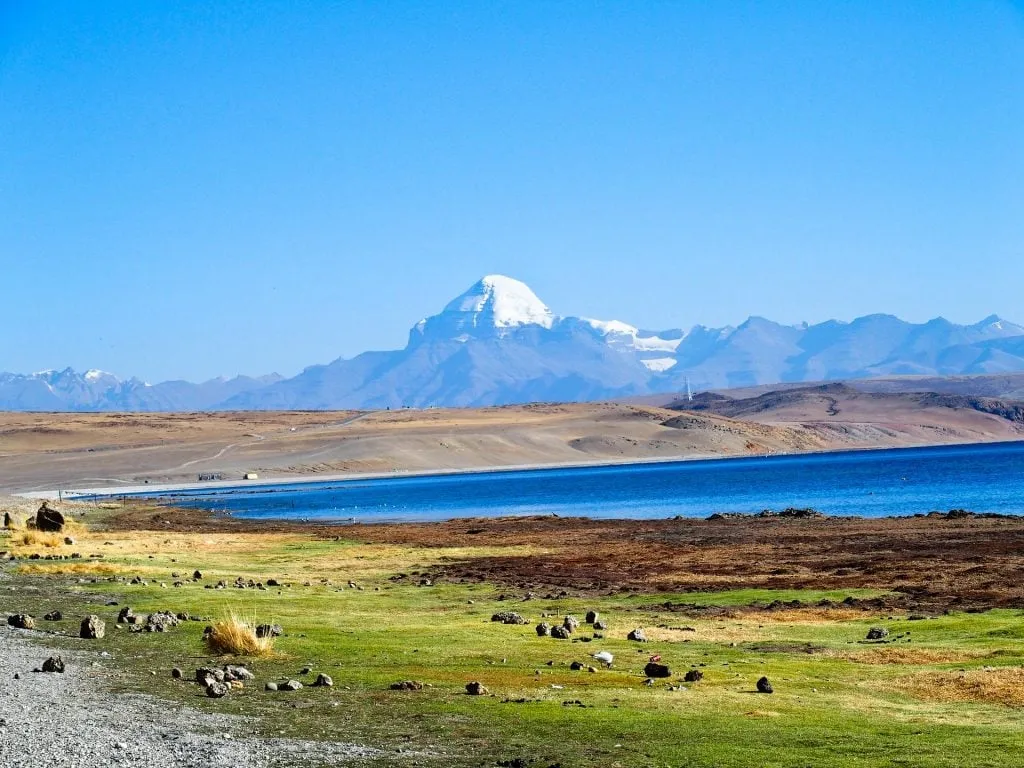
The trek to Saru Tal takes you through dense pine and oak forests, past traditional shepherd huts, across lush alpine meadows dotted with wildflowers, and finally to a pristine lake that many locals consider sacred. The region offers panoramic views of majestic peaks, including Swargarohini, Bandarpoonch, Kalanag, and the distant Gangotri peaks.
Whether you are a seasoned trekker seeking a moderate high-altitude challenge, a nature lover drawn to untouched meadows and glacial waters, or a spiritual seeker wanting to connect with the sacred Himalayas, Saru Tal promises an experience that stays with you forever.
History and Mythology: The Sacred Lake of Legends
Local Beliefs and Traditions
Saru Tal holds deep spiritual significance for the local communities of the Garhwal region. The lake is considered sacred by the inhabitants of surrounding villages, who visit it for religious purposes. According to local belief, an auspicious day in the lake is when the Trimoortis—Brahma, Vishnu, and Mahesh—are believed to bathe in its waters.
A unique local belief surrounds the birds that inhabit the vicinity of the lake. Certain bird species are thought to be Gandharvas—celestial beings who protect the lake from evils by collecting contaminants from the water. These birds are not found anywhere else, adding to the mystique of this sacred site.
The Spiritual Connection
The lake’s pristine waters and remote location have made it a place of pilgrimage for centuries. Some local traditions link Saru Tal to the sacred lakes of the region, where devotees seek spiritual purification and blessings. The lake’s name, “Saru,” is sometimes interpreted as a variation of “Sarovar,” meaning lake or pond, highlighting its significance as a sacred water body.
The Govind Wildlife Sanctuary Connection
The Saru Tal trek passes through the Govind Wildlife Sanctuary and National Park, a protected area spanning approximately 958 square kilometres in the Uttarkashi district. The sanctuary was established to conserve the rich biodiversity of the region, including several rare and endangered species.
Historically, this region was part of ancient trade routes connecting India to Tibet. The trails followed by trekkers today have been used for centuries by traders, shepherds, and pilgrims, passing through remote villages that still maintain traditional Himalayan lifestyles.
Geography and Location
Location and Setting
Saru Tal is situated in the Uttarkashi district of Uttarakhand, within the Govind Wildlife Sanctuary and National Park. The lake lies in the western Garhwal Himalayas, at the base of a towering mountain ridge that runs from west to east, intersected by a southward ridge line, creating a natural cirque that collects rainwater and snowmelt.
Geological Features
Saru Tal is a high-altitude tarn—a small mountain lake formed in a glacial cirque. The lake’s setting is similar to that of Bhrigu Lake in Himachal Pradesh, as the tree line ends well before the lake and alpine flowers dot the landscape around the crystal-blue water.
The lake remains frozen from December to April, after which the snow recedes, and flowers begin to bloom by the middle of May. This seasonal cycle makes late May and early June the ideal time to witness the lake in its full glory, surrounded by blooming alpine flowers.
Flora and Fauna
Protected Area Status
The Saru Tal trek passes through the Govind Wildlife Sanctuary and National Park, a biodiversity hotspot known for its rich flora and fauna. The sanctuary lies within the high Western Himalayan highland, with elevations ranging from 1,300 metres to 6,323 metres.
Forests and Vegetation
According to the Champion and Seth classification (1968), the forests in the Govind Wildlife Sanctuary are divided into five major forest types :
| Forest Type | Dominant Species | Characteristics |
|---|---|---|
| Sub-tropical Pine Forest | Pinus roxburghii, Prunus cerasoides | Lower elevations, dry slopes |
| Himalayan Moist Temperate Forest | Cedrus deodara, Myrica sapida, Pinus wallichiana | Mid-elevations, dense forests |
| Himalayan Dry Temperate Forest | Various conifers | Drier aspects |
| Subalpine Forest | Abies pindrow, Betula utilis | Treeline transition |
| Moist Alpine Scrub | Rhododendron campanulatum, Rhododendron lepidotum | High-altitude meadows |
The area also supports alpine grasslands dominated by species like Chrysopogon fulvus, Heteropogon contortus, Iris kumaonensis, Aconitum leave, and Primula denticulata.
During the summer season, trekkers can spot countless varieties of flowers, including the Brahma Kamal and Fan Kamal, which bloom in abundance. The ridge has been named “Phulara” (meaning “flowering”) for good reason—the meadows come alive with vibrant colours during the blooming season.
Wildlife
| Species | Status | Likelihood of Sighting |
|---|---|---|
| Snow Leopard (Uncia uncia) | Endangered | Extremely rare |
| Brown Bear (Ursus arctos) | Endangered | Rare |
| Himalayan Musk Deer (Moschus chrysogaster) | Endangered | Rare |
| Himalayan Black Bear (Ursus thibetanus) | Vulnerable | Rare |
| Himalayan Tahr (Hemitragus jemlahicus) | Near Threatened | Uncommon |
| Bharal (Blue Sheep) (Pseudois nayaur) | Schedule I | Uncommon |
| Leopard (Panthera pardus) | Vulnerable | Rare |
| Yellow-throated Marten (Martes flavigula) | Least Concern | Occasional |
| Himalayan Monal (Lophophorus impejanus) | State bird of Uttarakhand | Moderate |
| Bearded Vulture (Gypaetus barbatus) | High-altitude scavenger | Occasional |
The Govind Wildlife Sanctuary hosts 32 species of mammals and 244 species of birds. The important avifauna includes the Himalayan bearded vulture, Western tragopan, Satyr tragopan, Himalayan monal (state bird of Uttarakhand), Koklass pheasant, and Cheer pheasant—all of which are scheduled species in the Indian Wildlife (Protection) Act, 1972.
Moss Diversity
The sanctuary is also rich in bryophytes. A scientific study documented 216 species of mosses belonging to 103 genera and 32 families in the Govind Wildlife Sanctuary. Several taxa are endemic to India, including Philonotis thwaitesii, Rhynchosregiella divaricatifolia, Rhynchosregium suberectocarpum, and Brachythecium garhvalense.
The Saru Tal Trek: Complete Guide
Trek Overview
Why Saru Tal Stands Out
- Less Crowded: Unlike popular treks like Kedarkantha, Saru Tal offers peaceful trekking with untouched nature
- Unique Ridge Walk: The Phulara Ridge provides a rare ridge walking experience in the Indian Himalayas
- Sacred Lake: The spiritual significance of the lake adds a profound dimension to the trek
- Rich Biodiversity: The Govind Wildlife Sanctuary is home to a variety of rare Himalayan wildlife
Day-by-Day Itinerary
Day 1: Dehradun to Sankri (210 km, 7–8 hours drive)
| Aspect | Details |
|---|---|
| Altitude | Dehradun: 450 m → Sankri: 1,920 m |
| Route | Dehradun → Mussoorie → Purola → Mori → Sankri |
| Overnight | Sankri (homestay/guesthouse) |
Highlights:
- Scenic drive through the Yamuna and Tons River valleys
- Last ATM at Purola—withdraw cash here
- BSNL is the only reliable network in Sankri
Day 2: Sankri to Juda Ka Talab (5 km, 4–5 hours)
| Aspect | Details |
|---|---|
| Trek Distance | 5 km |
| Trek Duration | 4–5 hours |
| Altitude | 2,700 m |
| Overnight | Juda Ka Talab (camp) |
Highlights:
- Trek out of Sankri village into dense pine and maple forests
- Pass through beautiful villages and see villagers going about their daily lives
- Spot Himalayan langurs, wild boars, and hares along the way
Day 3: Juda Ka Talab to Kedarkantha Base (4 km, 3–4 hours)
| Aspect | Details |
|---|---|
| Trek Distance | 4 km |
| Trek Duration | 3–4 hours |
| Altitude | 3,400 m |
| Overnight | Kedarkantha Base (camp) |
Highlights:
- Steep climb through oak and pine forests
- Views of Bandarpoonch, Swargarohini, Kala Nag, and Ranglana peaks
Day 4: Kedarkantha Base → Summit → Dunda Thach (7 km, 4–5 hours)
| Aspect | Details |
|---|---|
| Trek Distance | 7 km |
| Trek Duration | 4–5 hours |
| Altitude | 3,812 m (summit) |
| Overnight | Dunda Thach (camp) |
Highlights:
- Early morning summit climb to Kedarkantha Peak (3,812 m)
- 360° panoramic views of Swargarohini, Har Ki Dun Valley, and Kalanag
- Temple with idols of Lord Ganesha, Shiva, and Parvati near the summit
Day 5: Dunda Thach to Taloti Thach (9–11 km, 5–6 hours)
| Aspect | Details |
|---|---|
| Trek Distance | 9–11 km |
| Trek Duration | 5–6 hours |
| Altitude | 3,500 m |
| Overnight | Taloti Thach (camp) |
Highlights:
- Trek through a woodland section with steep ascents ahead
- Pass a temple dedicated to Lord Shiva, Parvati, and Ganesha
Day 6: Taloti Thach to Saru Tal (10 km, 5–6 hours)
| Aspect | Details |
|---|---|
| Trek Distance | 10 km |
| Trek Duration | 5–6 hours |
| Altitude | 4,150 m |
| Overnight | Saru Tal (camp) |
Highlights:
- The highlight of the entire trek
- Trek through pristine high-altitude meadows
- Arrive at the sacred Saru Tal, nestled among high Himalayan peaks
- Views of Swargarohini, Black Peak, and Bandarpoonch
- The path leading to Bali Pass is visible from here
Day 7: Rest Day at Saru Tal / Return to Taloti Thach
| Overnight | Taloti Thach (camp) |
Activities:
- Explore the lake and its surroundings
- Photography and meditation
- Enjoy the silence and solitude of the high Himalayas
Day 8: Taloti Thach to Sankri (11 km trek + 11 km drive)
| Aspect | Details |
|---|---|
| Trek Distance | 11 km |
| Trek Duration | 4–5 hours |
| Drive | Taluka → Sankri (11 km, 1 hour) |
| Overnight | Sankri (homestay) |
Day 9: Sankri to Dehradun (210 km, 7–8 hours drive)
- Drive back to Dehradun
- Trek concludes
How to Reach Saru Tal
By Air
Nearest Airport: Jolly Grant Airport, Dehradun
| Details | Information |
|---|---|
| Distance | ~212 km to Sankri |
| Travel Time | 7–8 hours by taxi |
| Airlines | Regular flights from Delhi to Dehradun (approx. 1 hour) |
| Onward Travel | Taxis available from the airport to Sankri |
By Train
Nearest Railway Station: Dehradun
| Details | Information |
|---|---|
| Distance | ~200 km to Sankri |
| Travel Time | 7–8 hours by taxi |
| Connectivity | Well-connected from Delhi, Mumbai, Kolkata |
Popular Trains from Delhi to Dehradun:
| Train Name | From Delhi | Departure | Arrival (Dehradun) | Duration |
|---|---|---|---|---|
| Shatabdi Express | Delhi | 6:00 AM | 11:40 AM | 5h 40m |
| Jan Shatabdi | Delhi | 3:20 PM | 9:00 PM | 5h 40m |
| Mussoorie Express | Delhi | 10:05 PM | 5:30 AM | 7h 25m |
By Road
Route from Delhi:
Delhi → Haridwar → Rishikesh → Dehradun → Mussoorie → Naugaon → Purola → Mori → Netwar → Sankri
| Starting Point | Distance | Travel Time | Route |
|---|---|---|---|
| Delhi | ~450 km | 12–14 hours | Delhi → Meerut → Muzaffarnagar → Roorkee → Haridwar → Rishikesh → Dehradun → Mussoorie → Purola → Mori → Sankri |
| Dehradun | 210 km | 7–8 hours | Dehradun → Mussoorie → Purola → Mori → Sankri |
| Haridwar | 230 km | 8–9 hours | Haridwar → Rishikesh → Dehradun → Mussoorie → Purola → Mori → Sankri |
Road Conditions: The route is scenic but winding. The drive from Dehradun to Sankri is approximately 7–8 hours. The last 11 km from Sankri to Taluka is a rough road requiring a sturdy vehicle.
Distances from Major Cities
| City | Distance (km) |
|---|---|
| Delhi | ~450 |
| Dehradun | 210 |
| Haridwar | 230 |
| Rishikesh | 220 |
| Sankri (base) | 0 |
| Taluka | 11 km drive |
Weather and Best Time to Visit
Climate Overview
The Saru Tal region experiences a high-altitude alpine climate. The lake stays frozen from December to April, after which the snow recedes, and flowers begin to bloom by the middle of May.
Month-by-Month Guide
| Month | Season | Conditions | Suitability |
|---|---|---|---|
| May | Summer | Pleasant days (10–20°C), cold nights (0°C), snow melting, flowers blooming | ⭐ Best |
| June | Summer | Pleasant, clear skies | ⭐ Best |
| July | Monsoon | Heavy rain, landslides, slippery trails | ❌ Avoid |
| August | Monsoon | Heavy rain, muddy trails, leeches | ❌ Avoid |
| September | Autumn | Crisp weather, clear skies (5–10°C days) | ⭐ Best |
| October | Autumn | Clear skies, stunning golden views | ⭐ Best |
| November–April | Winter | Freezing conditions, heavy snowfall, lake is frozen | ❌ Closed |
Best Time to Visit by Season
Why Visit in Summer (May–June)
- Days: 10°C–20°C – pleasant and comfortable for trekking
- Nights: 0°C–5°C – cold but manageable with proper gear
- Flowers: The snow recedes, and alpine flowers begin to bloom by mid-May
- Clear Skies: Perfect for photography and mountain views
- Best for: First-time trekkers, families, clear mountain views
Why Visit in Autumn (September–October)
- Days: 5°C–10°C – crisp and invigorating
- Nights: -5°C or lower – cold; carry heavy woolens
- Landscapes: Golden-hued meadows and clear skies
- Best for: Photography, golden meadows, clear Himalayan views
Why Avoid Monsoon (July–August)
- Heavy rainfall makes trails slippery and dangerous
- High risk of landslides and road blockages
- Cloud cover obscures mountain views
- Leeches are common in forested sections
Winter Closure (November–April)
The lake stays frozen from December to April. The region experiences heavy snowfall, making trails inaccessible. Do not attempt the trek during winter without expert guidance.
Essential Packing List
Clothing (Layering System)
| Layer | Items | Quantity |
|---|---|---|
| Base Layer | Thermal innerwear (top & bottom) | 2 sets |
| Mid Layer | Fleece jacket, woollen sweater | 1–2 each |
| Outer Layer | Down jacket, waterproof windcheater | 1 each |
| Bottoms | Trekking pants (quick-dry) | 2 pairs |
| Head | Woollen cap, sun hat | 1 each |
| Hands | Waterproof gloves | 2 pairs |
| Feet | Woollen socks | 4–5 pairs |
Footwear
- Trekking shoes: Sturdy, waterproof, high ankle support, broken-in
- Camp shoes: Sandals or floaters for evening
Gear and Accessories
| Category | Items |
|---|---|
| Backpack | 50–70 litres with rain cover |
| Daypack | 20–30 litres (if offloading main bag) |
| Trekking Poles | Highly recommended |
| Headlamp/Torch | With extra batteries |
| Water Bottles | 2 litres capacity |
| Water Purification | Filter or tablets |
| Sunglasses | UV protection |
| Rain Protection | Poncho or raincoat |
Health and Hygiene
| Category | Items |
|---|---|
| First Aid | Bandages, antiseptics, and pain relievers |
| Medications | Personal prescription medicines, Diamox (consult doctor) |
| Hygiene | Wet wipes, hand sanitizer, toilet paper |
| Sun Protection | Sunscreen (SPF 50+), lip balm |
Documents and Other Essentials
- Valid ID proof (Aadhaar/Passport)
- Permit copies (arranged by operator)
- Travel insurance
- Cash (no ATMs on the trek)
- Power bank
- Camera with extra batteries
- Energy bars, dry fruits, ORS packets
Travel Tips and Important Information
Before You Go
- Physical Fitness: The Saru Tal trek is moderate. Prepare with regular walking and stair climbing for 4–6 weeks before.
- Medical Check-up: Consult your doctor before undertaking high-altitude trekking, especially if you have heart or respiratory conditions.
- Check Weather: Avoid monsoon (July–August); the trek is closed in winter (November–April).
- Advance Booking: Essential for peak season (May–June, September–October).
- Carry Cash: No ATMs beyond Purola; bring sufficient cash from Dehradun.
During the Trek
- Acclimatise: The itinerary is designed for gradual acclimatisation—follow it strictly.
- Stay Hydrated: Drink plenty of water to prevent altitude sickness.
- Dress in Layers: Temperatures can change rapidly; layers allow adjustment.
- Start Early: Begin each day’s trek early to complete sections before afternoon weather changes.
- Hire a Guide: For safety and navigation, hiring a local guide is recommended.
- Carry a Local SIM: BSNL has limited connectivity in some areas; inform family of your travel plans.
Safety Tips
- Altitude Awareness: Above 3,500 m, altitude sickness is possible. Stay hydrated, walk slowly, and descend if symptoms worsen.
- Road Safety: The route from Dehradun to Sankri is winding; avoid night driving.
- Monsoon Travel: Avoid July–August due to landslide risk.
- Wildlife: Do not feed animals; maintain a safe distance.
Responsible Tourism
- Leave No Trace: Carry back all non-biodegradable waste.
- Respect Local Customs: The locals consider the lake sacred; maintain silence and respect the environment.
- Support Local Economy: Hire local guides and porters, buy local products.
Frequently Asked Questions (FAQs)
Q1: Where is Saru Tal located?
A: Saru Tal is situated in the Uttarkashi district of Uttarakhand, within the Govind Wildlife Sanctuary and National Park, in the western Garhwal Himalayas.
Q2: What is the altitude of Saru Tal?
A: Saru Tal is located at an altitude of approximately 4,150 metres (13,615 feet) above sea level.
Q3: What is the best time to visit Saru Tal?
A: The best time to visit is May to June (summer) and September to October (autumn). The weather is pleasant, and the skies are clear.
Q4: How difficult is the Saru Tal trek?
A: The trek is graded moderate. It is suitable for beginners with good fitness and for experienced trekkers.
Q5: How long is the Saru Tal trek?
A: The trek distance is approximately 48 km (round trip) and takes 7–9 days.
Q6: What is the starting point for the Saru Tal trek?
A: The trek typically starts from the base village of Sankri.
Q7: Is a permit required for the Saru Tal trek?
A: Yes, a permit is required as the trek passes through the Govind Wildlife Sanctuary forest reserve.
Q8: What wildlife can I see on the Saru Tal trek?
A: The region is home to the snow leopard, the Himalayan black bear, musk deer, Himalayan tahr, blue sheep, Himalayan Monal (state bird), and various other bird species.
Q9: What is the Phulara Ridge?
A: The Phulara Ridge is a unique ridge walking experience incorporated into the Saru Tal trek. It has become popular in the trekking community for its rare ridge walking experience in the Indian Himalayas.
Q10: Is Saru Tal considered sacred?
A: Yes, the lake is considered sacred by local communities. According to local beliefs, the Trimurtis—Brahma, Vishnu, and Mahesh—are believed to bathe in the lake on auspicious days.
Q11: Are there ATMs on the Saru Tal trek?
A: No, there are no ATMs on the trek. The last ATM is at Purola. Carry sufficient cash from Dehradun.
Q12: Is there a mobile network on the Saru Tal trek?
A: Mobile connectivity is very limited. BSNL works in some pockets. Inform family of your travel plans in advance.
Q13: What is the cost of the Saru Tal trek?
A: Packages typically range from ₹12,500 to ₹22,000 per person, depending on the operator, season, and inclusions.
Q14: Is Saru Tal suitable for beginners?
A: The trek is moderate and suitable for beginners with good physical fitness, prior walking experience, and proper preparation.
Q15: What flora can I see on the Saru Tal trek?
A: The region is rich in alpine flowers, including the Brahma Kamal and Fan Kamal that bloom during summer. The ridge has been named “Phulara” (flowering) for good reason.
Plan Your Saru Tal Trek with Discover Uttarakhand
At Discover Uttarakhand, we’ve been organising unforgettable Himalayan journeys across Devbhoomi since 1997. As a trusted local operator with deep knowledge of the Garhwal Himalayas and the Govind Wildlife Sanctuary, we offer:
- ✅ Saru Tal Trek packages (7 to 11 days)
- ✅ Combined Saru Tal – Kedarkantha Trek packages
- ✅ Complete permit assistance for Govind Wildlife Sanctuary
- ✅ Comfortable transport from Dehradun to Sankri
- ✅ Experienced local guides familiar with the region
- ✅ Camping equipment (tents, sleeping bags, meals)
- ✅ 24/7 customer support throughout your journey
Recommended Saru Tal Packages
| Package | Duration | Starting Point | Highlights |
|---|---|---|---|
| Saru Tal Trek (7 Days) | 6 Nights / 7 Days | Dehradun | Juda Ka Talab, Phulara Ridge, Saru Tal |
| Saru Tal with Kedarkantha | 9 Nights / 10 Days | Dehradun | Kedarkantha Summit + Saru Tal |
| Complete Saru Tal Explorer | 10 Nights / 11 Days | Dehradun | Full circuit, best views |
Book your Saru Tal journey today and discover one of Uttarakhand’s most sacred and pristine Himalayan lakes.
📞 Call / WhatsApp: +91-9997187178, 9760222178, 8171977178
📍 Visit Our Office: Himalayan Colony, opposite DSVV, Haripur Kalan, Haridwar, Motichur Range, Uttarakhand 249411
🌐 Website: www.discover-uttarakhand.com
📧 Email: info@discover-uttarakhand.com
Discover Uttarakhand – Your Local Partner for Unforgettable Himalayan Journeys Since 1997 🏔️