
Introduction: The Enchanted Valley of Seven Lakes
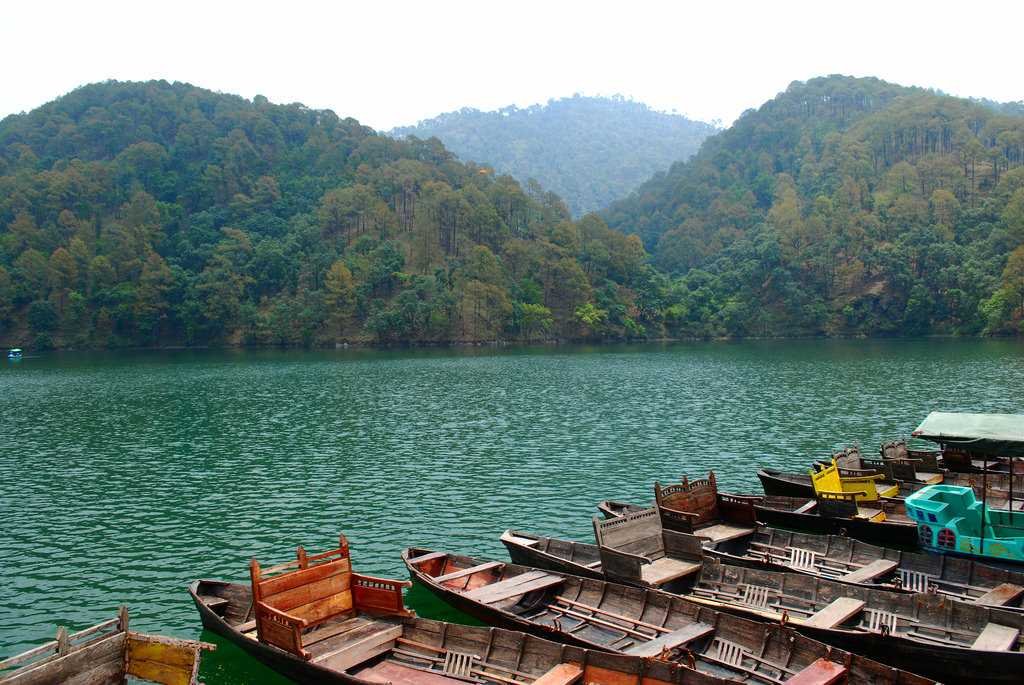
Nestled in the lush Kumaon region of Uttarakhand, Sattal—literally meaning “Seven Lakes” (Sat Tal)—is a breathtaking cluster of interconnected freshwater lakes that remains one of India’s few unspoiled and unpolluted freshwater biomes. Located in the Lower Himalayan Range near Bhimtal, approximately 23 km from Nainital, this enchanting destination offers a tranquil escape from the bustling tourist hubs.
Unlike many hill stations that have grown into crowded tourist centres, Sattal has held on to its quiet charm. Shops are few, traffic is light, and the landscape remains raw and unpolished. Each of the seven lakes—Purna Tal, Nal Damyanti Tal, Ram Tal, Sita Tal, Lakshman Tal, Garud Tal, and Sukha Tal—has its own unique character. Some are lined with trees that lean toward the water; others are open, bright, and perfect for short walks.
What makes Sattal truly special is its profound mythological significance—the lakes are named after heroes from the great Indian epics, the Ramayana and the Mahabharata. Whether you’re a birdwatcher, a nature lover, a history enthusiast, or simply someone seeking peace away from the noise, Sattal promises an experience like no other.
Quick Facts – Sattal
History and Mythology: The Lakes of Gods and Heroes
The Name “Sattal” – Seven Sacred Lakes
The name “Sattal” (Sat Tal) is derived from the Sanskrit words “Sapta” (seven) and “Tal” (lake), meaning “Seven Lakes”. These seven interconnected freshwater lakes are not just natural wonders—they are living monuments to ancient Indian mythology.
The Ramayana Connection
According to local legend, the heroes of the epic Ramayana—Lord Rama, Sita, Lakshmana, and Hanuman—lived here for a spell during their exile from Ayodhya. This is why several of the lakes bear their names:
- Ram Tal – Named after Lord Rama
- Sita Tal – Named after Goddess Sita
- Lakshman Tal – Named after Lakshmana
- Hanuman Tal – Named after Lord Hanuman
The Mahabharata Legend – King Nala and Damayanti
The lake holds deep connections to the Mahabharata as well. According to mythology, during their fourteen-year exile caused by his brother’s curse, the great ruler King Nala and his wife Damayanti drowned in the waters of one of the lakes. Consequently, one of the seven lakes is named Nal Damyanti Tal.
The Seven Lakes – Names and Significance
The British Colonial Era
During the British Raj, the area had a tea plantation, one of four in the Kumaon region at that time. The British colonists in Nainital used to travel to Sattal alone and with their families. British people frequently compared Sattal to Westmoreland in England because of its sublime beauty and beguiling formation.
Geography and Location
Location and Setting
Sattal is situated in the Nainital district of Uttarakhand, in the Kumaon region of the Himalayas. The lakes sit at an altitude of 1,370 metres (4,495 feet) below lush orchards in the Mehragaon valley.
| Geographic Feature | Description |
|---|---|
| Altitude | 1,370 m (4,495 ft) above sea level |
| Region | Lower Himalayan Range |
| Lake Type | Interconnected freshwater lakes |
| Coordinates | 29°20′54″N 79°31′54″E |
Geological Formation
Sattal is the result of tectonic activities and the uplifting of sediments between the Tibetan plain and the Indo-Gangetic plains. The rocks are mainly sedimentary rocks and quartzite. Physiographically, the area can be divided into the lower Himalayas and terraces.
The Seven Lakes
The seven lakes that collectively form Sattal are:
- Purna Tal (also known as Garud Tal)
- Nal Damyanti Tal
- Hanuman Tal
- Bharat Tal
- Ram Tal
- Sita Tal
- Lakshman Tal
Some of these lakes are interconnected, while others stand distinct, each with its unique charm and surrounding landscape. Ram, Sita, and Lakshman Tals comprise the main Sattal Lake. Garud Tal is a stand-alone lake with no connections.
Flora and Fauna: A Biodiversity Hotspot
Protected Area – An Unspoiled Freshwater Biome
Sattal is one of the few unspoiled and unpolluted freshwater biomes in India. The lakes sit amidst dense forests of oak and pine trees, creating a pristine and serene environment.
Forests and Vegetation
| Forest Type | Dominant Species | Characteristics |
|---|---|---|
| Oak Forests | Quercus species | Dense canopies, found throughout the region |
| Pine Forests | Pinus species | Tall evergreen trees, fragrant resin |
| Orchards | Various fruit trees | Lush orchards in the Mehragaon valley |
Birdwatching Paradise
Sattal is a treasure trove for birdwatchers, attracting a wide variety of migratory and resident birds. The lake plays an important role in maintaining the local ecosystem, with different varieties of birds attracted to the area.
Wildlife and Aquatic Life
Butterflies
Sattal is home to a stunning variety of butterflies:
The region also has a Butterfly Museum showcasing over 2,500 species of butterflies.
Endangered Species
The area is home to several rare and endangered species:
- Foxtail Orchid (Endangered)
- Atacus Atlas – The world’s largest moth
- King Cobra (Vulnerable)
- Himalayan Serow (Vulnerable)
Religious Beliefs and Spiritual Sites
The Ramayana and Mahabharata Connection
The lakes of Sattal are deeply intertwined with Hindu mythology. Each lake is named after a figure from the great epics:
- Ram, Sita, Lakshman, and Hanuman Tals are associated with the Ramayana, believed to be where these heroes stayed during their exile
- Nal Damyanti Tal is associated with the Mahabharata, where King Nala and Queen Damayanti drowned during their exile
Kainchi Dham – Neem Karoli Baba’s Ashram
One of the most significant spiritual sites near Sattal is Kainchi Dham, a sacred pilgrimage site located in the beautiful hills of Sattal. Founded by the revered saint Neem Karoli Baba in 1962, it consists of a Hanuman temple and an ashram complex nestled amidst lush greenery. Devotees come to the temple to ask for wishes from the presiding deity, said to be an incarnation of Lord Shiva.
Sattal Christian Ashram (Methodist Ashram)
The Sattal Christian Ashram (also known as the Methodist Ashram) is a historic spiritual retreat established in 1930 by American missionary Stanley Jones. It features colonial-era architecture and offers a peaceful, spiritual ambience.
Religious Beliefs Today
- Sacred Pilgrimage Site: Sattal is considered a sacred site by Hindus, drawing devotees seeking spiritual solace.
- Kainchi Dham: A major spiritual centre attracting devotees from across the country.
- Spiritual Retreat: The tranquil atmosphere makes it an ideal destination for meditation and introspection.
- Multi-Faith Reverence: The site is respected by both Hindus and Christians, with the Methodist Ashram adding to its spiritual diversity.
How to Reach Sattal
By Air
By Train
| Details | Information |
|---|---|
| Nearest Station | Kathgodam Railway Station |
| Distance | ~33 km from Sattal |
| Travel Time | ~1–1.5 hours by taxi |
| Connectivity | Well-connected to Delhi, Lucknow, and Kolkata |
Popular Trains from Delhi to Kathgodam:
| Train Name | From Delhi | Departure | Arrival | Destination |
|---|---|---|---|---|
| Kathgodam Shatabdi | Delhi | 6:20 AM | 11:35 AM | Kathgodam |
| Ranikhet Express | Delhi | 10:10 PM | 6:00 AM | Kathgodam |
By Road
Route to Sattal:
Road Conditions: Sattal is well connected by motorable roads. Buses to Kathgodam and Nainital are easily available from ISBT Anand Vihar, Delhi. Taxis to Sattal are easily available from major destinations of the Kumaon region.
Weather and Best Time to Visit
Climate Overview
Sattal experiences a pleasant high-altitude climate throughout the year. At 1,370 metres, the temperature remains moderate even during summer.
Month-by-Month Guide
Best Time to Visit by Season
Monthly Temperature Chart
| Month | High/Low (°C) | Rain Days |
|---|---|---|
| January | 13°/5° | 13 days |
| February | 17°/7° | 5 days |
| March | 20°/9° | 9 days |
| April | 25°/14° | 6 days |
| May | 31°/18° | 2 days |
| June | 31°/20° | 9 days |
| July | 25°/19° | 28 days |
| August | 24°/19° | 28 days |
| September | 23°/17° | 28 days |
| October | 23°/14° | 3 days |
| November | 22°/12° | 1 day |
| December | 15°/6° | 2 days |
Quick Recommendation
| Best Time | Why Visit |
|---|---|
| March – June | Pleasant weather, ideal for birdwatching and outdoor activities |
| October – December | Crisp & clear, perfect for photography and peaceful travel |
Note: Avoid travelling here during the peak monsoon season (July–August) due to slippery roads and landslide risk.
Nearby Places to Visit
Detailed Descriptions
Bhimtal: A scenic town with a large lake, Bhimtal offers serene views and boating opportunities, surrounded by lush green hills.
Nainital: Just 23 km from Sattal, Nainital is a popular hill station known for its Naini Lake, Mall Road, and various viewpoints.
Naukuchiatal: A beautiful nine-cornered lake ideal for kayaking, paragliding, and enjoying scenic views.
Kainchi Dham: A sacred pilgrimage site founded by Neem Karoli Baba in 1962, featuring a Hanuman temple and ashram complex.
Subhash Dhara: A beautiful freshwater spring near Sattal, perfect for nature walks.
Butterfly Museum: One of the most important attractions of Sattal, showcasing over 2,500 species of butterflies and insects.
Distance from Major Cities
Things to Do at Sattal
1. Explore the Seven Lakes
Each of the seven lakes has its own unique character. Ram, Sita, and Lakshman Tals form the main Sattal Lake, while Garud Tal stands alone. Take time to explore each one.
2. Birdwatching
Sattal is a paradise for birdwatchers with over 500 species of resident and migratory birds. Bring your binoculars and camera to spot Barbets, Himalayan Kingfishers, Himalayan Griffon, and the Dollar Bird.
3. Boating
Enjoy serene boat rides on some of the larger lakes, like Sattal Lake.
4. Visit the Butterfly Museum
The Butterfly Museum is one of Sattal’s most important attractions, showcasing over 2,500 species of butterflies.
5. Nature Walks and Trekking
Explore numerous trails and paths through the dense oak and pine forests. A 2-3 day trip allows you to explore the serene lakes, go for nature walks, and enjoy the beautiful surroundings.
6. Adventure Sports
Some areas offer zip-lining, rock climbing, and rappelling.
7. Visit Kainchi Dham
Pay your respects at the Kainchi Dham ashram, founded by Neem Karoli Baba in 1962.
8. Explore Subhash Dhara
Visit the beautiful Subhash Dhara freshwater spring near Sattal.
9. Camping
Set up a camp near the seven lakes and spend a night under the starry sky.
10. Fishing
Indulge in fishing at the lakes, which are home to Mahseers, Catla, and Silver Carp.
Travel Tips and Important Information
Before You Go
- Check Weather: The best time to visit is during March–June and October–December.
- Carry Cash: ATMs may be limited; bring sufficient cash from Nainital or Bhimtal.
- Mobile Network: Network connectivity is available but may be patchy in some areas.
- Accommodation: Book in advance during the peak season.
- Entry Fee: No entry fee to visit Sattal Lake.
- Timings: 9:00 AM to 6:00 PM.
During Your Visit
- Dress in Layers: Even in summer, evenings can be cool; winter requires heavy woollens.
- Stay Hydrated: Carry water for your visit.
- Respect Local Customs: The area is considered sacred by locals.
- Start Early: Begin your visit early to avoid afternoon crowds.
- Leave No Trace: Follow principles to preserve natural beauty.
- Pack Snacks: There are small stalls but limited food options around the lakes.
Safety Tips
- Road Safety: Mountain roads require patience; avoid night driving.
- Monsoon Travel: Avoid July–August due to slippery roads and landslide risk.
- Wildlife: Do not feed animals; maintain a safe distance.
Packing Checklist
| Season | Essentials |
|---|---|
| All Year | Comfortable walking shoes, sunscreen, sunglasses, hat, reusable water bottle, power bank, camera, cash, ID proof, first aid kit, binoculars for birdwatching |
| Summer (Mar–Jun) | Light woollens for evenings, cotton clothes for daytime, and sun protection |
| Monsoon (Jul–Sep) | Raincoat, waterproof footwear |
| Winter (Oct–Feb) | Heavy woollens, thermals, jacket, gloves, woolen cap |
Accommodation Options
Photography Tips
- Best Spots: Sattal Lake, Ram Tal, Sita Tal, Lakshman Tal, surrounding forests
- Best Time: Early morning for clear views; golden hour (4:00–5:30 PM) for landscapes
- Camera Gear: Carry extra batteries—cold drains them quickly
- Bird Photography: Bring a telephoto lens for birdwatching
Frequently Asked Questions (FAQs)
Q1: What is Sattal famous for?
A: Sattal is famous for its seven interconnected freshwater lakes, its mythological significance (named after heroes from the Ramayana and Mahabharata), and as a birdwatching paradise.
Q2: What is the best time to visit Sattal?
A: The best time to visit is March to June and October to December when the weather is pleasant, and the natural beauty is at its peak.
Q3: How far is Sattal from Delhi?
A: The distance from Delhi is approximately 256–308 km by road, with a travel time of about 6–8 hours.
Q4: How do I reach Sattal?
A: By road from Nainital (~23 km) or Bhimtal (~12 km), by train to Kathgodam (~33 km), or by air to Pantnagar (~61 km).
Q5: What is the altitude of Sattal?
A: Sattal is situated at an altitude of approximately 1,370 metres (4,495 feet) above sea level.
Q6: What are the names of the seven lakes at Sattal?
A: The seven lakes are Purna Tal, Nal Damyanti Tal, Ram Tal, Sita Tal, Lakshman Tal, Garud Tal, and Sukha Tal.
Q7: What is the mythological significance of Sattal?
A: According to mythology, the heroes of the Ramayana (Rama, Sita, Lakshmana, Hanuman) stayed here during their exile. The lakes are also associated with King Nala and Queen Damayanti from the Mahabharata.
Q8: Is Sattal good for birdwatching?
A: Yes, Sattal is a paradise for birdwatchers with over 500 species of resident and migratory birds.
Q9: What is the Butterfly Museum at Sattal?
A: The Butterfly Museum showcases over 2,500 species of butterflies and is one of Sattal’s most important attractions.
Q10: Is there an entry fee for Sattal Lake?
A: No, entry is free for everyone.
Q11: What are the timings for Sattal Lake?
A: The timings are 9:00 AM to 6:00 PM.
Q12: Can I do boating at Sattal?
A: Yes, boating is available on some of the larger lakes, like Sattal Lake.
Q13: What is Kainchi Dham?
A: Kainchi Dham is a sacred pilgrimage site founded by Neem Karoli Baba in 1962, featuring a Hanuman temple and ashram complex.
Q14: What is the Sattal Christian Ashram?
A: The Sattal Christian Ashram (Methodist Ashram) was established in 1930 by American missionary Stanley Jones and offers a peaceful spiritual retreat.
Q15: Is Sattal accessible during the monsoon?
A: Monsoon (July–August) is accessible, but caution is advised due to heavy rainfall, slippery roads, and landslide risk.
Q16: What is the distance from Nainital to Sattal?
A: The distance is approximately 23 km, which takes about 1 hour by road.
Q17: What adventure activities are available at Sattal?
A: Activities include zip-lining, rock climbing, rappelling, kayaking, and nature walks.
Q18: Is Sattal suitable for families?
A: Yes, Sattal is suitable for families. The peaceful environment, boating, and nature walks make it an ideal family destination.
Plan Your Sattal Journey with Discover Uttarakhand
At Discover Uttarakhand, we’ve been organising unforgettable journeys across Devbhoomi since 1997. As a trusted local operator with deep knowledge of the Kumaon Himalayas, we offer:
✅ Customised Sattal tour packages (2 to 4 days)
✅ Combined itineraries covering Sattal, Bhimtal, Naukuchiatal, and Nainital
✅ Comfortable transport with experienced hill drivers
✅ Verified accommodations in Sattal, Bhimtal, and Nainital
✅ Local guides for the area
✅ 24/7 customer support throughout your journey
Recommended Sattal Packages
| Package | Duration | Starting Point | Highlights |
|---|---|---|---|
| Sattal Day Trip | 1 Day | Nainital/Bhimtal | Seven lakes, boating, birdwatching, Butterfly Museum |
| Sattal & Bhimtal | 2 Nights / 3 Days | Kathgodam | Bhimtal Lake, Sattal Seven Lakes, Kainchi Dham |
| Kumaon Lake Circuit | 3 Nights / 4 Days | Kathgodam | Sattal, Bhimtal, Naukuchiatal, Nainital |
| Sattal Birdwatching Tour | 2 Nights / 3 Days | Kathgodam | Birdwatching, Butterfly Museum, nature walks |
Book Your Sattal Journey Today
Discover one of Uttarakhand’s most peaceful and pristine lake destinations—where seven sacred lakes mirror the legends of the Ramayana and Mahabharata, where over 500 species of birds find their home, where the rare Brahma Kamal blooms in divine silence, and where every moment brings you closer to the serene soul of the Kumaon Himalayas.
📞 Call / WhatsApp: +91-9997187178, 9760222178, 8171977178
📍 Visit Our Office: Himalayan Colony, opposite DSVV, Haripur Kalan, Haridwar, Motichur Range, Uttarakhand 249411
🌐 Website: www.discover-uttarakhand.com
📧 Email: info@discover-uttarakhand.com
Discover Uttarakhand – Your Local Partner for Unforgettable Himalayan Journeys Since 1997 🏔️🌿