
Introduction: The Untouched Jewel of the Western Garhwal Himalayas
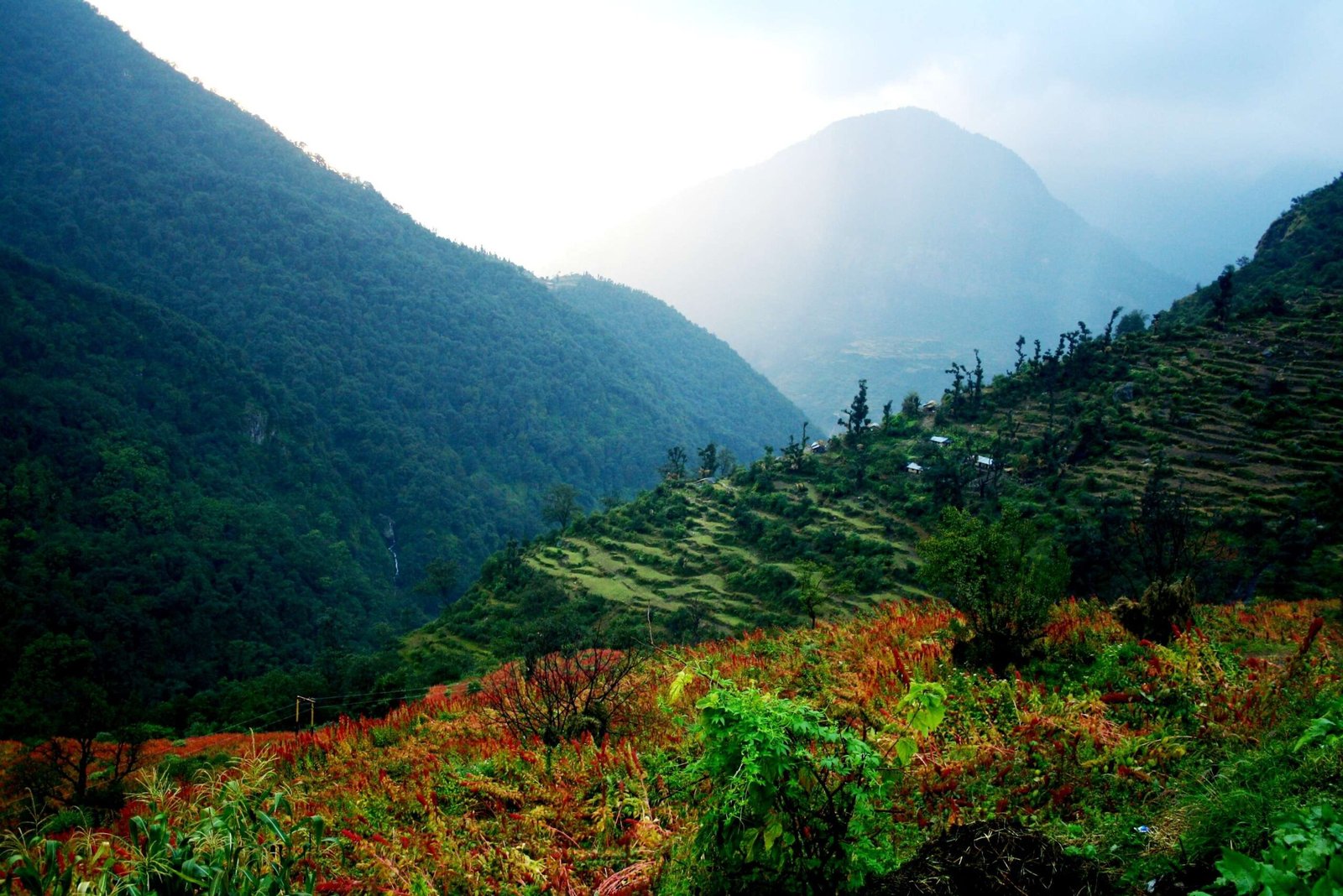
Tucked away in the remote Western Garhwal region of Uttarakhand’s Uttarkashi district, the Supin Valley is one of the last remaining sanctuaries of untouched Himalayan beauty. Often overlooked in favour of more famous treks like Har Ki Dun or Kedarkantha, this pristine valley offers something truly unique—a journey through dense forests of pine, oak, and rhododendron, across flower-filled alpine meadows, and alongside the crystal-clear Supin River.
The Supin River, a vital tributary of the Tons River, originates from glaciers near the Har Ki Dun valley at an altitude of over 3,500 meters. It flows southeast through alpine valleys, eventually merging with the Rupin River at Netwar to form the Tons, which is itself the main tributary of the Yamuna. The valley is part of the Govind Pashu Vihar National Park, a protected area covering 958 square kilometres, established in 1955.
What sets Supin Valley apart is its deep cultural and mythological significance. The people of the Rupin and Supin valleys have a rich tradition of folk deity worship. The region’s villages—Jakhol, Osla, Gangad, and Seema—are home to unique traditions, including temples dedicated to characters from the Mahabharata like Duryodhana and Karna, as well as local gods like Pokhu Devta, the God of Law and Order.
Whether you are a trekker seeking the offbeat Vishkhopri route, a nature lover wanting to explore pristine forests and meadows, a birdwatcher hoping to spot the Himalayan Monal, or a cultural explorer interested in the unique folk traditions of the Jaunsar-Bawar region, Supin Valley promises a Himalayan experience that few have had the privilege to witness.
Key Information at a Glance:
History and Mythology: The Valley of the Kauravas
The Divine Kingdoms of the Supin Valley
The upper reaches of the Supin River are ruled by a divine king whose identity is disputed. Some say that he is Duryodhana, the arch-villain of the Mahabharata. Others say that he is Someshvara, a form of Shiva. This unique theological ambiguity reflects the valley’s distinctive cultural heritage—a region where the traditional narratives of the Mahabharata have been reimagined and integrated into local religious practices.
According to folk tradition and popular beliefs of the people of the Rupin and Supin valleys, the local people had allied themselves with the Kauravas in the battle of the Mahabharata. In due course, they accepted the Kauravas as gods and raised imposing temples of Duryodhana and Karna. Later, it seems they began to respect the Pandavas as well and started to worship them in the temples.
During Adi Shankaracharya’s times, Shiva Puja (worship of Lord Shiva) became popular in this valley, and Shivlings were installed in these temples.
Pokhu Devta: The God of Law and Order
One of the most fascinating deities of the Supin Valley is Pokhu Devta, the God of Law and Order. The temple of Pokhu Devta is located in the old village of Netwar, at the confluence of the Rupin and Supin rivers. It is a traditional wooden temple.
What makes Pokhu Devta unique:
- No visual darshan: In the inner chamber of the temple, a Shivling is installed, with Pokhu’s chamber positioned behind it. The god is not shown to anyone, as his image is believed to create horror.
- Worship with one’s back: Even the priest, while worshipping him, stands with his back towards him. The idol is worshipped with one’s back towards it .
- Divine justice: Pokhu is a deputy of Karna and an attendant of Lord Shiva. He is described as terrible and unrelenting in punishing his erring followers.
- Theft is unknown: The incidence of theft in this valley is unheard of, reflecting the deep-seated belief in Pokhu Devta’s justice.
Netwar Village: A Confluence of Deities
Netwar village has three significant temples—Duryodhan Mandir, Karna Mandir, and Pokhu Devta Mandir—all within the same region, within a range of 14 kilometres. This unique concentration of temples dedicated to Mahabharata characters and local folk deities makes the Supin Valley a truly distinctive destination for cultural exploration.
The Govind Pashu Vihar Wildlife Sanctuary
The valley is protected under the Govind Pashu Vihar Wildlife Sanctuary, which was notified as a Sanctuary in 1955 and as a National Park in 1991. The area encompasses the Rupin and Supin valleys, which form important catchments for the Tons, the main tributary of the River Yamuna.
The sanctuary became active in the 1980s with a ban on hunting as well as the collection of medicinal herbs, and a much-expanded staff. The region boasts varied climatic zones—sub-tropical, temperate, and alpine—that result in diverse flora, including Himalayan cedar, rhododendron, Himalayan spruce, Himalayan yew, beech, and spikenard.
Geography and Location
Geographic Setting
The Supin Valley is situated in the Uttarkashi district of Uttarakhand, in the Western Garhwal region of the Himalayas. The valley lies within the Govind Pashu Vihar National Park, a protected area covering 958 square kilometres.
The Supin River originates near the Har Ki Dun valley, from glaciers and snowmelt around the Swargarohini peaks. It flows southeast through alpine valleys and dense pine forests, eventually merging with the Rupin River at Netwar to form the Tons River.
Key Villages of the Supin Valley
The Supin River
The Supin River is a vital and scenic tributary of the Tons River, winding through Uttarakhand’s remote Govind Pashu Vihar National Park. It originates from glaciers near Har Ki Dun, at an altitude of over 3,500 meters, and flows southeast through alpine valleys, eventually merging with the Rupin River at Netwar.
Key facts about the Supin River:
- Importance: Crucial for irrigation, drinking water, and biodiversity in the region
- Treks: Har Ki Dun and Ruinsara Tal treks follow the Supin River for several kilometres
- Villages: Osla, Gangad, Seema, Taluka, and Jakhol lie along the Supin
- Cultural role: The Supin River plays a spiritual and cultural role for the communities living along its banks
Flora and Fauna
Forests and Vegetation
The Supin Valley, protected within the Govind Pashu Vihar National Park, boasts varied climatic zones—sub-tropical, temperate, and alpine—that result in diverse flora.
| Vegetation Type | Dominant Species | Blooming Season |
|---|---|---|
| Lower Forests | Pine, Deodar, Oak | Year-round |
| Mid-Altitude | Rhododendron, Himalayan Cedar, Spruce | March–April |
| Alpine Meadows | Wildflowers, Grasses, Herbs | May–September |
Notable plant species: Himalayan cedar, rhododendron, Himalayan spruce, Himalayan yew, beech, and spikenard.
The Vishkhopri trek, in particular, offers trekkers the chance to walk through dense forests teeming with varied flora and fauna such as pines, oaks, rhododendrons, and walnuts .
Wildlife
The sanctuary is home to a rich variety of Himalayan wildlife:
| Species | Status | Likelihood of Sighting |
|---|---|---|
| Himalayan Monal | State bird of Uttarakhand | Moderate (early morning) |
| Himalayan Musk Deer | Endangered | Rare |
| Himalayan Black Bear | Vulnerable | Rare |
| Snow Leopard | Endangered | Extremely rare |
| Leopard | Vulnerable | Rare |
| Langur | Common | Frequent |
Recorded species in the sanctuary:
How to Reach Supin Valley
By Air
Nearest Airport: Jolly Grant Airport, Dehradun (approximately 220 km from Sankri)
By Train
Nearest Railway Stations: Dehradun Railway Station (approximately 200 km from Sankri)
| Train Name | From Delhi | Departure | Arrival (Dehradun) | Duration |
|---|---|---|---|---|
| Shatabdi Express | Delhi | 6:00 AM | 11:40 AM | 5h 40m |
| Jan Shatabdi | Delhi | 3:20 PM | 9:00 PM | 5h 40m |
| Mussoorie Express | Delhi | 10:05 PM | 5:30 AM | 7h 25m |
From Dehradun station, taxis and buses are available for Sankri.
By Road to Sankri (Base Camp)
Sankri is the main gateway to access the Supin River Valley.
Road Conditions: The route is scenic but winding. Buses and shared jeeps are available from early morning till afternoon.
From Sankri into the Supin Valley
Step 1: Sankri to Taluka (Drive)
Step 2: Trek into the Supin Valley (Trek)
- The Supin River flows beside most of the trek route from Taluka through Gangad, Osla, Seema, and onward toward Har Ki Dun and Ruinsara Tal
- Total trek distance from Taluka to Har Ki Dun: approximately 44 km round trip
For Vishkhopri Trek (Jakhol Base)
For the Vishkhopri trek, the starting point is Jakhol village (19 km beyond Sankri).
| Segment | Distance | Travel Time |
|---|---|---|
| Sankri to Jakhol | 19 km | 1–1.5 hours (drive) |
| Jakhol to Liwari | 8 km | 4–5 hours (trek) |
| Liwari to Surmola Thach | 10 km | 5–6 hours (trek) |
| Surmola Thach to Vishkhopri | 9 km | 5–6 hours (trek) |
Distances from Major Cities
| City | Distance (km) |
|---|---|
| Delhi | 450–480 |
| Dehradun | 200–210 |
| Haridwar | 220–230 |
| Rishikesh | 210–220 |
| Sankri (base) | 0 |
| Taluka | 12 km (drive) |
| Jakhol | 19 km (drive from Sankri) |
| Osla | ~30 km (trek) |
| Har Ki Dun | ~44 km (trek) |
Weather and Best Time to Visit
Climate Overview
The Supin Valley experiences a high-altitude Himalayan climate. The region is accessible only during specific months due to snow cover in winter.
Month-by-Month Guide
Seasonal Breakdown
Spring (April–June) – Best Time
This is the most popular season for trekking in the Supin Valley. Perfect conditions, lush greenery, wildflowers, and clear mountain views. The rhododendrons are in full bloom, painting the hillsides in vibrant red and pink. Days are pleasant, while nights remain chilly.
Best for: Rhododendron blooms, wildflowers, fresh greenery.
Autumn (September–November) – Excellent
Autumn is known for golden views. Meadows turn yellow, skies remain crystal clear (67% clear skies in September ), and distant peaks look striking. The valley is less crowded compared to summer.
Best for: Photography, clear mountain views, peaceful trails.
Monsoon (July–August) – Avoid
Trekking is not advised during the monsoon because the trails become slippery, rivers overflow, and landslides are common. While the valley is at its greenest, the risks outweigh the rewards.
Winter (December–February) – For Experienced Only
Winter transforms the valley into a snow-covered landscape. Daytime temperatures may not rise above 5°C to 10°C, while nights can drop to -10°C or even lower. This season is suitable only for experienced trekkers with proper winter gear.
Weather for the Supin Range (September Example)
Based on historical data, September in the Supin Range features :
| Aspect | Value |
|---|---|
| Average high | 15°C (59°F) |
| Average low | 6°C (42°F) |
| Chance of rain/snow | 49% |
| Humidity | 100% |
| Sunshine | 67% clear skies (16.2 hours per day) |
Top Treks in the Supin Valley
Trek Comparison Table
1. Vishkhopri Trek – The Hidden Meadow
The Vishkhopri Trek takes you to an idyllic meadow at an elevation of 3,610 meters in the Supin Valley. At the confluence of the Supin and Guggal Gad rivers lies this expansive meadow adorned with vibrant flowers that create an idyllic scene reminiscent of a fairytale.
Key Details:
| Aspect | Details |
|---|---|
| Starting Point | Sankri → Jakhol |
| Maximum Altitude | 3,610 m |
| Total Trek Distance | ~44 km |
| Difficulty | Easy to Moderate |
| Best Time | May–June & September–October |
Route Overview:
| Day | Segment | Distance | Time |
|---|---|---|---|
| 1 | Dehradun → Sankri | 210 km | 7–8 hours |
| 2 | Sankri → Jakhol (drive) → Liwari (trek) | 19 km drive + 8 km trek | 5–6 hours |
| 3 | Liwari → Surmola Thach | 10 km | 5–6 hours |
| 4 | Surmola Thach → Vishkhopri | 9 km | 5–6 hours |
| 5 | Vishkhopri → Surmola Thach | 9 km | 4–5 hours |
| 6 | Surmola Thach → Liwari | 10 km | 4–5 hours |
| 7 | Liwari → Jakhol → Sankri | 8 km trek + 19 km drive | 7–8 hours |
| 8 | Sankri → Dehradun | 210 km | 7–8 hours |
Trek Highlights:
- Ascending 3,600 meters, this moderate difficulty trek offers ideal conditions for novices with moderate fitness levels
- The route covers deodar, oak, pine, and rhododendron forests before reaching Vishkhopri’s open bugyals
- Panoramic views of the Dhauladhar and Pir Panjal ranges
- An offbeat trek providing a peaceful escape, abundant with rare Himalayan birds and cultural interaction with locals
2. Har Ki Dun Trek – The Valley of Gods
The famous Har Ki Dun trek follows the Supin River for most of its route, crossing wooden bridges and stopping at forest patches, waterfalls, and ridge views.
Key Details:
| Aspect | Details |
|---|---|
| Starting Point | Sankri → Taluka |
| Maximum Altitude | 3,566 m |
| Total Trek Distance | 44 km (round trip) |
| Difficulty | Easy to Moderate |
| Best Time | April–June & September–October |
What makes it special:
- The Supin River becomes a natural guide through some of the most stunning alpine terrain in Uttarakhand
- Pass through Osla village with its unique Duryodhana Temple
- Camp by the river under starry skies
3. Ruinsara Tal Trek – The Alpine Lake
Ruinsara Tal is a stunning glacial lake surrounded by snow-covered peaks, accessed via the Supin Valley. The trail passes through Seema and into dramatic high-altitude terrain.
Key Details:
| Aspect | Details |
|---|---|
| Maximum Altitude | 3,630 m |
| Difficulty | Moderate |
| Best Time | May–June & September–October |
Highlights:
- Camp beside a pristine alpine lake
- Panoramic views of the Bandarpunch and Swargarohini ranges
- A less crowded alternative to Har Ki Dun
Cultural Villages Along the Supin
Osla Village
Osla is one of the most culturally significant villages on the Supin River route.
Key attractions:
- Duryodhana Temple: A unique shrine dedicated to the Mahabharata antagonist
- Someshwar Temple: Ancient Shiva temple with intricate wood carvings
- Traditional wooden houses with slate roofs
The village is known for its traditional wooden houses and is a highlight of the Har Ki Dun trek.
Jakhol Village
Jakhol is the final settlement in the beautiful Supin Valley and the starting point for the Vishkhopri trek. It serves as a base for trekkers and offers homestay accommodation.
Gangad Village
Gangad is a traditional village along the Supin River known for its authentic wooden architecture and friendly locals. It lies on the route from Taluka to Osla .
Seema Village
Seema is a peaceful riverside campsite located beside the Supin River, surrounded by towering mountains. The quiet setting and raw natural beauty make it a perfect place to rest during treks.
Netwar Village
Netwar is historically significant as the location of three important temples—Duryodhan Mandir, Karna Mandir, and Pokhu Devta Mandir—all within a range of 14 kilometres. The confluence of the Rupin and Supin rivers is also located here.
Traditional Architecture
Houses in the Supin Valley are built in the traditional Kath-kuni style—crafted from deodar cedar wood. These homes are not only aesthetically beautiful but also exude a rich, woody fragrance and provide an extremely warm and comforting atmosphere, perfect for the chilly mountain nights.
Things to Do in Supin Valley
1. Riverside Camping
Camp on open meadows near the Supin River, especially between Taluka and Osla. The views of flowing water under Himalayan skies are unforgettable. Evenings are peaceful, and the sound of the river creates a soothing background for a starlit dinner.
Best spots: Near Osla, Seema, and Har Ki Dun campsites
2. Trekking
The Supin Valley serves as the starting point for several of Uttarakhand’s most scenic treks:
| Trek | Difficulty | Duration |
|---|---|---|
| Vishkhopri Trek | Easy-Moderate | 8 days |
| Har Ki Dun Trek | Easy-Moderate | 6–7 days |
| Ruinsara Tal Trek | Moderate | 7–8 days |
| Rupin Supin Traverse | Moderate-Difficult | 6–8 days |
3. Birdwatching
The Govind Pashu Vihar Wildlife Sanctuary is home to about 100 species of birds, including the Himalayan Monal (state bird of Uttarakhand). Early morning walks along the river offer the best birdwatching opportunities.
4. Photography
The Supin Valley is a photographer’s paradise:
- Best Spots: Confluence of rivers at Vishkhopri, wooden bridges over the Supin, traditional village architecture, rhododendron forests in spring
- Best Time: Early morning for golden light; autumn for clear mountain views
5. Cultural Exploration
Visit the unique temples of Netwar—Duryodhan Mandir, Karna Mandir, and Pokhu Devta Mandir. Learn about the local traditions where the “villains” of the Mahabharata are worshipped as gods.
6. Crossing Traditional Wooden Bridges
Feel the thrill of walking over narrow wooden or hanging bridges that span the fast-flowing Supin. These crossings are both exciting and photogenic, connecting remote villages and adding character to your trekking route.
7. Village Homestays
Experience authentic mountain life by staying in a homestay in Jakhol, Osla, or Seema. Enjoy home-cooked Garhwali meals and learn about local customs and traditions.
Local Cuisine: What to Eat
Must-Try Garhwali Dishes
| Dish | Description |
|---|---|
| Aloo Ke Gutke | Spiced fried potatoes with local Garhwali flavors |
| Chainsoo | Protein-rich black gram curry |
| Kafuli | Nutritious spinach and fenugreek curry |
| Mandua Roti | Spiced fried potatoes with local Garhwali flavours |
| Gahat Ki Dal | Horse gram lentil soup, warming and nutritious |
| Jhangora Kheer | Barnyard millet sweet pudding |
Where to Eat
- Homestays in Jakhol, Osla, and Seema – Authentic Garhwali meals
- Local Dhabas in Sankri – Simple Indian meals, parathas, chai
- Trekking camps – Meals provided by trek operators
Dining Tips
- Most homestays offer meal packages
- Pure vegetarian options are widely available
- Carry packaged snacks for treks
- Try the local chai (tea) at small stalls
Accommodation Options
In Sankri (Base Camp)
| Category | Price Range (per night) | Features |
|---|---|---|
| Guesthouses/Homestays | ₹1,000 – ₹2,500 | Basic amenities, warm meals |
| Hotels | ₹2,000 – ₹4,000 | More comfortable, attached bathrooms |
In Jakhol (Vishkhopri Trek Start)
| Accommodation Type | Price Range | Features |
|---|---|---|
| Homestays | ₹1,000 – ₹2,000 | Basic but comfortable, authentic experience |
On the Trek
| Segment | Accommodation Type | Features |
|---|---|---|
| Liwari | Camp | Four-season tents, sleeping bags |
| Surmola Thach | Camp | Alpine meadow campsite |
| Vishkhopri | Camp | At the confluence of rivers |
In Osla/Seema (Har Ki Dun Route)
| Accommodation Type | Price Range | Features |
|---|---|---|
| Homestays | ₹1,000 – ₹2,000 | Traditional wooden houses |
| Camping | Part of trek packages | Riverside campsites |
Booking Tips
- Book well in advance for peak trekking season (April–June, September–October)
- For treks, accommodation is typically arranged through trek operators
- Homestays can be arranged through local contacts or tour operators
- Carry cash—card facilities are not available in the valley
Sample Itineraries
8-Day Vishkhopri Trek (From Dehradun)
| Day | Segment | Distance | Time | Overnight |
|---|---|---|---|---|
| 1 | Dehradun → Sankri | 210 km | 7–8 hours | Sankri |
| 2 | Sankri → Jakhol (drive) → Liwari (trek) | 19 km + 8 km | 5–6 hours | Liwari Camp |
| 3 | Liwari → Surmola Thach | 10 km | 5–6 hours | Surmola Thach Camp |
| 4 | Surmola Thach → Vishkhopri | 9 km | 5–6 hours | Vishkhopri Camp |
| 5 | Vishkhopri → Surmola Thach | 9 km | 4–5 hours | Surmola Thach Camp |
| 6 | Surmola Thach → Liwari | 10 km | 4–5 hours | Liwari Camp |
| 7 | Liwari → Jakhol → Sankri | 8 km + 19 km | 7–8 hours | Sankri |
| 8 | Sankri → Dehradun | 210 km | 7–8 hours | – |
7-Day Har Ki Dun Trek (From Dehradun)
| Day | Segment | Distance | Time |
|---|---|---|---|
| 1 | Dehradun → Sankri | 210 km | 7–8 hours |
| 2 | Sankri → Taluka (drive) → Seema (trek) | 12 km drive + 12 km trek | 6–7 hours |
| 3 | Seema → Kalkatiyadhaar | 8–10 km | 5–6 hours |
| 4 | Kalkatiyadhaar → Har Ki Dun | 8–10 km | 4–5 hours |
| 5 | Har Ki Dun → Seema | 18–20 km | 5–6 hours |
| 6 | Seema → Taluka → Sankri | 12 km trek + 12 km drive | 5–6 hours |
| 7 | Sankri → Dehradun | 210 km | 7–8 hours |
Travel Tips and Important Information
Before You Go
- Physical Fitness: Treks in the Supin Valley are moderate. Prepare with regular walking, jogging, and stair climbing for 4–6 weeks before.
- Medical Check-up: Consult your doctor before undertaking high-altitude trekking.
- Carry Cash: ATMs are limited in Sankri and non-existent on the trek; bring sufficient cash from Dehradun.
- Check Weather: Avoid monsoon (July–August); the valley may have snow in winter.
- Book Through Registered Operators: Treks require permits and local knowledge. Book through registered tour operators.
During Your Visit
- Acclimatise Properly: Spend a day in Sankri (1,950 m) before starting high-altitude treks.
- Stay Hydrated: Drink plenty of water to prevent altitude sickness. Purify water from natural sources.
- Dress in Layers: Temperatures can change rapidly—layers allow adjustment throughout the day.
- Start Early: Begin treks early to complete sections before afternoon weather changes.
- Hire Local Guides: Local guides are essential for navigation, safety, and cultural insights.
Safety Tips
- Water Safety: Avoid camping near riverbanks during heavy rain due to sudden water rise from upstream glaciers.
- Altitude Awareness: Above 3,000 m, altitude sickness is possible. Stay hydrated, walk slowly, and descend if symptoms worsen.
- Road Safety: Mountain roads require patience; avoid night driving.
- Monsoon Travel: Avoid July–August due to landslide risk.
- Wildlife: Do not feed animals; maintain a safe distance.
Packing Checklist
Photography Tips
- Best Spots: Vishkhopri meadow (confluence of rivers), wooden bridges over Supin, traditional village architecture, rhododendron forests in spring
- Best Time: Early morning for golden light; autumn for clear mountain views
- Camera Gear: Carry extra batteries—cold drains them quickly; telephoto lens for wildlife
- Note: Ask permission before photographing local people
Responsible Tourism
- Leave No Trace: Carry back all non-biodegradable waste
- Respect Local Culture: The valley has unique traditions; be respectful and ask permission before photographing temples and people
- Support Local Economy: Hire local guides, stay in homestays, buy local products
- Protect Water Sources: Use biodegradable products and avoid polluting the river
Nearby Places to Visit
Netwar – The Confluence of Rupin and Supin
Netwar village, located near Sankri, is the point where the Rupin and Supin rivers merge to form the Tons River. It is also home to the unique Pokhu Devta Temple, where the God of Law and Order is worshipped with one’s back towards the idol.
Har Ki Dun – The Valley of Gods
The famous Har Ki Dun valley is accessible via the Supin Valley route, following the Supin River from Taluka through Osla and Seema.
Frequently Asked Questions (FAQs)
Q1: Why is Supin Valley famous?
A: Supin Valley is famous for its pristine, untouched natural beauty, the Vishkhopri trek, and its unique cultural heritage—including the worship of Duryodhana and Karna, and the Pokhu Devta temple where the god is worshipped with one’s back turned.
Q2: Where does the Supin River originate?
A: The Supin River originates near the Har Ki Dun valley, from glaciers and snowmelt around the Swargarohini peaks.
Q3: What is the best time to visit Supin Valley?
A: The best time to visit is April to June (summer) and September to November (autumn). The valley remains inaccessible during winter due to heavy snowfall.
Q4: How far is Supin Valley from Delhi?
A: The distance from Delhi to Sankri (base camp) is approximately 450–480 km, with a travel time of 14–16 hours by road.
Q5: How do I reach Supin Valley?
A: By road to Sankri (via Dehradun and Mussoorie), then a short drive to Taluka, followed by trekking into the valley. The nearest airport is Dehradun (~220 km), and the nearest railway station is Dehradun (~200 km).
Q6: What is the Vishkhopri trek?
A: The Vishkhopri trek is an 8-day trek (easy to moderate difficulty) that takes you to a beautiful meadow at 3,610 meters where the Supin and Guggal Gad rivers meet.
Q7: Is Supin Valley safe for solo travellers?
A: The base areas of Sankri and Taluka are safe for solo travellers. However, for treks into the deeper valley, it is strongly recommended to trek with registered groups or experienced guides.
Q8: What is Pokhu Devta?
A: Pokhu Devta is the God of Law and Order worshipped in the Supin Valley. His temple in Netwar is unique because the idol is never shown to devotees—even the priest worships with his back turned.
Q9: What is the altitude of Supin Valley?
A: The valley ranges from approximately 1,500 meters at lower elevations to over 3,600 meters at higher reaches like Vishkhopri.
Q10: Is there a mobile network in Supin Valley?
A: Mobile connectivity is very poor to non-existent beyond Sankri. BSNL works in some pockets. Inform family of your travel plans in advance.
Q11: What is the Govind Pashu Vihar Wildlife Sanctuary?
A: It is a 958 sq km protected area in Uttarkashi district that encompasses the Rupin and Supin valleys. It is known for its diverse flora, 100 bird species, and 70 butterfly species.
Q12: Are there ATMs in Supin Valley?
A: ATMs are limited to Sankri. It is advisable to carry sufficient cash from Dehradun.
Q13: Can I visit Supin Valley during the monsoon?
A: Monsoon (July–August) is not recommended due to heavy rainfall, landslides, and slippery trails.
Q14: What are the main treks in Supin Valley?
A: The main treks include Vishkhopri Trek, Har Ki Dun Trek, Ruinsara Tal Trek, and the Rupin Supin Traverse.
Q15: What is the Rupin Supin Traverse?
A: The Rupin Supin Traverse is a crossover trek (32–70 km, moderate-difficult) that connects the Supin Valley to the Rupin Valley, crossing high mountain passes with panoramic views.
Plan Your Supin Valley Journey with Discover Uttarakhand
At Discover Uttarakhand, we’ve been organising unforgettable Himalayan journeys across Devbhoomi since 1997. As a trusted local operator with deep knowledge of the Garhwal Himalayas and the Supin Valley, we offer:
- ✅ Customised Supin Valley tour packages (6 to 12 days)
- ✅ Vishkhopri Trek packages with experienced local guides
- ✅ Har Ki Dun and Ruinsara Tal trek arrangements
- ✅ Comfortable transport from Dehradun to Sankri
- ✅ Verified homestay and camp accommodations
- ✅ Permit assistance for Govind Pashu Vihar National Park
- ✅ Local guides familiar with the region’s unique culture and mythology
- ✅ 24/7 customer support throughout your journey
Recommended Supin Valley Packages
| Package | Duration | Starting Point | Highlights |
|---|---|---|---|
| Vishkhopri Trek | 7 Nights / 8 Days | Dehradun | Jakhol, Liwari, Surmola Thach, Vishkhopri meadow |
| Har Ki Dun Trek | 6 Nights / 7 Days | Dehradun | Taluka, Osla, Seema, Har Ki Dun valley |
| Supin Valley Explorer | 5 Nights / 6 Days | Dehradun | Sankri, Jakhol, Netwar, Pokhu Devta Temple |
| Rupin Supin Traverse | 7 Nights / 8 Days | Dehradun | Khanyisani, Vijay Top, Bhitri, Sankri |
Book your Supin Valley journey today and discover one of Uttarakhand’s last untouched Himalayan sanctuaries.
📞 Call / WhatsApp: +91-9997187178, 9760222178, 8171977178
📍 Visit Our Office: Himalayan Colony, opposite DSVV, Haripur Kalan, Haridwar, Motichur Range, Uttarakhand 249411
🌐 Website: www.discover-uttarakhand.com
📧 Email: info@discover-uttarakhand.com
Discover Uttarakhand – Your Local Partner for Unforgettable Himalayan Journeys Since 1997 🏔️