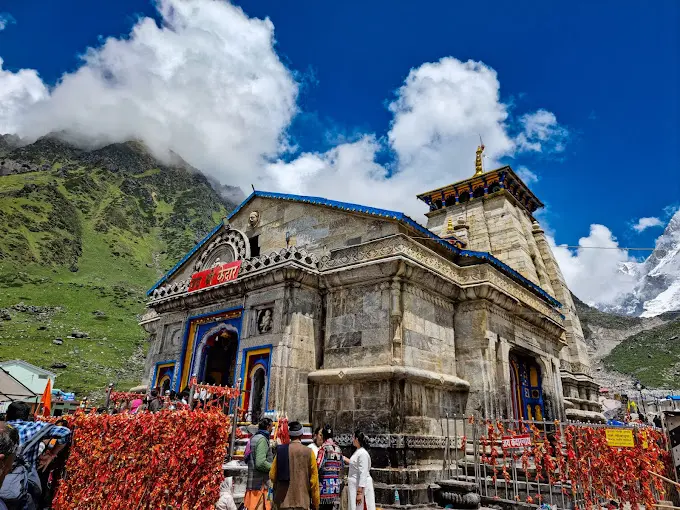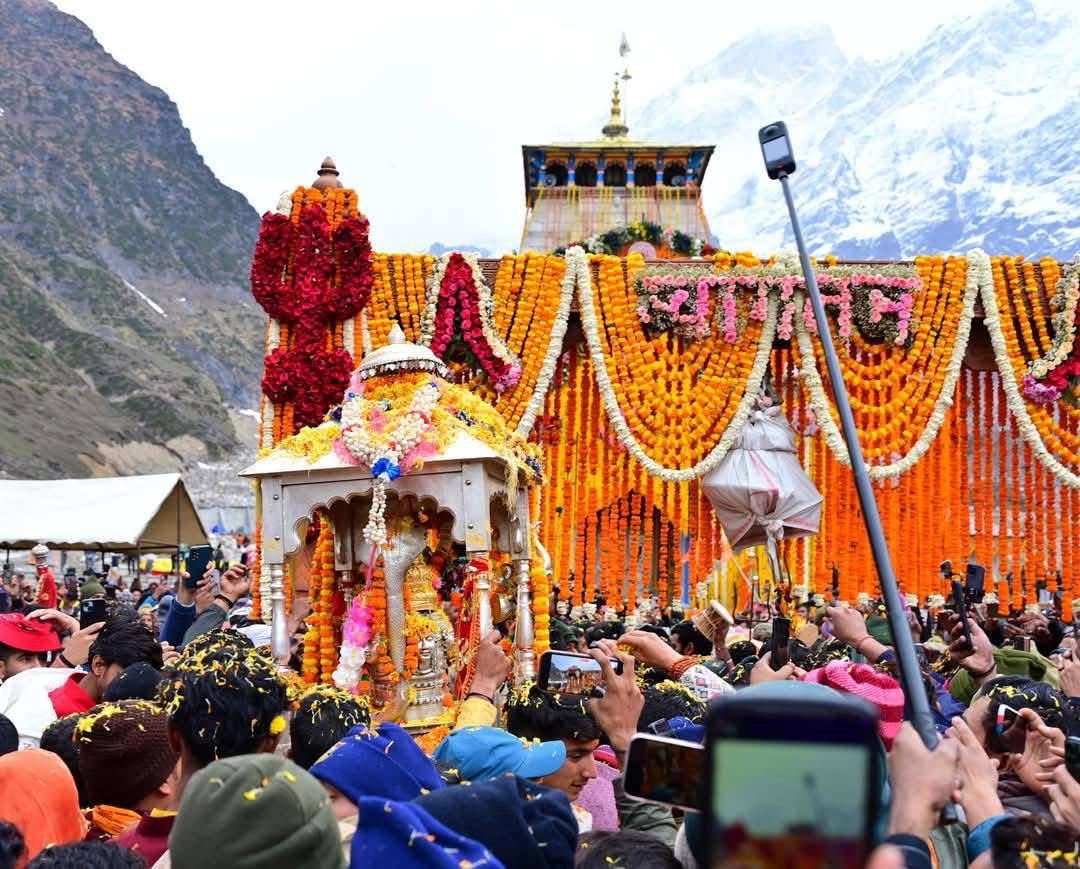
Introduction: The Sacred Source of the Yamuna
Yamunotri Dham, the westernmost shrine of the sacred Char Dham Yatra, is where the holy Yamuna River descends from the Garhwal Himalayas to touch the plains of India. Nestled at an altitude of 3,293 meters (10,804 feet) in the Uttarkashi district of Uttarakhand, this revered pilgrimage site draws thousands of devotees each year who come to seek blessings from Goddess Yamuna and immerse themselves in the pristine beauty of the Himalayas.
For devout Hindus, Yamunotri is more than just a temple—it is the source of the second-most sacred river in India, the Yamuna. According to ancient beliefs, bathing in the waters of the Yamuna protects from untimely death and brings prosperity, as the river is the twin sister of Yama, the god of death. The journey to Yamunotri combines spiritual fulfilment with adventure, taking pilgrims through scenic trails, hot springs, and breathtaking mountain vistas.
This comprehensive guide covers everything you need to know about Yamunotri Dham—its rich history, geographical significance, how to reach, best time to visit, nearby attractions, and essential travel tips for a safe and fulfilling yatra.
History of Yamunotri Dham
Mythological Origins
According to Hindu legends, Yamunotri is where the goddess Yamuna, daughter of the sun god Surya and sister of Yama (the god of death), descended to earth. Sage Asit Muni is said to have meditated here, resulting in the manifestation of the Yamuna River. Another belief states that Lord Shiva dived into the Yamuna river after his wife Sati’s demise to control his rage.
The region also holds significance from the Ramayana era. It is believed that after burning Ravana’s entire Lanka, Lord Hanuman jumped into this river to extinguish the fire on his tail—a legend that gave the nearby Bandarpoonch Parvat its name, which translates to “tail of a monkey”.
Temple Construction
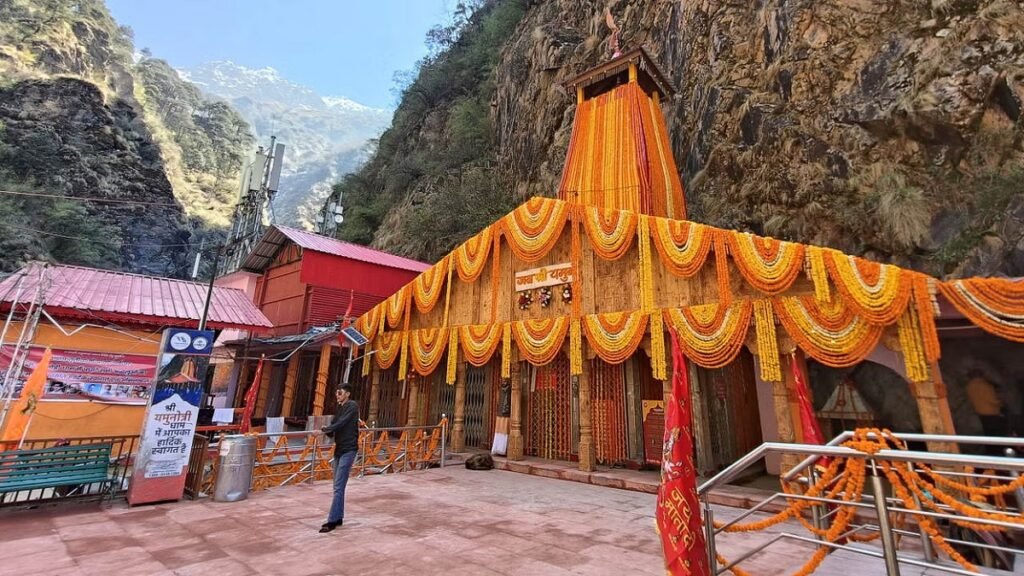
The Yamunotri Temple was first constructed in 1839 by Maharaja Pratap Shah (or Sundarshan Shah) of Tehri Garhwal. The original shrine was later destroyed by an earthquake in the 19th century and was rebuilt by Maharani Gularia of Jaipur. The temple is managed by the Tehri royal family and the temple trust, with priests from the nearby village of Kharsali performing religious rites.
The temple showcases traditional Garhwali architecture with its wooden structure, ornate carvings, and use of local stone and granite. The top of the structure features a medium conical-shaped minaret, highlighted in pale yellow with a bright vermilion border.
Geography and Location
Location Details
| Attribute | Information |
|---|---|
| State | Uttarakhand |
| District | Uttarkashi |
| Coordinates | 31°01′N 78°27′E |
| Altitude | 3,293 meters (10,804 feet) above sea level |
| Area | 3 sq km |
The Source of the Yamuna River
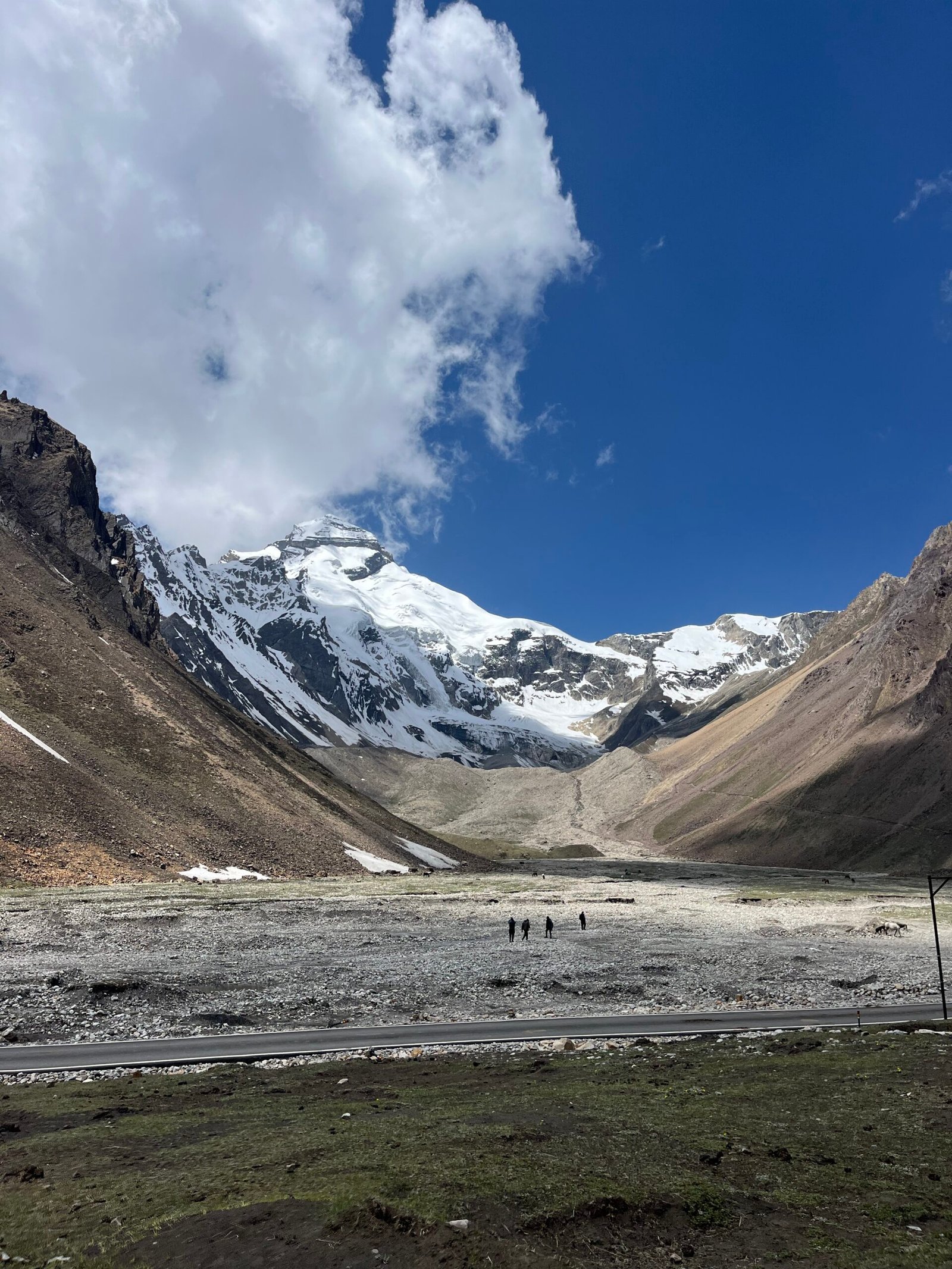
The actual source of the Yamuna River lies in the Yamunotri Glacier (Champasar Glacier) at a height of 6,387 meters (20,955 feet) on the Kalind Mountain, near the Bandarpunch peaks. From here, the river flows into Saptarishi Kund and then cascades southwards through a series of waterfalls. The Yamuna travels 1,376 kilometres through Uttarakhand, Himachal Pradesh, Haryana, Uttar Pradesh, and Delhi before merging with the Ganges at Triveni Sangam in Prayagraj.
The temple itself marks the final accessible point to the river Yamuna—the approach to the actual glacier source is extremely difficult, so pilgrims offer prayers at the temple instead.
Bandarpoonch Parvat
Located in the Garhwal division, Bandarpoonch Parvat is a prominent mountain massif considered the abode of Kalind Parvat, which serves as the source of the Yamuna River. The mountain range lies on the western edge of the higher Himalayan ranges and is part of the Sankari range inside the famous Govind Pashu Vihar National Park and Sanctuary.
Flora and Fauna
The Yamunotri region boasts a thriving ecosystem with rich biodiversity, as approximately 80% of the district is covered in forests.
Flora
The forests of Yamunotri are home to a wide variety of trees and wildflowers, including:
- Coniferous trees – Deodar, oak, and pine forests dominate the landscape
- Rhododendrons – Found in shades of blue, red, pink, and white
- Blue Poppy – A rare and beautiful Himalayan flower
- Medicinal herbs – Numerous species with traditional healing properties
Fauna
High-altitude wildlife species found in the region include:
- Mammals: Blue sheep (bharal), Himalayan musk deer, common leopards, Himalayan black bears, snow leopards (rare), and Himalayan yellow-throated marten
- Birds: Himalayan Monal (state bird of Uttarakhand, known for its striking metallic green, purple, red, and jet-black plumage), Kalij pheasant, Kokla (Himalayan whistling thrush), and Chir pheasant
- Fish: Snow trout, brown trout, and Mahseer in the rivers and streams
Ecological Concerns
Rapid development and increasing pilgrimage tourism in the Char Dham sites are causing ecological imbalance. Excavations, road construction, and growing footfall are contributing to:
- Climate change effects and global warming
- Receding glaciers, including the Champasar Glacier, the source of the Yamuna
- Disturbance to natural habitats
The need of the hour is to regulate pilgrim footfall to benefit devotees without disturbing the natural balance of the region.
Religious Beliefs and Significance
Goddess Yamuna
The temple is dedicated to Goddess Yamuna, who is believed to be:
- Daughter of the sun god Surya
- Twin sister of Yama, the god of death
- Bestower of protection from untimely death
- Divine mother nurturing Indian civilisation
According to Hindu scriptures, bathing in the holy Yamuna protects from premature death and brings prosperity. The Yamuna, like the Ganges, has been elevated to the status of a divine mother for Hindus and is held responsible for nurturing and developing Indian civilisation.
Char Dham Significance
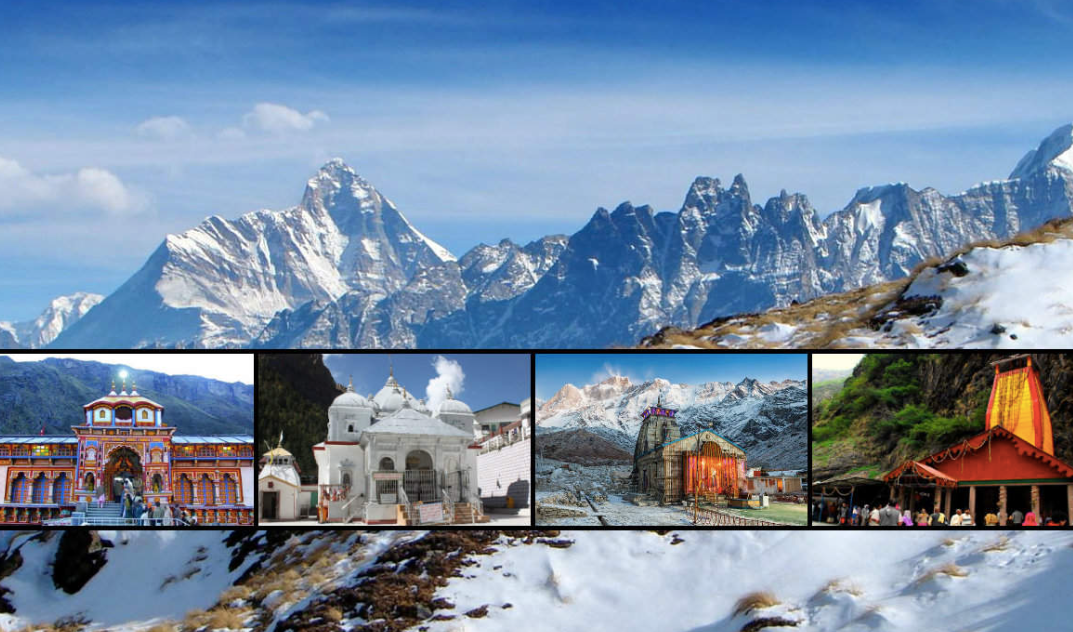
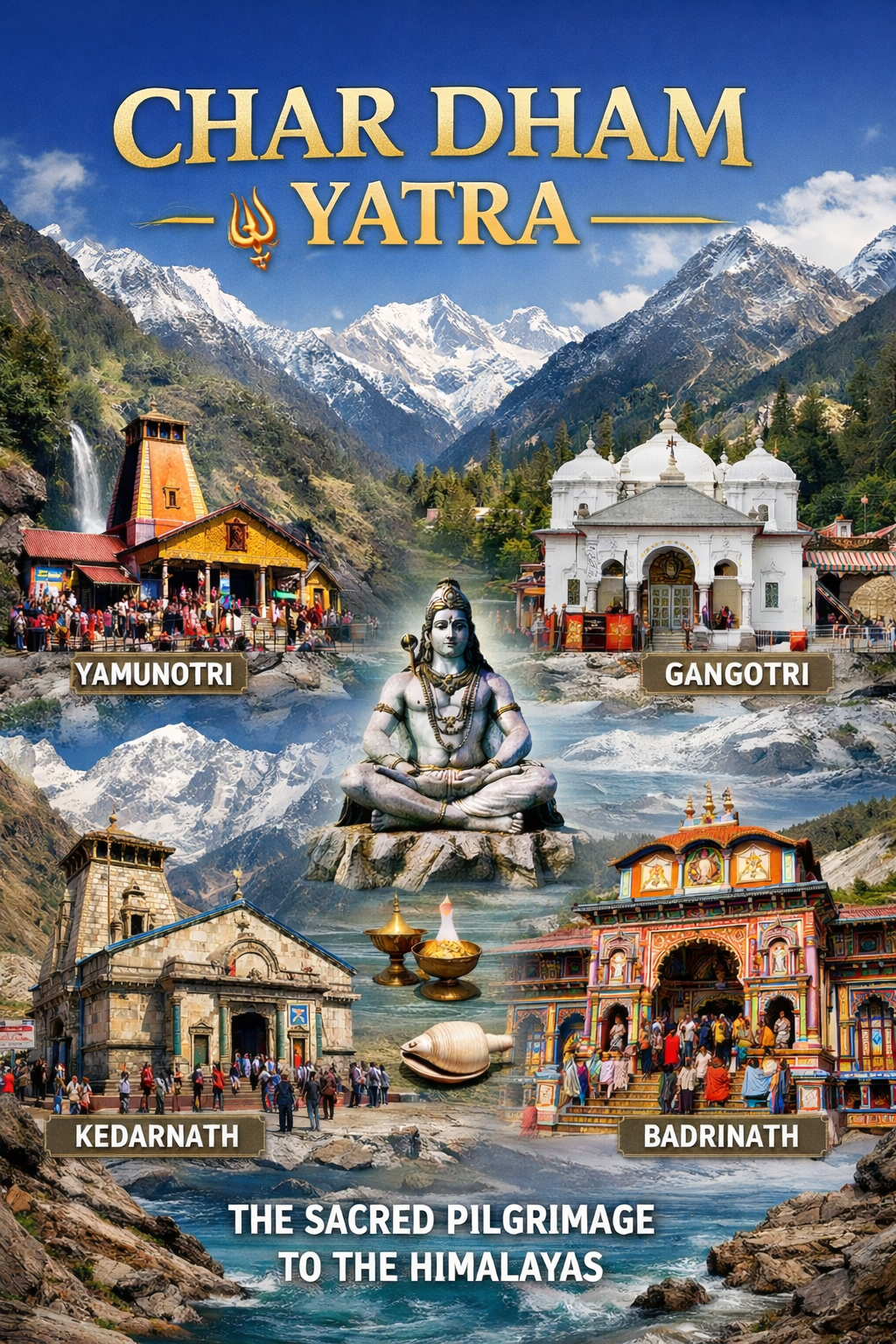
Yamunotri is one of the four sites in the Chota Char Dham pilgrimage circuit, along with Gangotri, Kedarnath, and Badrinath. It is traditionally the starting point of the Char Dham Yatra, as pilgrims begin their journey from the westernmost shrine and proceed eastward.
Rituals and Practices
Divya Shila: A sacred rock pillar near the temple, considered a manifestation of Goddess Yamuna. Pilgrims offer prayers here before entering the main temple.
Surya Kund: A natural hot water spring near the temple with water believed to have medicinal properties due to its high sulphur content. Devotees cook rice and potatoes tied in a muslin cloth in these boiling waters and offer them to the deity. The cooked rice is taken back home as prasadam.
Darshan Timings: The temple opens at 6:00 AM and closes at 8:00 PM, with a break from 12:00 PM to 2:00 PM.
Winter Abode: During winter (after Diwali), the temple closes due to heavy snowfall, and the idol of Goddess Yamuna is moved to the winter abode in Kharsali village, where worship continues.
How to Reach Yamunotri
Yamunotri is not directly accessible by motorable roads. The last motorable point is Janki Chatti, from where a 6 km trek leads to the temple.
By Air
Nearest Airport: Jolly Grant Airport, Dehradun
- Distance from Yamunotri: Approximately 177–210 km
- Connectivity: Daily flights from Delhi, Mumbai, and other major cities
- Onward Travel: Hire a taxi or take a bus to Janki Chatti via Barkot
By Train
| Railway Station | Distance from Yamunotri | Connectivity |
|---|---|---|
| Rishikesh | 172–222 km | Direct trains from Delhi, Mumbai, Kolkata |
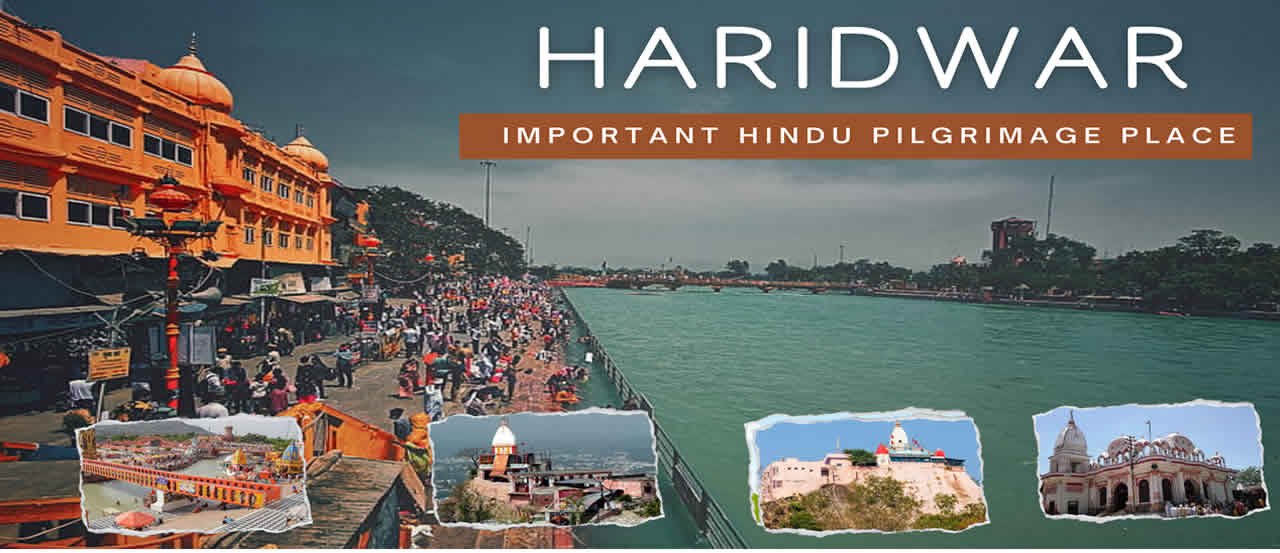
| Haridwar | 198–235 km | Major railhead with extensive connectivity |
| Dehradun | 176–210 km | Well-connected to major cities |
From the railway station, continue by road to Janki Chatti via taxi or bus.
By Road
The road journey to Yamunotri offers breathtaking views of the Garhwal Himalayas. Here’s the detailed route:
From Delhi (Approx. 419–425 km)
Delhi → Ghaziabad → Muzaffarnagar → Haridwar → Rishikesh → Narendra Nagar → Chamba → Tehri → Barkot → Syanachatti → Hanuman Chatti → Phool Chatti → Janki Chatti → Trek to Yamunotri.
From Haridwar (Approx. 223–235 km)
Haridwar → Rishikesh → Narendra Nagar → Chamba → Tehri → Barkot → Syanachatti → Hanuman Chatti → Phool Chatti → Janki Chatti → Trek to Yamunotri.
From Dehradun (Approx. 176–179 km)
Dehradun → Mussoorie → Yamuna Bridge → Barkot → Syanachatti → Hanuman Chatti → Phool Chatti → Janki Chatti → Trek to Yamunotri.
The Trek: Janki Chatti to Yamunotri
- Distance: 5.5–6 kilometres
- Duration: 3–4 hours (depending on pace)
- Difficulty Level: Moderate to challenging; involves steep and rocky paths
- Assistance Available: Ponies, palanquins (palki), and porters can be hired at Janki Chatti
By Helicopter
For those seeking a quicker and more comfortable journey, helicopter services are available:
Route: Sahastradhara Helipad (Dehradun) → Kharsali Helipad
Note: Helicopter services are weather-dependent and may be cancelled during inclement weather. Advance booking is strongly recommended.
Janki Chatti: The Gateway to Yamunotri
Janki Chatti (also spelt Yamunotri Chatti) is the final motorable stop before the Yamunotri trek. Located at 2,650 meters (8,694 feet), this Himalayan hamlet sits along the Yamuna River and serves as the base camp for pilgrims. Facilities available include:
- Simple guesthouses and dhabas
- Parking for vehicles
- Pony and palanquin rental services
- Basic medical facilities
Distance Chart from Major Cities
| Source | Distance to Yamunotri (km) |
|---|---|
| Delhi | 419 |
| Dehradun | 176–179 |
| Haridwar | 223–235 |
| Rishikesh | 215–235 |
| Mussoorie | 141 |
| Barkot | 45 |
| Uttarkashi | 130 |
| Gangotri | 227 |
| Badrinath | 381 |
| Chandigarh | 295–394 |
| Jaipur | 710 |
| Mumbai | 1,795 |
| Bengaluru | 1,980–2,533 |
| Chennai | 2,586–2,610 |
Weather and Best Time to Visit
Seasonal Overview
| Season | Months | Temperature Range | Conditions |
|---|---|---|---|
| Summer | May–June | 7°C – 20°C | Pleasant, ideal for trekking |
| Monsoon | July–August | 4°C – 15°C | Heavy rainfall, landslides, not recommended |
| Autumn | September–October | 3°C – 15°C | Post-monsoon clarity, fewer crowds |
| Winter | November–April | -13°C – 10°C | Temple closed, heavy snow |
Best Time to Visit
May to June: This is the peak season for the Yamunotri Yatra. The weather remains pleasant with temperatures ranging from 7°C to 20°C. The temple opens around Akshaya Tritiya (late April/early May), making it a vibrant period with many visitors.
September to November: Another excellent time to visit when the monsoon has passed, and the weather is still mild. The crowds are fewer, offering a more peaceful pilgrimage experience. The temple closes around Yama Dwitiya (October-November).
Months to Avoid
July to August (Monsoon): Heavy rainfall increases the risk of landslides, making the trek dangerous. The path becomes slippery, and road closures are common.
December to March (Winter): The temple remains closed due to extreme weather conditions, with temperatures dropping well below freezing and heavy snow covering the region. The idol is moved to Kharsali during this period.
Nearby Attractions
1. Surya Kund
Located near the temple, this natural hot water spring is believed to have medicinal properties due to its high sulphur content. Devotees cook rice and potatoes here as offerings to the Goddess Yamuna.
2. Divya Shila
A sacred rock pillar near the temple is worshipped before entering the main shrine.
3. Kharsali Village
The winter seat of Goddess Yamuna, where the idol is kept during the months the temple is closed. This picturesque village offers a glimpse into local culture and is also the starting point for treks to Yamunotri.
4. Saptarishi Kund
According to ancient beliefs, seven sages (rishis) meditated here during ancient times. This glacial lake is considered the actual source of the Yamuna River. Reaching it requires a challenging trek through dense oak and rhododendron forests, with opportunities to spot Himalayan wildlife.
5. Hanuman Chatti
Named after Lord Hanuman, who is said to have rested here while going to Lanka to rescue Goddess Sita. Located at 2,400 meters, it’s a popular stopover for pilgrims and a starting point for treks to Dodi Tal.
6. Barkot
A small paradise surrounded by lush forests, snow-capped mountains, and the Yamuna River. Famous for its apple orchards, Barkot serves as a convenient base for pilgrims before the final ascent to Yamunotri.
7. Gangotri
The other Char Dham shrine, located approximately 227 km away, is dedicated to Goddess Ganga.
Accommodation Options
Near Yamunotri Temple
| Hotel/Resort | Rating (out of 5) | Notes |
|---|---|---|
| Blessings Resort | 4.8 | Near GMVN resort, Phoolchatti |
| Hotel Namami Gange | 4.7 | Good facilities |
| Shiv Shakti Eco Resort | 4.2 | Eco-friendly accommodation |
| Hotel Khetan Residency | 4.1 | Comfortable stay |
| Tirath Niwas | 3.9 | Budget-friendly |
Guest Houses and Cottages
| Property | Rating | Notes |
|---|---|---|
| Ganga Yamuna Homestay | 4.9 | Highly recommended |
| Vaishnavi Homestay | 5.0 | Excellent service |
| Himalayan Swiss Cottage | 4.4 | Scenic location |
| Yamunotri Cottages | 4.3 | Near helipad, Kharsali |
| OYO Yamuna Kriti Cottages | 3.8 | Budget option |
GMVN Tourist Rest Houses
The Uttarakhand government’s Garhwal Mandal Vikas Nigam (GMVN) operates tourist rest houses at key locations, including Barkot, Hanuman Chatti, and near the temple. These offer basic but clean accommodations at reasonable rates.
Janki Chatti Accommodation
Janki Chatti offers simple guesthouses, dharamshalas, and lodges for pilgrims before beginning the trek. The facilities are clean, though not particularly high-end. Advance booking is strongly recommended during the yatra season.
Food and Dining
Yamunotri specialises in local Garhwali cuisine. Recommended dishes to try:
- Phaanu: Traditional lentil preparation
- Baadi: Lentil-based dish
- Aloo ke Gutke: Spiced potatoes, a Garhwali speciality
Dining Options
| Restaurant | Specialty |
|---|---|
| Food Embassy by Anantam | Close to the temple, snacks and beverages |
| Annapurna Hotel and Restaurant | Good food, affordable pricing |
| Cafe TFH | Good ambience, South Indian food |
| Saket Restaurant | Home-like food, Garhwali cuisine |
| Cafe Power | Close to temple, snacks and beverages |
All food in the region is strictly vegetarian, adhering to the sacred nature of the pilgrimage.
Travel Tips and Preparation
What to Pack
| Category | Essential Items |
|---|---|
| Clothing | Warm layers (thermals, fleece, jacket), raincoat, woolen cap, gloves, comfortable trekking shoes |
| Health | Basic first-aid kit, personal medications, ORS packets, energy bars, dry fruits |
| Accessories | Torch with extra batteries, power bank, sunglasses, sunscreen, reusable water bottle |
| Documents | ID proof, yatra registration printout, medical certificates (for seniors) |
Physical Preparation
- The 6 km trek requires good physical fitness
- Start walking regularly 1-2 months before the yatra
- Practice climbing stairs to build stamina
- Consult a doctor before planning the trip, especially if you have heart or respiratory conditions
General Tips
- Register for the yatra in advance to avoid last-minute hassles
- Start the trek early in the morning (by 5-6 AM) to avoid afternoon fog
- Stay hydrated and take frequent breaks during the trek
- Hire local guides or porters if needed for safety and ease
- Respect local customs and follow temple guidelines
- Carry sufficient cash—ATMs are limited in higher reaches
For Senior Citizens
- Consider pony or palki services for the trek
- The helicopter option is recommended for maximum comfort
- Carry portable oxygen cans if advised by your doctor
- Keep a list of emergency contacts handy
Frequently Asked Questions (FAQs)
Q1: What is the height of Yamunotri?
A: Yamunotri Dham is situated at an altitude of 3,293 meters (10,804 feet) above sea level.
Q2: When does the Yamunotri temple open and close in 2026?
A: Based on previous years, Yamunotri is expected to open around April 19–30, 2026 (Akshaya Tritiya) and close around October–November. Exact dates will be announced by the temple committee closer to the season.
Q3: Is the Yamunotri Yatra difficult?
A: The yatra involves a 6 km trek from Janki Chatti. The terrain is steep and rocky, making it moderately challenging. Ponies and palanquins are available for those who need assistance.
Q4: How can I reach Yamunotri from Haridwar?
A: Yamunotri is approximately 223–235 km from Haridwar. Travel by road to Janki Chatti (approx 7-8 hours) via Rishikesh, Chamba, Tehri, and Barkot, then trek 6 km to the temple.
Q5: Is Yamunotri safe for senior citizens?
A: Yes, with proper planning. Seniors should consider using pony/palki services or helicopter options for a comfortable journey. Medical clearance is recommended before undertaking the yatra.
Q6: Can we go to Yamunotri by car?
A: No, Yamunotri is not directly accessible by car. The last motorable point is Janki Chatti, 6 km before the temple. From there, the trek must be completed on foot, by pony, or by palanquin.
Q7: What is the trek distance from Janki Chatti to Yamunotri?
A: The trek distance is approximately 5.5–6 kilometres and takes 3-4 hours, depending on pace.
Q8: What are the darshan timings at the Yamunotri Temple?
A: The temple opens at 6:00 AM and closes at 8:00 PM, with a break from 12:00 PM to 2:00 PM.
Q9: Are there medical facilities available along the route?
A: Basic medical facilities are available at Janki Chatti and Barkot. It is advisable to carry a personal first-aid kit and essential medications.
Q10: Is photography allowed inside the temple?
A: Photography may be restricted inside the sanctum. Visitors should respect temple guidelines and seek permission if unsure.
Plan Your Yamunotri Yatra with Discover Uttarakhand
At Discover Uttarakhand, we’ve been organising sacred pilgrimages across Devbhoomi since 1997. As a Haridwar-based tour operator with extensive experience in Char Dham Yatra, we offer:
- ✅ Complete Yamunotri Yatra packages from Haridwar, Delhi, and Dehradun
- ✅ Comfortable transport with experienced mountain drivers
- ✅ Verified accommodations along the route
- ✅ Meals as per itinerary (pure vegetarian)
- ✅ Pony/palanquin arrangements on request
- ✅ 24/7 customer support throughout your journey
Recommended Packages
| Package | Duration | Starting Price |
|---|---|---|
| Yamunotri Dham Yatra (Haridwar) | 3 Nights / 4 Days | ₹12,900 per person |
| Gangotri Yamunotri Do Dham | 6 Nights / 7 Days | ₹16,900 per person |
| Yamunotri Kedarnath Do Dham | 8 Days | ₹14,900 per person |
| Gangotri Yamunotri Helicopter | 2 Days | ₹95,000 per person |
📞 Call / WhatsApp: +91-9997187178, 9760222178, 8171977178
📍 Visit Our Office: Himalayan Colony, opposite DSVV, Haripur Kalan, Haridwar, Motichur Range, Uttarakhand 249411
🌐 Website: www.discover-uttarakhand.com
📧 Email: info@discover-uttarakhand.com
Maa Yamuna Ki Jai! 🙏
Discover Uttarakhand – Your Local Partner for Sacred Himalayan Journeys Since 1997