Introduction: The Yoga Capital of the World
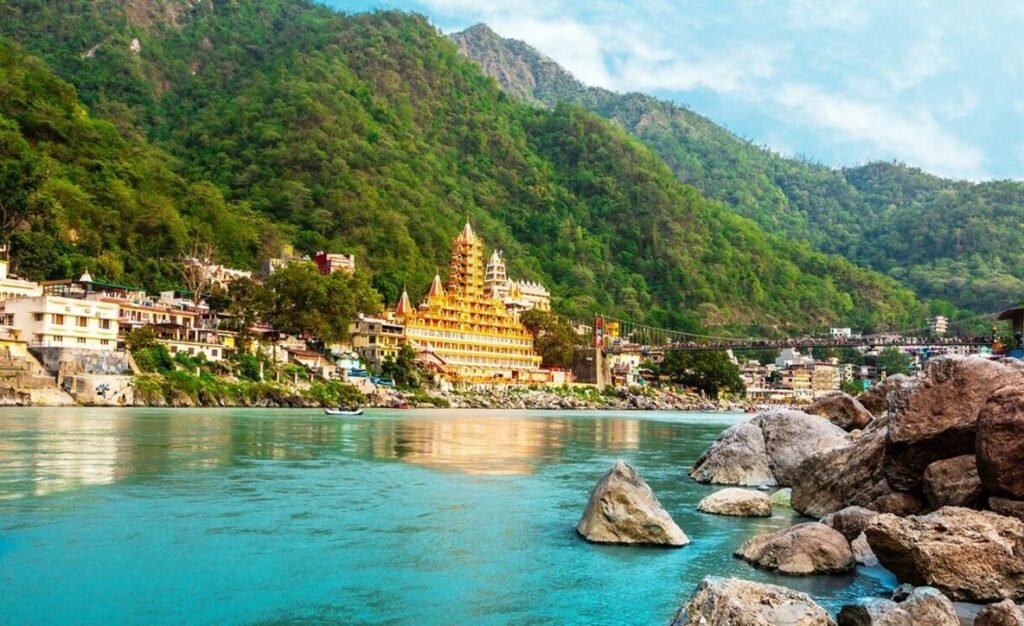
Nestled in the foothills of the Himalayas at the point where the sacred Ganges River emerges from the mountains and begins its journey to the plains, Rishikesh is one of India’s most distinctive travel destinations. Known by the nicknames “Yoga Capital of the World” and “Gateway to the Garhwal Himalayas,” this ancient city draws a rare mix of visitors: yoga practitioners, spiritual seekers, adventure enthusiasts, trekkers, and travellers simply looking for a quieter rhythm than India’s larger cities.
Rishikesh is not merely a tourist destination—it is a place where daily life includes temple rituals, ashram schedules, yoga practice, and pilgrimage culture. The city gained global fame in the 1960s when The Beatles visited Maharishi Mahesh Yogi’s ashram, composing much of the White Album during their stay. Today, it remains a thriving centre for yoga teacher training, meditation, adventure sports, and spiritual exploration.
This comprehensive guide covers everything you need to know for your Rishikesh visit in 2026—from its ancient history and sacred geography to modern attractions, yoga schools, adventure activities, and practical travel tips.
Etymology: The Lord of the Senses
The name “Rishikesh” (Sanskrit: हृषीकेश, Hṛṣīkeśa) carries profound spiritual meaning. It is derived from two Sanskrit words: hrishika, meaning “senses” or “organs of the senses,” and isha, meaning “lord” or “master.” Thus, Rishikesh translates to “Lord of the Senses,” a name associated with Lord Vishnu.
According to Hindu tradition, the ancient sage Raibhya performed severe penance (tapasya) under a mango tree on the banks of the Ganges. Pleased with his devotion, Lord Vishnu appeared before him and proclaimed Raibhya the “master of all senses” for his extraordinary discipline. The name commemorates this divine apparition.
The name has also been interpreted as a combination of rishi (“sage”) and kesh (“hair”), referring to the long, matted locks of sages during meditation—a familiar image in Himalayan ascetic traditions. In the Skanda Purana, this sacred area is referred to as Kubjāmraka (कुब्जाम्रक), named for the mango tree under which Vishnu appeared.
History: From Ancient Legend to Global Fame
Ancient Period (Mahabharata Era to 8th Century)
Rishikesh was part of the legendary Kedarkhand region mentioned in the Skanda Purana, one of Hinduism’s most important scriptures. Hindu mythology recounts that Lord Rama did penance here after killing the demon king Ravana, seeking atonement for his actions. Lakshmana, Rama’s younger brother, is said to have crossed the Ganges using two jute ropes at the spot where the iconic Lakshman Jhula bridge now stands.
The Ramayana also connects Rishikesh to the story of Indra, who took a holy bath at “Indrakund” to remove a curse. The Skanda Purana mentions this site as a place of immense spiritual power.
Medieval to Colonial Period
During the Mughal era, Rishikesh was part of the Garhwal kingdom. The region later came under Gorkha occupation before falling to the British. The 1920s saw significant development: in 1927, the current Lakshman Jhula (an iron suspension bridge) was constructed by the United Provinces Public Works Department, replacing an earlier structure washed away by flooding in 1924. Another suspension bridge, Ram Jhula, was built in 1986 at Sivananda Nagar.
The Gazetteer of Dehradun, written by Indian Civil Service officer HG Walton in the early 20th century, described Rishikesh as “beautifully situated on the right bank of the Ganges, on a high cliff overlooking the river,” noting its rapid development following the construction of a new bridge over the Song River.
Modern Era: Spiritual Renaissance and Global Recognition
In 1936, the renowned Hindu teacher and yoga guru Swami Sivananda established an ashram and the Divine Life Society near Rishikesh, laying the foundation for the city’s emergence as a global yoga destination. The 120-year-old Kailas Ashram Brahmavidyapeetham, where Swami Vivekananda, Swami Ramatirtha, and Swami Sivananda studied, continues to preserve traditional Vedantic studies.
Rishikesh was introduced to the world in dramatic fashion during the mid-1960s, when The Beatles—George Harrison, John Lennon, Paul McCartney, and Ringo Starr—arrived to study Transcendental Meditation at Maharishi Mahesh Yogi’s ashram. Ringo reportedly arrived with a suitcase full of baked beans, and the band proceeded to write most of The White Album and parts of Abbey Road during their stay. Other artists, including Mike Love of The Beach Boys, Donovan, and Gyp Mills, also visited to contemplate and meditate.
The ashram where they stayed is now long-defunct, its meditation domes strangled by pipal trees and vines, but it remains a pivotal site in rock-and-roll history—a “little spooky” yet culturally significant landmark that the Forest Department is gradually restoring.
Recent Developments (2015–Present)
In September 2015, the Indian Minister of Tourism announced that Rishikesh and Haridwar would be designated the first “twin national heritage cities”. The city has hosted the annual International Yoga Festival in the first week of March since 1999, drawing practitioners from around the globe.
In 2020, the historic Lakshman Jhula was closed after being declared unsafe, and a new, stronger glass bridge—only the second in India—is being constructed across the river. As of 2021, the Rishikesh tehsil (including the city and 93 surrounding villages) had a total population of 322,825.
In the 2021–2022 fiscal year, Rishikesh recorded the highest revenue per hotel room among Indian tourist leisure destinations, with an average of ₹10,042 per night.
Geography and Location
Geographic Coordinates
- Latitude: 30°06′30″ N
- Longitude: 78°17′50″ E
- Elevation: Approximately 340 meters (1,120 feet) above sea level
- Total Area: 11.5 sq km (city)
Boundaries and Administrative Divisions
Rishikesh is uniquely situated across two districts:
The city is governed by the Rishikesh Municipal Corporation, established in 2018, which administers 40 wards. The current mayor is Anita Mamgain of the BJP, and the Municipal Commissioner is Narendra Singh.
Topography
Rishikesh sits at the foothills of the Shivalik Hills (Siwalik range), where the Ganges River—after flowing 249 km through narrow Himalayan valleys—emerges onto the Gangetic Plain. This strategic location makes it the natural gateway to the Himalayas and the starting point for the Char Dham pilgrimage circuit.
The Ganges at Rishikesh remains relatively unpolluted compared to downstream sections; the major polluting points lie further downriver in Uttar Pradesh. However, environmental concerns have grown with tourism, and in 2025, camping along the river was significantly restricted by India’s National Green Tribunal.
Flora and Fauna
Rajaji National Park
Located near Rishikesh, Rajaji National Park (established 1966, 820 sq km) is a protected area spanning the Shivalik Hills. The park represents diverse ecological zones, including riverine forests, broadleaf mixed forests, scrubland, and grassy pasture lands.
Wildlife: The park is home to elephants, tigers, leopards, jungle cats, sambar deer, cheetal, barking deer, wild boar, langurs, ghural, and sloth bears. Birdwatchers can spot numerous species, including woodpeckers. The Neel Dhara Pakshi Vihar, a bird sanctuary at the Bhimgoda barrage, attracts migratory birds during winter.
Riverside Ecology
The Ganges River itself supports abundant fish species, sustaining local fishing communities and maintaining the river’s ecological balance. The surrounding hills are covered with sal forests that house rhesus macaques, wild elephants, and leopards. Monkeys are a common sight throughout the city, especially near the bridges and temples.
Religious Beliefs and Spiritual Significance
The Sacred Ganges
For Hindus, the Ganges is not merely a river but a goddess—Ganga Ma—whose waters possess the power to purify sins and grant liberation (moksha). Rishikesh holds special significance because it marks the point where the Ganga emerges from the Himalayan mountains, making it exceptionally pure.
The Legend of Lord Rama
According to the Ramayana, Lord Rama performed penance at Rishikesh after killing the demon king Ravana, seeking to absolve himself of the sin of killing a Brahmin (Brahmahatya). The crossing point where Lakshmana built a jute rope bridge became the site of Lakshman Jhula.
The Skanda Purana Connection
The ancient Skanda Purana describes Rishikesh as part of Kedarkhand and identifies the site as “Indrakund,” where Lord Indra himself bathed to remove a curse.
The Legend of Raibhya Rishi
As mentioned in the etymology section, the sage Raibhya meditated here and was blessed by Lord Vishnu, who appeared before him under a mango tree. Vishnu declared Raibhya the “Lord of the Senses” (Hrishikesh), giving the city its name.
Triveni Ghat
The Triveni Ghat is Rishikesh’s primary bathing ghat, where pilgrims submerge themselves in the holy Ganges. It is believed that bathing here washes away sins and brings spiritual merit. The ghat is also the site of the daily Ganga Aarti ceremony.
Temples and Ashrams
Rishikesh is home to numerous ancient temples established by Adi Shankaracharya in the 8th century, including Shatrughna Mandir, Bharat Mandir, and Lakshman Mandir. These temples are among the oldest in the region.
How to Reach Rishikesh
By Air
- Nearest Airport: Jolly Grant Airport, Dehradun (approx. 35 km from Rishikesh)
- Connectivity: Regular flights from Delhi, Mumbai, and other major Indian cities
- Onward Travel: Taxis and shared transport are available from the airport to Rishikesh
By Train
Rishikesh does not have a major railway station of its own for long-distance trains. The most convenient option is:
- Nearest Major Station: Haridwar Junction (approx. 20–25 km away)
- Travel Time: Haridwar to Rishikesh is about 45–60 minutes by road
- Alternate: Dehradun Railway Station (approx. 45 km) is also well-connected
By Road
Rishikesh is exceptionally well-connected by road to major cities:
Bus Services: Regular state transport and private buses operate from Delhi’s Kashmere Gate ISBT, Haridwar, Dehradun, and other cities. Luxury and sleeper coaches are available for overnight journeys.
Taxi Services: Private taxis and cab rentals are readily available from Delhi, Haridwar, and Dehradun.
Distances from Major Cities
| Destination | Distance (km) |
|---|---|
| Delhi | 225–240 |
| Haridwar | 20–25 |
| Dehradun | 45 |
| Mussoorie | 85 |
| Nainital | 240 |
| Jim Corbett National Park | 240–270 |
| Kedarnath | 240 |
| Badrinath | 330 |
| Gangotri | 300 |
| Yamunotri | 250 |
| Auli | 280 |
| Agra | 400 |
| Jaipur | 480 |
Pro Tip: For the most scenic approach, travel from Delhi to Haridwar by train, then take a taxi or shared auto to Rishikesh. The drive from Haridwar follows the Ganges, offering beautiful river views.
Weather and Best Time to Visit
Climate Overview
According to the Köppen-Geiger climate classification, Rishikesh has a humid subtropical climate (Cwa). The city experiences distinct seasons: hot summers, a monsoon season, and mild winters.
Month-by-Month Temperature Guide
| Month | Mean Max (°C) | Mean Min (°C) | Precipitation (mm) | Rainy Days |
|---|---|---|---|---|
| January | 17 | 5 | 51 | 3 |
| February | 22 | 8 | 33 | 2 |
| March | 29 | 14 | 34 | 3 |
| April | 35 | 18 | 9 | 1 |
| May | 39 | 23 | 20 | 2 |
| June | 38 | 25 | 94 | 7 |
| July | 33 | 25 | 482 | 15 |
| August | 32 | 24 | 495 | 16 |
| September | 32 | 23 | 219 | 8 |
| October | 30 | 15 | 76 | 2 |
| November | 25 | 9 | 9 | 0 |
| December | 20 | 6 | 17 | 1 |
Seasonal Breakdown
February to May: Peak Season (Best for Yoga and Sightseeing)
- Temperature: 14°C – 39°C
- Conditions: Pleasant mornings, warm afternoons, clear skies
- Why Visit: This is the most popular period for visitors. Temperatures are comfortable, especially in February–March. The International Yoga Festival takes place in March. Yoga teacher training courses are in full swing, and rafting is available.
- Crowds: High, especially during the yoga festival. Book accommodations well in advance.
June to August: Monsoon Season
- Temperature: 24°C – 38°C
- Conditions: Heavy rainfall, high humidity, lush green landscapes
- Why Visit: The landscape becomes vibrantly green. Fewer tourists mean quieter ashrams and meditation spaces.
- Caution: Rafting is often restricted due to high river levels. Landslides may affect travel to higher Himalayan destinations. If you come in July, you may encounter large crowds participating in the Kanwar Yatra, an annual religious pilgrimage.
September to November: Ideal Balance (Best Overall)
- Temperature: 15°C – 32°C
- Conditions: Post-monsoon clarity, comfortable temperatures, clear skies
- Why Visit: Many consider this the best time to visit Rishikesh. The weather is ideal, river levels are safe for rafting, trekking conditions are excellent, and the yoga season is active without peak-season density.
December to January: Cooler, Quieter Months
- Temperature: 5°C – 20°C
- Conditions: Mild winter days, chilly mornings and evenings
- Why Visit: Fewer tourists, calm atmosphere, excellent conditions for meditation and long-term yoga immersions. Pack warm layers—mornings can be surprisingly cold.
Top Attractions and Places to Visit
1. Lakshman Jhula and Ram Jhula
Lakshman Jhula is the iconic suspension bridge that defines Rishikesh’s visual identity. The original jute rope bridge is said to have been built by Lakshmana, Lord Rama’s brother, to cross the Ganges. The present-day iron suspension bridge was constructed in 1927 and served pilgrims for nearly a century before being declared unsafe and closed in 2020. A new glass bridge is currently under construction.
Ram Jhula, a similar suspension bridge, was built in 1986 at Sivananda Nagar, further north.
What to Do: Walk across the bridges (where accessible), explore the surrounding neighbourhoods filled with cafes, temples, guesthouses, and yoga spaces. The areas offer a sense of the city’s daily movement and spiritual energy.
2. Triveni Ghat and Ganga Aarti
Triveni Ghat is Rishikesh’s primary bathing ghat, named for the confluence of three sacred rivers: Ganga, Yamuna, and the mythical Saraswati. It is believed that bathing here washes away sins and grants spiritual merit.
Ganga Aarti: Each evening at dusk, the Ganga Aarti ceremony takes place at Triveni Ghat. Priests chant mantras, ring bells, and offer lamps (diyas) to the river as devotees gather on the steps. Floating lamps on the water create a mesmerising spectacle. The ceremony typically begins around 6:00 PM (timing varies with sunset).
Tips: Arrive 30–45 minutes early to secure a good viewing spot. Dress modestly and observe respectfully. Photography is permitted, but avoid flash during the ceremony.
3. The Beatles Ashram (Maharishi Mahesh Yogi Ashram)
Officially known as the Maharishi Mahesh Yogi Ashram, this site became world-famous when The Beatles arrived in February 1968 to study Transcendental Meditation. The band stayed for several weeks, composing much of the White Album and songs like “Dear Prudence” and “Sexy Sadie” during their retreat.
Today, the ashram is long-defunct—abandoned, overgrown, and delightfully “spooky”. Its meditation domes are strangled by pipal trees and vines, and the walls are covered with colourful graffiti art. It has become one of the most visited attractions in Rishikesh, offering:
- Meditation halls
- Graffiti art installations
- Forested walking paths
- A unique blend of rock-and-roll history and spiritual atmosphere
Entry Fee: ₹150–200 for Indian citizens; higher for foreign nationals
Timings: 9:00 AM – 5:00 PM
4. Neer Garh Waterfall
A short drive from the main city, Neer Garh Waterfall is a popular nature spot accessible via a moderate hike. The falls cascade through rocky terrain, creating natural pools for wading.
What to Expect:
- 15–20 minute trek from the parking area
- Cool, refreshing water (perfect after exploring the city)
- Seasonal water flow changes (best during monsoon and post-monsoon)
- Crowds during peak hours—visit early morning for tranquillity
Timings: 6:00 AM – 6:00 PM
Entry Fee: Minimal (₹20–50)
5. Kunjapuri Temple and Sunrise Trek
Located about 25 km from Rishikesh, Kunjapuri Temple sits at an elevation of approximately 1,600 meters and offers spectacular sunrise views over the Himalayas. The temple is dedicated to Goddess Durga and is one of the Shakti Peethas.
The Experience: A pre-dawn trek or drive (starting around 4:30 AM) rewards visitors with panoramic views of snow-capped peaks, including Swargarohini, Gangotri, and Chaukhamba. The sunrise over the Himalayas is truly unforgettable.
Access: Drive to the temple (approx. 1 hour from Rishikesh) or trek (about 2–3 hours from the base).
6. Parmarth Niketan Ashram
One of Rishikesh’s largest and most renowned ashrams, Parmarth Niketan, is located on the banks of the Ganges near Ram Jhula. The ashram offers yoga classes, meditation sessions, spiritual discourses, and Ayurvedic treatments.
Highlights:
- Beautiful gardens and ghats
- Daily evening Ganga Aarti (smaller than Triveni Ghat but equally serene)
- A 50-foot statue of Lord Shiva
- Simple, clean accommodation for those seeking ashram life
7. Sivananda Ashram and Divine Life Society
Founded by Swami Sivananda in 1936, this ashram is one of the most respected spiritual institutions in India. Located in Muni-ki-Reti (“the sands of the sages”), it continues to publish spiritual literature, offer yoga courses, and maintain a peaceful atmosphere.
8. Visthapit Area – A Quieter Residential Pocket
For travellers seeking peace away from the main tourist lanes, Visthapit is a small hillside neighbourhood on the outskirts of Rishikesh. The area feels more residential than commercial, with narrow roads, local homes, and simple guesthouses. Slightly elevated, it offers broader views of the surrounding green slopes and Himalayan foothills.
9. Rajaji National Park
Located near Rishikesh, Rajaji National Park offers wildlife viewing and forest landscapes. Safaris are available in certain zones, though sightings vary. For travellers staying longer than a week, it adds a different dimension beyond the riverfront.
10. Neelkanth Mahadev Temple
About 32 km from Rishikesh, Neelkanth Mahadev Temple is dedicated to Lord Shiva. According to legend, this is where Lord Shiva consumed the poison (halahala) that emerged during the churning of the ocean (Samudra Manthan), turning his throat blue (neelkanth). The temple is surrounded by dense forest and offers scenic views.
Yoga in Rishikesh: What to Expect in 2026
Yoga is not an activity added onto Rishikesh—it is part of the city’s very structure. Visitors can engage with yoga here in several ways.
Drop-In Yoga Classes
Many studios and schools offer single-session classes for travellers staying a few days. These are useful if you want exposure without long-term commitment. Prices typically range from ₹500 to ₹ 1,500 per session.
Short-Term Yoga Retreats (3–14 Days)
Retreat programs often include:
- Daily asana practice
- Meditation sessions
- Vegetarian meals
- Basic philosophy discussions
- Quiet environments near the river or hills
Retreats suit travellers who want restoration rather than certification. Costs range from $300–1,500 depending on duration and amenities.
Yoga Teacher Training Courses (200/300/500 Hour)
For those seeking professional qualification or deep study, Rishikesh remains one of the world’s leading destinations for immersive training. Most internationally recognised programs are registered with the Yoga Alliance (USA) and follow structured hour-based standards.
A typical training includes:
- Hatha Yoga foundations
- Ashtanga-based discipline
- Alignment and adjustment principles
- Pranayama and breath science
- Meditation practices
- Yoga philosophy and ethics
- Anatomy and teaching methodology
Cost Range: $900–$2,200 for a month-long residential program (includes tuition, accommodation, meals, materials).
International Yoga Festival
The annual International Yoga Festival takes place in the first week of March, drawing practitioners, teachers, and enthusiasts from around the globe. The festival features workshops, lectures, and practice sessions with renowned teachers.
Adventure Activities in Rishikesh
White Water Rafting
Rishikesh is India’s premier white water rafting destination. The Ganges offers rapids ranging from Grade I to Grade IV, suitable for beginners to experienced rafters.
Rafting Season: Late September through May (monsoon months are typically closed)
Popular Stretches:
- Brahmapuri to Rishikesh: 9 km (Grade I–II), suitable for beginners
- Shivpuri to Rishikesh: 16 km (Grade II–III), most popular
- Marine Drive to Rishikesh: 24 km (Grade III–IV), for experienced rafters
Cost: ₹400–1,500 per person, depending on stretch and operator
Safety Tips: Choose established operators with certified guides, life jackets, and safety kayaks. Confirm equipment certification before booking.
Bungee Jumping
India’s highest bungee jumping platform is located near Mohanchatti, about 15 km from Rishikesh. The jump is from a height of 83 meters over a rocky gorge.
Cost: Approximately ₹3,500–4,500 per jump
Season: September–May
Trekking and Hiking
Rishikesh serves as a starting point for Himalayan hikes, from short forest walks to multi-day routes toward Uttarkashi and beyond.
Popular Options:
- Kunjapuri Sunrise Trek: 8 km round trip, moderate difficulty
- Neer Garh Waterfall Trail: 2 km easy walk
- Multi-day treks: Dodital, Dayara Bugyal, Kedarkantha, Har Ki Dun (starting from Rishikesh)
Riverside Camping
Seasonal camping experiences are widely offered along the Ganges, often combining yoga sessions, bonfires, and meals with outdoor accommodation.
Note: As of 2025, camping along the river has been significantly restricted by India’s National Green Tribunal due to environmental concerns. Verify current regulations and choose authorised camps.
Ziplining and Rock Climbing
Several adventure operators offer ziplining across the Ganges and rock climbing on the canyon walls.
Local Cuisine: What to Eat in Rishikesh
Rishikesh is an entirely vegetarian city, and alcohol is prohibited. The food scene reflects the city’s spiritual character, with simple, pure, and flavorful options.
Must-Try Foods
| Dish | Description | Where to Find |
|---|---|---|
| Aloo Puri | Fried bread with spicy potato curry | Street stalls, Chotiwala |
| Kachori | Crispy lentil-filled pastries with chutney | Local snack shops |
| Chole Bhature | Deep-fried bread with spicy chickpea curry | Chotiwala, local restaurants |
| Lassi | Thick, creamy yogurt drink | Sweet shops, cafes |
| Jalebi | Sweet, crispy syrup-soaked spirals | Mathura Walon Ki Dukaan |
| Ayurvedic Sattvic Food | Simple, easily digestible meals prepared according to yogic principles | Leela Hatha, ashrams |
| Tibetan Momos | Steamed or fried dumplings with vegetable filling | Various cafes |
Popular Cafes and Restaurants
Street Food Spots
- Mohanji Puri Wale: Legendary puri sabzi near Ram Jhula
- Mathura Walon Ki Pracheen Dukan: Traditional sweets and jalebis
- Kashyap Kachori Bhandar: Crispy kachoris with spicy chutney
Shopping in Rishikesh
What to Buy
| Item | Description | Where to Find |
|---|---|---|
| Singing Bowls | Tibetan meditation bowls, authentic ones made in Nepal | Lakshman Jhula, Ram Jhula markets |
| Rudraksha Beads | Sacred seeds associated with Lord Shiva | Religious shops, ashram bookstores |
| Om Clothing | T-shirts, hoodies with spiritual symbols | Market stalls along both bridges |
| Incense and Oils | Natural fragrances, Ayurvedic oils | Market stalls, ashram shops |
| Handicrafts | Wood carvings, brass idols, Tibetan artifacts | Lakshman Jhula market |
| Spiritual Books | Scriptures, yoga texts, philosophy books | Ashram bookstores, Chotiwala area |
Markets to Explore
- Lakshman Jhula Market: The most popular shopping area, filled with stalls selling clothing, jewellery, handicrafts, and souvenirs
- Ram Jhula Market: Similar to Lakshman Jhula but slightly less crowded
- Swarg Ashram Market: Quiet, traditional market on the eastern bank
- Tapovan Market: Modern cafes and boutique shops catering to yoga practitioners
Shopping Tips:
- Bargain politely—prices in tourist markets are often inflated
- Cash is preferred, though many shops accept UPI/credit cards
- Avoid buying wildlife products or items made from endangered species
Accommodation Options
Rishikesh offers accommodation for every budget and purpose:
Ashram-Based Stays
- Best For: Simple, disciplined, spiritual environment
- Examples: Parmarth Niketan, Sivananda Ashram, Kailas Ashram
- Cost: ₹500–2,000 per night (simple rooms, often with meals)
- Features: Yoga classes, meditation halls, vegetarian meals, peaceful atmosphere
Residential Yoga Schools
- Best For: Yoga teacher training courses and immersive programs
- Examples: Himalayan Yoga Association, various YTT schools
- Cost: $900–2,200 per month (includes accommodation, meals, training)
- Features: Structured schedules, certified teachers, community living
Guesthouses and Homestays
- Best For: Budget travellers, longer stays
- Locations: Tapovan, Lakshman Jhula area
- Cost: ₹800–3,000 per night
- Features: Simple but comfortable, often with kitchen facilities
Mid-Range Hotels
- Best For: Comfort-focused travellers, families
- Locations: Near Ram Jhula, Tapovan
- Cost: ₹3,000–8,000 per night
- Features: Attached bathrooms, hot water, restaurants, river views
Riverside Retreat Properties
- Best For: Luxury seekers, honeymooners
- Locations: Outskirts of the city, towards Shivpuri
- Cost: ₹8,000–20,000+ per night
- Features: Premium amenities, spa services, exclusive river access
Hostels
- Best For: Solo travellers, young tourists, digital nomads
- Examples: 12 Monks Hostel, Zostel
- Cost: ₹500–1,500 per night (dorm beds)
- Features: Social atmosphere, community events, affordable
Booking Tip: Book well in advance for March (International Yoga Festival), May-June (peak tourist season), and during major festivals. For yoga teacher training courses, secure your spot 2–3 months ahead.
Travel Tips and Etiquette
Dress Code
- Modest attire recommended at temples, ashrams, and ghats—cover shoulders and knees
- Remove shoes before entering temples and ashram buildings
- Comfortable walking shoes essential for exploring
Cultural Etiquette
- Photography: Ask permission before photographing people, especially during rituals
- During Ganga Aarti: Observe quietly, follow local instructions, avoid flash photography during the ceremony
- Donations: Welcome but not compulsory; small offerings are appropriate
- Alcohol and non-vegetarian food: Prohibited in most of Rishikesh; respect local norms
Safety Tips
- Monkeys: Rishikesh has many monkeys that congregate near main thoroughfares. Keep snacks packed away, never walk around eating in front of them, and maintain a safe distance.
- River Safety: Avoid swimming in the Ganges—currents can be deceptive and strong. Only take a dip at designated ghats.
- Rafting Operators: Choose established operators with certified guides and proper safety equipment.
- Night Safety: Avoid isolated river areas after dark.
- Scams: Beware of overpriced guides and puja sellers; agree on prices in advance.
Health and Hygiene
- Water: Drink only bottled or filtered water. Avoid tap water for drinking.
- Food: Choose busy stalls with fresh preparation. Avoid uncovered food during hot weather.
- Altitude: While Rishikesh itself is at a low altitude, many excursions go higher. Stay hydrated and be mindful of altitude changes.
What to Pack
| Season | Essentials |
|---|---|
| All Year | Modest clothing, comfortable walking shoes, sunscreen, hat, reusable water bottle, insect repellent, power bank |
| Winter (Dec–Feb) | Light woolens, fleece jacket, warm socks, gloves |
| Summer (Mar–Jun) | Light cotton clothes, sunglasses, high SPF sunscreen, hat |
| Monsoon (Jul–Sep) | Raincoat, waterproof footwear, umbrella, quick-dry clothing |
Getting Around
- Walking: Many of the city’s narrow lanes are only accessible to pedestrians, making walking the best option for exploring.
- Tuk-tuks (Auto-rickshaws): The most convenient way to travel longer distances. Agree on the fare before starting.
- Shared Jeeps: Regular shared jeep service connects the Lakshman Jhula and Ram Jhula areas.
- Taxis: Available for excursions to nearby attractions like Kunjapuri or Neelkanth.
Money Matters
- ATMs: Available throughout the city, but carry sufficient cash for small purchases and remote areas.
- Card Acceptance: Most hotels and upscale restaurants accept cards; street stalls prefer cash.
- Currency: Indian Rupee (₹)
Nearby Places to Visit from Rishikesh
Recommended Day Trips
Haridwar + Rishikesh (1 Day):
- Morning: Rishikesh exploration (Lakshman Jhula, Beatles Ashram)
- Afternoon: Drive to Haridwar (1 hour), visit Mansa Devi (ropeway), explore Bara Bazaar
- Evening: Har Ki Pauri Ganga Aarti, return to Rishikesh
Kunjapuri Sunrise + Neelkanth (Half Day):
- 4:30 AM: Depart for Kunjapuri
- 5:30–7:00 AM: Sunrise viewing, temple visit
- 8:00–11:00 AM: Drive to Neelkanth Mahadev via scenic route
- Return to Rishikesh by noon
Mussoorie Day Trip (Full Day):
- 8:00 AM: Depart Rishikesh
- 10:00 AM: Arrive Mussoorie, visit Mall Road and Gun Hill
- Afternoon: Kempty Falls, Camel’s Back Road, George Everest
- 6:00 PM: Return to Rishikesh
Sample Itineraries
2-Day Rishikesh Itinerary (Quick Spiritual Getaway)
Day 1: Arrival and Spiritual Immersion
- Arrive in Rishikesh, check into the hotel
- Visit Lakshman Jhula (if accessible) or the Ram Jhula area
- Explore Sivananda Ashram or Parmarth Niketan
- Evening: Ganga Aarti at Triveni Ghat (arrive 45 minutes early)
- Dinner at a riverside cafe
Day 2: Culture and Beatles Heritage
- Morning: Beatles Ashram (allow 2–3 hours)
- Visit Neer Garh Waterfall (morning is best for fewer crowds)
- Lunch at The 60s Cafe or Chotiwala
- Afternoon: Shopping at the Lakshman Jhula market
- Depart or optional rafting (if time permits)
3-Day Rishikesh Itinerary (Yoga + Adventure + Culture)
Day 1: Arrival and Yoga
- Arrive, check into accommodation
- Attend a drop-in yoga class (many studios offer afternoon sessions)
- Evening walk along the Ganges
- Ganga Aarti at Triveni Ghat
Day 2: Adventure Day
- Morning: White water rafting (Shivpuri to Rishikesh, 16 km)
- Lunch at a riverside camp
- Afternoon: Neer Garh Waterfall or bungee jumping
- Evening: Relax at a cafe in Tapovan
Day 3: Culture and Departure
- Early morning: Kunjapuri sunrise trek (depart by 4:30 AM)
- Breakfast en route
- Beatles Ashram visit
- Lunch and departure
5-Day Rishikesh Itinerary (Yoga Immersion)
Day 1: Arrival, orientation, Triveni Ghat aarti
Day 2: Morning yoga class, Lakshman Jhula area, ashram exploration
Day 3: Full-day excursion: Kunjapuri sunrise + Neelkanth Mahadev
Day 4: Morning yoga, Beatles Ashram, Neer Garh Waterfall, shopping
Day 5: Final yoga session, departure
7-Day Rishikesh Itinerary (Yoga Teacher Training Preview)
For those considering a full YTT course:
- Combine daily yoga classes (morning and evening) with visits to ashrams
- Spend one day on adventure activities
- Take a day trip to Haridwar
- Allow time for reflection and meditation
Frequently Asked Questions (FAQs)
Q1: Why is Rishikesh famous?
Rishikesh is famous as the Yoga Capital of the World and a global centre for yoga teacher training, meditation, and spiritual studies. It is also known for white water rafting, the Beatles Ashram, and the evening Ganga Aarti.
Q2: What is the best time to visit Rishikesh?
The best time to visit Rishikesh is February–May (pleasant weather, peak yoga season) and September–November (post-monsoon clarity, comfortable temperatures).
Q3: How many days are enough for a Rishikesh trip?
2–3 days are sufficient for a quick spiritual getaway covering the main attractions. 5–7 days allow for yoga classes, adventure activities, and day trips to nearby destinations.
Q4: Is Rishikesh safe for solo travellers?
Yes, Rishikesh is generally considered safe for solo travellers, including women. Dress modestly, avoid isolated areas at night, and use caution near the river.
Q5: What is the Ganga Aarti time in Rishikesh?
The evening Ganga Aarti at Triveni Ghat takes place at sunset (approximately 6:00–7:00 PM, depending on season). Arrive 30–45 minutes early for a good spot.
Q6: Is Rishikesh a non-vegetarian city?
No, Rishikesh is an entirely vegetarian city with no meat or eggs served in local restaurants. Alcohol is also prohibited.
Q7: Can I do yoga without prior experience in Rishikesh?
Absolutely. Many ashrams and studios offer beginner-friendly drop-in classes and introductory courses.
Q8: Is white water rafting safe in Rishikesh?
Rafting is safe when done with licensed operators who provide life jackets, certified guides, and safety kayaks. Avoid the monsoon season when the river is too high.
Q9: How far is Rishikesh from Delhi?
The distance is approximately 225–240 km, with a travel time of 5–6 hours by road.
Q10: What should I wear in Rishikesh?
Dress modestly, especially when visiting temples and ashrams—cover shoulders and knees. Comfortable walking shoes are essential.
Q11: Are there monkeys in Rishikesh?
Yes, monkeys are common throughout the city, especially near the bridges. Keep snacks packed away and maintain a safe distance.
Q12: Is Rishikesh a good place for beginners in yoga?
Yes, Rishikesh is an excellent place for beginners. Many ashrams and studios offer introductory courses and drop-in classes suitable for all levels.
Q13: What is the cost of a yoga teacher training course in Rishikesh?
A 200-hour Yoga Alliance-certified course typically costs $900–$2,200 for a month-long residential program, including tuition, accommodation, and meals.
Q14: How do I reach Rishikesh from Delhi by train?
Take a train to Haridwar Junction (4–5 hours), then take a taxi or bus to Rishikesh (45–60 minutes).
Q15: Is there an airport in Rishikesh?
No, the nearest airport is Jolly Grant Airport, Dehradun (approx. 35 km).
Plan Your Rishikesh Journey with Discover Uttarakhand
At Discover Uttarakhand, we’ve been organising spiritual journeys across Devbhoomi since 1997. As a trusted local operator with deep knowledge of Rishikesh and its surrounding regions, we offer:
- ✅ Customised Rishikesh tour packages (2 to 7 days)
- ✅ Combined Rishikesh-Haridwar-Mussoorie itineraries
- ✅ Yoga and meditation retreat arrangements
- ✅ Adventure activity coordination (rafting, bungee, trekking)
- ✅ Comfortable transport with experienced mountain drivers
- ✅ Verified accommodations near the Ganges
- ✅ 24/7 customer support throughout your journey
Recommended Tour Packages
| Package | Duration | Highlights |
|---|---|---|
| Rishikesh Spiritual Getaway | 2 Nights / 3 Days | Triveni Ghat aarti, Lakshman Jhula, Beatles Ashram, yoga class |
| Rishikesh & Haridwar | 3 Nights / 4 Days | Both holy cities, Har Ki Pauri aarti, Mansa Devi |
| Rishikesh with Mussoorie | 4 Nights / 5 Days | Hills + river, Kunjapuri sunrise, Mall Road |
| Yoga Immersion Package | 6 Nights / 7 Days | Daily yoga classes, ashram visits, meditation sessions |
Book your Rishikesh tour today and experience the divine energy of the Yoga Capital of the World.
📞 Call / WhatsApp: +91-9997187178, 9760222178, 8171977178
📍 Visit Our Office: Himalayan Colony, opposite DSVV, Haripur Kalan, Haridwar, Motichur Range, Uttarakhand 249411
🌐 Website: www.discover-uttarakhand.com
📧 Email: info@discover-uttarakhand.com
Har Har Gange! Om Namah Shivaya! 🙏
Discover Uttarakhand – Your Local Partner for Sacred Himalayan Journeys Since 1997