Introduction: The Mystical Abode of Goddess Kali
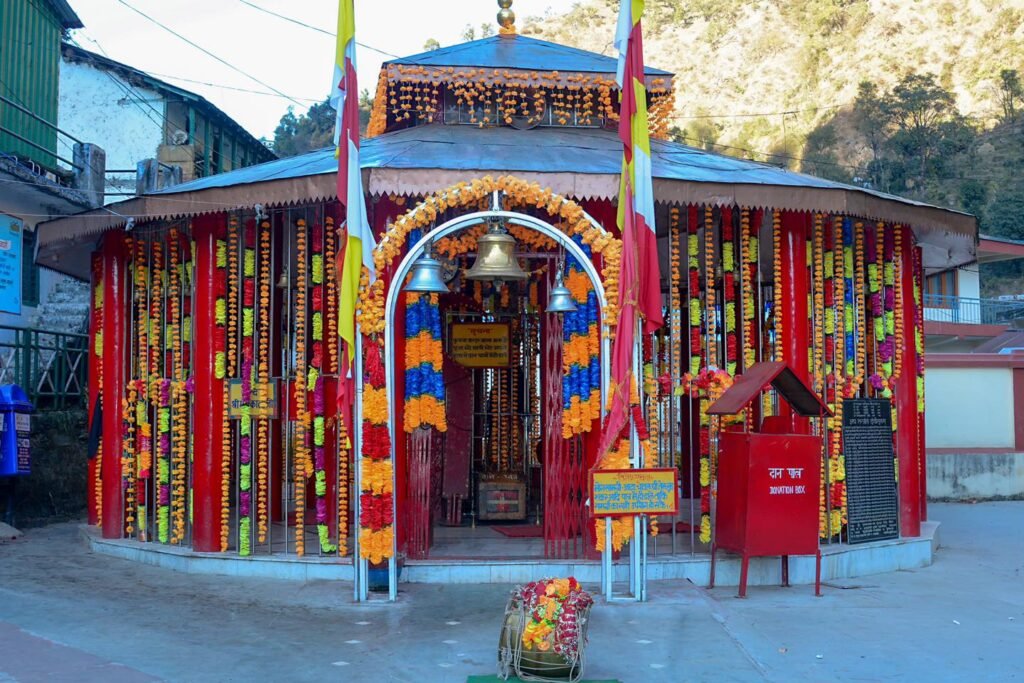
Nestled in the serene valleys of Rudraprayag district, Uttarakhand, at an altitude of approximately 1,800 metres (6,000 feet), the Kalimath Temple is one of the most revered Shakti Peethas in the Garhwal Himalayas. Dedicated to Goddess Kali—a fierce manifestation of Goddess Durga—this sacred shrine is regarded as a Siddha Peetha, where devotees believe their prayers are answered with divine blessings.
Situated on the banks of the holy Saraswati River and surrounded by the majestic peaks of the Kedarnath valley, Kalimath offers a unique spiritual experience that sets it apart from most Hindu temples. What makes this temple truly extraordinary is that there is no idol of the chief deity. Instead, a sacred Sri Yantra placed on a silver plate covers the kund (pit) where Goddess Kali is believed to have disappeared after slaying the demon Raktabeej.
The temple holds immense significance as one of the 108 Shakti Peethas in India, where the divine energy of Goddess Shakti is especially potent. It is considered as spiritually important as the Kamakhya Temple in Assam and the Jwalamukhi Temple in Himachal Pradesh. This is also the only place where Goddess Kali is worshipped along with her sisters—Goddess Lakshmi and Goddess Saraswati—making it a unique Tridevi shrine.
According to tradition, the temple was restored by Jagadguru Adi Shankaracharya in the 10th century AD, and a meditation hut called Shankaracharya Kutir within the temple premises commemorates this connection. It is also believed that the great Sanskrit poet Kalidas attained his scholarship by pleasing Mother Kali at this very place, after which he wrote his world-famous works, including the Meghdoot.
Whether you are a devotee seeking the fierce yet protective blessings of the Divine Mother, a pilgrim on the Char Dham Yatra, a trekker exploring the scenic trails of the Garhwal Himalayas, or a spiritual seeker drawn to the mystical energy of a Siddha Peetha, Kalimath Temple promises an experience that is both transformative and unforgettable.
Key Information at a Glance:
| Aspect | Details |
|---|---|
| Location | Rudraprayag district, Uttarakhand |
| Altitude | 1,800 m (6,000 ft) – varies by source |
| River | Saraswati River |
| Deity | Goddess Kali (worshipped as Sri Yantra on silver plate) |
| Significance | One of 108 Shakti Peethas; Siddha Peetha |
| Unique Feature | No idol; silver plate covering sacred kund opened only on Navratri Ashtami at midnight |
| Temple Timings | 6:00 AM – 8:00 PM (approx.) |
| Entry Fee | Free |
| Distance from Guptkashi | ~25 km |
| Distance from Ukhimath | ~21 km |
| Nearest Airport | Jolly Grant Airport, Dehradun (~174-220 km) |
| Nearest Railway Station | Rishikesh (~137-190 km) |
| Best Time to Visit | March–June & September–November |
History and Mythology: The Legend of Goddess Kali
The Demon Raktabeej and the Birth of Kali
The most powerful legend associated with Kalimath Temple is the story of the demon Raktabeej (Raktabija). According to Hindu mythology, Raktabeej was a fearsome demon who possessed a terrifying boon: every time a drop of his blood fell on the ground, a thousand clones of him would arise, each as powerful as the original.
This made him virtually invincible. Countless gods and warriors tried to defeat him, but failed. Finally, the deities, troubled by the demons Sumbha and Nishumbha, worshipped Maa Bhagwati for deliverance. The Goddess appeared in her formidable form, and her body turned black with anger upon hearing of the demons’ terror.
Goddess Kali fought Raktabeej and, using her divine powers, drank his blood before it could touch the ground, preventing the multiplication of his clones. After this fierce battle, it is believed that Goddess Kali went underground at Kalimath. Even today, Raktabeej Shila—the rock associated with this event—is still situated on the banks of the river.
The Disappearance into the Kund and the Silver Plate
After killing Sumbha, Nishumbha, and Raktabeej, Maa Kali did not calm down. According to legend, Lord Shiva lay under her feet. As soon as Maa Kali put her foot on his chest, her anger was pacified, and she disappeared into the kund (pit) at Kalimath.
It is believed that Maa Kali is contained in this kund, and Shivshakti is also established in Kalimath Temple. The sacred spot where the Goddess disappeared is now covered by a silver plate, which is worshipped as the Sri Yantra.
This silver plate is never opened for regular worship and is only opened on the eighth day of Navratri (Ashtami) at midnight, when the chief priest performs puja.
The Connection with Dhari Devi Temple
An interesting belief associated with Kalimath is that the lower part of Goddess Kali is worshipped at Kalimath, while the upper part is worshipped at the Dhari Devi Temple, located between Srinagar and Rudraprayag. This connection creates a spiritual bond between the two temples, and many pilgrims visit both shrines.
The Shakti Peetha Connection
Kalimath is counted among the 108 Shakti Peethas in India—sacred sites dedicated to the worship of the Divine Mother Goddess, Shakti. According to Hindu mythology, when Lord Shiva was performing his Tandava (dance of destruction), carrying the body of his consort, Goddess Sati, her heart is believed to have fallen at the place where Kalimath Temple now stands. This is why it became a powerful Shakti Peetha, where the divine energy of Goddess Kali is especially potent.
The Legend of Kali Shila
Located at a steep height of approximately 8 km from Kalimath Temple is a divine rock known as Kali Shila. Described in Chapter 62 of the Skanda Purana, this is the birthplace of Maa Durga, where she appeared in the form of a 12-year-old girl to kill demons Sumbha, Nishumbha, and Raktabeej.
It is believed that there are 64 yantras of the gods and goddesses in Kalishila, from which Maa Durga got her power. It is also said that 64 yoginis roam this place. Every year on the day of Dussehra, it is believed that blood comes out of the rock where Maa Kali killed Raktabeej.
The Kalidas Connection
Kalimath holds a special place in literary history as well. It is said that this is the place of worship of Kalidas, the legendary Sanskrit poet and playwright of Indian history. It was at this divine place that Kalidas attained scholarship by pleasing Mother Kali. After this, he wrote many books only with the blessings of Maa Kali, out of which the poetic book written in Sanskrit, ‘Meghdoot’, is world-famous.
Adi Shankaracharya’s Restoration
The Kalimath Temple was restored by Jagat Guru Adi Shankaracharya in the 10th century AD. He recognised the spiritual potency of this site and re-established it as a centre of worship. A meditation hut called Shankaracharya Kutir within the temple premises commemorates this connection.
The Ancient Village: Kavaltha
Village Kalimath was originally still known as village ‘Kavaltha’. This ancient name connects the shrine to centuries of continuous worship and spiritual practice.
The Unique Worship: Sri Yantra Instead of an Idol
No Idol, Only the Silver Plate
What makes the Kalimath Temple truly unique among Hindu temples is that there is no idol of Goddess Kali in the sanctum. Instead, the object of devotion is a silver plate that covers the sacred kund where the Goddess is believed to have disappeared after slaying the demon Raktabeej.
The Sri Yantra
The silver plate features a Sri Yantra (Shakti Yantra) —a mystical geometric diagram composed of nine interlocking triangles that represent the divine feminine energy in its totality. Devotees worship this Sri Yantra as the embodiment of Goddess Kali.
The Secret Annual Ritual (Navratri Ashtami)
The silver plate is opened only once a year—on the eighth day (Ashtami) of Navratri at midnight.
| Aspect | Details |
|---|---|
| Day | Ashtami of Navratri |
| Time | Midnight |
| Frequency | Once a year |
| Who Performs Puja | Only the chief priest |
| Witnesses | None—the doors are closed to other devotees |
This annual ritual is performed in complete secrecy, and the divine goddess is believed to be “taken out” during this ceremony. The mysticism surrounding this ritual adds to the temple’s spiritual aura.
The Akhand Jyoti (Eternal Flame)
Inside the temple, an unbroken flame (Akhand Jyoti) is continuously lit. This eternal flame symbolises the undying presence of the Goddess and her divine energy. It is tended by the temple priests and has been burning for centuries.
Worship of the Tridevi
Kalimath is the only place where Goddess Kali is worshipped along with her sisters—Goddess Lakshmi and Goddess Saraswati. The temple complex houses three grand temples :
| Temple | Deity | Location |
|---|---|---|
| Mahakali Temple | Goddess Kali (main shrine) | South side |
| Mahalakshmi Temple | Goddess Lakshmi | Middle |
| Mahasaraswati Temple | Goddess Saraswati | Left side |
The construction of these temples follows the same law as mentioned in the Vaikritik Rahasya of Durga Saptashati.
Offerings to the Goddess
Devotees offer special items to the Goddess, including :
- Raw coconut
- Bangles
- Bindi
- Small mirror
- Comb
- Ribbon
- Chunaria (red cloth)
Temple Architecture and Complex
Simple Yet Powerful Design
Unlike many grand temples of Uttarakhand, Kalimath Temple is simple in design yet deeply powerful in presence. Built in the traditional Himalayan hill temple style using local stone and materials, the temple blends harmoniously with its natural surroundings.
The Temple Complex
| Feature | Description |
|---|---|
| Main Shrine | Dedicated to Lord Shiva, with a Gauri shrine |
| Mahalakshmi Temple | Dedicated to Goddess Lakshmi (middle position) |
| Mahasaraswati Temple | Dedicated to Goddess Saraswati (left side) |
| Shiva Temple | Dedicated to Lord Shiva, with Gauri shrine |
| Shankaracharya Kutir | Meditation hut associated with Adi Shankaracharya |
| Akhand Jyoti | Continuously burning eternal flame |
Shankaracharya Kutir
The Shankaracharya Kutir (meditation hut) within the temple premises commemorates Adi Shankaracharya’s visit and meditation at this sacred site. Many spiritual seekers continue to visit Kalimath to practice meditation and sadhana in its tranquil environment.
The Sacred Surroundings
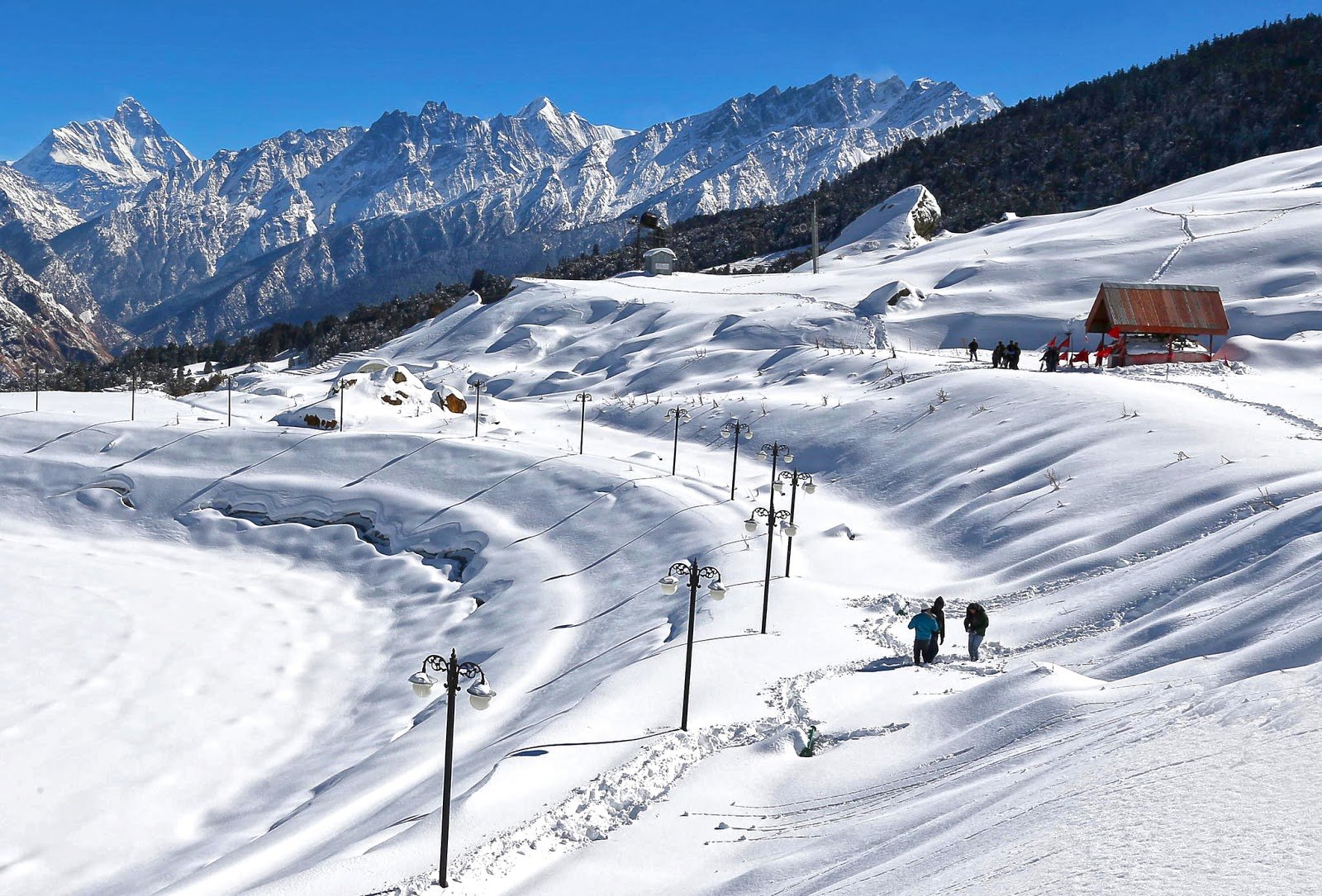
The temple is nestled amidst dense forests of deodar and pine trees, with the snow-capped peaks of the Kedarnath valley providing a stunning backdrop. The Saraswati River flows alongside, adding to the serene and divine atmosphere.
Festivals and Celebrations
Navratri – The Grand Festival
Navratri is the most important festival celebrated at Kalimath Temple, taking place twice a year :
| Navratri | Time | Highlights |
|---|---|---|
| Chaitra Navratri | March–April | Grand celebrations, thousands of devotees |
| Sharad Navratri | September–October | Massive crowd flow, special rituals |
Special Rituals during Navratri:
| Ritual | Details |
|---|---|
| Ashtami Puja | On the eighth day, the silver plate covering the sacred kund is lifted |
| Midnight Ritual | Only the chief priest performs puja at midnight |
| Tantric Rituals | Special tantric ceremonies are performed |
| Colorful Decorations | The temple premises are beautifully decorated |
| Local Fairs | Cultural programs and local festivities |
Mahashivaratri
Mahashivaratri is also celebrated with great reverence at the temple, owing to the Shiva temple in the premises. Devotees offer special prayers to Lord Shiva on this auspicious night.
Year-Round Devotion
Devotees visit throughout the year to seek spiritual strength, peace, and fulfilment of wishes. It is said that wishes made with a sincere heart are definitely fulfilled at this Siddha Peetha.
Offerings for Worship
For worship in this Siddhapeeth, devotees offer :
- Raw coconut
- Material related to the goddess’s makeup (bangles, bindi, small mirror, comb, ribbon, chunaria)
Best Time for Festival Visits
| Festival | Best For |
|---|---|
| Navratri | Witnessing the unique midnight ritual, grand celebrations |
| Mahashivaratri | Shiva worship, spiritual experience |
| Regular Days | Peaceful darshan, avoiding crowds |
How to Reach Kalimath Temple
By Air
Nearest Airport: Jolly Grant Airport, Dehradun
| Details | Information |
|---|---|
| Distance | 174–220 km (sources vary) |
| Travel Time | 7–8 hours by taxi |
| Airlines | IndiGo, other domestic carriers |
| Onward Travel | Taxis available to Rudraprayag/Guptkashi |
From the airport, you can hire a taxi to reach Rudraprayag or Guptkashi, then proceed to Kalimath.
By Train
Nearest Railway Stations:
| Station | Distance | Travel Time | Connectivity |
|---|---|---|---|
| Rishikesh | 137–190 km | 5–6 hours by taxi | Most preferred |
| Haridwar | 209 km | 6–7 hours by taxi | Major station, well-connected |
Popular Trains from Delhi to Haridwar/Rishikesh:
| Train Name | From Delhi | Departure | Arrival | Destination |
|---|---|---|---|---|
| Shatabdi Express | Delhi | 6:00 AM | 11:40 AM | Haridwar |
| Jan Shatabdi | Delhi | 3:20 PM | 9:00 PM | Haridwar |
| Mussoorie Express | Delhi | 10:05 PM | 5:30 AM | Haridwar |
From the railway station, take a taxi or bus to Rudraprayag, then proceed to Kalimath.
By Road
Kalimath Temple is well-connected by road and accessible throughout the year.
| Starting Point | Distance | Travel Time | Route |
|---|---|---|---|
| Delhi | ~430-450 km | 12–14 hours | Delhi → Haridwar → Rishikesh → Devprayag → Srinagar → Rudraprayag → Kalimath |
| Rishikesh | ~142 km | 5–6 hours | Rishikesh → Devprayag → Srinagar → Rudraprayag → Kalimath |
| Haridwar | ~209 km | 6–7 hours | Haridwar → Rishikesh → Devprayag → Srinagar → Rudraprayag → Kalimath |
| Rudraprayag | ~32-49 km | 1.5–2 hours | Rudraprayag → Kalimath |
| Guptkashi | ~25 km | 1 hour | Guptkashi → Kalimath |
| Ukhimath | ~21 km | 45 minutes | Ukhimath → Kalimath |
The Trek to Kalimath
There are varying descriptions of the approach to Kalimath Temple:
Option 1: Short Walk (Most Common)
From the road head near Kalimath village, there is a short walk of approximately 10–15 minutes to reach the temple complex.
Option 2: Longer Trek (Some Sources)
Some sources mention a trek of approximately 10 km from Helang village near Rudraprayag, taking 3–4 hours through dense forests.
What to Expect on the Trek:
- The path winds through dense forests of deodar and pine
- Stunning views of the surrounding hills and valleys
- Small tea stalls and rest areas along the way
- The trek is of moderate difficulty, accessible to pilgrims of various ages and fitness levels
Distances from Major Cities
| City | Distance (km) |
|---|---|
| Delhi | 430–450 |
| Dehradun | 176–220 |
| Rishikesh | 142–190 |
| Haridwar | 209 |
| Rudraprayag | 32–49 |
| Guptkashi | 25 |
| Ukhimath | 21 |
Weather and Best Time to Visit
Climate Overview
Kalimath Temple experiences a pleasant high-altitude climate. The temple is situated at approximately 1,800 metres, making it significantly cooler than the plains.
Month-by-Month Guide
| Month | Season | Day Temp (°C) | Night Temp (°C) | Conditions | Suitability |
|---|---|---|---|---|---|
| March | Spring | 15–22 | 5–10 | Pleasant, spring blooms | ⭐ Good |
| April | Spring | 18–25 | 8–12 | Pleasant, clear skies | ⭐ Best |
| May | Summer | 20–28 | 10–15 | Warm, ideal | ⭐ Best |
| June | Summer | 22–30 | 12–18 | Warm, pre-monsoon | ⭐ Best |
| July | Monsoon | 18–24 | 15–20 | Heavy rain, landslides | ❌ Avoid |
| August | Monsoon | 18–24 | 15–20 | Heavy rain, slippery roads | ❌ Avoid |
| September | Autumn | 16–22 | 10–15 | Post-monsoon, clear | ⭐ Excellent |
| October | Autumn | 14–20 | 8–12 | Crisp, clear skies | ⭐ Excellent |
| November | Autumn | 10–16 | 4–8 | Cool, pleasant | ⭐ Good |
| December–February | Winter | 2–12 | -2–5 | Cold, possible snow | ⭐ Moderate |
Best Time to Visit by Season
| Season | Months | Suitability | Conditions | Best For |
|---|---|---|---|---|
| Summer | March–June | ⭐ Best | 15°C–30°C, clear skies, pleasant | Pilgrimage, sightseeing, comfortable weather |
| Autumn | September–November | ⭐ Excellent | 10°C–22°C, crisp air, clear views | Navratri celebrations, photography |
| Monsoon | July–August | ❌ Avoid | 18°C–24°C, heavy rainfall, landslides | Not recommended |
| Winter | December–February | ⭐ Good | -2°C–12°C, cold, possible snow | Quiet retreat, fewer crowds |
Why Visit in Summer (March–June)
This is the most popular time to visit Kalimath Temple :
- Pleasant weather with temperatures ranging from 15°C to 30°C
- Clear skies offering spectacular views of the Himalayan peaks
- Ideal conditions for trekking and sightseeing
- Lush green forests and blooming rhododendrons
Why Visit in Autumn (September–November)
Autumn is another excellent time to visit:
- Post-monsoon freshness brings out the lush greenery
- Crisp, invigorating air with clear, cloudless skies
- Coincides with Sharad Navratri, when the temple is at its most vibrant
- Perfect for photography with clear mountain views
Why Avoid Monsoon (July–August)
The monsoon months are not recommended for visiting due to :
- Heavy rainfall is making roads slippery and dangerous
- High risk of landslides on mountain roads
- The trekking path can become slippery
- Cloud cover obscuring mountain views
Winter Visit (December–February)
Winter transforms the region into a serene, misty landscape:
- You can experience chilly weather and occasional snowfall
- The temple remains open, but the trek can be cold
- This is the best time for a quiet, less-crowded spiritual experience
Temple Timings
| Period | Timings |
|---|---|
| General | 6:00 AM – 8:00 PM (approx.) |
| Morning Aarti | Early morning (exact time may vary) |
| Evening Aarti | Sunset (approximately 5:30–6:30 PM) |
Timings may vary during festivals and winter.
Nearby Places to Visit
| Destination | Distance | Highlights |
|---|---|---|
| Kali Shila | ~8 km | Sacred rock where Maa Durga appeared as a 12-year-old girl; 64 yantras; footprints of Goddess Kali |
| Ukhimath | 21 km | Winter abode of Lord Kedarnath; Omkareshwar Temple |
| Guptkashi | 25 km | Vishwanath Temple, Manikarnika Kund, Kedarnath base |
| Rudraprayag | 32-49 km | Hot springs, base for the Kedarnath trek |
| Kedarnath Temple | ~50 km + trek | One of the 12 Jyotirlingas, the Char Dham temple |
| Chopta | ~70 km | “Mini Switzerland of India,” Tungnath trek, meadows |
| Tungnath Temple | ~75 km + trek | Confluence of the Alaknanda and Mandakini rivers |
| Dhari Devi Temple | ~75 km | The highest Shiva temple in the world |
| Gaurikund | ~60 km | Hot springs, base for Kedarnath trek |
Kali Shila – The Sacred Rock
Located at a steep height of approximately 8 km from Kalimath Temple is the divine rock known as Kali Shila. This is the birthplace of Maa Durga, where she appeared in the form of a 12-year-old girl to kill demons Sumbha, Nishumbha, and Raktabeej.
What to Expect:
- The rock is described in Chapter 62 of the Skanda Purana
- It is believed that there are 64 yantras of the gods and goddesses here
- The footprints of Goddess Kali are believed to be present
- It is said that 64 yoginis roam this place
Ukhimath – The Winter Seat of Kedarnath
Located approximately 21 km from Kalimath, Ukhimath is the winter abode of Lord Kedarnath. When the Kedarnath Temple closes due to snowfall (November–April), the Utsav Murti (festival idol) is brought here and worshipped at the Omkareshwar Temple.
Guptkashi – The Hidden Kashi
Located approximately 25 km from Kalimath, Guptkashi is a sacred town known for its ancient Vishwanath Temple and Ardhanarishwar Temple. It serves as the base camp for the Kedarnath Yatra and offers beautiful views of the Chaukhamba peaks.
Chopta – The Mini Switzerland of India
Chopta is a picturesque hill station known for its lush meadows, trekking trails, and panoramic Himalayan views. It serves as a base for treks to Tungnath Temple (the highest Shiva temple in the world) and Chandrashila Peak.
Where to Stay: Accommodation Options
In Kalimath (Limited)
| Accommodation | Features | Price Range |
|---|---|---|
| Dharamshala | Basic rooms, simple facilities | ₹500–1,000 |
| Temple-run Guesthouse | Simple pilgrim accommodation | ₹400–800 |
In Ukhimath (21 km from Temple)
| Category | Price Range | Features |
|---|---|---|
| Budget Guesthouses | ₹800–1,500 | Basic amenities |
| Homestays | ₹1,200–2,500 | Authentic Garhwali experience |
| Dharamshalas | ₹400–1,000 | Simple, spiritual atmosphere |
In Guptkashi (25 km from Temple)
| Category | Price Range | Features |
|---|---|---|
| Mid-Range Hotels | ₹1,500–4,000 | Comfortable rooms, hot water, good food |
| Budget Hotels | ₹800–1,800 | Basic amenities |
| Homestays | ₹1,200–2,500 | Authentic experience |
In Rudraprayag (32-49 km from Temple)
| Category | Price Range | Features |
|---|---|---|
| Mid-Range Hotels | ₹1,500–3,500 | Comfortable rooms, hot water |
| Budget Hotels | ₹800–1,800 | Basic amenities |
| Dharamshalas | ₹400–1,000 | Simple, spiritual atmosphere |
According to a source, Rudraprayag houses better staying options, including deluxe hotels, beautiful resorts, and some budget hotels, as compared to Ukhimath.
In Rishikesh/Haridwar (Further Away)
| Category | Price Range | Features |
|---|---|---|
| Luxury Resorts | ₹8,000–20,000+ | Premium amenities, river views |
| Mid-Range Hotels | ₹2,000–5,000 | Comfortable, convenient |
| Budget Hotels | ₹800–2,000 | Basic amenities |
| Ashrams | ₹500–1,500 | Spiritual atmosphere |
Booking Tips
- Book well in advance for Navratri season (March–April & September–October)
- For stays at the temple dharamshala, contact the temple management directly
- Rudraprayag offers the best range of accommodation options
- Carry cash—card facilities may be limited in smaller towns
Travel Tips and Important Information
Before You Go
- Check Weather: Avoid monsoon (July–August) due to heavy rainfall and landslide risk.
- Carry Cash: ATMs are limited in Kalimath; bring sufficient cash from Rudraprayag or Guptkashi.
- Dress Modestly: Kalimath is a sacred Shakti Peetha; dress appropriately when visiting.
- Physical Fitness: The approach involves a short walk or trek; prepare accordingly.
- No Idol Worship: Remember that the temple has no idol; devotees worship the Sri Yantra on the silver plate.
During Your Visit
- Remove Shoes: Before entering the temple premises.
- Respect Temple Rituals: The silver plate is never opened for regular worship—do not ask for it to be opened.
- Maintain Silence: The temple is a place of intense spiritual energy.
- Offer Appropriate Items: Offer raw coconut and makeup materials (bangles, bindi, mirror, comb, chunaria) as per tradition.
- Visit the Tridevi Shrines: Pay respects at the Lakshmi and Saraswati temples as well.
Safety Tips
- Road Safety: The mountain roads require patience; avoid night driving
- Monsoon Travel: Avoid July–August due to landslide risk
- Trekking Safety: The path can be slippery after rain
- Wildlife: The area is forested; be aware of your surroundings
Packing Checklist
| Category | Items |
|---|---|
| Clothing | Light layers for summer; heavy woolens for winter |
| Footwear | Comfortable walking/trekking shoes |
| Accessories | Hat, sunscreen, sunglasses, flashlight |
| Health | Personal medications, first-aid kit, water bottle |
| Documents | ID proof (Aadhaar/Passport) |
| Offerings | Raw coconut, bangles, bindi, small mirror, comb, ribbon, chunaria |
Photography Tips
- Best Spots: Temple exterior with mountain backdrop, Saraswati River views
- Best Time: Early morning for soft light; golden hour for landscapes
- Note: Photography inside the sanctum may be restricted—ask for permission
Etiquette and Customs
| Custom | Details |
|---|---|
| Remove Shoes | Before entering the temple premises |
| Dress Modestly | Shoulders and knees should be covered |
| Maintain Silence | Inside the sanctum |
| Ask Permission | Before photographing the Sri Yantra or inside the temple |
| Offerings | Raw coconut and makeup materials (bangles, bindi, mirror, comb, chunaria) are traditional |
Frequently Asked Questions (FAQs)
Q1: What is Kalimath Temple famous for?
A: Kalimath Temple is famous for being one of the 108 Shakti Peethas and a Siddha Peetha where Goddess Kali is worshipped. It is unique because there is no idol of the Goddess—devotees worship a sacred Sri Yantra placed on a silver plate covering the kund where the Goddess disappeared after slaying the demon Raktabeej.
Q2: What is the best time to visit Kalimath Temple?
A: The best time to visit is March to June (summer) and September to November (autumn). The weather is pleasant, and the skies are clear. Monsoon (July–August) is best avoided.
Q3: How far is Kalimath Temple from Delhi?
A: The distance from Delhi is approximately 430–450 km, with a travel time of 12–14 hours by road.
Q4: How do I reach Kalimath Temple?
A: By road from Rudraprayag (32-49 km), Guptkashi (25 km), or Ukhimath (21 km), by train to Rishikesh (137-190 km) followed by taxi, or by flight to Jolly Grant Airport, Dehradun (174-220 km) followed by taxi.
Q5: What is the altitude of Kalimath Temple?
A: The temple is situated at an altitude of approximately 1,800 metres (6,000 feet) above sea level.
Q6: Is there an idol in Kalimath Temple?
A: No, there is no idol of Goddess Kali in the temple. Devotees worship a sacred Sri Yantra placed on a silver plate that covers the kund where the Goddess disappeared.
Q7: When is the silver plate opened?
A: The silver plate is opened only once a year—on the eighth day (Ashtami) of Navratri at midnight. Only the chief priest performs the puja at that time.
Q8: What is Kali Shila?
A: Kali Shila is a sacred rock located approximately 8 km from Kalimath Temple. Described in the Skanda Purana, it is the birthplace of Maa Durga, where she appeared as a 12-year-old girl to kill demons. It contains 64 yantras and is believed to have the footprints of Goddess Kali.
Q9: What is the connection between Kalimath and the Dhari Devi Temple?
A: According to belief, the lower part of Goddess Kali is worshipped at Kalimath, while the upper part is worshipped at the Dhari Devi Temple (between Srinagar and Rudraprayag).
Q10: What is the significance of Kalidas at Kalimath?
A: It is believed that the great Sanskrit poet Kalidas attained his scholarship by pleasing Mother Kali at this very place. After this, he wrote his world-famous works, including the Meghdoot.
Q11: What are the temple timings?
A: The temple is generally open from 6:00 AM to 8:00 PM (timings may vary by season). Morning and evening aartis are performed daily.
Q12: Is there an entry fee for Kalimath Temple?
A: No, entry to the temple is free.
Q13: What festivals are celebrated at Kalimath Temple?
A: The main festivals are Navratri (Chaitra and Sharad) and Mahashivaratri. Navratri sees the unique midnight ritual of opening the silver plate.
Q14: What should I offer at the temple?
A: Traditional offerings include raw coconut and makeup materials such as bangles, bindi, a small mirror, a comb, a ribbon, and chunaria (red cloth).
Q15: Is Adi Shankaracharya associated with Kalimath Temple?
A: Yes, the temple was restored by Jagadguru Adi Shankaracharya in the 10th century AD. A meditation hut called Shankaracharya Kutir within the temple premises commemorates this connection.
Plan Your Kalimath Temple Journey with Discover Uttarakhand
At Discover Uttarakhand, we’ve been organising unforgettable spiritual journeys across Devbhoomi since 1997. As a trusted local operator with deep knowledge of the Garhwal Himalayas and the Shakti Peethas, we offer:
- ✅ Customised Kalimath Temple tour packages (1 to 3 days)
- ✅ Combined itineraries covering Kalimath, Dhari Devi, and Ukhimath
- ✅ Char Dham Yatra packages including this sacred Shakti Peetha
- ✅ Comfortable transport with experienced hill drivers
- ✅ Verified accommodations in Rudraprayag, Guptkashi, and Ukhimath
- ✅ 24/7 customer support throughout your journey
Recommended Kalimath Temple Packages
| Package | Duration | Starting Point | Highlights |
|---|---|---|---|
| Kalimath Darshan Day Trip | 1 Day | Rudraprayag | Kalimath Temple, Saraswati River, Tridevi shrines |
| Kalimath & Ukhimath Pilgrimage | 2 Nights / 3 Days | Rishikesh | Kalimath, Ukhimath, Omkareshwar Temple |
| Shakti Peetha Circuit | 3 Nights / 4 Days | Rishikesh | Kalimath, Dhari Devi, Rudraprayag sangam |
| Garhwal Spiritual Tour | 4 Nights / 5 Days | Haridwar | Kalimath, Ukhimath, Guptkashi, Rudraprayag |
Book your Kalimath Temple journey today and experience the divine energy of the Goddess at one of the most powerful Shakti Peethas in the Himalayas.
📞 Call / WhatsApp: +91-9997187178, 9760222178, 8171977178
📍 Visit Our Office: Himalayan Colony, opposite DSVV, Haripur Kalan, Haridwar, Motichur Range, Uttarakhand 249411
🌐 Website: www.discover-uttarakhand.com
📧 Email: info@discover-uttarakhand.com
Jai Maa Kali! Jai Maa Shakti! 🙏
Discover Uttarakhand – Your Local Partner for Sacred Himalayan Journeys Since 1997 🏔️✨