Introduction: The Highest Abode of Lord Shiva
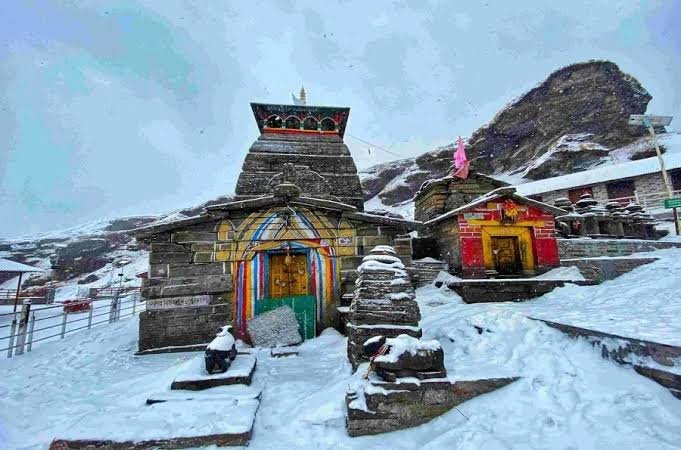
Perched at an altitude of 3,680 metres (12,073 feet) in the Rudraprayag district of Uttarakhand, the Tungnath Temple holds a revered place in the hearts of millions as the highest Shiva temple in the world. This ancient shrine is the third temple of the sacred Panch Kedar circuit, where Lord Shiva is worshipped as the manifestation of his “arms” (bahubhuja).
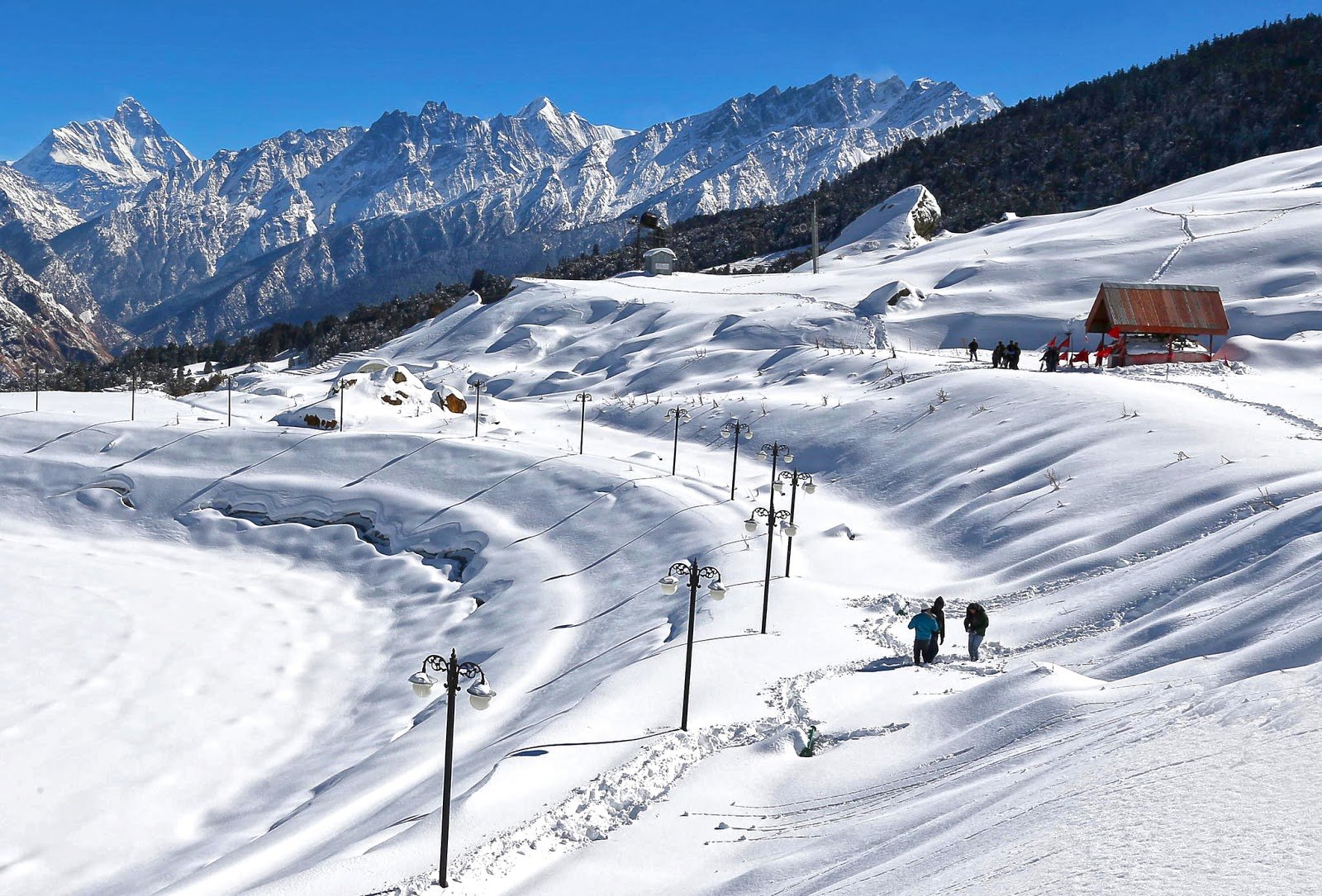
The name “Tungnath” literally translates to “Lord of the Peaks,” and true to its name, the temple sits amidst some of the most breathtaking Himalayan scenery on earth. Surrounded by snow-capped peaks including Nanda Devi, Trishul, and Chaukhamba, the temple offers a spiritual experience unlike any other.
What makes Tungnath truly unique is not just its altitude but its accessibility. Unlike the more rugged Rudranath or the longer Madhyamaheshwar treks, Tungnath can be reached by a moderate 3.5–4 km trek from Chopta, often called the “Mini Switzerland of India”. The trek winds through dense rhododendron and oak forests, opening into vast alpine meadows (bugyals) that burst into a riot of colours during the summer months.
Just 1.5 km beyond the temple lies Chandrashila Peak (4,000 m) – the “Moon Rock” – which offers a 360-degree panoramic view of some of the most iconic Himalayan peaks. According to legend, Lord Rama meditated here after defeating Ravana, and the Moon God regained his lost glow at this very spot.
Whether you are a devout pilgrim seeking to complete the Panch Kedar circuit, a trekker chasing high-altitude vistas, a family looking for a meaningful Himalayan adventure, or a photographer wanting to capture the golden sunrise over Nanda Devi, Tungnath Temple promises an experience that stays with you forever.
Key Information at a Glance:
History and Mythology: The Legend of the Pandavas
The Panch Kedar Legend
The most profound legend associated with Tungnath Temple is deeply rooted in the Mahabharata and the Panch Kedar mythology.
After the bloody Kurukshetra war, the five Pandava brothers were burdened by the sin of “Gotra Hatya” (killing of their own kinsmen) and “Brahmahatya” (killing of Brahmins). Seeking atonement, they renounced their kingdom and set out in search of Lord Shiva to seek his blessings.
However, Lord Shiva, still incensed by the death and dishonesty of the war, was unwilling to meet them easily. He assumed the form of a bull (Nandi) and hid in the Garhwal region.
The Divine Disappearance
Not finding Shiva in Varanasi, the Pandavas went to the Garhwal Himalayas. Bhima, the second Pandava brother, standing astride two mountains, spotted a bull grazing near Guptakashi (“hidden Kashi” – named after Shiva’s hiding act). Bhima immediately recognised the bull as Shiva and caught hold of it by its tail and hind legs.
But the bull-formed Shiva disappeared into the ground, reappearing in five different parts across the Garhwal Himalayas. The arms (bahubhuja) of Lord Shiva appeared at Tungnath, while other body parts appeared at the other Panch Kedar temples :
| Temple | Body Part | Location |
|---|---|---|
| Kedarnath | Hump | Kedarnath |
| Tungnath | Arms | Near Chopta |
| Rudranath | Face | Near Gopeshwar |
| Madhyamaheshwar | Navel and stomach | Near Ukhimath |
| Kalpeshwar | Hair (matted locks) | Urgam Valley |
The Pandavas, pleased with this reappearance, built temples at these five locations to venerate and worship Lord Shiva. Arjuna, the third Pandava brother, is credited with laying the foundation of the Tungnath Temple.
The Legend of Lord Rama and Ravana
According to another legend, Lord Rama – the central figure of the Ramayana – meditated at the Chandrashila peak (located just 1.5 km beyond the temple) after defeating the demon king Ravana. It is also said that Ravana himself performed penance to Lord Shiva at this very spot when the lord resided here.
The name “Chandrashila” means “Moon Rock,” and it is believed that the Moon God (Chandra) came here to regain his lost glow. When Lord Rama touched the rock, it began to glow – hence the name.
The Legend of Arjuna’s Penance
Some traditions also associate Tungnath with the penance of Arjuna, who is believed to have meditated here to acquire the powerful Pashupatastra weapon from Lord Shiva. This connection adds another layer of significance to this already sacred site.
Discovery by Adi Shankaracharya
The temple is believed to have been discovered and revitalised by the great philosopher-saint Adi Shankaracharya in the 8th century CE, along with the other Panch Kedar temples. He established the tradition of worship and pilgrimage to these shrines, which continues to this day.
The Unique Priest Tradition
Unlike the other Panch Kedar temples, where priests are from South India (a tradition set by Adi Shankaracharya), the priests at Tungnath are local Brahmins from Makkumath village. This unique tradition sets Tungnath apart from Kedarnath and the other shrines.
Winter Closure
During the harsh winter months (November to April), the temple is closed, and the symbolic image of the deity is moved to the Markandeshwar Temple in Makkumath village, located approximately 29 km away near Duggalbitha (10 km before Chopta towards Ukhimath). The temple reopens in late April or early May each year.
2026 Opening Date
The Tungnath Temple is scheduled to open for the 2026 pilgrimage season on 22 April 2026. The Doli Yatra (ceremonial procession) carrying the deity will depart from Makkumath on 20 April and reach the temple on 22 April, with portals opening at 11:00 AM. The temple will remain open until October/November, closing after Diwali.
Temple Architecture
North Indian Himalayan Style
The Tungnath Temple is built in the North Indian Himalayan temple architecture style, also known as the “Katyuri” style, similar to the Kedarnath and Madhyamaheshwar temples.
The Sanctum Sanctorum
Within the sanctum, Lord Shiva is worshipped in the form of his face, representing the “arms” manifestation of the Panch Kedar. The sanctum also houses:
- Idols of Sage Vyas (author of the Mahabharata)
- Kala Bhairav (the fierce form of Shiva)
- Adi Shankaracharya and his disciples
- Images of the five Pandava brothers
- Silver plaques of the other four Panch Kedar shrines
Surrounding Shrines
Around the main temple, there are a number of smaller shrines. Among the smaller shrines, the central temple is dedicated to Parvati, Lord Shiva’s consort.
The Akash Ganga Connection
The Akash Ganga Waterfalls are situated close to Tungnath. This area has a temple dedicated to Nanda Devi and houses a statue of Adi Guru Shankaracharya. It can be easily reached from the Tungnath Temple.
The Tungnath Mountains form the Mandakini and Alaknanda river valleys. The peak of Tungnath is also the source of three springs that form the river Akashkamini.
The Tungnath Trek: Complete Guide
Trek Overview
| Aspect | Details |
|---|---|
| Starting Point | Chopta village |
| Trek Distance | 3.5–4 km (one way) |
| Trek Duration | 2–3 hours (one way) |
| Difficulty | Easy to Moderate |
| Altitude Gain | 3,680 m |
| Trail Type | Well-defined stone path through forests and meadows |
| Best Time | April–June & September–October |
The Trek Route
The trek from Chopta to Tungnath Temple is a well-paved stone path that winds through dense forests of rhododendron and oak, opening into vast alpine meadows (bugyals). The trail is marked with signboards and has several resting points along the way.
| Segment | Distance | Time | Difficulty | Highlights |
|---|---|---|---|---|
| Chopta to Tungnath Temple | 3.5–4 km | 2–3 hours | Easy-Moderate | Rhododendron forests, alpine meadows |
| Tungnath to Chandrashila Peak | 1.5 km | 1–2 hours | Moderate (steep final climb) | 360° Himalayan views |
Chopta – The Base Camp
Chopta is a small, picturesque hill station often called the “Mini Switzerland of India”. It is located at an altitude of approximately 2,608–2,800 metres. Chopta serves as the base camp for the Tungnath trek and is surrounded by lush meadows, deodar forests, and stunning Himalayan views.
Facilities at Chopta:
- Parking area
- Restaurants and tea stalls
- Camping sites
- Guesthouses and hotels
- Temple at the starting point
The Trek Experience
What makes the Tungnath trek special is its gradual ascent, making it manageable for beginners and families. The trail is well-maintained and offers:
- Breathtaking views of the Chaukhamba, Nanda Devi, and Trishul peaks
- Rhododendron forests in full bloom during spring (March-April)
- Alpine meadows are covered with wildflowers during summer (May-June)
- Snow-covered landscapes during early summer (April-May)
Chandrashila Peak – The Moon Rock Summit
For those seeking the full experience, a further 1.5 km trek from Tungnath leads to Chandrashila Peak at 4,000 metres. The name “Chandrashila” means “Moon Rock,” and the peak offers a 360-degree panoramic view of the Himalayas.
Peaks Visible from Chandrashila:
| Peak | Height |
|---|---|
| Nanda Devi | 7,816 m |
| Trishul | 7,120 m |
| Chaukhamba | 7,138 m |
| Kedarnath Dome | 6,831 m |
| Bandarpoonch | 6,316 m |
The final section to the peak is steep and requires some scrambling, but the reward is one of the most spectacular mountain views in the Garhwal Himalayas.
Trek for Senior Citizens and Families
According to experienced trek guides, Tungnath is a great choice for families with children and senior citizens. It is not a very long or risky trek. The trail is well-defined, and the ascent is gradual.
Tips for Seniors:
- Many senior citizens aged 60–75 complete the trek every year
- Start early and take frequent breaks
- Use trekking poles for stability
- Carry prescribed medicines
- Pony and palanquin services are available from Chopta (in season) for those who need them
Tips for Children:
- Safe for children above 7–8 years
- The gradual ascent keeps them engaged
- The meadows and flowers are exciting for kids
- Regular breaks make the trek enjoyable
Trekking Tips
| Tip | Details |
|---|---|
| Start Early | Begin by 6:00–7:00 AM to avoid afternoon clouds and crowds |
| Wear Proper Shoes | Sturdy trekking shoes with good grip are essential |
| Carry Water | At least 2 litres per person |
| Dress in Layers | Temperatures drop significantly at higher altitudes |
| Carry Snacks | Energy bars, dry fruits, and chocolate |
| Hire a Guide | Not mandatory but helpful for first-timers |
| Pony/Palanquin | Available from Chopta for those who cannot walk |
How to Reach Tungnath Temple
By Air
Nearest Airport: Jolly Grant Airport, Dehradun
| Details | Information |
|---|---|
| Distance | ~220 km from Chopta |
| Travel Time | 8–9 hours by taxi |
| Airlines | Regular flights from Delhi to Dehradun (approx. 1 hour) |
| Onward Travel | Taxis available from the airport to Chopta via Rishikesh |
By Train
Nearest Railway Station: Rishikesh Railway Station
| Details | Information |
|---|---|
| Distance | ~202 km from Chopta |
| Travel Time | 7–8 hours by taxi |
| Connectivity | Well-connected from Delhi |
Alternative Station: Haridwar Railway Station (~210 km)
Popular Trains from Delhi to Haridwar/Rishikesh:
| Train Name | From Delhi | Departure | Arrival | Destination |
|---|---|---|---|---|
| Shatabdi Express | Delhi | 6:00 AM | 11:40 AM | Haridwar |
| Jan Shatabdi | Delhi | 3:20 PM | 9:00 PM | Haridwar |
| Mussoorie Express | Delhi | 10:05 PM | 5:30 AM | Haridwar |
By Road
The route to Chopta is well-connected by road:
| Starting Point | Distance | Travel Time | Route |
|---|---|---|---|
| Delhi | ~450 km | 12–14 hours | Delhi → Haridwar → Rishikesh → Devprayag → Srinagar → Rudraprayag → Agastmuni → Ukhimath → Chopta |
| Rishikesh | ~202 km | 7–8 hours | Rishikesh → Devprayag → Srinagar → Rudraprayag → Agastmuni → Ukhimath → Chopta |
| Haridwar | ~210 km | 7–8 hours | Haridwar → Rishikesh → Devprayag → Srinagar → Rudraprayag → Agastmuni → Ukhimath → Chopta |
| Ukhimath | ~25 km | 1.5–2 hours | Ukhimath → Chopta |
Road Conditions: The route is scenic but winding, following the Alaknanda and Mandakini rivers. The last 25 km from Ukhimath to Chopta is a narrow mountain road with stunning views of the Himalayas.
Bus Services: Regular state transport and private buses operate from Rishikesh and Haridwar to Ukhimath. From Ukhimath, shared taxis and jeeps are available to Chopta.
Distances from Major Cities
| City | Distance (km) |
|---|---|
| Delhi | ~450 |
| Dehradun | ~220 |
| Rishikesh | ~202 |
| Haridwar | ~210 |
| Ukhimath | 25 |
| Chopta | 0 (base) |
| Gopeshwar | 45 |
| Rudraprayag | 66 |
Weather and Best Time to Visit
Climate Overview
Tungnath experiences a high-altitude alpine climate. The temple is open only from April to November and remains closed during the harsh winter months (December–March) due to heavy snowfall.
Month-by-Month Guide
Best Time to Visit by Season
| Season | Months | Suitability | Conditions | Best For |
|---|---|---|---|---|
| Summer | May–June | ⭐ Best | 10°C–20°C, clear skies, pleasant | Temple darshan, trekking, photography |
| Autumn | September–October | ⭐ Best | 5°C–15°C, crisp air, clear views | Clear mountain views, photography |
| Spring | April | ⭐ Good | 5°C–14°C, snow clearing | Rhododendron blooms (lower elevations) |
| Monsoon | July–August | ❌ Avoid | 8°C–15°C, heavy rainfall, landslides | Not recommended |
| Winter | November–April | ❌ Closed | Below freezing, heavy snow | Temple inaccessible |
Why Visit in Summer (May–June)
This is the most popular time to visit Tungnath Temple:
- Pleasant weather with temperatures ranging from 10°C to 20°C
- Clear skies offering spectacular views of the Himalayan peaks
- The rhododendron forests are in full bloom
- Ideal conditions for the trek – the trail is dry and well-maintained
- The temple has just opened after the winter closure
Why Visit in Autumn (September–October)
Autumn is another excellent time to visit:
- Post-monsoon rains wash away dust, resulting in crystal-clear blue skies
- Crisp, cool air and brilliant visibility for photography
- The meadows turn golden-brown, creating stunning landscapes
- Fewer crowds compared to the summer peak season
Why Avoid Monsoon (July–August)
The monsoon months are not recommended for most visitors due to:
- High risk of landslides and slippery trails
- Heavy rainfall (27 days in July, 29 days in August)
- Leeches are common in lower forest sections
- Clouds often hide the mountain views
Winter Closure (November–April)
The temple remains closed during winter due to heavy snowfall:
- The region receives 5–10 feet of snow
- The deity is moved to the Markandeshwar Temple in Makkumath village for worship
- Do not attempt the trek between November and April without expert guidance
Best Time of Day for Trek
| Time | Activity | Experience |
|---|---|---|
| 6:00–7:00 AM | Start trek from Chopta | Return to Chopta before the afternoon weather changes |
| 9:00–10:00 AM | Arrive at Tungnath Temple | Good natural light for photography |
| 10:00–11:00 AM | Temple darshan, explore | Clear views before afternoon clouds |
| 11:00 AM – 12:00 PM | Proceed to Chandrashila (optional) | Best visibility for 360° views |
| 12:00–2:00 PM | Begin descent | Return to Chopta before afternoon weather changes |
Flora and Fauna
Kedarnath Wildlife Sanctuary
The Tungnath trek lies within the Kedarnath Wildlife Sanctuary (also known as the Kedarnath Musk Deer Sanctuary), one of the largest protected areas in the western Himalayas. The sanctuary spans approximately 975 square kilometres and is known for its rich biodiversity.
Forests and Vegetation
The trek passes through diverse ecological zones:
| Elevation Zone | Vegetation Type | Characteristics |
|---|---|---|
| Lower Forests (2,000–3,000 m) | Oak, Deodar, Pine, Rhododendron | Dense forests, rich birdlife |
| Mid-Altitude (3,000–3,500 m) | Birch, Rhododendron campanulatum | Transition zone, alpine scrub |
| Alpine Meadows (3,500–3,800 m) | Grasses, sedges, wildflowers | Bugyals, stunning flower carpets in summer |
The rhododendron forests are especially spectacular in spring (March–April) when the hillsides burst into vibrant red and pink blooms.
Bryophytes (Mosses and Liverworts)
A scientific study conducted in the area documented 85 bryophyte species (mosses and liverworts) belonging to 45 families along the Tungnath trek route. This includes 11 thalloid liverworts, 23 leafy liverworts, and 51 mosses (20 acrocarps and 31 pleurocarps).
At lower elevations up to the timberline (3,700 m), the tree trunks and branches were found loaded with festoons of mosses and liverworts. Above the timberline, leafy liverworts and acrocarpous mosses dominate.
Wildlife
The sanctuary is home to several rare and endangered species:
Birds
The region is home to a variety of Himalayan bird species:
| Species | Description |
|---|---|
| Himalayan Monal | Iridescent plumage, state bird of Uttarakhand |
| Koklass Pheasant | Resident breeder |
| Golden Eagle | High-altitude predator |
| Bearded Vulture (Lammergeier) | High-altitude scavenger |
| Himalayan Griffon | Large vulture |
Nearby Places to Visit
| Destination | Distance | Highlights |
|---|---|---|
| Chopta | 0 km (base) | “Mini Switzerland of India,” meadows, camping, trek base |
| Chandrashila Peak | 1.5 km beyond temple | 360° Himalayan views, “Moon Rock” |
| Deoria Tal | ~3 km from Sari village | High-altitude lake with Chaukhamba peak reflections |
| Ukhimath | 25 km | Winter seat of Kedarnath, Omkareshwar Temple |
| Madhyamaheshwar Temple | ~45 km | 4th Panch Kedar, navel of Lord Shiva |
| Guptkashi | 40 km | Vishwanath Temple, Kedarnath base |
| Rudraprayag | 66 km | Confluence of Alaknanda and Mandakini |
| Kedarnath Temple | ~80 km + trek | 1st Panch Kedar, Jyotirlinga |
| Kalpeshwar Temple | ~90 km | 5th Panch Kedar, open year-round |
| Auli | ~100 km | Skiing, ropeway, Himalayan views |
Chopta – The Mini Switzerland of India
Chopta is the base camp for the Tungnath trek and a destination in its own right. Known for its lush meadows, dense forests, and panoramic Himalayan views, Chopta offers camping opportunities and serene nature walks.
Deoria Tal – The Reflection Lake
Deoria Tal is a beautiful high-altitude lake located approximately 3 km from Sari village (which is accessible from Ukhimath). The lake is famous for its crystal-clear waters that perfectly reflect the Chaukhamba peaks, creating a stunning mirror-like image. It is a popular spot for camping and photography.
Ukhimath – The Winter Seat of Kedarnath
Ukhimath is the winter abode of Lord Kedarnath. When the Kedarnath Temple closes due to snowfall (November–April), the Utsav Murti (festival idol) is brought here and worshipped at the Omkareshwar Temple. It is also the winter home of the Madhyamaheshwar deity.
Madhyamaheshwar Temple
Located approximately 45 km from Chopta, Madhyamaheshwar is the 4th Panch Kedar temple where the navel and stomach of Lord Shiva are worshipped. The trek is more challenging than Tungnath and requires a separate itinerary.
Guptkashi – The Hidden Kashi
Guptkashi is a sacred town known for its ancient Vishwanath Temple and Ardhanarishwar Temple. It serves as the base camp for the Kedarnath Yatra and offers beautiful views of the Chaukhamba peaks.
Where to Stay: Accommodation Options
In Chopta (Base Camp)
| Category | Price Range (per night) | Features |
|---|---|---|
| Camping | ₹1,500 – ₹3,500 | Tented camps with meals, bonfire |
| Guesthouses | ₹1,000 – ₹2,500 | Basic amenities, clean rooms |
| Homestays | ₹1,200 – ₹2,500 | Authentic Garhwali experience |
In Ukhimath (25 km from Chopta)
| Category | Price Range | Features |
|---|---|---|
| Mid-Range Hotels | ₹2,000 – ₹4,000 | Comfortable rooms, hot water |
| Budget Hotels | ₹800 – ₹1,800 | Basic amenities |
| Dharamshalas | ₹500 – ₹1,200 | Simple, spiritual atmosphere |
| GMVN Tourist Rest House | ₹1,000 – ₹2,500 | Government-run, reliable |
In Sari Village (for Deoria Tal)
| Accommodation | Price Range | Features |
|---|---|---|
| Homestays | ₹1,000 – ₹2,000 | Basic, authentic Kumaoni experience |
| Camping | ₹1,000 – ₹2,500 | Tents near the lake (seasonal) |
Booking Tips
- Book well in advance for peak season (May–June, September–October)
- For camping in Chopta, many operators offer packages that include meals and guides
- Carry cash – card facilities are limited in Chopta and Ukhimath
- For family groups, standard tour packages are available that include transport, accommodation, and guide services
Packing List for Tungnath Trek
Clothing (Layering System)
| Layer | Items | Quantity |
|---|---|---|
| Base Layer | Thermal innerwear (top & bottom) | 2 sets |
| Mid Layer | Fleece jacket, woollen sweater | 1–2 each |
| Outer Layer | Down jacket, waterproof windcheater | 1 each |
| Bottoms | Trekking pants (quick-dry) | 2 pairs |
| Head | Woollen cap, sun hat | 1 each |
| Hands | Waterproof gloves | 2 pairs |
| Feet | Woollen socks | 4–5 pairs |
Footwear
- Trekking shoes: Sturdy, waterproof, high ankle support, broken-in
- Camp shoes: Sandals or floaters for evening
Gear and Accessories
Health and Hygiene
| Category | Items |
|---|---|
| First Aid | Wet wipes, hand sanitiser, toilet paper |
| Medications | Personal prescription medicines, Diamox (consult doctor) |
| Hygiene | Wet wipes, hand sanitizer, toilet paper |
| Sun Protection | Sunscreen (SPF 50+), lip balm |
Documents and Other Essentials
- Valid ID proof (Aadhaar/Passport)
- Travel insurance
- Cash (no ATMs in Chopta)
- Power bank
- Camera with extra batteries
- Energy bars, dry fruits, ORS packets
Travel Tips and Important Information
Before You Go
- Physical Fitness: The trek is easy to moderate, but good fitness is recommended. Prepare with regular walking 2–4 weeks before
- Medical Check-up: Consult your doctor before undertaking high-altitude trekking, especially if you have heart or respiratory conditions
- Check Weather: Avoid monsoon (July–August); the trek is closed in winter (November–April)
- Advance Booking: Essential for peak season (May–June, September–October)
- Carry Cash: No ATMs in Chopta; bring sufficient cash from Ukhimath or Rishikesh
During the Trek
- Start Early: Begin the trek by 6:00–7:00 AM to complete before afternoon weather changes
- Stay Hydrated: Drink plenty of water to prevent altitude sickness
- Dress in Layers: Temperatures can change rapidly; layers allow adjustment
- Pace Yourself: Walk slowly and take frequent breaks – the trek is not a race
- Hire a Guide or Porter: For safety and cultural insights, consider hiring a local guide
- Pony/Palanquin Services: Available for those who need them (seasonal)
Safety Tips
- Altitude Awareness: Above 3,000 m, altitude sickness is possible. Stay hydrated, walk slowly, and descend if symptoms worsen
- Road Safety: The roads from Ukhimath to Chopta are narrow and winding; avoid night driving
- Monsoon Travel: Avoid July–August due to landslide risk
- Wildlife: Do not feed animals; maintain a safe distance
- Carry a First-Aid Kit: Include basic medicines and altitude sickness medication (consult doctor)
What to Expect at the Temple
| Experience | Details |
|---|---|
| Morning Aarti | Early morning prayers |
| Evening Aarti | Sunset ceremony |
| Darshan | View the face of Lord Shiva |
| Duration | 30–45 minutes for darshan |
| Offerings | Flowers, coconut, prasad (available near the temple) |
Photography Tips
- Best Spots: Chandrashila Peak (360° views), the temple against the mountain backdrop, the trekking trail through meadows
- Best Time: Early morning for golden light on the peaks; autumn for clearest skies
- Camera Gear: Wide-angle lens for landscapes; telephoto lens for peaks
- Note: Ask permission before photographing inside the sanctum
Responsible Tourism
- Leave No Trace: Carry back all non-biodegradable waste
- Respect the Environment: The area is a wildlife sanctuary – do not pluck flowers or disturb wildlife
- Support Local Economy: Hire local guides and porters, buy local products
Frequently Asked Questions (FAQs)
Q1: What is Tungnath Temple famous for?
A: Tungnath Temple is famous for being the highest Shiva temple in the world (3,680 m) and the third temple in the Panch Kedar circuit, where the arms of Lord Shiva are worshipped.
Q2: When does Tungnath Temple open in 2026?
A: The temple is scheduled to open on 22 April 2026.
Q3: When does Tungnath Temple close in 2026?
A: The temple closes in October/November after Diwali. The exact closing date is announced closer to the season.
Q4: What is the trek distance from Chopta to Tungnath?
A: The trek from Chopta to Tungnath Temple is approximately 3.5–4 km (one way), taking 2–3 hours.
Q5: Is the Tungnath trek difficult?
A: The trek is graded easy to moderate. It is suitable for beginners with good fitness and families with children.
Q6: What is the altitude of Tungnath Temple?
A: The temple is situated at an altitude of approximately 3,680 metres (12,073 feet) above sea level.
Q7: What is Chandrashila Peak?
A: Chandrashila is the summit located 1.5 km beyond Tungnath Temple at 4,000 metres, offering 360-degree panoramic views of the Himalayas. It is known as the “Moon Rock”.
Q8: Is the Tungnath trek safe for senior citizens?
A: Yes, many senior citizens complete the trek every year. They should be in reasonable health, start early, take frequent breaks, use trekking poles, and consider pony/palanquin services if needed.
Q9: Is the trek suitable for children?
A: Yes, the Tungnath trek is safe for children above 7–8 years. The gradual ascent and engaging scenery (meadows, flowers) keep them interested.
Q10: What is the best time to visit Tungnath?
A: The best time to visit is May to June (summer) and September to October (autumn). Avoid the monsoon (July–August).
Q11: How do I reach Tungnath?
A: By road to Chopta (via Rishikesh, Rudraprayag, and Ukhimath), then a 3.5–4 km trek. The nearest airport is Dehradun (~220 km), and the nearest railway station is Rishikesh (~202 km).
Q12: Is there a mobile network on the trek?
A: Mobile connectivity is very limited. BSNL works in some pockets. Inform family of your travel plans in advance.
Q13: Are there ponies available for the trek?
A: Yes, ponies and palanquins are available for hire from Chopta during the trekking season.
Q14: What is the distance from Chopta to Chandrashila?
A: The total distance from Chopta to Chandrashila via Tungnath is approximately 5.5 km (one way), taking 3–4 hours .
Q15: What is the winter abode of the Tungnath deity?
A: During winter (November–April), the deity is moved to the Markandeshwar Temple in Makkumath village (also spelt Mukkumath), located near Duggalbitha, 10 km before Chopta.
Plan Your Tungnath Temple Journey with Discover Uttarakhand
At Discover Uttarakhand, we’ve been organising unforgettable spiritual journeys across Devbhoomi since 1997. As a trusted local operator with deep knowledge of the Garhwal Himalayas and the Panch Kedar circuit, we offer:
- ✅ Tungnath Temple Trek packages (3 to 5 days)
- ✅ Complete Panch Kedar Trek packages (14 to 18 days)
- ✅ Combined itineraries covering Tungnath, Chopta, Deoria Tal, and Ukhimath
- ✅ Comfortable transport from Rishikesh/Haridwar to Chopta
- ✅ Verified accommodations in Chopta (camps, guesthouses)
- ✅ Experienced local guides familiar with the trek
- ✅ Camping equipment (tents, sleeping bags, meals)
- ✅ 24/7 customer support throughout your journey
Recommended Tungnath Packages
| Package | Duration | Starting Point | Highlights |
|---|---|---|---|
| Tungnath & Chandrashila Trek | 3 Nights / 4 Days | Rishikesh | Chopta, Tungnath Temple, Chandrashila Peak |
| Tungnath with Deoria Tal | 4 Nights / 5 Days | Rishikesh | Tungnath trek, Deoria Tal camping, Ukhimath |
| Panch Kedar Trek (Full Circuit) | 14 Nights / 15 Days | Rishikesh | All 5 Kedars, complete pilgrimage |
| Chopta & Tungnath Family Package | 3 Nights / 4 Days | Rishikesh | Family-friendly itinerary, comfortable camps |
Book your Tungnath Temple journey today and experience the highest Shiva temple in the world.
📞 Call / WhatsApp: +91-9997187178, 9760222178, 8171977178
📍 Visit Our Office: Himalayan Colony, opposite DSVV, Haripur Kalan, Haridwar, Motichur Range, Uttarakhand 249411
🌐 Website: www.discover-uttarakhand.com
📧 Email: info@discover-uttarakhand.com
Om Namah Shivaya! Jai Tungnath! 🙏
Discover Uttarakhand – Your Local Partner for Sacred Himalayan Journeys Since 1997 🏔️